Understanding the Use Tax: A Comprehensive Guide for Institutional Investors

Understanding use tax fundamentals for institutional investors: applicability, calculation, strategies, enforcement & FAQs
Introduction to Use Tax
Use tax is a conditional sales tax that applies when goods are purchased without the collection of sales tax in their intended place of use, consumption, or storage. It comes into effect when individuals bring items into their home jurisdiction where a sales tax would normally be levied, making it crucial for institutional investors to understand this concept. This tax is imposed on tangible personal property and typically has the same rate as local/state sales taxes. The use tax functions as a protective measure against competition from out-of-state sellers who do not collect sales tax at the point of sale (BNA, 2021). In this section, we will explore the fundamentals of use tax and discuss its importance for institutional investors.
Understanding Use Tax
Use tax is a lesser-known counterpart to sales tax, which is levied on goods and services at the point of sale by the seller (BNA, 2021). A primary difference between these two taxes is that use tax applies when goods are brought into a jurisdiction where sales tax would be imposed but was not collected. Some common scenarios where use tax comes into play include interstate purchases, professional purchases, and items bought for resale. For instance, when an investor purchases real estate in another state where no sales tax is due but intends to use it in their home state that imposes a sales tax, they would be responsible for paying the use tax (BNA, 2021).
The use tax rate is equivalent to the local/state sales tax and serves as a means of protecting in-state retailers against unfair competition from out-of-state sellers who do not collect taxes at the point of sale. Although it is generally more challenging to enforce compared to sales tax, understanding its implications is essential for institutional investors involved in various transactions across state lines or with international components.
Stay tuned for the following sections where we will dive deeper into specific scenarios, calculating use tax rates, enforcing obligations, and strategies for minimizing liabilities.

When Is Use Tax Applicable?
Use tax is a crucial concept for institutional investors, particularly when it comes to purchasing goods and services in various jurisdictions. Essentially, use tax applies to any goods or property that are used, consumed, or stored within a state where sales tax would typically be imposed but were purchased outside of that state, without the payment of sales tax. In such situations, the consumer or business is responsible for remitting the corresponding use tax to their home state or jurisdiction. Let’s discuss some common scenarios where use tax becomes applicable:
1) Interstate Purchases: When a person makes a purchase from another state where no sales tax is collected but intends to use, store, or distribute the goods in their home state, they are required to pay the applicable use tax.
2) Professional Purchases: Professionals who buy goods for business purposes outside of their jurisdiction should be aware that these purchases may still be subject to use tax if they are intended for use or storage within their home state or locality.
3) Goods Bought for Resale: If someone purchases items with the intention of reselling them, and fails to collect sales taxes from their customers in another state, they will need to account for any applicable use taxes upon bringing those goods back to their home jurisdiction.
The rate for use tax is usually the same as the local/state sales tax, which includes both state and county taxes. It’s important for consumers and businesses alike to understand their use tax obligations, particularly when making purchases across state lines, to ensure they remain compliant with tax laws in their jurisdiction.
In the following sections, we will discuss how to calculate use tax rates, enforcement mechanisms, implications of sales tax nexus, benefits, drawbacks for consumers and states, strategies for minimizing use taxes, best practices for compliance, and international considerations. Stay tuned!
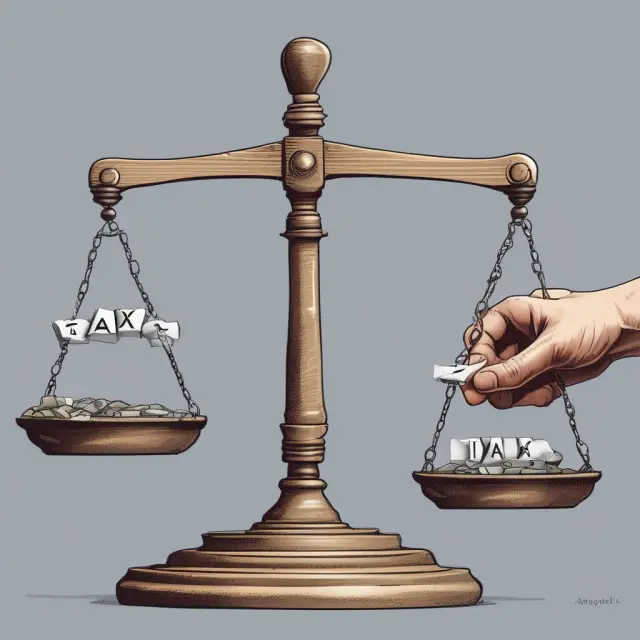
Calculating the Use Tax Rate
Understanding the calculation of a use tax rate is crucial for individuals and businesses subject to this conditional sales tax. A use tax is applied when goods are used, stored, or distributed in a jurisdiction where sales tax would normally be imposed but were purchased without paying the sales tax elsewhere. The use tax rate is typically equivalent to the local/state sales tax rate.
Determining the Correct Use Tax Rate:
To calculate the correct use tax rate, you should first identify your home state or jurisdiction’s sales tax rate. This rate consists of both state and local components. For instance, if a consumer resides in California and their city imposes an additional 2% sales tax on top of the state’s standard 7.25%, their total use tax rate will be 9.25%.
Common Scenarios for Use Tax Application:
The use tax is applicable whenever consumers purchase goods outside their home jurisdiction and do not pay a sales tax. Some common scenarios include interstate purchases, professional purchases, and goods bought for resale. Let’s explore each of these in more detail:
1. Interstate Purchases: If you buy an item from another state where no sales tax is levied but intend to use, store or distribute it in your home jurisdiction where sales tax would normally apply, then you will be responsible for calculating and paying the use tax on that purchase. For example, if a California resident buys furniture in Arizona (where no sales tax is charged) and plans to use it in their California residence, they must pay the use tax equivalent to their home state’s sales tax rate of 7.25%.
2. Professional Purchases: Professionals making purchases for their trade in a jurisdiction without a sales tax but will be used in an area with one are also subject to the use tax. In such cases, they need to calculate and pay the use tax on these professional purchases. This can include lawyers, architects, consultants, or other professionals who frequently make interstate transactions.
3. Goods Bought for Resale: If you buy goods with the intention of reselling them in a jurisdiction where sales tax would normally apply but did not pay any sales tax at the time of purchase, then you are responsible for calculating and paying the use tax on those goods. This applies to both individuals and businesses.
The Importance of Accurately Determining Use Tax Rates:
It is essential that individuals and businesses accurately calculate their use tax rates when making interstate purchases or dealing with professional purchases. Failure to do so could result in underpaying or overpaying taxes, leading to potential penalties and interest charges. Additionally, accurately calculating the correct use tax rate helps ensure a level playing field for local retailers by reducing their competition from out-of-state sellers who do not collect sales taxes.
In conclusion, understanding the calculation of use tax rates is critical for individuals and businesses engaging in interstate transactions. By following the guidelines outlined above, you can ensure that you pay the correct amount of use taxes on your purchases and avoid potential penalties or interest charges.

Enforcing Use Tax Obligations
The enforcement of use tax obligations relies heavily on voluntary compliance from consumers and businesses. Since governments cannot directly collect the use tax at the point of sale, it becomes challenging for them to ensure that all applicable taxes are paid. As a result, many consumers overlook their use tax responsibilities, leading to potential revenue losses for governments.
Government bodies typically enforce use tax compliance in several ways:
1. Audits and investigations: State and local taxing authorities may conduct audits or investigations on individuals or businesses suspected of not reporting and paying their use taxes correctly. This process can involve reviewing records, interviewing taxpayers, and imposing penalties for non-compliance.
2. Penalties and interest: When individuals or businesses fail to pay or underreport their use tax obligations, they may be subject to additional penalties and interest. These charges are designed to encourage prompt payment and deter future non-compliance.
3. Automated systems and reporting requirements: In recent years, many states have implemented automated sales tax collection systems and reporting requirements for online retailers. While these measures don’t directly affect use taxes, they can help improve overall compliance by increasing the visibility of transactions that might otherwise go unreported or under-taxed.
4. Collaborative efforts between state governments: Some states may collaborate with neighboring jurisdictions to share information and resources when pursuing out-of-state tax evaders. These multi-state initiatives can help expand the reach of enforcement efforts, increasing the chances of detection and accountability.
5. Public education and awareness campaigns: Public awareness and education are essential components in promoting use tax compliance. States and local authorities often invest resources in informative campaigns to remind residents of their use tax responsibilities and the potential consequences for non-compliance.
Despite these efforts, the voluntary nature of use taxes means that enforcement remains an ongoing challenge. Many consumers might not be aware of their obligations or simply choose not to report and pay their use taxes, leading to revenue losses for governments. However, with continued education, awareness, and the implementation of advanced technology and reporting requirements, the overall level of use tax compliance can be improved.
As a consumer or business owner, it’s essential to understand your responsibilities regarding use taxes and take appropriate measures to ensure that you are complying with these obligations. By staying informed about your use tax liabilities and diligently calculating and reporting any applicable taxes, you can help safeguard against potential penalties and minimize the risk of an audit or investigation.
For more information on use taxes in your state or jurisdiction, contact your local or state taxing authority or consult their website for detailed guidance and resources.

Use Tax and Sales Tax Nexus
Understanding the relationship between a use tax and sales tax nexus is crucial for businesses operating in multiple states or those with an online presence, as it can significantly impact their sales tax obligations. A use tax applies when goods are purchased from a location where no sales tax is charged but are intended to be used in a jurisdiction where sales tax would normally apply. The term “nexus” refers to the physical or economic connection that establishes a business’s obligation to collect and remit sales taxes. Let’s delve deeper into this relationship and explore its implications for businesses.
Use Tax vs. Sales Tax Nexus: A Closer Look
When it comes to sales tax nexus, the most common definitions revolve around a business having a physical presence in a state. However, as e-commerce grows, new interpretations of nexus have emerged. For instance, a business might have a nexus if they have an employee or affiliate in a state or even a partner website that directs traffic to their webpage in exchange for a share of profits.
The use tax comes into play when retailers are not required to collect sales taxes on purchases made by consumers outside their physical presence (or nexus). As a result, the burden falls on the consumer to calculate and pay the use tax to their home state. The challenge is that many states struggle with enforcing use tax compliance due to its self-assessment nature.
Impact of Use Taxes on Interstate Operations and Online Presence
With the rise of e-commerce and interstate business operations, the importance of understanding use taxes and sales tax nexus has become increasingly significant. Many states have enacted laws that require online retailers to collect sales taxes when their customers make purchases from them, even if they don’t have a physical presence in the state. The primary goal is to ensure that these businesses pay their fair share of taxes and prevent the loss of revenue due to consumers failing to report and pay use taxes on their purchases.
The use tax can create complexities for businesses with interstate operations or an online presence, as they must keep track of sales tax rates in various jurisdictions and understand when use taxes apply. This requires a robust tax system to calculate, collect, and remit the appropriate taxes to avoid penalties and maintain compliance.
Conclusion:
Understanding the relationship between use tax and sales tax nexus is vital for businesses with interstate operations or an online presence. By staying informed about these concepts and their implications, organizations can ensure they remain compliant with sales tax regulations and minimize the risk of penalties and fines. It’s also essential to recognize that every state has unique rules regarding use taxes, so it’s crucial to stay up-to-date on the specific requirements in each jurisdiction where you do business.

Benefits and Drawbacks of Use Taxes for States and Consumers
Understanding the significance of a use tax extends beyond its application as a conditional sales tax. The implications of this taxation model can be profound, both from a state’s perspective in terms of revenue generation, and a consumer’s perspective regarding ease of compliance and fairness.
From the States’ Perspective
A well-administered use tax system provides several advantages for states seeking to protect local businesses and ensure a level playing field against out-of-state competition. By levying a use tax on goods brought into their jurisdiction where no sales tax was initially collected, states can maintain revenue parity with other regions. It is estimated that states could potentially generate over $13 billion annually through the implementation and enforcement of use taxes (Source: Tax Foundation).
However, the burden of enforcing these taxes falls on individual consumers, which poses challenges for governments. The difficulty in collecting use taxes from a broad base of taxpayers can lead to inconsistent compliance, revenue loss, and administrative complexities. This is compounded by the fact that many states have not implemented robust mechanisms to simplify the reporting process or provide clear guidance on how to calculate and pay use taxes.
From the Consumers’ Perspective
For consumers, the use tax can pose challenges in terms of fairness and ease of compliance. In instances where they purchase goods from out-of-state retailers or through online platforms, determining the correct amount of use tax due can be confusing and time-consuming. Furthermore, the absence of a clear reporting mechanism or automatic calculation tools may lead to errors and potential underpayment or overpayment of taxes.
Additionally, some consumers argue that the use tax unfairly burdens them with the responsibility of calculating and remitting taxes on purchases made outside their jurisdiction, which they did not have control over in the first place. They may question why they should bear this added administrative burden when out-of-state sellers are exempt from collecting sales taxes.
Conclusion:
In conclusion, use taxes present both advantages and disadvantages for states and consumers alike. While they protect local businesses against competition from out-of-state sellers that don’t have to collect sales taxes, the difficulty in enforcing these taxes can lead to revenue loss and compliance challenges. At the same time, consumers may find the use tax burdensome due to the added administrative burden of calculating and reporting use taxes on purchases made outside their jurisdiction. As the e-commerce landscape continues to evolve, it is crucial for states to explore ways to simplify the use tax system and provide clear guidance to consumers regarding their obligations, ensuring a fair and efficient taxation environment.

Strategies for Minimizing Use Taxes
Understanding the intricacies of a use tax might lead one to believe that there is little wiggle room when it comes to payments and liabilities. However, consumers and businesses can employ various tactics to minimize their use tax obligations. In this section, we delve into these strategies, offering valuable insights for those seeking to navigate the complexities of use taxes.
1. Keep records: To effectively manage your use tax liabilities, it is essential to keep accurate records of all purchases subject to use tax. This includes documentation of the purchase price, sales tax exemptions (if any), and the location from where the goods were bought. Proper record-keeping not only facilitates easier reporting but also helps ensure compliance with use tax regulations.
2. Use tax thresholds: Some states offer threshold levels for certain types of purchases that may be exempt or subject to reduced use tax rates. For instance, in California, the first $1,000 of tangible personal property purchased outside the state is generally exempt from use tax. Familiarizing yourself with these thresholds and qualifying exemptions can help lower your overall use tax burden.
3. Timely reporting: Consumers and businesses should make it a priority to pay their use taxes on time to avoid potential penalties and interest charges. Many states offer convenient online filing systems, making the process more accessible and streamlined. Remember that timely reporting not only ensures compliance but also reduces stress and financial strain caused by late payments or missed deadlines.
4. Negotiating with vendors: In some cases, it might be possible to negotiate sales tax collection from out-of-state retailers. This can significantly simplify the use tax payment process and potentially save you time and resources. To do this, consider contacting the vendor directly or reaching out to your state’s tax authority for guidance on best practices and potential avenues for negotiation.
5. Tax credits: Depending on the specifics of your situation, you might be eligible for certain tax credits that can offset your use tax liabilities. For example, some states offer deductions or incentives for specific industries or purchases, such as green energy equipment or research and development expenses. Stay informed about the latest tax credit opportunities to maximize your savings and minimize your overall use tax burden.
6. Collaborate with professionals: When it comes to managing complex tax matters like use taxes, consulting with experts can be invaluable. This might include accountants, tax attorneys, or other financial professionals. They can help you navigate the intricacies of use tax regulations, provide insights on minimization strategies, and offer guidance on filing requirements and deadlines.
7. Use tax software: To streamline the process of managing and reporting use taxes, consider investing in specialized software designed for this purpose. These tools can automate calculations, integrate with your accounting system, and help ensure compliance with ever-changing tax regulations.
By employing these strategies, you’ll be well on your way to minimizing your use tax liabilities and making the process as smooth and efficient as possible. Remember, a proactive approach to managing use taxes is essential for maintaining financial health and ensuring ongoing success in both personal and business contexts.

Use Tax Compliance Best Practices
Understanding the use tax compliance requirements can be a complex process for individuals and businesses alike. As a consumer or business, it is essential to ensure accurate reporting and payment of use taxes. In this section, we discuss best practices for complying with use tax obligations.
1. Determine if Use Tax Applies: The first step in the compliance process is recognizing when use tax applies. This typically occurs when goods are purchased outside a consumer’s home state or jurisdiction and are intended for use within their jurisdiction where sales tax would normally be imposed. Common scenarios include interstate purchases, professional purchases, and goods bought for resale.
2. Identify the Applicable Use Tax Rate: Once it has been determined that use tax applies, the next step is to calculate the correct rate based on the consumer’s home state or jurisdiction. The rate is generally the same as the local sales tax rate, including both state and local taxes. It is essential to understand this rate to correctly report and pay use taxes.
3. Recordkeeping: Maintaining accurate records of all purchases, especially those made outside a consumer’s home state or jurisdiction, is crucial for use tax compliance. This information should include the date, description, and cost of each purchase. Proper recordkeeping can simplify the reporting and payment process and help avoid potential audits or penalties.
4. Timely Payment: It’s essential to pay use taxes as close to the time of purchase as possible to minimize interest charges and penalties. Many states offer online filing systems, making it easy for consumers and businesses to report and pay their use taxes. Regularly reviewing records and calculating total use tax liability can help ensure timely payments.
5. Compliance with International Use Taxes: For international transactions, understanding the application of import taxes and Value-Added Tax (VAT) is necessary. This may involve registering for a VAT identification number and filing periodic returns. Familiarizing oneself with the specific rules and requirements in each country is essential to maintain compliance and avoid potential issues with customs or revenue authorities.
6. Seek Professional Help: If managing use tax compliance proves challenging, seeking professional help from tax advisors or accountants can provide valuable guidance and expertise. They can help assess your situation, determine your obligations, and devise a strategy for managing the process effectively.
7. Stay Informed: Keeping up-to-date with changes in use tax laws and regulations is crucial to maintaining compliance. Regularly checking state or local tax department websites, subscribing to newsletters, or joining professional organizations can help ensure that you are aware of any updates or modifications that may impact your use tax obligations.
By implementing these best practices, individuals and businesses can effectively manage their use tax compliance responsibilities while minimizing potential risks and costs.

International Use Tax Considerations
Use tax implications extend beyond domestic transactions, reaching across borders with import taxes and Value Added Tax (VAT). Understanding the interplay of international use tax obligations is essential for institutional investors. Let’s explore how use tax applies to imports and VAT systems.
Import Taxes
Import taxes are essentially a form of use tax applied on goods entering a country, such as the United States. These taxes are often collected by Customs and Border Protection (CBP) at the time of importation and remitted to the appropriate government agency. However, if an importer fails to pay the import tax or underpays it, they may be subject to use tax liability.
The import tax rate varies depending on the country and specific goods involved in the transaction. For example, in the US, the Harmonized Tariff Schedule (HTS) sets the rates for import taxes based on product classification codes. In addition to the import tax, there may also be additional fees or charges, such as customs duty or brokerage fees, which add to the overall cost of the goods.
It’s important for institutional investors to be aware of their international use tax obligations when purchasing goods from abroad. Failure to pay the proper import taxes and subsequent use taxes can result in significant penalties and interest charges. For more information on US import taxes, visit the United States International Trade Commission website.
Value Added Tax (VAT)
VAT is a type of sales tax applied in numerous countries worldwide. Unlike the US, which does not have a federal sales tax, European Union (EU) member states adopt a common VAT system. Each EU country implements its VAT rate based on specific product categories and has unique rules regarding registration thresholds, filings, and exemptions.
Institutional investors dealing with international transactions should be well-versed in VAT implications to avoid potential pitfalls. The following are essential concepts to understand:
1. Registration Threshold: Every EU country sets a VAT registration threshold. Once an entity passes the threshold for sales made within that specific jurisdiction, they must register and charge VAT on their transactions. Failing to do so may result in financial repercussions.
2. Intrastat Declarations: Intra-Community Trade Statements (Intrastat) are mandatory reporting requirements for entities engaged in business activities between EU countries. These statements must be filed regularly to the relevant tax authority and provide details about goods sold and purchased between EU member states.
3. Reverse Charge Mechanism: The reverse charge mechanism allows businesses to invoice their customers for VAT instead of collecting it themselves, as long as they are VAT-registered in the EU country where the transaction takes place. This practice is common when dealing with international transactions, such as those involving goods and services supplied between EU member states.
In conclusion, understanding the intricacies of international use tax obligations, import taxes, and VAT systems is crucial for institutional investors involved in cross-border transactions. Adhering to these regulations can help minimize financial risks and ensure smooth business operations.

FAQs on Use Taxes
What is a use tax, and how does it differ from sales tax?
A use tax is a conditional sales tax charged when goods are purchased without paying the sales tax in their intended state of use. It’s similar to sales tax in that both are imposed by governments to collect revenue on transactions involving goods and services. However, while sales tax is collected at the point of sale by retailers, use tax is self-assessed and remitted by consumers. The rate for both taxes is generally the same as the local/state sales tax.
When is a use tax applicable?
Use tax applies to goods purchased outside their intended state or jurisdiction where a sales tax would normally be imposed but was not collected at the point of sale. This includes interstate purchases, professional purchases for resale, and items brought back from overseas travel.
How do I determine the use tax rate?
The use tax rate is the same as the consumer’s local/state sales tax rate. It may include both state and local components. Consumers are responsible for calculating and paying this tax on their own.
What happens if I fail to pay a use tax?
Non-compliance with use tax obligations can lead to penalties, interest, and potential legal action. It is crucial to understand the consequences of not reporting and paying use taxes to avoid unnecessary complications.
How does use tax impact sales tax nexus for businesses?
Use taxes can play a role in determining a business’s sales tax obligations by establishing nexus with a state or jurisdiction where goods are stored, used, or distributed. This may require businesses operating online or across multiple states to register and collect sales taxes accordingly.
What are the advantages and disadvantages of use taxes for states and consumers?
The use tax can provide revenue for state governments while ensuring a level playing field for local retailers competing against out-of-state sellers. However, it can be burdensome for consumers who must self-assess and report their use tax liabilities. It can also lead to potential confusion and compliance challenges.
How can I minimize my use tax liability?
Strategies for reducing use tax obligations may include planning your purchases based on sales tax rates in various jurisdictions, utilizing tax exemptions and deductions, and implementing efficient record-keeping practices. Consult with tax professionals to ensure that you’re maximizing opportunities for savings while staying compliant with all applicable laws.
What are the best practices for use tax compliance?
Maintain accurate records of purchases, understand the tax rules in various jurisdictions, and file use tax returns on time to avoid penalties and complications. It’s also essential to stay informed about any changes in use tax regulations that may affect your reporting obligations.
What are international considerations for use taxes?
International transactions can involve complexities related to import taxes, VAT (Value Added Tax), and other customs duties. Consult with tax professionals or government agencies to understand the specific implications of use taxes when dealing with international purchases and sales.
Where can I find more information on use taxes and reporting requirements?
State tax departments and revenue offices typically provide resources, forms, and instructions for calculating and reporting use taxes. Online platforms like the National Association of State Boards of Equalization (NASBE) and the Federation of Tax Administrators also offer valuable insights and guidance on use tax matters.
 Next entry · No. 5,365Understanding Useful Life: Estimations, Depreciation Methods, and Adjustments
See also
-
 No. 5,046
07 Aug 2025
22 min
Transfer Pricing: Strategies, Regulations, and Controversial Cases for Institutional Investors
Business Finance
No. 5,046
07 Aug 2025
22 min
Transfer Pricing: Strategies, Regulations, and Controversial Cases for Institutional Investors
Business Finance -
 No. 4,889
25 Jul 2025
19 min
Understanding Tax Liability: Calculating Income, Capital Gains, and Deductions
Taxation
No. 4,889
25 Jul 2025
19 min
Understanding Tax Liability: Calculating Income, Capital Gains, and Deductions
Taxation -
 No. 4,885
24 Jul 2025
19 min
Understanding Taxes: Types, Systems, and Consequences for Investors
Taxation
No. 4,885
24 Jul 2025
19 min
Understanding Taxes: Types, Systems, and Consequences for Investors
Taxation -
 No. 4,879
24 Jul 2025
25 min
Understanding Taxation: Types, Purposes, and Justifications
Taxation
No. 4,879
24 Jul 2025
25 min
Understanding Taxation: Types, Purposes, and Justifications
Taxation -
 No. 5,323
30 Aug 2025
22 min
Unwinding Positions: A Comprehensive Guide for Institutional Investors
Business Finance
No. 5,323
30 Aug 2025
22 min
Unwinding Positions: A Comprehensive Guide for Institutional Investors
Business Finance -
 No. 4,551
28 Jun 2025
20 min
Understanding Safe Harbors in Finance and Investment: Strategies, Types, and Examples
Business Finance
No. 4,551
28 Jun 2025
20 min
Understanding Safe Harbors in Finance and Investment: Strategies, Types, and Examples
Business Finance