Understanding Tight Monetary Policy: Central Bank’s Tool for Controlling Inflation and Growth

Learn about tight monetary policy, its tools like the Federal funds rate and open market operations, and how it's used by central banks for controlling…
What Is Tight Monetary Policy?
Tight monetary policy, also known as contractionary monetary policy, refers to actions taken by central banks like the Federal Reserve to slow down overheated economic growth or curb inflation when it rises too quickly. A primary tool used in implementing tight monetary policy is raising short-term interest rates, such as the federal funds rate and discount rate, which increases borrowing costs and reduces attractiveness for borrowing. The costlier borrowing environment makes saving more desirable. Central banks can also implement tight monetary policy by selling assets on their balance sheets through open market operations (OMO), making it more economical for savers and bondholders due to increased yields.
Central Banks’ Role in Monetary Policy
Central banks play a crucial role in regulating their countries’ economies, primarily using the federal funds rate as their leading tool. The federal funds rate determines the interest rate at which banks lend to each other and acts as a base rate for short-term lending in the broader economy. By raising this rate, borrowing becomes less attractive due to higher costs. Consequently, spending on projects financed by borrowed capital slows down, helping control inflation and overheated economic growth.
Impact of Tight Monetary Policy: Borrowing vs. Saving
The primary impact of tight monetary policy is a reduction in borrowing and an increase in saving as the cost of borrowing increases. This can lead to slower economic growth, as fewer projects are financed through borrowed capital, while individuals may choose to save their funds due to higher yields. The impact of tight monetary policy on different types of borrowing varies, including personal loans, mortgages, and credit card interest rates.
Open Market Operations in Tightening Environment
Central banks can implement tight monetary policy by selling Treasuries and other securities via open market operations (OMO). The sale of these assets reduces their prices, causing yields to increase, making it more economical for savers and bondholders. The increased cost of borrowing, combined with a lower money supply due to the Fed selling its own assets, serves to slow down inflation and reduce economic growth.
Tight Monetary Policy vs. Fiscal Policy
Monetary policy (using interest rates, reserve requirements, and open market operations) is different from fiscal policy (using taxes and government spending). Central banks can coordinate their monetary policy actions with a country’s fiscal policy to achieve the desired economic outcome. For example, during an economic downturn, a central bank might implement loose monetary policy to stimulate borrowing and increase the money supply, while the government pursues a tight fiscal policy by decreasing spending or raising taxes to control inflation.
Tools of Tight Monetary Policy: Reserve Requirements, Discount Rate, Open Market Operations
Central banks employ three primary tools in implementing monetary policy—reserve requirements, discount rate, and open market operations. By increasing reserve requirements for member banks, central banks can shrink the money supply and help slow economic growth or inflation. The discount rate, or the interest rate at which banks borrow from the central bank, can be raised to discourage lending and increase savings. Finally, selling securities through open market operations helps control the money supply by reducing the number of securities in circulation and lowering their prices, making them more attractive for savers and bondholders.
Benefits of Tight Monetary Policy: Stabilizing Inflation and Exchange Rates, Absorbing Extra Capital
Tight monetary policy is implemented when central banks aim to reduce economic growth or inflation by making borrowing less attractive and increasing saving. Its benefits include maintaining exchange rates, absorbing excess capital through open market sales, and stabilizing overall inflation levels in the economy. Tight monetary policy can help prevent an overheated economy from leading to price instability or currency devaluation.

Central Banks and Monetary Policy
When it comes to managing economies, two primary tools exist for governments: fiscal policy and monetary policy. Among these, monetary policy plays a crucial role in regulating financial conditions and economic activity through the manipulation of interest rates and other monetary instruments. Central banks, such as the U.S.’s Federal Reserve (Fed), serve as key players in implementing this critical aspect of economic management.
Central Banks: Regulators Par Excellence
Central banks are autonomous institutions that oversee a country’s monetary system and financial infrastructure. Their primary objective is to ensure price stability, which is usually defined as maintaining low and stable inflation levels. In addition, they work closely with governments to help manage the economy. Central banks achieve their objectives through various policy tools, chief among them being open market operations (OMO), interest rates, reserve requirements, and discount rates.
Federal Funds Rate: The Prime Lever
The federal funds rate, which is the interest rate at which banks lend to one another overnight, serves as a central bank’s most influential monetary tool. By altering the federal funds rate, a central bank can significantly influence short-term interest rates across the economy. Raising or lowering this rate can make borrowing more expensive or cheaper for businesses and consumers, respectively, thereby affecting their spending patterns and economic activity.
Inflation and Tight Monetary Policy: A Balancing Act
Central banks employ tight monetary policy when an economy experiences rapid growth or inflation that threatens price stability. This approach involves raising interest rates to reduce borrowing, as borrowing becomes more expensive with higher rates. The subsequent decrease in overall demand for credit can lead to a slowdown in economic activity and a decline in prices, ultimately helping control inflation.
When should tight monetary policy be employed?
A central bank may consider implementing tight monetary policy when:
- Inflation is consistently above its target rate
- Economic growth is too robust and could potentially lead to an overheating economy
- The labor market shows signs of pressure, such as a low unemployment rate or wage increases that outpace productivity growth
- Financial markets exhibit instability or asset price bubbles
In conclusion, understanding tight monetary policy and its role in regulating the economy is essential for investors and individuals alike. By using their primary tools – interest rates, reserve requirements, discount rates, and open market operations – central banks like the Federal Reserve can help stabilize inflation, maintain exchange rates, and provide a stable economic environment.

Impact of Tight Monetary Policy
Tight monetary policy, also known as contractionary monetary policy, serves several objectives for central banks when they need to curb inflation and stabilize the economy. When a central bank implements tight monetary policy, it makes borrowing more expensive and less attractive while making saving more enticing. This change in financial incentives leads investors and consumers to adjust their behavior accordingly.
Borrowers may postpone large investments or decrease consumption due to higher interest rates on loans. Conversely, savers are likely to park their funds in savings accounts or certificates of deposit (CDs) with the expectation of earning higher yields from their deposits. The change in borrowing and saving behavior can have various impacts on different sectors of the economy.
When a central bank like the Federal Reserve raises interest rates, it increases short-term borrowing costs for businesses and consumers. As a result, businesses may be less inclined to invest in new projects due to higher borrowing costs. On the other hand, households might reduce their spending, as the increased cost of borrowing can make it more expensive to finance purchases such as automobiles or real estate. This can lead to a slowdown in economic growth and potentially lower inflation rates.
The change in interest rates also impacts the yield on various financial instruments like bonds. When central banks raise short-term rates, yields on long-term bonds often increase as well due to expectations of future rate hikes. Higher bond yields can make bonds more attractive compared to stocks, causing investors to shift their funds from equities to fixed income investments. This shift in asset allocation can result in a decrease in stock prices and an increase in bond prices.
Open market operations (OMO) can also be used as a tool for implementing tight monetary policy. In a tightening environment, central banks sell assets on the open market. For instance, the Federal Reserve can sell U.S. Treasury securities to large investors, effectively increasing interest rates in the short term and decreasing demand for borrowing. The reduction in borrowing capacity can lead to a decrease in inflationary pressures and a lower overall economic growth rate.
Tight monetary policy is often used to counteract excessive borrowing and spending during an economic boom period. It can help central banks maintain price stability, reduce potential financial instability, and ultimately keep the economy on a sustainable growth path. By making it more expensive to borrow and saving more attractive, tight monetary policy encourages responsible fiscal behavior from consumers and businesses.
In conclusion, tight monetary policy is an essential tool for controlling inflation and maintaining economic stability. When central banks implement this policy, it can result in decreased borrowing and increased savings, potentially slowing down economic growth or reducing inflationary pressures. Understanding how this policy impacts different sectors of the economy and financial instruments can help investors and consumers make informed decisions during periods of tight monetary policy.
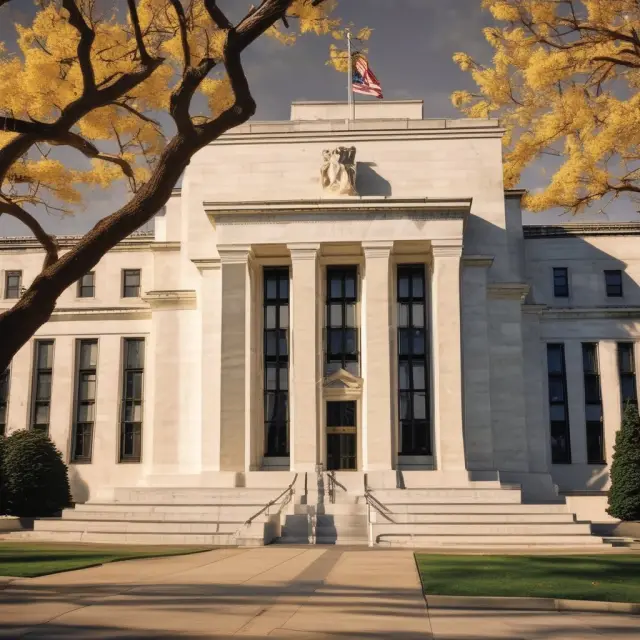
Open Market Operations in Tightening Environment
In tight monetary policy, central banks like the Federal Reserve employ various measures to rein in overheated economic growth or curb inflation. One such tool in their arsenal is open market operations (OMO), which can be used to sell securities, such as U.S. Treasuries, to large investors. The purpose of this action is to reduce the money supply, increase interest rates, and make borrowing less attractive.
The process begins when the central bank, in this case the Federal Reserve, decides to sell a specific amount of U.S. Treasuries on the open market. Large institutional investors like mutual funds and pension funds are typically interested in these securities due to their perceived safety and high liquidity. The Federal Reserve announces its intentions, allowing investors sufficient time to prepare offers for purchase.
The sale process drives down the price of U.S. Treasuries on the open market, making their yields more attractive as a result. A higher yield implies that investors demand a greater return on their investment given the additional perceived risk from the central bank’s sale. Consequently, savers and bondholders are drawn to these securities, leading to increased demand for U.S. Treasuries and a decrease in the available cash in the economy.
This reduction in the money supply increases the cost of borrowing, making it less attractive for consumers and businesses to take on new debt. The net effect is that open market operations in a tightening environment serve to slow economic growth by reducing the overall availability of credit in the economy.
It’s important to note that open market operations are just one tool central banks use to implement tight monetary policy. Other tools include raising interest rates, such as the federal funds rate and discount rate, and increasing reserve requirements for member banks. The coordinated use of these tools allows a central bank like the Federal Reserve to effectively manage inflation and stabilize the economy in an ever-changing macroeconomic environment.

Tight Monetary Policy vs. Fiscal Policy
Understanding the relationship between monetary and fiscal policy is crucial for grasping central bank decisions regarding inflation targeting, interest rates, and their impact on economic growth. While both policies are employed to influence economic conditions, they differ significantly in their implementation and scope.
Monetary policy refers to actions taken by a central bank, primarily through open market operations (OMO) and interest rate adjustments, to control the supply of money within an economy and influence borrowing costs. Fiscal policy, on the other hand, is the government’s use of its power to collect and spend taxes and modify public expenditures in order to impact economic growth and employment levels.
Central banks like the Federal Reserve aim for a stable economy by balancing inflation and growth through monetary policy actions. For instance, when inflation rises significantly, a central bank may tighten monetary policy to reduce borrowing costs and slow down spending. Conversely, if an economy shows signs of slowing down, a central bank might ease monetary policy by lowering interest rates or expanding its balance sheet through open market purchases.
Fiscal policy is a complementary tool used by the government when necessary to address economic fluctuations in conjunction with monetary policy actions. During periods of weak economic growth, fiscal expansion can be employed to stimulate demand and boost economic activity. This is typically achieved by increasing government spending or reducing taxes. In contrast, during times of inflation, fiscal contraction can help control overall demand and cool down price pressures through measures such as tax increases or reduced public expenditures.
In an ideal scenario, coordinated monetary and fiscal policies work together to optimize economic outcomes. Central banks aim for stable inflation levels, while governments use fiscal policy tools to address short-term economic fluctuations and support long-term growth objectives. Ultimately, the balance between monetary and fiscal policy depends on the prevailing economic conditions and the priorities of the central bank and government in question.
It is important to note that monetary policy is generally considered a more powerful tool for controlling short-term economic fluctuations compared to fiscal policy. This is due to its ability to influence interest rates and borrowing costs more quickly than fiscal measures, such as tax changes or public spending initiatives, which typically take longer to be implemented.
In conclusion, understanding the relationship between monetary and fiscal policies is essential for grasping central bank decision-making regarding inflation targeting and economic growth. While both tools have different scopes and implementation methods, their coordinated use can result in optimal economic outcomes that balance price stability with growth objectives.

Tools of Tight Monetary Policy
Central banks employ several tools to implement tight monetary policy, which aims to curb economic growth and reduce inflation. Among these instruments are reserve requirements, the discount rate, and open market operations (OMO).
Reserve Requirements: Central Banks Set Minimum Reserves
Central banks impose a minimum reserve requirement on commercial banks, obligating them to hold a predetermined percentage of their deposits in reserves. By increasing this requirement, central banks reduce the amount of available credit in the economy, thus slowing down lending and borrowing activities. When the Fed raises the reserve requirements, it effectively drains liquidity from the banking system and tightens monetary conditions.
Discount Rate: Adjusting Borrowing Costs for Commercial Banks
Another tool used by central banks to implement a tight monetary policy is raising the discount rate—the interest rate at which commercial banks can borrow directly from their central bank. By increasing the discount rate, the central bank makes it more expensive for commercial banks to borrow. As a result, they decrease their lending activities and shrink credit availability in the economy.
Open Market Operations: Central Banks Buy or Sell Securities
A central bank can also engage in open market operations (OMO) to influence short-term interest rates and control the amount of money within its economy. In a tightening environment, the Fed sells securities such as U.S. Treasury bonds to financial institutions. This practice reduces the demand for securities and drives their prices down. Consequently, the yield on these securities rises, which encourages investors to shift from riskier investments to safer ones, thus decreasing inflationary pressures and tightening monetary conditions.
In conclusion, central banks employ a variety of tools—including reserve requirements, discount rates, and open market operations—to execute tight monetary policy when necessary. This course of action helps curb economic overheating by raising interest rates, reducing the money supply, and decreasing borrowing activities. By understanding how these instruments work, we can better comprehend the role central banks play in maintaining financial stability and controlling inflation.

Benefits of Tight Monetary Policy
Tight monetary policy, also referred to as contractionary monetary policy, is a strategic measure taken by central banks like the Federal Reserve to cool down an overheating economy or curb inflation when it spirals out of control. By tightening their stance on monetary policy, central banks aim to slow down economic growth and stabilize price levels within the targeted range. This is typically achieved through three primary tools: raising interest rates, increasing reserve requirements, and conducting open market operations (OMO).
Interest Rates
The most common tool for tightening monetary policy is an increase in short-term interest rates, including the discount rate and the federal funds rate. The federal funds rate – the interest rate at which banks lend to each other – is widely used as a benchmark for setting market interest rates. By raising the federal funds rate, borrowing becomes less attractive due to increased costs. As a result, businesses and consumers are incentivized to save rather than spend or invest, helping to cool down economic growth.
Open Market Operations (OMO)
Central banks can also tighten monetary policy through open market operations (OMO), which involve selling Treasury securities on the open market. Large-scale sales of these government bonds reduce demand for them and drive up yields. This makes saving in Treasuries more attractive, which in turn draws money out of circulation, thereby reducing inflationary pressures.
Stabilizing Inflation
A major goal of tight monetary policy is to help stabilize inflation, which is an increase in overall prices for goods and services. By increasing interest rates or selling Treasury securities, central banks can effectively slow down economic growth and keep inflation within the targeted range. This ensures that the purchasing power of the currency remains stable and predictable, fostering confidence among businesses and consumers.
Maintaining Exchange Rates
Tight monetary policy is also an effective tool for maintaining exchange rates. Central banks use interest rate adjustments to attract or repel foreign capital to help keep their currencies at desired levels. A central bank raising rates makes its currency more attractive, drawing in foreign investors and increasing the demand for the domestic currency. Conversely, lowering rates makes the currency less attractive, which can lead to an outflow of foreign capital.
Absorbing Extra Capital
Central banks can also use tight monetary policy to absorb excess capital by selling Treasury securities through open market operations. By doing so, they effectively take money out of circulation, helping to prevent inflation and maintain exchange rate stability. This is particularly useful when an economy experiences a sudden influx of foreign currency or investment.
Understanding the benefits of tight monetary policy provides valuable insight into how central banks manage economic growth and control inflation. By utilizing tools like interest rate adjustments and open market operations, central banks can effectively manipulate the money supply to meet their objectives. In the next section, we’ll explore the differences between tight monetary policy and fiscal policy and discuss the importance of coordinating these two types of policy measures for optimal economic results.

Tight Monetary Policy vs. Loose Monetary Policy
Understanding Monetary Policy’s Yin and Yang
Monetary policy refers to the actions taken by central banks, such as the Federal Reserve (Fed), to manage the money supply within an economy with the aim of controlling inflation and supporting growth. The Fed uses two primary approaches: tight monetary policy and loose monetary policy. Both strategies serve a vital role in maintaining overall financial stability. In this section, we explore the fundamental differences between the two policies and their respective applications.
Tight Monetary Policy: A Contractionary Approach to Economic Control
When an economy is growing too quickly or inflation is rising too steeply, the Fed may employ a tight monetary policy approach. This strategy involves raising short-term interest rates through adjustments in the discount rate and federal funds rate. By increasing these interest rates, borrowing becomes less attractive due to increased costs, and saving becomes more appealing. The net effect is reduced spending throughout the economy as individuals and businesses rein in their borrowing and increase their savings.
The Fed may also sell U.S. Treasuries on the open market through open market operations (OMO). This action decreases the market price of these securities, making them more lucrative for investors and absorbing extra capital from circulation. With tight monetary policy, the money supply contracts, slowing inflation and cooling off an overheating economy.
Loose Monetary Policy: An Expansionary Approach to Economic Stimulus
On the other end of the spectrum lies loose monetary policy, which seeks to stimulate economic activity by lowering interest rates or expanding the money supply. During an economic downturn when growth is weak and unemployment high, the Fed may opt for this approach. Lower borrowing costs incentivize consumers and businesses to take on debt, leading to increased spending and investment. The Fed can also purchase U.S. Treasuries through OMO in a loose policy environment, injecting capital into the economy as it purchases these securities.
The Importance of Balancing Tight and Loose Monetary Policy
Central banks like the Federal Reserve play a significant role in maintaining financial stability through their monetary policies. By employing tight monetary policy when needed to curb inflation and prevent overheating or loose monetary policy during periods of economic sluggishness, central banks ensure that economies remain balanced and sustainable.
It’s important for policymakers to strike a balance between the two approaches to maintain both short-term and long-term stability. For example, during an economic expansion, the Fed may begin raising interest rates incrementally to prevent inflation from gaining too much momentum while also avoiding prematurely snuffing out growth. Conversely, during an economic downturn, the central bank may engage in loose monetary policy to stimulate borrowing and spending but avoid keeping rates low for an extended period that could contribute to inflation.
In conclusion, understanding tight monetary policy and its counterpart, loose monetary policy, is crucial to grasping the role of central banks in managing economies. Both policies serve a valuable purpose: tight monetary policy helps curb inflation and cool down overheating economies while loan monetary policy stimulates growth in economic downturns. Central banks employ various tools such as interest rates, reserve requirements, and open market operations to implement their desired policies. By mastering the interplay of these approaches, policymakers can effectively manage a country’s economy and keep it on the path towards sustainable growth.

The Role of the Federal Reserve in Tight Monetary Policy
When it comes to managing economic conditions, central banks like the Federal Reserve have several tools at their disposal. Among these tools is tight monetary policy, which aims to slow down an overheating economy or tame inflation by increasing interest rates. This approach makes borrowing less attractive and savings more so. The primary means for the Federal Reserve to implement tight monetary policy are through the discount rate and federal funds rate.
The Discount Rate: The discount rate is the interest rate at which commercial banks can borrow from the Fed. When the Fed raises the discount rate, borrowing becomes more expensive, making it less appealing to businesses and individuals to take on debt. This in turn slows down economic expansion and helps manage inflationary pressures.
Federal Funds Rate: The federal funds rate is the interest rate that banks charge each other for overnight loans. When the Federal Reserve raises this rate, it becomes more expensive for banks to borrow from one another, leading them to charge higher rates on consumer loans. This increased cost of borrowing can help curb inflation and slow spending in an overheated economy.
Open Market Operations: The Fed can also sell Treasury securities in the open market, reducing the amount of cash available to banks and shrinking the money supply. These sales cause interest rates to rise as demand for remaining funds increases, which further aids in implementing tight monetary policy.
While tight monetary policy can help manage inflation and overheated economies, it’s essential to note that it may also negatively impact economic growth. In an attempt to balance these opposing forces, the Federal Reserve must carefully navigate its use of tight monetary policy to achieve the desired outcome for the economy.
The next section will discuss the benefits of tight monetary policy and how it differs from loose monetary policy. Stay tuned!

FAQ on Tight Monetary Policy
Tight monetary policy, also known as contractionary monetary policy, is a tactic used by central banks like the Federal Reserve to slow down an overheating economic growth or curb inflation that’s rising too fast. In this FAQ section, we will answer some common questions about tight monetary policy and its implementation:
What is the difference between tight and loose monetary policy?
Tight monetary policy involves central banks raising interest rates to make borrowing less attractive, while loose monetary policy refers to lowering interest rates to stimulate borrowing. Central banks engage in tight monetary policy when an economy is accelerating too quickly or inflation is rising too fast. The opposite is true for loose monetary policy.
What tools do central banks use in a tight monetary policy environment?
Central banks can employ various tools to implement tight monetary policy, such as raising the federal funds rate, increasing reserve requirements, and selling Treasuries on the open market. When the Federal Reserve raises the federal funds rate—the interest rate at which banks lend to each other—it makes borrowing more expensive, making it less attractive for consumers and businesses to take out loans. Similarly, increasing reserve requirements forces banks to hold a larger portion of their deposits in reserve, effectively reducing the amount of money available for lending. In an environment where tight monetary policy is being employed, the Federal Reserve may also sell Treasuries on the open market to absorb excess capital and further reduce liquidity.
How can tight monetary policy impact borrowing and saving?
When a central bank implements tight monetary policy through raising interest rates, it makes borrowing more expensive. This discourages consumers from taking out loans for large purchases or investments. On the other hand, it also makes saving more attractive as savers receive higher returns on their deposits. Ultimately, tight monetary policy can lead to a reduction in overall economic activity as businesses and individuals curtail spending due to increased borrowing costs.
What is an open market operation (OMO), and how does it fit into tight monetary policy?
Open market operations (OMO) refer to the buying or selling of government securities by a central bank in the financial markets. Central banks can sell securities during a tightening cycle to absorb excess liquidity and reduce the money supply, making it more difficult for businesses and consumers to obtain financing. Conversely, they can buy securities during an easing cycle to inject additional funds into the economy and lower interest rates.
How does tight monetary policy affect exchange rates?
By reducing the amount of money in circulation and raising interest rates, a central bank can strengthen its currency against other currencies as investors seek higher returns from that country’s assets. A stronger currency makes imports more expensive for domestic consumers while making exports cheaper for foreign buyers, which can contribute to trade deficits or surpluses.
In summary, tight monetary policy is a necessary tool in the central banker’s arsenal to control inflation and maintain price stability by slowing down an overheating economy. By understanding its various components and effects, investors and businesses alike can make more informed decisions about their financial strategies.
 Next entry · No. 4,976Understanding the Truth in Lending Act (TILA) and Its Impact on Consumers and Financial Institutions
See also
-
 No. 4,405
16 Jun 2025
23 min
Understanding the Reserve Ratio and Its Impact on Monetary Policy
Finance Policy
No. 4,405
16 Jun 2025
23 min
Understanding the Reserve Ratio and Its Impact on Monetary Policy
Finance Policy -
 No. 3,724
22 Apr 2025
21 min
Understanding Open Market Operations and Their Impact on Monetary Policy
Finance Policy
No. 3,724
22 Apr 2025
21 min
Understanding Open Market Operations and Their Impact on Monetary Policy
Finance Policy -
 No. 3,238
12 Mar 2025
17 min
Understanding Monetary Policy: Tools, Types, Goals, and Impact
Finance Policy
No. 3,238
12 Mar 2025
17 min
Understanding Monetary Policy: Tools, Types, Goals, and Impact
Finance Policy -
 No. 5,572
20 Sep 2025
18 min
Understanding the Wage-Price Spiral and Its Impact on Inflation
Finance Policy
No. 5,572
20 Sep 2025
18 min
Understanding the Wage-Price Spiral and Its Impact on Inflation
Finance Policy -
 No. 3,236
12 Mar 2025
17 min
Monetary Aggregates: Understanding the Role of Money Supply in the Economy
Business Finance
No. 3,236
12 Mar 2025
17 min
Monetary Aggregates: Understanding the Role of Money Supply in the Economy
Business Finance -
 No. 3,235
12 Mar 2025
22 min
Monetarist Theory: Understanding Its Impact on Economic Growth, Inflation, and Central Banking
Economics
No. 3,235
12 Mar 2025
22 min
Monetarist Theory: Understanding Its Impact on Economic Growth, Inflation, and Central Banking
Economics