Understanding Trade Wars: A Modern Economic Battle

Explore the concept of trade wars, learn from history, understand advantages & disadvantages, notable examples, market impact, strategies for coping, WTO's…
What is a Trade War?
A trade war is an economic conflict that arises when countries impose tariffs or other protective measures on each other’s goods to defend domestic industries and jobs from foreign competition. Protectionism, the underlying principle behind trade wars, involves governments implementing various policies to shield their economies from international trade. This section sheds light on the definition of a trade war, its historical significance, and key concepts related to protectionism and its effects on global trade.
Definition and Key Concepts
A trade war occurs when one country imposes tariffs or other protective measures against another’s imports, creating an economic conflict over international trade. Protectionist policies are designed to protect domestic industries from foreign competition. Some common forms of protectionism include import tariffs, quotas, subsidies, and product standards. The objective is to create a competitive advantage for local businesses by restricting access to foreign imports and shielding them from price competition.
Protectionism can also help balance trade deficits. A trade deficit refers to a situation where a country’s imports exceed its exports. By raising tariffs or imposing quotas, countries limit the inflow of foreign goods and potentially reduce their trade deficits. However, protectionist policies are often controversial due to their potential negative impact on consumers, businesses, and global economies.
Throughout history, various nations have engaged in trade wars, which can lead to a series of retaliatory measures with far-reaching consequences. Understanding the origins, causes, and effects of trade wars is crucial for investors, economists, and policymakers alike. In the following sections, we will explore the historical background, advantages, disadvantages, implementation methods, notable examples, and contemporary implications of trade wars.
Historical Background: A Brief History of Trade Wars
Trade wars are not a modern invention; they have been taking place for centuries. From colonial powers fighting over trade exclusivity to the Great Depression era, understanding historical examples can provide valuable insights into the causes, consequences, and potential solutions to modern-day trade disputes. In this section, we will delve deeper into the history of trade wars, starting from their earliest origins and highlighting significant events that have shaped our global economic landscape. Stay tuned for an exploration of pivotal moments in history that reveal both the advantages and disadvantages of protectionist policies and their impact on international diplomacy and cultural exchange.
Advantages and Disadvantages
A trade war can be justified by its proponents as a means to protect national interests, create jobs, and correct unethical trading practices. However, critics argue that it ultimately harms both domestic and foreign economies, stifles growth, and negatively affects diplomatic relations and cultural exchange. In this section, we will weigh the advantages and disadvantages of trade wars, drawing on historical examples and contemporary perspectives to provide a balanced view of their implications for businesses, consumers, and global markets.
Advantages:
Protects domestic industries from foreign competition
Promotes local job growth
Balances trade deficits
Penalizes nations with unethical trading practices
Disadvantages:
Increases costs and induces inflation
Causes marketplace shortages, reduces choice
Slows economic growth
Hurts diplomatic relations, cultural exchange
Implementation Methods
Governments employ various methods to protect their industries from foreign competition. In this section, we will explore the different ways protectionist policies can be implemented and discuss their implications for businesses, consumers, and markets. From import tariffs to subsidies and quotas, understanding these tools is essential for investors looking to navigate the complex world of international trade and maintain a competitive edge in today’s global economy.
Current Scenarios
The ongoing trade tensions between the United States and China have dominated headlines in recent years, with both nations imposing tariffs on billions of dollars worth of goods. In this section, we will examine the reasons behind these disputes, their effects on businesses and markets, and potential resolutions to this economic standoff. By understanding the motivations, implications, and potential solutions to modern trade wars, investors can make informed decisions in an increasingly interconnected global economy.
In conclusion, the intricacies of international trade and its impact on economies can be complex and multifaceted. Understanding the historical background, causes, consequences, and potential solutions to trade wars is crucial for investors, policymakers, and anyone interested in staying informed about this critical aspect of global economics. By exploring key concepts, examples, and current scenarios, we hope to provide valuable insights and perspectives on trade wars and their role in shaping our economic future.

Background: A Brief History of Trade Wars
A trade war is an economically destructive conflict between countries characterized by the imposition of tariffs, quotas, and other protectionist measures on each other’s goods and services. The origins of trade wars can be traced back to colonial powers’ disputes over trading rights in the 17th century. Since then, numerous examples have emerged, shaping international trade dynamics significantly.
Colonial Powers: Early Trade Disputes
Trade wars have been a persistent element of global economic history since the rise of colonial powers. The British Empire, for instance, engaged in several trade conflicts, one notable example being the opium wars with China during the 19th century. These clashes often stemmed from protectionist policies aiming to shield domestic industries from foreign competition and secure exclusive trading rights.
The Smoot-Hawley Tariff Act of 1930: A Precedent for Protectionism
Another landmark example is the U.S.’s Smoot-Hawley Tariff Act, which was enacted during the Great Depression era. This protectionist legislation led to a global decline in trade as other countries retaliated with their own tariffs. The U.S. trade war ultimately worsened the economic depression and caused long-term damage to the global economy.
Trade Wars in the Modern Era: US-China Conflict
Recent history has witnessed significant trade tensions between the United States and China, which escalated into a full-blown trade war under former President Donald Trump’s administration. Trump imposed tariffs on billions of dollars’ worth of Chinese imports, prompting Beijing to retaliate with its own duties. The standoff continued throughout 2018 and 2019, causing economic ripples around the world.
Protectionist Policies and Their Consequences
Protectionist policies, including tariffs and quotas, have both advantages and disadvantages for all parties involved. While they may protect domestic industries and create jobs in the short term, they can ultimately harm local businesses, consumers, and the broader economy by increasing costs, causing inflation, inducing marketplace shortages, slowing economic growth, and discouraging diplomatic relations and cultural exchange.
In conclusion, understanding the history of trade wars is essential to appreciating their importance in shaping international trade dynamics. From colonial powers’ disputes over trading rights to recent tensions between major economic powers like the United States and China, these conflicts have played a pivotal role in determining the global economic landscape. By examining the origins, consequences, and ongoing debates surrounding trade wars, we can gain valuable insights into the complexities of international trade and the ever-evolving relationship between economic growth, protectionism, and diplomacy.

Advantages and Disadvantages of a Trade War
A trade war occurs when two or more countries engage in a series of protectionist policies aimed at hindering each other’s exports. This section will examine the advantages and disadvantages of trade wars for various parties involved: local businesses, consumers, and global economies.
Advantages of a Trade War for Domestic Businesses
Proponents argue that trade wars can provide several benefits to domestic businesses. By erecting barriers to foreign competition through tariffs or quotas, these policies may create increased demand for domestic goods. Additionally, the protectionist measures help ensure that local industries have a level playing field against foreign competitors, which can lead to job growth in the protected sectors. Furthermore, trade wars can be employed as a diplomatic tool to pressure trading partners into more favorable negotiations or concessions.
Advantages of a Trade War for Governments
Trade wars can serve governments’ interests by addressing trade deficits and protecting national security. By imposing tariffs on foreign imports, governments can reduce their import dependence, thereby shrinking the trade gap between exports and imports. Moreover, in times of conflict or perceived threats to national security, trade wars may be employed as a strategic tool to limit the flow of critical goods from hostile nations.
Disadvantages of a Trade War for Domestic Businesses
Despite their advantages, trade wars can present significant challenges for domestic businesses. Higher tariffs imposed on imported materials can increase production costs for manufacturers, potentially hurting profitability and competitiveness. Consumers may face inflation as a result of higher prices for goods and services due to the increased cost of production. Additionally, trade wars can lead to marketplace shortages if there are no readily available domestic substitutes for the imported goods that have been impacted or eliminated by tariffs.
Disadvantages of a Trade War for Consumers
Trade wars can negatively affect consumers in several ways. They may face price increases due to higher input costs for goods and services as a result of tariffs. Moreover, reduced competition in the marketplace due to trade barriers can decrease consumer choice. In cases where there are no domestic substitutes for imported goods subjected to tariffs or where those alternatives fail to meet consumer preferences, consumers may face shortages.
Disadvantages of a Trade War for Global Economies
Trade wars can lead to significant negative consequences for the global economy as a whole. They can result in decreased trade volume and disrupted supply chains, potentially leading to slower economic growth. Additionally, trade wars can create diplomatic tensions between countries involved in the conflict. Furthermore, the economic damage caused by trade wars may not be limited to the immediate trading partners; other nations may also be affected as a result of reduced global demand for goods and services.
In conclusion, trade wars come with their own set of advantages and disadvantages for local businesses, consumers, and global economies. While proponents argue that these conflicts can provide protectionist benefits and diplomatic leverage, critics maintain that they ultimately lead to higher costs, decreased choice, slower economic growth, and potential diplomatic tensions. As the trade landscape continues to evolve, it is essential for countries, businesses, and consumers to understand both sides of this complex economic phenomenon.
Understanding Trade Wars: A Modern Economic Battle (continued in next section)

How Protectionism is Implemented
Protectionist policies are government actions aimed at restricting international trade to safeguard domestic industries from foreign competition. These measures include import tariffs, quotas, subsidies, and regulations. Understanding how protectionism is implemented can provide valuable insights into the mechanics of a trade war and its potential impact on economies and markets.
Import Tariffs
A tariff is a tax or duty imposed on imported goods when they enter a country’s territory. Tariffs serve multiple purposes. They act as revenue-raising measures for governments, protect domestic industries from foreign competition, and help to balance trade deficits. Protectionist tariffs can escalate into trade wars when one nation imposes tariffs on another country in response, leading to a cycle of retaliation and countermeasures.
Quotas
Import quotas refer to limits placed on the quantity of a particular product that can be imported during a specified period. Quotas can serve as an alternative or complementary tool for protectionist policies, particularly when tariffs are not effective in preventing the influx of foreign competition. By limiting the import volume, domestic industries receive greater market share and pricing power.
Subsidies
Government subsidies provide financial support to domestic industries to help them compete with foreign counterparts. This can take various forms, such as direct financial grants, tax breaks, or cheap loans. The goal is to provide a competitive edge to domestic producers by offsetting the cost disadvantage arising from lower production costs in other countries.
Regulations
Protectionist regulations are measures designed to make imported goods less attractive or more expensive for consumers compared to their domestic counterparts. These regulations can take various forms, such as product labeling requirements, technical standards, and inspections. By making it more difficult or costly for foreign producers to enter the market, domestic industries receive a competitive advantage.
Examples of Protectionist Policies Throughout History
Protectionism has been used throughout history in response to perceived unfair trading practices or threats from foreign competition. Some notable examples include:
1. The Smoot-Hawley Tariff Act (1930): In response to the Great Depression, the United States passed this tariff act, which raised import duties on a wide range of goods to protect domestic industries from foreign competition. Other countries retaliated by imposing their own tariffs, leading to a sharp decline in global trade and worsening economic conditions.
2. The American Revolution and Trade with Britain: During the American Revolution, the colonies sought to reduce their reliance on British imports and stimulate domestic industries. This led to a series of protectionist policies, including import restrictions, tariffs, and bounties for domestic production. These measures helped create an economic foundation for a new nation but also set the stage for future trade tensions between the United States and Great Britain.
3. The Chrysler Bailout (1979): In response to the oil crisis, the U.S. government provided financial assistance to the automotive industry, including Chrysler, through a loan guarantee program. This protectionist measure aimed to preserve jobs and prevent the collapse of the domestic auto industry.
In conclusion, understanding how protectionism is implemented is crucial in grasping the potential implications and consequences of trade wars. By examining various methods such as tariffs, quotas, subsidies, and regulations, we can better appreciate their role in shaping international trade policies and market dynamics.
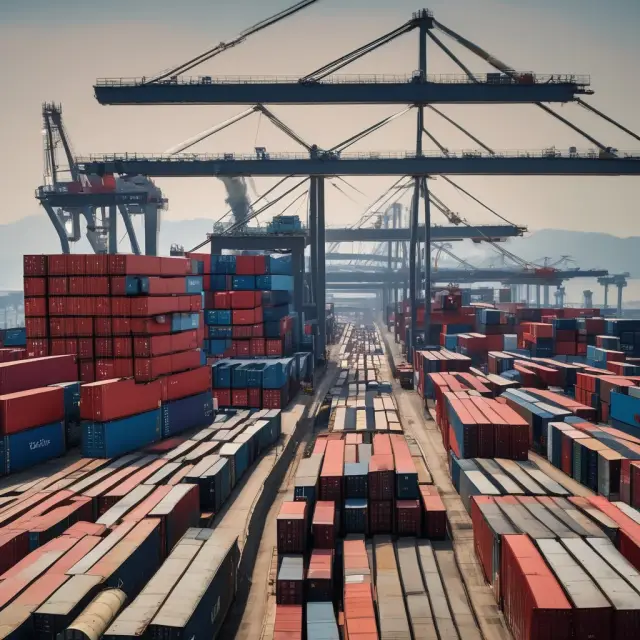
Trade Wars Today: Notable Examples and Current Scenarios
A modern economic battle that has drawn significant attention in recent years is that of trade wars. Trade wars occur when countries impose tariffs or restrictions on each other’s imports as a response to perceived unfair trading practices. The use of protectionist policies, such as import taxes, quotas, and subsidies for domestic industries, can lead to a trade war between two or more nations.
A prime example of this economic phenomenon is the ongoing tension between the United States and China. In early 2018, former U.S. President Donald Trump initiated a series of tariffs on various Chinese imports in response to alleged intellectual property (IP) theft and other perceived trade imbalances. The Chinese government retaliated with their own tariffs on American products.
Despite several temporary cease-fires throughout 2018 and into 2019, the tension continued. In May 2019, China and the United States seemed on the brink of a potential trade agreement before negotiations stalled once more. This back-and-forth tariff war had a significant impact on both countries’ economies, causing manufacturing slowdowns and inflationary pressures.
While the U.S.-China trade war is the most well-known example in recent times, it is not an isolated case. Europe and the United States have engaged in several rounds of tit-for-tat tariffs on goods ranging from steel to aircraft. Canada has retaliated against American tariffs on steel and aluminum with its own duties on U.S.-made products.
Trade tensions between India and the United States have also escalated, with both countries imposing duties on each other’s imports in response to various trade disputes. The South Korean electronics industry has faced the brunt of this tension, as Washington imposed tariffs on imported washing machines and solar panels from Seoul.
Trade wars can lead to a multitude of negative consequences for all parties involved. Domestic businesses may benefit initially due to increased demand for their products, but ultimately, they may suffer due to higher input costs and reduced access to foreign markets. Consumers bear the brunt of the price increases caused by tariffs and retaliatory measures. Furthermore, trade wars can damage diplomatic relations and cultural exchange between countries.
The World Trade Organization (WTO) plays an essential role in managing international disputes and maintaining open markets. However, its effectiveness is limited when member nations ignore its rulings and engage in protectionist policies, such as trade wars.
In conclusion, the current state of global trade relations reveals a trend towards protectionism and increasing tension between major economies. Understanding the historical context, advantages, and disadvantages of trade wars will help investors and businesses navigate this volatile economic landscape and make informed decisions in an ever-changing global marketplace.

Effects on Markets
A trade war, which arises from protectionist policies, can lead to significant repercussions for various financial markets, including stock prices, currencies, and commodities. As nations engage in a trade battle, they often impose import tariffs or quotas, which affect the flow of goods between countries. The ripple effects on global markets depend on numerous factors, such as the severity and duration of the conflict, involved economies’ interconnectivity, and international responses to retaliatory actions.
Stock Markets
A trade war can negatively impact stock markets for several reasons. First, companies that are heavily reliant on international trade could experience decreased sales or even bankruptcy if their exports become more expensive due to tariffs. This situation could lead to lower earnings for companies, potentially causing a drop in their stock prices. In turn, investors might react by selling their shares, further exacerbating the decline.
Second, uncertainty surrounding the outcome of trade disputes can cause volatility in equity markets. As governments impose new tariffs or threaten to do so, companies and their shareholders may face a higher risk premium due to the potential for future economic consequences. This situation could lead investors to be more cautious about investing in specific industries or sectors.
Third, currency fluctuations can also impact stock markets. A country’s currency depreciation could make its exports cheaper for foreign buyers, potentially increasing demand and counteracting the effects of tariffs on sales volumes. However, a significant devaluation could lead to inflationary pressures, hurting companies that rely on imported inputs and raising their costs, ultimately impacting their earnings and stock prices negatively.
Commodities:
Trade wars can significantly affect commodity markets due to their reliance on international trade. For example, tariffs on agricultural products could lead to lower demand for these goods in importing countries, causing a surplus of supply and potentially driving down prices. This situation might harm farmers who rely on exports as a significant part of their revenue. In contrast, higher demand for certain commodities, such as steel or aluminum, due to protectionist policies, could lead to price increases, benefiting domestic producers but potentially hurting industries that use these materials as inputs.
Currencies:
Trade wars can also impact currencies as countries attempt to protect their economies from external competition. A country imposing tariffs may experience a depreciation of its currency due to capital outflows and investor uncertainty, making it more expensive for foreign buyers to purchase goods and services. This situation could potentially deter exports and reduce economic growth. Conversely, the trading partner might respond with countermeasures like currency manipulation to protect its exports. Currency wars can further complicate an already complex situation and contribute to additional market instability.
The Effects on Consumers
Trade wars ultimately impact consumers by raising prices on goods and services. Tariffs increase the cost of imported products, leading to higher prices for consumers in both importing and exporting countries. The consumer may also face a reduction in product choice if imports become less viable due to tariffs or quotas. Furthermore, these price increases could lead to inflation, making everyday items more expensive across the board.
In conclusion, trade wars can significantly impact various markets by disrupting international trade flows, causing uncertainty and volatility, and negatively affecting consumers. As governments engage in protectionist policies, it is essential for businesses, investors, and consumers to stay informed about the potential consequences on their specific industries, investments, and personal finances. Additionally, international organizations play a critical role in managing trade disputes and maintaining open markets to minimize the negative impacts of trade wars on the global economy.
Strategies for Navigating Trade Wars
In an increasingly interconnected global economy, companies and investors need to understand how to protect themselves from the negative consequences of trade wars. Whether you’re a multinational corporation or an individual investor, these strategies can help minimize risk and ensure business continuity in the face of trade tensions:
1. Diversify Your Supply Chain: A key strategy for companies is to diversify their supply chains by sourcing materials from various countries instead of relying on a single one. This reduces vulnerability to potential tariffs and other protectionist measures, maintaining the flow of goods even if tensions arise between trading partners.
2. Explore Alternative Trade Regions: Consider establishing operations in alternative trade regions or seeking partnerships with local firms in less politically volatile locations. This not only reduces risk but also offers access to new markets and potential cost savings through lower labor or production costs.
3. Hedge Against Currency Fluctuations: As trade wars often lead to currency devaluation or volatility, companies should hedge against potential exchange rate risks by using tools like forward contracts, options, or swaps. This can help mitigate the impact of tariffs and protect profit margins during times of economic instability.
4. Adjust Pricing Strategies: Companies can adjust their pricing strategies in response to trade wars by re-evaluating costs, assessing the potential impact on consumer demand, and determining whether they need to pass tariff increases onto consumers or absorb them. This requires a thorough understanding of market dynamics and the competition landscape.
5. Monitor Regulatory Changes: Stay informed about regulatory changes that could influence your business, such as new import/export regulations or trade restrictions. Anticipating potential hurdles and adapting to changing conditions can help companies remain competitive in a global marketplace.
6. Engage in Dialogue: Engage with governments, industry groups, and other stakeholders to share concerns and advocate for fair trade policies that support growth while minimizing disruption to businesses and consumers. This proactive approach helps foster constructive dialogue and can lead to positive outcomes for all parties involved.
7. Be Prepared for Disruptions: Establish contingency plans for potential supply chain disruptions due to trade tensions or regulatory changes. This includes identifying alternative suppliers, stockpiling critical inventory, and exploring transportation options to minimize delays in the event of border closures or other issues.
For investors, understanding these strategies can help you make informed decisions about your portfolio, allowing you to protect against potential losses while still capitalizing on opportunities for growth in the global marketplace. Remember that trade wars are often unpredictable and can change quickly; staying informed and prepared is key to navigating this complex landscape.

International Organizations’ Role in Trade Disputes
The World Trade Organization (WTO) serves as a crucial mediator in international disputes and maintains open markets for its 164 member countries. When trade tensions arise between nations, the WTO offers a neutral platform to facilitate negotiations and resolve conflicts through a formal dispute settlement mechanism. Established in 1995, the organization replaced the General Agreement on Tariffs and Trade (GATT) and has since been instrumental in managing and reducing global trade frictions. The WTO’s primary objective is to ensure that international trade flows freely and fairly among its member nations.
A trade dispute can originate from a variety of sources, including violations of intellectual property rights, dumping practices, or subsidies given by governments to their industries. When a country believes another has engaged in an unfair practice, it can formally challenge the situation through the WTO’s Dispute Settlement Body (DSB). This body is composed of seven permanent members and seven judges appointed from various member nations for renewable three-year terms. The DSB reviews complaints submitted by the aggrieved party and makes a ruling based on applicable WTO agreements and international trade rules.
Once a decision has been made, the losing party must comply with the ruling within a specified time frame. If the offending country fails to do so, it may face retaliatory measures from the complaining nation, such as increased tariffs or sanctions. These consequences can further escalate into full-blown trade wars, highlighting the importance of resolving disputes through the WTO’s dispute settlement process.
In cases where a member country is not cooperative or unwilling to comply with DSB rulings, the WTO allows other members to suspend concessions and apply countermeasures against the noncompliant nation. These actions are designed to target specific sectors that contribute to the unfair trade practice. By imposing targeted retaliatory measures, the WTO encourages the offending country to comply with its international obligations and avoid further escalation of tensions.
As a result, international organizations like the World Trade Organization play a vital role in maintaining open markets and reducing global trade disputes. Their presence helps safeguard diplomatic relationships and supports cultural exchange by minimizing protectionist policies and promoting fair competition among nations.

Trade Wars and Diplomacy
As tensions rise in international trade, the implications extend far beyond economic data points and market fluctuations. The diplomatic landscape is increasingly influenced by trade wars as nations weigh their geopolitical relationships against their economic interests.
A trade war’s impact on diplomacy can be significant and long-lasting. When two countries engage in a trade dispute, the ensuing conflict not only affects their trading relationship but also their overall cultural exchange.
Historically, we have seen instances where trade wars led to diplomatic isolation. The opium war between China and Britain in the 19th century was a classic example of how a trade war could sour relations for decades. The British imposed tariffs on Chinese goods, leading to a significant decrease in trade, which in turn affected the cultural exchange between the two nations.
More recently, we’ve seen the diplomatic consequences of the U.S.-China trade war. As both countries imposed escalating tariffs on each other, their relationship deteriorated significantly. The trade war intensified existing tensions and introduced new ones, leading to a significant cooling of diplomatic relations.
Beyond direct adversaries, third parties can also be affected by the diplomatic repercussions of trade wars. For instance, countries like Canada and the European Union found themselves caught in the crossfire when the U.S.-China trade war spilled over to affect their economies.
It is essential for nations involved in a trade war to consider the potential diplomatic implications carefully. Diplomatic relations can take years, if not decades, to mend, and the disruption of cultural exchange can have long-lasting consequences.
Moreover, trade wars can impact diplomacy’s role in resolving global conflicts. In situations where nations rely on diplomacy to maintain peace or reach an agreement, a trade war can complicate negotiations by creating new incentives for countries to pursue aggressive economic policies instead of engaging in constructive dialogue.
In the context of modern geopolitics, it’s important to remember that trade and diplomacy are interconnected. As nations navigate the complexities of international trade, they must consider both the economic and diplomatic implications of their actions. By understanding these connections, policymakers can make more informed decisions and minimize potential negative consequences for themselves and their partners.
In conclusion, a trade war is an economic battle between two or more countries when one imposes tariffs or other barriers to trade in response to perceived unfair practices by another country. Understanding the history, advantages, disadvantages, implementation methods, and current scenarios of trade wars can provide valuable insights for investors and businesses alike as they navigate this complex issue in an increasingly globalized economy. Additionally, recognizing the potential diplomatic consequences of a trade war is essential to assessing the full impact on economies and international relationships.

Future of International Trade: Trends and Predictions
The ongoing tension between protectionist policies and free trade has left the future of international trade uncertain. While some experts argue that a return to protectionism is inevitable, others believe in the continued importance of free trade for global economic growth. Let’s examine both perspectives and discuss their implications for businesses and investors.
Protectionism on the Rise: A New Era of Trade Conflicts?
The resurgence of protectionist policies has fueled concerns about a potential shift in global trading patterns, with trade wars between major economies becoming increasingly common. The United States and China have been at the forefront of this trend, implementing tariffs on billions of dollars’ worth of goods in recent years. This escalating trade conflict can be attributed to several factors:
- National Security Concerns: Protectionist measures are sometimes implemented under the guise of national security, particularly in relation to critical industries such as technology and defense. In these cases, governments may restrict imports to ensure domestic control over vital resources or capabilities.
- Economic Instability: The global economy has seen increased volatility in recent years, with factors such as rising debt levels, political instability, and geopolitical tensions contributing to economic uncertainty. This instability can make protectionist policies more appealing, as governments seek to protect their economies from external shocks.
- Inequality: The widening income gap between developed and developing countries has led to growing discontent with globalization and free trade, particularly among the working and middle classes in many countries. This anger can manifest in protectionist policies aimed at shielding domestic industries and jobs from foreign competition.
Implications for Businesses and Investors
The rise of protectionism poses significant challenges for businesses and investors alike. Here are some potential implications:
- Increased Costs: Higher tariffs on imported goods can lead to increased costs for companies that rely on international trade. This may force businesses to reconsider their supply chain strategies or seek alternative sources for raw materials and components.
- Market Volatility: Protectionist measures can create market volatility, making it difficult for investors to predict future trends and opportunities. Companies in industries heavily affected by trade conflicts, such as technology and manufacturing, may experience higher levels of risk and uncertainty.
- Retaliation: Trade wars can lead to retaliatory measures from other countries, potentially resulting in a tit-for-tat escalation that harms all parties involved. This could result in reduced economic growth and decreased global trade flows.
- Strategic Shifts: Businesses may need to adapt their strategies in response to changing trade policies. For example, they might consider diversifying their supply chains by sourcing materials from multiple regions or investing in domestic production to mitigate the risks associated with international trade.
Free Trade: The Path to Global Economic Prosperity?
Despite the challenges posed by protectionist measures, many experts argue that free trade remains essential for global economic growth and stability. Some of the key benefits of free trade include:
- Increased Efficiency: Free trade allows countries to specialize in producing goods or services where they have a comparative advantage, leading to increased efficiency and productivity.
- Lower Prices: By promoting competition among producers from different countries, free trade can lead to lower prices for consumers due to the increased availability of goods and services.
- Economic Growth: Free trade has been shown to contribute significantly to economic growth, as it allows countries to access new markets and expand their exports. This expansion can result in higher living standards and improved overall well-being.
- Reduced Conflict: By creating interdependence between countries, free trade can help reduce the likelihood of conflict and foster greater diplomatic cooperation.
Implications for Businesses and Investors
The continued importance of free trade presents opportunities for businesses and investors seeking to capitalize on global economic growth. Some potential implications include:
- New Markets: Free trade agreements can open up new markets for companies, allowing them to expand their reach and potentially increase sales and profits.
- Increased Competition: Free trade can lead to increased competition among businesses, driving innovation and improvements in efficiency and quality. This competition can benefit consumers by leading to lower prices and better products.
- Strategic Partnerships: Companies may need to form strategic partnerships with international partners to capitalize on the opportunities presented by free trade agreements. These partnerships can help businesses navigate complex regulatory environments, reduce risks, and gain access to new markets.
- Long-Term Focus: The benefits of free trade are often most apparent over the long term. Businesses and investors may need to have a long-term perspective to fully capitalize on these opportunities, as it can take time for the full impact of free trade agreements to be realized.
Conclusion
The future of international trade remains uncertain, with both protectionism and free trade presenting distinct challenges and opportunities for businesses and investors. As the global economy evolves, understanding the implications of these competing forces is essential for navigating an increasingly complex and interconnected world. By staying informed about trends and developments in international trade, businesses and investors can position themselves to capitalize on the opportunities presented by a rapidly changing economic landscape.

FAQ
What is a Trade War?
A trade war is an economic conflict between two or more countries that results from imposing protective tariffs or other restrictions on each other’s imports. This form of economic battle often occurs due to perceived unfair trading practices by the opposing party and can escalate, leading to negative consequences for both the involved economies and potentially others.
What causes a trade war?
A trade war begins when one country imposes tariffs or other restrictions on another country’s imports as a response to perceived unfair trading practices. This escalates when the targeted country retaliates with similar measures, leading to an ongoing conflict that can negatively impact both economies and potentially others.
What is protectionism?
Protectionism refers to government policies designed to shield domestic industries from foreign competition by imposing tariffs or other restrictions on imported goods. It aims to protect domestic businesses and jobs from external threats but can lead to negative consequences for consumers, economies, and international relations.
How does a trade war affect the economy?
A trade war has various economic implications. By raising import costs through tariffs or quotas, it can increase prices for consumers and disrupt supply chains, leading to inflation, reduced competition, lower demand, slower economic growth, and potential job losses. Additionally, trade wars can negatively impact diplomatic relationships and cultural exchange between countries.
What are the advantages of a trade war?
Proponents argue that trade wars provide competitive advantages by protecting domestic industries from unfair competition, creating more jobs, improving trade deficits, and punishing countries with unethical trading practices. However, critics claim that such policies often hurt consumers, slow economic growth, discourage trade, and harm diplomatic relations.
What are some examples of trade wars?
Trade wars have been a recurring feature throughout history, from colonial powers’ disputes over exclusive trading rights to modern conflicts like the United States and China’s ongoing tariff battle. A notable example is the Smoot-Hawley Tariff Act of 1930, which led to a significant decline in global trade and worsened the Great Depression.
What countries have been involved in recent trade wars?
Recent trade wars include those between the United States and China, as well as ongoing tensions between other nations like Russia and the European Union. The United States, under former President Donald Trump, imposed tariffs on various goods from several countries to protect domestic industries from foreign competition.
What are the effects of a trade war on financial markets?
Trade wars can impact various financial markets, including stocks, currencies, and commodities. For instance, companies that rely heavily on international trade or import raw materials may face increased costs and decreased profits, leading to stock price declines. Currency fluctuations can also occur due to shifts in investor sentiment and central bank interventions. Commodity prices might also be affected as demand for certain goods fluctuates based on tariffs and retaliatory actions.
 Next entry · No. 5,024Understanding the Power of Comparative Advantage in International Trade
See also
-
 No. 5,542
17 Sep 2025
19 min
Understanding Voluntary Export Restraints (VERs): What They Are, How They Work, Advantages, Disadvantages and Notable Examples
International Trade
No. 5,542
17 Sep 2025
19 min
Understanding Voluntary Export Restraints (VERs): What They Are, How They Work, Advantages, Disadvantages and Notable Examples
International Trade -
 No. 4,857
22 Jul 2025
21 min
Understanding Tariffs: Definition, Reasons, Types, Pros, Cons, History
International Trade
No. 4,857
22 Jul 2025
21 min
Understanding Tariffs: Definition, Reasons, Types, Pros, Cons, History
International Trade -
 No. 5,829
11 Oct 2025
22 min
Understanding the World Trade Organization (WTO): History, Functions, Advantages, Disadvantages, Leadership, and Importance
International Trade
No. 5,829
11 Oct 2025
22 min
Understanding the World Trade Organization (WTO): History, Functions, Advantages, Disadvantages, Leadership, and Importance
International Trade -
 No. 5,358
02 Sep 2025
17 min
Understanding the Concept of Usance in International Trade and Finance
International Trade
No. 5,358
02 Sep 2025
17 min
Understanding the Concept of Usance in International Trade and Finance
International Trade -
 No. 5,022
05 Aug 2025
19 min
Understanding Trade Surpluses: Causes, Effects, and Key Countries
International Trade
No. 5,022
05 Aug 2025
19 min
Understanding Trade Surpluses: Causes, Effects, and Key Countries
International Trade -
 No. 4,260
04 Jun 2025
26 min
Understanding Quotas in International Trade: What They Are and How They Work
International Trade
No. 4,260
04 Jun 2025
26 min
Understanding Quotas in International Trade: What They Are and How They Work
International Trade