Understanding Treasury Notes: A Comprehensive Guide for Institutional Investors

Learn about the ins and outs of Treasury Notes with our comprehensive guide for institutional investors. Covering topics from bidding process to portfolio…
Introduction to Treasury Notes: What They Are and Their Key Characteristics
A Treasury note (T-note) is a U.S. government debt security offering a fixed interest rate and maturity between two and ten years, making it an attractive investment option for many institutional investors. Available through both competitive and noncompetitive bids, these securities boast significant liquidity due to their popularity and the presence of an active secondary market. With semi-annual interest payments until maturity, T-notes provide a steady income source—although note that this income is subject to federal taxation.
Treasury notes stand out as a distinct class of U.S. Treasury securities due to their shorter maturity compared to Treasury bonds, which have maturities between 20 and 30 years. While interest rate risks are present for all types of bonds, Treasury notes’ exposure is relatively lower than that of longer-term instruments like Treasury bonds.
Understanding Treasury Notes: Maturity, Yield Types, Bids, Liquidity, and Federal Taxation
- Maturity: Treasury notes offer maturities ranging from two to ten years, making them a versatile investment for those seeking medium-term fixed income securities.
- Yield Type: T-notes can be purchased at either competitive or noncompetitive auctions. In the case of competitive bids, investors can specify their desired yield, assuming the risk that their bid may not be accepted. Noncompetitive bidders, on the other hand, agree to accept the yield determined at auction.
- Bids: Competitive and noncompetitive bids offer distinct advantages for different types of investors. Competitive bids provide an opportunity for investors to secure a specific yield, while noncompetitive bids make it easier for those who want to invest in Treasury securities but do not have a preference for the exact yield.
- Liquidity: The presence of an active secondary market makes Treasury notes highly liquid investments, allowing investors to easily buy and sell their holdings as needed.
- Federal Taxation: T-note income is subject to federal taxation; however, they are not subject to state or municipal taxes.
Stay tuned for the next section where we will discuss the difference between Treasury notes and Treasury bonds in detail.

Treasury Note vs Treasury Bond: A Comparative Analysis
A common query among institutional investors is understanding the differences between Treasury notes and Treasury bonds, two fixed income securities issued by the U.S. Department of the Treasury. Both investments serve essential roles in portfolio diversification strategies due to their distinct characteristics. In this section, we delve into an in-depth comparative analysis of these securities, focusing on maturity, interest rate risks, and yields.
Treasury Notes: Definition and Key Characteristics
A Treasury note (T-note) is a marketable U.S. government debt security with a fixed interest rate and a maturity between two and ten years. Available via either competitive or noncompetitive bids, Treasury notes provide investors with varying levels of flexibility depending on their investment objectives. In the case of a competitive bid, an investor may specify the yield they want to receive; however, there is a risk that their bid might not be approved. On the other hand, with a non-competitive bid, investors accept the yield determined at auction.
Treasury notes offer several benefits for institutional investors. With semi-annual interest payments and maturities ranging from two to ten years, they provide income generation opportunities with relatively short investment horizons. Additionally, their secondary market liquidity makes them easily tradable, even as yields fluctuate based on shifts in the broader economy.
Despite these advantages, Treasury notes’ maturity range exposes them to varying degrees of interest rate risks. As a rule, longer maturities come with greater exposure to changes in interest rates. These fluctuations affect an investment’s value, making it crucial for institutional investors to understand how Treasury notes fit into their overall risk management strategies.
Treasury Bonds vs Treasury Notes: Key Differences and Implications
Unlike Treasury notes, Treasury bonds (T-bonds) are U.S. government debt securities with a fixed interest rate and maturities between 20 to 30 years. The key difference lies in the instruments’ maturity length, which has significant implications for investors looking to manage interest rate risks and optimize portfolio yields.
When it comes to managing interest rate risk, Treasury bonds offer longer-term protection compared to their shorter-term counterparts. However, this added security comes with higher sensitivity to changes in benchmark interest rates. As a result, T-bonds generally have higher duration than Treasury notes and are more vulnerable to absolute shifts in the yield curve.
Another notable difference lies in the competitive bidding process for Treasury bonds, which differs from that of Treasury notes. With Treasury bonds, investors can place noncompetitive bids below the minimum accepted yield, but they must accept a yield higher than their bid if it is approved. This contrasts with Treasury notes, where investors can choose to bid at specific yields and potentially receive those yields.
In summary, understanding the differences between Treasury notes and bonds requires institutional investors to consider not only maturity length and interest rate risks but also the bidding process and yield implications of each investment type. By factoring these variables into their analysis, investors can make informed decisions that align with their financial goals and risk tolerances.

Interest Rates, Yield Curve, and Treasury Notes: An In-Depth Look
Treasury notes are intermediate-term U.S. government debt securities with a maturity range of two to ten years. Akin to Treasury bonds, they offer a fixed interest rate but differ in maturity length (20 to 30 years for Treasury bonds). The relationship between treasury notes and interest rates is essential for investors to understand when considering these instruments as part of their investment strategies.
Interest Rates: Impact on Bond Prices
Before diving deeper into treasury notes, it’s crucial to comprehend the role of interest rates in bond prices. As mentioned earlier, the longer a bond or note’s maturity, the more significant its exposure is to interest rate risks. When interest rates change, the value of bonds and notes adjust accordingly.
Yield Curve: Absolute and Relative Shifts
The yield curve represents the relationship between various yields for securities with different maturities. Two primary factors influence the shape of the yield curve: absolute shifts and relative shifts. An absolute shift refers to a change in interest rates across all maturities, while a relative shift involves alterations in the spread between short-term and long-term securities.
Benchmark Interest Rates
Interest rate changes at the benchmark level, such as the federal funds rate set by the Federal Reserve (Fed), significantly impact bond prices. In December 2015, the Fed raised the federal funds rate from a range of 0% to 0.25% to 0.25% to 0.50%. This increase led to a decrease in the prices of all outstanding U.S. Treasury notes and bonds.
Yield Curve Risks: Steepening vs Flattening
One type of yield curve risk is steepening, which occurs when long-term rates increase more than short-term rates, widening the spread between them. A flattening yield curve happens when the opposite occurs, with short-term rates decreasing more than long-term rates, narrowing the spread. An inverted yield curve, where short-term yields are higher than long-term yields, is a special case that can signal an impending recession.
Duration: A Measure of Interest Rate Sensitivity
Duration is a measure of interest rate sensitivity for bonds and notes, calculated using factors like coupon, yield, present value, final maturity, and call features. Longer-term securities generally have longer durations than shorter-term ones. By understanding duration, investors can estimate the price change in response to interest rate shifts.
In conclusion, an investor’s comprehension of the relationship between treasury notes, interest rates, and yield curves is vital for making informed investment decisions. This knowledge allows them to navigate different market conditions, anticipate price changes, and manage risks effectively.
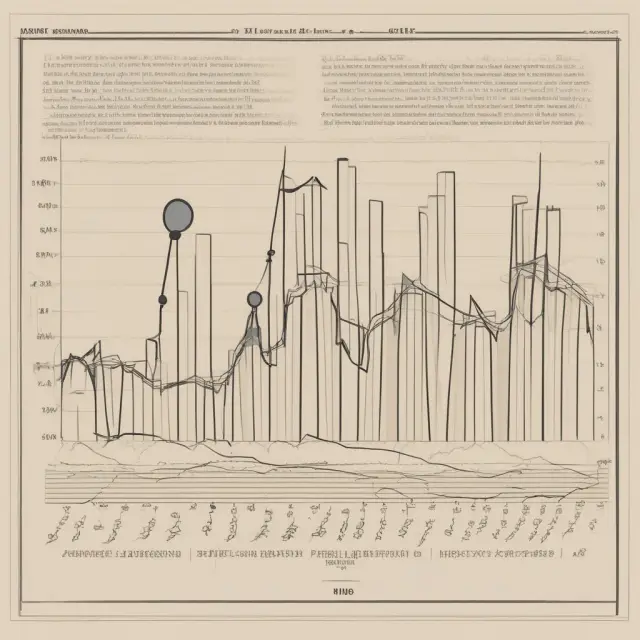
Duration: A Measure of Interest Rate Sensitivity
Treasury Notes, much like Treasury bonds or bills, have varying degrees of exposure to interest rate risks depending on their maturity lengths. Duration is a measure used to quantify the sensitivity of an investment’s price changes to shifts in prevailing yields. In this section, we’ll discuss how duration is calculated and its implications for U.S. Treasury Notes.
Duration: Definition and Calculation Factors
The concept of duration refers to the average amount of time it takes for a bond or note to receive all its cash flows in the form of interest payments and principal repayment. For Treasury notes, since their maturity ranges from 2-10 years, calculating duration involves determining how much of each future cash flow occurs at various points throughout that time frame.
Duration is calculated using factors such as:
– Coupon rate
– Maturity or final payment date
– Yield to maturity (YTM) or the current interest rate for newly issued Treasury notes
– Present value (PV), which represents the present worth of all future cash flows, including both the periodic coupon payments and principal repayment at maturity
Duration is typically expressed as a number of years. For Treasury Notes with varying maturities, duration is calculated for each note individually.
Implications for U.S. Treasury Notes
Treasury notes’ sensitivity to interest rate changes is closely tied to their average duration. Longer-term Treasury Notes have a longer duration due to their longer maturities and correspondingly higher exposure to changing yields. The change in the value of a Treasury note as a result of yield fluctuations can be significant, making it essential for investors to understand how duration impacts their investments.
Duration is crucial because it influences the price behavior of U.S. Treasury notes when interest rates shift. As mentioned earlier, when the Fed raises interest rates, Treasury note prices decrease and yields increase, and vice versa. The duration-weighted sensitivity of an investor’s portfolio to rate shifts can be calculated by taking the weighted average of all individual securities’ durations within that portfolio. This calculation provides insight into how much an investor’s overall portfolio could potentially change in value based on changes in interest rates.
In conclusion, duration is a vital factor for understanding and quantifying the relationship between U.S. Treasury notes’ maturities, interest rate sensitivity, and price behavior. By calculating duration for individual Treasury Notes and considering how it impacts an investor’s portfolio, they can make more informed investment decisions and effectively manage their risk exposure.

Purchasing Treasury Notes: Bidding Process and Auctions
When it comes to acquiring Treasury notes, investors have several options regarding bidding processes and auctions. The primary difference between the two methods is in how yields are determined for the investor. A competitive bid is an active approach where the investor specifies their desired yield; they take on the risk of not having their bid accepted. Conversely, a noncompetitive bid allows investors to accept whatever yield is determined at auction.
Competitive Bids
A competitive bid, also referred to as a “competitive tender,” occurs when an investor submits a bid for a specific yield. They’re essentially expressing their interest in buying Treasury notes with the stipulation that they will only pay the stated yield or higher. If their bid is not approved due to lower yields offered by other bidders, the investment opportunity is lost. The primary benefit of competitive bidding is the potential for securing a more favorable yield than other investors. However, it comes with increased risk, as there’s no guarantee that your bid will be accepted.
Noncompetitive Bids
Alternatively, noncompetitive bids allow investors to accept the prevailing yield determined at auction. This approach is less risky since the investment opportunity is guaranteed, and the investor knows precisely what yield they will receive upon purchase. In this context, “noncompetitive” does not mean that other bidders are not present; it simply means that the investor does not compete on the yield. The yield received through noncompetitive bidding may be higher or lower than the yield achieved via competitive bidding.
Treasury Direct
Investors who wish to buy Treasury notes directly from the U.S. government can use Treasury Direct, which is a platform offered by the Department of the Treasury for investors to purchase and manage their investments in Treasury securities. This method eliminates the need for an intermediary or brokerage firm, resulting in lower costs and added transparency. By using Treasury Direct, investors can participate in auctions, receive electronic statements and confirmation notices, and access real-time information on their holdings.
Primary vs Secondary Market Purchases
A Treasury note can be purchased directly from the U.S. government through an auction (primary market) or in the secondary market where securities are already issued and held by other investors. Primary market purchases involve buying notes straight from the federal government at their issuance, while secondary market transactions occur when purchasing notes that have already been sold to another investor. The primary advantage of buying Treasury notes in the primary market is having a new issue with no accrued interest, resulting in lower transaction costs. However, it requires participating in an auction and may not always offer the most competitive pricing available in the secondary market.
In conclusion, purchasing Treasury notes involves understanding the bidding process and auctions, including competitive vs noncompetitive bids, as well as utilizing the U.S. government’s Treasury Direct platform for primary market purchases or engaging in secondary market transactions via a brokerage firm or an intermediary.

Treasury Note Trading: Market Participants and Liquidity
Understanding the market participants involved in trading Treasury notes is crucial for investors seeking to capitalize on this investment opportunity. The primary dealers, investors, Federal Reserve, and market makers all play significant roles in the secondary market where most Treasury note transactions take place.
Primary Dealers
As direct buyers and sellers in U.S. Treasury auctions, primary dealers are financial institutions that maintain a close relationship with the Federal Reserve (the Fed). This collaboration allows them to purchase securities directly from the government when issuing new debt. Primary dealers have an obligation to buy at least 30% of every auction to ensure its success.
Investors
Institutional investors, including mutual funds and pension funds, insurance companies, endowments, and other financial institutions, are among the significant purchasers of Treasury notes in the secondary market. These investors may hold Treasury notes for income generation, interest rate hedging, or capital preservation purposes.
Federal Reserve
The Federal Reserve acts as both a buyer and seller of U.S. Treasury securities to maintain the stability of the financial markets and control inflation. It can influence the level of long-term interest rates by buying or selling Treasury notes in open market operations, impacting bond prices.
Market Makers
Market makers, such as commercial banks and investment banks, act as intermediaries between buyers and sellers in the secondary market. They quote bid and ask prices for a range of securities to facilitate transactions and minimize the price spreads between them. Market makers earn their profit from this bid-ask spread while assuming inventory risk.
The secondary market provides investors with numerous advantages, including liquidity, transparency, and flexibility. This active trading environment allows Treasury notes to be easily bought or sold in the secondary market, making it an attractive investment for a wide range of institutional investors.
In conclusion, understanding the role of primary dealers, investors, Federal Reserve, and market makers is essential for investors who want to take advantage of Treasury note investing opportunities. The secondary market provides liquidity, transparency, and flexibility, enabling traders to efficiently buy or sell their Treasury notes with minimal price impact.

The Role of Treasury Notes in Portfolio Diversification
Treasury notes are essential components of a well-diversified investment portfolio, offering several benefits to investors seeking to mitigate risk and generate income. A Treasury note is a U.S. government debt security with a fixed interest rate and maturity between two and ten years. This short to medium-term debt issuance makes Treasury notes a flexible choice for investors looking to balance their portfolio with varying interest rate sensitivities.
First, let us consider the diversification benefits that come from owning Treasury notes in conjunction with other fixed income investments like Treasury bonds or bills. Incorporating different maturities across your investment holdings can help offset the potential impact of fluctuating interest rates on portfolio value. This is because short-term securities are less sensitive to changes in interest rates compared to long-term securities. As mentioned, Treasury notes have varying maturity lengths, and their shorter-term counterparts exhibit lower duration than longer-term bonds. Diversifying your holdings with Treasury notes that possess differing maturities can help reduce the overall portfolio risk and offer a more balanced return profile.
The role of Treasury notes in portfolio diversification extends beyond yield curves. They are also essential for managing interest rate risks. As previously explained, Treasury notes have an inverse relationship to yields—when yields rise, note prices fall, and when yields decrease, note prices increase. By investing in Treasury notes with maturities that span various stages of the yield curve, investors can protect their portfolio from rate shocks by strategically balancing their exposure to interest rate risk. This approach is also known as an interest rate laddering strategy.
Another key consideration when building a diversified investment portfolio is asset allocation across different asset classes such as stocks and bonds. Treasury notes represent a high-quality, low-risk segment of the fixed income market. Given their lower sensitivity to credit risk compared to corporate bonds or municipal debt, Treasury notes can serve as an excellent complement to other fixed income investments in an investment portfolio that aims for a balance between risk and return. Furthermore, they offer investors the opportunity to generate regular semi-annual interest payments and potentially even capital gains if held until maturity.
In conclusion, Treasury notes are indispensable components of a diversified investment portfolio due to their short to medium-term maturities, low credit risk, income generation capabilities, and their role in managing interest rate risks. By strategically allocating a portion of your investment holdings to U.S. Treasury notes, you can effectively balance your overall risk exposure while generating consistent returns.
Now that we have covered the key aspects of investing in Treasury Notes let’s discuss yield curve dynamics and their implications for investors. Stay tuned!

Investing Strategies for Treasury Notes: Short-Term and Long-Term
Understanding Treasury Notes presents investors with various strategies based on their investment horizon and risk tolerance levels. For those who seek lower volatility and shorter holding periods, short-term treasury notes could be an excellent choice. On the other hand, long-term investments may cater to income generation or interest rate hedging requirements.
Short-Term Treasury Note Strategies: Capital Preservation and Income Generation
Investors aiming for capital preservation or those with shorter investment horizons can consider short-term treasury notes. These securities offer lower interest rate risk compared to their longer-term counterparts due to the reduced exposure to changes in interest rates over a more extended period. Moreover, they are less susceptible to the impact of inflation as well since their maturity is relatively shorter. As a result, short-term treasury notes can serve investors looking for a secure return on their investments.
Income generation is another objective that suits short-term treasury notes. Since these securities provide regular semi-annual interest payments, they offer an opportunity to earn a steady income stream without the need to worry about significant price fluctuations in the bond market. Additionally, since short-term bonds have lower credit risk due to their backing by the U.S. government, investors can rest assured that their capital is secure and can access their earnings consistently.
Long-Term Treasury Note Strategies: Interest Rate Hedging and Capital Appreciation
Longer maturity treasury notes may be more suitable for those looking for capital appreciation or interest rate hedging strategies. Longer holding periods increase the potential benefits of capital appreciation as bond prices typically rise when interest rates decline. Furthermore, these securities can act as a hedge against rising inflation due to their longer duration.
Interest rate hedging involves using long-term bonds to protect against potential increases in future interest rates. As interest rates rise, the price of existing long-term bonds declines, which creates an opportunity for investors looking to buy new bonds with higher yields. By holding long-term treasury notes and selling them when interest rates increase, investors can capitalize on this shift and offset their exposure to rising interest rates in other parts of their portfolio.
In conclusion, Treasury notes offer a range of investment strategies based on an investor’s objectives, risk tolerance, and time horizon. For those seeking income generation or capital preservation with minimal volatility, short-term treasury notes could be the preferred choice. Longer maturity securities may appeal to investors looking for capital appreciation, interest rate hedging, or seeking a larger yield compared to their shorter-term counterparts. By carefully considering these strategies and factors like market conditions and personal risk tolerance levels, investors can effectively manage their portfolios and optimize their investment outcomes using Treasury notes.
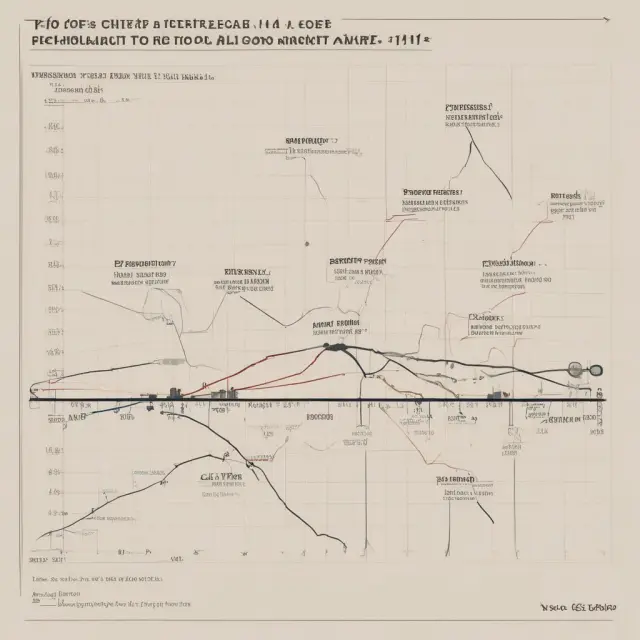
Treasury Note Market: Historical Performance, Trends, and Insights
Understanding Treasury Notes’ Historical Performance and Trends
A Treasury note is a U.S. government security with a fixed interest rate and maturity ranging between two and 10 years. Treasury notes offer investors an attractive investment option due to their liquidity in both the primary and secondary markets. In this section, we will discuss the historical performance of Treasury notes, prevailing market trends, and how yield curve shifts have affected investor returns over time.
Comparing Treasury Notes with Treasury Bonds: Differences in Maturity
The primary difference between a Treasury note and a Treasury bond lies in their maturity lengths—Treasury notes come with shorter terms (2-10 years), while Treasury bonds have longer maturities (20 to 30 years). Historically, the U.S. Treasury has issued notes with maturities of 2, 3, 5, 7, and 10 years.
Performance Over the Long Run: Trends and Key Differences
Historical performance charts show that Treasury notes have provided a decent return to investors over long periods, making them attractive investments for income generation and hedging interest rate risks. However, it’s essential to recognize that the historical trends do not guarantee future returns, and past performance is not indicative of future results.
Impact of Yield Curve Shifts on Treasury Notes: Absolute and Relative Movements
A critical factor affecting the price and yield of a Treasury note is the absolute interest rate level as set by the Federal Reserve. The central bank can adjust short-term rates in response to changes in economic conditions or inflationary pressures, causing bond yields to shift accordingly. These shifts lead to capital gains or losses for bondholders, depending on whether they bought prior to or after the change.
One notable example of an absolute interest rate shift occurred when the Federal Reserve raised the federal funds rate from 0% to 0.25% in December 2015. This increase resulted in a decrease in Treasury note prices due to a rise in yields. However, changes in investors’ expectations and economic factors can also influence the yield curve, leading to shifts in yields among similar bonds of varying maturities. These shifts, known as yield curve risks, can cause the spread between short- and long-term interest rates to widen or narrow, impacting Treasury note prices differently based on their position along the yield curve.
In summary, understanding historical performance trends and the factors driving yields in the Treasury note market is essential for investors seeking income generation, capital appreciation, or interest rate hedging strategies. By staying informed about the trends and shifts in this market, you can make more informed decisions regarding your investment choices. In the following sections of this article, we will delve deeper into the topic by discussing the role of duration and its importance in managing interest rate risks for Treasury note investors.

FAQs on Investing in Treasury Notes: Answers to Common Questions
**What is the difference between Treasury notes, bonds, and bills?**
The primary distinction lies in their maturity lengths. A U.S. Treasury note (T-note) has a fixed interest rate and maturity between 2 and 10 years. Treasury bonds (T-bonds), on the other hand, have a longer maturity of 20 to 30 years. Treasury bills (T-bills) are short-term obligations that mature in less than one year.
**How do I buy Treasury notes?**
You can purchase Treasury notes through a competitive or noncompetitive bid during the monthly auctions held by the U.S. Department of the Treasury. In a competitive bid, investors submit their desired yield; if approved, they receive the note at that yield. In a noncompetitive bid, investors accept the yield determined at auction.
**Where can I buy and sell Treasury notes?**
Treasury notes are highly liquid investments with an active secondary market. You can buy them from other investors or through a broker, either on the exchange or over the counter.
**How is the income earned on Treasury notes taxed?**
The interest earned on U.S. Treasury notes is federal taxable but exempt from municipal and state taxes.
**What happens if I hold a Treasury note until maturity?**
When your Treasury note reaches maturity, you receive the face value of the note back in addition to all accrued interest.
**How does interest rate risk impact Treasury notes?**
Interest rate risks affect Treasury notes because their prices and yields are influenced by changes in benchmark interest rates and market expectations. The longer a note’s maturity, the greater its sensitivity to interest rate shifts. This is measured by duration—the time it takes for the note’s price to adjust fully to a change in yield.
**Can I reinvest Treasury notes at maturity?**
Yes, you can reinvest your matured Treasury notes during another auction or sell them on the secondary market before they reach maturity.
**What is duration and how does it impact Treasury notes’ price?**
Duration is a measure of a bond or note’s sensitivity to interest rate changes. It indicates the approximate number of years it would take for a security’s price to adjust fully to a change in yield. A longer duration implies greater interest rate risk, as the note will be more sensitive to changes in rates and thus experience larger price swings.
**How is Treasury note yield determined?**
Treasury note yields are set through monthly auctions held by the U.S. Department of the Treasury. Competitive bidders submit their desired yield, while noncompetitive bidders accept whatever yield is determined at auction. The winning bid determines the yield for that particular maturity.
**How do I find out about upcoming Treasury note auctions?**
Visit the U.S. Department of the Treasury’s website to access information regarding upcoming Treasury note auctions and their calendar schedules.
**What happens if the Fed raises or lowers interest rates?**
When the Fed adjusts benchmark interest rates, it can impact Treasury notes’ prices and yields. If the Fed increases the federal funds rate, for example, short-term Treasury securities may experience declines in price, while long-term notes might exhibit smaller yield increases to compensate investors for longer duration risk. Conversely, lowering interest rates could cause the opposite effect.
**What is yield curve risk?**
Yield curve risk refers to changes in the spread between short- and long-term interest rates. The yield curve can either steepen (widen) or flatten (narrow), affecting the prices of Treasury notes with varying maturities differently. In a steepening curve, long-term notes experience larger price declines relative to short-term notes. Conversely, in a flattening curve, the opposite occurs.
**How are interest rate shifts and yield curve risks managed?**
Investors can manage interest rate risks by choosing appropriate maturities that align with their investment horizon or using hedging strategies, such as investing in bonds with opposing duration or investing in options contracts. Additionally, investors can monitor the shape of the yield curve and adjust their portfolios accordingly.
**Can I use Treasury notes for income generation?**
Yes, Treasury notes offer a steady stream of interest payments semi-annually until they mature. This makes them an attractive option for income-generating investors.
**What is the historical performance of U.S. Treasury notes?**
U.S. Treasury notes have provided attractive returns to investors throughout history, with strong demand from both domestic and international buyers. Their liquidity, low default risk, and stable yields make them a staple investment for income-generating portfolios and institutions.
 Next entry · No. 5,067Treasury Stock: Understanding and Accounting for Buybacks
See also
-
 No. 3,397
25 Mar 2025
21 min
Understanding Negative Convexity: A Key Risk Management Tool for Fixed Income Investors
Finance Policy
No. 3,397
25 Mar 2025
21 min
Understanding Negative Convexity: A Key Risk Management Tool for Fixed Income Investors
Finance Policy -
 No. 5,890
16 Oct 2025
23 min
Understanding Zero-Coupon Inflation Swaps: A Comprehensive Guide for Institutional Investors
Business Finance
No. 5,890
16 Oct 2025
23 min
Understanding Zero-Coupon Inflation Swaps: A Comprehensive Guide for Institutional Investors
Business Finance -
 No. 4,165
27 May 2025
19 min
Price Value of a Basis Point: Understanding How It Affects Bond Pricing
Finance Policy
No. 4,165
27 May 2025
19 min
Price Value of a Basis Point: Understanding How It Affects Bond Pricing
Finance Policy -
 No. 5,903
17 Oct 2025
24 min
Zero Percent Financing: What It Is and Why It Might Be More Expensive Than You Think
Business Finance
No. 5,903
17 Oct 2025
24 min
Zero Percent Financing: What It Is and Why It Might Be More Expensive Than You Think
Business Finance -
 No. 5,887
16 Oct 2025
22 min
Zero-Bound Interest Rate: Understanding How Central Banks Can Push Rates Below Zero
Business Finance
No. 5,887
16 Oct 2025
22 min
Zero-Bound Interest Rate: Understanding How Central Banks Can Push Rates Below Zero
Business Finance -
 No. 5,864
14 Oct 2025
19 min
Maximizing Portfolio Returns with a Yield Pickup Strategy
Business Finance
No. 5,864
14 Oct 2025
19 min
Maximizing Portfolio Returns with a Yield Pickup Strategy
Business Finance