Understanding Underwriters Laboratories: A Global Safety Science Company
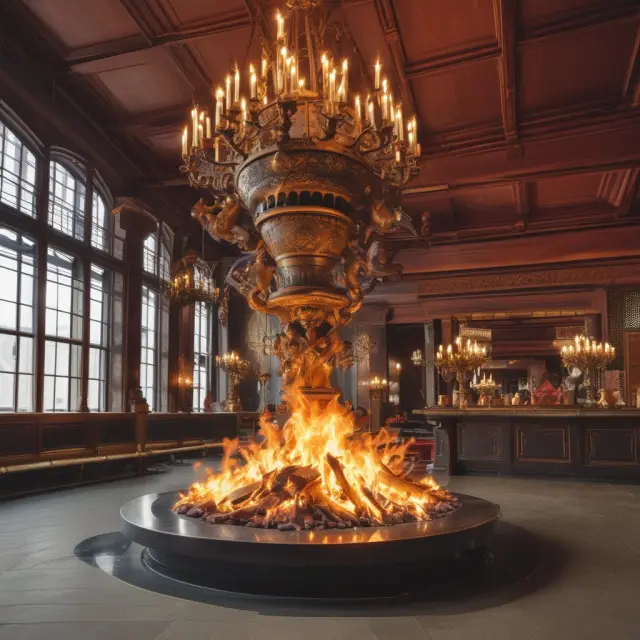
Delve into Underwriters Laboratories: A not-for-profit safety science company, its global impact, testing processes, and services.
Introduction to Underwriters Laboratories (UL)
Underwriters Laboratories (UL) is a globally recognized not-for-profit organization dedicated to ensuring the safety and performance of various products and technologies. Founded in 1894, UL is the oldest and largest independent testing laboratory in the United States. With a workforce of over 14,000 employees spread across 40 countries, UL tests approximately 22 billion products each year, encompassing consumer electronics, security systems, lasers, medical devices, robotics, and more. UL’s extensive operations address five strategic areas: product safety, environment, life and health, university, and verification services. The company’s primary goal is to promote safer living and working conditions for people around the world.
UL is not-for-profit, funded by grants, document licensing, and manufacturer fees for certification. Although UL generates profit through its activities, it does not prioritize it as a primary objective. Instead, proceeds are reinvested to maintain and expand its operations. With customers in over 143 countries and the annual appearance of 8.5 million safety messages reaching consumers across Asia, Europe, and North America, UL’s reach extends far beyond US borders.
A Brief History of Underwriters Laboratories
Underwriters Laboratories can be traced back to the World’s Fair held in Chicago in 1890. Founder William Henry Merrill, Jr., an MIT electrical engineering graduate, was assigned to assess fire risks for the new construction taking place at the fairgrounds. Intrigued by the prospect of creating a testing laboratory, he pitched his idea to insurance underwriters. Both the Western Insurance Union and Chicago Underwriters Association provided funding to establish what later became known as the Underwriters Electrical Bureau. The organization was officially founded in 1894. Its mission then, as it is now, centered on promoting safer working and living conditions for people everywhere. The first UL employees joined in 1895, and by 1901, the name had changed to Underwriters Laboratories, with Illinois serving as its headquarters and Henry Clay Eddy as the president. In 1903, UL adopted its first set of safety standards, focusing on tin-clad fire doors.
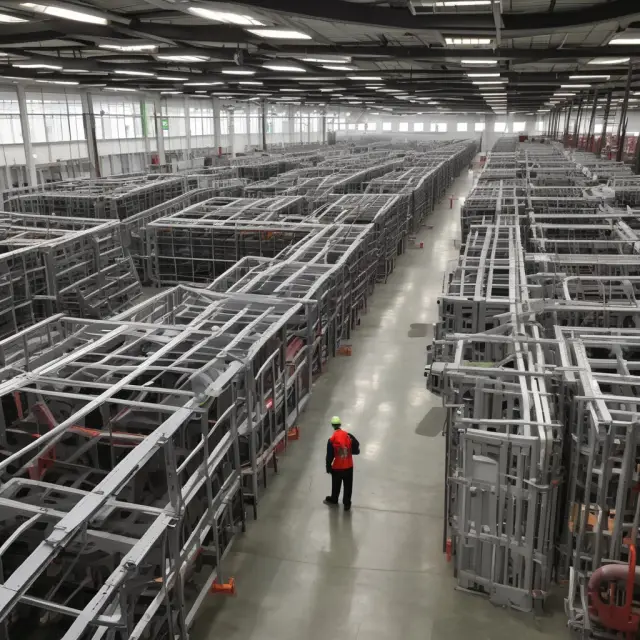
UL: A Not-For-Profit Enterprise
Underwriters Laboratories (UL) is a leading global safety science company, renowned for testing various products and technologies to ensure they meet the highest safety standards before entering the market. With a rich history dating back to 1894, UL plays a vital role as the largest and oldest independent testing laboratory in the United States.
As a not-for-profit organization, Underwriters Laboratories is distinct from for-profit companies since its primary focus is on safety rather than profits. UL’s funding sources consist of grants, document licensing fees, and the fees charged to manufacturers seeking certification for their products (Bold Keywords: Underwriters Laboratories, not-for-profit organization, funding sources).
UL operates under a unique business model that ensures its services are accessible to all manufacturers regardless of size or budget. The organization charges fees for both the initial evaluation process and ongoing maintenance services to ensure the continued safety compliance of certified products. While UL generates revenue from these fees, it does not seek profit as a primary objective (Bold Keywords: not-for-profit business model, fees).
With operations spanning over 143 countries and employing more than 14,000 people globally, UL’s influence transcends borders. The organization annually tests an impressive 22 billion products in various industries ranging from consumer electronics to medical devices (Bold Keywords: global safety science company, operations, 14,000 employees, 22 billion products tested).
Underwriters Laboratories’ commitment to ensuring product safety is evident through the presence of its UL Mark on over 8.5 million consumer products annually, reaching a wide audience in Asia, Europe, and North America with vital safety messages (Bold Keywords: Underwriters Laboratories, product safety, UL Mark).
By understanding the unique aspects of Underwriters Laboratories as a not-for-profit enterprise, it becomes clear that its mission transcends mere profit generation. Instead, its ultimate goal is to protect people and property through rigorous testing and ongoing maintenance services.

UL’s History: From the World’s Fair to Today
Underwriters Laboratories (UL) traces its roots back to the 1893 Chicago World’s Fair when UL founder William Henry Merrill Jr., a Massachusetts Institute of Technology electrical engineering graduate, worked for the Boston Board of Fire Underwriters assessing potential fire risks. During this time, he proposed creating an electrical testing laboratory. Insurance underwriters agreed and funded the initiative, leading to the formation of what would later become Underwriters Laboratories. Initially known as the Underwriters Electrical Bureau, the organization set out with a mission to promote safe working and living conditions by testing new products for fire risks. The first employees joined in 1895, starting with a staff of three and an annual budget of $3,000. In 1901, UL became officially known as Underwriters Laboratories, and the organization established its headquarters in Illinois. UL’s first set of safety standards was introduced in 1903, focusing on tin-clad fire doors.
Fast forward to today, Underwriters Laboratories has grown significantly. It is now a global leader in testing, inspection, certification, and verification services for a wide range of products. Founded in 1894 as the first independent testing laboratory in the US, UL’s mission remains unchanged: to make the world safer by ensuring the safety, compliance, and sustainability of various technologies, infrastructures, and consumer goods. Today, UL employs over 14,000 people across 40 countries. In 2012, the company created a for-profit subsidiary, UL LLC, to expand its offerings beyond traditional safety testing and certification services.
UL’s history is filled with many key milestones. In 1913, UL established the first fire-resistive wall construction standard. By the late 1920s and early 1930s, the company began testing gas appliances. Following World War II, UL expanded its services to include testing of plastics and radioactive materials. In the 1970s, it developed safety standards for automotive electrical components. Through the years, Underwriters Laboratories has remained dedicated to advancing safety through science, innovation, and technology.
In conclusion, UL’s history is a testament to its commitment to making the world a safer place through rigorous testing and certification services. From its humble beginnings as an electrical testing laboratory in the late 1890s to its current position as a global leader in safety science, Underwriters Laboratories continues to evolve and adapt to new challenges while staying true to its mission.
By understanding UL’s past, we can better appreciate its role in shaping our world today and the positive impact it will have on tomorrow.

UL’s Operations and Services
Underwriters Laboratories (UL) is a renowned global safety science company that plays a critical role in ensuring product safety. As the largest and oldest independent testing laboratory in the United States, UL tests over 22 billion products annually across various sectors ranging from consumer electronics, alarms and security equipment to lasers, medical devices, and robotics. UL’s extensive services cover five strategic areas: product safety, environment, life and health, university, and verification services.
UL’s status as a not-for-profit organization sets it apart from competitors in the industry. The company generates its revenue through grants, document licensing, and certification fees charged to manufacturers whose products undergo testing and certification. Although UL is a profitable enterprise, its primary goal isn’t profit but rather ensuring safety for people and the environment.
UL’s global presence is impressive; it employs over 14,000 individuals in 40 countries. Their services extend to more than 143 countries where 8.5 million consumers are reached yearly with safety messages. UL’s 22 billion UL Marks appear annually on various products as a mark of safety assurance for customers.
The organization’s historical roots can be traced back to the World’s Fair in Chicago, 1893, where founder William Henry Merrill, Jr., an MIT electrical engineering graduate, proposed creating an electrical testing laboratory to assess fire risks and promote safer living conditions. With funding from insurance underwriters, UL was officially established as a bureau within the National Board of Fire Underwriters in 1895. The mission of this early UL was clear: promoting safe working and living conditions for people. By 1903, it had become Underwriters Laboratories, with its first set of safety standards focusing on tin-clad fire doors.
Today, UL’s operations extend beyond product testing, providing services tailored to various industries and ensuring compliance with regulatory requirements. Their expertise lies in applying scientific knowledge and rigorous testing methodologies to help companies create safer and more sustainable products. Through their verification services, UL offers third-party validation of sustainability claims, helping businesses meet evolving consumer demands and market trends. By being a trusted partner for product safety and sustainability, Underwriters Laboratories continues to make an indelible impact on the lives of people around the world.
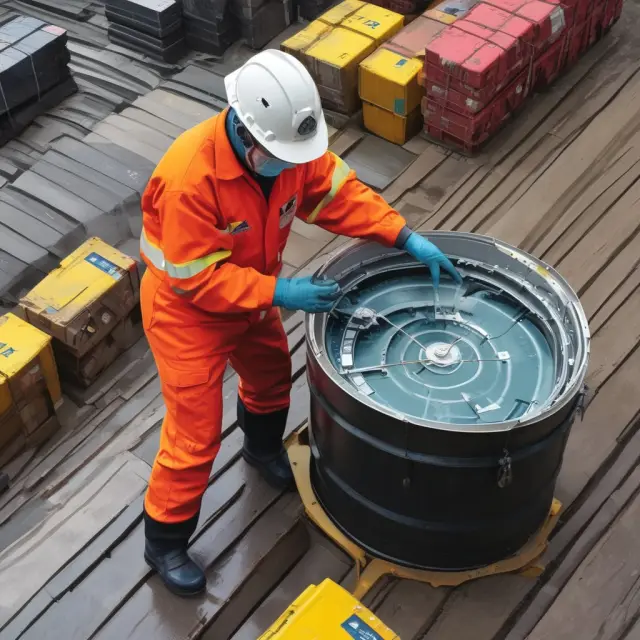
UL’s Global Reach and Impact
Underwriters Laboratories (UL) is a global safety science company that has a far-reaching impact on both individuals and businesses worldwide. With a presence in over 40 countries, the organization employs more than 14,000 professionals dedicated to ensuring the safety of various products and technologies. UL boasts an annual test volume of 22 billion products, spanning diverse industries from consumer electronics and alarms to medical devices and robotics.
The company’s customer base extends beyond borders, with over 8.5 million consumers in Asia, Europe, and North America regularly being reached by UL through safety messages. In fact, the influence of Underwriters Laboratories is so significant that an estimated twenty-two billion UL Marks appear annually on products.
UL’s global footprint is a testament to its unwavering commitment to public welfare and safety. With over a century of experience, this distinguished organization continues to serve as an essential player in ensuring product safety and regulatory compliance for companies and consumers worldwide. Underwriters Laboratories operates in five strategic areas: product safety, environment, life and health, university, and verification services.
UL’s mission of promoting safe working and living conditions has been a constant throughout its history. Founded in 1894 by William Henry Merrill, Jr., the company initially focused on testing electrical equipment to assess fire risks. Since then, UL has grown exponentially, expanding its services and evolving with technology to address various safety concerns across industries.
In today’s interconnected world, the importance of ensuring product safety cannot be overstated. As companies expand their reach and offer goods globally, Underwriters Laboratories remains a trusted partner that helps businesses meet regulatory requirements and consumer expectations for safety. By maintaining a rigorous testing process and providing certifications, UL empowers companies to bring innovative products to market while ensuring the utmost confidence in their safety.
As a global organization, UL plays an essential role in fostering sustainable practices through its Verification Services. These services include sustainability consulting, third-party verification, and product certifications for energy efficiency, waste management, and other environmental aspects. With this commitment to sustainability, Underwriters Laboratories continues to prioritize the well-being of future generations while supporting businesses in their pursuit of innovation and growth.
In summary, Underwriters Laboratories is a global not-for-profit organization dedicated to ensuring product safety through rigorous testing and certifications. Its impact is felt by millions of consumers worldwide, with over 22 billion UL Marks appearing on products annually. As the world’s largest and oldest independent testing laboratory, UL remains an indispensable partner for businesses seeking regulatory compliance and a trusted resource for consumers in need of safety assurance.

Underwriters Laboratories: A Safety-focused Organization
Founded in 1894 by a group of insurance underwriters, Underwriters Laboratories (UL) has spent over a century dedicated to safety. As the oldest and largest independent testing laboratory in the United States, UL plays a vital role in ensuring products meet the highest safety standards before they reach consumers worldwide. With a global workforce of over 14,000 employees across 40 countries, Underwriters Laboratories is at the forefront of safety science and technology.
UL’s unwavering commitment to safety is evident in its mission: “Working for a Safer World.” This dedication spans five strategic areas – product safety, environment, life and health, university, and verification services – covering a vast array of products that impact daily life. With annual testing of 22 billion different products ranging from consumer electronics to medical devices, UL’s reach extends to more than 143 countries and 8.5 million consumers in Asia, Europe, and North America.
Underwriters Laboratories’ employees are passionate about their work and the impact it makes on people’s lives. This is no small feat for an organization that began as a result of a simple idea proposed at the World’s Fair in Chicago in 1890. Founder William Henry Merrill, Jr., who graduated from MIT with an electrical engineering degree, wanted to ensure that new construction for the fairgrounds was free from fire risks.
Merrill, Jr.’s proposal struck a chord with insurance underwriters and resulted in funding from both Western Insurance Union and the Chicago Underwriters Association. This seed of an idea eventually blossomed into the Underwriters Electrical Bureau – UL’s predecessor – which officially started operating in 1895.
UL’s founding principles were clear: promote safe working and living conditions for people. The organization hired its first employees with a budget of $3,000 annually. In 1901, Underwriters Laboratories became an official entity, relocating to Illinois with Henry Clay Eddy as its new president. UL’s headquarters remained in Illinois and started establishing safety standards, beginning with tin-clad fire doors in 1903.
As UL evolved over the years, it continued to expand its testing capabilities and services. In 1921, UL opened an office in New York City to serve the East Coast market. By the late 1950s, UL’s services extended beyond electrical safety to include various other product categories. The company also began offering consulting, training, and certification services during this period.
Underwriters Laboratories is now a global not-for-profit enterprise, focused on ensuring that products meet safety standards and regulations while continuously pushing the envelope of innovation. UL is funded through grants, document licensing, and fees charged to manufacturers for product certifications. It remains committed to its mission: “Working for a Safer World.”
The world is a safer place because of Underwriters Laboratories and its steadfast dedication to safety.
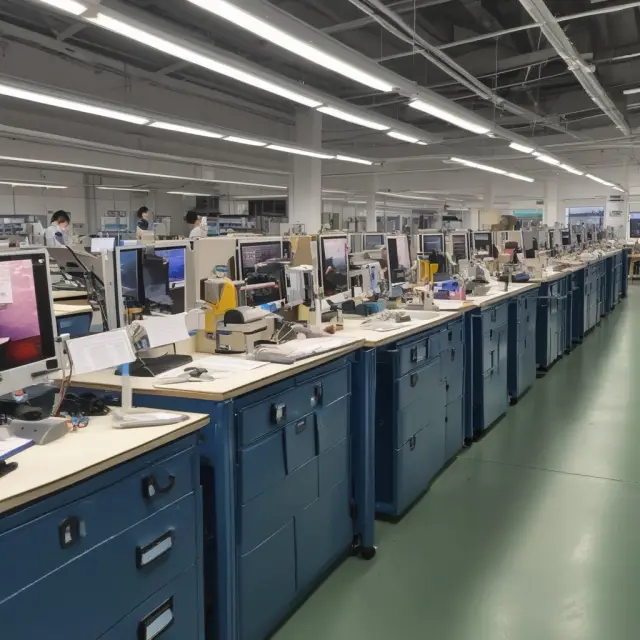
UL’s Testing Processes and Certifications
Underwriters Laboratories (UL) is dedicated to ensuring that a wide range of products and technologies meet rigorous safety standards before they reach consumers around the world. UL offers comprehensive testing and certification services, including performance testing, safety testing, and inspection services. The following is a closer look at how UL’s testing processes and certifications work.
Test Procedures: UL uses various test procedures to evaluate products based on their specific industry standards and requirements. Each test is designed to identify potential hazards and determine if the product poses any risks to people, property, or the environment. Testing can be done in a laboratory setting, at a manufacturer’s facility, or even remotely using UL’s Virtual Testing services.
UL Certification Marks: Once a product has passed all necessary tests and meets the required safety standards, Underwriters Laboratories grants it the UL certification mark. This mark signifies that the product complies with applicable industry standards and regulations, providing consumers with confidence in its safety. The UL Mark can be found on various products, from consumer electronics to appliances, lighting fixtures, and building materials.
Recertification: UL understands that technology advances and new regulations may arise over time, so it offers recertification services. This ensures that products remain compliant with the most up-to-date safety standards and continue to protect consumers. Recertification is required at regular intervals depending on the product type.
UL’s Role in Enforcing Safety: By granting UL certifications, Underwriters Laboratories helps manufacturers and retailers demonstrate that their products meet essential safety requirements. This, in turn, aids regulatory bodies in enforcing safety standards. By working closely with government agencies, UL helps shape and implement regulations that improve overall product safety.
UL’s Commitment to Continuous Innovation: To stay at the forefront of technological advancements, Underwriters Laboratories invests heavily in research and development. By collaborating with industry experts, academia, and technology leaders, UL is able to create new test methods for emerging technologies, ensuring they meet evolving safety standards.
In conclusion, Underwriters Laboratories’ testing processes and certifications play a significant role in safeguarding consumers by ensuring that products undergo rigorous evaluations before they reach the market. With a focus on continuous innovation and collaboration with industry partners, UL remains dedicated to maintaining the highest safety standards for products across various industries.

UL’s Role in Regulatory Compliance
Underwriters Laboratories is not just a company that ensures product safety but also plays a crucial role in regulatory compliance. UL collaborates closely with various governmental organizations and industry bodies to help them develop, update, and enforce safety standards. This commitment to ensuring regulatory compliance dates back to the organization’s origins, where its founders recognized the need for standardized safety tests to minimize risks for consumers.
One of the most notable collaborations between UL and governmental organizations is with the Occupational Safety and Health Administration (OSHA) in the United States. The OSHA, an agency of the US Department of Labor, sets and enforces regulations that protect workers from workplace hazards. Underwriters Laboratories provides OSHA with technical expertise and resources to help maintain their standards and update them as necessary. In turn, this collaboration benefits manufacturers and consumers alike by ensuring a safer workforce and safer consumer products.
Another example is UL’s partnership with the European Committee for Electrotechnical Standardization (CENELEC). CENELEC is responsible for developing harmonized electrotechnical standards across Europe, which are adopted as European Norms (EN). Underwriters Laboratories plays a significant role in creating these EN standards by contributing its extensive knowledge and expertise.
Underwriters Laboratories’ collaboration with various regulatory bodies also extends beyond the realm of product safety. For instance, UL is an active participant in the development and implementation of environmental regulations. The organization helps governments establish and enforce rules that protect the environment from potentially harmful products and processes. By engaging with regulatory organizations, UL not only contributes to creating a safer world but also stays at the forefront of emerging regulations, allowing it to better serve its clients as their needs evolve.
In summary, Underwriters Laboratories plays an essential role in ensuring both product safety and regulatory compliance through its collaborations with various governmental organizations and industry bodies. This commitment to promoting safety and staying informed about evolving regulations sets UL apart as a trusted global leader in safety science.

UL and Sustainability: Verification Services
Underwriters Laboratories (UL) not only ensures product safety but is also at the forefront of advancing sustainability efforts through its verification services. UL’s commitment to sustainability aligns with their core mission to make the world a safer place for people, and their verification services contribute significantly to minimizing environmental impact and promoting energy efficiency.
One of UL’s flagship verification services is the UL Environment Certification Program, which evaluates and certifies products based on their environmental attributes. This program includes various offerings, such as:
1. UL 2796 – The Environmental Claim Validation Protocol (ECV) helps manufacturers validate claims related to their product’s environmental attributes. By assessing the validity of these claims, UL provides consumers with transparency and confidence in a company’s commitment to sustainability.
2. UL 2801 – This standard focuses on the evaluation, verification, and certification of renewable energy systems, such as solar panels and wind turbines. UL 2801 helps promote renewable energy adoption and reduces greenhouse gas emissions.
3. UL 2900 – This standard covers cybersecurity for products related to the production, transmission, and distribution of electricity from renewable sources. Ensuring that these systems are secure from cyber-attacks is essential in maintaining efficient and reliable power generation.
4. UL 2735 – This standard focuses on evaluating products’ recyclability claims. By certifying a product as recyclable, manufacturers can showcase their commitment to minimizing waste and contributing to a circular economy.
Additionally, Underwriters Laboratories offers various sustainability-related services through the UL Sustainability Functional Verification Program (SFVP), which includes:
1. Energy efficiency evaluation and certification of products, such as appliances and LED lighting systems, ensuring energy savings for consumers and reducing greenhouse gas emissions.
2. Product carbon footprint assessments that provide a clear understanding of a product’s environmental impact, enabling manufacturers to take steps to minimize it.
3. Life cycle assessment verification services, which evaluate the entire life cycle of a product – from raw materials extraction to disposal or end-of-life handling. This information helps companies optimize their manufacturing processes and develop more sustainable products.
Underwriters Laboratories’ dedication to sustainability not only sets them apart in the testing and certification industry but also adds value to their clients, consumers, and society as a whole by promoting eco-friendly solutions and driving positive environmental impact.

FAQ: Answering Common Questions about Underwriters Laboratories
Underwriters Laboratories (UL) is a well-established global safety science company that has been testing products for over 125 years. This section aims to clarify some of the most common questions surrounding UL, its operations, and its mission.
What is Underwriters Laboratories?
Underwriters Laboratories (UL) is a not-for-profit organization dedicated to ensuring the safety of various products and technologies through rigorous testing and certification processes. Founded in 1894 by William Henry Merrill, Jr., UL now employs over 14,000 people across 40 countries and tests around 22 billion different products each year.
Is Underwriters Laboratories a for-profit company?
Despite being a global enterprise, Underwriters Laboratories is a not-for-profit organization funded through grants, document licensing, and fees charged to manufacturers seeking UL certification. Profit is not a stated goal of the company, as any generated profit is reinvested into its operations.
What types of products does Underwriters Laboratories test?
UL tests various products and technologies in five strategic areas: product safety, environment, life and health, university, and verification services. This covers everything from consumer electronics to medical devices, lasers, robotics, alarms, security equipment, and more.
How does Underwriters Laboratories impact people’s lives?
UL’s mission is to promote safe working and living conditions for people worldwide. By ensuring the safety of products before they reach consumers, UL saves countless lives each year and contributes significantly to public safety.
When was Underwriters Laboratories founded?
Underwriters Laboratories (UL) was founded in 1894 by William Henry Merrill, Jr., following his experience at the World’s Fair in Chicago. The organization was initially established to assess fire risks for insurance underwriters and has since grown into a global safety science company.
How is Underwriters Laboratories funded?
Underwriters Laboratories receives funding through grants, document licensing, and fees charged to manufacturers seeking UL certification. As a not-for-profit organization, profit is not its primary goal, and any generated profit is reinvested into the business.
What services does Underwriters Laboratories provide?
UL offers various services in five strategic areas: product safety, environment, life and health, university, and verification services. These include testing, inspection, certification, consulting, education, and training. UL also focuses on sustainability initiatives through its Verification Services.
What is the difference between Underwriters Laboratories (UL) and Intertek?
Both Underwriters Laboratories and Intertek are well-known companies in the testing, inspection, and certification industry, but they have distinct differences. While UL focuses on safety science and has a non-profit status, Intertek is a for-profit company offering various services in different industries like oil & gas, food, and pharmaceuticals.
What are UL’s most popular certifications?
UL offers numerous product certifications, but some of its most popular include the UL Mark (a symbol that signifies compliance to UL safety requirements), UL Recognized Component (a mark for components that meet specific safety requirements), and the UL Energy Verification Mark (for energy-efficient products).
 Next entry · No. 5,205Understanding Underwriting Agreements: Types, Firm Commitment vs Best Efforts, and Their Importance in Finance
See also
-
 No. 4,913
27 Jul 2025
21 min
Technical Job Skills: Essential Hard Abilities for Modern Professionals
Business Strategy
No. 4,913
27 Jul 2025
21 min
Technical Job Skills: Essential Hard Abilities for Modern Professionals
Business Strategy -
 No. 2,456
07 Jan 2025
18 min
The Role and Importance of Internal Auditors in Enhancing Corporate Governance and Financial Performance
Business Strategy
No. 2,456
07 Jan 2025
18 min
The Role and Importance of Internal Auditors in Enhancing Corporate Governance and Financial Performance
Business Strategy -
 No. 2,415
04 Jan 2025
20 min
Understanding the Role and Impact of the Institute for Supply Management (ISM) in Finance and Investment
Business Strategy
No. 2,415
04 Jan 2025
20 min
Understanding the Role and Impact of the Institute for Supply Management (ISM) in Finance and Investment
Business Strategy -
 No. 832
16 Jun 2024
22 min
Cross-Selling in Financial Services: Maximizing Revenue through Strategic Product Recommendations
Business Strategy
No. 832
16 Jun 2024
22 min
Cross-Selling in Financial Services: Maximizing Revenue through Strategic Product Recommendations
Business Strategy -
 No. 767
04 Jun 2024
19 min
Understanding the Role and Responsibilities of Financial Controllers: A Comprehensive Guide
Business Strategy
No. 767
04 Jun 2024
19 min
Understanding the Role and Responsibilities of Financial Controllers: A Comprehensive Guide
Business Strategy -
 No. 732
29 May 2024
18 min
Understanding the Role and Responsibilities of Compliance Officers: An Essential Guide for Institutional Investors
Business Strategy
No. 732
29 May 2024
18 min
Understanding the Role and Responsibilities of Compliance Officers: An Essential Guide for Institutional Investors
Business Strategy