Understanding Unemployment: Definitions, Causes, and Types

Explore the meaning, types, causes, and impact of unemployment as an essential economic concept. Understand its role in measuring the health of the economy.
Introduction to Unemployment
Unemployment is an essential economic concept that holds significant implications for individuals and the economy at large. It refers to a situation where workers actively seek employment but cannot find work despite their willingness and availability. Unemployment rate, which calculates the percentage of unemployed individuals in the labor force, is a crucial indicator of the overall health of an economy.
Unemployment holds importance for various reasons. From an individual standpoint, it can lead to financial instability, loss of income, and psychological stress. On a broader scale, high unemployment rates indicate economic distress while extremely low rates suggest an overheating economy. Understanding unemployment is vital for policymakers, labor market analysts, and the general public to assess economic conditions and develop strategies to address its causes.
In this section, we will discuss the definition of unemployment, its types, and their implications on the economy. We will also examine unemployment’s role as a sign of economic distress or overheating and how it is measured in the United States.
Definition of Unemployment: Unemployment is characterized as the inability of workers to obtain gainful employment despite actively searching for it. It represents a significant reduction in the economy’s total productive capacity, as fewer people contribute to output generation. The unemployment rate, calculated by dividing the number of unemployed individuals by the labor force size, serves as a key measure of unemployment’s extent in an economy.
Importance and Significance of Unemployment: High rates of unemployment can lead to lower overall economic production due to fewer workers contributing to the output. This can result in social and political distress. Conversely, extremely low unemployment rates may signal an overheating economy, leading to inflationary pressures and tight labor market conditions for businesses seeking additional employees.
Types of Unemployment: There are several types of unemployment, including frictional, cyclical, structural, and institutional. Frictional unemployment arises during the natural process of labor market transitions when workers voluntarily leave jobs and search for new ones. This form of unemployment is relatively short-lived and less problematic from an economic standpoint.
Cyclical unemployment occurs during economic downturns and upturns, such as recessions and recoveries. Unemployment rises during recessionary periods and declines during economic growth phases. Policymakers focus on preventing and alleviating cyclical unemployment to minimize its impact on the economy.
Structural unemployment arises due to technological changes that alter the structure of the economy, leading to job displacement for some workers. Retraining and reskilling programs can help mitigate structural unemployment but can be costly and time-consuming.
Institutional unemployment results from long-term or permanent institutional factors and incentives in the labor market, such as government policies, labor market phenomena, and institutions. These factors can contribute to persistent unemployment and labor market inefficiencies.
Measuring Unemployment: Governments employ various methods to measure unemployment, including surveys, census counts, and unemployment insurance claims. In the United States, the Bureau of Labor Statistics uses a monthly survey called the Current Population Survey (CPS) to produce the nation’s primary unemployment rate estimate. The CPS measures both the total unemployed population as well as the labor force size, enabling calculation of the unemployment rate.
In the following sections, we will dive deeper into each type of unemployment and discuss their causes, implications, and potential policy responses.
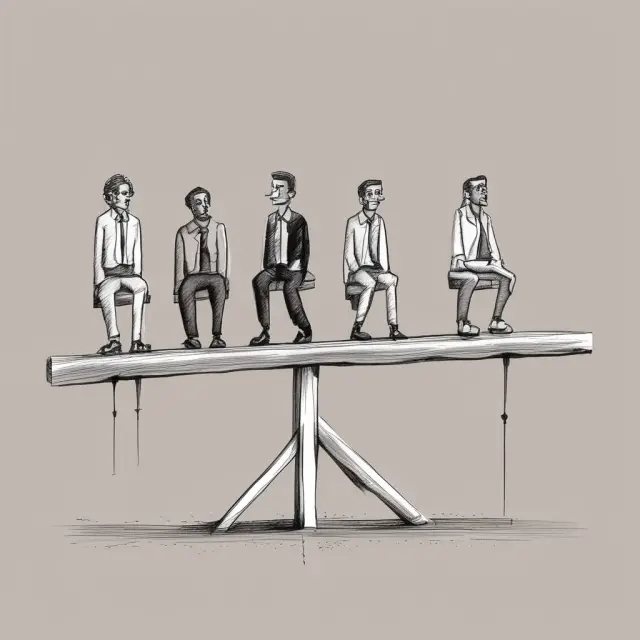
Unemployment as a Key Economic Indicator
Unemployment, defined as the state where an individual actively seeks employment but is unable to find a job, serves as a significant measure of the health and well-being of an economy. It is crucial for governments, policymakers, and economists to closely monitor unemployment rates since they provide vital insights into the labor market’s efficiency, economic growth, inflation, and overall economic conditions.
Unemployment is particularly essential because it signifies the ability (or lack thereof) of workers to contribute to the economy’s productive output. The more unemployed workers exist, the lower total economic production will be. Conversely, a high employment rate indicates an economy that is operating near its full potential, with workers contributing significantly to overall production and increasing living standards.
Unemployment rates can indicate both economic distress and overheating. High unemployment levels signal serious issues within the economy and may lead to social and political unrest if persistently elevated. On the other hand, extremely low unemployment could hint at an overheating economy with potential inflationary pressures and tight labor market conditions for businesses seeking new workers.
Governments play a critical role in addressing both the causes of unemployment and its consequences. Unemployment compensation programs provide temporary income support to eligible unemployed individuals during their job search, ensuring they can maintain subsistence consumption levels while looking for new opportunities.
Types of Unemployment: Classification and Characteristics
Economists categorize unemployment into several types, including frictional, cyclical, structural, and institutional unemployment. Understanding these distinctions is essential for grasping the complex dynamics of labor markets, identifying policy interventions, and making informed economic forecasts.
1. Frictional Unemployment: This type of unemployment occurs when individuals voluntarily leave their jobs in search of better employment opportunities or to enter education or training programs. Transitions between jobs, retirement, and people entering the workforce for the first time contribute to frictional unemployment. Although it is a natural part of economic growth and development, frictional unemployment can be disruptive to both individuals and businesses as it introduces temporary mismatches in labor supply and demand.
2. Cyclical Unemployment: Also known as “joblessness due to business cycles,” cyclical unemployment arises when economic downturns cause a decline in overall employment levels. Businesses reduce production, leading to job losses in various industries during recessions or depressions. Cyclical unemployment is often short-term and tends to reverse itself with the recovery of the economy.
3. Structural Unemployment: This type of unemployment results from technological advancements, shifts in industries, and changes in labor demand. Workers displaced due to automation, offshoring, or other structural adjustments can struggle to find new employment opportunities that match their skill sets or face lengthy periods of underemployment. Structural unemployment tends to be long-lasting and often requires significant investments in retraining programs, education, or labor market interventions to address the underlying causes effectively.
4. Institutional Unemployment: Institutional unemployment arises from government policies, regulations, and social welfare programs that discourage work or create disincentives for employment. For example, high minimum wages can result in a labor surplus, with employers unable to afford to hire workers at the prevailing wage levels. Similarly, generous social safety nets and labor market institutions such as strong unions can limit job creation and labor market flexibility.
Understanding the nuances of each type of unemployment is crucial for policymakers, economists, and individuals navigating the complexities of modern labor markets. By addressing the root causes and identifying effective policy interventions, we can contribute to a more resilient and inclusive economic landscape.

Definition of Unemployment
The term ‘unemployment’ refers to a condition where individuals actively seek employment but remain unable to find suitable work due to various reasons. It is a critical economic indicator signaling the economy’s overall health. The unemployment rate, calculated by dividing the number of unemployed persons by the total labor force, offers insight into the availability of jobs and the potential for productivity within an economy.
Unemployment can be considered a marker of economic distress when rates are high, as it signifies a reduction in the overall production capacity of a country. Conversely, low unemployment rates may indicate an overheating economy, where labor markets struggle to meet demand for workers, potentially leading to wage inflation and reduced business profitability.
Economists categorize unemployment into several types: frictional, cyclical, structural, and institutional. Understanding these classifications provides valuable insight into the nuances of unemployment dynamics within an economy. Let’s delve deeper into each category.
1. Frictional Unemployment: This form of unemployment arises from voluntary job changes or new entrants in the labor market. For instance, people might leave their current jobs to seek better opportunities, causing a temporary gap in employment. Additionally, new graduates entering the workforce add to frictional unemployment as they search for their first jobs. While it may seem problematic, frictional unemployment is an inevitable result of the natural ebb and flow of labor markets.
2. Cyclical Unemployment: Also referred to as ‘demand-deficient’ unemployment, cyclical unemployment occurs during economic downturns when businesses reduce their workforce due to decreased demand for goods or services. This form of unemployment can lead to prolonged periods of joblessness and significant social and economic consequences.
3. Structural Unemployment: Structural unemployment arises when long-term, fundamental changes in the economy displace workers from their jobs. Technological advancements are a common cause of structural unemployment, as machines often replace human labor in various industries. In such cases, re-skilling and retraining programs can help alleviate the issue, although it may take time for displaced workers to adapt to new industries and roles.
4. Institutional Unemployment: Institutional unemployment results from long-term or permanent factors that limit employment opportunities within a given economy. These factors include government policies, labor market institutions, and efficiency wages. For instance, minimum wage laws may price some individuals out of the workforce if their skills or experience don’t meet the required wage level. Similarly, rigid labor markets and efficiency wages can discourage employers from hiring workers and contribute to institutional unemployment.
In conclusion, understanding the various types of unemployment offers essential insight into the underlying causes and consequences of joblessness within an economy. By recognizing these dynamics, policymakers and economists can develop targeted solutions aimed at addressing both short-term and long-term unemployment challenges, fostering a more resilient labor market and overall economic growth.

Types of Unemployment
Unemployment is a multifaceted concept in economics, and its measurement often involves categorizing various forms to better understand the labor market’s intricacies. Economists have identified six primary types of unemployment: voluntary, involuntary, frictional, cyclical, structural, and institutional.
Voluntary Unemployment
Voluntary unemployment refers to a situation where individuals actively choose not to work or leave their jobs intentionally in pursuit of better opportunities. This type of unemployment is often characterized by workers who are dissatisfied with the current wages, working hours, or working conditions and decide to search for alternative employment. Voluntary unemployment can also arise when an individual decides to leave the labor market to pursue further education or training to increase their employability.
Involuntary Unemployment
Involuntary unemployment occurs when individuals are unable to find work despite actively seeking employment. This type of unemployment can be subdivided into two categories: seasonal and non-seasonal. Seasonal involuntary unemployment arises due to the fluctuating demand for labor in certain industries during specific seasons, such as agriculture or construction. Non-seasonal involuntary unemployment occurs when individuals are unable to find work throughout the year despite their efforts to secure employment.
Frictional Unemployment
Frictional unemployment is a natural and short-term consequence of workers transitioning between jobs or entering the labor market for the first time. The frictional unemployment rate refers to the number of individuals who are currently searching for work, have recently become unemployed, or are out of the labor force but want to reenter it. Frictional unemployment is an essential component of a healthy and dynamic economy as it reflects the ongoing process of workers finding suitable employment and adjusting to changing market conditions.
Cyclical Unemployment
Cyclical unemployment arises during economic downturns when businesses reduce their workforce in response to declining demand for goods and services. During these periods, the number of unemployed individuals rises, and the unemployment rate increases. Cyclical unemployment is typically short-lived as the economy recovers, businesses begin hiring again, and the unemployment rate decreases.
Structural Unemployment
Structural unemployment refers to the mismatch between the skills and qualifications of the labor force and the requirements of available jobs. This type of unemployment can be caused by various factors such as technological changes, demographic shifts, or changing industry demands that lead to a disconnect between the current workforce and the needs of employers. Structural unemployment can result in long-term job losses and increased poverty for affected individuals.
Institutional Unemployment
Institutional unemployment arises due to government policies, labor market institutions, or other institutional factors that limit employment opportunities or discourage people from seeking work. Institutional unemployment can take several forms such as minimum wage laws, occupational licensing requirements, or restrictive hiring practices. These factors can create barriers to employment and result in a higher rate of unemployment than would exist under more efficient labor market conditions.
Understanding the various types of unemployment is crucial for policymakers, economists, and individuals alike, as it provides insights into the underlying causes and consequences of unemployment. By recognizing these different categories, we can develop more effective policies to address unemployment and help ensure that everyone has an opportunity to contribute to their communities and the economy.

Unemployment as a Sign of Economic Distress or Overheating
The unemployment rate is a vital economic indicator, signaling the ability (or inability) of workers to find employment and contribute to the economy’s productivity. High rates of unemployment can indicate serious distress within an economy, potentially leading to social and political upheaval, while extremely low unemployment could signal an overheating economy.
Unemployment is a natural component of economic cycles. During recessions, when economies contract, unemployment rates rise as businesses cut jobs in response to lower demand. In contrast, during periods of economic growth, unemployment tends to decline as businesses hire more workers to meet increased demand. However, persistent high or low levels of unemployment can have profound implications for the economy and society.
An Unemployment Surge: Economic Distress
High levels of unemployment signal economic distress. When unemployed workers cannot find employment opportunities, they must maintain a subsistence consumption level, reducing overall economic production. Prolonged periods of high unemployment can lead to social unrest and even political instability as people struggle to meet their basic needs. High unemployment rates also result in significant welfare costs for governments and societies.
An Economy’s Underperformance: Overheating
Conversely, extremely low levels of unemployment indicate an overheated economy. When the unemployment rate is very low, the economy is closer to full capacity, maximizing output and driving wage growth. However, persistent low unemployment can also signal inflationary pressures and tight labor market conditions for businesses seeking to hire additional workers.
The Role of Unemployment in Economic Cycles
Unemployment plays a crucial role in economic cycles, particularly during recessions. During downturns, economists use cyclical unemployment as an indicator of overall economic performance. Cyclical unemployment occurs when workers lose their jobs due to economic fluctuations and is typically temporary. Governments may employ various policies to address cyclical unemployment and stimulate the economy during recessions, including fiscal measures like increasing public spending or monetary policy tools such as lowering interest rates.
Technology and Unemployment: Balancing Displacement and New Opportunities
Advancements in technology have historically led to significant changes in the labor market and unemployment rates. Technological improvements can displace workers, particularly those with outdated skills or performing routine jobs. At the same time, new technologies also create new opportunities for employment and economic growth. Policymakers must strike a balance between adapting to these technological changes and ensuring that displaced workers are not left behind.
Government Policies and Institutional Unemployment
Institutional unemployment, resulting from government policies, labor market institutions, or efficiency wages, can also impact unemployment rates. For example, high minimum wage floors, generous social benefits programs, and restrictive occupational licensing laws can contribute to unemployment by limiting job opportunities for low-skilled workers or creating disincentives for employers to hire them. Understanding the causes of unemployment is essential to designing effective policies that address both short-term cyclical unemployment and long-term structural issues.
In conclusion, understanding unemployment and its impact on the economy is vital in ensuring economic stability and prosperity. Persistently high or low levels of unemployment can signal distress or overheating, respectively. As the labor market continues to evolve, policymakers must navigate the balance between adapting to technological changes, addressing institutional factors that contribute to unemployment, and creating a supportive environment for workers to thrive in an ever-changing economy.

Measuring Unemployment in the United States
The measurement of unemployment is an essential aspect of understanding the state of the labor market and overall economy. In the United States, the Bureau of Labor Statistics (BLS) uses several methods and statistics to quantify the unemployment rate.
First, let us define unemployment as a situation when individuals actively seek employment but are unable to find work. Unemployment is an indicator of economic distress in the form of idle resources and labor force; simultaneously, it can represent an overheating economy if the rate is extremely low.
To measure unemployment, the U.S. Census conducts monthly surveys called the Current Population Survey (CPS) on behalf of the Bureau of Labor Statistics (BLS). The CPS provides the primary estimate for the nation’s unemployment rate. This survey includes approximately 60,000 households or around 110,000 individuals each month.
The sample size is adjusted quarterly to prevent any one household from being included for more than four consecutive months. The BLS calculates the unemployment rate by dividing the number of unemployed persons (those actively seeking employment) by the total labor force (the sum of employed and unemployed individuals). This results in the percentage of the population that is currently unemployed.
The U-3 Unemployment Rate, which includes people who are out of work but are actively searching for jobs, is the most commonly quoted unemployment rate. However, other measures exist, such as the U-4 and U-6 rates, which capture additional groups of labor force participants. The BLS also publishes several alternative measures of unemployment, including disability, student, and military-related unemployment.
It is important to note that various factors can influence the measurement of unemployment, such as seasonal adjustments, revisions, and the timing of surveys. Moreover, unemployment data should be interpreted in conjunction with other economic indicators, like the Consumer Price Index (CPI), Gross Domestic Product (GDP), and the Producer Price Index (PPI), to form a comprehensive understanding of the economy.
Understanding the nuances of unemployment measurement is crucial for policymakers, investors, and individuals alike, as it provides valuable insights into economic conditions and labor market trends.

Unemployment during Economic Downturns and Upturns
Unemployment is an essential economic indicator, and its levels can significantly reflect the state of an economy. During various phases of the business cycle, unemployment changes and takes on different forms and implications. Let us discuss how unemployment behaves in economic downturns and upturns, including recessions, depressions, and policy responses.
Cyclical Unemployment: Understanding Cyclical Unemployment
In an economy, cyclical unemployment emerges as a response to fluctuations in the business cycle. It is often associated with economic downturns, such as recessions or depressions. Cyclical unemployment represents the deviation of employment from its long-term trend due to these short-term fluctuations. During a recession, businesses may shed jobs to cut costs and cope with falling demand for goods and services, leading to higher levels of cyclical unemployment.
Recessions: A Closer Look
Economic downturns like recessions can lead to rising levels of cyclical unemployment. These events typically result from various factors that reduce overall economic activity, including declines in aggregate demand or supply shocks. For instance, a sharp decrease in consumer spending due to reduced confidence could trigger a recession. Alternatively, supply shocks such as oil price spikes can lead to increased production costs for businesses, forcing them to cut back on labor to maintain profitability.
Depressions: The Extreme End of the Business Cycle
An extreme form of economic downturn is a depression. Depressions are characterized by prolonged periods of high unemployment and significant economic contraction. During such events, unemployment can reach extremely high levels as businesses close down or reduce their workforce due to sustained weak demand. The Great Depression in the 1930s serves as a prime example, with an unemployment rate peaking at 24.9%.
Policy Responses: Government Interventions to Counter Unemployment
Governments have various policy tools to mitigate the negative effects of unemployment during economic downturns. Monetary and fiscal policies are commonly used to stimulate demand in the economy and reduce unemployment. For instance, central banks can lower interest rates to encourage borrowing and spending. Governments may also implement fiscal stimulus packages, such as increased public expenditures or tax rebates, to inject money into the economy and help stabilize employment levels.
In conclusion, understanding the relationship between unemployment and economic downturns is vital for gauging the overall health of an economy. Cyclical unemployment arises from short-term fluctuations in the business cycle and can result in significant job losses during recessions or depressions. Governments employ various policy tools to mitigate these effects and support employment during difficult economic times. In the next section, we will explore how technology plays a role in unemployment and labor markets.

Impact of Technology on Unemployment
The advent and continuous advancement of technology have significantly influenced the labor market and unemployment dynamics since the Industrial Revolution. While technological improvements increase productivity and overall economic growth, they also raise concerns about potential job displacement and labor market disruptions. In this section, we discuss the relationship between technology and unemployment and explore its implications for workers and policymakers.
Technological advancements lead to both positive and negative effects on employment. On the positive side, technological improvements can create new industries and jobs. For example, the introduction of the internet and digital communication technologies gave rise to various sectors such as e-commerce, social media, and mobile applications. These developments created numerous job opportunities for skilled workers in fields like software development, marketing, design, and content creation.
On the negative side, technological progress can also lead to job displacement through automation and artificial intelligence. According to a report by McKinsey & Company, up to 800 million jobs globally could be lost to automation by 2030. This presents significant challenges for workers in industries with high levels of automatable tasks such as manufacturing, transportation, and office work.
The impact of technology on unemployment can be analyzed through different lenses: frictional, structural, and cyclical. Frictional unemployment is short-term and results from the natural churning of labor markets. Workers move between jobs due to various reasons like career advancement or wage increases. Technological improvements might cause some frictional unemployment by leading to temporary job losses while workers adapt and acquire new skills to meet evolving labor market demands.
Structural unemployment, on the other hand, is a long-term phenomenon that arises from changes in the structure of industries and economies. Technology can contribute to structural unemployment when it displaces workers from jobs in declining industries like agriculture or manufacturing without providing sufficient opportunities in new fields. For instance, the widespread adoption of automated farming machinery has led to significant reductions in labor demand for agricultural work. Similarly, advances in automotive manufacturing and robotics have resulted in fewer jobs for manual laborers.
Finally, technological improvements can impact cyclical unemployment by influencing business cycles. During economic downturns or recessions, firms may resort to cost-cutting measures such as laying off workers or reducing working hours, which contributes to increased unemployment. Technological advancements can also exacerbate these trends by increasing the speed and scale of layoffs due to automation.
The impact of technology on employment and unemployment is not a new phenomenon; it has been ongoing for decades. For example, during the Industrial Revolution, technological progress led to significant labor market disruptions as workers in agriculture were displaced by industrialization. Similarly, during the 1980s, advances in automation and manufacturing technologies resulted in widespread job losses in industries like textiles and steel.
However, it is essential to note that historical evidence suggests that technological improvements have ultimately led to higher levels of employment through the creation of new jobs and industries. This was evident during the Industrial Revolution as well as in more recent periods like the post-World War II era, when technological advancements contributed to a significant decline in unemployment rates.
The policy response to the impact of technology on unemployment has been varied. Some countries have focused on retraining and upskilling workers to prepare them for new jobs. Others have implemented policies aimed at reducing structural unemployment by investing in education and training programs or by offering incentives for businesses to hire workers from vulnerable groups.
In conclusion, technology’s impact on employment and unemployment is a complex issue with both positive and negative implications. While technological advancements can create new opportunities and industries, they also pose challenges in the form of job displacement and labor market disruptions. Understanding these trends and the policy responses required to address their consequences is essential for maintaining a strong and inclusive labor market.

Institutional Factors Contributing to Unemployment
Unemployment is often influenced by a multitude of factors, and institutional factors play a significant role in this economic phenomenon. Institutional unemployment, as defined by economists, results from long-term or permanent institutional factors within the labor market. This section explores the three primary sources of institutional unemployment: government policies, labor market institutions, and efficiency wages.
Government Policies
Government policies can lead to unemployment through various channels. High minimum wage floors, generous social benefits programs, and restrictive occupational licensing laws are examples of policies that may result in unemployment for specific groups of workers. High minimum wage legislation, designed with the intent to help low-wage workers earn a living wage, can potentially create unemployment by making it less profitable for businesses to hire unskilled or entry-level employees. This is often referred to as the “minimum wage paradox,” whereby the policy meant to alleviate unemployment inadvertently causes it for some segments of the labor force.
Additionally, social benefits programs that provide income support to unemployed individuals can discourage job search efforts or encourage extended periods of unemployment by making unemployment more attractive than working. In turn, this can lead to a mismatch between labor supply and demand. However, these policies are implemented with the intention of providing a safety net for vulnerable populations, mitigating poverty, and supporting the welfare state.
Labor Market Institutions
Labor market institutions such as high rates of unionization, efficiency wages, and discriminatory hiring practices can also contribute to institutional unemployment. Unemployment arising from unionization is a result of the inflexibility of wages and employment conditions negotiated between unions and employers. These collective bargaining agreements often prioritize seniority-based job protections over hiring new workers. In a rapidly changing economy, these restrictions can lead to frictional unemployment for young workers or those seeking entry-level positions, as they face significant barriers to finding work in industries with strong labor unions.
Efficiency wages refer to wages that are higher than the minimum wage necessary to attract workers. These wages are paid by employers as a means of enhancing productivity by keeping their workforce motivated and engaged. While this policy can lead to increased productivity, it also results in unemployment for less-skilled or entry-level workers who may not have the qualifications to meet the efficiency wage requirements.
Discriminatory hiring practices can cause institutional unemployment by preventing certain groups from obtaining employment opportunities. This discrimination can manifest as ageism, sexism, racism, and other forms of prejudice. It often results in unequal access to education, training, or job opportunities for affected individuals, perpetuating cycles of poverty and unemployment.
In conclusion, while the causes of unemployment are multifaceted, institutional factors play a critical role in shaping labor markets and the experiences of workers. Understanding these underlying structures can provide valuable insights into the complexities of the employment landscape and inform policy responses aimed at addressing unemployment.

Causes of Unemployment: Recessions, Technological Improvements, Job Outsourcing
Unemployment, a state where individuals actively seek employment but remain unable to find work, is not only an individual misfortune but also an essential economic indicator. High rates of unemployment can be symptomatic of economic distress, while persistently low levels may indicate an overheated economy (Michela Buttignol, Understanding Unemployment).
Understanding the root causes behind unemployment can help us appreciate its significance in assessing economic conditions. Three primary factors contributing to unemployment are recessions, technological improvements, and job outsourcing.
Recessions, a period of declining economic activity and rising unemployment, often result from a decrease in demand for goods or services, causing businesses to cut back on production and subsequently reduce their workforce (Bureau of Labor Statistics). As a result, workers lose jobs, and the unemployment rate rises. Economists study recessions to identify policy responses that can help mitigate their negative impacts, such as monetary and fiscal measures to stimulate economic growth.
Another factor contributing to unemployment is technological improvements. Technological advances have led to significant labor market changes throughout history, with automation and digitalization displacing many jobs (David H. Autor, “The Growth in Low-Skill Service Jobs and the Polarization of the US Labor Market,” American Economic Review). For instance, the shift from horse-drawn transport to automobiles and the automation of manufacturing created substantial unemployment among workers whose skills were no longer needed (Buttignol, Understanding Unemployment).
However, technological improvements can also lead to new jobs, as was the case with the transition from typewriters to computers and the emergence of new industries like software development. Retraining these displaced workers for roles in these emerging fields is challenging, costly, and time-consuming (Buttignol, Understanding Unemployment).
Lastly, job outsourcing, the practice of moving jobs from one location to another or from domestic to foreign markets, has been a significant cause of unemployment. The rise of globalization and advances in communication technology have enabled businesses to relocate production to countries with lower labor costs (Daniel M. Cawley and Christopher J. O’Leary, “The Impact of Outsourcing on US Employment”). For instance, manufacturing jobs in the United States have been outsourced to China, leading to significant unemployment for American workers in that sector.
In conclusion, understanding the root causes of unemployment is essential for assessing economic conditions and designing appropriate policy responses. While recessions, technological improvements, and job outsourcing can create employment challenges, they also present opportunities for growth and adaptation. By examining these factors and their implications, we can better understand unemployment’s role in shaping our economy and society.
FAQ about Unemployment
1. **What is unemployment?** Unemployment is a situation where individuals actively seek employment but are unable to find work despite their willingness and availability. It is an essential measure of the economy’s health, with high rates indicating economic distress and low rates suggesting overheating.
2. **How is unemployment measured?** The most common method for measuring unemployment is calculating the unemployment rate by dividing the number of unemployed individuals by the total labor force size. Other metrics like underemployment rate and labor force participation rate offer more nuanced insights into employment conditions.
3. **What are the different types of unemployment?** Unemployment can be categorized as voluntary, involuntary, frictional, cyclical, structural, or institutional. Frictional unemployment refers to temporary periods of joblessness between jobs, while other categories indicate various causes such as labor market conditions, government policies, and technological changes.
4. **What is the historical significance of unemployment?** Unemployment rates have varied significantly throughout history, with high rates during economic downturns like the Great Depression and the 2008 Financial Crisis. Understanding trends in unemployment can provide valuable insights into overall economic health and policy effectiveness.
5. **How does unemployment impact individuals?** Unemployment can lead to financial hardships, loss of skills and work experience, and potential psychological strain on individuals and families. It also has broader social and economic consequences, including reduced consumer spending and increased strain on public resources.
6. **What are the causes of unemployment?** There is no single cause of unemployment; rather, it’s influenced by a complex combination of factors such as macroeconomic conditions, technological changes, labor market imperfections, government policies, and individual circumstances. Understanding these causes can help inform more effective employment policies and economic strategies.
7. **What can governments do to address unemployment?** Governments can adopt various measures aimed at reducing unemployment, such as implementing monetary and fiscal policies, investing in education and skills training, providing incentives for businesses to create jobs, and offering social safety nets during economic downturns.
8. **How does technology impact employment?** Technology has both positive and negative effects on employment, creating new jobs while potentially displacing workers in certain industries. The challenge is to ensure a smooth transition for those impacted by technological changes, enabling them to acquire the skills needed for new opportunities.
9. **What role do labor market institutions play in unemployment?** Labor market institutions like unions and minimum wage laws can influence unemployment levels by affecting wages, employment conditions, and labor mobility. Understanding their roles and potential trade-offs is essential for policymakers and economists seeking to address unemployment effectively.
 Next entry · No. 5,231Understanding Unencumbered Assets: Definition, Differences from Encumbered, and Special Considerations for Institutional Investors
See also
-
 No. 4,032
16 May 2025
20 min
Understanding the Producer Price Index (PPI): Measuring Wholesale Inflation
Economics
No. 4,032
16 May 2025
20 min
Understanding the Producer Price Index (PPI): Measuring Wholesale Inflation
Economics -
 No. 5,229
22 Aug 2025
21 min
Unemployment Income: Understanding the Benefits and Changes During Economic Crises
Business Finance
No. 5,229
22 Aug 2025
21 min
Unemployment Income: Understanding the Benefits and Changes During Economic Crises
Business Finance -
 No. 1,659
19 Oct 2024
18 min
Understanding the Federal Poverty Level (FPL): A Comprehensive Guide for Institutional Investors
Finance Policy
No. 1,659
19 Oct 2024
18 min
Understanding the Federal Poverty Level (FPL): A Comprehensive Guide for Institutional Investors
Finance Policy -
 No. 5,595
22 Sep 2025
21 min
Understanding Walras’s Law: Balancing Supply and Demand in Economics
Economics
No. 5,595
22 Sep 2025
21 min
Understanding Walras’s Law: Balancing Supply and Demand in Economics
Economics -
 No. 5,545
18 Sep 2025
21 min
Understanding Voodoo Economics: Reaganomics and Its Legacy
Economics
No. 5,545
18 Sep 2025
21 min
Understanding Voodoo Economics: Reaganomics and Its Legacy
Economics -
 No. 5,463
11 Sep 2025
23 min
Understanding the Velocity of Money: Measuring the Rate at Which Money Changes Hands in an Economy
Economics
No. 5,463
11 Sep 2025
23 min
Understanding the Velocity of Money: Measuring the Rate at Which Money Changes Hands in an Economy
Economics