Understanding Unilateral Transfers: A Closer Look at One-Way Economic Transactions

Understanding the intricacies of one-way economic transactions: unilateral transfers & examples in daily life, gov't, current account…
Introduction to Unilateral Transfers
Understanding the concept of unilateral transfers is essential when delving into international finance and economic development. These transactions represent one-way exchanges where no reciprocal exchange occurs between the involved parties. Unilateral transfers encompass various scenarios such as gifts, grants, aid, and subsidies. In this section, we will explore the intricacies of unilateral transfers, illustrating their relevance in everyday life and global economics.
A unilateral transfer can be described as a monetary or non-monetary transaction where one party provides goods, services, or cash to another without expecting anything in return. Unilateral transfers are commonplace in various settings: for instance, birthday gifts, charitable donations, and government subsidies.
In the context of international relations and economics, unilateral transfers primarily come to the forefront when discussing foreign aid from one country to another. While humanitarian concerns may be a driving factor behind these transfers, governments might also engage in them for strategic or diplomatic reasons. In this article, we will examine the implications of unilateral transfers and their significance on a nation’s economy through various perspectives and examples.
Unilateral Transfers in Everyday Life:
To better understand unilateral transfers, let’s first explore some everyday examples. Birthdays are an excellent illustration; when someone receives a gift from a family member or friend, they do not reciprocate with anything of equal value – the exchange remains unidirectional. Likewise, charitable donations are another example of unilateral transfers. Donors contribute to various causes, including educational institutions and health organizations, without expecting any tangible return.
Unilateral Transfers and Government:
Governments play a crucial role in making unilateral transfers. For instance, during economic downturns or crises, they may distribute stimulus checks directly to citizens as a means of bolstering demand and injecting liquidity into the economy. Unilateral government transfers also encompass foreign aid programs, where funds are sent from developed nations to less-developed countries for humanitarian purposes, economic development, or diplomatic reasons.
Unilateral Transfers and Current Account Balance:
Unilateral transfers impact a nation’s current account balance in its balance of payments. These transactions are recorded as negative entries when the country is the recipient, while positive entries are noted when it acts as the donor or giver. Unilateral transfers form part of the “current” and not the capital account since they represent economic flows occurring during a specified period – unlike capital transfers which involve long-term investments.
Unilateral Transfers: Advantages & Disadvantages:
Despite their seemingly altruistic nature, unilateral transfers have both advantages and disadvantages. On the positive side, they can contribute to poverty reduction, improve living conditions, and foster international cooperation. However, critics argue that unilateral transfers may create unintended consequences such as fostering dependency and corruption in the recipient country. In the following sections, we will discuss these aspects in greater detail and provide real-life examples of unilateral transfer successes and failures.
Stay tuned for further insights on unilateral transfers and their role in shaping international economic relationships!

Unilateral Transfers in Everyday Life
Understanding the concept of unilateral transfers extends beyond international economic transactions to everyday life situations. Unilateral transfers refer to one-way transactions where money, goods, or services are given without any expectation or requirement for an equal exchange or reciprocal benefit. While not all unilateral transfers carry significant implications at the macroeconomic level, they are important to recognize in various aspects of our lives.
A common occurrence of unilateral transfers is as simple as gift-giving. For instance, when someone buys a birthday present for a friend or gives a wedding present, they make a unilateral transfer. There’s no expectation that the recipient will give anything back in return. Another form of unilateral transfer involves philanthropic donations to nonprofit organizations, religious institutions, and charities. In these cases, the donor makes the unilateral transfer, expecting neither financial nor material benefits but rather the satisfaction of contributing to a worthy cause.
Unilateral transfers also occur at a larger scale in the form of government programs. Stimulus checks issued during economic crises or recovery periods are a form of unilateral transfers that governments make directly to their citizens. These payments, which do not require any action from the recipients or conditions on how they might be spent, help boost consumer spending and contribute to overall economic stability.
Unilateral transfers figure prominently in international economics as well. They are particularly common in foreign aid programs, where developed nations provide financial assistance, goods, or services to less-developed countries. A crucial aspect of unilateral transfers is that the provider receives nothing back from the recipient except the potential goodwill and the satisfaction of extending a helping hand.
It’s essential to note that unilateral foreign aid can have both positive and negative consequences. While the primary goal of these programs is to spread economic growth, development, and democracy, some critics argue they can be misused or lead to unintended negative outcomes. For instance, direct aid to foreign governments has been criticized for fueling corruption and oppression, as funds intended for humanitarian purposes may instead be diverted towards military spending or other self-serving initiatives by the recipient nations’ ruling elites.
Unilateral transfers made in the form of food aid are another example that warrants careful consideration. The United Nations (UN) has provided extensive food assistance to North Korea, making unilateral transfers of goods to help alleviate hunger among its population. Despite these efforts, concerns remain regarding the North Korean government’s commitment to using such aid effectively and efficiently to improve overall living conditions.
In summary, unilateral transfers are a crucial aspect of both our daily lives and international economics. They differ from bilateral transactions in that no reciprocal exchange takes place between parties involved, making them valuable for understanding the complex nature of financial exchanges. By examining various examples and implications, we can better appreciate their significance and role in shaping our world.

Government Unilateral Transfers
Unilateral transfers represent a crucial aspect of international finance and diplomacy, particularly when governments are involved. Unilateral transfers refer to one-way payments made by a government entity to another party. The most common examples include economic stimulus packages, foreign aid programs, and even immigration remittances. In these instances, the disbursing government derives no direct benefit from the recipients and does not expect any returns.
Governments utilize unilateral transfers for various reasons. For instance, they may introduce economic stimulus measures to revive their domestic economies following a downturn or recession. Stimulus checks sent to American households during the early 2020 financial crisis are one example of such transfers. Another significant application is foreign aid, where governments send resources to less-developed countries with the goal of promoting economic development and humanitarian assistance.
Unilateral transfers play a role in shaping international relations and can be used strategically for diplomacy. For instance, a country may offer foreign aid as an incentive to encourage political alignment or support from another government. Unilateral transfers are recorded in the current account of a nation’s balance of payments.
However, unilateral transfers have their controversies. Critics argue that direct aid to foreign governments can be susceptible to corruption and mismanagement. For example, some governments may use the funds for purposes other than those intended or divert them towards military expenditures instead of improving public services. Moreover, the absence of a reciprocal benefit from the recipient country means unilateral transfers do not contribute to trade or economic growth as significantly as bilateral transactions.
Despite these concerns, governments continue to utilize unilateral transfers due to their potential impact on humanitarian aid and diplomacy. For example, the United Nations’ World Food Programme often delivers food supplies as a form of humanitarian assistance to war-torn or impoverished countries, with no expectation of anything in return from the recipients.
Unilateral transfers, while seemingly beneficial on the surface, can carry unintended consequences. For instance, some argue that foreign aid can create dependency among recipient nations and weaken their motivation for self-reliance. In addition, the absence of market forces and competition means the recipients are not held accountable to deliver quality goods or services in return.
Understanding the role of unilateral transfers is essential when studying international finance and economics. By recognizing their significance in various aspects, including diplomacy, humanitarian assistance, and potential drawbacks, readers gain a better perspective on this often-complex area of economic interactions.

Unilateral Transfers and the Current Account Balance
A unilateral transfer refers to a one-way economic transaction where one party transfers money, goods, or services without expecting anything in return. Unilateral transfers can significantly impact a nation’s current account balance as they are recorded under this category in the balance of payments.
Current account balances represent the sum total of a country’s international trade in goods and services, as well as unilateral transfers. These balances provide vital information about a country’s economic health and its relationships with other nations. When a country experiences a deficit in its current account, it implies that more money is flowing out of the country than coming in. Conversely, a surplus indicates an inflow of foreign currency.
Unilateral transfers play a crucial role in shaping a nation’s current account balance. For instance, when a developed country provides foreign aid to a less-developed one, it increases the recipient’s current account. If the transfer is large enough, it could potentially result in a significant improvement of the recipient country’s current account position or even a surplus.
Governments and organizations are not the only entities making unilateral transfers. Unilateral gifts from individuals to charities or family members living abroad also contribute to this category. For example, immigrants sending remittances back home constitute a substantial form of unilateral transfer. According to the World Bank, in 2019, approximately $554 billion was transferred through these channels globally. This amount exceeded official development assistance and represented nearly 6% of the world’s total gross domestic product (GDP).
It is important to note that while unilateral transfers can temporarily boost a recipient country’s current account balance, their impact on long-term economic growth may be negligible. Critics argue that such aid often fails to address the root causes of poverty and inequality, leading to dependence rather than self-reliance.
In conclusion, understanding unilateral transfers and their effects on a nation’s current account balance provides valuable insights into its economy and international relationships. While they may bring about temporary improvements, it is essential to consider the long-term consequences and potential drawbacks of relying solely on unilateral transfers for development aid.

Advantages of Unilateral Transfers
Unilateral transfers, also referred to as one-way transfers, represent an essential aspect of both everyday life and international finance. As its name suggests, a unilateral transfer indicates a transaction where only one party sends goods, money, or services with no reciprocal exchange in return. Unilateral transfers can be found in various situations such as personal gifts, donations to charities, government handouts, and humanitarian aid. In this section, we will discuss some of the benefits and motivations behind engaging in unilateral transfers.
In everyday life, unilateral transfers often manifest as gestures of kindness, love, and generosity. Consider the act of giving a birthday gift or making a charitable donation. These transfers involve no expectation for something in return, allowing individuals to express their compassionate nature and promote goodwill.
Governments employ unilateral transfers extensively in their policies, often as economic stimulus measures designed to boost the economy during times of crisis. A prominent example is the Economic Impact Payments (EIP) that were distributed by the U.S. government in response to the financial downturn caused by the COVID-19 pandemic. These payments, commonly referred to as stimulus checks, provided direct financial assistance to American citizens with no obligation for them to pay it back or offer any goods or services in exchange.
Unilateral transfers can play a significant role in international relations and diplomacy. For example, offering foreign aid is a common way for developed countries to strengthen their alliances while providing humanitarian assistance to less-developed nations. These transfers may involve grants, loans, technical expertise, or other forms of assistance to help foster economic growth, improve health conditions, and promote education in the recipient country.
It is essential to note that unilateral transfers do have their share of critics who argue that they can create complexities in international trade relations and may potentially be used for corrupt purposes. Nonetheless, when carried out ethically, unilateral transfers can serve as powerful tools for improving living standards and promoting peace among nations.
Stay tuned for the next section where we dive deeper into real-life examples and implications of unilateral transfers.
Disadvantages of Unilateral Transfers
Unilateral transfers can come with several disadvantages and criticisms, despite their seemingly benevolent nature. One significant concern is their susceptibility to corruption and misuse. In the context of foreign aid, these concerns arise when funds are sent directly to a foreign government without any conditions or accountability mechanisms.
Theoretically, unilateral transfers aim to foster economic growth, development, and democracy in recipient nations. However, they can be strategically used for diplomatic purposes or lucrative contracts given to well-connected businesses instead of genuinely helping the local population. Critics argue that direct aid to foreign governments can be misused to bolster military control, create propaganda-style education programs, or even fund oppressive regimes.
For instance, Dambisa Moyo, a Zambian-born economist and World Bank consultant, wrote in her book Dead Aid: Why Aid Is Not Working and How There Is a Better Way to Help Africa, that direct foreign aid has been “an unmitigated economic, political, and humanitarian disaster” for many African nations. This perspective challenges the common belief that direct aid transfers from wealthier countries are essential to support less-developed economies.
Instead of providing long-term solutions, some argue that unilateral transfers can inadvertently create dependency on foreign assistance and undermine a recipient nation’s economic growth potential. For instance, an excess supply of free food aid can undercut local agricultural production or discourage domestic innovation and entrepreneurship.
Another concern is the lack of transparency and accountability surrounding these transfers. With no clear conditions attached to the funds or goods being transferred, there’s a risk that they might not reach their intended beneficiaries, be mishandled, or be used for unintended purposes.
Moreover, unilateral transfers can exacerbate economic imbalances and create trade disparities between donor and recipient nations. For example, a significant transfer of funds to a less-developed country may lead to an uneven trade balance, making it challenging for the country to export goods to generate revenue in return. This issue could ultimately hinder sustainable economic growth in the long term.
To mitigate these concerns, some organizations and countries advocate for conditional aid or preferential trade agreements, where assistance is tied to specific reforms or requirements to ensure transparency and accountability in using foreign funds. Additionally, promoting local ownership, innovation, and entrepreneurship can help reduce dependence on external aid and create a more sustainable economic environment in the long term.
Despite these challenges, unilateral transfers remain a crucial part of global development efforts. By being aware of their potential disadvantages and working to mitigate them through effective strategies, we can maximize the positive impact they have on recipient nations and ultimately contribute to creating a more equitable and interconnected world economy.

Unilateral Aid Programs: Success or Failure?
Unilateral aid programs have long been utilized as tools to promote economic growth and development in recipient nations. However, their effectiveness has often been met with skepticism and debate. Unilateral transfers, also known as one-way transactions, are distinct from bilateral trade or investments, where reciprocal benefits are mutual. In the context of foreign aid, unilateral transfers refer to funds, goods, or services given from one country to another without expecting any return. While some argue that such programs serve noble humanitarian and diplomatic purposes, critics claim they can contribute to corruption and mismanagement in recipient countries.
Unilateral transfers, in essence, represent a transfer of economic resources from the donor nation to the beneficiary nation, which may include financial grants, loans with generous terms, or technical cooperation. They are often distributed as part of official development assistance (ODA) and humanitarian aid efforts. Unilateral foreign aid has a long history dating back to the 1940s and 1950s when developed countries provided assistance to post-World War II Europe.
Critics argue that the potential for misuse and corruption is higher with unilateral transfers compared to bilateral trade agreements or private investment partnerships. This stems from the fact that the recipient country holds all the control over how funds are spent, and there may not be adequate oversight mechanisms in place. Moreover, the lack of reciprocity between donor and recipient countries can lead to a reliance on foreign assistance rather than self-generated economic growth.
Despite these concerns, proponents of unilateral aid argue that it serves critical diplomatic and humanitarian functions. For instance, unilateral transfers can help alleviate immediate human suffering in the form of emergency relief for natural disasters or conflicts. They may also be a significant factor in promoting stability in fragile states and addressing political issues, such as supporting democratic governance and human rights.
However, it is essential to acknowledge that not all unilateral aid programs have been successful. Dambisa Moyo, an economist and World Bank consultant born in Zambia, argues in her book “Dead Aid: Why Aid Is Not Working and How There Is a Better Way for Africa” that foreign aid has often done more harm than good by creating dependency on external funding, promoting corruption, and stifling local markets. Instead, she advocates for a shift towards private investment and trade as more effective means to promote economic growth.
Despite these debates, it is clear that unilateral transfers will remain an essential tool in international relations and development efforts. It is crucial for donor nations to implement rigorous oversight mechanisms and ensure transparency in the disbursement of funds to minimize opportunities for corruption. Furthermore, a shift towards results-based aid can help promote more sustainable economic growth by focusing on specific targets and outcomes rather than simply distributing funds without monitoring their impact.
Case Study: UN Food Aid to North Korea
An example of unilateral transfers in action is the United Nations’ shipments of food aid to North Korea. In this instance, the North Korean government does not pay for or contribute anything in return. The World Food Program (WFP), a UN organization, procures and distributes food aid to address immediate needs while advocating for long-term solutions to poverty and hunger. The program faces challenges, however, as funds are often diverted for political purposes within North Korea. This highlights the importance of oversight and accountability in managing unilateral transfers effectively.
In conclusion, unilateral aid programs serve a vital role in humanitarian assistance and diplomacy, but their success is not without question. The potential risks associated with corruption and dependency on foreign funding necessitate careful implementation and monitoring to maximize positive impacts. Effective oversight mechanisms, a shift towards results-based aid, and collaboration with recipient countries are key factors that can contribute to the success of unilateral aid programs in promoting sustainable economic growth and development.
Case Study: Unilateral Transfers to North Korea
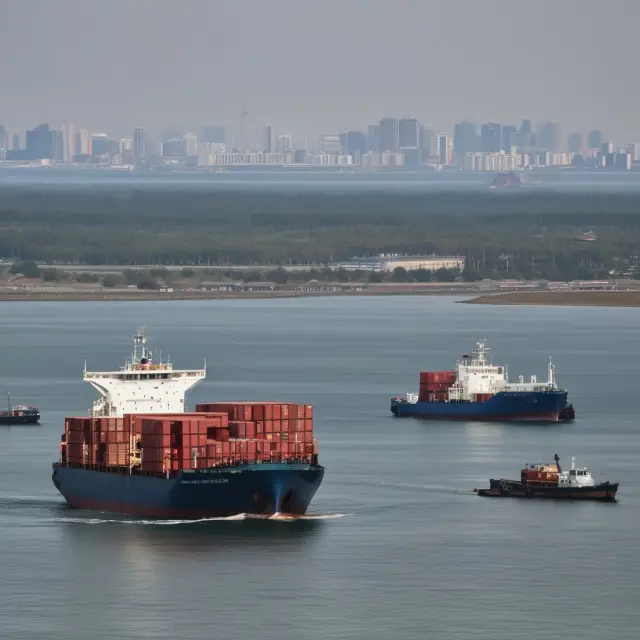
The United Nations’ humanitarian aid shipments to North Korea serve as an illuminating example of a unilateral transfer in international finance and economics. In this scenario, the UN is providing essential food supplies and resources to help alleviate the North Korean population’s suffering, with no expectation for any reciprocal action or payment from the North Korean government.
The impact of unilateral transfers on political dynamics cannot be overstated. The United States, South Korea, and other countries often engage in unilateral aid as a means to influence diplomatic relations. This is especially true when it comes to the isolated nation of North Korea. For years, international communities have sought to ease tensions by sending food aid and humanitarian assistance in the hope that these gestures might encourage better behavior from the North Korean government.
Despite good intentions, unilateral transfers can sometimes be met with skepticism and controversy. Critics argue that such aid programs may enable oppressive regimes and encourage continued mismanagement or corruption within the recipient nation. In the case of North Korea, critics contend that food aid has only served to keep the government in power while doing little to improve the lives of ordinary citizens.
However, some proponents of unilateral transfers argue that they provide a vital lifeline for populations suffering from extreme poverty, conflict, or natural disasters. They believe that aid, even if it does not immediately transform a nation’s political landscape, can still have a positive impact by preventing widespread starvation and promoting basic human rights.
One example of the complex nature of unilateral transfers is the United States’ policy on food aid to North Korea. In 2013, the US halted food assistance to North Korea due to concerns over mismanagement and diversion of aid by the North Korean government. The suspension of aid caused widespread concern that the country’s most vulnerable citizens would suffer without access to essential resources. However, the US’ stance was not without controversy, with some accusing it of using food aid as a political weapon while others argued that the funds could be better spent on more effective forms of aid or development assistance.
In conclusion, unilateral transfers are an integral part of international finance and economics. They provide a means for governments to offer humanitarian aid, promote diplomatic relations, and address crises when no immediate reciprocal benefit is expected. While they have been subjected to criticism, they remain an essential tool for improving the lives of millions around the world. The case study of UN food aid to North Korea serves as a reminder that unilateral transfers come with both challenges and opportunities and require careful consideration to maximize their positive impact.
Alternatives to Unilateral Transfers: Bilateral Trade
Bilateral trade is an alternative approach to unilateral transfers when it comes to foreign economic interactions. In bilateral trade, both parties mutually benefit from the transaction by exchanging goods, money, or services between them. This contrasts with a unilateral transfer where one party gives without receiving anything in return.
Bilateral trade is often viewed as a more effective and self-sustaining alternative to direct foreign aid, which is a type of unilateral transfer. Critics argue that the primary objective of many unilateral transfers is not necessarily to help the recipient nation but instead to serve political or diplomatic purposes. This perspective stems from instances where such transfers have been used to bolster relationships with other countries, secure strategic resources or gain geopolitical advantages.
Bilateral trade offers several benefits over unilateral transfers. For one, it promotes economic growth and development in both the donor and recipient nations by creating a mutually beneficial exchange. Trade agreements can also foster increased collaboration and cultural exchange between countries. Moreover, bilateral trade helps to stimulate competition among businesses, leading to innovation and cost savings for consumers.
A good example of the contrasting benefits of unilateral transfers and bilateral trade is the United States’ interaction with China. The US has frequently criticized China for its perceived manipulation of currency valuation, unfair trading practices, and intellectual property theft. In response to these issues, the US government imposed tariffs on various Chinese imports in 2018. This led to a significant decline in bilateral trade between the two nations as each country sought to protect their industries from the negative impacts of the trade dispute.
However, despite these challenges, bilateral trade remains an essential component of the global economy. According to the World Trade Organization (WTO), global merchandise trade increased by 2.3% in 2019, with total trade reaching $16.5 trillion. The majority of this trade occurred between developed and developing nations, such as China and the United States.
In conclusion, understanding the differences between unilateral transfers and bilateral trade is crucial for making informed decisions regarding foreign economic interactions. While unilateral transfers have their place in situations like humanitarian aid or diplomacy, bilateral trade offers a more sustainable and self-sustaining approach to international economic relations. By focusing on mutually beneficial exchanges, countries can work together to create lasting economic growth and development for all involved parties.
FAQs on Unilateral Transfers
What is a unilateral transfer?
Unilateral transfers refer to one-way transactions where money, goods, or services move from one entity to another without the recipient returning anything of equal value. These transactions are common in various forms, such as gifts, donations, and foreign aid, among others. In these cases, the party providing the funds, goods, or services does not receive any tangible benefit in return.
What is the difference between a unilateral transfer and a bilateral transaction?
The primary distinction lies in the nature of economic exchange between two parties. Unilateral transfers involve one-way transactions where only one party benefits, while bilateral transactions entail reciprocal exchanges of value between both parties involved. Bilateral trade is an example of a bilateral transaction, where both parties gain economic benefit.
Why do governments engage in unilateral transfers?
Governments may undertake unilateral transfers as diplomatic tools, for humanitarian purposes, or to stimulate their economies. For instance, direct foreign aid can be seen as an attempt to spread economic growth and development to less-developed nations. However, critics argue that these transfers are often misused by recipient governments for corrupt or oppressive purposes.
What are some common examples of unilateral transfers?
Unilateral transfers occur frequently in everyday life through gifts, donations, and economic stimulus payments. In the realm of international relations, they manifest as foreign aid programs or shipments of humanitarian supplies to countries facing crises. Unilateral transfers can also involve immigrants sending money to their native lands.
How are unilateral transfers recorded in a country’s balance of payments?
Unilital transfers are part of a nation’s current account within its balance of payments. They differ from trade transactions, which are bilateral and recorded under the merchandise or services sections of the balance of payments. Unilateral transfers include direct foreign aid, investments, and other types of international transfers that do not involve reciprocal economic benefit for both parties.
What are the criticisms surrounding unilateral transfers?
Critics argue that unilateral transfers can be susceptible to misuse by recipient governments. They may divert funds towards corrupt or oppressive purposes instead of helping their population. Direct foreign aid, in particular, has been criticized for creating a cycle of dependency and hindering the development of sustainable economies in recipient countries.
Do unilateral transfers always lead to negative consequences?
No, not all unilateral transfers lead to negative consequences. They can be used effectively for humanitarian purposes or as diplomatic tools when implemented responsibly and transparently. However, it is crucial to recognize the risks of corruption and misuse, particularly in situations where there is a lack of accountability or weak governance structures.
In conclusion, unilateral transfers play an essential role in everyday life and international relations. Understanding their nature, advantages, and disadvantages can help individuals and governments make informed decisions when engaging in these transactions.
 Next entry · No. 5,254Understanding Uninsurable Perils: Reputational Risk, Regulatory Risk, Trade Secret Risk, Political Risk, and Pandemic Risk
See also
-
 No. 5,018
05 Aug 2025
20 min
Trade Liberalization: Understanding Its Advantages, Disadvantages, and Examples
International Trade
No. 5,018
05 Aug 2025
20 min
Trade Liberalization: Understanding Its Advantages, Disadvantages, and Examples
International Trade -
 No. 4,810
18 Jul 2025
21 min
Understanding Supranational Organizations: Governing the Affairs of Nations Together
International Trade
No. 4,810
18 Jul 2025
21 min
Understanding Supranational Organizations: Governing the Affairs of Nations Together
International Trade -
 No. 4,663
07 Jul 2025
23 min
Reviving the Silk Route: Understanding China’s Belt and Road Initiative (BRI)
International Trade
No. 4,663
07 Jul 2025
23 min
Reviving the Silk Route: Understanding China’s Belt and Road Initiative (BRI)
International Trade -
 No. 4,093
21 May 2025
19 min
Understanding Pro Forma Invoices: A Preliminary Document for International Transactions
International Trade
No. 4,093
21 May 2025
19 min
Understanding Pro Forma Invoices: A Preliminary Document for International Transactions
International Trade -
 No. 3,552
07 Apr 2025
22 min
Understanding Nontariff Barriers in International Trade: Quotas, Embargoes, Sanctions, and More
International Trade
No. 3,552
07 Apr 2025
22 min
Understanding Nontariff Barriers in International Trade: Quotas, Embargoes, Sanctions, and More
International Trade -
 No. 3,433
28 Mar 2025
20 min
Understanding Net Importers: A Country’s Dependence on Global Trade
International Trade
No. 3,433
28 Mar 2025
20 min
Understanding Net Importers: A Country’s Dependence on Global Trade
International Trade