Understanding Unsecured Loans: Risks, Benefits, and Examples

Learn about the risks and benefits of unsecured loans, including how they differ from secured loans and examples in this comprehensive guide.
Introduction to Unsecured Loans
Unsecured loans, also known as unsecured debts or non-collateralized loans, differ significantly from their counterparts – secured loans. The fundamental distinction lies in the absence of collateral backing. Collateral refers to an asset or property that a borrower pledges to secure a loan. Unsecured loans rely instead on various qualifying factors such as credit history, income, work status, and existing debts. While these types of loans are more accessible due to their lenient requirements, they carry inherently higher risks for lenders since there is no collateral to seize in the event of default.
Key Takeaways
Unsecured loans do not rely on collateral as security, making them riskier than secured loans for both borrowers and lenders. Without collateral to repossess, lenders must resort to civil actions like collection agencies or lawsuits to recoup unpaid balances in the event of a default. The absence of collateral also means higher interest rates for unsecured loans as an additional risk buffer. Common examples of unsecured loans include personal loans, credit cards, and lines of credit.
Understanding Unsecured Loans: An Overview
Unsecured loans pose considerable risks to lenders as there is no collateral or other valuable assets offered for security. In the event of a borrower’s default, the lender may not have any recourse but to pursue civil actions such as collection agencies and lawsuits to recover unpaid balances. Unlike secured loans, where the collateral acts as a safeguard against potential losses, unsecured loans depend solely on a borrower’s creditworthiness and ability to repay the loan in full.
Key Takeaways
Unsecured loans rely solely on the borrower’s creditworthiness, income, work status, and existing debts to secure funding. The absence of collateral makes unsecured loans riskier for lenders and necessitates higher interest rates as a form of protection against potential losses.
Secured vs. Unsecured Loans: A Closer Look
The primary difference between secured loans and unsecured loans lies in the presence or absence of collateral backing. In secured loans, borrowers pledge an asset as collateral to secure funding. If a borrower defaults on their loan, the lender can seize this collateral to offset the financial loss. On the other hand, unsecured loans do not require collateral and are based solely on the borrower’s ability to repay the debt.
Key Takeaways
Secured loans involve a borrower pledging an asset as collateral, while unsecured loans rely exclusively on a borrower’s creditworthiness and ability to repay the loan without collateral backing. Unsecured loans carry higher risks for lenders due to the absence of collateral and necessitate higher interest rates.
Advantages and Disadvantages of Unsecured Loans: A Balanced Perspective
Unsecured loans provide borrowers with quick access to funds, making them an attractive alternative when immediate financing is necessary. They also offer flexibility in terms of usage since there are no restrictions on how the funds can be spent. However, they come with their fair share of drawbacks such as higher interest rates and more stringent eligibility requirements compared to secured loans.
Key Takeaways
Unsecured loans have both advantages and disadvantages, including quick access to funds without collateral backing, flexibility in usage, but also higher interest rates and more stringent eligibility requirements than secured loans.
Types of Unsecured Loans: Personal Loans, Credit Cards, and More
Unsecured loans come in various forms such as personal loans, credit cards, and lines of credit. Each type has its unique features catering to different borrower needs and situations.
Key Takeaways
Common unsecured loan types include personal loans, credit cards, and lines of credit, each with their specific advantages and disadvantages tailored to various borrower scenarios.
Impact of Unsecured Loans During Financial Crises: Historical Perspective
Historical examples, like the 2006 housing market crash, demonstrate how unsecured loans can contribute to widespread economic instability by flooding the market with a large supply of homes, leading to lower overall property values and increased defaults.
Key Takeaways
Unsecured loans have played a significant role in past financial crises, as demonstrated by the 2006 housing market crash, which led to an oversupply of houses and a subsequent decrease in home values and defaults due to the lack of collateral securing the mortgages.
Examples of Unsecured Loans: Real-Life Lessons
Real-life examples help illustrate the risks and benefits of unsecured loans, allowing individuals to make informed decisions when considering such financing options.
Key Takeaways
Examples provide a tangible way to understand the implications of unsecured loans by offering insights into their potential advantages and disadvantages through real-world scenarios.
Unsecured Loans and Credit Scores: The Impact on Your Credit Report
Taking out an unsecured loan can positively or negatively impact a credit score depending on how the borrower manages their repayments.
Key Takeaways
Unsecured loans can have significant consequences for a borrower’s credit report, as consistently making payments on time can improve creditworthiness, while defaulting or missing payments can lead to a poor credit standing.
How to Apply for Unsecured Loans: A Step-by-Step Guide
Understanding the application process and requirements is crucial before applying for an unsecured loan to ensure the best possible outcome.
Key Takeaways
Borrowers should check their credit score before applying, gather necessary documents, and be prepared for a thorough application process to increase their chances of approval and favorable loan terms.
FAQs About Unsecured Loans: Common Concerns Answered
Addressing frequently asked questions about unsecured loans helps clarify any remaining doubts or misconceptions, ensuring potential borrowers make informed decisions.
Key Takeaways
Common questions and concerns surrounding unsecured loans are addressed to provide clarity on aspects such as interest rates, repayment terms, and eligibility requirements.

How Unsecured Loans Differ from Secured Loans
When it comes to borrowing funds, there are two primary types of loans: secured and unsecured. In the case of a secured loan, collateral acts as a safety net for the lender. Collateral refers to an asset of equal value offered by the borrower to secure the loan. A common example is a mortgage, where the homeowner offers their property as collateral in exchange for the funds needed to purchase the house. In contrast, unsecured loans do not come with this added layer of security. Instead, these loans rely on other qualifying factors, such as credit history, income, work status, and existing debts, to determine loan approval.
One key difference between secured and unsecured loans lies in the level of risk for both the borrower and lender. Since there is no collateral backing an unsecured loan, the lender assumes greater risk. In the event that a borrower defaults on their obligation, the lender will not be able to seize any assets as recourse. Instead, they must rely on civil actions such as collection agencies or lawsuits to recover the outstanding balance.
The increased level of risk associated with unsecured loans results in higher interest rates compared to secured ones. This is because the lender is compensated for assuming this risk by charging a higher rate of return. In contrast, secured loans have fixed rates based on collateral value, making them less risky and more affordable.
Unsecured loans are essential for individuals who require funds without offering collateral or when the assets they possess cannot serve as adequate security. Common examples include personal loans, lines of credit (LOCs), and some business loans or bonds. Personal loans offer borrowers a lump sum to cover various expenses such as home renovations, medical bills, education costs, and debt consolidation. LOCs provide flexible access to funds over an extended period. This credit facility can be useful for unexpected emergencies, large purchases, or debt refinancing.
Another popular form of unsecured borrowing is a credit card. Credit cards enable individuals to borrow funds up to their credit limit, offering convenience and flexibility. They are ideal for making smaller purchases or managing ongoing expenses with the added benefit of earning rewards points or cash-back incentives. However, it’s essential to remember that credit cards come with high-interest rates and fees. Neglecting payments can lead to a slippery slope of debt.
When considering unsecured loans, it’s crucial to understand the implications and risks involved. By being aware of how they differ from secured loans and knowing their benefits and drawbacks, you can make informed decisions about your financial future.
Advantages and Disadvantages of Unsecured Loans
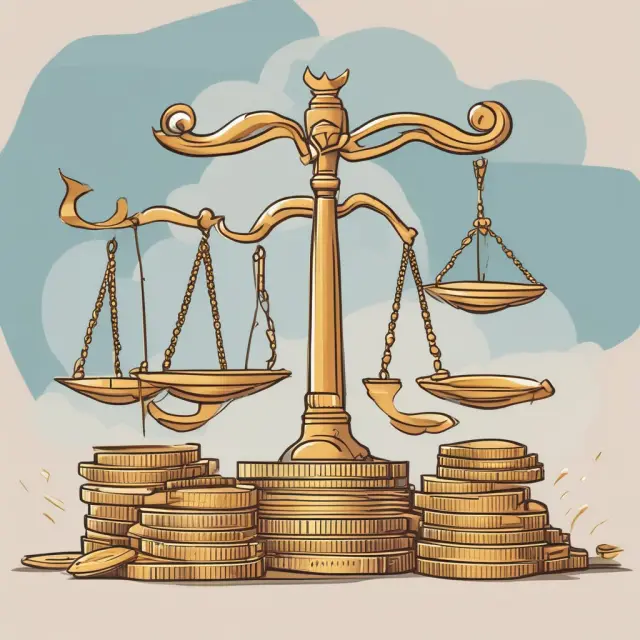
Unsecured loans come with unique benefits and drawbacks compared to their secured counterparts. These loans are not backed by collateral, meaning lenders bear greater risk. In exchange for this heightened risk, unsecured loans offer increased convenience and accessibility.
One significant advantage of unsecured loans is their quick availability. Since they do not require collateral appraisal or the lengthy process of title transfer, the funding can be accessed relatively quickly. This flexibility is vital for individuals facing unexpected expenses, such as medical bills, home repairs, or education costs.
Additionally, unsecured loans cater to borrowers with less-than-perfect credit scores. While secured loans may only approve borrowers with strong credit histories, unsecured lenders consider other factors like employment status and income when making decisions. This openness makes it easier for people with a weaker credit profile to receive funding.
However, the convenience of unsecured loans comes with a cost: higher interest rates. Given the increased risk borne by the lender, they charge premiums on these loans to ensure profitability. These elevated interest rates can make repayment more difficult for borrowers, particularly if they are carrying multiple debts or have a limited income.
Unsecured loans come in various forms, such as personal loans, credit cards, and lines of credit (LOC). Understanding their advantages and disadvantages is essential to making informed decisions when choosing the right financing option for your unique financial situation.
Personal Loans: Unsecured, flexible, and versatile, personal loans are an excellent alternative for individuals seeking a lump sum of cash without collateral. They offer competitive interest rates, quick approval, and flexible repayment terms, making them suitable for debt consolidation, home renovations, or emergency expenses.
Credit Cards: A credit card is the most widely used type of unsecured loan. Credit cards provide borrowers with a revolving line of credit that they can use to make purchases or withdraw cash against their available credit limit. Interest accrues on the outstanding balance, which can lead to significant debt if not managed properly.
Lines of Credit (LOC): LOCs offer borrowers the flexibility to access funds as needed, making them suitable for ongoing expenses like home renovations or business investments. They function similarly to credit cards but may provide larger credit limits and more extended repayment terms.
Ultimately, understanding unsecured loans and their advantages and disadvantages is essential when navigating the complex world of debt financing. By carefully considering your unique financial situation and goals, you can make informed decisions that help set you on the path toward a financially secure future.
Types of Unsecured Loans
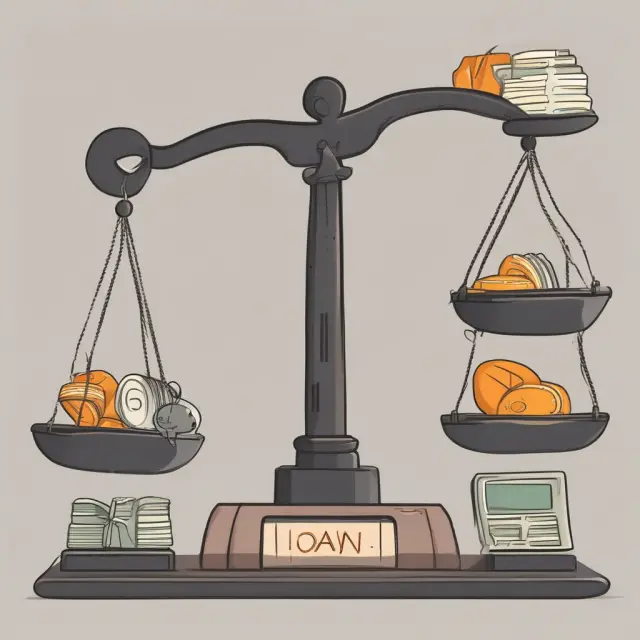
Unsecured loans represent funds borrowed from financial institutions without collateral as security. Instead, lenders rely on various qualifications, including income level, employment status, credit history, and existing debts to assess the risk involved in extending unsecured credit. The three primary types of unsecured loans are personal loans, credit cards, and lines of credit (LOC).
Personal Loans: Unsecured personal loans are among the most popular forms of credit for individuals seeking a substantial sum without collateral backing. These loans provide borrowers with lump-sum cash for various purposes such as paying off medical bills, funding home renovations, or even consolidating debt from multiple sources. The interest rates on these unsecured loans may vary depending on the individual’s credit score and other financial factors.
Credit Cards: Another common type of unsecured loan is a credit card. Credit cards provide borrowers with a revolving line of credit, allowing them to make purchases up to their approved limit. Instead of receiving a lump sum cash payment, cardholders can use the line of credit to charge expenses against their card balance. Interest rates on credit cards typically vary depending on the card issuer and the cardholder’s credit score.
Lines of Credit: Unsecured lines of credit (LOC) serve as an alternative source of emergency funding or for managing unexpected expenses. LOC offers borrowers a pre-approved limit, which they can access whenever they need funds within their approved line. Like personal loans and credit cards, the interest rates on unsecured lines of credit depend on individual financial factors.
The lack of collateral in unsecured loans makes them riskier for lenders compared to secured loans, such as mortgages or auto loans. In the event of a default, lenders have fewer options for recouping their losses. As such, unsecured loans usually come with higher interest rates than secured loans.
Understanding Unsecured Loans: Risks and Benefits
Unsecured loans can be advantageous in various situations where individuals need cash but do not possess collateral or cannot wait for its sale to occur. These types of loans provide quick access to funds that can help address financial emergencies or consolidate debts. However, the absence of collateral and higher interest rates make unsecured loans riskier investments for lenders. Borrowers should carefully consider their financial situations and alternatives before opting for an unsecured loan.
Stay tuned for the next section on ‘Understanding Secured Loans: Risks, Benefits, and Examples’, where we’ll discuss secured loans and their significance in financing various projects.

Understanding Unsecured Debt
Unsecured debt refers to loans or obligations that do not require collateral as security. Collateral, for context, is an asset of value owned by the borrower that acts as a guarantee for repayment in secured loans. When a borrower defaults on an unsecured loan, lenders must resort to civil actions like collection agencies and lawsuits to reclaim their losses.
Defaulting on an Unsecured Loan: Implications and Consequences
The absence of collateral presents a higher level of risk for lenders in unsecured loans. In the event of default, lenders will have no tangible asset to seize or sell as a means to recoup their losses. The following civil actions may be taken to recover the outstanding loan balance:
- Collection Agencies: Lenders typically hire collection agencies to contact borrowers and negotiate payment plans or settlements on their behalf.
- Lawsuits: If negotiations fail, lenders can file a lawsuit against the borrower to recover the owed amount through a court order.
- Wage Garnishment: In some cases, courts may order a portion of the borrower’s wages to be withheld and paid directly towards the debt.
- Bankruptcy: Depending on the borrower’s financial situation, filing for bankruptcy could potentially discharge unsecured debts through Chapter 7 or reorganize them under Chapter 13.
- Judgments: A judgment can be issued against the borrower, allowing lenders to seize non-exempt assets and funds until the debt is repaid.
While these actions can help mitigate losses, they are costly and time-consuming for lenders. To offset this risk, unsecured loans often come with higher interest rates than secured loans due to the increased lender risk. This situation makes understanding your ability to repay an unsecured loan essential before applying for one.
Examples of Unsecured Loans and Their Impact on Financial Crises
Unsecured debt played a significant role in the 2008 global financial crisis, particularly through mortgage-backed securities (MBS). Although MBS appeared to be secured loans at first due to their connection to home mortgages, their underlying components were largely unsecured. The housing market bubble burst led to a massive influx of foreclosed homes and resulted in substantial losses for financial institutions. These losses affected both investors and borrowers, causing widespread economic instability.
Understanding the Risks and Benefits of Unsecured Loans: An Informed Perspective
Being aware of unsecured debt’s advantages and disadvantages can help you make informed decisions as a borrower or investor. Properly assessing your financial situation, understanding creditworthiness, and reviewing multiple loan offers are crucial when seeking an unsecured loan. Staying up-to-date on interest rates and market trends also plays an essential role in making the best choice for your circumstances.

Impact of Unsecured Loans During Financial Crises
Unsecured loans played an influential role during significant financial crises throughout history, with their availability leading to increased supply, lowering property values, and causing widespread economic instability. In the absence of collateral securing the loan, lenders are left with a higher risk in the event of default. During a crisis, this risk can result in far-reaching consequences.
One prominent example of unsecured loans’ impact occurred during the 2006 housing market crash. The availability of easy credit led to a surge in demand for homeownership, pushing prices beyond their actual value. As property values inflated, many homebuyers found themselves unable to pay their mortgages due to the financial strain brought on by the crisis. When these borrowers defaulted, lenders were forced to resort to civil actions, such as collection agencies and lawsuits, to recover unpaid balances.
In the United States, this led to a massive influx of foreclosed properties onto the market. The sudden surge in supply caused property values to plummet, exacerbating the effects of the financial crisis. Homeowners, unable to sell their homes due to the oversupply, saw their investments drop in value and, consequently, defaulted on their mortgages in large numbers.
This domino effect led to a significant loss for many banks who relied on mortgage-backed securities as collateral for their loans. The failure of some banks resulted in the global financial crisis that followed, with far-reaching consequences for the entire economy. The housing market crash was an example of how unsecured loans, despite their flexibility and accessibility, can be riskier than secured loans during times of economic instability.
The importance of understanding unsecured loans’ impact on the economy extends beyond historical examples. In today’s world, consumers and businesses alike face ongoing challenges in managing debt and navigating uncertain financial landscapes. By recognizing both the risks and benefits associated with unsecured loans, individuals can make informed decisions about borrowing and debt management. Additionally, being aware of the potential consequences of widespread defaults allows lenders to be more cautious during times of economic turmoil, minimizing potential losses and ensuring long-term financial stability.
Examples of Unsecured Loans
Understanding unsecured loans through real-life examples is an excellent way to appreciate their risks and benefits. Unlike secured loans that require collateral as security, unsecured loans rely solely on the borrower’s creditworthiness and ability to repay the loan. The most common examples of unsecured loans include personal loans, lines of credit (LOC), and credit cards. Let us explore each example in detail:
1. Personal Loans
Personal loans are popular unsecured financing options used for various purposes like debt consolidation, medical bills, home renovations, or unexpected expenses. Since these loans don’t require collateral, lenders assess the borrower’s creditworthiness and income to determine their eligibility for loan approval. Interest rates for personal loans can range from 4% to 36%, depending on the lender, credit score, and repayment terms.
Example: Let’s consider John, a 30-year-old individual with good credit standing and a steady income. He decides to take out a $5,000 personal loan at an annual interest rate of 12% to finance home improvements. Since he has a solid financial background and reliable income, the lender approves John’s application, and he starts making monthly payments of approximately $224 over a five-year term.
2. Lines of Credit (LOC)
Lines of credit function like flexible loans. Instead of receiving a lump sum upfront, borrowers can draw down on their LOC as needed. They only pay interest on the amount withdrawn and repay it in installments when they’re ready. However, unsecured lines of credit may come with higher interest rates compared to secured ones, usually starting around 5% to 10%.
Example: Suppose Sarah takes out an $8,000 line of credit at a variable annual rate of 9%, which can increase or decrease based on market conditions. She utilizes only $3,000 initially for home repairs but later decides to borrow another $2,000 for car expenses. Sarah pays interest only on the $5,000 she has withdrawn and makes monthly payments over a five-year term.
3. Credit Cards
Credit cards are a type of revolving unsecured loan where individuals can spend up to their credit limit on various purchases. They typically come with variable interest rates ranging from 12% to over 20%, depending on the card and the borrower’s credit history. The borrower is only required to make minimum monthly payments, but they can choose to pay off more if desired.
Example: Take Mark, who applies for a credit card with a $5,000 credit limit at an annual interest rate of 17%. He spends $3,000 on his first statement and makes only the minimum monthly payment of around $84. Over time, he pays off his balance while incurring additional interest charges due to new purchases.
Each example shows how unsecured loans provide accessibility but come with higher interest rates than secured loans to offset the risk for lenders. Understanding these examples can help you make informed decisions when choosing an unsecured loan product that best suits your financial needs.
Unsecured Loans and Credit Scores
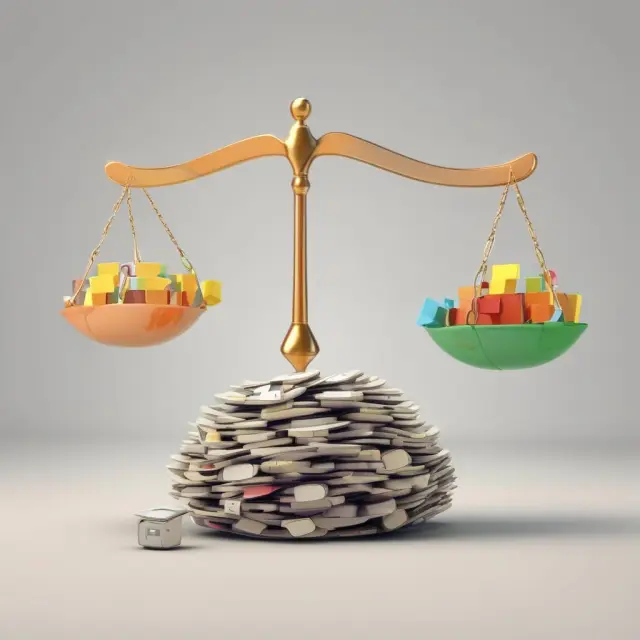
Taking out an unsecured loan can significantly impact your credit score. Unsecured loans, unlike their secured counterparts, do not require collateral for approval. Instead, lenders evaluate the borrower’s creditworthiness through various factors such as credit history, income, employment status, and current debts.
Understanding how unsecured loans impact your credit score depends on your repayment behavior. On-time payments can lead to a positive effect, potentially increasing your score due to the establishment or strengthening of a credit history. However, missed or late payments can negatively affect your score, as they indicate potential financial instability.
Unsecured loans like personal loans and credit cards are common options for individuals seeking quick access to funds. It is essential to understand that the interest rates on these types of loans are generally higher than secured loans due to their inherent risk. When a borrower cannot repay an unsecured loan, the lender’s only recourse is to pursue civil actions such as collection agencies and lawsuits to recover unpaid balances.
Unsecured loans can influence your credit score in different ways depending on how they are used and repaid:
1. Establishing credit history – Timely payments on an unsecured loan, particularly for those with little or no credit history, can help build a strong credit profile. Consistent on-time payments demonstrate responsible borrowing behavior to lenders, potentially increasing your credit score over time.
2. Debt utilization rate – The relationship between the amount of available credit and the current credit usage is known as the debt utilization rate. High levels of revolving unsecured credit, such as with a credit card, can negatively impact your credit score if you maintain high balances. Aim for keeping your credit utilization rate below 30% to maintain a healthy credit score.
3. Late or missed payments – Late or missed payments on unsecured loans can harm your credit score, as they indicate potential financial instability and increased risk. To mitigate this impact, make timely payments whenever possible.
4. Credit inquiries – When applying for an unsecured loan, lenders will conduct a hard inquiry into your credit history. While this may temporarily lower your credit score, the effect is minimal and typically short-lived if you are approved for the loan and make on-time payments.
In conclusion, understanding how unsecured loans impact your credit score is crucial when considering taking out an unsecured loan. Make sure to assess your financial situation carefully before making a decision and weigh the potential consequences, both positive and negative. Remember, timely repayments can help build or improve your credit profile, while missed payments may negatively impact it.

How to Apply for Unsecured Loans
Applying for an unsecured loan involves several steps to ensure that applicants have the necessary qualifications for obtaining the funding they need. Unlike secured loans where collateral plays a significant role in the approval process, unsecured loans rely heavily on the borrower’s creditworthiness and income. Here’s a step-by-step guide on how to apply for an unsecured loan:
- Check Your Credit Score: Before applying for an unsecured loan, it is crucial to review your credit score. Lenders use this three-digit number as one of the primary factors in determining your eligibility and interest rate. A good credit score demonstrates your ability to manage debt and meet repayment obligations on time.
- Choose a Lender: Research various lenders that offer unsecured loans and compare their terms, rates, and fees. Consider factors such as interest rates, loan amounts, repayment terms, and application process. You can apply through banks, credit unions, or online lenders.
- Gather Required Documents: Lenders will ask for several documents during the application process to verify your financial situation. Common requirements include proof of income, bank statements, a government-issued ID, and proof of address. Make sure you have these documents ready before starting the application.
- Fill Out the Application Form: Complete the loan application form provided by the lender either online or in paper format. Ensure all information is accurate to minimize potential delays in the approval process. Be prepared to answer questions about your income, employment history, and existing debts.
- Wait for Approval: After submitting your application, wait for the lender’s response. This process can take anywhere from a few hours to several days depending on the lender and your creditworthiness. If approved, review the loan terms carefully before accepting the offer.
- Receive Funds: Once you have accepted the loan terms, the funds will be transferred directly into your account. Be prepared to repay the loan as agreed upon in the loan agreement. Properly managing your unsecured loan can help improve your credit score and build a solid financial future.
In conclusion, applying for an unsecured loan requires careful planning and preparation. By understanding the application process and being aware of the necessary requirements, you increase your chances of getting approved and securing favorable terms. Remember that maintaining good credit standing is crucial to access the best rates on both secured and unsecured loans.

FAQs About Unsecured Loans
Unsecured loans, unlike secured loans, do not require collateral to secure the loan. Instead, lenders rely on other qualifying factors like credit history, income, employment status, and existing debt when determining whether to approve an application for unsecured loans. Here are some frequently asked questions about unsecured loans:
**What is the difference between a secured and unsecured loan?**
Secured loans require collateral as a guarantee, while unsecured loans do not. Collateral acts as security for the lender against potential losses if the borrower fails to repay the loan. Unsecured loans rely on other factors such as creditworthiness and income to assess risk and determine eligibility.
**What types of unsecured loans are available?**
Some common examples of unsecured loans include personal loans, lines of credit (LOC), and credit cards. These loans do not require collateral but rather depend on the borrower’s ability to repay.
**How does my credit score impact getting an unsecured loan?**
A good credit score is essential for securing favorable terms when applying for unsecured loans. A high credit score indicates a responsible borrower and can lead to lower interest rates, larger loan amounts, and more lenient repayment schedules. Conversely, poor credit scores may disqualify applicants or result in less attractive loan terms.
**Can I get an unsecured loan with bad credit?**
It is still possible to obtain an unsecured loan even if you have a poor credit score. However, lenders will view you as a higher risk and may charge significantly higher interest rates to compensate for that risk. Additionally, smaller loan amounts and more stringent repayment terms could be imposed. Improving your credit score before applying can lead to better loan offers.
**How does interest rate on an unsecured loan compare to a secured loan?**
Interest rates on unsecured loans are generally higher than those offered for secured loans, reflecting the increased risk for lenders without collateral securing the debt. However, even with higher interest rates, unsecured loans can still prove advantageous in certain situations such as when quick access to funds is required or when you lack sufficient assets to use as collateral.
**What happens if I cannot repay an unsecured loan?**
In the event of default, lenders can pursue civil actions to recoup unpaid balances, including hiring collection agencies and filing lawsuits against the borrower. While this is a more complex process than seizing collateral in secured loans, it does add an additional layer of risk for borrowers who may struggle with repayment terms.
**Can I consolidate multiple unsecured debts into one loan?**
Yes, consolidating multiple unsecured debts through a debt consolidation loan can help simplify your monthly payments and potentially reduce the overall cost of interest. By taking out a single larger loan to pay off several smaller ones, you may secure more favorable terms due to a better credit score or a longer repayment period.
**What documents are required for an unsecured loan application?**
In general, lenders will ask for the following documentation during the application process for unsecured loans: proof of income (such as pay stubs), government-issued photo ID, proof of address (such as a utility bill), and a list of monthly debt obligations. Providing accurate, complete information will improve your chances of approval and can lead to more favorable loan terms.
 Next entry · No. 5,309Understanding Unsecured Credit and Its Implications for Investors
See also
-
 No. 5,311
29 Aug 2025
20 min
Understanding Unsecured Loans: Risks, Types and Differences with Secured Loans
Business Finance
No. 5,311
29 Aug 2025
20 min
Understanding Unsecured Loans: Risks, Types and Differences with Secured Loans
Business Finance -
 No. 5,916
18 Oct 2025
18 min
Understanding Zombie Debt: A Guide for Professional Investors
Business Finance
No. 5,916
18 Oct 2025
18 min
Understanding Zombie Debt: A Guide for Professional Investors
Business Finance -
 No. 5,789
07 Oct 2025
19 min
Understanding Working Capital Loans: A Comprehensive Guide for Institutional Investors
Business Finance
No. 5,789
07 Oct 2025
19 min
Understanding Working Capital Loans: A Comprehensive Guide for Institutional Investors
Business Finance -
 No. 5,515
15 Sep 2025
17 min
Understanding Void Transactions: A Comprehensive Guide
Business Finance
No. 5,515
15 Sep 2025
17 min
Understanding Void Transactions: A Comprehensive Guide
Business Finance -
 No. 5,126
13 Aug 2025
21 min
Understanding UCC-1 Statements: The Public Notice for Business Loans and Secured Collateral
Business Finance
No. 5,126
13 Aug 2025
21 min
Understanding UCC-1 Statements: The Public Notice for Business Loans and Secured Collateral
Business Finance -
 No. 4,844
21 Jul 2025
21 min
Understanding Take-Out Loans: A Comprehensive Guide for Professional Investors
Business Finance
No. 4,844
21 Jul 2025
21 min
Understanding Take-Out Loans: A Comprehensive Guide for Professional Investors
Business Finance