Understanding V-Shaped Recovery: History, Characteristics, and Importance

Explore the history, characteristics, causes, and benefits of a V-shaped economic recovery in this comprehensive guide.
Introduction to V-shaped recovery
A V-shaped recovery, as the name suggests, refers to an economic situation where the economy experiences a sharp decline followed by a quick rebound back to its previous growth trajectory. This type of recovery is characterized by a ‘V’ shaped chart showing a rapid improvement in economic indicators such as Gross Domestic Product (GDP), employment rates, and industrial production indexes. V-shaped recoveries are considered the best possible outcome for an economy that has suffered a significant downturn since they imply a quick adjustment to new economic conditions.
Understanding V-Shaped Recovery
A V-shaped recovery is distinguished from other types of economic recoveries like L, U, W, or J shaped by its rapid and sustained improvement in economic performance following a sharp decline. This type of recovery can be attributed to significant shifts in economic activity as consumer demand and business investment spending rebound swiftly. In this section, we will explore the historical context, characteristics, causes, examples, and implications of V-shaped recoveries.
Characteristics of V-Shaped Recovery
The defining feature of a V-shaped recovery is its quick and strong rebound from a sharp economic decline. This rapid adjustment can be attributed to factors like a large number of businesses failing during the downturn, which leads to an efficient reallocation of resources and assets to new uses, industries, and businesses. The following sections will discuss historical examples, causes, comparisons with other recovery shapes, and investment strategies for V-shaped recoveries in more detail.
Historical Examples
Two notable instances of V-shaped recoveries are the recessions of 1920-1921 in the United States and the recession of 1953. In both cases, economic conditions deteriorated significantly but bounced back quickly due to a combination of structural adjustments and favorable policy responses. The sections below will delve deeper into these historical examples, shedding light on the factors contributing to their V-shaped nature and providing valuable insights for understanding this type of recovery in a modern context.
Causes:
V-shaped recoveries are often facilitated by structural adjustments within an economy that allow resources and labor to be reallocated efficiently following a sharp decline. Additionally, favorable monetary and fiscal policy responses can help accelerate the recovery process by increasing liquidity and promoting investment spending. The following sections will examine the specific causes of V-shaped recoveries in historical contexts and discuss their implications for modern economic policymaking.
Comparing V-Shaped Recovery to Other Shapes
Although a V-shaped recovery is characterized by a quick rebound, it can be contrasted with other types of recoveries like L, U, W, or J shaped. Understanding the differences between these recovery shapes and their underlying economic conditions is crucial for gaining a comprehensive perspective on the nature of economic recoveries.
Double Bottom Pattern
A double bottom pattern is a technical analysis tool used to identify potential reversals in securities prices. It can also be applied to broader economic indicators to assess shifts in trends, including V-shaped recoveries. The following sections will discuss how this pattern can be used to identify V-shaped recoveries and the implications of such patterns for investors.
Double Dip Recession
Although a V-shaped recovery implies a swift turnaround, it is important to recognize that economic downturns can sometimes exhibit double dip characteristics, with a brief recovery followed by another decline. Understanding the risks and challenges associated with double dip recessions during V-shaped recoveries is essential for investors and policymakers seeking to maximize opportunities and mitigate potential losses.
Benefits:
V-shaped recoveries offer numerous benefits to various stakeholders, including businesses, consumers, and investors. The following sections will explore the advantages of this type of recovery, from increased employment opportunities and economic growth to improved investor sentiment and financial market stability.
Challenges and Criticisms
Despite its many advantages, a V-shaped recovery is not without its challenges and criticisms. In the following sections, we will address common concerns related to this type of recovery and provide counterarguments that shed light on its merits.
Preparing for a V-Shaped Recovery
Given the potential benefits of a V-shaped recovery, it is essential for investors and policymakers to be prepared for its occurrence. The following sections will discuss strategies for capitalizing on this economic condition, from adjusting investment portfolios to implementing effective monetary and fiscal policies that promote growth and stability.
FAQs:
Finally, we will address frequently asked questions about V-shaped recoveries, including their historical instances, causes, implications, and differences from other types of economic recoveries. By addressing these queries, we aim to provide readers with a comprehensive understanding of this important economic concept.

Characteristics of V-Shaped Recovery
A V-shaped recovery, as the term suggests, describes a specific shape of economic recovery, often depicted by a chart representing economic measures like employment rates, gross domestic product (GDP), and industrial production indexes. This economic phenomenon is characterized by a sharp decline followed by an equally rapid rebound to pre-recession levels. V-shaped recoveries are desirable because they reflect quick economic adjustments and the speedy recovery of major macroeconomic performance metrics.
The contrast between a V-shaped recovery and other economic recovery shapes, such as L, U, W, or J, is crucial in understanding their implications for economies and financial markets. An L-shaped recovery, for example, features an extended period of weak economic activity following a recession, while U-shaped recoveries denote a prolonged and gradual return to pre-recession levels.
Historically, there have been instances where economies experienced V-shaped recoveries, such as the one following the 1920-21 recession in the United States. This recovery was marked by a significant shift in economic activity caused by the rapid readjustment of consumer demand and business investment spending. The recovery was fueled by the closing of unprofitable businesses and the reallocation of their assets to new uses, industries, and businesses that became more profitable in the post-recession environment.
During a V-shaped recovery, unemployment rates typically fall sharply as workers find new jobs in emerging industries or businesses that capitalize on the changing economic landscape. Gross domestic product (GDP) growth can also rebound significantly, often surpassing pre-recession levels within a short timeframe. Industrial production indexes might also recover rapidly as demand for goods and services increases, causing output to return to previous levels or even exceed them.
The 1920s recovery in the U.S., which is often referred to as the Roaring Twenties, is an excellent example of a V-shaped recovery. It was marked by a sharp bounce back from the deep recession that followed World War I and the Spanish flu pandemic. The economy recovered quickly due to the rapid liquidation of failing businesses, the reallocation of assets, and the emergence of new industries and businesses that thrived in the post-war and increasingly urbanizing society.
In conclusion, a V-shaped recovery is an economically desirable outcome for countries experiencing a recession. It represents a quick and sustained recovery in major macroeconomic performance metrics that can lead to positive outcomes for various stakeholders. However, it’s essential to understand the unique characteristics of V-shaped recoveries and their historical context to accurately assess their potential implications and risks.
Upcoming sections will delve deeper into the causes of V-shaped recovery, comparisons with other economic recovery shapes, and strategies for capitalizing on this type of economic environment.

Historical Examples of V-shaped Recovery
A V-shaped recovery refers to the economic condition where an economy experiences a rapid bounce back following a sharp decline. Two notable historical examples of V-shaped recoveries are the U.S. economies in 1920-1921 and 1953.
The Depression of 1920-1921: A Harsh Recession Followed by a Swift Recovery
Following World War I, the U.S. economy faced significant challenges. The government was cutting spending, including closing munitions factories no longer needed for the war effort, and implementing contractionary fiscal policy that further worsened the economic downturn. Additionally, the Federal Reserve raised interest rates during this period, which led to a decline in consumer demand and business investment. These actions resulted in a sharp economic decline with an unemployment rate of 12% and a 32% decrease in production. However, the quick liquidation and reallocation of assets facilitated a swift recovery, as businesses and industries adapted to the post-war society. By 1923, interest rates had fallen to 3%, and the economy was growing at a rate of 4.2% per year.
The Recession of 1953: A Mild Recession with Rapid Rebound
The recession in 1953 was relatively mild, with only a 2.2% decrease in GDP and an unemployment rate of 6.1%. The economic downturn lasted for just one quarter before the economy rebounded strongly. Although the Federal Reserve’s monetary policy response to the recession was underwhelming, a lack of fiscal stimulus during this period allowed the economy to recover quickly, as businesses adapted and new opportunities emerged.
Both historical examples demonstrate that V-shaped recoveries can occur when economic conditions are favorable for rapid adjustments and reallocation of resources. However, it is essential to understand that not all economic recoveries follow a V-shape pattern. Other recovery shapes, such as L, U, W, and J, may have distinct characteristics depending on the specific economic circumstances.
Understanding the differences between these recovery shapes can provide valuable insights for investors and policymakers seeking to navigate various economic conditions effectively. In the next section, we will explore the unique features of V-shaped recoveries in more detail, including their causes and implications.

Causes of V-Shaped Recovery
A V-shaped recovery, as depicted by the name, is characterized by an economic condition where an economy experiences a sharp decline followed by a quick rebound, forming the shape of the letter “V” in a chart. A V-shaped recovery is often considered a best-case scenario for economies that have experienced a significant downturn because it signifies a swift and sustained recovery across various economic performance measures.
The primary factors contributing to a V-shaped recovery are a combination of monetary and fiscal policy actions, as well as the economy’s ability to adapt to changing circumstances rapidly. In this section, we will delve deeper into these causes to better understand how they lead to a V-shaped recovery.
Monetary Policy: Monetary policy is the use of interest rates, open market operations, and other tools by central banks to control inflation and stabilize the economy. During a recession, monetary policy plays a crucial role in mitigating the economic downturn. For a V-shaped recovery, monetary policy must be appropriately calibrated to provide sufficient liquidity and reduce borrowing costs for businesses and consumers. This stimulates demand and investment, ultimately driving the economy’s rapid recovery.
Fiscal Policy: Fiscal policy refers to government spending and taxation decisions aimed at influencing economic output and employment. In a V-shaped recovery, fiscal policy is instrumental in kickstarting the economy and providing a cushion during the downturn. This can include expanding social safety nets for affected populations, targeted infrastructure investments, and tax incentives designed to encourage businesses to resume investment and hiring activities.
Economic Adaptation: The speed of economic recovery depends on how quickly businesses and households can adjust to changing circumstances. In a V-shaped recovery, businesses are able to pivot quickly in response to market shifts. This adaptability enables them to recover rapidly and maintain their profitability as consumer demand returns. Households, too, are resilient in the face of economic adversity, adapting by reducing consumption or finding new sources of income.
Historical Examples: Two significant historical examples of V-shaped recoveries include those observed during the Depression of 1920 to 1921 in the United States and following the recession of 1953. In both instances, the economy experienced a sharp decline followed by a quick recovery as a result of the combination of appropriate monetary and fiscal policy actions and the economy’s ability to adapt rapidly.
The Depression of 1920 to 1921: The U.S. entered a severe recession in 1920, primarily due to the government reducing its spending as the war effort wound down and the impact of the Spanish Flu pandemic. Despite this challenging economic environment, businesses quickly adapted by liquidating unprofitable operations and reallocating resources to more profitable ventures. The Federal Reserve’s monetary policy played a role in facilitating this recovery by maintaining low interest rates and ensuring adequate liquidity for banks.
The Recession of 1953: Another example of a V-shaped recovery occurred during the recession of 1953 in the U.S., where an economic decline was followed by a rapid recovery. Fiscal policy played a crucial role in this instance, with the government expanding social safety nets and implementing targeted infrastructure investments to support affected populations and stimulate demand. Monetary policy supported the recovery by maintaining low interest rates and ensuring banks had adequate liquidity.
In conclusion, a V-shaped recovery represents a best-case scenario for economies experiencing a significant downturn. This economic condition is characterized by a sharp decline followed by a quick and sustained recovery across various performance measures. The primary factors contributing to this type of recovery include appropriate monetary and fiscal policy actions and the economy’s ability to adapt rapidly to changing circumstances. Understanding the causes of V-shaped recoveries can help investors and policymakers prepare for future economic downturns and potential opportunities for growth.
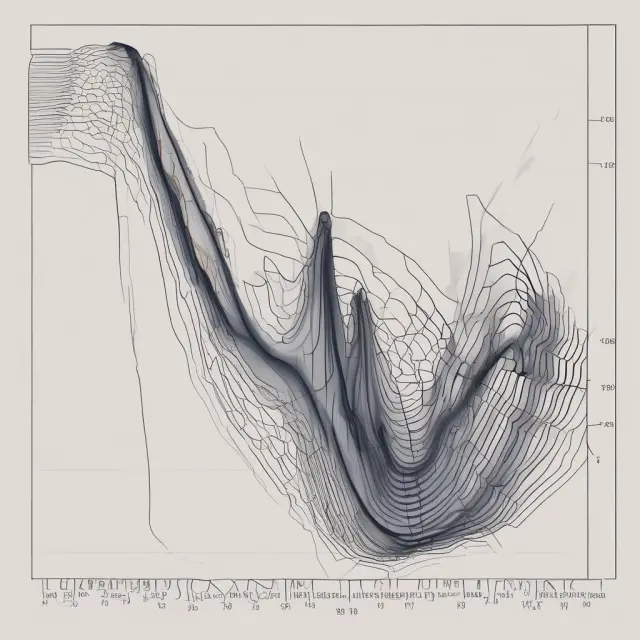
Comparison: V-shaped vs. Other Recovery Shapes
When examining the various shapes that recessions and recoveries take, it is essential to understand the unique characteristics of a V-shaped recovery. While not the most common shape, V-shaped recoveries stand out due to their quick and dramatic turnaround from economic downturns. V-shaped recovery resembles the shape of a “V” on a chart of economic measures that gauge the health of an economy. In this section, we will discuss how V-shaped recovery differs from other shapes such as L, U, W, and J, providing examples of historical recoveries and their causes.
Understanding Recovery Shapes
Economists analyze recessions and recoveries by examining metrics like employment rates, gross domestic product (GDP), and industrial production indexes. The shape of a chart representing these economic measures during a recession and recovery can indicate the severity and duration of the downturn and subsequent recovery. Some common shapes include V-shaped, L-shaped, U-shaped, and W-shaped recoveries.
V-Shaped Recovery: A Quick Rebound
A V-shaped recovery is characterized by a sharp decline followed by a swift rebound. In this scenario, an economy experiences a significant drop in economic activity, but quickly recovers to its previous peak. This quick adjustment and recovery is often attributed to rapid readjustments in consumer demand and business investment spending, resulting from a substantial shift in the economy. V-shaped recoveries are considered a best-case scenario for economists because they represent a swift bounce back from a severe downturn.
Comparing V-Shaped Recovery to Other Shapes
To understand the significance of V-shaped recovery, it is essential to differentiate it from other shapes like L, U, W, and J. Each shape signifies unique economic conditions and represents the chart of various measures that assess the health of the economy.
L-Shaped Recovery: A Prolonged Downturn
An L-shaped recovery, also known as a secular stagnation, is characterized by a prolonged period of weak economic growth following a recession. In an L-shaped recovery, the economy experiences little to no improvement in GDP or employment for several years, resulting in a slow and painful recovery. This type of recovery can be attributed to factors like demographic shifts, structural imbalances, or fiscal and monetary policy missteps.
U-Shaped Recovery: A Gradual Rebound
A U-shaped recovery is characterized by a gradual decline followed by a gradual rebound. In this scenario, economic measures take longer to recover from the initial downturn than in a V-shaped recovery. A U-shaped recovery can last for several years as the economy slowly recovers from various shocks and imbalances.
W-Shaped Recovery: A Double-Dip Recession
A W-shaped recovery, also known as a double-dip recession, is characterized by two distinct downturns separated by a brief period of growth. This type of recovery can be particularly challenging for economies, as the first decline is followed by a short rebound before another downturn occurs. A W-shaped recovery can result from factors like policy missteps or external shocks that disrupt economic activity and leave an economy vulnerable to another recession.
J-Shaped Recovery: A Gradual Decline with a Sudden Turnaround
A J-shaped recovery is characterized by a gradual decline followed by a sudden turnaround in economic performance. This type of recovery can result from structural changes in the economy, such as shifts in consumer preferences or technological advancements, which can lead to a quick reversal in economic trends.
Comparing V-Shaped Recovery to Historical Examples
Historical examples of V-shaped recoveries include the Depression of 1920-21 and the recession of 1953 in the United States. These recoveries were characterized by sharp declines followed by swift rebound, resulting in quick adjustments in the economy. In both cases, the policy response was underwhelming, with few measures taken to stimulate the economy or support those affected by the downturn. This lack of intervention allowed for a rapid readjustment of economic resources and the quick recovery seen in these examples.
In conclusion, understanding the different shapes of recessions and recoveries is crucial for assessing the health of an economy and identifying potential opportunities and risks for investors. V-shaped recovery, with its quick and dramatic turnaround, stands out as a best-case scenario for economists and investors alike. By recognizing the unique characteristics of this economic phenomenon and comparing it to other shapes like L, U, W, and J, we can better understand the complexities of the economy and the potential implications for our investments.
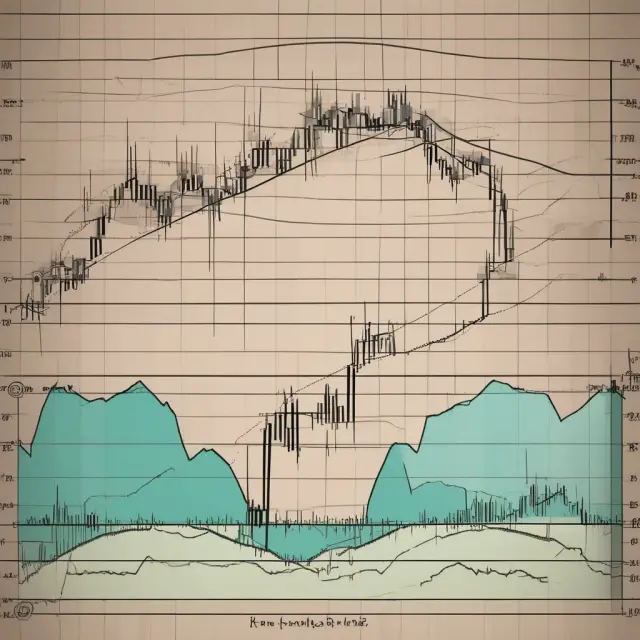
Double Bottom Pattern: A Reversal Pattern for V-Shaped Recovery
A double bottom pattern is a critical tool for identifying potential V-shaped recoveries. This reversal pattern helps investors and analysts understand when the economy may be on the brink of a sharp recovery following a significant decline in economic measures, such as employment rates or Gross Domestic Product (GDP).
In a double bottom pattern, an asset’s price experiences two consecutive low points before rebounding. The first trough signals the beginning of a reversal trend, while the second trough confirms that the market has reached a temporary bottom. Once the price breaks above the resistance level established during the first trough, the potential for a V-shaped recovery becomes stronger.
Historically, double bottom patterns have proven effective in identifying V-shaped recoveries. For instance, following the recession of 1920-21 in the United States, the stock market experienced a sharp decline before forming a clear double bottom pattern. The subsequent rebound marked the beginning of the Roaring Twenties, one of the most prosperous economic periods in American history.
Similarly, during the 1953 U.S. recession, a double bottom pattern developed in the Dow Jones Industrial Average (DJIA). This confirmed that the economy had reached a turning point and was on its way to recovery – an example of a V-shaped bounce back.
When identifying potential V-shaped recoveries using double bottom patterns, it is crucial to pay attention to both price action and economic indicators. A strong confirmation signal from fundamental data, such as improving employment figures or GDP growth, can significantly bolster the credibility of a V-shaped recovery prediction based on a double bottom pattern.
In summary, understanding the significance of a double bottom pattern is vital for investors seeking to capitalize on potential V-shaped economic recoveries. By closely analyzing price trends and economic data, investors can identify these critical reversal patterns and position themselves for success during periods of rapid growth following significant downturns.

Double Dip Recession: Risks and Challenges with V-Shaped Recovery
A double dip recession is an economic phenomenon characterized by a short-term recovery followed by another period of economic decline. During a V-shaped recovery, the economy rebounds rapidly from a sharp downturn and returns to its previous growth trajectory. However, there’s always the risk that this recovery might not be sustained, leading to a double dip recession.
Characteristics: A double dip recession is defined by two successive contractions in economic activity, separated by a brief period of expansion. The first contraction drives down asset prices and creates significant economic damage, while the subsequent expansion brings about a rebound in economic indicators like Gross Domestic Product (GDP), employment rates, and industrial production indexes. However, if the recovery is not sustainable, a second downturn occurs.
Risks: The risks associated with a V-shaped recovery turning into a double dip recession are primarily driven by weak policy responses or unforeseen external events. For instance, premature withdrawal of expansionary monetary or fiscal policies can lead to insufficient support for the economy during the recovery period. Alternatively, geopolitical tensions or global economic instability could cause demand shocks that disrupt the nascent recovery and push the economy back into a recession.
Strategies for Managing Risks: To mitigate the risks of a double dip recession during a V-shaped recovery, policymakers can adopt several strategies. One approach is to maintain expansionary monetary and fiscal policies for an extended period, ensuring that sufficient resources are available to support economic growth and prevent any potential setbacks. Additionally, policymakers could implement structural reforms aimed at enhancing long-term competitiveness and improving the business environment.
Example: The U.S. economy’s recovery following the 2008 financial crisis is an example of a V-shaped recovery that faced challenges and risks of turning into a double dip recession. Initially, the economy experienced a sharp downturn driven by the housing market collapse, which led to massive job losses, bankruptcies, and a significant decline in GDP growth. However, aggressive monetary policy measures like quantitative easing and fiscal stimulus packages helped kickstart a robust economic recovery. Despite these efforts, external risks like Eurozone debt crises, rising oil prices, and fears of renewed financial instability threatened to derail the recovery. In response, policymakers continued to pursue expansionary monetary and fiscal policies while addressing structural issues such as regulatory reforms and infrastructure investment, ensuring that the V-shaped recovery remained on track.
In conclusion, a V-shaped recovery is an ideal economic scenario for investors and policymakers alike. However, it’s crucial to understand the risks associated with this type of recovery turning into a double dip recession, which can cause significant economic damage. By maintaining expansionary monetary and fiscal policies, addressing structural issues, and remaining vigilant against external risks, policymakers can help mitigate these challenges and ensure a sustainable economic recovery.

Benefits of a V-Shaped Recovery
A V-shaped recovery, as the name suggests, represents a sharp reversal from economic contraction to expansion after a significant decline. This type of recovery is characterized by a quick rebound in key economic indicators such as Gross Domestic Product (GDP), employment rates, and industrial production indexes. The benefits of a V-shaped recovery are numerous and can impact various stakeholders positively.
Firstly, businesses that have been negatively affected by the economic downturn stand to gain significantly from a V-shaped recovery. A quick rebound in consumer demand and business investment spending can lead to an increase in revenue and profits for these companies. Moreover, the sharp adjustment in the economy provides an opportunity for failed businesses to be liquidated and their assets to be reallocated efficiently to new industries and ventures.
Secondly, employment rates tend to recover rapidly during a V-shaped recovery due to the swift readjustment of labor markets. Unemployment levels can fall significantly as workers find new jobs in expanding industries and businesses. This leads to a reduction in government spending on unemployment benefits and social welfare programs, which can help governments save resources for other pressing issues.
Thirdly, investors and stockholders stand to benefit from a V-shaped recovery due to the sharp increase in share prices that often occurs during this period. A rapid adjustment of asset prices can lead to significant gains for those who have invested in the market before the recovery began. Furthermore, companies with strong balance sheets and cash reserves can take advantage of lower valuations to acquire distressed assets at a discount, leading to long-term growth opportunities.
Finally, a V-shaped recovery is beneficial for governments as it allows them to quickly regain lost revenue and reduce deficits. A swift economic recovery can lead to an increase in tax revenues and reduced spending on welfare programs, which can help improve government finances and strengthen fiscal policy.
In conclusion, a V-shaped recovery offers significant benefits for various stakeholders including businesses, employees, investors, and governments. The quick adjustment of economic indicators and efficient reallocation of resources during this period can lead to long-term growth opportunities and improved financial conditions. However, it is important to note that policy responses and external factors play a crucial role in shaping the recovery process. A well-designed monetary and fiscal policy response can help facilitate a V-shaped recovery while an inappropriate one may prolong the economic downturn.
Upcoming Section: Comparison: V-Shaped vs. Other Recovery Shapes

Challenges and Criticisms of V-Shaped Recovery
Despite the popularity and apparent benefits of a V-shaped recovery, there are criticisms and challenges surrounding this economic scenario. One potential issue is that the conditions leading to a V-shaped recovery may not always be favorable for all sectors or individuals within an economy. In some cases, the rapid adjustment and quick economic rebound can lead to challenges, particularly for those who have been significantly impacted by the recession.
Firstly, critics argue that a V-shaped recovery assumes a relatively simple economic environment and does not take into account the complexity of modern economies with multiple interconnected sectors. In reality, various industries may experience different rates of recovery due to factors such as structural changes or supply chain disruptions. Additionally, some sectors might face long-term challenges, including those that are labor-intensive, capital-intensive, or rely on markets that take longer to recover.
Another concern is the possibility of a double dip recession. While a V-shaped recovery implies a quick and sustained rebound, there may still be risks of economic setbacks. A double dip recession refers to a brief recovery followed by another recession, potentially leading to a more prolonged economic downturn. This scenario can put significant pressure on both investors and policymakers to respond effectively to prevent or mitigate the negative impact on the economy.
Moreover, some argue that the historical examples of V-shaped recoveries may not accurately reflect current economic conditions. For instance, the recovery following the 1920–1921 recession was largely driven by a surge in consumer demand and rapid reallocation of resources. However, today’s economies are more interconnected and complex, making it difficult to assume that such a quick and straightforward recovery will occur in the future.
Additionally, critics argue that V-shaped recoveries may not be sustainable without significant policy intervention or changes in economic conditions. Monetary and fiscal policies can play crucial roles in shaping the recovery trajectory by influencing interest rates, credit availability, and public spending. However, policymakers must strike a delicate balance between supporting growth and maintaining financial stability.
In conclusion, while a V-shaped recovery is an attractive scenario for economists and investors alike due to its speedy recovery, it faces several challenges and criticisms. The complexity of modern economies, the risk of double dip recessions, and the need for effective policy interventions are just a few factors that must be considered when evaluating the potential impact of this type of economic recovery. To fully understand V-shaped recoveries and their implications, it is essential to study historical examples, analyze economic data, and consider multiple perspectives.
Investors seeking to capitalize on a V-shaped recovery can prepare themselves by staying informed about key economic indicators, keeping an eye on monetary and fiscal policy developments, and adjusting their portfolios accordingly. By taking a proactive approach to understanding this economic scenario and its potential challenges, investors can position themselves for long-term success in the ever-changing global economy.

Preparing for a V-Shaped Recovery: Opportunities and Strategies
A V-shaped recovery is a highly desirable economic condition characterized by a quick and robust bounce back from a severe downturn. While it might not be as common as other types of recoveries, such as L- or U-shaped ones, a V-shaped recovery represents an opportunity for investors to capitalize on the rapid rebound in asset prices and market sentiment. Understanding how to prepare for and take advantage of this economic scenario can lead to substantial gains.
Historical examples of V-shaped recoveries provide valuable insights into the strategies that have proven effective during such economic conditions. For instance, in 1920-21 and 1953, the U.S. experienced V-shaped recoveries following steep recessions (1). These periods demonstrate how significant shifts in consumer demand and business investment can lead to a rapid and sustained recovery in macroeconomic performance metrics such as employment rates, gross domestic product (GDP), and industrial production indexes.
To prepare for a potential V-shaped recovery, investors should consider several strategies:
1. Positioning for a swift rebound: Identify sectors and securities that have been disproportionately impacted by the economic downturn but are likely to benefit from the sharp turnaround in economic conditions. This may include cyclical industries such as consumer discretionary, financials, industrials, and materials (2).
2. Adjusting risk tolerance: Given the potential for rapid market movements during a V-shaped recovery, investors may want to consider their risk tolerance levels and adjust their portfolios accordingly. This might involve rebalancing asset classes, sector allocations, or even shifting between active and passive investment strategies (3).
3. Monitoring policy responses: Keep a close eye on the monetary and fiscal policy actions of governments and central banks during a V-shaped recovery. Their response can significantly influence the duration and strength of the economic rebound. For instance, expansive fiscal policies and accommodative monetary measures can help to accelerate the recovery process (4).
4. Staying informed: Maintain a strong understanding of the underlying economic conditions that contribute to a V-shaped recovery. This includes factors such as changes in consumer sentiment, business confidence, and global trade dynamics. Regularly monitoring these indicators can help investors make more informed decisions regarding their investment strategies (5).
5. Diversifying portfolios: A V-shaped recovery might not be uniform across all sectors or asset classes. By maintaining a well-diversified portfolio, investors can limit the downside risks associated with specific industries or securities while still benefiting from the overall market rebound (6).
While there are potential benefits to investing during a V-shaped recovery, it is essential to remain cautious and adaptable given the uncertainties inherent in any economic environment. The key lies in understanding the unique characteristics of this type of recovery and tailoring investment strategies accordingly to maximize returns while minimizing risk.
(1) “Understanding V-Shaped Recovery: History, Characteristics, and Importance” – This article discusses historical examples of V-shaped recoveries in more detail.
(2) “Sector Performance During Economic Recoveries: A Look at Historical Trends” – Exploring sector performance during economic recoveries can provide valuable insights when preparing for a V-shaped recovery.
(3) “Risk Management Strategies for Volatile Markets: Preparing for a V-Shaped Recovery” – This article offers strategies to manage risk during times of market volatility and prepare for potential gains in a V-shaped recovery scenario.
(4) “Monetary and Fiscal Policy: Understanding Their Role During Economic Recoveries” – An overview of the role monetary and fiscal policy play in shaping economic recoveries, including V-shaped ones.
(5) “Key Economic Indicators to Watch During an Economic Recovery” – Keeping an eye on specific economic indicators can help investors make informed decisions during a V-shaped recovery.
(6) “Portfolio Diversification: A Crucial Component of Investment Strategies” – Diversifying portfolios is crucial for mitigating risk and maximizing potential gains during any type of economic environment, including a V-shaped recovery.

Frequently Asked Questions (FAQ)
What is a V-shaped recovery?
A V-shaped recovery refers to an economic scenario where the economy experiences a sharp decline followed by a quick, sustained bounce back to previous levels in major economic indicators like GDP, employment rate, and industrial production indexes. It is characterized by a rapid adjustment of consumer demand and business investment spending that leads to a best-case recovery from recession.
What makes V-shaped recoveries unique compared to other types of economic recoveries?
V-shaped recoveries have a distinct ‘V’ shape on charts due to their quick rebound following a sharp decline. They differ significantly from other recovery shapes such as L, U, W, and J by the pace at which the economy returns to its pre-recession state.
What historical examples of V-shaped recoveries can be cited?
Two prominent examples include the recession of 1920-1921 in the United States and the recession of 1953. Both periods experienced sharp economic declines followed by quick rebounds due to significant policy adjustments and the economy’s ability to quickly adapt to changing conditions.
What are some causes of V-shaped recoveries?
V-shaped recoveries can be attributed to a combination of factors, including a rapid readjustment of consumer demand, business investment spending, effective monetary and fiscal policies, and the economy’s ability to shift resources from declining industries to emerging ones.
How do V-shaped recoveries differ from double-dip recessions?
V-shaped recoveries are characterized by a single downturn and quick recovery, whereas double-dip recessions involve a short-term recovery followed by another decline. The difference lies in the number of consecutive economic contractions occurring within a specific time frame.
What is a double bottom pattern?
A double bottom pattern is a technical analysis tool used to identify potential reversals in stock prices. In a V-shaped recovery context, it can serve as an indicator for a significant shift from a bearish trend to a bullish one.
What are some challenges and criticisms of V-shaped recoveries?
V-shaped recoveries may not be sustainable if underlying economic imbalances persist, leading to future downturns or double-dip recessions. Additionally, they can create inflationary pressures due to rapid economic growth and increased demand for resources.
 Next entry · No. 5,383Understanding Vacancy Rates: Key Metric for Real Estate and Employment
See also
-
 No. 4,291
07 Jun 2025
20 min
Understanding Reaganomics: Policies, Objectives, Advantages, and Disadvantages
Business Finance
No. 4,291
07 Jun 2025
20 min
Understanding Reaganomics: Policies, Objectives, Advantages, and Disadvantages
Business Finance -
 No. 4,226
01 Jun 2025
23 min
Understanding Quantitative Easing: The Effects and Implications for Investors
Business Finance
No. 4,226
01 Jun 2025
23 min
Understanding Quantitative Easing: The Effects and Implications for Investors
Business Finance -
 No. 4,225
01 Jun 2025
22 min
Understanding Quantitative Easing 2: The Federal Reserve’s $600 Billion Economic Stimulus
Business Finance
No. 4,225
01 Jun 2025
22 min
Understanding Quantitative Easing 2: The Federal Reserve’s $600 Billion Economic Stimulus
Business Finance -
 No. 3,754
24 Apr 2025
22 min
Understanding Optimal Currency Areas: Robert Mundell’s Theory and Its Application to the Euro
Business Finance
No. 3,754
24 Apr 2025
22 min
Understanding Optimal Currency Areas: Robert Mundell’s Theory and Its Application to the Euro
Business Finance -
 No. 3,036
23 Feb 2025
25 min
Understanding the Macro Environment: An Essential Factor for Institutional Investors
Business Finance
No. 3,036
23 Feb 2025
25 min
Understanding the Macro Environment: An Essential Factor for Institutional Investors
Business Finance -
 No. 5,121
13 Aug 2025
26 min
Understanding a U-Shaped Economic Recovery: From Decline to Growth
Economics
No. 5,121
13 Aug 2025
26 min
Understanding a U-Shaped Economic Recovery: From Decline to Growth
Economics