Understanding Value Engineering: Maximizing Functionality while Minimizing Costs
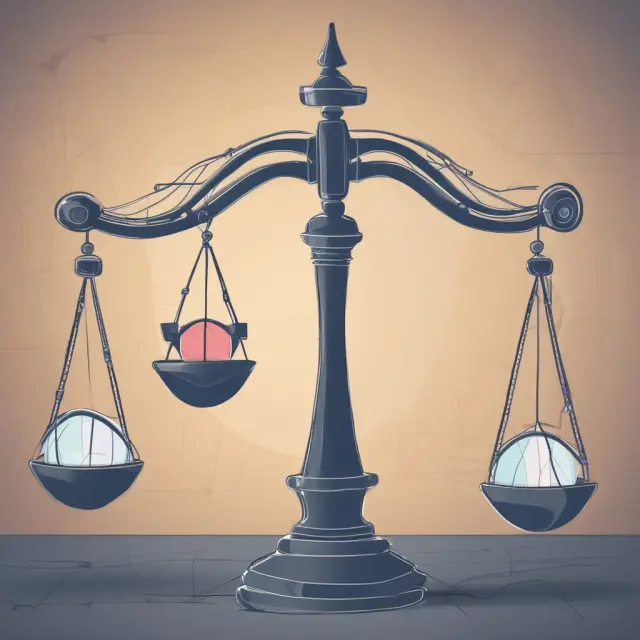
Understanding the systematic approach of Value Engineering: Maximizing functionality & minimizing costs. Evolution, process, benefits, techniques, & FAQs.
I. Background and Concept of Value Engineering
Value engineering, also known as value analysis, is an organized approach aimed at providing necessary functions in a project at the lowest possible cost. It goes beyond cost-cutting strategies by focusing on maximizing functionality while minimizing costs. The concept evolved during World War II when General Electric sought substitutes to reduce costs without compromising performance. Value engineering principles were formalized with Lawrence Miles’ definition of product value as the ratio of function to cost.
Value engineering is a systematic process that strives to improve the value of a product or project by either enhancing its functionality or reducing its cost, or both. The process typically involves six stages: gathering information, generating ideas, evaluating ideas, developing and analyzing alternatives, presenting discoveries, and implementing changes.
The primary goal of value engineering is to create optimal value for customers while minimizing costs. It requires a deep understanding of the functions that matter most to the customer and an unwavering focus on delivering those functions at the lowest cost possible. By improving the function-to-cost ratio, organizations can create more value for their customers, increase competitiveness, and reduce overall costs.
II. The Origin and Evolution of Value Engineering
Value engineering traces its roots back to World War II when General Electric’s purchasing engineer, Lawrence Miles, recognized the need for cost reductions due to resource scarcity. As a response, he formalized a systematic approach to value analysis by defining product value as the ratio of function to cost. Since then, it has evolved into a widely-used business strategy that is applied across industries and disciplines, from engineering design to operations management.
III. Function-to-Cost Ratio: The Key Concept in Value Engineering
Value engineering focuses on creating optimal value for customers by maximizing the function-to-cost ratio. This ratio measures the functionality a product or project delivers per unit cost and is calculated as the total function provided divided by the total cost. By striving to increase this ratio, organizations can create more value for their customers, reduce overall costs, and maintain high levels of quality.
Miles, who pioneered value engineering at General Electric, defined product value as the ratio of two elements: function to cost. The function of a product refers to its specific work it is designed to perform, while the cost relates to the expenses incurred during its entire life cycle. By improving this ratio through innovative design or process improvements, organizations can create more value for their customers and stakeholders.
In conclusion, understanding the concept, history, and benefits of value engineering is crucial for businesses looking to maximize functionality while minimizing costs. By embracing a systematic approach to value analysis and implementing the principles of function-to-cost ratio optimization, organizations can stay competitive, create more value for their customers, and minimize overall costs.

II. The Evolution of Value Engineering
The concept of value engineering emerged during World War II at General Electric (GE), when materials and components were in short supply due to the war effort. Purchase engineer Lawrence Miles, along with his team, sought alternative solutions to address this challenge. They found that these substitutions not only reduced costs but often resulted in equal or improved performance, marking the birth of value engineering.
Value engineering is a systematic and organized approach for creating value in a project by providing necessary functions at the lowest possible cost without compromising on functionality. The primary objective is to maximize function while minimizing cost, focusing not just on physical attributes but also the purpose or functions behind them.
Miles’ definition of product value is given as the ratio of two fundamental elements: function and cost. In other words, product value is determined by understanding how well a product performs its intended function and the cost required throughout its entire life cycle. By optimizing this function-to-cost ratio, companies can increase the overall value they offer to their customers, stakeholders, and themselves.
Value engineering’s systematic process comprises six main stages: gathering information, thinking creatively, evaluating ideas, developing and analyzing, presenting discoveries, and implementing changes. Let us delve deeper into the evolution of this powerful business strategy.
The roots of value engineering can be traced back to the 1940s at General Electric, where Miles and his team sought alternatives for materials and components during World War II due to their shortage. The approach proved successful by not only reducing costs but also often enhancing performance, thus paving the way for its widespread use in various industries.
Over time, value engineering has evolved significantly, embracing new techniques and approaches, with a focus on continuous improvement and optimization. Companies have realized that value engineering is not merely about cost-cutting but rather enhancing overall value to customers by delivering desired functions at lower costs. As we proceed through the following sections, we’ll explore the significance of each stage in the value engineering process, as well as its benefits and challenges for businesses.

III. The Role of Function to Cost Ratio in Value Engineering
Understanding the concept of function-to-cost ratio is crucial when it comes to implementing value engineering successfully. Value engineering focuses on providing necessary functions at the lowest possible cost. This approach can be summarized by defining product value as the quotient between an item’s functional benefits and its costs (Miles, 1947).
Function refers to the specific tasks or duties a product is designed to perform, whereas cost encompasses all expenses incurred during a product’s entire life cycle. This includes production, design, maintenance, replacement, and disposal costs (Koontz & Weinberg, 1972).
The function-to-cost ratio can be calculated for each component of a product to identify opportunities for improving value. By maximizing the function while minimizing the cost, value engineering aims to create a more efficient and economical solution. For instance, engineers may replace expensive materials with less costly alternatives that offer similar functionality or reconsider design elements to streamline manufacturing processes and reduce overall expenses (Harris & Shani, 1984).
Value analysis is a key concept within value engineering that involves evaluating the function-to-cost ratio of various product components. This approach allows engineers to assess each element’s contribution to the product’s overall value and identify opportunities for improvement (Chryssidis et al., 2013). By focusing on enhancing the functional benefits while minimizing costs, value engineering enables organizations to create more competitive products that provide better value to customers.
Value Analysis vs. Cost Cutting
It is essential to distinguish between value engineering and cost-cutting strategies. While both aim to reduce expenses, cost cutting disregards product functionality when making reductions, leading to decreased value for the consumer. Value engineering, on the other hand, strives to improve functionality while minimizing costs (Chryssidis et al., 2013).
The function-to-cost ratio concept plays a significant role in ensuring that value engineering enhances rather than detracts from product value. It promotes a holistic approach that considers the long-term impact of cost reduction on the entire life cycle of the product.
In conclusion, understanding the role of the function-to-cost ratio is vital to implementing successful value engineering practices. By focusing on maximizing functional benefits while minimizing costs, organizations can create more competitive and valuable products for their customers. This approach leads to better customer satisfaction, increased market share, and improved financial performance.
References:
Chryssidis, N., Hatzivassilou, A., & Anastasopoulos, C. (2013). Value engineering: Methodology and applications. Springer Science & Business Media.
Harris, J. R., & Shani, A. T. (1984). Value analysis and value engineering handbook. McGraw-hill.
Koontz, H. W., & Weinberg, D. M. (1972). Fundamentals of management. Mcgraw hill.
Miles, L. F. (1947). Value analysis: A new technique in production and engineering management. McGraw-hill.

IV. The Process of Value Engineering
Value engineering is a methodical approach that focuses on providing necessary functions in a project at the lowest cost, with the primary goal being to maximize function while minimizing costs. This concept was developed by Lawrence Miles and his team at General Electric during World War II as a response to material shortages. The process of value engineering consists of six essential steps: gathering information, thinking creatively, evaluating ideas, developing and analyzing, presenting discoveries, and implementing changes.
1. Gathering Information:
The first stage in the value engineering process involves analyzing all aspects of a product or project. This includes collecting data related to manufacturing, production costs, design, maintenance, labor, time, and resources. Value engineers may break down these considerations into smaller datasets for easier analysis. By having a clear understanding of the entire product lifecycle, potential opportunities for cost savings and improved functionality can be identified.
2. Thinking Creatively:
Once the baseline expectations have been established, the value engineering team is encouraged to explore innovative ideas for improving the project or product. This can include using new materials, redesigning components, removing redundant features, trading off reliability for flexibility, or altering manufacturing processes. The goal is to find new ways to develop and distribute the product that increase value while minimizing costs.
3. Evaluating Ideas:
With a variety of ideas in hand, the team then evaluates each one to determine which ones are feasible and offer the greatest value. This involves assessing both advantages and disadvantages to determine which pros outweigh the cons. For example, an idea that provides five benefits but eliminates sales to a major market may not be worth implementing due to the lost revenue.
4. Developing and Analyzing:
After selecting the most promising ideas, they are further developed and analyzed to understand their potential impact on the project or product. This involves creating detailed plans, redesigning physical renderings, assessing financial projections, and evaluating overall viability. It is essential to consider any potential timeline constraints and the ripple effects on other departments when implementing changes.
5. Presenting Discoveries:
When ideas have been evaluated and analyzed, they are presented to upper management or the board for approval. Multiple alternatives may be presented side-by-side so that decision makers can compare them based on value offered. Presentations should clearly demonstrate how each idea benefits the company by enhancing product functionality or reducing costs.
6. Implementing Changes:
Once changes have been approved, teams are formed to manage their implementation. Value engineering team leaders often stay involved to ensure expectations align with new realities and that the project stays on track. If a company lacks in-house expertise for idea generation, it may seek external help until it is ready to take over the process.
By following these steps, organizations can effectively implement value engineering to optimize their projects and products, providing better functionality at lower costs while staying competitive in their markets.
V. Types of Value in Value Engineering
Value engineering recognizes four primary types of value: use value, exchange value, esteem value, and emotional value. These types of values help define the worth and significance of a product or service from various perspectives.
1. Use Value
Use value refers to the benefits or functionality that a product or service provides to its users. This is the fundamental type of value as it establishes the purpose and reason for its existence. Use value can be quantified through the specific functions and features the product offers, which differentiate it from competitors and meet customer needs.
2. Exchange Value
Exchange value pertains to the monetary worth or price of a good or service in relation to other goods or services in the market. This is the economic value of the item, which influences consumers’ decision-making process when considering purchasing a product. In value engineering, understanding exchange value helps businesses optimize costs and stay competitive within their respective industries.
3. Esteem Value
Esteem value relates to the social or psychological worth that a product or service holds for its users. This includes factors such as prestige, status, or image. For example, a luxury car might have high esteem value due to its association with success and wealth. Understanding esteem value can help businesses target specific customer segments and tailor their offerings accordingly to meet their customers’ social and psychological needs.
4. Emotional Value
Emotional value refers to the feelings, experiences, or sentiments that a product or service evokes in its users. This type of value can be intangible but has significant impact on customer loyalty and retention. For instance, a sentimental keepsake might hold immense emotional value for an individual, leading them to cherish it despite any practical benefits it provides. Emotional value plays a crucial role in branding and marketing efforts as businesses strive to create emotional connections with their customers.
Understanding the different types of value helps businesses make informed decisions when implementing value engineering strategies. By balancing use value, exchange value, esteem value, and emotional value, organizations can optimize their product offerings, enhance customer experience, and maintain a competitive edge in their industries.
VI. Common Techniques Used in Value Engineering
Value engineering is an approach that focuses on delivering the necessary functions for a project at the lowest possible cost, without compromising functionality or quality. In order to effectively implement value engineering techniques, it’s essential to understand some of the most commonly used methods within this practice. Two primary and effective techniques are value mapping and value tree analysis.
Value Mapping
Value mapping is an iterative process that involves creating a visual representation of the product’s functions and their relationships with each other. This technique allows for better understanding of how all aspects of the product contribute to its overall value, as well as identifying opportunities for cost savings without sacrificing functionality. Value mapping begins by examining the primary and secondary functions of the product, then moves on to analyzing the relationships between these functions and their impact on both the customer and the business. This method helps teams identify redundancies or inefficiencies that can be eliminated through redesign or process improvements.
Value Tree Analysis
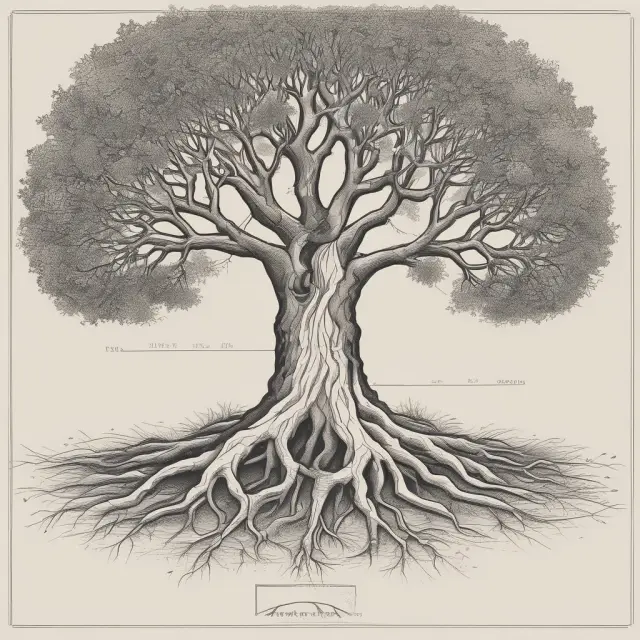
Another popular value engineering technique is value tree analysis. Value tree analysis is a hierarchical representation of the value stream, which includes both tangible and intangible benefits associated with the product’s functions. This method helps teams identify the key drivers of value for their customers and prioritize improvements based on their potential impact on these drivers. By starting at the roots of the tree (the customer needs and wants) and working towards the leaves (specific functions), value tree analysis allows teams to systematically explore the value proposition of their product or service from a customer perspective. This technique can help organizations optimize their offerings, allocate resources more effectively, and create value for customers while reducing costs.
By implementing these value engineering techniques, organizations can efficiently identify opportunities for cost savings without sacrificing functionality, leading to increased competitiveness and enhanced customer value.

VII. Benefits of Value Engineering for Businesses
Value engineering is an essential business strategy aimed at maximizing the functional value of a product while minimizing costs. By systematically analyzing each component and process involved in creating a product, businesses can streamline operations, reduce material wastage, and optimize overall costs without compromising functionality.
The benefits of value engineering include:
- Cost Savings: Value engineering enables organizations to identify less expensive alternatives for materials, manufacturing processes, and design elements while maintaining the same level of product performance. This results in significant cost savings across various stages, from production to distribution.
- Improved Functionality: By focusing on the essential functions of a product and eliminating unnecessary features or redundancies, value engineering enhances overall functionality and efficiency. The end result is a more effective and competitive product in the market.
- Enhanced Competitiveness: In today’s global economy, businesses face increasing competition. Value engineering plays a crucial role in staying competitive by offering superior products at lower costs than competitors. This not only attracts new customers but also retains existing ones.
- Better Resource Allocation: Value engineering allows organizations to optimize the use of resources, including time, labor, and materials, through careful planning and analysis. The result is improved productivity and reduced waste across various functions within the business.
- Continuous Improvement: Value engineering is not a one-time event but rather an ongoing process. By continuously evaluating products and processes and making improvements based on new information or changing market conditions, businesses can stay ahead of the curve and adapt to evolving customer needs and industry trends.
- Customer Satisfaction: Ultimately, value engineering contributes to increased customer satisfaction by delivering high-quality products at competitive prices. This not only enhances brand reputation but also fosters long-term loyalty from customers.
In conclusion, implementing value engineering in a business leads to significant improvements across various aspects, such as cost savings, improved functionality, enhanced competitiveness, better resource allocation, continuous improvement, and customer satisfaction. By systematically analyzing each component of the product development process, organizations can create more effective and competitive products while maximizing overall value for both themselves and their customers.
VIII. Challenges in Value Engineering
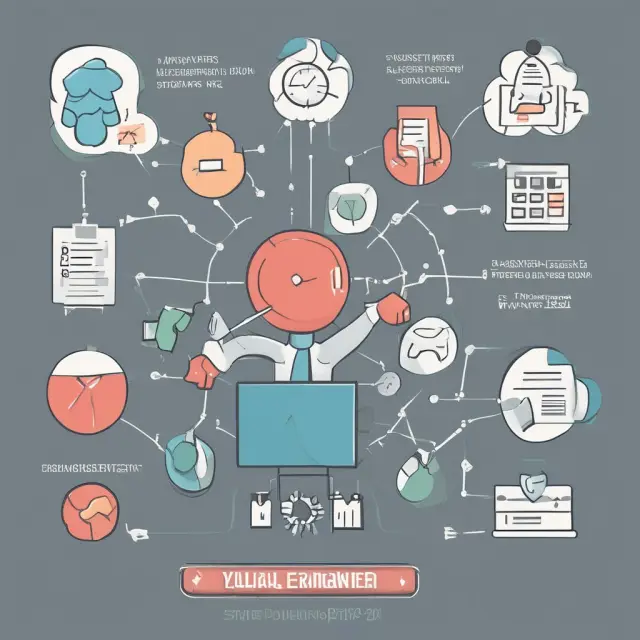
Value engineering, as a systematic approach to providing necessary functions at the lowest cost, has proven itself an effective methodology in reducing costs and improving functionality for various industries. However, implementing value engineering is not without its challenges. Below are some common obstacles faced during the process, along with potential solutions.
1. Resistance to Change: One of the most significant hurdles in value engineering is resistance from stakeholders towards change. This can stem from concerns regarding job security or fear that the changes will negatively impact the product’s quality. To mitigate this challenge, it’s essential to create a strong and clear rationale for why value engineering is necessary. Communicate the benefits of cost reduction without sacrificing functionality and emphasize how the changes will ultimately improve the overall value of the product.
2. Conflicting Priorities: In a project or organization with numerous stakeholders, it may be challenging to balance everyone’s priorities. Value engineering requires making decisions that prioritize the most significant value-added activities while minimizing unnecessary costs. Utilize a collaborative process to gather input from all stakeholders and create a shared understanding of the overall goals and objectives. Ensure open communication channels and regular progress updates throughout the project, allowing for flexibility when priorities shift.
3. Budget Constraints: Value engineering relies on finding cost savings while maintaining functionality; however, budget constraints can limit the potential opportunities to achieve these savings. To address this challenge, consider reallocating resources from non-essential areas of the project or re-evaluating assumptions and trade-offs throughout the design process. Collaborate with stakeholders to identify opportunities for shared cost savings and prioritize investments that yield the highest value.
In conclusion, value engineering’s potential for enhancing a product’s functionality while reducing costs is undeniable. However, it’s essential to acknowledge the challenges that may arise during the implementation process. By addressing resistance to change, conflicting priorities, and budget constraints with proactive communication, collaboration, and adaptability, organizations can effectively harness the power of value engineering for long-term success.

IX. Implementing Value Engineering in Your Organization
Value engineering is a powerful tool for organizations seeking to maximize functionality while minimizing costs. Implementing this approach requires careful planning, organization, and communication. Here’s a step-by-step guide on how your company can effectively implement value engineering.
1. Establish a Value Engineering Team:
Assemble a team of cross-functional experts from various departments, including engineering, manufacturing, marketing, finance, and supply chain management. This diverse group will help ensure a well-rounded approach to the value engineering process.
2. Set Up a Process:
Define the specific steps for your value engineering project, adhering to the established six-step methodology: gathering information, thinking creatively, evaluating ideas, developing and analyzing, presenting discoveries, and implementing changes.
3. Communicate with Stakeholders:
Effective communication is essential during the value engineering process. Regularly update stakeholders on progress, outcomes, and any potential challenges that may arise.
4. Encourage Creativity:
Create an environment where team members feel empowered to generate creative ideas. Foster open dialogue and collaboration between team members to promote the free exchange of innovative suggestions.
5. Evaluate Ideas:
Assess each idea based on its merit, considering both advantages and disadvantages. Utilize a ranking system or scoring matrix to determine the most effective solutions.
6. Develop and Analyze:
Further explore the highest-ranked ideas by creating models, financial projections, and detailed plans for implementation. Evaluate potential risks and consider how they can be mitigated.
7. Present Discoveries:
Present the best ideas to senior management or your organization’s decision-makers, highlighting the benefits and return on investment of each option. Be prepared to address any questions or concerns that may arise during this process.
8. Implement Changes:
Once a decision has been made, put the approved changes into action. Assign responsibility for implementing these modifications to specific teams and ensure ongoing communication between team members.
By following these steps, your organization can successfully incorporate value engineering to improve product functionality, reduce costs, and create lasting value.

X. The Future of Value Engineering
As technology continues to progress, value engineering will adapt and evolve to meet the changing demands and challenges of modern manufacturing and design. Below are some trends and future directions for value engineering.
A. Automation in Value Engineering
The integration of automation into value engineering processes can significantly improve efficiency and accuracy by reducing human involvement. Advanced technologies like machine learning, artificial intelligence, and robotics can be employed to optimize the function-to-cost ratio and identify cost savings opportunities more efficiently than ever before. This can lead to higher productivity, faster time-to-market, and better overall value for businesses.
B. Digitalization in Value Engineering
Digital technologies such as computer-aided design (CAD), digital mockups, and virtual reality (VR) simulations are increasingly being used to enhance the value engineering process. These tools enable engineers to create and test designs more effectively, allowing them to quickly assess various alternatives, evaluate their impact on function and cost, and identify potential improvements. Furthermore, these digital technologies can facilitate real-time collaboration among team members, improving communication and increasing overall efficiency.
C. Sustainability in Value Engineering
As the world becomes increasingly environmentally conscious, sustainability is becoming an essential consideration for value engineering. Engineers must now take into account the entire life cycle of a product, from raw material sourcing to disposal, and consider how it can be made more sustainable. This can include using recycled or renewable materials, designing products with energy efficiency in mind, and optimizing manufacturing processes for minimal waste and emissions.
D. Globalization and Value Engineering
The globalization of manufacturing and design has led to increased competition and the need for businesses to constantly innovate and adapt to remain competitive. Value engineering plays a crucial role in this process by helping companies identify cost savings opportunities, increase functionality, and create value for their customers. As the market becomes more globalized, value engineering will continue to be an essential tool for businesses seeking to stay ahead of the competition.
E. Embracing Continuous Improvement
With advancements in technology and increasing customer demands, continuous improvement is a must for any business looking to remain competitive. Value engineering can help companies identify opportunities for ongoing optimization, whether it’s through process improvements, functional enhancements, or cost savings. By focusing on the function-to-cost ratio as an ongoing initiative, businesses can create long-term value and maintain their competitiveness in the market.
In conclusion, value engineering is a vital discipline that continues to evolve with the changing landscape of manufacturing and design. By embracing automation, digitalization, sustainability, globalization, and continuous improvement, value engineers can help businesses maximize functionality while minimizing costs and stay ahead of the competition.

FAQs about Value Engineering
Value engineering, as a systematic approach to delivering necessary functions at the lowest cost, often generates several questions from individuals new to the concept. In this section, we address some of the most frequently asked questions about value engineering and its applications.
- What is the difference between value engineering and cost-cutting? Value engineering goes beyond mere cost reduction; it aims to maximize functionality while minimizing costs. Cost-cutting can involve sacrificing quality or functionality for lower prices, whereas value engineering focuses on improving both function and cost without compromising on either.
- How does value engineering apply to various industries? Value engineering has extensive applicability across different sectors like manufacturing, construction, IT, and healthcare. It can be employed in designing products, processes, services, or entire systems with a focus on providing the desired functions at the minimum possible cost.
- What are the benefits of implementing value engineering for businesses? Some advantages include increased competitiveness due to lower costs, reduced waste, enhanced operational efficiency, and improved customer satisfaction by delivering better value for their money. Additionally, value engineering fosters continuous improvement and innovation in organizations.
- Who typically implements value engineering projects? Value engineering teams consist of a diverse set of professionals from various departments like engineering, procurement, quality control, production, marketing, and finance who work together to optimize product design and development.
- Is value engineering only useful during the design phase? No, value engineering can be practiced throughout the entire lifecycle of a product or project. It involves reevaluating processes and components at various stages to identify opportunities for enhancing value and reducing costs.
- What tools are commonly used in value engineering? Some popular techniques include value mapping, value tree analysis, root cause analysis, cost-benefit analysis, and Lean Six Sigma methodologies. These tools help streamline processes, analyze data, and optimize product designs to improve overall value.
 Next entry · No. 5,401Understanding Value Network Analysis: An Essential Tool for Institutional Investors
See also
-
 No. 4,106
22 May 2025
17 min
Maximizing Production Efficiency: Measuring Optimal Output and Capacity in Economics
Economics
No. 4,106
22 May 2025
17 min
Maximizing Production Efficiency: Measuring Optimal Output and Capacity in Economics
Economics -
 No. 5,693
30 Sep 2025
24 min
Understanding White Label Products: Benefits, Types, and Real-life Examples
Business Strategy
No. 5,693
30 Sep 2025
24 min
Understanding White Label Products: Benefits, Types, and Real-life Examples
Business Strategy -
 No. 5,499
14 Sep 2025
17 min
Virtual Assistants: Outsourcing Administrative Services Remotely
Business Strategy
No. 5,499
14 Sep 2025
17 min
Virtual Assistants: Outsourcing Administrative Services Remotely
Business Strategy -
 No. 4,830
20 Jul 2025
21 min
Understanding Synergy in Mergers and Acquisitions: Maximizing Value and Performance
Business Strategy
No. 4,830
20 Jul 2025
21 min
Understanding Synergy in Mergers and Acquisitions: Maximizing Value and Performance
Business Strategy -
 No. 4,825
19 Jul 2025
20 min
Switching Costs: The Hidden Fee That Keeps Consumers Loyal
Business Strategy
No. 4,825
19 Jul 2025
20 min
Switching Costs: The Hidden Fee That Keeps Consumers Loyal
Business Strategy -
 No. 2,597
19 Jan 2025
19 min
Understanding Just-in-Time Inventory System: Advantages, Disadvantages, and Examples
Business Strategy
No. 2,597
19 Jan 2025
19 min
Understanding Just-in-Time Inventory System: Advantages, Disadvantages, and Examples
Business Strategy