Understanding Wallpaper: Stocks, Bonds, and Other Securities That Have Lost All Market Value
Delve into the history and implications of 'wallpaper' securities - stocks, bonds, or other instruments that have lost all market value, despite being…
Origins of the Term ‘Wallpaper’
The term “wallpaper” for securities that have lost all value finds its roots in history when stocks and bonds existed as physical certificates. This colloquialism emerged during times of economic downturn, such as the Great Depression following the Stock Market Crash of 1929. In this era, worthless paper certificates were repurposed for insulation or as wallpaper decoration before widespread availability and use of modern insulation materials. The term ‘wallpaper’ implies that the certificates might as well be used to cover walls because they no longer held any financial value.
During the Great Depression, a vast number of investors were left with worthless certificates after 20,000 companies went bankrupt, wiping out $30 billion—an amount twice the U.S. national debt at that time. To cope with their predicament, some homeowners utilized the unwanted securities as insulation or decoration for their homes. This practice served a dual purpose: it both filled empty spaces on walls and provided insulation before insulation became widely accessible.
In modern times, the term “wallpaper” is used to describe any security that has lost all value, regardless of its potential use as wall décor or insulation. It’s essential to remember that even seemingly worthless securities may hold value due to various reasons, such as historical significance, artwork appeal, or rarity. Collectors known as scripophilists pay substantial amounts for these collectible certificates, which adds a new life and purpose to the once-forgotten “wallpaper.”
In conclusion, understanding the origins of the term ‘wallpaper’ reveals an intriguing aspect of financial history. The repurposing of worthless securities as insulation or wall decor during times of economic hardship not only helped individuals cope with their losses but also provided a glimpse into the past. Today, the term ‘wallpaper’ carries on in the world of finance and investing as a symbol for stocks, bonds, and other securities that have lost all value despite potentially holding worth from an historical or collector’s standpoint.
Understanding Wallpaper in Modern Times
The term ‘wallpaper’ may appear to be a dismissive and derogatory label for securities that have lost all market value, but it has deeper historical roots. The term wallpaper was coined during the Great Depression when investors found themselves holding worthless stock and bond certificates, with no other use for them except as insulation or decoration.
Wallpaper: A Historical Perspective
The Great Depression saw 20,000 companies go bankrupt, leaving many investors with a plethora of paper certificates representing ownership in firms that no longer existed. This situation gave rise to the term “wallpaper,” as those worthless securities could be used as insulation or even decoration. This practice was not uncommon as, at that time, drafts were still a significant concern, and insulation was not widely available or affordable for most households.
Modern-Day Wallpaper
The term wallpaper is now commonly used to describe securities that have lost all market value but retain no practical use other than potential collectible or sentimental value. These days, worthless stocks, bonds, or other securities can be found in the aftermath of major economic downturns, such as the dotcom bubble burst and the Great Recession.
Modern examples of wallpaper include companies that went bankrupt during those periods, like Pets.com, Webvan, and Lehman Brothers. However, even when a security’s market value is nil, it may still hold sentimental or collector value.
Collectible Wallpaper: The Art of Scripophily
The practice of collecting worthless securities dates back to the days when such certificates served as valuable pieces of art and historical records. Nowadays, this hobby is known as scripophily. Collectors seek out these worthless pieces as unique and intriguing mementos. Some collectors pay thousands of dollars for high-quality wallpaper, making it an exciting avenue to explore for those interested in history or art.
Determining the Value of Wallpaper Securities
It is essential to remember that just because a security has no market value does not mean it is worthless. Many investors might stumble upon old stocks and bonds that have significant sentimental, historical, or even monetary value. Decades-long mergers, acquisitions, name changes, and stock splits can impact the perceived value of a security.
Taxation and Legal Considerations for Wallpaper Securities
It is crucial to be aware of the tax implications when dealing with worthless securities. Generally, losses from selling worthless securities are not tax-deductible if there was no expectation of recovering the loss when the investment was made or sold. However, IRS regulations do provide some exceptions in specific situations.
Furthermore, legal considerations may arise when attempting to sell, donate, or dispose of worthless securities. Consulting a tax professional or attorney can help investors navigate these complex issues and ensure they are compliant with applicable laws and regulations.
Ethical and Moral Considerations of Collecting Wallpaper
While collecting worthless securities can be an intriguing hobby, ethical concerns arise when one considers the environmental impact of disposing or preserving old securities certificates. Traditional methods of discarding these items, such as incineration, release harmful greenhouse gases into the atmosphere. Alternative methods, such as recycling or using biodegradable materials for storage, are recommended to minimize the environmental footprint.
Conclusion
The term wallpaper has a rich historical background that dates back to the Great Depression when worthless securities were used as insulation and decoration. Today, it refers to stocks, bonds, and other securities that have lost all market value but may still hold sentimental or collector value. Collecting these worthless pieces is an intriguing hobby for history buffs, art enthusiasts, and anyone interested in exploring the world of scripophily. It’s essential to understand the potential tax implications, legal considerations, and ethical concerns before diving into this unique collecting pursuit.
Examples of Wallpaper
The term ‘wallpaper’ in finance refers to stocks, bonds, and other securities that have completely lost their market value. This expression gained popularity during the age when paper certificates symbolized ownership of stocks and bonds, rather than digital records maintained by brokerages. When economic downturns hit—like the Great Depression after the Stock Market Crash in 1929 or more recent crises such as the dotcom bubble burst (March 2000 to October 2002) and the Great Recession (late 2000s to early 2010s)—worthless securities certificates were often repurposed. They found new use as insulation, decorative elements for walls, or even as actual wallpaper during times when these materials were less accessible or affordable.
Although the term ‘wallpaper’ originally referred to paper certificates that no longer held any value due to bankrupt companies, it is now used metaphorically for any security that has lost all market worth, even if there’s no practical application for them. Let us delve deeper into some examples of wallpaper securities from modern economic downturns.
One notable period that produced a large number of worthless stocks was the dotcom bubble burst between March 2000 and October 2002. The market witnessed the collapse of various online retailers like Pets.com and Webvan. During this time, stockholders were left with certificates bearing names of now-defunct companies, which could no longer be used as shares or securities but could potentially serve a new purpose – that of collectibles.
A fascinating aspect of worthless securities is their transformation into desirable objects for collectors. This practice, called scripophily, can result in significant monetary gains. For instance, some rare examples of certificates include Confederate States of America $1,000 bonds and an 1887 stock certificate from Chadborn & Coldwell Manufacturing Co., later known as Toro Co. These collector’s items are valued at approximately $2,500 each.
It is essential to understand that the value of old securities certificates should not be automatically dismissed as worthless. Even if a certificate does not hold cash value as an actual stock or bond, there may still be collectors willing to pay substantial sums for them. The famous saying, “one person’s junk may be another person’s treasure,” holds true in this context as well. However, it is crucial to remember that investing involves risk and the possibility of losing principal.
To ensure the authenticity and potential value of a certificate, it is recommended to consult experts in scripophily or research various resources available online. This due diligence can potentially uncover the hidden worth within seemingly worthless securities certificates.
Collecting Wallpaper: Scripophily
The term ‘wallpaper’ in finance refers to stocks, bonds, and other securities that have lost all market value but can still hold significant worth as collectibles. This practice of collecting out-of-date or seemingly worthless securities is known as scripophily.
Scripophily dates back to the Great Depression when stock certificates were often discarded and replaced by digital recordings. During this era, these obsolete securities were repurposed for insulation purposes or even used as wallpaper due to their availability and abundance. Wallpaper stocks gained renewed attention when collectors recognized their historical importance and aesthetic value.
Modern-day examples of worthless securities can be found in the aftermath of significant economic downturns, such as the dotcom bubble burst and the Great Recession. Companies that went bankrupt during these periods, like Pets.com and Lehman Brothers, have become popular collectibles among scripophilists.
The value of wallpaper securities lies not in their monetary worth but rather in their historical significance and artistic merit. These collectibles can be highly sought after by investors and enthusiasts alike due to factors like rarity, unique designs, and historical importance. Some collectors even focus on specific themes or industries, such as transportation or technology.
Determining the value of these securities is a complex process that takes into account factors like condition, scarcity, age, and historical significance. Certificates in mint condition can command high prices due to their pristine state, while those with damage may still hold some intrinsic value depending on their condition and rarity.
One should be aware of legal implications when dealing with wallpaper securities, as they might not always be considered worthless for taxation purposes. Some collectors may need to pay taxes on the securities even if they have no market value. In such cases, consulting a tax professional is advisable.
Collecting and trading wallpaper securities can offer a unique perspective on financial history and the evolution of markets. Engaging in scripophily also provides a tangible link to the past while offering an alternative investment avenue for those seeking diversification beyond traditional stocks, bonds, or mutual funds.
Valuing Wallpaper Securities
Wallpaper securities are stocks, bonds, or other instruments that have no market value, which may be surprising to some investors since they once represented a financial stake in a company. The term ‘wallpaper’ came into use during the Great Depression when worthless paper certificates were used to insulate homes or even as wall decorations due to their lack of monetary worth. However, determining whether a security is truly worthless can be a complex process.
Although many investors assume that owning stock certificates from defunct companies means they are now worth nothing, this may not always be the case. For instance, old securities could still have value if they hold historical significance or artistic merit as collectibles. Scripophily is a branch of numismatics dedicated to such collecting.
However, most wallpaper securities do not retain any value beyond their historical interest, and it can be challenging to quantify the exact worthlessness of these securities. In practice, this involves assessing whether the security carries any legal or financial obligations that may have an associated cost. If a security does not meet these criteria, then it is generally considered to be worthless for accounting purposes.
During bankruptcy proceedings, creditors and shareholders are typically paid according to their priority in the insolvency hierarchy. Senior securities like debt generally take precedence over junior securities like preferred stock or common stock when assets are being distributed. In some instances, a junior security may have no value, but it might still hold symbolic significance for a collector or a historian.
As financial markets evolve and increasingly rely on digital records, the concept of worthless wallpaper securities is becoming less common. Nevertheless, these securities can still be found in people’s homes, attics, or even family archives, offering a glimpse into financial history. While it may not be possible to assign an exact value to these relics, their historical importance and potential as collectibles could make them valuable in other ways.

Taxation of Wallpaper Securities
The tax implications when dealing with worthless securities, commonly known as “wallpaper,” can be complex and depend on several factors. This section aims to provide a brief overview of these considerations for individual investors and collectors alike.
When it comes to losses from the sale or exchange of securities, the IRS typically allows taxpayers to claim capital loss deductions. However, the rules are not as straightforward when dealing with worthless securities. The IRS has specific guidelines regarding the treatment of worthless securities, which can be found in IRS Publication 550 (Investment Income).
If a taxpayer holds a security that becomes worthless, they may be able to claim a capital loss deduction for the amount paid for the security or its adjusted basis. However, if the taxpayer received something of value in return, such as cash, stock, or other securities, then the loss is treated as a short-term or long-term capital loss, depending on how long they held the security before it became worthless.
For example, consider an investor who purchased 100 shares of XYZ Inc. for $500 in 2010. They held those shares until 2015 when XYZ declared bankruptcy and the stock became worthless. If they did not receive anything in return for their shares, they could claim a capital loss deduction of up to $3,000 per year against other capital gains or ordinary income.
However, if the investor received something of value – let’s say they were issued new stock in another company as part of the reorganization – then they would have to calculate their loss based on the difference between their original basis and the value they received. For example, if they received $50 worth of new stock, their capital loss would be $450 ($500 – $50).
The rules become even more complex when dealing with collectibles, such as old securities certificates (also known as scripophily), which are often purchased for their historical or artistic value rather than potential investment gains. In this case, the tax treatment depends on whether the collector intends to sell the certificate for a profit or hold it as a personal collection.
For collectibles held as a personal collection, no capital gains tax is due upon acquisition or disposition. Instead, the basis of the item is typically its cost, including any additional costs such as taxes, insurance, and storage fees. However, if a collector sells a certificate for a profit, they would be subject to capital gains tax based on the difference between their basis and the selling price. The long-term capital gains rate applies if the security was held for more than one year before sale.
In conclusion, understanding the tax implications of holding or dealing with worthless securities, or “wallpaper,” can be a complex process. It is essential to consult with a tax professional or financial advisor before making any decisions regarding these assets to ensure you fully understand the potential tax consequences. Additionally, keep in mind that tax laws are subject to change, and it’s always important to stay informed about any updates or modifications.
Legal Considerations for Wallpaper Securities
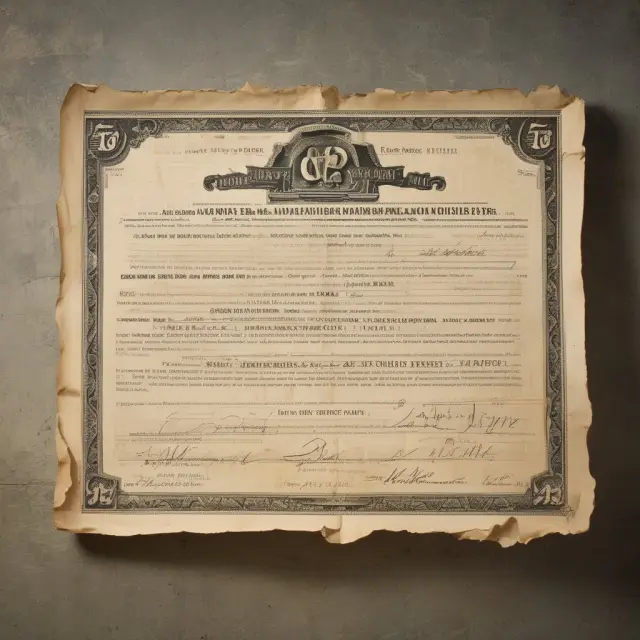
The term “wallpaper,” referring to stocks, bonds, and other securities that have lost all value, may seem like an innocuous colloquialism, but it carries significant legal implications. When a security loses all market value, the holder might assume they have no further obligation or interest in the certificate. However, there are several factors to consider regarding the disposal, preservation, and potential future value of these securities.
Historically, during times of severe economic downturn, such as the Great Depression following the Stock Market Crash of 1929, worthless paper certificates were even used for insulation or wallpaper due to their lack of value (Dreier & Zimmerman, 2014). Although this practice might seem bizarre by today’s standards, it illustrates how the term “wallpaper” came about.
In modern times, the legal landscape surrounding worthless securities is more complex than simply disposing or preserving them as decorative items. Several factors need to be taken into account when dealing with these securities:
1. Taxation: The tax implications of disposing of or donating worthless securities can vary depending on jurisdiction and individual circumstances. Generally, if a security is worthless at the time it is disposed of, it may not be subject to capital gains tax. However, this does not apply to losses incurred from selling or exchanging securities for other securities or property (IRS Publication 550).
2. Value determination: Determining the true value of a worthless security can be challenging as it may depend on various factors such as rarity, historical significance, and potential for future value due to mergers, acquisitions, or other corporate actions (Lewis, 2021). Collectors might pay significant sums for specific securities as collectibles.
3. Legal considerations: Ownership of a worthless security does not absolve the holder from certain legal obligations and potential liabilities (Murphy & McNamara, 2018). For instance, holders may still be subject to contractual obligations or shareholder actions. Additionally, securities laws such as the Securities Act of 1933 and the Securities Exchange Act of 1934 may apply (SEC, 2022).
When dealing with worthless securities, it is essential to consider these factors carefully before deciding on disposal or preservation. Consulting a tax professional, legal counsel, or financial advisor can help navigate the complexities and ensure compliance with applicable laws and regulations.
In conclusion, the term “wallpaper” may seem unassuming, but it carries significant implications regarding the legal landscape surrounding worthless securities. Properly understanding the taxation, value determination, and legal considerations of these securities is crucial before making any decisions about their disposal or preservation.
References:
– Dreier, J., & Zimmerman, R. (2014). Stock certificates: collecting a piece of history. Schiffer Publishing Ltd.
– IRS Publication 550 (2022). Investment income and expenses. Internal Revenue Service.
– Lewis, P. (2021). Collecting worthless securities. Scripophily.com.
– Murphy, T., & McNamara, R. (2018). The legal issues surrounding worthless securities. The National Law Review.
– Securities and Exchange Commission. (2022). SEC laws and regulations. U.S. Securities and Exchange Commission.

Ethical and Moral Considerations of Collecting Wallpaper
As the collection and appreciation of worthless securities as art and collectibles known as scripophily gains popularity, it raises several ethical questions concerning the ownership, authenticity, and respect towards companies that have gone bankrupt. The moral dilemma of collecting worthless securities is not a new phenomenon. It dates back to the Great Depression when investors used bankrupt certificates for insulation or wallpapering their homes.
Scripophily, as a hobby, involves buying, selling, and trading old stock and bond certificates that no longer possess any value as financial securities. These collectors are not motivated by the potential returns on investments but rather the historical significance and aesthetic appeal of these artifacts. However, the acquisition of such worthless securities raises ethical concerns when it comes to the following aspects:
- Moral implications for companies that have gone bankrupt: Collecting certificates from defunct or insolvent companies can be perceived as disrespectful, especially if the investors were adversely affected by those same companies’ actions or decisions that led to their demise. Furthermore, the collection and display of such wallpaper may be seen as a form of capitalizing on the suffering or misfortune of others.
- Authenticity and ownership: When dealing with certificates from bankrupt companies, it is crucial to establish authenticity before adding them to one’s collection. It can be challenging to determine if a certificate is genuine or an imitation, particularly when there are no legal or regulatory requirements in place for these worthless securities. Additionally, the ownership of such collectibles may not always be straightforward due to unclear transfer of title and potential disputes that may arise from conflicting claims to the certificates.
- Environmental impact: Collecting and preserving old stock and bond certificates can have a significant environmental impact, especially when considering the mass production of these materials before digitization. As collectors tend to preserve their collections, it might result in a substantial amount of paper waste if not managed responsibly. On the other hand, selling or disposing of these worthless securities may contribute to their potential harm to the environment through improper disposal methods.
- Selling and trading: When selling or trading worthless securities, it is important to consider that some buyers might be unscrupulous or exploit naive sellers. Some might attempt to profit from unsuspecting individuals who are not aware of the lack of value of these securities. It is essential for collectors to be knowledgeable about market trends and familiarize themselves with reputable dealers and platforms when engaging in transactions related to wallpaper securities.
- Legal considerations: The legal landscape regarding worthless securities can be complex, making it important for individuals involved in scripophily to understand the potential risks and implications. For instance, selling or disposing of certificates from bankrupt companies could potentially result in legal disputes due to unresolved claims and liens. Moreover, some collectors might need to navigate the taxation of these securities, particularly when dealing with inherited collections or certificates that were once owned by individuals with significant financial gain during their ownership.
Despite the ethical considerations surrounding the collection and trading of worthless securities, many enthusiasts argue that it serves as a reminder of history and can provide valuable educational opportunities. Scripophily is considered an essential component in the study and preservation of historical economic data. By understanding the significance of these certificates, collectors can gain insights into various aspects of financial markets, corporate history, and even sociocultural trends that have shaped our world. Ultimately, the ethical considerations surrounding the collection and trading of worthless securities come down to individual morals, values, and priorities. As such, it is crucial for enthusiasts to engage in this hobby responsibly, respectfully, and with full awareness of its implications and potential risks.
Environmental Impact of Old Securities Certificates
As you delve deeper into the world of worthless securities, it’s important to address another intriguing aspect – their environmental impact. Before we explore the various ways these certificates can be repurposed or disposed of, let us first examine their origins.
Historically speaking, physical stock and bond certificates were a tangible representation of ownership in a company or investment vehicle. With each certificate came an inherent environmental burden. These certificates were typically made from wood pulp, cotton fiber, or other plant-based materials. When stocks plummeted during economic downturns like the Great Depression or the dotcom bubble burst, investors were left with numerous worthless securities.
In an effort to minimize their environmental footprint and save on heating costs during the Great Depression, some individuals used these certificates as insulation for their homes. The practice of using old securities as wallpaper, hence the term ‘wallpaper stocks,’ was a popular alternative to traditional insulation materials like wool or cork. This method provided an ingenious solution to both environmental and financial woes.
Nowadays, with digital record-keeping becoming increasingly prevalent, the environmental impact of worthless securities certificates is minimal. However, some collectors and enthusiasts still hold onto these historical pieces as a testament to their era. These individuals are faced with a dilemma: what to do with their collections?
One option is to recycle the certificates. Most paper-based materials can be recycled, including securities certificates. However, this choice requires careful consideration of the certificate’s condition and potential historical significance. A certificate in excellent condition may warrant preservation rather than being added to the recycling bin.
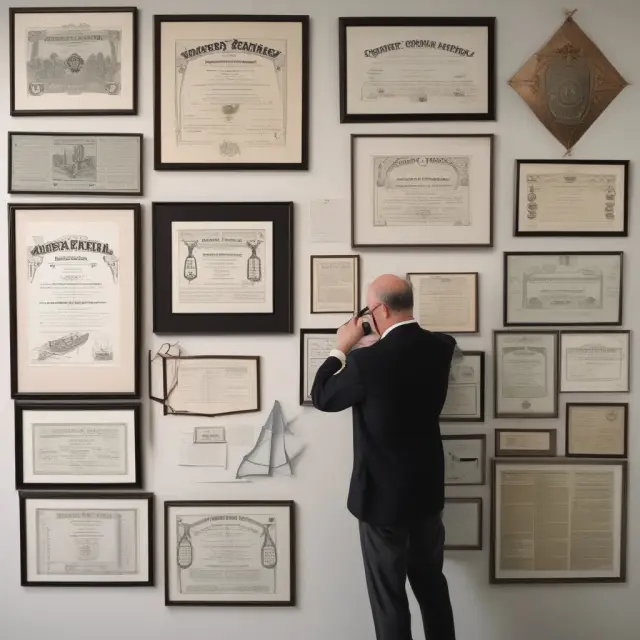
Alternatively, some collectors choose to display their collections framed, which keeps them out of landfills while offering an aesthetic value to their homes or offices. Others prefer to sell their certificates to collectors or institutions. These transactions can lead to a financial gain, further reducing the environmental burden.
In summary, old securities certificates carry a unique environmental legacy. Their historical significance and potential value make them intriguing collectibles. Proper disposal through recycling or preservation is essential for minimizing their impact on the environment while honoring their history.
Frequently Asked Questions About Wallpaper
Q: What exactly is wallpaper in finance?
A: In finance, “wallpaper” refers to stocks, bonds, or other securities that have lost all market value but may still hold value as collectibles or historical artifacts. The term originated during the Great Depression when worthless paper certificates were used for insulation and decoration purposes.
Q: How did the term ‘wallpaper’ come about?
A: During the Great Depression, people used worthless stock certificates to wallpaper their homes or as insulation before modern insulation was widely available. The term has since stuck to describe any security that holds no market value but may have historical significance as collectibles.
Q: Can wallpaper securities still hold value?
A: Yes, even if a security has lost all market value, it can still be valuable as an artifact or collectible. These items are often sought after by collectors and can fetch significant prices depending on their historical significance, rarity, or appealing design.
Q: What are examples of wallpaper securities?
A: Companies that went bankrupt during economic downturns, such as the dotcom bubble burst and the Great Recession, often produce worthless securities. For instance, Pets.com and Webvan’s stock certificates from the dotcom era or Lehman Brothers’ stock certificate from the Great Recession are examples of wallpaper securities.
Q: Is it ethical to collect worthless securities?
A: Collecting worthless securities can be a fascinating hobby, but there are ethical considerations. Many argue that the practice of collecting worthless stocks contributes to the market’s efficiency by reducing the number of these securities in circulation. However, others believe it’s exploitative to collect items whose value was lost due to mismanagement, fraudulent practices, or other corporate malfeasance.
Q: How do you determine the value of worthless securities?
A: The value of wallpaper securities depends on their historical significance and rarity. Collectors pay for these items based on factors such as the company’s history, the design of the certificate, and any connections to notable figures or events. Additionally, some collectors may be attracted to securities with sentimental value due to personal connections to the issuing company or the time period in which they were issued.
Q: What are the tax implications of owning worthless securities?
A: Tax laws regarding worthless securities vary by jurisdiction and circumstances, so it’s essential to consult a tax professional for advice. Generally, the loss from selling a worthless security may be considered a capital loss if you held it as an investment. However, IRS regulations limit your ability to deduct capital losses against ordinary income, so understanding the specifics of your situation is crucial.
Q: Are there any legal considerations when dealing with wallpaper securities?
A: Depending on the circumstances, selling or owning worthless securities may have legal implications. For example, if you purchased a security through fraudulent means or are in possession of counterfeit stock certificates, you could face legal consequences. Additionally, there are specific regulations around how securities can be disposed of or destroyed. It is recommended to consult a legal professional for guidance on these matters.
Q: Why do people collect worthless securities?
A: People collect worthless securities for various reasons such as the historical significance, design aesthetic, and potential sentimental value. Some may also appreciate the story behind the issuing company or the time period in which it existed. Collecting wallpaper securities can be a way to explore history, appreciate art, and engage with finance in an interesting and unique manner.
 Next entry · No. 5,593Understanding Wall Street: A Comprehensive Guide for Institutional Investors
See also
-
 No. 2,361
31 Dec 2024
19 min
Understanding the Role and Responsibilities of Independent Contractors in Finance and Investment
Business Finance
No. 2,361
31 Dec 2024
19 min
Understanding the Role and Responsibilities of Independent Contractors in Finance and Investment
Business Finance -
 No. 2,130
12 Dec 2024
22 min
Hire Purchase vs. Installment Plans: Understanding the Differences and Implications
Business Finance
No. 2,130
12 Dec 2024
22 min
Hire Purchase vs. Installment Plans: Understanding the Differences and Implications
Business Finance -
 No. 1,987
30 Nov 2024
19 min
Guilder Shares: Understanding the Historical International Trading Arrangement of Dutch Stocks in the US
Business Finance
No. 1,987
30 Nov 2024
19 min
Guilder Shares: Understanding the Historical International Trading Arrangement of Dutch Stocks in the US
Business Finance -
 No. 1,530
29 Sep 2024
18 min
Understanding Finder’s Fees: A Comprehensive Guide for Institutional and Professional Investors
Business Finance
No. 1,530
29 Sep 2024
18 min
Understanding Finder’s Fees: A Comprehensive Guide for Institutional and Professional Investors
Business Finance -
 No. 3,663
16 Apr 2025
23 min
Oil Sands: A Look into Canada’s Dense, Viscous Crude Oil Reserves and Their Extraction Processes
Energy Finance
No. 3,663
16 Apr 2025
23 min
Oil Sands: A Look into Canada’s Dense, Viscous Crude Oil Reserves and Their Extraction Processes
Energy Finance -
 No. 2,113
11 Dec 2024
21 min
Understanding High-Ratio Loans: Risks, History, and Alternatives
Real Estate
No. 2,113
11 Dec 2024
21 min
Understanding High-Ratio Loans: Risks, History, and Alternatives
Real Estate