Understanding Warranty Deeds: A Comprehensive Guide for Professional Investors

Understand the ins & outs of warranty deeds in real estate with our comprehensive guide for professional investors - from how they work to their benefits.
Introduction to Warranty Deeds
A warranty deed is an essential document for professional investors involved in real estate transactions, which assures buyers that sellers hold a clear title to their properties free of any liens or mortgages. In essence, it is a promise from the seller that they own the property and have the right to transfer its ownership to the buyer without any encumbrances. This section will provide an overview of what a warranty deed is, its significance, and the role it plays in real estate deals.
Keywords: warranty deed, real estate transactions, title, liens, mortgages, clear title, buyers, sellers
A warranty deed (also known as a grant deed or a covenant deed) serves as a legal agreement between the seller, referred to as the grantor, and the buyer, who is called the grantee. The document conveys ownership of real property from the grantor to the grantee. By executing a warranty deed, the grantor guarantees that they have good title to the property and that no one else has any rights or claims against it.
The significance of a warranty deed lies in providing assurance for both parties involved in a real estate transaction. For buyers, obtaining a warranty deed means they receive a clear title to the property and protection from potential future title defects. This is crucial because undiscovered title issues can cause significant financial losses or even force the buyer to abandon the purchase. For sellers, a warranty deed adds legitimacy and value to their sale since it confirms that they own the property free of any liens or encumbrances.
When purchasing real estate, most lenders require a warranty deed before financing the transaction due to the added security it provides them in terms of title validity and marketability. In summary, a warranty deed is an essential document for both buyers and sellers involved in real estate transactions that requires careful consideration during the preparation and execution phases.
In the following sections, we will delve deeper into the process of executing and recording a warranty deed, discuss different types, and compare it to other common real estate documents. Stay tuned!
Section Titles
- How a Warranty Deed Works
- Types of Warranty Deeds
- Getting a Warranty Deed: Process and Requirements
- Comparing Warranty Deeds to Other Real Estate Documents
If you have any questions, feel free to reach out in the comments below. We’re here to help!
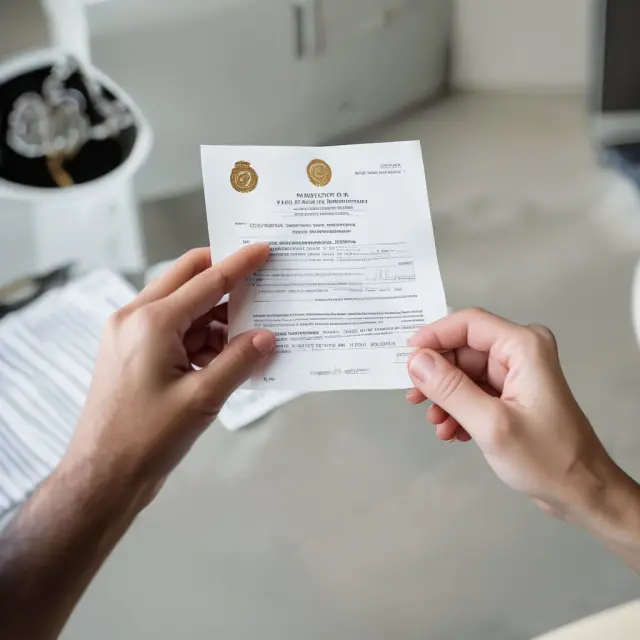
How a Warranty Deed Works
A warranty deed is an essential component in real estate transactions, as it guarantees the buyer’s protection against potential title defects or encumbrances by ensuring that the seller holds a free and clear title to the property. The grantor (seller) and grantee (buyer), whether individuals or businesses, sign this document during the closing of the sale.
The process begins with executing the warranty deed. Once executed, it must be delivered to the grantee, who then records the deed in the county where the property is located. This recording ensures that the transaction becomes a matter of public record. The document contains vital elements, such as accurate legal descriptions, proof of payment consideration, and state-specific legalese, which legally conveys the property from the grantor to the grantee.
In essence, a warranty deed is a promise made by the grantor that they hold a valid title, free of any encumbrances. This document holds the grantor responsible for any issues related to the title’s history during their ownership. For instance, if an undisclosed lien or encumbrance arises, the grantee can hold the grantor accountable.
By signing a warranty deed, the grantor also agrees that they have never sold the property to anyone else and that no other claimants exist against the property. In other words, this document is essential for assuring buyers that the title they are purchasing is free from any liens, claims, or encumbrances.
Moreover, warranty deeds can be further categorized into general and special varieties based on the degree of protection they provide to the buyer. A general warranty deed includes more extensive warranties, offering broader protection against past issues. In contrast, a special warranty deed only protects the grantee from encumbrances that occurred during the seller’s ownership.
For buyers seeking maximum security and peace of mind in their real estate investments, it is crucial to understand the importance and working process of a warranty deed. This document plays a vital role in safeguarding against potential issues concerning the title’s past and ensuring a successful transaction.

Types of Warranty Deeds
When discussing warranty deeds, it’s essential to understand the differences between the two primary types: general warranty deeds and special warranty deeds. Both serve as crucial documents during a real estate transaction, but their implications and responsibilities differ significantly for buyers and sellers. Let’s dive deeper into these two types of warranty deeds.
General Warranty Deed (GWD)
When you encounter a general warranty deed (GWD), the grantor – the person selling the property – is making several promises to the grantee, the buyer. In essence, they are vouching for the title’s accuracy and that there have been no breaches in the chain of title leading up to their ownership. With a GWD, the grantor not only guarantees clear title during their tenure but also ensures the property is free from any encumbrances or outstanding liens – even those that existed before they became the owners. This level of protection can provide the buyer with peace of mind knowing that they are acquiring a property with a solid and unblemished title.
Special Warranty Deed (SWD)
In contrast, a special warranty deed (SWD) implies a more limited guarantee from the seller or grantor. Instead of vouching for the property’s entire history, they only promise that during their ownership, there have been no encumbrances or liens placed on the land. This means that any issues that occurred before they acquired the property are not the grantor’s responsibility and will not be addressed in a special warranty deed. While it might seem less attractive to buyers since the protection is more limited than a general warranty deed, it can still offer value. For example, if the seller has maintained impeccable records and the title search comes back clean during their ownership period, then the buyer may consider this as an acceptable level of risk.
Choosing Between General and Special Warranty Deeds
Ultimately, understanding these differences can help buyers and sellers make informed decisions when drafting or signing warranty deeds. Awareness of what’s at stake and what protections are available will allow both parties to engage in a more transparent and successful real estate transaction. Depending on the circumstances, either type may be preferable. For instance:
• In an ideal situation where there is a clean title history and impeccable records, sellers might opt for a special warranty deed as it limits their liability.
• Buyers seeking the highest level of protection will likely request a general warranty deed, ensuring they have the greatest safeguards possible against any potential issues with the property’s title.
As always, consult your legal representative or real estate professional for advice tailored to your specific situation.

Getting a Warranty Deed: Process and Requirements
A warranty deed is an essential legal document for buyers and sellers during real estate transactions. It assures the buyer that the seller holds a clear title to the property with no outstanding liens or mortgages, providing them peace of mind and protection from future claims on the property. Obtaining a warranty deed involves specific processes and requirements for both parties.
For sellers (grantors), a warranty deed transfer represents a guarantee that they legally own the property being sold and have the authority to transfer it to a new owner. The seller’s role is crucial in executing the warranty deed and ensuring all necessary documents, such as tax bills or other important records, are available during the title search.
As for buyers (grantees), having a warranty deed provides an essential layer of protection against any potential claims to the property title. Understanding the process and requirements for obtaining a warranty deed can make the transaction smoother and more efficient for both parties.
Step 1: Title Search and Preparation
The first step in getting a warranty deed involves a thorough title search by a title company. The title company examines public records to identify any potential issues that might impact the property’s title, such as outstanding mortgages, liens, judgments or other encumbrances. The seller provides the necessary documentation and pays any required fees for the title search.
Step 2: Preparing the Warranty Deed
Once the title search is completed, a real estate attorney or closing agent prepares the warranty deed based on the property’s details and the results of the title search. The grantor signs the document in the presence of a notary public. Both parties must review the warranty deed for accuracy before it can be recorded with the local register of deeds or county recorder’s office.
Step 3: Recording the Warranty Deed
The recording process ensures that the transfer of ownership is officially registered in the public records. Once recorded, the warranty deed is an easily accessible document for anyone interested in purchasing or reviewing the property’s title history. Both parties receive a copy of the recorded deed and other related documents as evidence of the real estate transaction’s completion.
For buyers, it is crucial to remember that having a warranty deed alone does not provide complete protection from potential title issues. It is recommended to pair a warranty deed with title insurance, which offers extensive coverage against any hidden or unknown defects in the property’s title.
In conclusion, obtaining a warranty deed is an essential step for buyers and sellers in real estate transactions to ensure a clear title transfer and protect against future claims on the property. A smooth and successful process involves careful preparation, a thorough title search, accurate documentation, and efficient execution and recording procedures.

Comparing Warranty Deeds to Other Real Estate Documents
When it comes to buying or selling real estate, several legal documents come into play, each with their unique purpose and significance. Among these documents, warranty deeds stand out as one of the most critical tools for ensuring a clear title and protecting the interests of buyers and sellers alike. In this section, we will delve deeper into the differences between warranty deeds, quitclaim deeds, title insurance, and other related real estate documents to help you better understand their implications and applications.
Quitclaim Deeds vs Warranty Deeds
Quitclaim deeds and warranty deeds are two distinct types of conveyance documents that serve unique purposes in a real estate transaction. While both documents transfer ownership of a property, the key difference lies in the degree of protection they offer to the parties involved. A quitclaim deed transfers whatever interest or claim the grantor has in the property to the grantee without any warranty or representation regarding the title. This makes it suitable for situations where the property is transferred between family members, for instance, during divorce proceedings or as a gift. In contrast, a warranty deed comes with explicit warranties from the seller (grantor) that they hold a clear and free title to the property and are authorized to convey it. The grantor’s promises extend beyond their current ownership period, providing extended protection to the grantee against potential title defects or encumbrances.
Title Insurance vs Warranty Deeds
Both warranty deeds and title insurance serve the primary goal of protecting buyers from potential title issues; however, they function differently. Title insurance is a contractual agreement between the title insurer and the owner (buyer) whereby the insurer promises to indemnify the buyer for any losses arising from defects or claims on the title that existed before the transaction. The policy covers not only known issues but also hidden risks that might come to light during the title search. A warranty deed, as previously explained, is a legal document containing explicit promises and guarantees made by the seller about the property’s title. Title insurance provides an additional layer of protection beyond what is offered in a warranty deed, safeguarding against future claims arising from errors or omissions in public records, conflicting wills, or unknown heirs.
Understanding Other Real Estate Documents
Several other real estate documents may be encountered during property transactions, each with its unique purpose and role. A deed in lieu is a document where the borrower transfers the property to the lender voluntarily as an alternative to foreclosure proceedings. This can help the borrower avoid damaging their credit history. A special purpose deed is typically used during legal proceedings or when making property transfers without assuming personal liability. A quitclaim deed, as mentioned earlier, is commonly used in situations where there is no warranty of title being conveyed.
In conclusion, it’s essential to familiarize yourself with various real estate documents and their differences to make informed decisions during a transaction. Warranty deeds provide explicit guarantees from sellers about the property’s title status and are critical for buyers seeking peace of mind and protection against potential title defects. Quitclaim deeds, on the other hand, transfer whatever interest the grantor holds without any warranty or representation regarding the title, making them suitable for specific situations like family transfers or divorce proceedings. Title insurance provides additional coverage beyond what a warranty deed offers, ensuring buyers against future claims and hidden risks in property titles. Understanding these documents will not only help you navigate real estate transactions more effectively but also empower you to make informed decisions that safeguard your investment.

Benefits of a Warranty Deed for Buyers
A warranty deed serves as an essential safeguard for buyers when purchasing real estate, providing them with valuable assurances against potential title defects and encumbrances. By obtaining a warranty deed, buyers can enjoy peace of mind knowing they have a clear title to the property with no outstanding liens or mortgages.
One significant advantage of a warranty deed is that it holds the seller responsible for any breach of title, even if these defects existed before their ownership. This protection extends to future claims that might arise after the transaction’s completion and offers an added layer of security for the buyer.
A warranty deed also sets clear boundaries by ensuring the seller legally owns the property being sold and possesses the right to transfer the title. In the case where the property’s title is unclear, a warranty deed can help prevent potential disputes between parties and save time and resources involved in lengthy legal proceedings.
Moreover, warranty deeds are often required by lenders financing the real estate purchase. This requirement adds an extra layer of protection for investors since mortgage companies want to ensure the security of their investment. By requiring a warranty deed, these financial institutions safeguard themselves from potential title-related risks and help minimize the chances of foreclosure due to unresolved issues with the property’s ownership history.
Lastly, a warranty deed provides buyers with an enhanced sense of confidence in their investment decision by offering a high degree of certainty regarding property ownership and potential future claims. This peace of mind is priceless for many investors, particularly those who are new to the real estate market or those making substantial investments.
However, it’s essential to remember that while a warranty deed offers significant benefits, it does not provide 100% protection against every possible title issue or defect. As such, it’s still recommended to conduct a thorough title search and secure title insurance for additional coverage to ensure complete protection of the investment.
In conclusion, a warranty deed is an essential document for real estate buyers that offers numerous benefits, including clear title assurance, seller accountability, lender requirements, and increased confidence in investment decisions. By understanding its importance and working with professionals, such as lawyers or title companies, buyers can enjoy the peace of mind they deserve while minimizing potential risks associated with real estate transactions.

Risks and Challenges of a Warranty Deed
While warranty deeds offer numerous benefits for professional investors, they also come with inherent risks that need careful consideration. Understanding these risks can help investors protect themselves during real estate transactions and ensure successful property deals.
A primary challenge in relying on a warranty deed lies with the seller’s ability to convey good title. In some cases, sellers may not be aware of title issues or encumbrances that could affect the transfer of ownership. These hidden issues might include undisclosed liens, easements, or outstanding mortgages. If the seller has no knowledge of these defects and subsequently conveys a warranty deed, they will still be responsible for any resulting claims against the property title.
Additionally, warranty deeds offer less protection to buyers when dealing with older properties or those with complex ownership histories. Title searches are crucial to identify potential issues, but they may not always reveal all hidden problems. In such cases, a thorough investigation of the property’s history, including deed records and local historical societies, is necessary to ensure that the title is indeed free from defects or claims.
Another challenge faced by investors lies in dealing with insufficient or unclear legal descriptions within warranty deeds. Incorrect or vague legal descriptions can create ambiguity as to what property exactly is being conveyed, leading to potential disputes and even litigation. Therefore, a clear, precise legal description is essential for any valid warranty deed.
Finally, it’s important to note that while a general warranty deed offers extensive protection against title defects, a special warranty deed provides fewer guarantees. In a special warranty deed, the seller only warrants the title during their ownership period and is not responsible for any issues that existed prior to that time. This can be a risky proposition for buyers who want comprehensive title protection.
Despite these risks, professional investors can mitigate them through careful due diligence, thorough title searches, and the purchase of title insurance. By employing these protective measures, investors can minimize their exposure to potential warranty deed challenges and confidently close successful real estate deals.

Understanding Title Searches and Title Insurance
Title searches play an essential role in ensuring the transfer of clear ownership during a real estate transaction, ultimately protecting buyers against potential title defects and encumbrances. Title insurance serves as an additional layer of protection by covering any hidden risks that might have been missed during a title search or even those arising after the closing. Let’s explore these concepts in detail to understand their importance better.
Title Searches: What Happens During a Title Search?
A title search is a comprehensive investigation of public records and documents related to a property’s ownership history, ensuring that there are no liens, judgments, or claims against the property that may cause future issues during the sale or mortgage process. A title company conducts these searches to ensure that the buyer obtains clear title to the real estate property. The search covers the following records:
- Deeds and mortgages
- Liens for unpaid taxes or assessments
- Judgments, foreclosures, or bankruptcies
- Easements and encumbrances
- Probate records (in case of inheritance)
The title search provides an accurate picture of the property’s ownership history, identifying any outstanding issues that need to be resolved before closing the deal. Once all potential problems are addressed, a clear title is issued to the buyer.
Title Insurance: An Additional Layer of Protection
Title insurance offers buyers an extra layer of protection against various risks that may not have been discovered during the title search process. These risks include:
- Fraudulent signatures or documents
- Undisclosed heirs or missing heirs
- Errors in public records
- Unknown liens (e.g., tax liens, mechanics’ liens)
- Previous undisclosed easements or boundary disputes
Title insurance protects buyers against any future claims to the property title. The policy covers financial losses due to title defects and provides peace of mind for those investing in real estate.
The Role of a Title Company
A title company manages title searches, issues title insurance policies, and handles the closing process for both buyers and sellers. They guarantee that the transaction is complete and free from any hidden title hazards or encumbrances. The title company verifies ownership details, ensures that all outstanding liens have been paid off, and provides escrow services to facilitate the transfer of funds and documents during a real estate closing.
Warranty Deeds vs. Title Insurance: What’s the Difference?
Both warranty deeds and title insurance serve to protect buyers in different ways during a real estate transaction. A warranty deed, as previously discussed, is a legal document that transfers ownership from a seller (grantor) to a buyer (grantee). It also promises that the grantor holds clear title to the property without any liens or encumbrances. Title insurance, on the other hand, guarantees coverage against potential title risks and hidden issues not identified during the title search process.
A combination of a warranty deed, a thorough title search, and title insurance offers the highest level of protection for buyers looking to invest in real estate. By understanding these concepts, you can make informed decisions when navigating your next property transaction.

Case Studies: Real-Life Warranty Deed Scenarios
A warranty deed is an essential document for buyers and sellers alike when it comes to real estate transactions, ensuring a clear title, free from any outstanding liens or encumbrances. Let us delve into some real-life scenarios where the importance of a warranty deed was highlighted.
Scenario 1: Buyer Protection
Consider Jane, who purchases a property using a warranty deed. The seller, Mark, has been living in the house for years and had no knowledge that there were past unpaid property taxes. Unfortunately, these unpaid taxes resulted in a tax lien against the property. However, since Jane’s warranty deed protects her, she can take legal action against Mark to rectify this issue or request that the seller resolves it before closing the sale.
Scenario 2: Seller Protection
In another scenario, Michael sells his property using a warranty deed to Sarah. During the title search process, an old claim emerges that suggests Sarah was previously involved in a car accident on Michael’s property and is now seeking compensation from him. With a special warranty deed, however, Michael is not held liable for any claims related to the property during his ownership period.
Scenario 3: Quitclaim Deeds vs Warranty Deeds
Let us compare two other types of deeds – quitclaim and warranty deeds – and how they stack up in real-life scenarios. In scenario 3, David and his wife decide to purchase a property from their daughter, Emily, using a quitclaim deed. Unfortunately, Emily had an unpaid mortgage on the property at the time of the transaction. With a quitclaim deed, David is now legally responsible for this debt and must pay it off if he wishes to retain ownership. On the other hand, if a warranty deed had been used instead, David would not have assumed this financial burden.
In conclusion, real-life scenarios demonstrate that a warranty deed plays a crucial role in ensuring the protection of both buyers and sellers during real estate transactions. By understanding the nuances of warranty deeds and their implications, investors can navigate transactions with greater confidence and peace of mind.

FAQs on Warranty Deeds: Clarity and Understanding
What is a warranty deed? A warranty deed, also known as a granting clause deed or a bargain and sale deed, is a legal real estate document that protects the buyer by ensuring the seller holds a clear title to the property with no outstanding liens or mortgages. It provides guarantees against future claims to the property title.
How does a warranty deed work? The seller (grantor) transfers the property’s ownership to the buyer (grantee) through the execution of a warranty deed. During a real estate transaction, title companies perform title searches to ensure the current and past ownership of the property is free from defects or issues that could affect the title. The seller guarantees that they have legal title to the property and are free from any encumbrances.
What are the types of warranty deeds? Two main types exist: general warranty deed and special warranty deed. A general warranty deed offers extensive protection by warranting against all possible title defects, even those that occurred before the grantor’s ownership. Special warranty deeds only guarantee that there have been no encumbrances on the property during the grantor’s period of ownership.
How do you obtain a warranty deed? A real estate attorney or agent can help buyers and sellers acquire a warranty deed. It is essential for both parties in a real estate transaction to ensure clear title and avoid potential title issues post-transaction completion.
What are the advantages of a warranty deed for buyers? A warranty deed protects buyers from past title defects or encumbrances that could result in financial loss. It also increases confidence during property transactions, ensuring a higher level of protection and peace of mind for buyers.
What risks and challenges come with warranty deeds? Although rare, title issues can occur despite a seller’s best intentions. In such cases, the buyer may need to take legal action against the grantor to resolve the issue. Another challenge is that the warranty deed process can be more complex than other types of deeds due to its comprehensive nature.
What alternatives exist for warranty deeds? Quitclaim deeds, title insurance, and special purpose deeds are some alternatives for property transfers. While they do not provide the same level of protection as a warranty deed, these options may suit specific situations based on individual needs and circumstances.
By understanding the importance and intricacies of warranty deeds, you can make informed decisions when engaging in real estate transactions, ensuring peace of mind and the protection your investment deserves.
 Next entry · No. 5,620Understanding Warranty of Title in Real Estate Transactions: Protecting Your Interests as a Buyer
See also
-
 No. 4,257
04 Jun 2025
22 min
Understanding Quitclaim Deeds: What They Are, How They Work and When To Use Them
Real Estate
No. 4,257
04 Jun 2025
22 min
Understanding Quitclaim Deeds: What They Are, How They Work and When To Use Them
Real Estate -
 No. 4,710
10 Jul 2025
18 min
Special Warranty Deeds vs. General Warranty Deeds: Understanding the Key Differences
Business Finance
No. 4,710
10 Jul 2025
18 min
Special Warranty Deeds vs. General Warranty Deeds: Understanding the Key Differences
Business Finance -
No. 5,620
24 Sep 2025
19 min
Understanding Warranty of Title in Real Estate Transactions: Protecting Your Interests as a Buyer
Real Estate
-
 No. 5,302
28 Aug 2025
16 min
Understanding Unrecorded Deeds: Implications for Buyers and Sellers
Real Estate
No. 5,302
28 Aug 2025
16 min
Understanding Unrecorded Deeds: Implications for Buyers and Sellers
Real Estate -
 No. 4,990
02 Aug 2025
22 min
Understanding Title Searches: What They Are, How They Work, and Why They Matter
Real Estate
No. 4,990
02 Aug 2025
22 min
Understanding Title Searches: What They Are, How They Work, and Why They Matter
Real Estate -
 No. 3,880
04 May 2025
21 min
Owner Financing: Understanding the Pros, Cons, and Requirements
Real Estate
No. 3,880
04 May 2025
21 min
Owner Financing: Understanding the Pros, Cons, and Requirements
Real Estate