Understanding White Elephants in Finance and Investment

Uncover the mysteries of 'White Elephants' in finance and investment through this informative article, exploring origins, types, impacts, and avoidance…
What is a White Elephant?
A white elephant is an investment or asset that is more trouble than it’s worth. This term, which originated in ancient Siam, refers to an expensive and burdensome possession whose cost of maintenance outweighs its usefulness or value. In finance, the term white elephant can describe an unprofitable investment, a property, or even a business that is difficult to sell due to its high operating costs and illiquidity.
Origins of the Term ‘White Elephant’
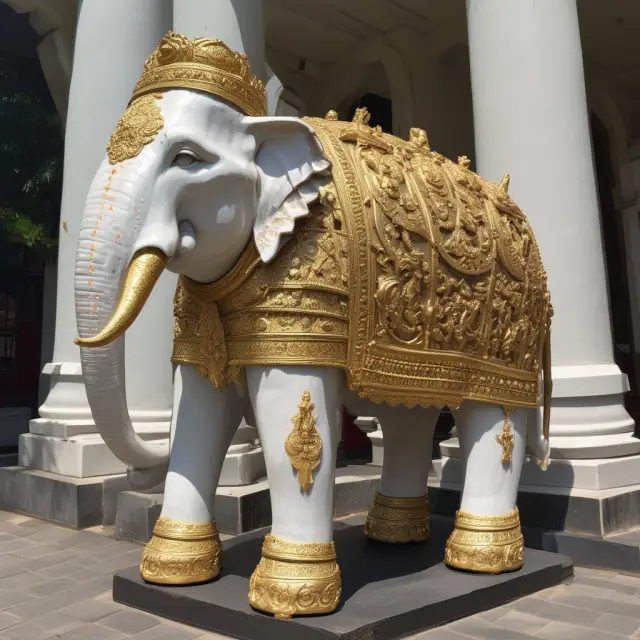
The term ‘white elephant’ has ancient roots, dating back to Thailand (then called Siam). It originated as a custom where the monarch would gift rare, expensive-to-keep white elephants to favored individuals. If he was fond of someone, he would offer both the animal and the land to help cover its upkeep costs. However, if his feelings were less favorable, he would only provide the animal—an unwelcome, expensive burden.
Types of White Elephants
White elephants can appear in various forms, most notably real estate projects. Governments are known for funding large-scale, expensive infrastructure and construction projects that often turn into white elephants due to mismanagement or lack of demand. For instance, the T-Mobile Center in Kansas City, Missouri, and the Ryugyong Hotel in Pyongyang, North Korea, are prime examples.
Characteristics of a White Elephant
A white elephant is characterized by its high maintenance costs and illiquidity. These assets or investments require substantial resources to operate and maintain, making them less profitable and often difficult to sell without significant financial loss. As a result, investors face considerable risks when dealing with white elephants.
Impact of White Elephants on Corporations
Corporations can incur white elephant investments through real estate or other ventures that become more expensive to maintain than their potential profitability. For instance, the Empire State Building initially struggled as a money pit until it was transformed into a profitable enterprise through various revenue streams. However, not all corporations are as fortunate, and some end up carrying the financial burden of these white elephants for years.
Examples of White Elephant Real Estate Projects
Real estate white elephants often make headlines due to their high costs and controversial origins. For example, the T-Mobile Center in Kansas City was initially intended to be a sports anchor with significant revenue potential. However, it has yet to attract major professional teams, leaving city taxpayers to shoulder its considerable maintenance costs. Similarly, the Ryugyong Hotel in North Korea remains unfinished decades after construction began due to financial difficulties and political instability.
Government-Funded White Elephants: The Case of Kansas City
Governments frequently fund controversial projects that turn into white elephants. In the United States, government spending often comes in the form of earmarks, which allocate money for favored projects. Critics argue these projects are often ill-conceived, poorly planned, and a waste of taxpayer funds. Kansas City’s T-Mobile Center serves as a prime example of such government-funded white elephants.
Why Do Governments Build White Elephants?
Governments build white elephants for various reasons, including political motivations and economic development goals. However, the long-term financial implications are often overlooked, leaving taxpayers to bear the burden of supporting these expensive endeavors.
Avoiding White Elephant Investments
Investors and corporations can minimize risks associated with white elephant investments by conducting thorough due diligence before making a commitment. This includes assessing potential costs, market conditions, competition, and exit strategies. By carefully considering all factors, investors may be able to avoid the financial pitfalls of white elephants and maximize their returns.
FAQs about White Elephants in Finance and Investment
How can a profitable investment become a white elephant?
Answer: A profitable investment can turn into a white elephant if its maintenance costs significantly increase over time, making it difficult to sell or operate at a profit.
Is it possible to turn a white elephant into a profitable asset?
Answer: Yes, with careful planning and effective management, a white elephant can be transformed into a profitable asset, as demonstrated by the Empire State Building’s transformation.
What are common reasons for government-funded projects to become white elephants?
Answer: Poor planning, mismanagement, changing market conditions, and political motivations are common reasons for government-funded projects to turn into white elephants.

Origins of the Term ‘White Elephant’
The term ‘white elephant’ is rooted in ancient history, specifically in Siam, now known as Thailand. Originally referring to the rare and sacred white elephants gifted by the kings to their loyal subjects or enemies alike, this metaphorical creature carries a significant financial burden and intrigue that remains relevant even today.
The story goes back to the ancient custom of monarchs presenting their recipients with these majestic animals as gifts. The significance of receiving such a rare gift was twofold: the recipient gained both prestige and a financial headache. The white elephant, as a symbol of royal favor, came with hefty obligations for its maintenance, including food, shelter, and mahouts to look after it. This burden forced the recipient to spend considerable resources on caring for the animal, which often became more expensive than the value gained from its prestige.
As time passed, this concept of a white elephant shifted from the majestic pachyderm to the metaphorical sense we use today. White elephants are now described as possessions that are expensive to maintain, unprofitable, and almost impossible to sell. This shift can be observed in various industries such as real estate, where a white elephant is often an illiquid asset that cannot be easily disposed of without significant financial loss.
The term has also been used to describe government-funded projects, which have garnered controversy due to their exorbitant costs and questionable benefits. Earmarks, spending provisions slipped into legislation designed to allocate funds for a project favored by a politician or government official, are often criticized as contributing to the creation of white elephant projects that drain public resources and provide little value in return.
By understanding the origins of the term ‘white elephant’ and its significance throughout history, we can better comprehend how this metaphor applies to finance and investment today. In the following sections, we will delve deeper into the various types and characteristics of white elephants and explore their impact on corporations and governments alike.

Types of White Elephants
A white elephant refers to an asset that is more expensive to maintain than its actual worth. The term’s origins can be traced back to ancient Siam, where it was a custom for the monarch to gift rare white elephants to his subjects. These animals were considered sacred and their upkeep was a significant financial burden to the receiver. However, the gifting of these animals carried both good and bad implications, as it could be seen as a mark of royal favor or an unwelcome financial burden, depending on the context.
Over time, the term ‘white elephant’ evolved to describe any investment, property, or business that is burdensome due to its high cost of maintenance and low return on investment (ROI). White elephants can manifest in various forms, most notably in real estate and government projects.
Real Estate White Elephants
Real estate white elephants are properties with significant operating costs but limited revenue potential. These assets often result from a mismatch between market conditions and the original investment plan. An excellent example of this is the Empire State Building. Initially considered a white elephant, the building faced financial challenges due to the Great Depression and the inability to attract tenants for office space. However, through smart management strategies, including converting parts of the property into revenue-generating assets such as observation decks and broadcasting facilities, the Empire State Building eventually became profitable.
Another example is the T-Mobile Center in Kansas City, Missouri. Originally built to attract major sports teams, the multi-purpose arena remains unoccupied by a professional team to this day. The city invested heavily into constructing and maintaining the facility but has yet to see a return on its investment due to the lack of a primary tenant.
Government White Elephants
In recent decades, government-funded projects have earned the moniker ‘white elephant’ due to their significant cost and questionable long-term value to taxpayers. These projects often stem from political motivations rather than sound economic reasoning. For instance, the Ryugyong Hotel in North Korea is the tallest unfinished building in the world. The project was initially planned for over 3,000 rooms but has yet to be completed due to a lack of resources and funds. Despite its grandeur, the hotel remains an expensive burden for the North Korean government.
Understanding why governments invest in white elephants can shed light on the motivations behind these projects. These endeavors often serve as symbols of political power, prestige, or economic development. However, their high costs and lack of tangible benefits to the public ultimately make them a significant financial burden for taxpayers.
In conclusion, white elephants can take many forms, from real estate properties to government projects. Their defining characteristic is an expensive upkeep and minimal return on investment that often makes them more trouble than they are worth. It’s essential for investors, corporations, and governments to carefully consider the potential risks associated with such investments before committing significant resources. By understanding the various types of white elephants and their origins, investors can make informed decisions to avoid these financial pitfalls.

Characteristics of a White Elephant
The term ‘white elephant’ comes with diverse interpretations, but at its core, it refers to an investment that is not only expensive to maintain but also difficult to dispose of or sell without significant losses. White elephants are often likened to the legendary white elephant gift from ancient Siam – a costly and impractical possession given to a favored courtier by the king. This unwelcome gift, though beautiful and valuable, came with hidden expenses, including an annual tax, and was almost impossible for the recipient to sell or dispose of without the king’s permission. In contemporary finance, white elephants are identified as investments, properties, or businesses that share these characteristics – burdensome costs, illiquidity, and minimal profitability.
Burdensome Costs: White elephants are assets that require substantial upkeep and maintenance expenses, often outweighing the income generated. The continuous cost of maintaining these investments can put a strain on an individual or organization’s resources, making them difficult to sustain over time. This burden is further amplified when market conditions change, causing a decrease in demand for the asset.
Illiquidity: White elephants are typically illiquid assets, meaning they cannot be easily converted into cash or sold without significant losses. Illiquidity adds another layer of complexity to managing white elephants as it limits the options available when faced with financial difficulties. Moreover, if an investor has to sell a white elephant in a distressed market, they might end up accepting a price far lower than their initial investment.
Impracticality: The illogical or impractical nature of white elephants arises from their inherent lack of value in the market. These assets may have been attractive investments at one point but have since become burdens due to changing economic circumstances or market conditions. For instance, a company that builds a factory based on projected demand for its new product line could be left with an expensive and idle asset if that demand fails to materialize.
Understanding the characteristics of white elephants is crucial in mitigating their potential impact on individuals and organizations. In the following sections, we will explore real-life examples of white elephant investments in both corporate and government sectors, as well as strategies for avoiding them.

Impact of White Elephants on Corporations
White elephants can significantly impact corporations due to their expensive nature, illiquidity, and often burdensome maintenance costs. These assets or investments might initially seem beneficial but can transform into white elephants when market conditions change, making it challenging for companies to generate a profit or even break-even from them.
One of the most prominent examples of a corporation dealing with the burden of a white elephant is the Empire State Building. Originally built in 1931 during the Great Depression era, this iconic New York landmark initially faced numerous challenges in attracting tenants and generating profitability due to the economic downturn. Despite these struggles, it eventually became an essential source of revenue for its owners by offering various income streams like office space leasing, observation deck admissions, and broadcast antenna rentals.
Another example is the T-Mobile Center in Kansas City, Missouri. Built with a cost of approximately $276 million, this multi-purpose arena was intended to attract major sports teams as anchors, but, as of 2020, none have agreed to relocate there. The venue’s inability to secure a professional sports team has hindered its potential for revenue growth and turned it into an unwelcome asset for the city.
Perhaps one of the most notorious examples is the Ryugyong Hotel in Pyongyang, North Korea. Originally planned to have five revolving restaurants and over 3,000 hotel rooms, the unfinished building now stands as a testament to the pitfalls of white elephant projects. Construction began in 1987 but was halted due to funding issues in 1992. Despite multiple attempts to resume construction, the building remains incomplete and continues to consume resources that could have been allocated elsewhere.
Understanding how white elephants affect corporations can help investors and financial analysts evaluate potential investments and assess the risks associated with these types of assets. Being aware of the historical examples and the unique characteristics of a white elephant can help in identifying the warning signs, making informed investment decisions, and avoiding potential pitfalls.

Examples of White Elephant Real Estate Projects
A white elephant is a costly possession or investment that provides little to no return. In the real estate sector, white elephants refer to expensive properties that are difficult to sell due to their high maintenance costs and low profitability. Two well-known examples of these burdensome assets are the T-Mobile Center in Kansas City, MO and the Ryugyong Hotel in Pyongyang, North Korea.
The Empire State Building, while a success story in the end, initially appeared as a white elephant. Completed in 1931 during the Great Depression, this iconic New York landmark was a symbol of excessive extravagance, as it was built when most businesses struggled to survive. Initially, the building failed to attract tenants due to its high operating costs and maintenance fees. However, by the 1950s, the Empire State Building became profitable, thanks to revenue from various sources such as observation deck admissions, office rentals, and television broadcasting.
Another example of a white elephant real estate project is the T-Mobile Center in Kansas City, Missouri. Opened in 2007, this multi-purpose arena was initially intended to attract major sports teams to the city. Despite the considerable investment in this venue, no professional sports team has yet committed to relocating there. The building’s operating costs have resulted in a significant financial burden for the city of Kansas City, making the T-Mobile Center an ongoing white elephant.
The Ryugyong Hotel is another infamous example of a white elephant real estate project. Construction on this massive, pyramid-shaped structure began in 1987 in Pyongyang, North Korea. At approximately 105 stories tall and initially planned for over 3,000 hotel rooms and five revolving restaurants, it was intended to be the world’s largest hotel. However, the project faced numerous financial setbacks and has remained unfinished since 1992, earning it the nickname “hotel of doom.” Despite efforts to revive construction in 2008 for its planned opening in 2012, the Ryugyong Hotel remains a colossal white elephant.
Understanding White Elephants: Burdensome Assets and Unprofitable Real Estate
A white elephant is a costly asset that fails to provide adequate return or value for its significant investment. In real estate, these assets can be identified as large-scale projects with substantial operating costs and minimal profitability. Examples of white elephants include the T-Mobile Center in Kansas City and the Ryugyong Hotel in Pyongyang. These projects often represent a financial burden due to their high maintenance requirements and difficulty to sell or recoup initial investment.

Government Funded White Elephants: The Case of Kansas City
The concept of white elephants is not limited to the business world but extends to government-funded projects, which can also become a drain on public resources when their costs exceed their potential benefits. The T-Mobile Center in Kansas City, Missouri, serves as a prime example of this phenomenon.
Originally built at an estimated cost of roughly $276 million, the T-Mobile Center was intended to be a multi-purpose arena that would house a major sports anchor team for the city. The construction of the arena began in 2004 and was completed in 2007. Kansas City entered discussions with both the National Basketball Association (NBA) and National Hockey League (NHL) to relocate teams to the arena. However, as of 2020, neither league has agreed to move their franchises to the T-Mobile Center.
The failure to secure a major sports team has left the city with an expensive asset that generates limited revenue. While the arena hosts various events and concerts, it does not generate enough income to cover its maintenance costs or provide a significant return on investment for taxpayers. As a result, the T-Mobile Center can be considered a white elephant project funded by public funds.
The implications of such government-funded white elephants are far-reaching and can impact public finances negatively. In the case of Kansas City’s T-Mobile Center, critics argue that the resources spent on this project could have been better allocated to address pressing social and infrastructure needs in the city. This example highlights the importance of careful planning, feasibility studies, and financial analysis before undertaking large-scale government projects to prevent potential white elephants and ensure optimal use of public funds.
The T-Mobile Center’s story is not unique as governments around the world have a history of funding white elephant projects that often fail to generate the expected economic returns or social benefits. The responsibility lies with policymakers, legislators, and citizens alike to scrutinize government projects and demand transparency in their planning, financing, and execution to mitigate the risk of creating more white elephants and misappropriating public funds.

Why Do Governments Build White Elephants?
Governments around the world have been known for undertaking large, expensive projects that often result in white elephants—undesirable investments that are more trouble than they are worth. Although these projects are intended to generate economic growth and create jobs, their excessive costs can put a significant strain on public finances.
The term “white elephant” is believed to have originated from the ancient Thai custom of gifting rare, expensive-to-keep white elephants to the reigning monarch. If a monarch bestowed a white elephant as a gift, it would be expected that the recipient would maintain and care for it at their own expense. This custom gave rise to the modern definition of a white elephant as an asset, property, or investment that is more expensive to maintain than its value or usefulness suggests.
One common area where governments build white elephants is in real estate development. Governments may allocate substantial funds for grand projects, such as stadiums and convention centers, with the intention of fostering economic growth and attracting tourism. However, these projects can become white elephants if they do not generate enough revenue to cover their operating costs. The T-Mobile Center in Kansas City is a prime example of a government-funded white elephant project. Despite costing approximately $276 million and opening in 2007, the multi-purpose arena has yet to secure a major sports anchor team as of 2020.
Another motivation behind governments building white elephants is political. Politicians may allocate funding for projects that provide little or no tangible benefit to their constituents but generate good press and votes. These projects can be seen as a way for politicians to demonstrate their ability to deliver on campaign promises, regardless of the long-term financial impact on the community.
There are strategies for investors and corporations to minimize the risks of investing in white elephants. Conducting thorough market research, carefully evaluating potential investments, and diversifying portfolios can help mitigate the risks associated with illiquid assets. Additionally, governments can adopt more transparent budgeting processes and rigorous project evaluation methodologies to ensure that public funds are being invested wisely and efficiently.
Understanding why governments build white elephants is crucial for investors, policymakers, and citizens alike. By recognizing the motivations behind these projects and taking steps to mitigate their risks, we can create a more sustainable economic environment that benefits all stakeholders.

How to Avoid White Elephant Investments
Avoiding a white elephant investment can be a challenge for both individuals and corporations. Despite their burdensome nature, these investments may initially seem attractive due to their potential for high returns or prestige. However, as economic conditions change, or unforeseen circumstances arise, white elephants can quickly become more trouble than they are worth. Here are some strategies that can help investors minimize the risk of ending up with a white elephant:
1. Rigorous due diligence
One way to avoid white elephant investments is by conducting thorough research and analysis before making any investment decisions. This includes looking at historical financial data, industry trends, and economic conditions. Prospective investors should consider the risks associated with the investment and weigh them against potential returns. It’s important to be realistic about the assumptions made during the analysis and account for unforeseen circumstances that could potentially impact the investment’s value.
2. Diversification
Another way to minimize risk is by diversifying an investment portfolio across various asset classes, sectors, and geographies. This can help investors mitigate the impact of any single underperforming asset. By spreading their investments across a range of assets, they decrease the likelihood of having a significant portion of their capital tied up in a white elephant investment.
3. Regular monitoring and evaluation
Regularly monitoring and evaluating investments is crucial to identifying potential issues early on and addressing them before they become more substantial problems. This includes keeping track of market trends, economic conditions, and the performance of individual investments. By staying informed, investors can make proactive decisions to sell or rebalance their portfolio as necessary to avoid holding onto a white elephant investment for too long.
4. Flexibility in business models
For corporations investing in property, plant, and equipment (PP&E), maintaining flexibility within the business model is essential for adapting to changing market conditions. This can involve being open to re-purposing assets or exploring alternative revenue streams to generate returns beyond the initial intended use. For example, a factory that produces outdated technology could be repurposed as a rental space or museum, generating income while also serving as an attraction for tourists and the local community.
5. Government involvement and transparency
When it comes to government-funded projects, investors should exercise caution and conduct thorough due diligence before investing in projects that are subsidized by public funds. This includes investigating the background of the project and the parties involved, as well as assessing the financial viability and long-term potential for generating returns. Transparency from government officials regarding project details, cost estimates, and potential risks can help investors make informed decisions.
6. Building contingency plans
Creating contingency plans is another important strategy for minimizing the risk of investing in a white elephant. Contingency plans should include provisions for unexpected changes to market conditions or economic downturns. These plans might include setting aside capital reserves, having alternative investment opportunities available, and being willing to adjust business strategies as needed. By preparing for potential risks, investors can be better positioned to weather the storm and avoid being caught off guard by unforeseen circumstances.
In conclusion, white elephant investments are a risk that every investor should strive to minimize. By conducting thorough due diligence, diversifying investment portfolios, monitoring investments closely, maintaining flexibility in business models, and building contingency plans, investors can significantly reduce the likelihood of falling victim to a burdensome and unprofitable investment.
FAQs about White Elephants in Finance and Investment
What is a white elephant?
A white elephant, within the finance and investment context, refers to an asset or investment that is burdensome due to its excessive cost of upkeep, unprofitability, and illiquidity. The term originated from ancient Siam, where it referred to gifted white elephants that were more expensive to maintain than their worth.
What are some real-life examples of white elephant investments?
One famous example is the Empire State Building, which initially struggled to generate revenue and was considered a financial burden until the 1950s when it began generating positive cash flow. Another is the T-Mobile Center in Kansas City, Missouri, where the city spent approximately $276 million on a multi-purpose arena that has yet to secure a major sports team as of 2020.
What characterizes a white elephant investment?
The defining features of a white elephant include excessive upkeep costs, unprofitability, and illiquidity. These investments often represent a significant financial burden for their owners.
How do governments contribute to the creation of white elephants?
Governments are known to create white elephant projects through subsidized funding for large-scale infrastructure and construction initiatives. Critics argue that these projects are frequently poorly planned, ill-conceived, and wasteful, causing financial strain for taxpayers.
Why is it called a “white elephant”?
The term ‘white elephant’ has its origins in ancient Siam where the monarch would gift white elephants to favored individuals as a sign of good fortune. However, gifts came without land to support their maintenance, leaving recipients with an expensive burden. In modern finance and investment contexts, the term refers to any asset or investment that is more trouble than it’s worth due to its excessive cost, unprofitability, and illiquidity.
What are some strategies to minimize white elephant investments?
Investors and corporations can adopt various strategies to avoid investing in a white elephant. These include conducting thorough research on the potential investment’s market demand and financial feasibility, maintaining a diversified portfolio, and staying informed about economic conditions that may impact their assets’ profitability.
 Next entry · No. 5,697White Knight vs. Black Knight: Understanding Friendly and Hostile Takeovers
See also
-
 No. 4,457
20 Jun 2025
17 min
Understanding Reverse Auctions: A Comprehensive Guide for Institutional Investors
Business Strategy
No. 4,457
20 Jun 2025
17 min
Understanding Reverse Auctions: A Comprehensive Guide for Institutional Investors
Business Strategy -
 No. 5,713
01 Oct 2025
19 min
Understanding Wholesale Banking: Services, Benefits, and Examples
Business Finance
No. 5,713
01 Oct 2025
19 min
Understanding Wholesale Banking: Services, Benefits, and Examples
Business Finance -
 No. 5,273
25 Aug 2025
18 min
Understanding Unitholders: Roles, Taxation, and Examples
Investments
No. 5,273
25 Aug 2025
18 min
Understanding Unitholders: Roles, Taxation, and Examples
Investments -
 No. 4,717
11 Jul 2025
20 min
Understanding Spinoffs: When and Why Companies Split Off Business Units
Business Strategy
No. 4,717
11 Jul 2025
20 min
Understanding Spinoffs: When and Why Companies Split Off Business Units
Business Strategy -
 No. 3,348
21 Mar 2025
22 min
Understanding Nationalization: Seizure of Assets by Governments and Its Impact on Business
Business Strategy
No. 3,348
21 Mar 2025
22 min
Understanding Nationalization: Seizure of Assets by Governments and Its Impact on Business
Business Strategy -
 No. 3,089
27 Feb 2025
27 min
Market Leaders: Understanding the Dominant Players in Various Industries
Business Strategy
No. 3,089
27 Feb 2025
27 min
Market Leaders: Understanding the Dominant Players in Various Industries
Business Strategy