Understanding Wrongful Termination Claims: A Comprehensive Overview

Understand the ins and outs of wrongful termination claims, from discrimination and retaliation to filing procedures. Learn about at-will employment and…
Introduction to Wrongful Termination Claims
Understanding the Concept of Wrongful Termination Claims
Wrongful termination claims refer to legal actions taken by employees against employers who allegedly fired them unfairly or in violation of employment laws, including state and federal statutes. Such claims can result from various reasons, such as discrimination, medical conditions, retaliation, breach of contract, or organizing activities. This section aims to provide a comprehensive overview of wrongful termination claims, their significance, and the underlying legal framework.
Understanding At-Will Employment and Wrongful Termination Claims
In most states in the U.S., employment is considered “at will,” meaning that an employer doesn’t need a reason to fire someone, as long as it isn’t discriminatory or in violation of an agreement or contract. However, employers cannot terminate employees for arbitrary reasons or without cause, especially if such actions violate federal or state laws. This is where wrongful termination claims come into play.
The Basics of Wrongful Termination Claims: What They Cover and How to File
Wrongful termination claims involve allegations that an employer has breached a legal agreement, engaged in discrimination, violated labor or whistleblower laws, or retaliated against an employee for filing a complaint. Filing a wrongful termination claim involves several steps, including consulting with a lawyer, preparing essential documents, and adhering to various deadlines.
Key Elements of Wrongful Termination Claims: Discrimination, Retaliation, Medical History, Organizing, and Breach of Contract
The following sections will explore the most common types of wrongful termination claims: discrimination, retaliation, medical history, organizing, and breach of contract. These grounds can result in significant legal consequences for employers, including monetary damages, statutory penalties, and potential restoration of employment or comparable positions.
Discrimination: Filing a Wrongful Termination Claim due to Race, Color, Religion, Sex, Age, Disability, or Genetic Information
Discrimination is one of the most common reasons for wrongful termination claims. Federal and state antidiscrimination laws protect individuals from being fired based on their race, color, religion, sex (including pregnancy, sexual orientation, and gender identity), national origin, age (40 or older), disability, and genetic information. The process for filing a discrimination claim typically involves consulting with an attorney and submitting a charge to the U.S. Equal Employment Opportunity Commission (EEOC).
Retaliation: Filing a Wrongful Termination Claim due to Whistleblowing or Complaint Filing
Employers cannot retaliate against employees for reporting wrongdoings, such as criminal activity at work, or for filing workers’ compensation claims. Workers who feel they have been fired in retaliation for whistleblowing or filing a complaint can file a wrongful termination claim under various federal and state laws designed to protect their rights.
Medical History: Filing a Wrongful Termination Claim due to Genetic Information or Disability
Under the Americans with Disabilities Act (ADA) and the Genetic Information Nondiscrimination Act (GINA), employers are prohibited from using an employee’s medical history, including genetic information, in making employment decisions. Workers who believe their medical history was a factor in their termination may file wrongful termination claims to seek recourse for any potential violations of these laws.
Organizing: Filing a Wrongful Termination Claim due to Union Activities
The National Labor Relations Act (NLRA) protects workers engaging in concerted activities aimed at improving wages or working conditions, such as organizing labor unions or conducting campaigns to bring existing unions into their workplace. Workers who feel they have been fired for these activities may file wrongful termination claims if the employer has violated NLRA provisions.
Breach of Contract: Filing a Wrongful Termination Claim due to Breach of Employment Agreement or Covenant
Employees with contracts that stipulate specific grounds for termination have recourse when their employers breach these terms. In such cases, employees may file wrongful termination claims to seek damages and potentially restore employment or comparable positions if they can prove the employer failed to adhere to agreed-upon contractual provisions.

At-Will Employment: A Basis for Wrongful Termination Claims?
Under the at-will employment system in the United States, employers have the right to terminate employees without cause or prior notice, except when prohibited by law or an employment contract. This is the standard employment arrangement in most states; however, certain exceptions do exist. At-will employment does not mean that employers can dismiss workers arbitrarily, especially if it involves a violation of state or federal laws or breach of contract.
Employees who believe they’ve been wrongfully terminated due to at-will employment practices may file a claim against their employer for various reasons. These reasons can include violations of antidiscrimination laws, breach of contract, whistleblowing retaliation, and violation of medical history protections or labor laws such as the National Labor Relations Act (NLRA). In this section, we will discuss how at-will employment contributes to wrongful termination claims.
First and foremost, it is essential for workers to understand their rights in an at-will employment context. While employers do have discretion over hiring and firing, employees cannot be terminated based on discriminatory grounds such as race, color, religion, sex (including pregnancy, sexual orientation, or gender identity), national origin, age (40 or older), disability, genetic information, or other protected categories. Federal laws like the Americans with Disabilities Act (ADA), Age Discrimination in Employment Act (ADEA), and Equal Employment Opportunity Commission (EEOC) regulations prohibit such discriminatory practices.
Another area where at-will employment intersects with wrongful termination claims is through breach of contract. Although employers typically have the right to dismiss employees without cause, some workers may have an implied or expressed contract that sets forth specific terms and conditions for their employment. If a worker’s termination goes against those terms, they could potentially file a claim for breach of contract.
In addition to discrimination and breach of contract claims, wrongful termination can also stem from whistleblower retaliation. Whistleblowers who report workplace violations or file complaints are protected under various federal laws such as the Whistleblower Protection Act (WPA) and the Sarbanes-Oxley Act (SOX). However, employers may still attempt to retaliate against these employees by terminating them. Workers in such situations can potentially file a wrongful termination claim to seek justice.
Lastly, medical history protections also play a role in wrongful termination claims under at-will employment. Under the Genetic Information Nondiscrimination Act (GINA), employers cannot use genetic information when making employment decisions or take adverse actions based on family medical history. Employees who feel that their medical history has been improperly considered during the termination process may have grounds for a wrongful termination claim.
To file a wrongful termination claim, an employee should consult with a lawyer to review their employment contract and understand the applicable deadlines under federal and state laws. Obtaining personnel files and documenting any communications or records related to the termination can also be beneficial for building a strong case. If you believe that your at-will employment may have led to a wrongful termination, it’s crucial to seek legal advice as soon as possible.
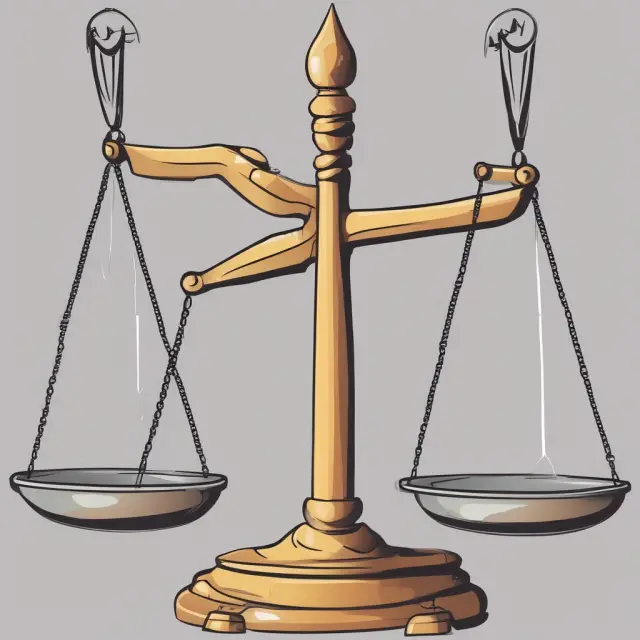
Types of Wrongful Termination Claims: An Overview
A wrongful termination claim is an essential legal concept for employees who believe they have been unjustly or illegally dismissed from their job. This section provides a comprehensive overview of common grounds on which such claims can be based, including discrimination, retaliation, medical history, organizing, and breach of contract.
Discrimination is a primary reason for wrongful termination lawsuits. Federal laws, enforced by the Equal Employment Opportunity Commission (EEOC), protect employees from being fired because of their race, color, religion, sex (including pregnancy, sexual orientation, or gender identity), national origin, age (40 or older), disability and genetic information (including family medical history).
Another common ground for wrongful termination claims is retaliation. Employers cannot legally punish workers for reporting wrongdoings at work or filing complaints against their employers—known as whistleblower protection. They are also not permitted to fire employees for filing workers’ compensation claims, although the employee must prove that the dismissal was retaliatory and not based on work performance or another permissible reason.
Medical history is an essential aspect of wrongful termination cases. The Genetic Information Nondiscrimination Act (GINA) prohibits employers from using genetic information in employment decisions, including hiring and firing. This includes testing for conditions that put a candidate or employee at greater risk of certain diseases or inquiring about family medical history.
The National Labor Relations Act (NLRA) allows workers to engage in “concerted activity” to improve wages or working conditions, such as organizing a labor union or conducting campaigns to bring existing unions into their workplace. Employees are protected under this law even if they have not yet joined a union.
Lastly, individuals who believe they have been fired without cause after being engaged under a contract that requires “for cause” termination have the right to file a wrongful termination claim. This is considered a breach of contract rather than a violation of a law or statute. To succeed in such a claim, the plaintiff must prove that their employer failed to adhere to the terms outlined in the employment agreement and that the dismissal was not based on any of the valid reasons specified within it.
In conclusion, understanding the various grounds for wrongful termination claims can help employees determine whether they have a case against their employers. Filing a claim may result in monetary damages, job restoration or reinstatement, and statutory penalties depending on the specifics of the case. Consulting an experienced employment lawyer is highly recommended if you believe you have been wrongfully terminated.

Filing a Wrongful Termination Claim: The Process
When an employee feels they have been unlawfully or illegally terminated from their job, filing a wrongful termination claim may be the next logical step towards seeking justice and compensation. A wrongful termination claim is essentially a legal action taken against the employer by the employee. This section offers insight into the process of filing such a claim.
1. Consulting a Lawyer: The first step in filing a wrongful termination claim is consulting an attorney specializing in employment law or labor rights. A lawyer can provide valuable advice on whether the employee’s situation warrants a claim, help them prepare necessary documents and evidence, and guide them through the legal proceedings if needed.
2. Preparing Documents: Employees must collect essential documentation to support their case. This may include a copy of their employment contract or agreement, any communication with their employer regarding termination, performance evaluations, witness statements, and relevant company policies.
3. Adhering to Deadlines: Timely filing is crucial when it comes to wrongful termination claims as there are different deadlines under federal and state laws. Employees should consult a lawyer for advice on the specific deadlines that apply to their case and ensure they file their claim before these deadlines pass.
4. Understanding Grounds for Wrongful Termination: There are several grounds for filing a wrongful termination claim, such as discrimination, retaliation, medical history, organizing, or lack of cause (a breach of contract). Becoming familiar with these grounds can help employees build a strong case and provide their lawyer with essential information.
5. Filing the Charge: In the United States, most employment is considered ‘at will,’ meaning either party can terminate it without notice. However, employers cannot fire someone based on illegal reasons or in violation of a contract. Employees who believe they have been wrongfully terminated may file a charge with the appropriate state or federal agency to initiate their claim.
In conclusion, filing a wrongful termination claim requires careful consideration and proper preparation. By consulting a lawyer, gathering essential documents, adhering to deadlines, understanding the grounds for wrongful termination, and following the filing process, employees can take an important step towards seeking justice and potentially securing compensation for their unlawful dismissal.

Discrimination: A Common Ground for Wrongful Termination Claims
Under the umbrella of wrongful termination claims, discrimination-based dismissals represent one of the most common grievances employees encounter when they lose their jobs. Discrimination can be defined as unfair treatment towards someone based on their membership in a protected class, which includes race, color, religion, sex (including pregnancy, sexual orientation, and gender identity), national origin, age (40 or older), disability, genetic information (including family medical history), and other characteristics specified by federal laws.
Discrimination in the workplace can manifest itself through various actions, such as:
– Refusal to hire or promote a person based on their membership in a protected class
– Demotion or transfer to a less favorable position for no valid reason
– Disciplinary action or termination without cause
The U.S. Equal Employment Opportunity Commission (EEOC) is the primary federal agency responsible for handling discrimination complaints filed by employees against their employers. In order to file a claim, an individual needs to follow specific procedures. Generally speaking, the first step involves filing a charge of employment discrimination with the EEOC. This should be done within 180 days from the date when the discriminatory incident occurred or when it became aware to the employee. After receiving a charge, the EEOC will conduct an investigation and decide whether there is reasonable cause for believing that the employer violated any federal antidiscrimination law.
Under Title VII of the Civil Rights Act of 1964, as well as other federal laws, it is unlawful for employers to discriminate against job applicants or employees based on their membership in a protected class. These laws also prohibit discrimination due to retaliation, which occurs when an employer takes adverse actions against an employee because they have engaged in legally protected activities, such as filing a complaint about discrimination or reporting harassment.
The Genetic Information Nondiscrimination Act (GINA) is another federal law that protects individuals from genetic discrimination. This act prohibits employers from requesting or disclosing the genetic information of job applicants and employees when making employment decisions, such as hiring, firing, or promoting. In addition to GINA, other laws like the Americans with Disabilities Act (ADA) and the Family and Medical Leave Act (FMLA) provide protections against discrimination based on disability and family medical history.
Employees who believe they have been subjected to discrimination can file a wrongful termination claim based on these federal antidiscrimination laws, as well as state laws that parallel them. In order to win the case, the employee must prove that their termination was directly related to their membership in a protected class or retaliation for engaging in legally protected activities. To strengthen their case, employees may also collect evidence such as witness statements, emails, performance reviews, and other documents that support their claim of discrimination.
In conclusion, discrimination-based wrongful termination claims arise when an employer unfairly dismisses an employee due to their membership in a protected class or retaliation for engaging in legally protected activities. These cases are governed by various federal laws, such as Title VII, GINA, ADA, and FMLA. In order to file a claim and successfully prove that discrimination was the cause of the termination, employees should gather evidence and seek legal advice from an experienced employment lawyer.

Retaliation: A Valid Basis for Wrongful Termination Claims
Retaliation is another common ground for wrongful termination claims. Retaliation refers to the act of an employer punishing or firing an employee for engaging in activities protected under various federal and state laws. This can include whistleblowing or filing complaints against the company for illegal activities, such as sexual harassment, workplace discrimination, wage theft, or safety concerns.
Whistleblower protection is a significant component of retaliation claims. The Occupational Safety and Health Act (OSHA) and other laws protect employees from retaliation when they report work-related injuries, illnesses, or hazardous conditions to their employers. Similarly, employees who report illegal activities such as fraud, waste, or abuse may also be shielded by the False Claims Act, the Whistleblower Protection Act, and other whistleblower laws.
Retaliation can manifest in various forms, including termination, demotion, suspension, denial of overtime, harassment, intimidation, or even threats. In such instances, employees may be entitled to file a wrongful termination claim against their employer. It’s crucial for individuals experiencing retaliatory actions to understand the various laws and deadlines governing retaliation claims in their specific state and industry.
Another critical aspect of filing a wrongful termination claim based on retaliation is documenting the retaliatory act. This may include recording the date, time, and details of the alleged whistleblowing or complaint-filing activity, as well as any subsequent actions taken by the employer that could be seen as retaliatory. Collecting emails, texts, and other communications between the employee and employer can also be vital evidence in a wrongful termination claim.
To successfully pursue a retaliation claim, employees must prove that the employer’s adverse action was motivated, at least in part, by their protected activities. It’s important to note that merely filing a complaint does not automatically shield an employee from being fired for valid reasons. However, if the termination appears to be in close temporal proximity to the protected activity and there is no clear evidence of cause, it may be indicative of retaliation.
If you believe that you have been wrongfully terminated due to retaliation, it’s essential to consult a qualified attorney specializing in employment law. A knowledgeable lawyer can help evaluate your claim, explain the applicable legal framework, and guide you through the process of filing a complaint with relevant authorities or pursuing litigation if necessary. By understanding your rights and taking swift action, you may be able to hold your employer accountable for any unlawful retaliation and potentially recover damages for any losses incurred as a result of their actions.

Medical History and Genetic Information: Protected Classes in Wrongful Termination Claims
Understanding the complexities surrounding wrongful termination claims can be daunting for many individuals, especially when it comes to understanding how medical history and genetic information play a role. In this section, we will explore the significance of both medical history and Genetic Information Nondiscrimination Act (GINA) in the context of wrongful termination claims.
In the United States, employment is generally considered “at-will,” meaning that employees can be terminated at any time by their employer, with or without cause. However, this does not give employers the right to violate federal and state antidiscrimination laws or breach employment contracts when firing individuals. One of the most significant areas where wrongful termination claims arise is related to medical history and genetic information.
Medical History and Disability Discrimination
The Americans with Disabilities Act (ADA) and the Family and Medical Leave Act (FMLA) are two essential laws that prohibit employers from discriminating against employees based on their medical condition or disability status. Wrongful termination claims can be filed when an employer dismisses an employee due to a genuine concern for their health or their perceived inability to perform job duties because of their medical history.
Genetic Information and GINA
The Genetic Information Nondiscrimination Act (GINA) is another crucial piece of legislation that protects employees from discrimination based on their genetic information, including family medical history. Wrongful termination claims related to genetic information can arise when employers use genetic information against an employee in employment decisions such as hiring, firing, or the terms and conditions of employment, violating GINA provisions.
Understanding Filing a Wrongful Termination Claim
If you believe that your dismissal from a job was due to medical discrimination or a violation of GINA, it is essential to consult with a qualified attorney as soon as possible. In most cases, you will need to file a charge of employment discrimination with the U.S. Equal Employment Opportunity Commission (EEOC) within 180 days from the date of the adverse employment action (termination). An experienced attorney can help guide you through this process and advise you on any additional steps that may be required to file a successful wrongful termination claim.
In conclusion, understanding the complexities surrounding medical history and genetic information in the context of wrongful termination claims is essential for both employers and employees alike. Being aware of federal and state laws such as ADA, FMLA, and GINA can help prevent potential claims and ensure a fair and equal workplace environment.

Organizing: A Legal Right for Wrongful Termination Claims
Under the National Labor Relations Act (NLRA), workers have a right to engage in concerted activities related to improving wages or working conditions. This protection extends to forming labor unions or conducting campaigns to bring existing unions into their workplaces, even if the worker is not yet part of a union. Employers cannot retaliate against employees for exercising these rights through termination or other means, making it a valid ground for wrongful termination claims.
The NLRA prohibits employers from discriminating against employees who engage in protected activities related to organizing or collective bargaining. Examples of such activities include:
- Joining a union or requesting union representation.
- Participating in union organizing campaigns, such as petitioning for union representation or engaging in informational picketing.
- Discussing wages, hours, or working conditions with coworkers.
- Attending union meetings or wearing union insignia on the job.
- Filing grievances or protesting work rules that violate labor laws.
If an employer terminates an employee for engaging in any of these protected activities, it can be considered a wrongful termination under both state and federal law. Workers who believe they have been unlawfully dismissed due to their union activities should consult with a labor attorney to discuss the potential merits of their claim.
It is essential to note that not all terminations related to organizing are automatically considered wrongful. Employers may fire workers for non-retaliatory reasons, such as poor performance or misconduct. However, if an employer terminates an employee shortly after they engage in protected activities, it could be a sign of retaliation.
Additionally, employees have the right to file unfair labor practice charges with the National Labor Relations Board (NLRB) if they believe their employers have violated the NLRA. The NLRB has the authority to order remedies like reinstatement, back pay, and damages for emotional distress.
In summary, organizing is a valid ground for wrongful termination claims under both state and federal laws due to the protections provided by the National Labor Relations Act (NLRA). Workers who believe they have been unlawfully dismissed as a result of their union activities should consult with a labor attorney to discuss potential remedies.
Disclaimer: This article is for informational purposes only and does not constitute legal advice. It is recommended that you consult an attorney for specific concerns regarding wrongful termination claims and your rights as an employee.

Breach of Contract: A Legal Aspect of Wrongful Termination Claims
One of the grounds for a wrongful termination claim is a breach of contract. When an employment agreement exists, employers and employees must adhere to its terms throughout their relationship. If either party fails in their obligations under the contract, it can result in legal repercussions, including wrongful termination claims.
A breach of contract occurs when one party does not honor the agreed-upon conditions or promises, often resulting from:
- Failure to perform as specified within the agreement
- Violation of the terms and provisions outlined within the contract
- Unilaterally changing an essential term of the agreement
The employment contract may include explicit information about job responsibilities, performance expectations, compensation, and severance arrangements upon termination. In such cases, a breach of contract can lead to substantial financial damages for the affected party if they are not provided with what was promised under the terms of their employment agreement.
Employees have a right to seek compensation when an employer violates the employment contract. They may do so by filing a wrongful termination claim, which involves proving that the breach of contract led to their dismissal without cause or in violation of the conditions outlined within their employment agreement. The damages sought could include unpaid wages, severance benefits, and other financial losses resulting from the breach of contract.
It is essential for employees to be aware that not all employment arrangements are governed by written contracts. In some cases, an implied-in-fact or oral contract may exist based on promises or agreements made between the employer and employee during their tenure. These verbal agreements can still form the basis for a wrongful termination claim if they are breached by the employer.
When considering a breach of contract claim as grounds for a wrongful termination lawsuit, it is recommended that employees consult with an experienced attorney to discuss their situation and potential legal remedies. A knowledgeable lawyer can provide valuable advice on the strength of the case, available damages, and the best course of action moving forward.
In conclusion, a breach of contract can serve as a legitimate ground for a wrongful termination claim when an employer fails to honor their obligations under the employment agreement. Employees seeking to pursue legal action in such cases should consult with an experienced attorney for guidance on the process and potential outcomes.

FAQs: Debunking Common Myths about Wrongful Termination Claims
Filing a wrongful termination claim can seem like a daunting process, filled with misconceptions and myths. Let’s debunk some of the most common ones surrounding this legal area to help you make informed decisions about your employment situation.
Myth 1: At-will employment means employers can dismiss employees at any time, for any reason.
Fact: While it is true that most states follow an at-will employment doctrine whereby either the employer or employee can terminate the relationship without cause or notice, there are exceptions to this rule. Employees cannot be fired due to discrimination based on protected classes (race, color, religion, sex, age, disability, etc.), in violation of a contract, for whistleblowing, or as retaliation for filing complaints related to workplace conditions or wages.
Myth 2: Wrongful termination claims are only about discrimination and harassment cases.
Fact: Wrongful termination claims can also encompass other issues like breach of contract, retaliation for whistleblowing, organizing a union, or lack of cause. In these cases, employees argue their dismissal was not justified by performance or misconduct but instead was based on unlawful factors.
Myth 3: If you sign a severance agreement, you can’t file a wrongful termination claim.
Fact: While signing a severance agreement may waive certain rights to sue for specific claims, it generally does not prevent employees from filing a wrongful termination claim. It is crucial to consult an attorney before signing any agreements to understand the implications of such waivers and your legal options.
Myth 4: Wrongful termination cases are time-consuming and costly.
Fact: The length and cost of a wrongful termination case depend on several factors, including the jurisdiction, complexity of the case, and potential damages. In some instances, employers may opt to settle out of court rather than risk a potentially costly legal battle. An experienced employment attorney can help you evaluate the potential costs and benefits of pursuing a claim.
Myth 5: Wrongful termination cases are easy to prove and win.
Fact: Winning a wrongful termination case requires providing concrete evidence that your dismissal was unlawful, whether due to discrimination, retaliation, breach of contract, or other improper reasons. This can be challenging as it often involves proving the employer’s intent and motives, which may not always be explicitly stated in records or documentation. An experienced employment attorney can help you gather and present compelling evidence to support your case.
By understanding these common myths about wrongful termination claims, employees are better equipped to protect their rights in the workplace and make informed decisions when faced with unlawful termination.
 Next entry · No. 5,828Understanding West Texas Intermediate (WTI): The Key Oil Benchmark for North America
See also
-
 No. 1,304
27 Aug 2024
19 min
Understanding the Role and Functions of the Equal Employment Opportunity Commission (EEOC)
Business Strategy
No. 1,304
27 Aug 2024
19 min
Understanding the Role and Functions of the Equal Employment Opportunity Commission (EEOC)
Business Strategy -
 No. 1,454
18 Sep 2024
20 min
Understanding the Family and Medical Leave Act (FMLA): A Comprehensive Guide for Employers and Employees
Business Strategy
No. 1,454
18 Sep 2024
20 min
Understanding the Family and Medical Leave Act (FMLA): A Comprehensive Guide for Employers and Employees
Business Strategy -
 No. 4,838
21 Jul 2025
22 min
The Taft-Hartley Act: A Historical Overview and Key Amendments
Business Finance
No. 4,838
21 Jul 2025
22 min
The Taft-Hartley Act: A Historical Overview and Key Amendments
Business Finance -
 No. 3,618
13 Apr 2025
20 min
Understanding the Occupational Safety and Health Act: History, Components, Enforcement, and Penalties
Business Strategy
No. 3,618
13 Apr 2025
20 min
Understanding the Occupational Safety and Health Act: History, Components, Enforcement, and Penalties
Business Strategy -
 No. 1,273
22 Aug 2024
18 min
Understanding Employers’ Liability Insurance: What It Covers, How It Works, and Its Limits
Business Strategy
No. 1,273
22 Aug 2024
18 min
Understanding Employers’ Liability Insurance: What It Covers, How It Works, and Its Limits
Business Strategy -
 No. 2,305
26 Dec 2024
22 min
Understanding the Scope of Immediate Family: Definitions and Consequences
Consumer Rights
No. 2,305
26 Dec 2024
22 min
Understanding the Scope of Immediate Family: Definitions and Consequences
Consumer Rights