Understanding Years Certain Annuities: A Retirement Income Solution with Guaranteed Payments

Discover the ins and outs of Years Certain Annuities in our comprehensive guide, including how they work, pros & cons, and shopping tips.
What Is a Years Certain Annuity?
A years certain annuity represents a type of retirement income solution that guarantees payments to an individual for a fixed term, irrespective of their lifespan. This unique annuity offering bridges the gap between traditional life annuities and immediate annuities due to its guaranteed income payments during a predefined period.
Differing from life annuities, which provide ongoing payouts until the annuitant’s demise, years certain annuities offer income for a specific time frame. The annuity contract specifies a duration, typically measured in months or years, and guarantees payments during that term. This arrangement is also distinct from immediate annuities, which initiate payouts immediately after the purchase with no deferral period, but do not have a fixed payment schedule beyond the lifetime of the annuitant.
The flexibility to choose between different annuity types depends on your retirement planning needs and personal preferences regarding income security, risk tolerance, and future cash flow requirements. A years certain annuity can be an appealing option for those who desire predictable monthly payments for a predetermined length while maintaining the opportunity to leave a legacy or generate additional income post-annuitization.
For instance, imagine an individual aiming to retire at 60 and plans on starting Social Security benefits at age 67. They might choose a years certain annuity with a ten-year payout term to ensure they have a stable retirement income source for the intervening seven years. This approach would enable them to benefit from potentially higher monthly payments than a life annuity, while preserving their Social Security benefits as an additional income stream once they reach 67.
In summary, years certain annuities provide fixed-term retirement income, offering predictability and peace of mind. They are particularly attractive to those who have other sources of income or seek higher payments for a predetermined time frame before transitioning to alternate retirement income streams. In the following sections, we will discuss how these annuity contracts function, their benefits, considerations, and real-life use cases.

How Does a Years Certain Annuity Work?
A years certain annuity functions as a contract between an individual and an insurance company. The process begins when the buyer makes an upfront lump sum payment to the insurer. This is the accumulation phase, where the funds are invested to generate potential interest or returns before payouts are initiated. Once the specified number of years has elapsed—ranging from 5 to 30 years—the annuitization phase begins.
During this phase, the insurance company starts making regular payments to the annuitant for a predetermined period of time. These monthly, quarterly, or annual payments continue regardless of the annuitant’s life expectancy. Should the annuitant pass away during the payment period, the beneficiary designated by the annuity holder would receive the remaining payments until the end of the specified term.
The advantage of a years certain annuity lies in its predictability and stability. Unlike traditional retirement income sources like Social Security or pension plans that can change over time, the income from this type of annuity remains consistent during the fixed payment period. This predictable cash flow allows retirees to plan their finances accordingly, ensuring a steady income stream for a specific duration.
In essence, a years certain annuity acts as a “buy and hold” investment with a guaranteed payout, offering a sense of security that is not available through other retirement income vehicles. This makes it an attractive option for individuals who seek to supplement their existing retirement savings or cover a well-defined spending need during their golden years.
One important aspect to consider when evaluating a years certain annuity is the insurer’s creditworthiness. Since the insurance company guarantees payments for the defined period, it is crucial to ensure that the insurer has a strong financial profile with a high likelihood of fulfilling its obligations. A higher-rated insurer will not only provide peace of mind but could also result in more competitive pricing and a wider range of payment options.
In conclusion, a years certain annuity works by allowing individuals to invest a lump sum upfront and receive consistent payments for a predefined period. This unique feature sets it apart from traditional retirement income sources like Social Security or pensions, providing retirees with an additional layer of financial stability in their later years. By understanding how a years certain annuity functions, individuals can make informed decisions about whether this type of investment product aligns with their retirement goals and risk tolerance.

Benefits of Choosing a Years Certain Annuity
A years certain annuity stands out as a compelling retirement income option due to its guaranteed payments over a predetermined period, which can provide financial security and peace of mind for retirees. Unlike other income streams, such as a traditional pension or Social Security benefits, a years certain annuity ensures consistent cash flows during retirement, regardless of market fluctuations or unforeseen expenses.
One of the main advantages of choosing a years certain annuity is its predictability. Retirees can plan their income and expenses for the duration of the payment period. For those who are looking to cover a specific financial need, such as mortgage payments or tuition costs, a years certain annuity offers an attractive alternative compared to other income streams that may not provide such guaranteed payouts.
Another benefit of a years certain annuity is that it provides a hedge against inflation risk for the duration of the payment period. Since the payments are fixed, they can lose purchasing power over time due to inflation. However, most insurance companies offer an option called cost-of-living adjustments (COLAs) that can help protect retirees’ income from eroding away due to inflation.
For those who prefer a higher initial monthly payment, a years certain annuity may be more attractive than a life annuity since it pays out for a defined period. However, there are trade-offs to consider as well. A years certain annuity will not provide an income stream after the predetermined period ends. For those who aim to have a stable income during retirement and beyond, this might be a significant drawback.
Another situation in which a years certain annuity may be beneficial is during transitional periods between different sources of retirement income. For example, if someone retires at age 60 but waits until 67 to start Social Security benefits or collect pension payments, they can use a years certain annuity to provide income during that gap period.
To further understand the potential benefits and limitations of a years certain annuity, it’s essential to weigh other factors like insurer creditworthiness, fees, riders, surrender charges, and alternative options before making a final decision.
Overall, a years certain annuity can offer retirees a sense of financial security and peace of mind by providing guaranteed income payments during retirement for a predetermined period. This level of predictability makes it an attractive retirement income solution for those looking to manage their cash flow and plan for the future.

Considerations Before Purchasing a Years Certain Annuity
When weighing whether to purchase a years certain annuity (YCA), retirees should carefully consider their individual circumstances, goals, and risk tolerance. A YCA offers several benefits that may make it an attractive retirement income option for some, but it is not suitable for everyone. Below are essential factors to take into account before making a decision.
1. Financial Needs: Before choosing a YCA, it’s essential to assess your retirement financial requirements. Do you have other sources of retirement income apart from Social Security and pension plans? Is there an anticipated need for a lump sum later during retirement? If so, a YCA might not be the best fit due to its inflexibility regarding withdrawals.
2. Risk Tolerance: Understand that a YCA’s guaranteed payments come with a trade-off. While it offers the security of a consistent income stream for a predetermined number of years, this guaranteed income may result in lower overall payout compared to other retirement income products like life annuities or variable annuities if you live longer than expected.
3. Market Conditions: The interest rate environment can significantly impact the annual payments received from a YCA. Higher rates can lead to larger payments, while lower rates reduce them. Keep track of market conditions before deciding on a purchase.
4. Liquidity Needs: A YCA is a long-term commitment, as it doesn’t provide access to your money during the guaranteed period. If you anticipate needing some liquidity for emergency situations or unexpected expenses, consider other retirement income options that may offer more flexibility in withdrawals.
5. Insurer Creditworthiness: To ensure you receive consistent payments throughout the guarantee period, it is crucial to choose an insurer with a strong financial rating. A poorly managed insurance company may not be able to make the guaranteed payments and could even risk going bankrupt.
6. Market volatility: While a YCA provides a predetermined income for a fixed term, the underlying investments that generate the annuity’s payouts can still be subject to market fluctuations. Although market downturns won’t directly impact your monthly payments, it can affect the value of other retirement assets and overall portfolio performance.
7. Comparison Shopping: Lastly, shop around for the best rates and features from various insurers. Interest rates and additional fees can vary significantly between providers, so it is crucial to compare offerings and ensure you are getting the most favorable terms for your financial situation.

Potential Drawbacks to a Years Certain Annuity
A years certain annuity offers numerous advantages, such as guaranteed payouts and financial security. However, like any investment product, it is not without its disadvantages. Here are some potential drawbacks to consider before making this type of annuity a part of your retirement income strategy:
1. Limited Flexibility: The primary drawback of a years certain annuity is that the payments stop after the predetermined period ends, regardless of whether the annuitant has used up their funds or not. This means that if the annuitant outlives the term of the annuity and requires additional income, they will need to find another source for it.
2. Lack of Inflation Protection: Years certain annuities do not typically offer cost-of-living adjustments (COLAs), meaning the payout remains constant regardless of inflation, potentially causing purchasing power erosion over time.
3. Tradeoff Between Security and Flexibility: While years certain annuities provide a guaranteed income for a fixed period, they may limit the amount of flexibility retirees have when it comes to managing their retirement finances. For example, an individual might need more or less than the specified annuity payments during the term’s length, and having the opportunity to adjust these payments could be beneficial.
4. Premature Death: In contrast to life annuities that provide income for the lifetime of the annuitant (and sometimes their spouse), if an individual dies before the end of the years certain annuity period, their beneficiary may only receive a limited number of remaining payments. If the annuitant passes away shortly after purchasing the annuity or during its early years, their heirs might not benefit significantly from it.
5. Market Risk: Years Certain Annuities are subject to market risk if the funds used to purchase them are invested in stocks, bonds, or mutual funds. Although this investment risk can be minimized by purchasing a fixed-rate annuity, the returns could still be lower than expected due to changes in interest rates over time.
It is essential to weigh these potential drawbacks against the benefits and determine whether a years certain annuity aligns with your financial goals and overall retirement income strategy. In the next section, we will discuss some key considerations that may help you make an informed decision.
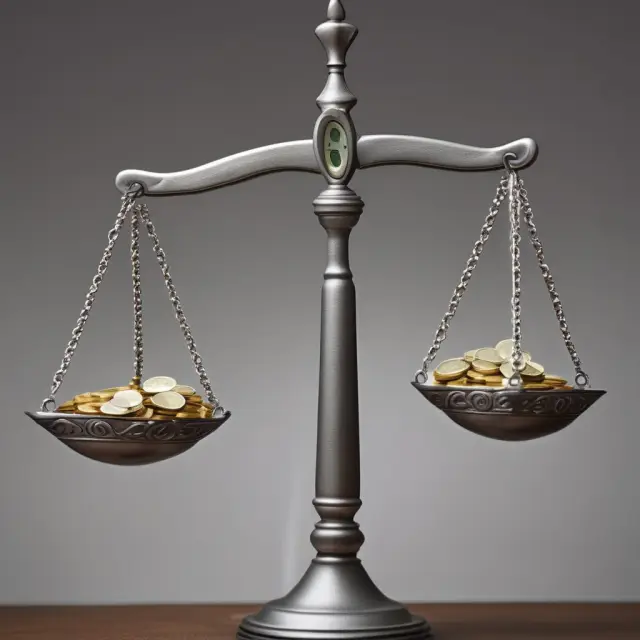
Comparing a Years Certain Annuity to Other Retirement Income Options
When considering retirement income solutions, it’s essential to know that there are various options available beyond fixed-term and life annuities. While a years certain annuity offers financial security through its guaranteed payouts for a predetermined period, other retirement income sources like Social Security benefits or a systematic withdrawal plan (SWP) from a 401(k) may be more suitable for specific scenarios.
Comparing the features and benefits of different retirement income options can help retirees make informed decisions on which one aligns best with their unique financial circumstances, goals, and risk tolerance. In this section, we’ll explore how a years certain annuity stacks up against other popular retirement income choices:
1. Social Security Benefits:
Social Security benefits are a common source of retirement income for many Americans. While these benefits can provide a stable income stream, they may not cover an individual’s entire living expenses and may not keep pace with inflation. One significant difference between Social Security benefits and years certain annuities is the duration of the payments. With Social Security, payments continue as long as the beneficiary lives; however, for years certain annuities, payments are guaranteed only for the predetermined period.
2. Systematic withdrawal plans (SWPs):
Another retirement income option to consider is a systematic withdrawal plan from a tax-deferred account like a 401(k) or an Individual Retirement Account (IRA). With this method, retirees can make regular withdrawals over their entire retirement period based on their chosen distribution rate and account balance. One potential downside of a SWP is that it relies on the performance of the underlying investments, which could result in a reduced income stream during market downturns or when account balances are depleted. On the other hand, years certain annuities offer consistent payments regardless of market conditions.
3. Fixed-term annuities vs. Years Certain Annuities:
Fixed-term annuities and years certain annuities have some similarities, as both types of annuities offer guaranteed income payments for a set period. However, the main difference lies in their term lengths. With fixed-term annuities, payouts are typically issued for terms ranging from one to ten years, while years certain annuities can pay out for longer periods, up to 30 years.
Comparing the various retirement income options can help retirees determine which solution is most suitable for their financial situation and risk profile. By weighing the benefits and drawbacks of each option, individuals can make informed decisions on how best to create a steady stream of retirement income that meets their unique needs. To further assist in this process, comparison charts may be helpful for visually comparing different retirement income options based on factors like flexibility, financial guarantees, risk, and costs.
In the next section, we’ll discuss the benefits of choosing a years certain annuity over other retirement income alternatives.

Examples and Use Cases for Years Certain Annuities
A years certain annuity, also known as a period certain or guaranteed term annuity, offers retirees an attractive retirement income option that can help meet specific financial goals during retirement. This type of annuity provides income for a set number of years, regardless of the annuitant’s life expectancy. Here are some real-life examples and use cases to illustrate how a years certain annuity can be applied:
1. Bridging a Gap Between Retirement and Social Security Benefits
Retirees who plan to delay claiming their full Social Security benefits until age 67 or 70, but need income before that age, might opt for a years certain annuity as a bridge to cover the income gap. For instance, if someone retires at 62 and intends to defer taking Social Security until age 67, they could use a five-year certain annuity to generate steady income until their full Social Security benefits start.
2. Supplementing a Pension or Fixed Income
For retirees living off a pension or another fixed income source, a years certain annuity can provide an additional income stream for a set period. This can help them maintain a more consistent financial situation and meet unexpected expenses without dipping into their savings or other retirement funds. For example, they might choose a ten-year term to supplement their pension during the earlier years of retirement.
3. Generating Income for Heirs
If an individual wants to leave a specific amount of money to heirs upon death, a years certain annuity could be used as a tool in that strategy. For instance, they might purchase an annuity with a 20-year term and assign their beneficiary as the payee after the period ends. This can ensure that their heirs receive a consistent income stream for two decades after their passing, providing additional financial security for the family.
4. Covering Long-Term Care Expenses
A years certain annuity can be an effective tool to help cover long-term care expenses during retirement. By purchasing a long-term care rider with a 5- or 10-year term, retirees can secure a guaranteed income stream for the duration of their long-term care needs. If they do not need long-term care services during the term, the income will still provide a stable retirement income until the end of the period.
In summary, years certain annuities offer various use cases for retirees looking for secure and predictable retirement income streams to cover specific financial needs or bridge gaps between different sources of income. By understanding their unique features and benefits, retirees can make an informed decision about whether a years certain annuity is the best option for them in their retirement plan.

The Role of Insurer Creditworthiness
Investing in a years certain annuity involves a considerable commitment, as they provide guaranteed payments for a predetermined period of time. Given this, it’s crucial to consider the financial strength and creditworthiness of the insurer issuing the annuity. The reason for this focus on insurer creditworthiness is simple: If the insurer does not have the financial resources to make its promised payments, there is a risk that the retiree would be left without their expected income stream. This is especially important with years certain annuities since they offer income for a fixed period of time and do not adjust based on inflation or changes in interest rates.
A strong financial rating from organizations like A.M. Best, Fitch Ratings, Moody’s Investors Service, and Standard & Poor’s is essential to mitigating this risk. These organizations assess insurers’ financial health using a lettered scale, with higher ratings indicating greater financial stability. The most common scales range from A++ (Superior) down to D (Poor). It’s essential that potential annuitants research the creditworthiness of their chosen insurer before finalizing their purchase, as this rating can impact their peace of mind and retirement income security.
When evaluating insurers, it is crucial to look beyond their current financial situation and assess their long-term stability. This involves considering their historical performance, market position, and future growth prospects. It may also be helpful to consult with a trusted financial advisor or insurance professional for guidance on selecting an insurer with a solid financial foundation.
Understanding the role of insurer creditworthiness in a years certain annuity is essential as it helps retirees make informed decisions when choosing this retirement income solution. A financially stable insurer can provide peace of mind that the annuity payments will be made consistently and reliably throughout the chosen period, enabling retirees to plan their expenses during retirement with confidence.

Shopping for a Years Certain Annuity: The Search Process
When considering a years certain annuity as part of your retirement income strategy, it is crucial to shop around and compare offerings from different insurers. This process can help you secure the best rates, benefits, and terms available on the market. Here are some essential factors to consider as you search for the right years certain annuity:
1. Fees and Charges: Shopping around can help you identify providers with competitive fee structures. Watch out for charges such as annual maintenance fees, mortality and expense risk charges, surrender charges, and other possible expenses. Make sure that you understand all associated costs before making a purchase.
2. Riders: Additional riders or optional benefits may be available from different insurers to enhance your years certain annuity. Riders can offer extra security or flexibility, such as cost-of-living adjustments (COLAs) or long-term care coverage. Consider which riders best fit your needs before making a final decision.
3. Surrender Charges: Annuities typically come with surrender charges if you decide to withdraw your money before the contract’s specified term. Be aware of the potential penalties and how they are structured when evaluating different years certain annuity options.
4. Insurer Creditworthiness: A strong financial rating is essential for ensuring steady income payments throughout the period of the annuity. Before purchasing an annuity from any provider, research their creditworthiness using industry-recognized rating agencies such as Moody’s, Standard & Poor’s, or A.M. Best.
5. Flexibility and Liquidity: If you need access to your money before the end of the contract term, be sure to investigate the availability and terms for partial withdrawals, income suspensions, or other options that may help address unexpected financial needs.
6. Customer Service: Excellent customer service is essential when dealing with annuities, as they are long-term commitments. Research different providers’ reputations for customer satisfaction through consumer advocacy organizations, online reviews, and industry reports to ensure a positive experience.
7. Compare Features: Make use of comparison tools, calculators, or consulting a financial advisor to compare the features of multiple years certain annuities from various insurers side by side. This will help you evaluate each option’s benefits, costs, and suitability for your retirement goals. Remember, every investor is unique, so it is crucial to consider your personal situation when choosing an annuity.
By carefully considering these factors and comparing offerings from multiple providers, you can secure the best possible terms, fees, riders, and features for your years certain annuity. This process will help ensure that your retirement income strategy remains on track and provides the security and flexibility you need to enjoy a comfortable and fulfilling retirement.

FAQs About Years Certain Annuities
What makes a years certain annuity different from other types of annuities? A years certain annuity sets apart from other annuity products due to its fixed term payments, which last for a predetermined number of years. Regardless of the length of the annuitant’s life, the income provided by a years certain annuity continues until that period ends.
How long can the payment term be? The payment term for a years certain annuity ranges from 5 to 30 years.
Can I choose a beneficiary for a years certain annuity? Yes, you may designate a beneficiary who will receive payments if you pass away before the annuity term ends.
Is there an age limit on purchasing a years certain annuity? There is generally no specific age requirement to buy a years certain annuity; however, most insurers require that buyers be at least 18 or 21 years old.
What if I die during the payment term of my years certain annuity? If you pass away before the annuity’s term ends, your beneficiary will continue to receive payments until the end of the term.
Can a years certain annuity replace Social Security benefits? A years certain annuity can supplement retirement income, but it is not recommended as the sole source of retirement income for someone who may outlive the payment period.
What factors should I consider when choosing a years certain annuity? When shopping for a years certain annuity, it’s essential to compare providers and their fees, riders, and surrender charges. Insurer creditworthiness is also an important consideration as it determines the financial stability of the company issuing the annuity.
What are some common use cases for a years certain annuity? A years certain annuity can be used to generate income during a short gap between retirement and another income source or bridge the income gap before claiming Social Security benefits.
In conclusion, a years certain annuity is an attractive alternative for retirees seeking stable income for a fixed term of years. By understanding the key features and benefits, you’re better equipped to evaluate if this income stream fits your retirement goals and risk tolerance.
 Next entry · No. 5,852Maximizing Retiree Income: Understanding Canada’s Year’s Maximum Pensionable Earnings (YMPE)
See also
-
 No. 178
07 Apr 2024
21 min
Understanding Annuitization: The Process of Converting an Annuity Investment into Income Payments
Retirement
No. 178
07 Apr 2024
21 min
Understanding Annuitization: The Process of Converting an Annuity Investment into Income Payments
Retirement -
 No. 4,694
09 Jul 2025
20 min
Understanding Social Security: Retirement, Disability, and Survivor Benefits
Personal Finance
No. 4,694
09 Jul 2025
20 min
Understanding Social Security: Retirement, Disability, and Survivor Benefits
Personal Finance -
 No. 180
07 Apr 2024
22 min
Annuities 101: Understanding Your Retirement Income Options
Insurance
No. 180
07 Apr 2024
22 min
Annuities 101: Understanding Your Retirement Income Options
Insurance -
 No. 5,969
03 Oct 2026
19 min
Should I Do a Roth Conversion in 2026? How Much to Convert
Retirement
No. 5,969
03 Oct 2026
19 min
Should I Do a Roth Conversion in 2026? How Much to Convert
Retirement -
 No. 5,950
17 Sep 2026
17 min
Thrift Savings Plan: How Much to Contribute, Which Fund, and Whether to Roll It Out
Retirement
No. 5,950
17 Sep 2026
17 min
Thrift Savings Plan: How Much to Contribute, Which Fund, and Whether to Roll It Out
Retirement -
 No. 5,944
14 Sep 2026
18 min
When to Claim Social Security: Break-Even at 62, 67 and 70
Retirement
No. 5,944
14 Sep 2026
18 min
When to Claim Social Security: Break-Even at 62, 67 and 70
Retirement