Understanding Yen ETFs: Accessing the Japanese Currency through Exchange-Traded Funds

Understanding the role and benefits of Yen ETFs in accessing Japan's currency and potential investment opportunities
Introduction to Yen ETFs
Understanding the Japanese yen and its role in foreign exchange markets is an essential skill for investors aiming to diversify their portfolios or hedge against economic uncertainties. A yen Exchange-Traded Fund (ETF) offers a convenient solution, enabling investors to gain exposure to the Japanese currency without the need for forex accounts or extensive knowledge of international trading regulations.
A Yen ETF is an investment vehicle that tracks the value of the Japanese yen against a single currency or a basket of currencies. This is accomplished through investments in futures contracts, debt securities, money market funds, and cash deposits, all primarily held in yen. Some yen ETFs generate income for investors by matching the current income earned on the yen assets with a dividend yield. Others use that income to cover the expenses of managing the ETF.
In recent years, yen ETFs have gained popularity as they offer several advantages, such as easy access to the forex market and the opportunity for investors to hedge against major economic events or diversify their portfolios. As the third-most widely traded currency globally, the Japanese yen is an attractive asset class due to its reputation as a safe haven during times of geopolitical instability.
Section to be written:
How Do Yen ETFs Work?
The process of buying and selling foreign currencies used to be a complicated endeavor reserved for experienced traders with expert knowledge. However, the introduction of yen ETFs has democratized forex trading by making it more accessible to everyday investors. By investing in a yen ETF, you gain exposure to the Japanese currency’s performance without the need for a forex account or extensive understanding of international trading regulations.
A yen ETF functions similarly to other ETFs in that it is designed to track the performance of a specific index or asset class—in this case, the Japanese yen relative to a single currency or a basket of currencies. Yen ETFs trade on stock exchanges and are priced according to their net asset value (NAV), which represents the value of the assets held by the fund divided by the number of outstanding shares.
The portfolios of yen ETFs typically consist of a combination of yen-denominated futures contracts, debt securities, money market funds, and cash deposits. These investments generate income for investors through the performance of the yen against other currencies as well as interest earned on securities in the portfolio. Some yen ETFs distribute this income to shareholders through a dividend yield, while others use it to cover fund expenses.
It is important to note that yen ETFs are not actual currency but rather shares representing an investment in the underlying assets that track the value of the Japanese yen. As a result, when you buy a yen ETF, you’re essentially purchasing shares that correspond to the value of the Japanese currency at a given time, not the currency itself. This also means that the price of a yen ETF is influenced by various factors, including the exchange rate between the Japanese yen and the benchmark currency (USD, euro, etc.) and the performance of the underlying assets.
Investing in a yen ETF offers several benefits. By tracking the value of the Japanese yen against a single currency or basket of currencies, investors can easily gain exposure to this significant global currency without the need for forex accounts or extensive trading knowledge. Additionally, yen ETFs provide opportunities for diversification and hedging against macroeconomic events or market downturns.
Furthermore, the Japanese yen is often considered a safe haven currency due to its role as the world’s third-most widely traded currency. During times of geopolitical instability, investors tend to seek out the relative stability of the yen, driving up demand and increasing its value. As a result, investing in a yen ETF can potentially serve as a hedge against market volatility or economic uncertainty.
Overall, yen ETFs offer a convenient and accessible way for investors to gain exposure to the Japanese currency and benefit from its reputation as a safe haven asset. In the next sections, we will explore the advantages and disadvantages of investing in yen ETFs and discuss some popular options available to investors.

How Do Yen ETFs Work?
A Yen ETF is a financial investment tool designed to provide investors with exposure and access to the Japanese yen in the foreign exchange market. It does this by tracking the performance of Japan’s currency against a single currency or a basket of other currencies. Yen ETFs work by investing primarily in yen-denominated assets like short-term debt instruments, bonds, money market funds, and cash deposits.
To understand how yen ETFs work, it’s important to first grasp the concept of exchange-traded funds (ETFs). Traditionally, buying and selling foreign currencies involved opening a forex account, which was a complex process reserved for experienced traders. However, ETFs have transformed this landscape, making the forex market more accessible to individual investors.
Just like regular ETFs that aim to replicate the performance of an index, yen ETFs are pre-packaged investments that follow specific currencies in real-time during trading hours. These vehicles offer several advantages for traders, including ease of access, diversification opportunities, hedging capabilities, and potential arbitrage benefits.
Yen ETFs primarily employ the following strategies:
- Holding yen-denominated futures contracts, debt securities, money market funds, and cash deposits
- Matching current income earned on the yen assets with a dividend yield
- Using the income generated to pay the expenses of managing the ETF or reinvesting it back into the fund for growth
- Offering 2x long or short exposure to USD/JPY movements through leveraged yen ETFs
Some of the most popular yen ETFs in the United States include Invesco CurrencyShares Japanese Yen Trust (FXY), ProShares Ultra Yen ETF (YCL), and ProShares UltraShort Yen ETF (YCS). These funds provide investors with varying degrees of exposure to Japan’s currency depending on their investment objectives, risk tolerance, and return expectations.
Before investing in yen ETFs, it’s crucial to monitor major economic indicators like interest rates, inflation, trade balances, employment figures, and central bank meetings that can impact the value of these investments. Understanding the underlying fundamentals of the Japanese economy and keeping an eye on geopolitical events and market conditions are essential for making informed investment decisions.
In summary, yen ETFs represent a valuable tool for investors looking to gain exposure to Japan’s currency while benefiting from diversification opportunities and potential hedging capabilities. By following the strategies outlined above, you can make informed decisions when investing in this exciting asset class.
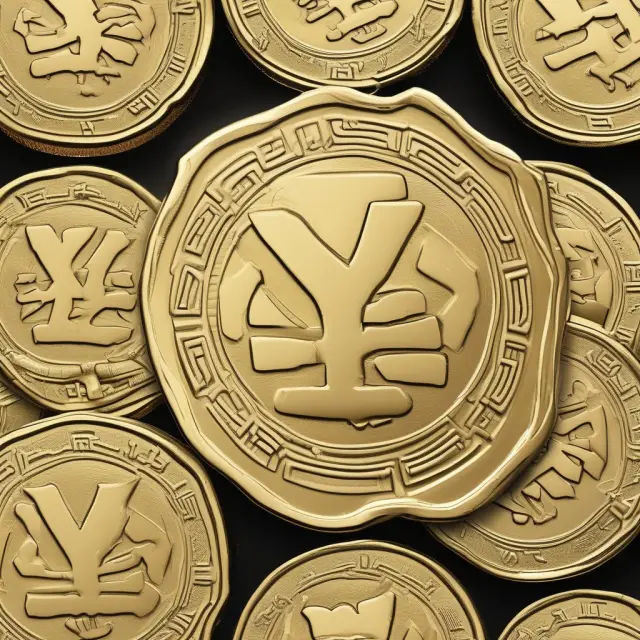
Benefits of Investing in Yen ETFs
Investors have long been drawn to yen ETFs due to their diverse advantages. These include protecting against a decline in the home currency, diversification, and Japan’s status as the world’s largest creditor nation. Additionally, the yen has earned a reputation as a safe haven currency.
First, investors can use yen ETFs as a hedge against their own currency’s potential depreciation. For instance, if an investor is worried about the value of their domestic currency decreasing, they might consider investing in a yen ETF to offset that risk. Given Japan’s significant influence within the global economy, the yen is the third most widely traded currency globally, just behind the U.S. dollar and the euro. It is also the most widely traded currency in Asia.
Second, yen ETFs provide an opportunity for diversification. The yen frequently trades inversely to other major currencies, allowing investors to spread their risk across various currency investments. This can be especially beneficial during uncertain economic conditions. Japan’s strong position as a creditor nation further solidifies its appeal, making it attractive for foreigners seeking to invest in a stable and reliable asset.
Moreover, the yen’s reputation as a safe haven is grounded in its role as an international reserve currency and its popularity among traders for its perceived stability during periods of market stress or geopolitical unrest. A belief exists that investors from Japan tend to repatriate their foreign holdings and seek shelter in the yen when facing hardship, resulting in demand for the currency and a subsequent increase in its value.
However, it is important to be aware that investing in yen ETFs, as with any investment, comes with risks. Macroeconomic events can impact currency values worldwide, including Japan’s economy. Unforeseen natural disasters or geopolitical instability can also significantly influence the value of the yen. Furthermore, some analysts have questioned the yen’s safe-haven status due to factors like Japan’s persistent trade deficits and its limited options for deploying capital domestically. Additionally, the popularity of the yen as a carry trade has waned with low-interest rates becoming commonplace among major economies.
As an investor, it is crucial to understand these risks and stay informed about current economic data and trends affecting Japan’s economy. Keep track of factors like inflation, interest rates, GDP, retail sales, industrial production, employment figures, and the Tankan survey. This knowledge will help you make informed decisions and capitalize on opportunities when investing in yen ETFs.

Disadvantages and Risks of Yen ETFs
Investing in a yen ETF may come with certain disadvantages and risks. Understanding these factors is crucial before making an investment decision.
Macroeconomic Risks
One significant risk associated with yen ETFs arises from macroeconomic events and their potential impact on the Japanese economy and the value of the yen. These events include:
- Political instability: This can create uncertainty, leading to increased demand for safe-haven assets like gold or the yen, potentially driving up their values. Conversely, political stability can negatively affect demand for these assets.
- Geopolitical tensions: Tensions between countries may increase demand for safe-havens and lead to fluctuations in currency markets. For instance, a conflict between two major economies could drive investors to seek the perceived safety of the yen.
- Inflation: High inflation can impact the purchasing power of an investor’s savings or income. When inflation is high, the value of the yen may decrease, negatively affecting returns on yen ETF investments.
- Interest rates: A rise in interest rates in Japan could make yen deposits more attractive compared to other investment options, potentially increasing demand for the yen and boosting its value against other currencies. However, if interest rates decrease, the opposite effect can occur.
- Economic data releases: Data on gross domestic product (GDP), employment figures, industrial production, trade balances, and retail sales, among others, can significantly impact currency markets. A strong economy may boost a country’s currency, while weak economic data could negatively affect it.
Natural Disasters
Unpredictable natural disasters can have a major impact on the value of the yen. For instance, the Fukushima disaster in 2011 caused a surge in demand for safe-haven assets like the yen due to concerns over the potential consequences of the nuclear accident. The increased demand led to a substantial increase in the value of the yen.
Safe Haven Reputation
The questionable safe-haven status of the yen is another risk factor for investors. While the yen has historically been viewed as a safe haven currency, some analysts argue that it no longer holds this distinction due to factors such as Japan’s trade deficits, local asset managers buying higher-yielding foreign assets, and Japanese companies running out of decent options to deploy capital at home. This uncertainty could make the yen less attractive for investors seeking safe haven assets during times of market turmoil.
Lost Luster as a Carry Trade
The yen’s lost luster as a popular carry trade also poses a risk for investors. A carry trade involves borrowing money in a low-interest currency to invest in a high-interest one, with the difference between the interest rates acting as profit. With the growing prevalence of low-interest rates among major economies, the yen may no longer be an attractive option for this strategy, potentially affecting demand for yen ETFs.
In conclusion, while yen ETFs offer investors easy access to the Japanese currency and potential diversification benefits, they also come with their own set of disadvantages and risks, including macroeconomic events, natural disasters, safe-haven reputation uncertainty, and lost luster as a carry trade. Careful consideration and analysis are necessary before investing in yen ETFs to minimize the impact of these factors on returns.

Popular Yen ETFs for Investors
The world of exchange-traded funds (ETFs) has evolved considerably, and yen ETFs have emerged as a powerful tool for investors seeking to access the Japanese currency without engaging in the complexities of forex trading. In this section, we will introduce you to three popular yen ETFs: Invesco CurrencyShares Japanese Yen Trust (FXY), ProShares Ultra Yen ETF (YCL), and ProShares UltraShort Yen ETF (YCS).
Invesco CurrencyShares Japanese Yen Trust (FXY) is the most widely known yen ETF in the United States market. Launched in 2007, FXY holds physical yen deposited with JPMorgan Chase Bank in the U.S., making it an ideal option for those looking to mirror the price and performance of the Japanese yen against the U.S. dollar (USD). With $144.6 million in assets under management as of June 30, 2022, FXY is a go-to choice for investors seeking a straightforward play on the value of Japan’s currency.
ProShares offers two additional yen ETFs: ProShares Ultra Yen ETF (YCL) and ProShares UltraShort Yen ETF (YCS). While FXY focuses on replicating the price movement between the yen and the USD, YCL provides investors with 2x long exposure to the yen’s performance against the USD, effectively amplifying returns. In contrast, YCS offers 2x inverse exposure, allowing investors to short the yen relative to the U.S. dollar. These leverage-focused ETFs can be valuable tools for investors seeking to profit from significant price movements in the Japanese currency or hedge their existing positions.
Investors should consider a range of factors when selecting a yen ETF that suits their investment objectives and risk tolerance. Some aspects to consider include:
- Familiarity with leverage: For those new to leveraged products, it’s essential to understand the risks associated with YCL and YCS before investing.
- Diversification strategy: Investors seeking a more balanced approach may prefer the straightforward, non-leveraged exposure offered by FXY.
- Market conditions: Awareness of current market conditions and potential future developments that could impact the yen’s value can help guide investment decisions.
- Personal investment objectives: Depending on your goals, you might prefer YCL for amplified returns or YCS to short the yen if you anticipate a decline in its value against the U.S. dollar.
- Risk tolerance: Consider your willingness and capacity to absorb potential losses when choosing among these yen ETFs.
- Long-term outlook on Japanese economy: Given that economic conditions in Japan can significantly impact the yen’s value, staying informed about the country’s economic trends and policy developments can help inform investment decisions.
In summary, yen ETFs like Invesco CurrencyShares Japanese Yen Trust (FXY), ProShares Ultra Yen ETF (YCL), and ProShares UltraShort Yen ETF (YCS) provide investors with convenient access to Japan’s currency. Understanding the specific features, risks, and benefits of each option can help you make informed decisions when building a well-diversified portfolio in an ever-changing market landscape.

Investing in the Nikkei Index through Yen ETFs
Accessing Japan’s equity market through exchange-traded funds is a popular choice among investors due to their ease of use and accessibility. However, there are situations where an investor might wish to gain exposure to the Japanese yen rather than the Nikkei 225 Index or its constituents. Enter Yen ETFs – financial instruments that enable investors to trade the Japanese currency against a single currency or a basket of currencies. This section will explain how you can use Yen ETFs as a tool for investing in the Nikkei Index indirectly.
Yen ETFs and the Nikkei 225 Connection
When it comes to understanding the relationship between yen ETFs and Japan’s primary equity index, there are several key points to consider:
- The Japanese stock market influences currency movements: A strong performance of the Nikkei Index can lead to increased demand for the yen as foreign investors might require more yen to buy stocks in Japan.
- Safe-haven status: In times of economic uncertainty, investors often turn to the yen, making it a safe haven currency. This situation could potentially lead to an increase in the price of Yen ETFs.
- Hedging: Investors using leverage might hedge their positions in the Nikkei 225 Index by investing in yen ETFs to protect against potential losses in the equity market.
- Diversification: By including yen ETFs in your portfolio, you can diversify and potentially reduce overall risk.
Popular Yen ETFs for Accessing the Nikkei Indirectly
When considering investing in Yen ETFs to gain indirect exposure to the Nikkei 225 Index, several options are available:
- Invesco CurrencyShares Japanese Yen Trust (FXY) – This is a popular choice for investors seeking pure yen exposure with a low expense ratio of 0.4%.
- ProShares UltraPro Dow Jones-AIG Japan Total Stock Market ETF (DJP): Although not exclusively a yen ETF, this fund uses futures contracts to gain total return exposure to the Dow Jones-AIG Japan Total Stock Market Index. It can be used as an alternative indirect approach to the Nikkei 225 through its correlation with the Japanese stock market.
- WisdomTree Japan Hedged Equity ETF (DXJ): While not strictly a yen ETF, this fund invests in Japanese equities and hedges currency risk through inverse currency exposure, making it an attractive option for investors seeking a hedged equity strategy while indirectly accessing the Nikkei Index.
- CurrencyShares Japanese Yen Trust (FXY) + Nikkei 225 ETF: Combining FXY with a Nikkei 225 ETF such as iShares MSCI Japan ETF (EWJ) could provide a more direct approach to gaining exposure to both the yen and the Nikkei Index.
In conclusion, Yen ETFs can serve as a powerful tool for investors seeking indirect exposure to Japan’s equity market, specifically the Nikkei 225 Index. By understanding how these financial instruments behave in relation to the Japanese stock market, you can make informed decisions about which Yen ETF to use and how it fits within your investment strategy.

Japanese Yen as a Safe Haven Currency: A Historical Perspective
The Japanese yen is renowned as a safe haven currency, a reputation that has been earned through various historical events. The reasons behind the yen’s status as a safe haven currency can be traced back to Japan’s economic development and political stability.
Historically, the yen was considered a reliable store of value during times of global turmoil or heightened geopolitical risk. For instance, during the Asian Financial Crisis in 1997 and the Global Financial Crisis in 2008, investors flocked to the Japanese currency as a safe bet, leading to its appreciation against other currencies. This trend continued even during the European debt crisis and more recently, the ongoing trade war between the United States and China.
One factor contributing to the yen’s safe haven status is Japan’s economic development. As the world’s third-largest economy, Japan has a significant influence on global financial markets. Additionally, Japanese investors are known for their conservative investment strategies and risk aversion, further bolstering demand for the yen during times of uncertainty.
Furthermore, Japan is the world’s largest creditor nation, with an estimated $1.3 trillion in foreign exchange reserves as of 2021 (World Bank data). These vast reserves serve as a significant source of liquidity and stability for the yen during periods of market volatility or economic instability.
The yen’s reputation as a safe haven currency is also influenced by Japan’s political stability. Despite occasional challenges, Japan has maintained a stable democratic government, a strong legal system, and a commitment to fiscal discipline. These factors contribute to the perception that investing in Japanese assets, including the yen, carries a lower risk compared to other emerging markets or politically uncertain regions.
Moreover, during times of crisis, Japanese investors have been observed to repatriate their foreign holdings, increasing demand for the yen and further driving up its value. For instance, during the Fukushima disaster in 2011, the yen appreciated significantly as investors sought to reduce risk by moving funds back into Japan.
The carry trade is another factor that has historically supported the yen’s safe haven status. The carry trade involves borrowing a low-yielding currency, such as the Japanese yen, and investing in higher-yielding assets or currencies. This strategy can generate attractive returns when interest rates remain stable. However, during periods of instability or sudden rate changes, investors may rush to repay their loans, which can lead to a surge in demand for the yen and its appreciation against other currencies.
In conclusion, the Japanese yen’s reputation as a safe haven currency is based on several factors, including Japan’s economic development, political stability, vast foreign exchange reserves, and the carry trade phenomenon. Understanding this historical context can help investors make informed decisions when investing in yen ETFs or other Japanese assets.

How to Choose the Right Yen ETF for Your Portfolio?
Investing in a yen ETF can be an appealing option for those seeking to diversify their portfolio, hedge against currency risk, or benefit from the historical safe-haven status of the Japanese currency. With multiple yen ETFs available, it is crucial to understand your investment objectives, risk tolerance, and return expectations before selecting one that best fits your needs.
1. Investment Objectives: Determine whether you are looking for long or short exposure to the yen and if your primary goal is diversification, hedging, or capital appreciation.
2. Risk Tolerance: Consider your risk tolerance and be aware that currency ETFs come with their inherent risks. Factors such as geopolitical events, natural disasters, central bank policies, and inflation can significantly impact the value of yen ETFs.
3. Return Expectations: Evaluate potential returns based on your investment horizon, risk tolerance, and the volatility of the underlying currency market. Remember that leveraged yen ETFs offer amplified returns but also carry higher risks.
4. Factors Affecting Yen ETF Performance: Keep abreast of major economic data, interest rates, and geopolitical developments impacting Japan and the global economy to make informed decisions on your investment in a yen ETF.
5. Popular Yen ETFs: Review the most common yen ETFs like Invesco CurrencyShares Japanese Yen Trust (FXY), ProShares Ultra Yen ETF (YCL), and ProShares UltraShort Yen ETF (YCS). Understand their investment strategies, fees, and risks before making a commitment.
6. Other Considerations: Familiarize yourself with the historical performance of yen ETFs and consider factors like trading volume, liquidity, and dividend yields when choosing an appropriate yen ETF for your portfolio.
7. Long-Term Perspective: Adopt a long-term perspective to minimize the impact of short-term market fluctuations on your investment decisions. Stay informed about macroeconomic trends and the underlying factors influencing the value of yen ETFs to make strategic, well-informed investment choices.

Factors to Consider Before Investing in Yen ETFs
Before deciding to invest in yen ETFs, it is essential to consider several factors that can significantly impact their performance. These factors include macroeconomic data, geopolitical events, interest rates, and inflation.
1) Macroeconomic Data: Keep an eye on all major economic data releases concerning Japan and the global economy, as they can influence the value of yen ETFs. Economic indicators like Gross Domestic Product (GDP), retail sales, industrial production, employment figures, and inflation rates are crucial factors to consider when investing in these funds.
2) Geopolitical Events: Stay updated on international developments and geopolitical events that may affect the yen’s value. These include war or conflict situations, trade disputes, and central bank decisions, which can cause market volatility and potential changes in currency values.
3) Interest Rates: The interest rates set by the Bank of Japan (BOJ) significantly impact the value of the yen. Lower interest rates make it cheaper for investors to borrow in yen, making the currency an attractive carry trade option for investors seeking higher returns from other currencies with higher interest rates. In contrast, higher interest rates in Japan would increase the opportunity cost of holding the yen and decrease demand for the currency, potentially leading to lower values.
4) Inflation: The rate of inflation in Japan is another critical factor to consider when investing in yen ETFs. Low inflation rates can make the Japanese yen a popular safe haven currency, as investors tend to seek the stability offered by currencies with low inflation during uncertain economic times. Conversely, high inflation rates may result in investors selling off their yen holdings, leading to potential declines in the value of these ETFs.
5) Currency Correlations: Understanding the correlation between the yen and other major currencies is essential when investing in yen ETFs. For instance, the yen’s value tends to move inversely with the U.S. dollar. This means that if the U.S. dollar weakens against other currencies, the Japanese yen typically strengthens, and vice versa.
6) Central Bank Policies: The monetary policies of central banks like the BOJ can significantly affect the value of the yen. For example, when the BOJ decides to increase or decrease its quantitative easing measures, it can impact the demand for the yen and subsequently influence the price of yen ETFs.
In conclusion, investing in yen ETFs requires thorough knowledge of macroeconomic data, geopolitical events, interest rates, inflation, currency correlations, and central bank policies to maximize potential returns while minimizing risks. By keeping these factors in mind, investors can make informed decisions when investing in this type of investment vehicle.

FAQ: Frequently Asked Questions About Yen ETFs
What Is a Yen ETF?
Yen ETFs are investment vehicles that track the performance of the Japanese yen against a single currency or a basket of currencies by investing primarily in yen-backed assets, such as futures contracts, debt securities, money market funds, and cash deposits. These funds give investors exposure to Japan’s currency without the need for forex accounts and offer benefits like diversification, hedging opportunities, and safe haven status during geopolitical uncertainty.
How Do Yen ETFs Work?
Yen ETFs provide investors with access to the yen market by investing in futures contracts, debt securities, money market funds, and cash deposits primarily held in yen. As these funds track the performance of Japan’s currency against other currencies or a basket, their prices fluctuate throughout the trading day, making it easier for investors to trade currencies during regular hours.
What Are Some Popular Yen ETFs?
Three popular yen ETFs are Invesco CurrencyShares Japanese Yen Trust (FXY), ProShares Ultra Yen ETF (YCL), and ProShares UltraShort Yen ETF (YCS). FXY is the most common option, seeking to mirror the price and performance of the yen against the US dollar. YCL provides 2x long exposure and YCS offers 2x inverse exposure to the yen.
How Do I Invest in the Nikkei Index with a Yen ETF?
Although there is no direct yen ETF for investing in Japan’s primary equity index, the Nikkei 225, investors can gain exposure through other methods such as investing in ETFs like iShares MSCI Japan ETF (EWJ), JPMorgan BetaBuilders Japan ETF (BBJP), or using yen to invest in these funds.
How Should I Choose the Right Yen ETF for My Portfolio?
Factors such as investment objectives, risk tolerance, and return expectations should be considered when selecting a yen ETF. It’s essential to understand your investment goals and the potential risks involved before making a decision.
What Are Some Important Considerations Before Investing in Yen ETFs?
Prior to investing in yen ETFs, consider macroeconomic data like interest rates, inflation, GDP, trade balances, employment figures, and political stability of the countries involved as well as major economic events that may impact your investment. Stay informed about these factors to make more informed decisions and minimize potential risks.
 Next entry · No. 5,856Understanding Yield on Earning Assets: An Essential Solvency Ratio for Financial Institutions
See also
-
 No. 2,640
23 Jan 2025
23 min
Understanding the Japanese Yen: History, Trading, and Safe Haven Currency Status
Finance Policy
No. 2,640
23 Jan 2025
23 min
Understanding the Japanese Yen: History, Trading, and Safe Haven Currency Status
Finance Policy -
 No. 4,755
14 Jul 2025
20 min
Stock Exchange-Traded Funds (ETFs): Your Key to Diversification and Cost-Effective Investing
Investments
No. 4,755
14 Jul 2025
20 min
Stock Exchange-Traded Funds (ETFs): Your Key to Diversification and Cost-Effective Investing
Investments -
 No. 4,723
11 Jul 2025
19 min
Understanding the Role and Calculation of Spot Rates in Finance and Investment
Business Finance
No. 4,723
11 Jul 2025
19 min
Understanding the Role and Calculation of Spot Rates in Finance and Investment
Business Finance -
 No. 4,182
28 May 2025
22 min
A Comprehensive Guide to Understanding and Investing in QQQ: The Invesco QQQ Trust Exchange-Traded Fund
Business Finance
No. 4,182
28 May 2025
22 min
A Comprehensive Guide to Understanding and Investing in QQQ: The Invesco QQQ Trust Exchange-Traded Fund
Business Finance -
 No. 1,706
25 Oct 2024
25 min
Understanding Different Types of Funds: An In-depth Guide for Institutional Investors
Business Finance
No. 1,706
25 Oct 2024
25 min
Understanding Different Types of Funds: An In-depth Guide for Institutional Investors
Business Finance -
 No. 5,859
13 Oct 2025
20 min
Understanding Yield: A Comprehensive Guide for Institutional Investors
Finance Policy
No. 5,859
13 Oct 2025
20 min
Understanding Yield: A Comprehensive Guide for Institutional Investors
Finance Policy