Understanding Yield Variance and Its Impact on Manufacturing Operations

Explore the concept of yield variance and its effects on manufacturing operations through calculations, examples, causes, strategies for improvement, and FAQs.
Introduction to Yield Variance
Yield variance, also known as efficiency variance, is an essential measure of performance in manufacturing industries that assesses the difference between the actual yield and expected or standard yield from a production process. It provides valuable insights into operational efficiencies and identifies areas for improvement. In simple terms, yield variance determines whether the actual output deviates from the planned output based on standard inputs, such as labor hours or raw materials. An unfavorable yield variance indicates that the actual production result is lower than anticipated, meaning that more resources were used to produce fewer outputs. Conversely, a favorable yield variance implies that the actual yield is higher than expected.
Understanding yield variance is crucial for manufacturing organizations as it helps them evaluate their performance in terms of resource utilization and production efficiency. By calculating and analyzing yield variance, companies can identify potential causes of inefficiencies and work on correcting any discrepancies to boost productivity and profitability. In this section, we will explore the concept of yield variance, including its calculation, implications, and various components.
Calculation of Yield Variance
The formula for calculating yield variance is straightforward: Actual Yield – Standard Yield * Standard Unit Cost. The actual yield represents the actual output achieved in a production run, while the standard yield indicates the expected or targeted output based on standard inputs such as labor hours and raw materials. The standard unit cost denotes the cost per unit of producing the standard output.
Yield Variance = (Actual Yield – Standard Yield) * Standard Unit Cost
By calculating yield variance, manufacturers gain a better understanding of their production efficiency levels and can identify discrepancies between the planned and actual outputs. The magnitude of yield variance will determine whether the production process is operating below or above par, allowing companies to take corrective actions when necessary.
The Importance and Implications of Yield Variance in Manufacturing Industries
Yield variance plays a significant role in manufacturing industries by providing insights into operational efficiencies, resource utilization, and overall performance. The implications of yield variance extend beyond just measuring the difference between actual and expected outputs; it also highlights various aspects of production processes that need improvement, such as labor productivity, raw material usage, and equipment effectiveness. By analyzing yield variance, companies can:
- Identify causes of inefficiencies and address underlying issues to improve overall performance and productivity.
- Monitor process stability and consistency by regularly measuring yield variance to ensure that production processes remain efficient and effective.
- Set performance targets and benchmarks for ongoing improvement initiatives, enabling continuous optimization of manufacturing operations.
In the following sections, we will further examine yield variance’s components, causes, and strategies for minimizing its impact on manufacturing organizations. Stay tuned!

Calculating Yield Variance
Yield variance is a significant financial and operational metric in manufacturing industries, representing the difference between actual output and standard output based on standard inputs of materials and labor (Brealey & Myers, 2017). Calculating yield variance can provide valuable insights into the efficiency and effectiveness of manufacturing processes. In this section, we will discuss how to calculate yield variance and interpret its results.
Formula for Yield Variance
Yield variance is calculated by determining the actual yield and comparing it against the standard yield, both multiplied by the standard unit cost:
Yield Variance = (Standard Yield – Actual Yield) x Standard Unit Cost
Where:
– Standard Yield: The expected or planned output based on standard inputs
– Actual Yield: The actual output achieved in the production process
– Standard Unit Cost: The cost of producing one unit of output
Positive yield variance indicates that the actual output exceeds the standard yield, while negative yield variance implies that the actual output falls short of the expected yield.
Interpreting Yield Variance Results
Understanding yield variance results can help manufacturers identify potential areas for improvement in their processes. For instance, if the yield variance is unfavorable or negative, it may indicate inefficiencies within the production process that could be addressed to improve overall output and reduce costs.
Moreover, yield variance analysis allows organizations to evaluate whether they are generating the expected quantity of products using standard inputs. By examining unfavorable yield variances, manufacturers can determine if there is a need for adjustments in their operations, such as reallocating resources or improving production processes to optimize output and reduce waste.
In some cases, it’s important to consider external factors that may impact yield variance calculations, such as changes in raw material prices or fluctuations in market conditions, which might distort the results (Brealey & Myers, 2017).
Yield Variance vs. Mix Variance
While yield variance measures the difference in output, mix variance represents the difference in overall material usage or inputs due to varying product mixes or different input combinations (Horngren et al., 2018). It’s essential to understand that these two concepts differ and provide distinct insights into production processes.
Stay tuned for more sections where we dive deeper into yield variance, exploring its components, causes, case studies, and strategies for minimizing unfavorable yield variances to improve operational efficiency and profitability.

Implications of Yield Variance
Understanding yield variance and its calculation offers valuable insights into manufacturing operations, efficiency, and profitability. Unfavorable yield variance – when actual output falls below the expected or standard yield – can lead to inefficiencies that may impact a company’s bottom line negatively. Conversely, favorable yield variance – when actual output exceeds the standard yield – indicates superior performance and potentially cost savings for the organization.
The implications of yield variance stretch beyond just the manufacturing floor. Yield variance can provide vital information to various stakeholders within an organization, including production management, purchasing, finance, and top-level executives. By closely examining yield variance data, these individuals can identify areas for improvement in their respective functions and collaborate on strategies to enhance overall performance.
One significant implication of yield variance is the potential impact on operational efficiency. For instance, a high unfavorable yield variance may signal issues within a manufacturing process that could benefit from further investigation. This could include suboptimal labor productivity, mismanagement of raw materials, or equipment inefficiencies. Identifying and addressing these underlying causes can lead to increased efficiency, which translates into cost savings and improved overall performance.
Another implication of yield variance is the effect on profitability. Unfavorable yield variance can contribute to decreased profits due to wasted resources, including raw materials, labor hours, or energy consumption. By focusing on strategies to minimize unfavorable yield variance, manufacturers can boost their profitability and remain competitive in their respective industries.
Additionally, yield variance plays a role in cost management, as it reveals discrepancies between actual and expected production costs. For example, high unfavorable yield variance may necessitate renegotiating contracts with suppliers for better pricing on raw materials or reassessing labor force allocation to optimize productivity and reduce labor costs.
When managing yield variance, it’s essential to understand that it is just one component of overall production performance analysis. To achieve a more complete understanding of manufacturing operations, it is vital to consider yield variance alongside other key performance indicators (KPIs), such as capacity utilization, cycle time, and inventory turnover. This holistic approach enables organizations to identify synergies between various aspects of their manufacturing process and develop comprehensive improvement strategies that benefit the entire organization.
In conclusion, yield variance is a critical metric for understanding manufacturing operations, efficiency, and profitability. By examining yield variance closely, businesses can uncover insights into their production processes, identify areas for improvement, and make data-driven decisions to enhance overall performance and optimize costs.

Yield Variance vs. Mix Variance
While yield variance and mix variance are related concepts, they serve distinct purposes in the context of manufacturing operations. Yield variance represents the difference between actual output and expected or standard output, whereas mix variance refers to variations in material usage caused by the use of different materials or product mixes. Let’s delve deeper into these two performance indicators.
Yield Variance: The Difference Between Actual and Expected Output
To begin with, yield variance is a measure of difference between actual and standard output within a manufacturing process. This variance can be unfavorable when the actual yield falls short of the expected yield or favorable when the actual yield exceeds the standard yield. In other words, yield variance answers the question: “Is my production process generating the intended level of output?”
To calculate yield variance, use the following formula:
Yield Variance = Standard Yield * (Actual Output / Standard Output) – Actual Output
Replace ‘Standard Yield’ with the standard quantity of a product produced per unit of input and ‘Actual Output’ with the actual output obtained in real production. This calculation is typically expressed in dollars to determine its financial impact on the organization. A negative yield variance signifies that actual output was lower than expected, while a positive yield variance indicates that the actual output was higher than anticipated.
Mix Variance: The Impact of Product Mix and Material Usage on Output
On the other hand, mix variance refers to fluctuations in material usage due to using various materials or product mixes in manufacturing. The concept arises because the production process can change depending on the specific combination of products being manufactured. In this scenario, the total amount of resources used may differ from the standard mix, leading to mix variance.
Mix variance is calculated as follows:
Mix Variance = (Actual Material Usage – Standard Material Usage) * Standard Price per Unit
Here, ‘Actual Material Usage’ represents the actual quantity of raw materials consumed during production and ‘Standard Material Usage’ refers to the standard amount of material required for producing the desired output. The calculation is usually presented as a monetary value to evaluate the financial implications of mix variance on the organization.
Understanding both yield variance and mix variance helps manufacturing organizations make informed decisions about their operational efficiency, effectiveness, and profitability. By analyzing these performance indicators, businesses can identify opportunities for improvements in their production processes and optimize resources accordingly.
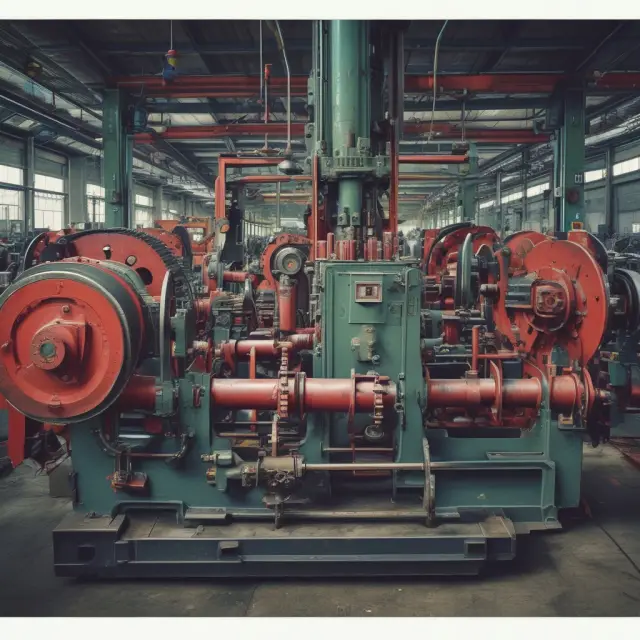
Components of Yield Variance
Understanding the three main elements of yield variance is crucial for manufacturers looking to optimize their production process and improve profitability. In this section, we delve deeper into yield variance’s components – direct materials, labor, and overhead.
Direct Materials
Direct materials are essential raw materials that become part of the finished product when it leaves the manufacturing facility. These materials undergo processing to create the final output. Yield variance associated with direct materials is calculated by determining the difference between actual usage and the standard or expected usage. If a company uses less or more of these materials than anticipated, the yield variance will be unfavorable or favorable, respectively. A lower-than-expected yield due to inaccurate estimation can result in increased costs and lost opportunities for potential revenue. Conversely, an excess of direct materials might lead to unnecessary spending on inventory and storage space.
Labor:
Labor is another crucial component of yield variance. In the context of manufacturing, labor refers to the workforce required to produce goods or services. Yield variance associated with labor occurs when actual labor hours differ from standard labor hours. A difference can stem from various reasons, such as unscheduled breaks, extended lunch hours, absenteeism, overtime, and lower worker productivity levels than anticipated. Calculating the yield variance for labor involves multiplying the difference between actual labor hours and standard labor hours by the standard hourly rate. An unfavorable yield variance due to labor inefficiency can result in increased labor costs and decreased overall profitability. Conversely, a more productive workforce can lead to higher output with minimal additional investment in labor resources.
Overhead:
Overhead is indirect costs related to manufacturing processes, such as rent, utilities, insurance, property taxes, or depreciation of factory equipment and machinery. Overhead yield variance arises when actual overhead costs differ from standard overhead costs. An unfavorable overhead yield variance can indicate inefficiencies within the production process, potentially stemming from increased energy consumption, equipment downtime, or sub-optimized processes. By investigating the reasons for this variation, manufacturers can identify areas for improvement and reduce overhead expenses to boost overall profitability.
By understanding the components of yield variance and how they affect manufacturing operations, companies can implement targeted strategies aimed at increasing efficiency, reducing waste, and ultimately improving their bottom line.

Causes of Unfavorable Yield Variance
Yield variance, as previously mentioned, can significantly impact manufacturing operations due to its unfavorable nature when the actual yield is lower than the standard or expected output. Understanding the root causes of this variance will enable organizations to identify potential solutions and enhance their efficiency. This section focuses on common causes leading to unfavorable yield variance:
1. Labor Efficiency: Inefficient labor utilization can lead to reduced production output and, ultimately, unfavorable yield variance. Several factors affecting labor efficiency include employee training, absenteeism, turnover, workforce morale, and poor communication. Inadequate employee training may result in unskilled or inconsistent workers who do not meet the required standards, thus lowering overall productivity. High absenteeism and turnover rates can negatively impact the continuity of production processes and lead to knowledge gaps as new employees are onboarded. Furthermore, low workforce morale can adversely affect motivation and engagement levels, resulting in reduced performance. Effective communication between managers and workers is essential for ensuring a clear understanding of expectations and processes, which can help minimize yield variance due to labor inefficiency.
2. Raw Material Quality: Variations in raw material quality significantly impact the final product’s output and contribute to unfavorable yield variance. Inconsistencies in raw materials can lead to defective products, rework, or additional scrap, reducing overall production efficiency. Proper sourcing, inspection, and handling of raw materials can help maintain consistent quality and minimize unfavorable yield variance.
3. Machine Downtime: Machines play a crucial role in manufacturing processes, and their downtime can significantly impact output and lead to unfavorable yield variance. Maintenance issues, unscheduled stops, or breakdowns can reduce productivity, leading to lower yields than expected. By implementing effective maintenance schedules, proactive problem-solving strategies, and reliable spare parts management, organizations can minimize machine downtime and improve overall manufacturing efficiency.
4. Poor Process Control: Ineffective process control can result in inconsistent product quality and output, ultimately contributing to unfavorable yield variance. Inadequate monitoring and measurement of critical production parameters can lead to deviations from optimal processes, adversely affecting productivity and efficiency. Utilizing advanced technology such as sensors and automation systems can help improve process control and minimize unfavorable yield variance due to poor process management.
5. Work-in-Progress Inventory: Excessive work-in-progress inventory levels can lead to increased overhead costs, higher labor requirements, and reduced overall efficiency, resulting in unfavorable yield variance. Proper inventory management strategies such as just-in-time production, lean manufacturing, and effective forecasting can help minimize excess inventory levels and optimize production processes for improved yields.
In conclusion, understanding the root causes of unfavorable yield variance is crucial for organizations to effectively address these challenges and improve their overall manufacturing efficiency. By focusing on labor efficiency, raw material quality, machine downtime, poor process control, and work-in-progress inventory management, companies can minimize yield variance and enhance profitability.

Case Study: Yield Variance in Action
Understanding yield variance and its implications goes beyond theoretical calculations. Real-life scenarios demonstrate the significant impact of yield variance on manufacturing operations, offering valuable insights into improving processes and optimizing resources. This section will present two case studies, one from the semiconductor industry and another from a food processing company, highlighting how unfavorable yield variance influenced their production efficiency and profitability.
Semiconductor Industry: Semiconductors are a crucial component in electronic devices, requiring precise manufacturing processes to achieve optimal performance. In the semiconductor industry, even tiny discrepancies between expected and actual output can result in substantial losses. Suppose a leading semiconductor manufacturer, XYZ Inc., produces 10,000 wafers per batch using 5,000 kg of silicon material based on the standard recipe. During a particular production run, they manage to create only 9,800 wafers due to unsatisfactory process efficiency and poor raw material quality. If the standard cost of producing one wafer is $100, the unfavorable yield variance for this batch would be $96,000 ($100 x 980 units produced less than 10,000 expected units).
Food Processing Company: In the food processing sector, yield variance can significantly impact margins and product quality. Let’s consider a fruit juice manufacturer, FruitCo, that produces orange juice using 50 tons of oranges to create 20,000 gallons of juice based on standard yields. However, due to factors like seasonal variations in orange sizes and maturity, the actual yield only amounts to 19,600 gallons. Assuming a standard cost of $1 per gallon for the juice production, the unfavorable yield variance would be $24,000 ($1 x 1,400 gallons less than expected).
In both instances, understanding yield variance’s impact on operations and its underlying causes is critical to minimize losses and improve overall efficiency. By addressing inefficiencies and enhancing quality control measures, companies can reduce unfavorable yield variances and optimize their production processes.

Measuring and Reporting Yield Variance
Understanding yield variance is crucial for any manufacturing business seeking to optimize their operations, minimize waste, and enhance profitability. By effectively measuring and reporting yield variance, organizations can identify trends, analyze production inefficiencies, and make data-driven decisions. In this section, we discuss best practices for monitoring, measuring, and reporting yield variance.
Measuring Yield Variance
To calculate yield variance, subtract the actual yield (output) from the standard yield (expected output) and multiply it by the standard unit cost:
Yield Variance = Standard Unit Cost × (Actual Yield – Standard Yield)
The result is the financial impact of yield variance. A positive value indicates a favorable variance, meaning actual output exceeds expectations; conversely, an unfavorable variance results in negative numbers, signaling lower than expected yields.
Reporting Yield Variance
Effectively communicating yield variance to relevant stakeholders can help ensure continuous improvement and informed decision-making. Reports should be accessible, timely, accurate, and easy to understand. Common methods for reporting include:
- Regular reports: Weekly or monthly reports summarizing the overall trend in yield variance across the organization.
- Dashboard displays: Real-time visibility into yield performance, with visual indicators for quick identification of favorable or unfavorable variances.
- Exception reports: Automated alerts for significant deviations from expected yields and trends to prompt investigative action.
- Trend analysis: Historical data to identify patterns, allowing organizations to proactively address recurring issues.
- Performance metrics: Key performance indicators (KPIs) tied to yield variance, such as efficiency ratios and output-to-input ratios, can help monitor progress over time.
By implementing these reporting methods, organizations can quickly identify yield variances, understand their root causes, and take corrective actions to maintain operational excellence and maximize profitability.
Effectively measuring and reporting yield variance is an essential aspect of managing a successful manufacturing operation. With accurate data and clear communication, businesses can make informed decisions to optimize processes, reduce waste, and increase overall efficiency.

Minimizing Yield Variance: Strategies for Improvement
Once identified, yield variance can serve as an important indicator of inefficiencies within manufacturing operations. By focusing on strategies aimed at reducing unfavorable yield variance, organizations can increase efficiency and profitability. Here are a few effective methods to minimize yield variance:
1. Process improvements: Continuously analyzing and optimizing production processes is essential for minimizing yield variance. This might involve implementing Lean Six Sigma principles or Total Productive Maintenance (TPM) strategies, which can help eliminate waste, increase productivity, and improve overall equipment effectiveness.
2. Inventory management: Effective inventory management practices, such as Just-in-Time (JIT) and lean inventory systems, are crucial for ensuring that the right amount of raw materials is available when needed without excess stock. This can ultimately lead to better material usage and reduced yield variance.
3. Technology adoption: Investing in advanced technologies, like computerized maintenance management systems, predictive analytics tools, or real-time monitoring solutions, can help organizations gain a deeper understanding of their production processes. These insights enable them to make data-driven decisions, optimize processes, and minimize yield variance.
4. Labor efficiency: Enhancing labor efficiency through employee training programs, cross-functional teamwork, and improved communication channels can contribute significantly to reducing unfavorable yield variance. Engaged and skilled employees are more likely to identify inefficiencies, adopt best practices, and optimize their roles within the production process.
5. Supplier partnerships: Building strong relationships with suppliers is another effective strategy for minimizing yield variance. By collaborating closely with suppliers on raw material quality and consistency, organizations can ensure they receive high-quality inputs that meet their requirements, reducing the likelihood of unfavorable yield variance caused by material discrepancies or inconsistencies.
6. Continuous monitoring: Regularly assessing production performance and tracking key metrics is essential for identifying trends, root causes of yield variance, and implementing corrective actions. Monitoring processes in real-time, using advanced analytics tools, can help organizations respond quickly to issues and address them before they become significant problems.
By consistently focusing on these strategies, manufacturing organizations can significantly reduce unfavorable yield variance and improve overall operational efficiency and profitability.

Yield Variance FAQs
1. What is yield variance?
Yield variance is the difference between the actual output and standard output in manufacturing processes based on standard inputs of materials and labor. It is expressed in monetary value using the standard unit cost. A negative yield variance indicates less production than expected, while a positive yield variance means more output than standard.
2. Why is yield variance important?
Yield variance is crucial because it measures the efficiency of manufacturing processes by identifying discrepancies between planned and actual outputs. By analyzing yield variance, organizations can identify areas for improvement to increase profitability and reduce costs.
3. How do you calculate yield variance?
To calculate yield variance, subtract the actual yield (actual output) from the standard yield (expected output), then multiply the result by the standard unit cost. Yield Variance = Standard Unit Cost × (Actual Yield – Standard Yield).
4. What components of manufacturing operations are affected by yield variance?
Direct materials, labor, and overhead costs can be impacted by yield variance. By analyzing the components, organizations can identify underlying causes to implement corrective actions for improving operational efficiency and reducing costs.
5. How does yield variance differ from mix variance?
Mix variance is a measure of material usage differences due to varying product or input mixes, while yield variance assesses production output differences based on standard inputs. Both metrics help organizations optimize their manufacturing operations by identifying discrepancies and taking corrective actions.
6. What causes unfavorable yield variance?
Unfavorable yield variance can occur due to various reasons such as labor efficiency issues, raw material quality problems, machine downtime, or inadequate process control. By addressing the root causes, organizations can improve their manufacturing processes and reduce unfavorable yield variance.
7. What is an example of yield variance in action?
Consider a company that produces 10,000 units based on 12,000 kilograms of raw materials within an 8-hour production unit. The actual output is 9,500 units, resulting in a negative yield variance of 500 units or $5,000 (assuming the standard cost is $10 per unit). This indicates that the company can explore operational improvements to increase efficiency and reduce costs related to the 500-unit difference.
By understanding yield variance and its implications, manufacturing organizations can optimize their processes, enhance productivity, and boost profitability.
 Next entry · No. 5,859Understanding Yield: A Comprehensive Guide for Institutional Investors
See also
-
 No. 5,149
15 Aug 2025
16 min
Understanding Unadjusted Basis: The Original Cost to Acquire an Asset
Business Finance
No. 5,149
15 Aug 2025
16 min
Understanding Unadjusted Basis: The Original Cost to Acquire an Asset
Business Finance -
 No. 4,756
14 Jul 2025
19 min
Stock Keeping Units (SKUs): Understanding How They Work for Inventory Management
Business Strategy
No. 4,756
14 Jul 2025
19 min
Stock Keeping Units (SKUs): Understanding How They Work for Inventory Management
Business Strategy -
 No. 3,741
23 Apr 2025
19 min
Understanding the Operating Ratio: An Essential Metric for Measuring Operational Efficiency
Finance Policy
No. 3,741
23 Apr 2025
19 min
Understanding the Operating Ratio: An Essential Metric for Measuring Operational Efficiency
Finance Policy -
 No. 3,482
01 Apr 2025
19 min
Understanding Net Operating Income (NOI) in Real Estate Investment: Calculation, Components, Significance
Real Estate
No. 3,482
01 Apr 2025
19 min
Understanding Net Operating Income (NOI) in Real Estate Investment: Calculation, Components, Significance
Real Estate -
 No. 2,488
10 Jan 2025
21 min
Mastering Inventory Turnover: Unleashing the Power of Efficient Inventory Management
Business Strategy
No. 2,488
10 Jan 2025
21 min
Mastering Inventory Turnover: Unleashing the Power of Efficient Inventory Management
Business Strategy -
 No. 5,776
06 Oct 2025
19 min
Understanding Work Cells: The Concept, Benefits, and Case Study in Lean Manufacturing
Manufacturing Finance
No. 5,776
06 Oct 2025
19 min
Understanding Work Cells: The Concept, Benefits, and Case Study in Lean Manufacturing
Manufacturing Finance