User Fees vs. Taxes: Understanding the Differences

Understand the differences between user fees and taxes. This article covers definitions, examples, political considerations, and successful implementation.
Introduction to User Fees and Taxes
User fees and taxes are two distinct concepts that serve different purposes in financing government services and infrastructure. A user fee is a charge levied for the use or access of a specific good, service, or facility. Common examples include tolls on highways and parking fees at public facilities. User fees provide governments with revenue while allowing individuals to pay for only what they consume or use. In contrast, taxes are mandatory contributions made by citizens to fund government services, programs, and infrastructure that benefit the community as a whole.
Understanding the distinction between user fees and taxes is essential due to their varying implications for budgets, public perception, and economic development. This section delves deeper into the definitions, examples, differences, and potential effects of user fees and taxes.
User Fees: Definition and Examples
A user fee is a payment made by individuals or entities for accessing a good, service, or facility that they could not otherwise use without incurring this charge. User fees can be implemented at various levels of government, from local to national, and are often collected to fund specific services and projects. Some common examples include:
- Tolls on highways or bridges
- Fees for utilizing public transportation systems (buses, trains, etc.)
- Entrance fees for museums or other cultural sites
- Fees for obtaining certain permits or licenses
- Parking fees at public facilities such as parking garages and street meters
In each case, the user fee covers the costs of providing and maintaining the good, service, or facility for all users.
How User Fees Work in Government
When a government imposes a user fee, revenue generated from this fee can either go to the U.S. Treasury or be available for use by the agency responsible for managing the service or facility. For instance, tolls collected on highways are typically used to fund road improvements and maintenance, while entrance fees for national parks help pay for park rangers, visitor centers, and infrastructure repairs. In some cases, Congress may allocate user fee revenue to other purposes, such as deficit reduction or debt retirement.
User Fees vs. Taxes: Key Differences
The primary difference between user fees and taxes lies in how they are assessed, collected, and allocated. User fees are directly related to specific services, while taxes are mandatory contributions that fund various government initiatives. Here’s a more detailed breakdown of the differences:
- Payment Methods: User fees require individuals to pay for only what they consume or use, whereas taxes necessitate regular payments regardless of usage.
- Transparency: User fees are often more transparent as individuals can directly see how their payment contributes to a specific service or facility. In contrast, it may be challenging for taxpayers to understand exactly where their tax dollars go.
- Revenue Distribution: User fee revenue is typically dedicated to funding the service or facility from which it was collected. Tax revenue, however, is pooled and distributed across various government programs and initiatives.
- Public Perception: User fees may be perceived more favorably by the public since they are directly tied to services and facilities that individuals value. In contrast, taxes can face resistance due to their broader impact on taxpayers’ disposable income and potential feelings of unfairness or inequity.
- Political Considerations: The labeling of user fees versus taxes can be a political issue, as governments may choose to label certain taxes as user fees for public relations purposes. For example, a government may decide to increase a specific tax but label it as a user fee to make it more palatable to voters.
- Economic Development: User fees and taxes have different implications in economic development contexts. User fees can be an effective tool for developing countries seeking to raise revenue for essential services such as health care and education, but they can also pose challenges if the population cannot afford them.
Pros and Cons of User Fees for Institutional Investors
Institutional investors, including mutual funds, pension funds, and hedge funds, may consider user fees as an investment opportunity due to their predictable revenue stream and potential growth prospects. However, there are also risks associated with investing in companies that rely heavily on user fees, such as regulatory changes or public backlash against the perceived “privatization” of essential services. Institutional investors must weigh these pros and cons before making an investment decision.
User Fees and Taxes: Political Considerations
Political implications can significantly impact both user fees and taxes. User fees and taxes can be used as political tools to achieve various objectives, including raising revenue, redistributing wealth, or influencing public behavior. The labeling of a fee versus a tax can also play a crucial role in public perception. For example, implementing a “fee” for accessing certain services may face less resistance than increasing a “tax.”
Case Studies of Successful User Fee Implementation
Several successful user fee implementation case studies highlight the importance of thoughtfully designing and managing user fees to maximize revenue and minimize public resistance. For instance, Singapore’s electronic road pricing system has been a success due to its transparency, convenience, and ability to encourage efficient transportation usage. Similarly, the U.S. National Park Service’s entrance fee model allows for flexible pricing strategies based on location, time of year, and visitor demand.
Regulations and Challenges in Collecting User Fees
Despite their potential benefits, user fees can present challenges for governments, including regulatory complexities, logistical issues, and ethical concerns. For example, setting appropriate fee levels, ensuring equitable access to services, and managing collection and enforcement can be significant challenges. Ethical considerations also arise when user fees create barriers to essential services or disproportionately impact vulnerable populations.
Conclusion: User Fees vs. Taxes: A Balanced Approach
Understanding the differences between user fees and taxes is crucial for individuals, investors, and governments to make informed decisions about revenue generation, public services, and economic development. Both user fees and taxes serve essential roles in financing government initiatives but come with unique advantages and disadvantages. By considering these factors and adopting a balanced approach, governments can maximize the benefits of both user fees and taxes to meet the needs of their constituents while maintaining transparency and public trust.
FAQs on User Fees and Taxes
What are user fees used for?
User fees fund specific services or infrastructure projects in exchange for access to those goods, services, or facilities.
How do taxes differ from user fees?
Taxes are mandatory contributions that go toward various government programs and initiatives, regardless of usage, while user fees are directly related to specific goods, services, or facilities.
What are some common examples of user fees?
Some common examples include tolls on highways, parking fees, entrance fees for museums or cultural sites, and permit or license fees.
How is revenue from user fees used by the government?
Revenue from user fees can either go to the U.S. Treasury or be available for use by the agency responsible for managing the service or facility. In some cases, Congress may allocate user fee revenue to other purposes.
What are the political implications of user fees and taxes?
Both user fees and taxes carry political considerations, with the labeling of a fee versus a tax playing a role in public perception. Political implications can include raising revenue, redistributing wealth, or influencing public behavior.
How do user fees impact economic development?
User fees can be an effective tool for developing countries seeking to raise revenue for essential services like health care and education but can pose challenges if the population cannot afford them. Additionally, user fees may create barriers to access, particularly for vulnerable populations.

User Fees: Definition and Examples
A user fee is a payment made by individuals to gain access to specific services or facilities. User fees are common in various sectors of society, from transportation and education to utilities and recreational activities. Two prominent examples include tolls on highways and parking fees at public garages.
When considering the government’s role in user fees, it is crucial to understand how these payments differ from taxes. User fees are levied based on a direct relationship between an individual or entity and the service they are accessing. In contrast, taxes apply universally, regardless of whether people use a particular service or not.
Governments at various levels determine whether user fee revenue is deposited into the general fund or allocated specifically to the agency providing the goods or services. The distinction between user fees and taxes can sometimes be blurred, particularly when taxes are mislabeled as fees for political reasons. In such cases, it may seem that a fee is being charged for access to a service, but in actuality, it is a hidden tax.
User fees serve several purposes: They help ensure the sustainability of services and facilitate demand-driven resource allocation. Additionally, they can foster greater accountability for governments and encourage efficiency by incentivizing service providers to meet user needs effectively. Furthermore, user fees can help reduce budget deficits in developing countries by generating revenue for essential services like healthcare and education (International Monetary Fund).
Despite their advantages, user fees also face challenges. Regulations, logistical issues, and ethical concerns can all impact the successful implementation of user fees. For instance, establishing clear regulations to determine what constitutes a legitimate user fee is crucial, as some fees may not be equitable or fair. Additionally, collecting and managing user fees effectively can present significant logistical hurdles, particularly in large-scale systems like transportation networks. Lastly, ethical considerations must be taken into account, such as ensuring that access to essential services remains accessible to those who cannot afford the fee.
In conclusion, understanding the definition and examples of user fees is crucial for both individuals and governments. User fees represent a powerful tool for financing public goods and services while fostering greater efficiency and accountability. By recognizing their potential benefits and challenges, stakeholders can ensure that these fees are implemented effectively and fairly to address the needs of diverse populations.

How User Fees Work in Government
When it comes to government revenue collection, understanding the differences between user fees and taxes is crucial. A user fee is a payment required for accessing a particular service or facility. These fees can range from tolls on highways and parking garages to entry fees at national parks or museums. User fees are an alternative source of government income that, in some cases, may replace the need for increased taxes.
The role of Congress determines how user fee revenues are distributed between the Treasury and the agency providing the goods or services. While this may not seem significant, the distinction between user fees and taxes can blur in specific situations. For instance, a politician might opt to raise certain “fees” instead of taxes due to their perceived popularity among voters. In reality, however, these fees could function similarly to taxes.
Let’s delve deeper into how this works: User fees are meant to generate revenue for the provision and maintenance of specific services or facilities, as the name suggests. The collected funds should ideally be reinvested back into the very service, product, or facility that generated the fee. This approach helps ensure the sustainability and continuous improvement of these offerings.
Now, let’s contrast this with taxes: Every individual is required to pay income taxes regardless of whether they use or benefit from a particular service or not. While some argue that user fees are fairer than taxes because those paying directly for a service are more likely to appreciate its value and feel a sense of responsibility toward it, others might question the equity of having certain services accessible only through payment.
In summary, user fees provide governments with an alternative revenue source that can fund specific goods or services while potentially reducing the need for tax increases. The role of Congress in managing these revenues plays a significant role in determining how distinct the lines between user fees and taxes remain. In the next section, we will examine some examples and implications of user fees at various levels of government.
As previously mentioned, this section should be expanded further with subtopics, data, and real-life case studies to provide depth and length.

User Fees vs. Taxes: Key Differences
When it comes to government funding and revenue generation, the terms user fees and taxes are frequently used interchangeably. However, these two concepts possess distinct differences that set them apart from one another in various aspects, including payment structure and transparency of revenue distribution.
User Fees: A Definition and Examples
A user fee is a mandatory payment made to access a service, facility, or resource. User fees have become an integral part of the government’s budget as they allow individuals to directly pay for services and facilities that cater to their specific needs, such as highway tolls and parking garage fees.
User Fees: How They Work in Government
To understand how user fees operate within the government context, it is essential to recognize Congress’ role when imposing or authorizing these fees. The United States Congress has the power to determine if the revenue derived from user fees should be allocated to the Treasury or made available for agencies providing goods and services. This dynamic can create a complex relationship between user fees and taxes as the lines between them may blur in specific circumstances.
The key difference between user fees and taxes lies in their payment structure, with user fees being more directly linked to the utilization of a particular service, product, or facility. In contrast, taxes are imposed regardless of whether an individual benefits from the revenue-generating activity.
User Fees vs. Taxes: Transparency and Revenue Distribution
Transparency is another area where user fees and taxes differ significantly. User fees offer greater transparency as the revenue collected is often used to directly fund or improve the specific service, product, or facility for which the fee was paid. In contrast, tax revenues can be dispersed across a wide range of government programs and activities, making it more challenging to trace their impact on any particular area.
User Fees vs. Taxes: Political Considerations
The distinction between user fees and taxes also holds political implications. User fees are generally considered more palatable for politicians as they can be presented to the public as a means of paying for services that they directly use or benefit from, rather than being perceived as an increase in taxes. However, there is a risk that user fees may be incorrectly labeled as taxes in some cases, blurring the line between the two and potentially raising political concerns.
In conclusion, understanding the fundamental differences between user fees and taxes is crucial for evaluating their impact on government budgets and public services. While both revenue sources serve essential purposes within a country’s financial framework, they differ significantly in terms of payment structure, transparency, and political implications. By recognizing these nuances, individuals can make more informed decisions regarding the role user fees and taxes play in their lives and in society as a whole.
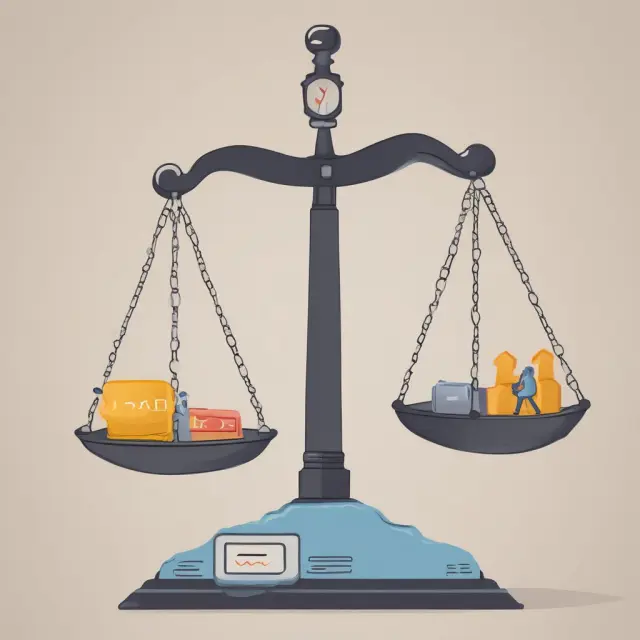
User Fees as an Economic Development Tool
In the context of international development, user fees signify a charge for fundamental services such as healthcare and education implemented by developing countries to compensate for their costs. The International Monetary Fund frequently recommends this system for nations seeking to reduce budget deficits. However, implementing user fees can pose a challenge for impoverished populations, adding an additional financial burden.
The concept of user fees for essential services dates back to the late 1980s when the World Bank began promoting a shift from public funding to user-financed systems in developing countries. This approach aimed to enhance efficiency and reduce fiscal deficits. Despite these intentions, user fees have faced criticism for their impact on accessibility, affordability, and equity – particularly when it comes to healthcare and education.
In the realm of healthcare, user fees can deter vulnerable populations from seeking necessary medical care due to the financial strain caused by these charges. For instance, in Ghana, user fees for maternity services have led to a significant increase in home births, which come with increased risks for both the mother and the newborn. In contrast, research suggests that eliminating user fees for maternal health services could result in a 32% decrease in maternal deaths.
User fees in education pose similar challenges, as they can lead to children dropping out of school due to their families’ inability to pay. This is particularly relevant for girls, who often face additional barriers to accessing education and are more likely to be excluded from schools that charge user fees. In Tanzania, a study revealed that the introduction of school fees led to a 42% decline in primary school enrollment among girls, while the enrollment rate for boys remained relatively stable.
However, not all experiences with user fees have been negative. For instance, user fees for water and sanitation services can lead to improved infrastructure and increased access to clean water for communities, as was observed in Sri Lanka. In this case, the user fee system resulted in a substantial increase in coverage rates and an overall improvement in water quality.
It’s essential to consider that user fees are not a one-size-fits-all solution for addressing budget deficits. Instead, governments must carefully evaluate their specific circumstances and potential consequences before implementing user fees. Factors such as population size, income levels, and access to alternative sources of revenue should all be taken into consideration when determining the feasibility and desirability of user fees for essential services.
In conclusion, user fees can play a role in generating revenue for governments, but their impact on accessibility, affordability, and equity must be carefully considered – particularly within the context of international development. User fees should not be viewed as a silver bullet solution, but rather one tool among many that can be employed to address budget deficits while minimizing potential negative consequences.

Pros and Cons of User Fees for Institutional Investors
For institutional investors, considering investments in companies that collect user fees presents both advantages and disadvantages. A significant advantage of investing in such firms is the potential stability derived from the predictable revenue stream, which can provide a reliable income source. Moreover, these businesses may demonstrate growth opportunities as they expand their services and facilities to accommodate increasing demand. On the flip side, potential risks come with user fees that are subject to regulatory changes or public pressure. For instance, if the government decides to increase user fees, it could impact a company’s earnings negatively. Likewise, if there is significant backlash against user fees from the public, this may lead to political pressure for their reduction or elimination. Additionally, in developing countries, user fees may not always be reliable revenue sources due to economic and political instability. For those investing in infrastructure projects that rely on user fees, it’s essential to perform thorough due diligence and risk assessments before making investment decisions.
Another consideration for investors is the potential ethical implications of relying solely on user fees. In some cases, these fees might be regressive, disproportionately burdening low-income individuals or families. It’s essential to evaluate a company’s corporate social responsibility initiatives and assess whether they are committed to mitigating this issue. Furthermore, potential reputational risks may arise if the public perceives that user fees for essential services, such as water or electricity, are excessive, leading to negative consumer sentiment towards the firm.
Investing in companies that collect user fees can offer a stable revenue stream, growth opportunities, and ethical considerations for institutional investors. However, potential risks include regulatory changes, public pressure, and ethical concerns, particularly when it comes to essential services. Conducting comprehensive due diligence, assessing the company’s corporate social responsibility initiatives, and understanding the political and economic context of the industry or country are crucial steps in evaluating such investment opportunities.

User Fees and Taxes: Political Considerations
User fees and taxes are two distinct concepts in the world of financing public services and facilities. While both involve monetary transactions between individuals and governments, their implications and applications vary greatly. In essence, user fees refer to payments made for accessing specific goods or services, while taxes represent compulsory contributions to the overall financial structure of a society.
In terms of how they differ in political contexts, consider the role of Congress when it comes to revenue collection. When determining whether user fee revenues should go into the national treasury or be allocated directly to the agency providing the good or service, Congress plays a significant part. User fees can create an ambiguous boundary between public and private spheres, especially if the goods or services seem more similar to those provided by the private sector.
Moreover, politicians may strategically label certain taxes as user fees for political reasons. For instance, in situations where politicians pledge not to increase taxes but still wish to expand government revenue sources, they might promote tax increases that can be disguised as fees. In contrast, income taxes—which apply to every citizen regardless of their utilization of specific services or facilities—can serve as an alternative source of funding for these essentials.
The political implications of user fees and taxes extend beyond the realm of revenue generation. Public perception plays a crucial role in shaping policies regarding these financial mechanisms, influencing their implementation and acceptance by citizens. For example, taxes can be perceived negatively due to their mandatory nature and seemingly limitless scope. In contrast, user fees are often considered more acceptable since they appear linked to specific services or facilities that individuals directly access and utilize. However, this perception can change depending on the circumstances surrounding user fees’ application.
In certain situations, governments may face challenges in collecting user fees, such as regulatory complexities or logistical difficulties. Nevertheless, when implemented effectively, user fees can contribute significantly to government budgets and enhance public services. In the next section, we will explore real-life examples of successful user fee implementation and their impact on various sectors.

Case Studies of Successful User Fee Implementation
User fees can significantly impact government budgets and public services. One of the most notable examples is the congestion pricing scheme implemented in London, England, in 2003. Congestion charging, as it’s called, involves charging a fee for driving in central London during certain hours to reduce traffic congestion. Since its introduction, revenue from this user fee has exceeded expectations and helped fund improvements to public transportation and infrastructure.
Another successful example is the use of toll roads in Virginia, USA. In 2013, the Commonwealth of Virginia introduced variable tolls on certain sections of Interstate 95, which adjust based on traffic conditions. These tolls have not only reduced travel times for commuters but also generated significant revenue for road improvements and expansions.
In India, user fees are an integral part of their water conservation efforts. The Jal Jeevan Mission, a national program that aims to provide clean tap water to all rural households in the country, charges a small monthly fee per household to cover operational costs. This model not only encourages sustainable water use but also fosters a sense of ownership and responsibility among communities.
Moreover, user fees have proven successful for certain public services like national parks and museums in various countries. The National Park Service, for instance, generates over $300 million annually through entrance fees and recreation fees. This revenue goes directly to park maintenance and development projects.
These examples demonstrate that user fees can be a powerful tool for governments looking to generate sustainable revenue for public services while minimizing reliance on taxes. However, the implementation of user fees requires careful planning and consideration of ethical concerns surrounding accessibility and affordability. In conclusion, user fees offer a potential alternative revenue source with numerous benefits, such as improved services and increased public engagement, making them an attractive option for governments worldwide.

Regulations and Challenges in Collecting User Fees
When it comes to collecting user fees, governments face various challenges due to the intricacies surrounding their implementation. These complexities include regulatory requirements, logistical issues, and ethical considerations.
First, regulations can significantly impact the process of implementing user fees. For instance, government entities must comply with specific rules that vary depending on the nature and context of the user fee. For example, federal or state agencies may need to obtain approval from their respective regulatory bodies before collecting tolls on highways, while schools might require permission from school boards for student activity fees.
Moreover, logistical issues can also pose challenges when implementing user fees. One major concern includes ensuring equitable access and affordability of services and facilities for all citizens, particularly those belonging to marginalized or underrepresented groups. For example, charging a user fee for public transportation may create a barrier for low-income individuals who cannot afford the fee but depend on this service for their daily commute.
Lastly, ethical concerns can arise when collecting user fees, especially if there are perceived inequities in how they are collected or distributed. For instance, charging exorbitant fees for certain services while underfunding others could lead to public backlash and calls for reform. Additionally, the labeling of taxes as user fees, as previously discussed, can create ethical dilemmas, as it may not be clear whether these revenue streams are being used appropriately or in an ethically sound manner.
Despite these challenges, implementing user fees can offer numerous benefits, including generating much-needed revenue for public services and infrastructure, promoting responsible fiscal management, and increasing the efficiency of resource allocation. Addressing the regulations, logistical, and ethical concerns surrounding user fees is crucial to ensuring their fairness, transparency, and effectiveness.
In conclusion, user fees and taxes are distinct financial tools used by governments to generate revenue for services and infrastructure that benefit their citizens. While user fees offer a more direct link between payment and usage, they also present challenges related to regulations, logistical issues, and ethical concerns. By recognizing these complexities and addressing them proactively, governments can effectively leverage user fees as part of a well-rounded fiscal strategy, ultimately contributing to improved public services, infrastructure, and overall economic prosperity.

FAQs on User Fees and Taxes
What distinguishes a user fee from a tax? A user fee is a payment made in exchange for access to a service or facility, whereas taxes are mandatory contributions paid to the government regardless of usage or benefit to an individual. User fees and taxes both serve as revenue sources for governments but have fundamental differences in how they are collected and allocated.
What services or facilities commonly rely on user fees? Some common examples include tolls for road usage, parking garage fees, fees for government-run institutions such as libraries or museums, and certain federal services like those at the Statue of Liberty.
How is revenue generated from user fees distributed within governments? When Congress approves a user fee, they determine whether the collected revenue will go into the U.S. Treasury or be made available to the agency providing the service or facility. In some cases, the lines between user fees and taxes blur due to political considerations; this can lead to fees being incorrectly labeled as taxes.
Can user fees act as an economic development tool in developing countries? Yes, in international development, user fees for essential services like healthcare and education are crucial for making up for the costs of these services. However, they may also pose a burden on impoverished populations and should be considered carefully to ensure accessibility.
How do user fees impact institutional investors? Institutional investors can benefit from companies that collect user fees by having a stable revenue stream tied to an in-demand product or service. On the other hand, they could face risks if regulatory changes or public sentiment lead to decreased usage and subsequently lower revenue from these fees.
What is the role of Congress when it comes to user fees? In the U.S., the power to levy or authorize user fees lies with Congress. They decide whether the collected revenue should be directed to the Treasury or made available for the agency providing the goods or services. Sometimes, there can be debates regarding the true intentions behind user fees versus taxes in certain situations, which may lead to political considerations influencing their implementation.
What are some challenges governments face when implementing user fees? Governments encounter various obstacles when implementing user fees, including regulatory hurdles, logistical issues, and ethical concerns. One significant challenge is ensuring that these fees do not disproportionately burden specific populations or limit access to essential services for those who cannot afford them.
 Next entry · No. 5,367Understanding U.S. Savings Bonds: A Safe Investment Option for Institutional Investors
See also
-
 No. 4,521
25 Jun 2025
21 min
Understanding Rollovers: From Retirement Accounts to Forex Positions
Finance Policy
No. 4,521
25 Jun 2025
21 min
Understanding Rollovers: From Retirement Accounts to Forex Positions
Finance Policy -
 No. 5,747
04 Oct 2025
22 min
Window Dressing in Finance: Unveiling Deceptive Practices in Mutual Funds and Accounting
Business Finance
No. 5,747
04 Oct 2025
22 min
Window Dressing in Finance: Unveiling Deceptive Practices in Mutual Funds and Accounting
Business Finance -
 No. 5,055
08 Aug 2025
25 min
The Importance of Transparency in Finance and Investment: Understanding Financial Statements and Disclosures
Business Finance
No. 5,055
08 Aug 2025
25 min
The Importance of Transparency in Finance and Investment: Understanding Financial Statements and Disclosures
Business Finance -
 No. 5,050
07 Aug 2025
19 min
Transfer on Death (TOD): Understanding the Process and Benefits for Professional Investors
Financial Education
No. 5,050
07 Aug 2025
19 min
Transfer on Death (TOD): Understanding the Process and Benefits for Professional Investors
Financial Education -
 No. 5,046
07 Aug 2025
22 min
Transfer Pricing: Strategies, Regulations, and Controversial Cases for Institutional Investors
Business Finance
No. 5,046
07 Aug 2025
22 min
Transfer Pricing: Strategies, Regulations, and Controversial Cases for Institutional Investors
Business Finance -
 No. 4,584
30 Jun 2025
20 min
Understanding Section 1231 Gain: Capitalizing on Long-Term Business Assets
Business Finance
No. 4,584
30 Jun 2025
20 min
Understanding Section 1231 Gain: Capitalizing on Long-Term Business Assets
Business Finance