Valuation Analysis: Estimating the Worth of Assets through Various Methodologies and Models

Understand the ins and outs of Valuation Analysis with this comprehensive guide, covering various methodologies, models, assets classes, outputs and use cases.
Introduction to Valuation Analysis
Valuation analysis is a crucial process in estimating the worth of various assets, be it a business entity, equity securities, fixed income instruments, commodities, or real estate properties. The objective of valuation analysis is to determine an asset’s intrinsic value by considering its underlying fundamentals and financial information. Valuation techniques are essential for investors seeking to make informed decisions, compare companies within the same sector, and gauge potential returns over a given time frame.
Valuation Analysis: Science vs. Art
Valuation analysis is both a scientific process and an art. While it heavily relies on numerical calculations and mathematical models, there’s an artistic element as analysts are required to make assumptions for various inputs, such as growth rates, discount rates, tax rates, and financing choices. These assumptions significantly impact the final valuation output.
Estimating Assets’ Worth: Understanding Valuation Process and Goals
Valuation analysis strives to calculate the present value (PV) of all future cash flows an asset generates. This process entails setting up a model with various assumptions, allowing the analyst to test different scenarios and observe how valuations change with varying inputs. The primary goal is to estimate an asset’s fair or intrinsic value based on its financial information and underlying fundamentals.
Valuing Different Asset Classes: Companies, Securities, Commodities
The approach to valuation analysis varies depending on the nature of the asset class being evaluated. For instance, companies may be best analyzed using a multi-year discounted cash flow (DCF) model or price-to-earnings (P/E) ratios. Real estate is typically assessed based on net operating income (NOI) and capitalization rates (cap rates). In contrast, commodities like copper, iron ore, silver, etc., are valued through models built around global supply and demand forecasts.
Valuation Analysis Outputs: Single Number vs. Range
The valuation analysis output can manifest in multiple forms. A company’s value could be represented as a single number, such as a $5 billion valuation. On the other hand, assets like corporate bonds may have a range of valuations depending on fluctuating variables like yield on 30-year Treasury bonds or price multiples.
Valuation Analysis: A Powerful Tool for Informed Decision Making
Understanding valuation analysis is crucial for investors seeking to make informed decisions regarding their investments. By estimating a company’s intrinsic value, investors can better assess its potential and identify undervalued or overvalued securities. Valuation analysis can also provide insight into the financial health of a company compared to industry peers and help estimate returns on investments over a specified time frame.
Valuation Analysis vs. Intrinsic Value: A Comparative Study
While closely related, there is a difference between valuation analysis and intrinsic value. Valuation analysis aims to determine the theoretical or fair price of an asset based on its financial information, while intrinsic value represents the true or inherent worth of the asset.
Advantages and Limitations of Valuation Analysis
Valuation analysis offers numerous advantages, including providing investors with a quantifiable estimation of the worth of an asset. It also allows for comparison of companies within the same sector and assessment of potential returns on investments. However, limitations include the inherent assumptions required in modeling and the potential impact of external factors not accounted for in the analysis.
Valuation Techniques: DCF vs. Multiples
Two popular valuation techniques are discounted cash flow (DCF) models and price multiples. DCF models analyze a company’s future cash flows, while price multiples use ratios to compare the asset’s value against relevant benchmarks. Both approaches have their strengths and weaknesses, making it essential for investors to understand how each method works in order to make more informed decisions.

Science vs. Art in Valuation Analysis
Valuation analysis represents a unique blend of science and art. On one hand, it incorporates quantitative techniques to estimate the worth of assets based on hard data, financial statements, market trends, and mathematical formulas. The scientific process involves calculating key financial metrics such as earnings, revenues, cash flows, discount rates, or multiples, often with the help of sophisticated tools like spreadsheets and financial modeling software.
However, there’s an artistic aspect to valuation analysis that cannot be overlooked. Assumptions about future events, market conditions, and growth prospects lie at the heart of valuation models. An analyst is forced to make educated guesses or assumptions about these variables since no crystal ball exists. The accuracy of these assumptions will impact the outcome of the analysis and the estimate for the asset’s worth.
To illustrate this point, consider two scenarios: valuing a company using Discounted Cash Flow (DCF) and valuing a commodity like iron ore using global supply and demand forecasts. In the DCF approach, an analyst makes assumptions regarding sales growth, margins, capital expenditures, tax rates, discount rate for present value calculations, and more. These inputs must be based on both historical data as well as expert judgment about future events, such as changes in market conditions or company strategies.
When it comes to valuing iron ore through global supply and demand forecasts, the artistic side of valuation analysis shines. The analyst relies on their expertise in mining economics, commodity markets, and geopolitical trends to create an accurate assessment of future supply and demand dynamics for this raw material. This process requires a deep understanding of market nuances and the ability to anticipate how various factors could influence iron ore prices over time.
In summary, valuation analysis is a complex and multifaceted endeavor that combines quantitative data analysis with qualitative judgment and assumptions. The scientific process helps estimate the present value of future cash flows while the artistic side allows for realistic assumptions about variables that are uncertain or difficult to predict. Both aspects are essential to ensure accuracy, reliability, and completeness in valuation analysis.

Understanding the Valuation Process and Goals
Valuation analysis is the process of estimating the approximate worth or value of various assets, including businesses, equities, fixed income securities, commodities, real estate, and more. The valuation process is a combination of both science and art as it relies on mathematical calculations (science) while requiring analysts to make assumptions about future events and inputs (art).
The primary objective of valuation analysis is to determine the fair value or intrinsic value of an asset. Valuation analysts seek to estimate the present value (PV) of all future cash flows that the asset is expected to generate. For instance, the valuation process for a company would involve making assumptions about sales growth, margins, financing choices, capital expenditures, tax rates, and discount rate for the PV formula. These inputs are critical determinants in estimating the present value of future cash flows for a company.
Valuation analysis is essential for investors to make informed investment decisions. It provides insights into whether an asset is undervalued or overvalued based on its intrinsic value. While fair values of bonds do not deviate much, if at all, from their intrinsic values, opportunities can arise in the case of financially distressed companies where valuation analysis helps investors assess the potential recovery value and returns on their investment.
Valuation analysis is also an effective tool for comparing companies within the same sector or estimating the return on an investment over a specific time period. For instance, comparing two similar companies using different valuation metrics like price-to-earnings (P/E) ratios or enterprise value to earnings before interest, taxes, depreciation, and amortization (EV/EBITDA) ratios can help investors identify undervalued stocks within the sector.
The choice of valuation methods depends on the type of asset being valued. For example, a discounted cash flow (DCF) model may be suitable for estimating the value of a manufacturing company that generates cash flows over several years. Real estate assets, on the other hand, might be best evaluated based on current net operating income (NOI) and capitalization rate (cap rate). Commodities like iron ore, copper, or silver would typically be valued using global supply and demand forecasts.
In summary, understanding valuation analysis and its goals is crucial for investors seeking to make informed decisions about potential investments. Valuation analysis helps determine fair or intrinsic value by estimating the PV of future cash flows, providing insights into undervalued or overvalued assets within a sector, and enabling comparison between companies based on various valuation metrics.
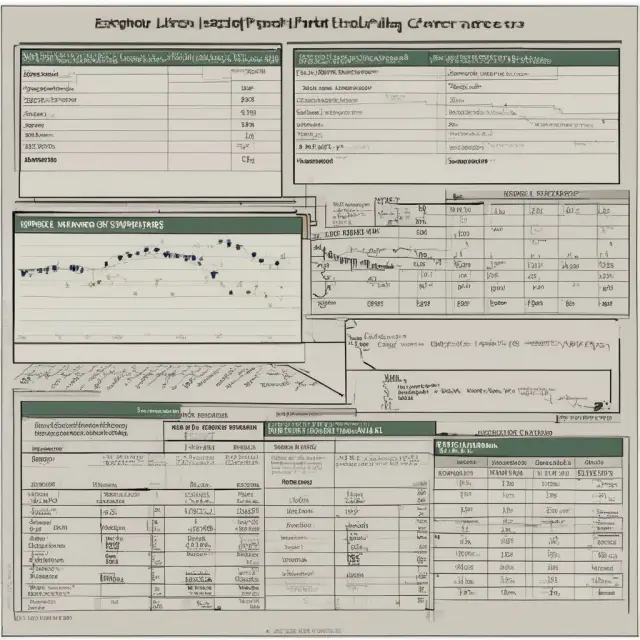
Valuing Different Asset Classes: Companies vs. Securities vs. Commodities
Valuation analysis provides a means to estimate the approximate worth of various assets, whether it is a business, equity, fixed income security, commodity, real estate, or other assets. The valuation process and methodologies employed can differ depending on the type of asset being considered, its cash-flow generating ability, and the intended purpose of the valuation.
For publicly traded companies, Discounted Cash Flow (DCF) models are commonly used to estimate their intrinsic value. DCF models analyze future free cash flows and discount them back to their present value using a specified discount rate. Assuming sales growth, margins, financing choices, capital expenditures, tax rates, and a discount rate, the analyst can calculate an estimated fair value for the company.
Securities, such as stocks and bonds, have valuation methods specific to their nature. For equities, price multiples like Price-to-Earnings (P/E), Price-to-Sales (P/S), or Price-to-Book (P/B) ratios are used to compare similar securities within the same sector. These metrics provide a single number that is easy to understand for potential investors, allowing them to quickly make investment decisions based on relative valuation.
Fixed income securities like bonds have their own set of valuation models. The most widely used approach for bond valuation is the yield-to-maturity (YTM) method, which considers the bond’s coupon rate, current market yield, time to maturity, and face value. This model calculates an estimated yield that an investor would receive if they buy the bond at its current price and hold it until maturity.
Commodities, such as gold, silver, copper, or iron ore, require a different approach for valuation analysis. Instead of focusing on cash flows, analysts look to global supply and demand forecasts when estimating commodity prices. They consider factors like production costs, geopolitical risks, consumer sentiment, and seasonal influences on demand to make assumptions about the future price trends for the commodity.
In conclusion, understanding how to value different asset classes using valuation analysis is crucial for investors to make informed decisions regarding their investments. By employing various methodologies and models, they can estimate the fair or intrinsic value of companies, securities, commodities, and other assets in order to compare them with their current market prices and gauge potential returns.
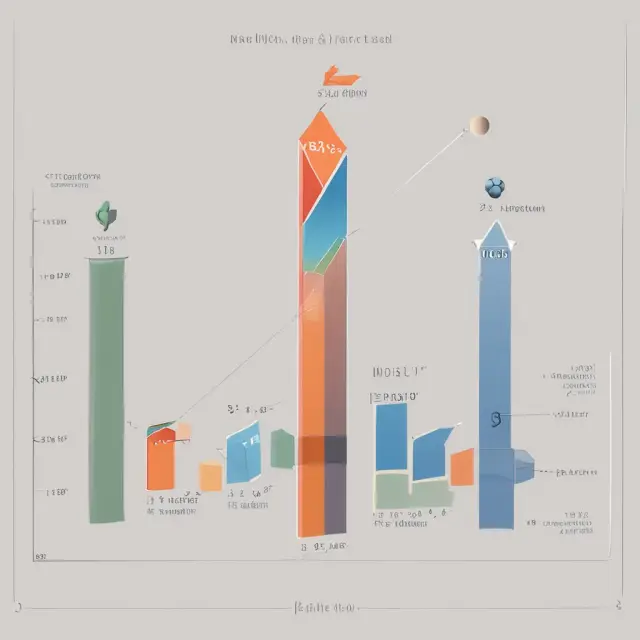
Valuation Analysis Outputs: Single Number vs. Range
The valuation process can yield various outputs depending on the nature of the asset being valued and the purpose behind the analysis. In some instances, a single number may suffice to represent the estimated fair value or intrinsic value, while other situations call for a range of potential values. Let’s delve deeper into understanding these output forms.
A Single Number
For certain assets, such as financial instruments like stocks, bonds, or preferred securities, valuation analysis often culminates in a single number that reflects the asset’s estimated fair value based on the underlying assumptions and model inputs. Examples of single-number outputs include price multiples (price-to-earnings ratio, price-to-book ratio), discounted cash flow models (DCF present value), and net asset value per share or net asset value (NAV).
Price Multiples
Valuation through price multiples involves comparing the market price of a security to its underlying financial metrics, such as earnings, book value, sales, or cash flows. The most commonly used price multiples include price-to-earnings ratio (P/E), price-to-book ratio (P/B), and price-to-sales ratio (P/S). These ratios can provide a quick snapshot of a company’s valuation and help investors compare the valuations across companies within the same industry or sector.
A Range
However, for assets where the value is more dependent on external factors, such as commodities, currencies, or real estate, the output may come in the form of a range of potential values instead of a single number. These ranges are derived by modeling different scenarios and estimating the impact on asset value based on various market conditions and assumptions.
For example, when valuing commodities like gold, silver, or oil, analysts often use supply and demand forecasts to estimate future prices, considering factors such as geopolitical events, weather conditions, economic indicators, and inflation rates. The valuation range is determined by the low and high end of possible price scenarios and can help investors assess risk and potential returns under various market conditions.
In conclusion, understanding the form that valuation outputs take is essential for interpreting the analysis results and making informed investment decisions. Whether it’s a single number or a range, each output type offers valuable insights into the fair value of an asset, enabling investors to assess risk and opportunities with confidence.

Applications and Use Cases for Valuation Analysis
Valuation analysis plays a crucial role in helping investors make informed decisions, compare assets within the same sector, and estimate potential returns over a given period. By understanding how valuation analysis works and its various applications, investors can improve their investment strategies and maximize their portfolio’s overall performance.
Valuing Assets for Informed Decision Making
Valuation analysis is a powerful tool in assessing the worth of an asset, whether it be a company, security, commodity, or real estate. By using various valuation methodologies and models, investors can determine if an investment opportunity is undervalued or overvalued compared to its fair market value (FMV). For instance, a small-cap company with strong fundamentals may appear undervalued when evaluated through a discounted cash flow (DCF) model, providing potential for high returns. Alternatively, a real estate property may seem overpriced if its current valuation exceeds the estimated net present value (NPV) based on projected rental income and capital appreciation.
Comparing Companies within the Same Sector
Valuation analysis also enables investors to compare companies within the same sector by examining their intrinsic values. For example, an investor may be comparing two tech stocks to determine which one offers better value based on their respective price-to-earnings (P/E) ratios, enterprise value (EV) to earnings before interest, taxes, depreciation and amortization (EBITDA), or any other valuation metrics. This comparison allows investors to make more informed decisions when investing in a specific stock.
Estimating Returns over a Given Time Period
Valuation analysis is also crucial for estimating potential returns from an investment over a given time period. By applying various discount rates and analyzing the present value of future cash flows, investors can assess the viability of long-term investments, such as retirement plans or college savings strategies. For instance, an investor may use a DCF model to evaluate the potential future growth of their investment in a company with a long history of consistent earnings growth. This analysis will provide valuable insights into whether the expected returns justify the initial investment and its associated risks.
In conclusion, valuation analysis plays an essential role in helping investors make informed decisions, compare assets within the same sector, and estimate potential returns over a given time period. By understanding the various applications of valuation analysis and utilizing multiple methodologies and models, investors can maximize their portfolio’s overall performance and achieve their financial objectives.

Valuation Analysis vs. Intrinsic Value: A Comparative Analysis
Investors and analysts often interchangeably use terms like “valuation analysis” and “intrinsic value” when discussing stocks or assets’ worth, but it is crucial to understand the distinct differences between these two concepts. Valuation analysis focuses on determining an asset’s approximate fair market value based on a set of quantitative models and qualitative considerations. Intrinsic value, on the other hand, represents an estimate of the true long-term value of an asset based on fundamental analysis, which can be different from its market price.
Valuation Analysis: An Overview
Valuation analysis seeks to determine an asset’s fair value by applying quantitative methods and models to future cash flows and discounting them back to present value using a discount rate. The main objective is to find the intrinsic value that matches the market price, but sometimes discrepancies may arise between the two values, creating buying or selling opportunities. Valuation analysis involves several techniques like Discounted Cash Flow (DCF), Price Multiples (Price-to-Earnings, Price-to-Book, Enterprise Value to EBITDA), and Asset-Based models.
Intrinsic Value: An Overview
Intrinsic value represents the true worth of an asset or business based on its fundamental analysis, including growth prospects, financial strength, competitive advantage, and industry position. Intrinsic value can differ from a stock’s market price due to various factors like investor sentiment, market inefficiencies, or temporary mispricings. Identifying a discounted intrinsic value allows investors to take advantage of opportunities for potential outperformance.
Comparing Valuation Analysis and Intrinsic Value
Valuation analysis can serve as an essential tool for determining the intrinsic value of a stock by quantitatively estimating its worth based on fundamental data. The output from valuation models, like DCF or Price Multiples, can be compared to the intrinsic value derived from fundamental analysis. If the intrinsic value is lower than the market price, an investor may consider selling the stock. Conversely, if the intrinsic value is higher than the market price, it could indicate a potential buying opportunity for investors looking to benefit from the discrepancy.
Real-life Case: Microsoft (MSFT)
Let’s examine an example using Microsoft (MSFT) as a case study to understand how valuation analysis can help determine intrinsic value. Assuming that the stock is trading at $300 and has the following financial metrics: EPS = $15, P/E ratio = 20x, and the discount rate is 8%. A valuation analysis using a Discounted Cash Flow model may reveal an intrinsic value of around $320. Comparing this intrinsic value to the stock price creates a buying opportunity for investors, as they can purchase shares with potential for future gains.
Advantages and Limitations of Valuation Analysis vs Intrinsic Value
Valuation analysis offers several advantages, such as:
- Objective assessment of asset value based on quantitative data
- Provides a clear framework for investment decision making
- Can be applied to various asset classes (stocks, bonds, real estate, etc.)
- Helps determine the fair value of assets, enabling investors to compare companies within the same sector or industry
- Valuation analysis can serve as an essential tool in determining intrinsic value
However, valuation analysis also has some limitations:
- Assumes a fixed discount rate and future cash flows which may not hold true in reality
- Can be time-consuming due to the extensive data gathering process
- Incorporates various assumptions that may introduce subjectivity into the model
- Doesn’t account for unforeseen events, such as changes in the economy or regulatory environment
Intrinsic value has its advantages:
- Can serve as a foundation for investment decisions based on fundamental analysis
- Takes a long-term perspective on stock values rather than short-term market fluctuations
- Accounts for qualitative factors that quantitative models may miss, such as management quality and competitive advantage
- Incorporates a more comprehensive approach to understanding the value of a company or asset
However, intrinsic value also has some limitations:
- Subjectivity based on analyst’s interpretation of fundamentals
- Difficult to calculate accurately due to intangible factors
- Doesn’t consider market inefficiencies and the potential for mispricings in the stock market
In conclusion, while both valuation analysis and intrinsic value serve essential roles in investment decision making, they differ significantly. Valuation analysis provides a more objective approach, quantitatively evaluating asset values based on fundamental data to determine fair value or intrinsic value. In contrast, intrinsic value takes a more subjective perspective, focusing on qualitative factors to assess a company’s true worth based on fundamental analysis. Both techniques have their advantages and limitations, and investors can benefit from employing both approaches when making informed investment decisions.

Advantages and Limitations of Valuation Analysis
Valuation analysis is a vital component in making informed investment decisions as it offers investors the opportunity to assess the intrinsic worth of assets, including businesses, equities, fixed income securities, commodities, or real estate. In this section, we delve into the advantages and limitations of valuation analysis, providing insights on why it is an essential tool for investors.
Advantages of Valuation Analysis
- Helps Estimate Fair Value: By determining the fair value of an asset using various methodologies and models, investors can make more informed decisions regarding buying or selling a security, setting a target price, or assessing undervaluation/overvaluation.
- Comparative Analysis: Valuation analysis allows for easy comparison between different companies within the same sector, enabling investors to determine which businesses are relatively undervalued or overvalued compared to their peers. This insight can lead to potential investment opportunities and improved portfolio diversification.
- Identifies Opportunities for Arbitrage: The gap between a company’s market price and its intrinsic value presents an opportunity for arbitrage, where investors can profit from the difference by taking advantage of mispricings in the market.
- Valuation Analysis Helps Determine Returns: Valuation analysis can provide insights into potential returns on an investment over a specified time frame. This information is crucial when considering the risk and reward aspects of any investment opportunity.
- Portfolio Management: Regular valuation analysis helps investors manage their portfolios more effectively by keeping track of the fair value of each holding, understanding when to rebalance their portfolio, and making informed decisions on which assets to hold or sell.
Limitations of Valuation Analysis
- Modeling Assumptions: The accuracy of valuation analysis heavily depends on the assumptions made when setting up the model. Inaccurate assumptions can lead to incorrect fair value estimates, which could result in missed opportunities or suboptimal decisions.
- Volatility and Market Conditions: Valuation models are built based on historical data and future projections, meaning they are susceptible to market volatility and changing economic conditions. As such, the results of valuation analysis may not always reflect the true fair value of an asset in real-time.
- Lack of Consistency: Different methodologies and models used for valuation analysis may yield varying results. This inconsistency can make it challenging to compare the valuations from one model or analysis method to another.
- Complexity: Valuation analysis is a complex process, requiring a solid understanding of financial concepts such as discounted cash flows, net present value, and intrinsic value, among others. The complexity may deter some investors from utilizing this powerful tool.
- Time-Consuming Process: Valuation analysis can be a laborious task due to the time it takes to gather data, perform the calculations, and interpret the findings. This time investment may not always be feasible for those with limited resources or expertise.
In conclusion, valuation analysis plays an essential role in investment decision making by offering investors insights into the fair value of various assets and helping identify potential opportunities within their portfolio. While it comes with advantages, such as estimating returns and effective portfolio management, it also presents limitations, including model assumptions, volatility, inconsistency, complexity, and time-consuming nature. By understanding these pros and cons, investors can make more informed decisions when utilizing valuation analysis in their investment strategy.

Valuation Techniques: Discounted Cash Flow (DCF) vs. Multiples
One of the most common methods used in valuation analysis is choosing between two primary techniques: the Discounted Cash Flow (DCF) model and multiples. Both methodologies have unique strengths and limitations, which are important for investors to understand before making informed decisions regarding their investment portfolios.
Discounted Cash Flow Model (DCF)
The DCF model is a fundamental analysis technique used to estimate the intrinsic value of an asset based on its expected future cash flows. This methodology allows an analyst to determine the present value (PV) of all future cash inflows, which can then be compared to the current market price for that asset. The goal is to find out whether the asset is overvalued or undervalued relative to its intrinsic value.
DCF model consists of the following steps:
- Estimation of cash flows (both free and discounted) for a given time horizon
- Selection of a discount rate or hurdle rate
- Determination of the present value of future cash flows using the chosen discount rate
A DCF analysis can be used to value both equity and debt instruments, as well as real estate assets, commodities, and even intangible assets such as patents or intellectual property. It offers a more detailed and precise assessment compared to other valuation methods as it directly takes into account the specific financial characteristics of an asset.
Price Multiples
Price multiples represent a more straightforward approach for valuation analysis that focuses on comparing the current market price to an earnings-based measure, such as Price-to-Earnings (P/E), Price-to-Sales (P/S), or Enterprise Value-to-EBITDA (EV/EBITDA) ratio. Multiples provide a quick and easy way to assess whether the current market price is in line with historical averages or industry benchmarks, as well as provide an indication of how the market perceives the company’s growth prospects.
Price multiples are widely used for valuing stocks and can also be employed to assess real estate assets. However, they offer a more generalized assessment compared to the DCF model since they do not take into account individual financial characteristics of an asset but rather rely on historical averages or industry benchmarks.
Comparing DCF Model and Multiples
Both valuation methods have their advantages and disadvantages, which make them suitable for different use cases depending on the specific investment objectives and available data. The choice between DCF model and multiples depends on several factors:
- Level of precision required: A more precise assessment can be achieved using the DCF model, but it requires significant time and resources to gather and analyze financial data. On the other hand, price multiples offer a quicker and easier way to evaluate an asset but may not provide as accurate a valuation as the DCF model.
- Availability of financial information: DCF models can be employed for both publicly-traded companies and private businesses, while price multiples are typically used for public companies with readily available financial data.
- Time horizon: Price multiples can give a snapshot view of an asset’s valuation in the short term, but DCF models offer a more comprehensive analysis over a longer time horizon.
- Complexity: The DCF model is a more complex approach that requires a deep understanding of financial concepts and calculations, whereas price multiples are relatively straightforward to calculate and interpret.
In conclusion, both DCF model and price multiples have their unique strengths and limitations when it comes to valuation analysis. Understanding the differences between these methods and selecting the appropriate technique based on the specific investment objectives, available data, and level of precision required will enable investors to make more informed decisions regarding their portfolios.

FAQs about Valuation Analysis
Valuation analysis plays a crucial role in helping investors estimate the fair value or intrinsic value of various assets, including stocks, bonds, real estate, and commodities. Below are some frequently asked questions about valuation analysis, shedding light on its importance, methodologies, applications, and limitations.
What is Valuation Analysis?
Valuation analysis refers to the process used by investors to estimate the approximate value of an asset, whether it’s a business, equity, fixed income security, commodity, or other assets. The analyst may use different approaches for various types of assets, but the common thread will be examining the underlying fundamentals of the asset.
What is the goal of Valuation Analysis?
Valuation analysis aims to estimate the fair value or intrinsic value of an asset, which can help investors make better-informed investment decisions.
Is Valuation Analysis a Science or an Art?
Valuation analysis requires both scientific and artistic elements. While there is a significant amount of number crunching involved, analysts must also make assumptions for model inputs based on their expertise and understanding of the market dynamics and economic conditions.
What drives the value of an asset in Valuation Analysis?
The primary driver for valuing an asset using analysis is the estimation of all future cash flows that the asset is forecasted to produce. This information, along with various assumptions, is used to calculate the present value (PV) of those future cash flows and determine the fair value or intrinsic value of the asset.
How does Valuation Analysis differ from stock analysis?
Valuation analysis encompasses a broader scope than just stocks as it can be applied to various asset classes, including fixed income securities, real estate, commodities, and more. Stock analysis, on the other hand, focuses specifically on estimating the value of individual equities.
What are some commonly used valuation models?
There is a wide range of valuation models, with the most common ones being: Discounted Cash Flow (DCF) Model, Price Multiples, and Capital Asset Pricing Model (CAPM). The choice of model depends on the type of asset being valued and the objective of the valuation.
What is a Single Number vs. Range in Valuation Analysis?
Valuation analysis can yield different outputs depending on the nature of the asset. A single number, such as a company having a valuation of approximately $5 billion, may be reported when the value of an asset is relatively stable and straightforward to calculate. In other cases, such as when the value is dependent on fluctuating variables like interest rates, the output can take the form of a range of numbers, providing a more comprehensive understanding of the valuation’s potential outcomes.
In conclusion, valuation analysis plays a pivotal role in helping investors make informed decisions by estimating the fair value or intrinsic value of various assets. By answering frequently asked questions about this important process, we hope to shed light on its methodologies, applications, and limitations.
 Next entry · No. 5,396Understanding the Role and Benefits of Value-Added Networks (VAN) in Modern Finance and Investment
See also
-
 No. 5,878
15 Oct 2025
20 min
Understanding the Z Designation in Nasdaq Stocks: A Comprehensive Guide for Institutional Investors
Business Finance
No. 5,878
15 Oct 2025
20 min
Understanding the Z Designation in Nasdaq Stocks: A Comprehensive Guide for Institutional Investors
Business Finance -
 No. 2,301
26 Dec 2024
26 min
Understanding Illiquid Assets: Definition, Examples, Risks and Consequences
Finance Policy
No. 2,301
26 Dec 2024
26 min
Understanding Illiquid Assets: Definition, Examples, Risks and Consequences
Finance Policy -
 No. 5,573
20 Sep 2025
19 min
Wage Push Inflation: An Overview for Institutional Investors
Business Finance
No. 5,573
20 Sep 2025
19 min
Wage Push Inflation: An Overview for Institutional Investors
Business Finance -
 No. 5,016
05 Aug 2025
20 min
Understanding Tracking Stocks: Benefits, Risks, and Real-life Examples
Business Finance
No. 5,016
05 Aug 2025
20 min
Understanding Tracking Stocks: Benefits, Risks, and Real-life Examples
Business Finance -
 No. 4,912
27 Jul 2025
20 min
Understanding Technical Analysts: Tools, Certification, and Key Responsibilities
Financial Education
No. 4,912
27 Jul 2025
20 min
Understanding Technical Analysts: Tools, Certification, and Key Responsibilities
Financial Education -
 No. 3,106
01 Mar 2025
20 min
Understanding Market Exposure and Its Importance for Institutional Investors
Investments
No. 3,106
01 Mar 2025
20 min
Understanding Market Exposure and Its Importance for Institutional Investors
Investments