Wash Trading: An Illicit Practice in Finance and Investment

Uncover the illicit practices of wash trading in finance, its legal prohibitions, and the consequences for traders and markets.
Background and Definition of Wash Trading
Wash trading is an illicit practice in finance and investment whereby a trader or broker engages in a transaction that involves both buying and selling securities with no economic purpose. The primary objective of wash trading is to deceive the market by manipulating trading volumes, creating artificial activity, and potentially influencing security prices. The term “wash trade” comes from the financial industry jargon, where a ‘wash’ refers to a transaction that cleanses or washes away previous positions without any economic consequence.
Historically, wash trading gained notoriety during the late 19th and early 20th centuries, particularly in the stock market. It was commonly used as a manipulation tactic by stock manipulators to artificially inflate the perceived demand for a specific security, enabling them to make substantial profits from subsequent short selling. Wash trading was eventually outlawed following the passage of the Commodity Exchange Act in 1936 and other regulatory measures.
Today, wash trading remains illegal under various securities laws and regulations in the United States. For instance, the Commodity Futures Trading Commission (CFTC) prohibits brokers from profiting from wash trades, while the Internal Revenue Service (IRS) denies tax deductions for losses resulting from such trades.
As technology advanced and high-frequency trading gained prominence, the potential for wash trades to persist and even thrive in various markets became a significant concern. High-speed algorithms could potentially execute large volumes of trades between related entities, creating false signals that mislead investors and skew market prices.
In recent years, wash trading has been increasingly prevalent in the cryptocurrency market. The lack of regulatory oversight and transparency, coupled with high volatility and unproven price drivers, creates an environment conducive to such practices. In fact, a study by Forbes found that over 50% of reported Bitcoin trading volume is either fake or non-economic wash trades.
In the next section, we will explore the legal prohibitions on wash trading and discuss its implications in both high-frequency trading and cryptocurrency markets.
Legal Prohibitions on Wash Trading
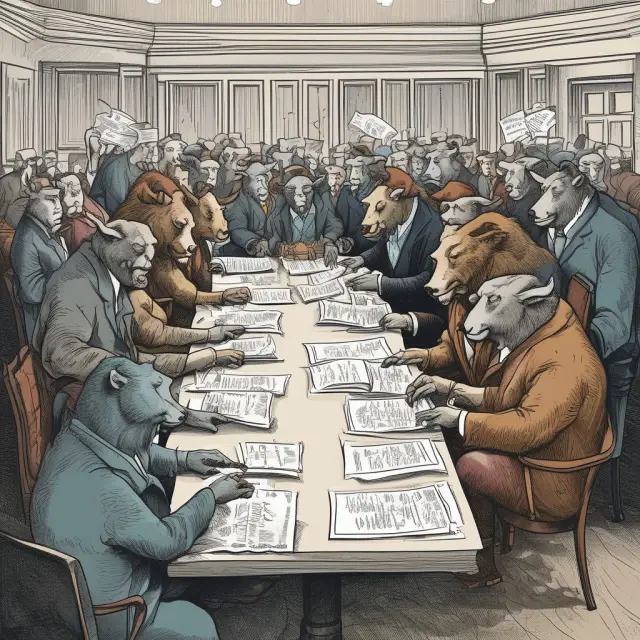
The unlawful practice of wash trading, which involves collusive trades between brokers and traders to mislead market participants, is strictly prohibited in the United States. These activities are outlawed under multiple regulatory bodies, including the Commodity Futures Trade Commission (CFTC) and the Internal Revenue Service (IRS).
First introduced in 1936 with the passage of the Commodity Exchange Act, wash trading was a popular tool for manipulators to falsely signal interest in securities to inflate their values, subsequently enabling shorting. As a result, the law amended the Grain Futures Act and required all commodity transactions to occur on regulated exchanges (CFTC). Additionally, CFTC regulations prevent brokers from profiting from wash trades, even if they claim ignorance of their customers’ intentions. Brokers must exercise due diligence when processing trades to ensure their clients are acquiring securities for common beneficial ownership and not engaging in illicit practices.
The IRS also views wash trading unfavorably and bars taxpayers from deducting losses resulting from such transactions. The IRS defines a wash sale as one that occurs within 30 days of the previous purchase, leading to a loss (IRS). In the context of high-frequency trading, regulatory bodies are increasing their scrutiny and monitoring techniques to prevent potential instances of wash trades and other illicit activities.
Understanding Wash Trading and Its Prohibition in the US
Wash trading is an unlawful financial practice where a trader or investor executes two seemingly separate yet identical transactions, with the intention of canceling each other out. This deceptive maneuver aims to manipulate market data, inducing others to trade based on false information (Finance). Historically, wash trading was used in stock markets to generate the false impression that a security is more popular than it truly is, prompting additional investors to follow suit and drive up its price. However, the advent of high-frequency trading platforms has made the practice easier to execute and harder to detect, especially within large volumes of data (Forbes).
The CFTC and IRS have taken a firm stance against wash trades due to their potential to manipulate markets, impacting other investors’ decisions and causing financial instability. Wash trading violates multiple regulations, including those that govern market integrity, insider trading, and securities fraud (CFTC). Moreover, tax authorities view it as an attempt to secure improper tax benefits.
CFTC Regulations Against Wash Trading
The Commodity Exchange Act of 1936 prohibits brokers from executing wash trades for their own accounts or on behalf of their customers (CFTC). Brokers must implement measures to prevent such trades, as they can distort market information, artificially inflate trading volumes, and potentially result in market manipulation.
To protect investors, the CFTC requires that brokers exercise due diligence when processing transactions. They are expected to investigate customers’ intentions before executing a trade, ensuring their clients are not attempting to engage in wash trades or other prohibited activities. Additionally, they must maintain accurate records of all trades and provide them to regulatory bodies upon request (CFTC).
IRS Regulations on Wash Trades
The IRS bars taxpayers from deducting losses resulting from wash sales. A wash sale occurs when an investor sells a security at a loss and then purchases the same or a substantially identical security within 30 days before or after the sale (IRS). This regulation aims to prevent individuals from reaping tax benefits by taking advantage of temporary market downturns, only to repurchase the same asset at a lower price.
In summary, wash trading is a deceptive practice that violates multiple financial regulations and aims to manipulate markets. Both the CFTC and IRS prohibit this activity due to its potential to distort information, impact investor decisions, and result in financial instability. Brokers must exercise diligence when processing trades and ensure their clients are not attempting to engage in such practices. Additionally, taxpayers cannot deduct losses from wash sales as they would be considered a violation of IRS regulations.

Wash Trading and High-Frequency Trading
Wash trading, an illegal financial practice whereby a trader executes buy-and-sell orders of the same security to mislead the market about its true volumes, has persisted despite regulatory efforts to eradicate it. This deceptive practice gained renewed attention in the context of high-frequency trading (HFT), a controversial market phenomenon that emerged in the late 1990s. Understanding wash trading within the context of HFT requires an analysis of how this manipulative activity can potentially be used to manipulate markets and distort price information.
The rapid rise of HFT was marked by the increasing use of advanced technology, such as sophisticated algorithms, low-latency connections, and vast computational power. These technological advancements enabled traders to execute trades at lightning speeds, sometimes within microseconds, thereby generating significant trading volumes. However, this speed and volume came under scrutiny due to concerns that some firms could be engaging in wash trading to create a false sense of market activity.
High-frequency traders often employ complex strategies such as arbitrage and market making, which involve buying and selling securities rapidly based on pricing discrepancies between various markets or exchanges. While these strategies are generally considered legitimate, they can blur the lines between wash trading and high-frequency trading. The challenge for regulators lies in distinguishing between legal and illegal practices within the HFT ecosystem.
Regulatory bodies such as the Securities and Exchange Commission (SEC) and the Commodity Futures Trading Commission (CFTC) have taken steps to address wash trading within high-frequency trading, with regulations aimed at preventing collusion between traders and brokers. For instance, CFTC requires that brokers perform due diligence on their customers to ensure they are not engaged in wash trades for the purpose of manipulating markets. The IRS also prohibits taxpayers from deducting losses resulting from wash sales, which further discourages the practice.
Wash trading within high-frequency trading can have significant consequences, including distorted market prices and potential harm to unsuspecting investors. Misleading information about market activity and volumes can influence other traders’ decisions, causing them to enter or exit trades based on false data. This can lead to artificial price movements and increased volatility, which may negatively impact both individual investors and the broader financial markets.
Despite regulatory efforts, wash trading continues to persist within high-frequency trading, particularly in unregulated markets such as cryptocurrency exchanges. As the digital asset market evolves and increasingly attracts institutional investors, it is essential to address these concerns and ensure fair and transparent market practices.
In conclusion, wash trading represents a significant challenge for regulators and market participants alike within high-frequency trading. While the potential benefits of this technology are substantial, it is crucial to maintain transparency and integrity in financial markets by addressing illicit activities such as wash trading. By fostering collaboration between regulators, exchanges, and industry experts, it may be possible to create a more level playing field and promote trust and confidence within the high-frequency trading community.

Wash Trading in Cryptocurrencies
The use of wash trading in cryptocurrencies is an increasingly prevalent issue that can significantly impact perceived volumes and prices within the market. Wash trading, which refers to the illegal act of buying and selling a security for the explicit purpose of providing misleading information, has been a contentious topic since its introduction in the stock markets during the 1930s. As cryptocurrencies have grown in popularity and volume, wash trading has followed suit.
Cryptocurrency markets are particularly vulnerable to this form of manipulation due to their decentralized nature and lack of universally accepted methods for calculating daily trading volumes. This ambiguity can create opportunities for nefarious actors seeking to inflate trading volumes or mislead the market with false activity. Moreover, the anonymity offered by cryptocurrencies makes it easier for traders to engage in wash trades without being easily detected.
The prevalence of wash trading is further exacerbated by the high volatility and extreme price swings inherent in the cryptocurrency market. These factors can create incentives for rapid buys and sells, making it difficult for investors to discern legitimate trading activity from manipulative practices such as wash trading.
A study by Forbes found that over half of all reported Bitcoin trading volume is either fake or non-economic wash trading. This issue has significant implications for both individual investors and the overall market stability, as misrepresented volumes can lead to inflated prices or incorrect risk assessments. Additionally, pump-and-dump schemes that employ wash trading can result in substantial profits for insiders at the expense of unsuspecting investors.
The cryptocurrency industry’s regulatory landscape further complicates matters, with governments and regulatory bodies grappling with how best to address wash trading and other forms of market manipulation in this new and evolving market. As such, it is essential for investors to remain informed and diligent when investing in cryptocurrencies to minimize the risk of falling victim to wash trading scams or other manipulative practices.

Examples of Wash Trading Scandals
Wash trading scandals have marked several significant events in financial history, with some instances dating back to the early 20th century. One of the most infamous wash trades took place during the LIBOR scandal. This scandal, which involved manipulation of interest rates by banks and brokerages, saw numerous illegal activities taking place between traders and brokers. UBS traders colluded with a brokerage firm to conduct nine wash trades that generated 170,000 pounds in fees for the firm. These trades were instrumental in manipulating LIBOR submission panels for the Japanese yen, leading to substantial losses for various investors.
Wash trades can also be employed to artificially boost trading volumes and inflate security prices within a pump-and-dump scheme. In such schemes, a trader might collaborate with a brokerage firm to execute rapid buy-sell transactions, thereby creating the false impression of high market interest in a particular stock. Investors, taking cues from this perceived market activity, may then invest in the stock themselves, driving up its price and enabling the original trader to profit by shorting the security.
Another significant instance of wash trading occurred during the high-frequency trading era when Wedbush Securities was accused of failing to maintain proper control over its trading platforms. As a result, certain high-frequency traders within this brokerage firm were able to engage in wash trades and other manipulative practices. The Securities and Exchange Commission (SEC) charged the company for this violation in 2014.
More recently, cryptocurrency markets have faced concerns regarding wash trading due to their murky regulatory status and high volatility. A 2022 study by Forbes revealed that over half of the reported Bitcoin trading volume on 157 exchanges was either fake or non-economic wash trading. Cryptocurrencies’ lack of universally accepted methods for calculating trading volumes and their susceptibility to extreme price fluctuations have made them an attractive target for manipulative practices, including wash trading.
Understanding the implications and consequences of wash trading scandals is crucial for investors, traders, and regulators alike. These instances serve as reminders that the financial markets can be influenced by illegal activities that distort market prices and volumes, potentially leading to substantial losses and reputational damage. By recognizing and addressing these concerns, regulatory bodies, exchanges, and industry participants can help maintain fair and transparent financial markets for all.

Consequences and Risks of Wash Trading
The implications of engaging in wash trades are severe for traders, investors, and the financial markets as a whole. Not only is wash trading illegal under U.S. law, but it also poses significant moral hazards, ethical concerns, and potential penalties for those who engage in this illicit practice.
From a legal standpoint, wash trades are explicitly forbidden by various regulatory bodies. The Commodity Exchange Act (CEA) prohibits brokers from profiting from wash sales. According to the CFTC, a broker must ensure that a trader is purchasing shares in a company with the intention of common beneficial ownership rather than for the express purpose of making misleading information available to the market through wash trading. Violators face civil and criminal penalties, including fines and even imprisonment.
The IRS also imposes strict regulations against wash trades. A loss resulting from a wash sale is not tax-deductible under the Internal Revenue Code (IRC). The IRS defines a wash sale as one that occurs within 30 days of buying or selling the security, resulting in a loss.
Beyond legal and financial penalties, wash trading can lead to significant ethical concerns for both investors and traders. By misrepresenting trading volumes and market activity, wash trades can create an atmosphere of distrust among legitimate investors, potentially driving them away from the markets or leading them to make uninformed decisions. Wash trading can also impact the integrity of financial benchmarks, such as the London Interbank Offered Rate (LIBOR), which is used to set interest rates for trillions of dollars in loans and derivatives contracts.
In addition to its ethical implications, wash trading poses a significant risk to market stability. The artificial inflation of trading volumes can lead to increased volatility, as investors may overreact to false signals or make decisions based on misleading information. This, in turn, can create ripple effects throughout the financial markets and potentially trigger broader market instability.
Wash trades have been a persistent issue throughout history. In the early 20th century, wash trading was used by stock manipulators to artificially inflate stock prices. More recently, wash trading has resurfaced in high-frequency trading (HFT) and cryptocurrency markets. The use of HFT algorithms and automated trading platforms can make it difficult for regulators to detect and prevent wash trades. Similarly, the lack of transparency and regulation within the crypto market creates an environment ripe for wash trading activity.
In conclusion, wash trading is an illicit practice that poses significant legal, ethical, and financial risks to traders, investors, and markets. It is crucial that all participants in the financial industry remain vigilant against this illegal activity and work together to prevent it from undermining the integrity of our markets. Through increased regulation, education, and transparency, we can minimize the impact of wash trading and protect the long-term health of our financial systems.

Detection and Prevention of Wash Trading
Wash trading, a form of securities fraud where an investor or trader artificially manipulates market data by buying and selling the same security within a short period, can have serious consequences on various markets. Regulators and exchanges work diligently to detect and prevent these illicit practices to ensure fairness and transparency in trading activities.
Regulations against wash trading are enforced primarily through the Commodity Exchange Act (CEA), which amended the Grain Futures Act in 1936, requiring all commodity trading to occur on regulated exchanges. The CFTC strictly prohibits brokers from profiting from wash trades and mandates that they perform due diligence on their customers to ensure common beneficial ownership of securities. In the U.S., the IRS also bars taxpayers from deducting losses resulting from wash sales, defined as transactions within 30 days of each other involving the same or a substantially identical security.
With the advent of high-frequency trading (HFT) and advanced computer systems, concerns regarding wash trading increased due to the potential for automated wash trades to go undetected. The Securities and Exchange Commission (SEC) has taken steps to investigate HFT firms for engaging in manipulative activities, such as wash trading. For instance, in 2014, Wedbush Securities was charged with failing to maintain control over their trading platforms, resulting in some of its high-frequency traders conducting prohibited wash trades.
Wash trading has also surfaced within the cryptocurrency market, with an estimated half of reported Bitcoin trading volumes being fake or non-economic wash trading according to a Forbes study. In this decentralized and largely unregulated environment, it is crucial for exchanges and regulators to employ robust surveillance methods to detect and prevent illicit wash trades.
Methods used by regulatory bodies to identify and deter wash trading include analyzing transaction patterns, examining large trade orders, monitoring abnormal price movements, and implementing real-time market surveillance systems. Additionally, market participants should be vigilant for suspicious trading activity and report any potential signs of wash trading to the relevant authorities.
The consequences of engaging in wash trades can lead to severe penalties, including fines and even criminal charges. In 2015, a UBS trader was sentenced to six months in prison for carrying out nine wash trades totaling £170,000 as part of a LIBOR manipulation scheme.
Understanding the potential risks associated with wash trading and the measures taken by regulators to prevent it is essential for investors and traders to ensure they maintain a strong ethical stance in their trading activities and protect themselves from potential market manipulations.

Moral Hazards and Ethical Concerns of Wash Trading
Wash trading is not only illegal, but it also raises significant ethical concerns for investors, traders, and markets as a whole. The practice deceives market participants by manipulating trading volumes, potentially leading to substantial financial losses for unsuspecting investors. By examining the moral hazards and ethical implications of wash trading, we can better understand the gravity of this illicit activity.
One of the most significant ethical concerns surrounding wash trading is its potential impact on investor trust. Wash trades create an artificial sense of market liquidity and volatility by artificially inflating trading volumes. When investors observe unusually high trading activity, they may be more likely to enter or exit positions based on these false signals. This could lead to significant losses for those who follow the misleading information and can ultimately undermine trust in the fairness of financial markets.
Moreover, wash trades create an uneven playing field for investors by allowing insiders, such as market manipulators and high-frequency traders, to profit at the expense of unsuspecting investors. The use of this tactic could result in substantial losses for those who rely on misleading information generated from wash trading activities.
Furthermore, the ethical concerns of wash trading extend beyond the individual investor level and can impact entire markets. Manipulated trading volumes could lead to market instability, potentially causing wider economic ramifications. For instance, inefficiencies created by wash trades could result in a loss of market transparency and increase overall transaction costs for all participants.
The ethical implications of wash trading also raise concerns about the role and responsibilities of financial intermediaries, such as brokers and exchanges. These entities have a duty to protect their clients from fraudulent activity, but they can sometimes facilitate or ignore wash trades that generate fees for their firms. In cases where intermediaries are complicit in wash trading activities, investors may lose trust not only in the markets but also in these institutions.
Despite its illicit nature and ethical concerns, wash trading continues to pose a significant threat to financial markets. It is essential that regulators remain vigilant in detecting and preventing wash trading activities and imposing strict penalties on those who engage in such practices. Furthermore, market participants must remain informed about the risks of wash trading and the importance of upholding ethical standards when participating in financial markets.
In summary, wash trading raises significant moral hazards and ethical concerns for investors, traders, and markets as a whole. The practice deceives market participants by manipulating trading volumes, potentially leading to significant financial losses for unsuspecting investors and ultimately undermining trust in the fairness of financial markets. It is crucial that regulators remain committed to detecting and preventing wash trading activities, and market participants must stay informed about the importance of ethical standards when participating in financial markets.

Investing Strategies that Mimic Wash Trading: Arbitrage and Market Making
Arbitrage and market making are legitimate investment strategies that involve buying and selling securities, but they can create confusion with wash trades due to their potential impact on trading volumes and prices. In this section, we will discuss these strategies, their purpose, and how they differ from wash trading.
1. Arbitrage: Arbitrage is a strategy used by traders to profit from price differences in identical or similar securities across different markets or exchanges. Arbitrage opportunities arise when the prices of an asset differ between two markets, allowing traders to take advantage of these discrepancies by simultaneously buying in one market and selling in another at a higher price.
For example, if Bitcoin is priced at $10,000 on exchange A but at $9,500 on exchange B, an arbitrage trader can buy Bitcoin from exchange B and sell it on exchange A to capture the $500 difference in price. In this process, they are essentially buying low and selling high, generating a riskless profit without taking on any fundamental risk.
2. Market Making: Market making is another investment strategy where traders act as both buyers and sellers of securities in a particular market or exchange. Their role is to maintain liquidity in the market by quoting buy and sell prices for their securities, thereby providing other investors with easy access to trading opportunities. As they facilitate trades between buyers and sellers, market makers earn a bid-ask spread as the difference between their buying and selling prices.
While market making involves buying and selling securities, it is not considered wash trading because the aim is to create an orderly and efficient market, rather than misleading other investors with false information or manipulating market data. Market makers play a crucial role in maintaining liquidity and ensuring that markets remain functional during periods of volatility and uncertainty.
Though arbitrage and market making are legitimate trading strategies, they can create confusion with wash trades due to their influence on trading volumes and prices. In particular, these strategies can generate substantial order flow, potentially leading investors to mistakenly believe that there is more genuine interest in a security than what actually exists. Understanding the differences between these strategies and wash trading is crucial for both retail and professional investors to avoid falling victim to deceptive or manipulative practices.

FAQs on Wash Trading
What is wash trading?
Wash trading is an illegal practice where a trader or investor executes two offsetting orders in quick succession to manipulate market information, giving a false sense of activity and price movement. In some cases, the trader may use multiple accounts or work with a brokerage firm to facilitate these trades. The primary goal is to deceive other investors regarding the liquidity or demand for a particular security, potentially impacting its price.
When did wash trading become illegal?
Wash trading was first made illegal in the United States under the Commodity Exchange Act of 1936, which required all commodity trading to occur on regulated exchanges. The Securities and Exchange Commission (SEC) and Commodity Futures Trade Commission (CFTC) have since enforced regulations against wash trades.
Why is wash trading considered a problem?
Wash trading can lead to market inefficiencies, deceive investors, and impact the integrity of financial markets. By artificially inflating trading volumes or prices, it can create misinformation and confusion for legitimate investors, potentially leading them to make poor investment decisions. It also violates securities laws, as well as tax regulations that prohibit the deduction of losses from wash trades.
What is the difference between high-frequency trading and wash trading?
High-frequency trading (HFT) is a legal strategy used by traders to execute large orders at optimal prices in short timeframes, while wash trading involves executing two offsetting orders with the intention of manipulating market information. HFT firms may, however, engage in illegal wash trades to gain an edge on other market participants.
Can wash trading occur in cryptocurrencies?
Yes, wash trading can and does occur in the cryptocurrency markets. Due to the decentralized nature of these markets, it can be more challenging for regulatory bodies to enforce anti-wash trading regulations. Additionally, the lack of transparency in some exchanges and the ease with which large trades can be concealed make wash trading an attractive proposition for bad actors.
What is the penalty for engaging in wash trades?
Penalties for wash trading include fines, civil penalties, and even criminal charges. Both the SEC and CFTC have pursued legal action against individuals and firms found to engage in wash trading, with penalties ranging from six figures to millions of dollars. In 2014, Wedbush Securities paid a $6 million fine for enabling its high-frequency traders to engage in wash trades and other prohibited practices.
What are some notable examples of wash trading scandals?
Some noteworthy wash trading cases include the LIBOR scandal, where traders from various banks executed tens of thousands of wash trades to manipulate interbank lending rates. In 2013, then-Commissioner Bart Chilton announced the SEC’s intention to investigate high-frequency trading firms for potential wash trading violations. More recently, in 2022, Forbes reported that over half of Bitcoin trading volume may be fake or non-economic wash trades.
How can I avoid engaging in wash trades?
To prevent accidental wash trading, consider setting up stop losses and limits on your orders to minimize the risk of executing offsetting trades. Be aware of the potential for unintentional wash trades when trading multiple securities or using algorithmic trading strategies. Lastly, ensure you have a clear understanding of your broker’s policies regarding wash sales and consult with them if you are unsure about any trade activity on your account.
 Next entry · No. 5,628Understanding Wassily Leontief: An Economist Pioneer in Input-Output Analysis and the Leontief Paradox
See also
-
 No. 4,262
04 Jun 2025
22 min
Quote Stuffing: A High-Frequency Trading Tactic with Regulatory Concerns
Finance Policy
No. 4,262
04 Jun 2025
22 min
Quote Stuffing: A High-Frequency Trading Tactic with Regulatory Concerns
Finance Policy -
 No. 3,810
28 Apr 2025
21 min
Understanding the Complexities and Benefits of Trading Over-the-Counter (OTC)
Finance Policy
No. 3,810
28 Apr 2025
21 min
Understanding the Complexities and Benefits of Trading Over-the-Counter (OTC)
Finance Policy -
 No. 3,764
25 Apr 2025
16 min
Understanding Option Cycles: A Comprehensive Guide for Professional Investors
Finance Policy
No. 3,764
25 Apr 2025
16 min
Understanding Option Cycles: A Comprehensive Guide for Professional Investors
Finance Policy -
 No. 5,908
17 Oct 2025
26 min
Understanding Zero Plus Ticks in Finance and Investment: An Essential Guide for Institutional Investors
Business Finance
No. 5,908
17 Oct 2025
26 min
Understanding Zero Plus Ticks in Finance and Investment: An Essential Guide for Institutional Investors
Business Finance -
 No. 5,863
14 Oct 2025
21 min
Understanding Yield Maintenance: A Prepayment Penalty for Institutional Investors
Business Finance
No. 5,863
14 Oct 2025
21 min
Understanding Yield Maintenance: A Prepayment Penalty for Institutional Investors
Business Finance -
 No. 5,453
10 Sep 2025
21 min
Understanding Variation Margin: What It Is, How It Works and Its Importance
Business Finance
No. 5,453
10 Sep 2025
21 min
Understanding Variation Margin: What It Is, How It Works and Its Importance
Business Finance