Animal Spirits: The Human Emotions Driving Financial Markets
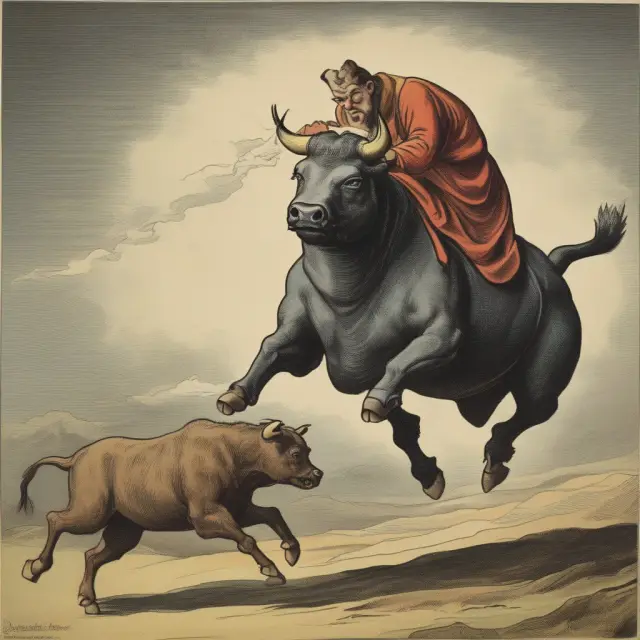
Exploring the impact of emotions on financial markets through history, psychology, behavioral economics, and real-world examples, including the dotcom…
Understanding Animal Spirits: A Historical Perspective
The term “animal spirits” was first coined by John Maynard Keynes, a British economist, in 1936. In his seminal work, The General Theory of Employment, Interest, and Money, he used this term to describe the human emotions that underlie financial decisions during times of economic stress or uncertainty. Animal spirits can be traced back to ancient times, where they referred to the breath of life or vital energy within humans. However, it was Keynes who brought this concept into modern finance and economics, using it to explain how emotions shape investor behavior and market dynamics.
Animal spirits have their origins in both literature and medical physiology. In literary culture, animal spirits referred to states of physical courage, gaiety, and exuberance. In the field of human anatomy and medical physiology, they applied to the fluid or spirit present in sensory activities and nerve endings in the brain, which resulted in mass psychological phenomena like manias or hysterias. Animal spirits essentially represent the emotional and psychological drivers behind economic decisions and market volatility.
In finance, animal spirits manifest as market psychology defined by either fear or greed. These emotions can fuel bubbles in asset prices, panic selling, and contribute to the overall uncertainty and instability that characterizes financial markets. Keynes recognized the importance of these emotional factors in understanding economic behavior and introduced this concept to help explain why people behave irrationally during uncertain times.
Fast forward to the 21st century, and animal spirits remain an essential part of our understanding of market psychology and behavioral economics. Economists George Akerlof and Robert J. Shiller further explored the role of animal spirits in their 2009 book, Animal Spirits: How Human Psychology Drives the Economy, and Why it Matters for Global Capitalism. They argue that emotions can have a significant impact on economic outcomes, and governments should intervene to manage these emotional forces when necessary to prevent economic instability.
One of the most intriguing aspects of animal spirits is how they challenge the traditional assumptions of rationality and efficiency in finance and economics. These assumptions suggest that individuals make decisions based on solid analysis and a clear understanding of market fundamentals. However, as Keynes and others have shown, emotions can play a crucial role in shaping investment choices and driving market trends.
As we delve deeper into the concept of animal spirits, we will explore its origins, how it manifests in financial markets, Keynes’ perspective on the importance of emotion in business decisions, and its influence on modern behavioral economics. We will also examine key examples of animal spirits in action, including the dotcom bubble and the Great Recession, as well as critiques of the theory.
In the following sections, we will dive deeper into this intriguing concept, exploring the various facets of animal spirits that help us understand not just financial markets but also human behavior. Through a historical perspective, we can gain valuable insights into the power of emotions in shaping economic decisions and market dynamics.
Animal Spirits and Market Psychology
John Maynard Keynes introduced the term “animal spirits” in his seminal book, The General Theory of Employment, Interest, and Money, to explain how human emotions like fear and greed impact financial markets. Animal spirits represent the underlying psychological forces that influence investor behavior during uncertain or volatile times.
The Concept of Animal Spirits: Origins and Etymology
Animal spirits can be traced back as far as ancient Greek medical texts, where they referred to the vital fluid responsible for sensory perception and nerve function in the brain. In a more metaphorical sense, animal spirits have also appeared throughout literature, symbolizing physical courage or exuberance.
Keynes borrowed the term from this literary usage, employing it to describe the emotional forces driving financial decision-making in uncertain environments. Keynes believed that attempting to analyze future yield based on available information was often fruitless. Instead, he suggested that animal spirits played a crucial role in helping people navigate an uncertain economy.
Market Psychology and Behavioral Economics: Fear and Greed
Animal spirits are at the heart of market psychology and behavioral economics. Market psychology is a broad term used to describe how collective emotions, such as fear or greed, influence financial markets. The theory posits that these emotions can drive asset prices far above or below their fundamental values. Behavioral economics, on the other hand, focuses specifically on human decision-making in economic contexts and how emotions and cognitive biases play a role.
Emotionally Charged Market Events: Bubbles and Panic Selling
Animal spirits can lead to significant market events, such as bubbles or panic selling. For instance, during the late 1990s’ dotcom bubble, animal spirits manifested in investors’ irrational exuberance, driving stock prices far above their fundamental values. Conversely, during the 2008 financial crisis, fear and panic sold caused asset prices to plummet, resulting in significant losses for many investors.
Influence on Business Leaders: Intuition vs. Analysis
According to Keynes’ perspective, business leaders base their decisions not only on rational analysis but also on intuition and the actions of competitors. During times of economic uncertainty, emotional thoughts may sway decision-making, potentially leading to inefficient markets or even financial crises.
Animal Spirits in the Modern World: Akerlof and Shiller’s Perspective
George A. Akerlof and Robert J. Shiller, both Nobel laureates, extended Keynes’ ideas about animal spirits in their 2009 book, Animal Spirits: How Human Psychology Drives the Economy, and Why It Matters for Global Capitalism. In it, they argue that understanding animal spirits is crucial for understanding economic instability. However, they also propose that government intervention may be necessary to manage the adverse effects of these emotions on financial markets.
Five Key Types of Animal Spirits: Confidence, Corruption, Money Illusion, Fairness, and Stories
Akerlof and Shiller further identify five key types of animal spirits that influence economic decision-making: confidence, corruption, money illusion, fairness, and stories. These cognitive and psychological forces help explain the inconsistencies in financial markets and serve as a useful framework for understanding why economies can fall into depression or experience volatile asset prices.
Examples of Animal Spirits in Action: The Dotcom Bubble and the Great Recession
The dotcom bubble during the late 1990s is an excellent example of how animal spirits can contribute to market irrationality. As the tech sector grew rapidly, investors’ greed led them to invest heavily in companies with little or no earnings, resulting in unsustainable stock price growth. Once reality set in, the market experienced a significant correction, leading to massive losses for many investors.
Similarly, during the 2008 financial crisis, fear and panic selling contributed significantly to asset price declines. As rumors of mortgage defaults spread, confidence in financial institutions and assets plummeted, causing widespread panic selling. This ultimately led to a sharp contraction in credit markets and a global economic downturn.
Critiques of Animal Spirits: Efficient Markets vs. Human Emotion and Rationality
Despite the popularity of animal spirits as an explanation for market volatility and irrationality, some economists argue that efficient markets are ultimately self-correcting, and human emotions like fear and greed do not significantly impact their performance in the long run. These critics contend that individual irrationality cancels out in the aggregate, making it insignificant to market outcomes. However, animal spirits theory challenges this perspective by emphasizing the role of collective emotion and herd mentality in driving financial markets.
Additionally, some argue that over-regulation or interventionist monetary policy can contribute to asset price bubbles and subsequent crashes, rather than human emotions alone. These critiques are often rooted in alternative economic theories like Austrian economics or libertarianism, which emphasize the importance of market efficiency and the consequences of government interference.
The Future of Animal Spirits: Managing Market Emotions through Policy and Regulation
Despite criticisms, animal spirits remain a valuable concept for understanding financial markets and human behavior in economic contexts. As economies become increasingly interconnected, it is essential to continue exploring the ways that emotions and psychological forces shape economic trends and outcomes. Akerlof and Shiller’s work has sparked ongoing research in this area and provides useful insights for investors, policymakers, and scholars alike.
In conclusion, animal spirits represent an essential part of Keynesian economics and behavioral finance. These emotional forces, driven by fear and greed, play a significant role in market psychology and can lead to bubbles, panics, or other forms of financial instability. By understanding the underlying psychological mechanisms behind these phenomena, we can better navigate uncertain economic environments and develop more effective policy responses to mitigate their negative impacts.
The Role of Emotion in Business Decisions: Keynes’ Perspective
John Maynard Keynes, a renowned British economist, introduced the concept of “animal spirits” in his influential book, The General Theory of Employment, Interest, and Money (1936), to explain human decision-making in uncertain environments. Animal spirits represent the emotional forces that can significantly influence business leaders’ decisions, particularly during economic upheaval.
In Keynes’ view, uncertainty is an inherent aspect of financial markets, making it challenging for individuals to rely solely on data and analysis when making decisions. Instead, he believed that people base their choices on intuition and the behavior of others around them—the animal spirits. According to Keynes, trying to estimate future returns based on existing knowledge might amount to little or nothing in uncertain conditions. In such circumstances, people have no choice but to trust their emotional instincts to navigate economic uncertainty.
Keynes’ insights anticipated the rise of behavioral economics, as the concept of animal spirits can be considered a precursor to this field. Behavioral economics examines how emotions and biases influence individual decisions and market dynamics. The term “animal spirits” is still used today to discuss emotional drivers in financial markets and economic systems.
Animal spirits are not inherently good or bad but rather reflect the emotional forces that govern human behavior during periods of uncertainty. They can lead to bubbles or panics, as investors exhibit extreme emotions of fear or greed. These emotional responses can significantly impact market prices and, consequently, the overall economy. The importance of understanding animal spirits lies in their ability to help explain irrational behaviors and market volatility that defy traditional economic models based on rationality and efficiency.
Keynes’ concept of animal spirits has been influential in various fields beyond economics and finance. It is particularly relevant when considering the psychological dynamics underlying human behavior during uncertain times, as demonstrated by the events leading up to the 2008-09 financial crisis. In this context, understanding animal spirits remains a crucial aspect of economic analysis and policy design.

Animal Spirits and Modern Finance: Behavioral Economics
In modern finance, the concept of animal spirits has found a home within the realm of behavioral economics, which focuses on how humans make decisions under uncertainty—particularly in markets. Behavioral economists posit that people’s financial decision-making is not always rational and often influenced by emotions, cognitive biases, and social influence. Animal spirits play a significant role in understanding these behaviors because they represent the emotional factors driving the economic psychology of individuals and groups.
Behavioral economics builds upon Keynes’ ideas regarding animal spirits to explain various phenomena that traditional, or rational, economic models cannot account for effectively. This includes irrational decision-making, the persistence of biases, and herd behavior. Animal spirits provide a foundation for understanding how emotions affect our perceptions, judgments, and actions in financial markets.
The term animal spirits is used to describe the emotions of confidence, hope, fear, and pessimism that impact decision-making during uncertain times or volatile markets. These emotions can result in irrational exuberance (extreme optimism) or a panic selloff (extreme pessimism). Both can lead to market bubbles and crashes, as seen in the dotcom bubble of the late 1990s and the Great Recession of 2008.
Behavioral economists argue that emotions influence decision-making through several channels:
- Affective forecasting: This refers to people’s ability to predict their emotional response to future events, which can lead to inaccurate judgments about the likelihood and consequences of various outcomes.
- Loss aversion: People are more sensitive to potential losses than gains. For example, investors might be reluctant to sell a losing stock, hoping for a rebound despite evidence suggesting otherwise, due to their fear of loss.
- Anchoring: People rely too heavily on initial information when making judgments, which can lead to biased decisions. For instance, an investor might be overly influenced by the performance of a specific stock or asset class in the recent past (an anchor), neglecting other important factors.
- Herd behavior: Individuals often follow the actions and opinions of others in their social group (herd mentality). This can lead to market trends that are not based on fundamental analysis but rather on emotions and social influence.
- Availability bias: People tend to overemphasize information that is easily accessible, which can lead to biased judgments. For example, investors might focus too much on recent news events or market trends when making investment decisions, neglecting long-term considerations.
Understanding the role of animal spirits in behavioral finance helps explain various phenomena that traditional economic models cannot account for effectively. These include:
- Market bubbles and crashes: Behavioral finance posits that animal spirits can lead to extreme optimism (irrational exuberance) or panic selling, resulting in market bubbles and crashes that are not necessarily based on the underlying fundamentals of the assets involved.
- Anomalies: Behavioral finance also explains various anomalies observed in financial markets, such as the size effect (small stocks outperforming large ones), value effect (value stocks outperforming growth stocks), and momentum effect (winning stocks continuing to perform well). These anomalies are attributed to investor behavior rather than market efficiency.
- Market efficiency: While some argue that markets are efficient, others believe that animal spirits undermine this assumption. The debate revolves around whether individual irrationality washes out in the aggregate or if it leads to persistent market mispricings and anomalies.
- Regulation and policy: Behavioral finance suggests that governments should intervene in financial markets to mitigate the impact of animal spirits on economic stability, particularly during times of uncertainty and volatility. This is a departure from traditional free-market ideas, which argue against government intervention in financial markets.
In conclusion, understanding the role of animal spirits in modern finance through behavioral economics provides valuable insights into the emotional factors driving human decision-making in financial markets. By acknowledging the influence of emotions and biases on investment behavior, we can better understand various market phenomena, such as bubbles and crashes, anomalies, and regulatory responses. This knowledge helps investors make more informed decisions and contributes to a more nuanced understanding of financial markets.
Five Cognitive and Psychological Types of Animal Spirits
British economist John Maynard Keynes introduced the term “animal spirits” to describe human emotions that influence financial decision-making in uncertain environments and volatile times. Economists George Akerlof and Robert J. Shiller later identified five cognitive and psychological types of animal spirits, expanding our understanding of this important concept.
- Confidence: Confidence refers to an optimistic belief in the future. When individuals are confident about their financial situation or economic prospects, they tend to take risks and invest more. This can lead to a self-fulfilling prophecy where confidence drives further investment and economic growth. On the other hand, if confidence is low, it can create a negative feedback loop that dampens economic activity and increases uncertainty.
- Corruption: Corruption represents the potential for moral hazard or ethical compromise in financial decision-making. When individuals face little accountability for their actions, they may be tempted to act irrationally, taking undue risks or engaging in deception, which can create bubbles, asset price inflation, or even market crashes.
- Money Illusion: Money illusion is the tendency to focus on nominal (money) values instead of real (inflation-adjusted) values when making economic decisions. For example, investors may base their investment decisions solely on current stock prices rather than considering future earnings growth or inflation rates. This can result in mispricing of assets and market instability.
- Fairness: Fairness is an essential component of social cohesion and trust within a society. It influences economic behavior by shaping perceptions of what is just and acceptable, including the distribution of wealth and opportunities. When individuals feel that the system is fair and functioning properly, they are more likely to participate in the economy. Conversely, when fairness is perceived as lacking, individuals may become disillusioned and withdraw from economic activity.
- Stories: Humans tend to create narratives or stories about themselves and their environment to make sense of the world around them. These stories can influence financial decision-making by shaping perceptions of risks and rewards. For example, during periods of uncertainty, individuals may cling to comforting narratives that rationalize continued investment in a particular asset class, even when there are signs of impending danger.
Understanding the five cognitive and psychological types of animal spirits helps economists consider answers to tricky questions such as “why do economies fall into depression” and why financial prices and corporate investments are so volatile. These insights provide essential context for evaluating market behavior and economic policymaking, particularly during times of uncertainty and volatility.
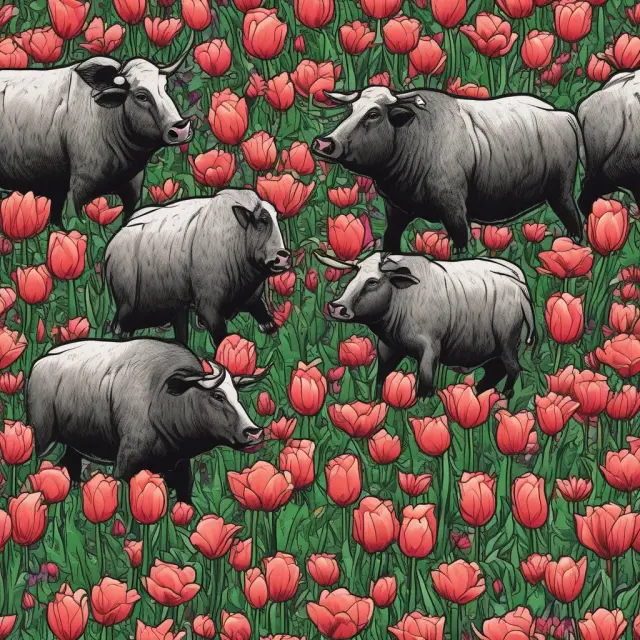
Examples of Animal Spirits in Action: The Dotcom Bubble
Animal spirits, as a term introduced by John Maynard Keynes, have been present throughout history in various forms, but they became particularly prominent during the 1990s tech boom and subsequent bubble. The dotcom era saw an unprecedented surge of exuberance, speculation, and irrational behavior that led to the infamous dotcom bubble.
The dotcom bubble was a period of rapid growth in the stock market between 1995 and 2000, characterized by skyrocketing valuations for technology-focused companies, often with no or little revenue. The term “irrational exuberance” came to describe the investor enthusiasm that fueled this bubble. It was coined by Alan Greenspan, then-chairman of the Federal Reserve, in a speech delivered on December 5, 1996. He acknowledged the potential for excessive valuations but emphasized that markets would eventually correct themselves.
The dotcom boom began as a result of several factors, including:
- The emergence and proliferation of the internet and related technologies, which presented significant opportunities for growth and innovation in various industries.
- The growing belief that the traditional rules of investing no longer applied to tech companies, leading to a shift away from fundamentals analysis towards speculation and hype-driven valuations.
- Easy access to capital through initial public offerings (IPOs), venture capital funding, and other financial instruments, enabling investors and companies to take on significant risk without fully understanding the potential consequences.
As the bubble grew, animal spirits became increasingly evident in the form of herd mentality and a belief that prices would continue to rise. This led to a feeding frenzy as more and more investors piled into the market, driving up stock prices even further. However, as with all bubbles, this surge could not be sustained.
The dotcom bubble burst in March 2000, with the NASDAQ index plunging from a peak of 5,048.62 on March 10 to a low of 1,139.90 on October 4, 2002, representing a 76.81% fall. By the end of 2001, most dotcom stocks had gone bust.
The consequences of the dotcom bubble were far-reaching, affecting not just the tech industry but also the broader economy and financial markets. The bursting bubble led to increased uncertainty, a drop in consumer confidence, and ultimately, a recession. However, it also paved the way for new technologies and business models, which eventually transformed industries such as retail, media, and communication.
The dotcom bubble serves as a stark reminder of the power of animal spirits in shaping financial markets and the economy. It demonstrates how emotions and herd mentality can drive investors to take risks that may not be grounded in sound financial analysis or fundamentals. It also highlights the importance of understanding the role of animal spirits in market psychology and the need for prudent regulation to help mitigate their potential negative impact.
In conclusion, the dotcom bubble is an excellent example of how animal spirits can manifest as fear or greed, leading to significant market volatility and economic consequences. By examining this historical event, we gain a better understanding of the importance of emotional factors in financial markets and the economy, and why it’s crucial to stay informed about these dynamics to make well-informed investment decisions.
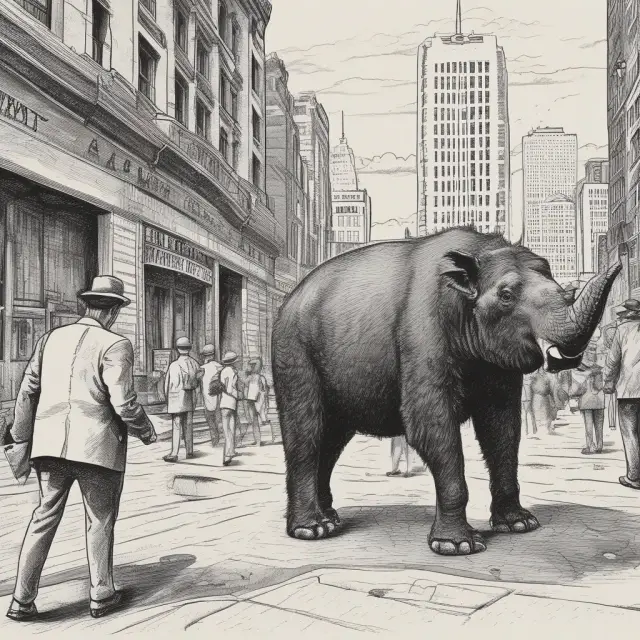
Examples of Animal Spirits in Action: The Great Recession
The 2008-09 financial crisis, also known as the Great Recession, offers a striking illustration of animal spirits in action. In this case study, we’ll discuss how the emotions and behaviors influenced by animal spirits played a significant role in shaping events leading up to one of the most cataclysmic periods in economic history.
Animal spirits are driven by human emotions such as fear or greed and can manifest in market psychology, making investors act irrationally when faced with volatility. In the context of the Great Recession, this behavior led to a series of events that ultimately fueled the collapse of the U.S. housing market and resulted in a global economic downturn.
The seeds of the crisis were sown during the early 2000s as low-interest rates spurred a surge in subprime mortgage lending, primarily to individuals with questionable credit histories. As house prices continued to rise, many borrowers saw their homes as valuable investments, taking out home equity loans and lines of credit to spend on consumer goods or even more real estate. The widespread belief that housing prices would always increase fueled the optimistic attitude among investors and homeowners alike—an instance of high animal spirits driving market exuberance.
However, this optimism began to wane as early as 2006 when housing prices started to level off and then decline in certain areas. Despite signs that the bubble was about to burst, many continued to pour money into real estate investments, blinded by high spirits. This irrational behavior persisted even when financial institutions like Bear Stearns began experiencing significant losses on their mortgage-backed securities.
In July 2007, two Bear Stearns hedge funds specializing in mortgage-backed securities faltered, and the firm was forced to sell itself to JPMorgan Chase to prevent a collapse. This event served as a wake-up call for investors, causing widespread panic and fueling a sharp decline in the housing market.
As fear took hold, financial institutions began selling off mortgage-backed securities, worsening the crisis. In September 2008, Lehman Brothers filed for bankruptcy, sending shockwaves throughout the global financial system and leading to unprecedented intervention from central banks and governments worldwide. This chaotic period is a perfect example of how animal spirits can contribute to extreme volatility in markets, causing both fear and exuberance to take hold among investors.
The aftermath of the Great Recession resulted in increased regulatory oversight and the passage of legislation like the Dodd-Frank Act, designed to mitigate the impact of animal spirits on financial markets and prevent another crisis from occurring. This case study highlights the importance of understanding animal spirits when analyzing market trends and economic cycles.
In conclusion, the Great Recession offers a compelling example of how animal spirits—human emotions like fear and exuberance—can significantly influence financial decision-making and contribute to market volatility. By examining this historical event, we gain insight into the importance of understanding emotion in economics and finance and how it can impact our economic system.

Critiques of Animal Spirits: Efficient Markets and Regulation
Despite its insights into market psychology and human emotions, the theory of animal spirits has been met with skepticism from some economists and financial experts who argue that markets are inherently efficient and that individual irrationality cancels out in the aggregate. This critique posits that asset prices fluctuate based on intrinsic value rather than emotion and herd mentality.
One prominent criticism is the efficient market hypothesis (EMH), which asserts that financial markets continuously price assets correctly based on available information, making it difficult for investors to consistently earn abnormal profits. According to this view, any behavior or trend driven by animal spirits eventually results in a correction of prices, neutralizing their impact.
However, some argue that the efficient market hypothesis may not account for the existence of bubbles and other irrational market movements. The 2008 financial crisis is a prime example, as it was characterized by widespread panic selling and significant asset price corrections, despite no fundamental change in the underlying economic conditions. Critics argue that animal spirits played a crucial role in shaping this event, as fear and uncertainty drove investors to sell off assets, exacerbating market volatility and creating a downward spiral.
Another critique of animal spirits is the perceived need for increased regulation in financial markets. The term’s association with irrationality and emotional behavior could be seen as an argument against laissez-faire policies, suggesting that government intervention might help mitigate the potential negative consequences of animal spirits on the economy.
Economists George Akerlof and Robert J. Shiller, in their book “Animal Spirits: How Human Psychology Drives the Economy, and Why it Matters for Global Capitalism,” argue that while animal spirits are significant, it is essential to acknowledge their potential negative effects on the economy and take steps to control them through regulation when necessary. They also identify five cognitive and psychological types of animal spirits: confidence, corruption, money illusion, fairness stories, and illusions of personal control. These phenomena can help explain why economies fall into depression or experience significant financial volatility.
In conclusion, the concept of animal spirits offers a unique perspective on human behavior in finance and economics by recognizing the role of emotions, irrationality, and herd mentality in shaping investment decisions and market movements. However, it has faced criticism for challenging the assumptions of rationality and efficiency that underpin traditional economic theory, as well as the potential need for increased regulation to manage its negative consequences. Regardless, animal spirits remain an essential concept for understanding market psychology and the complex forces driving financial markets and the economy as a whole.
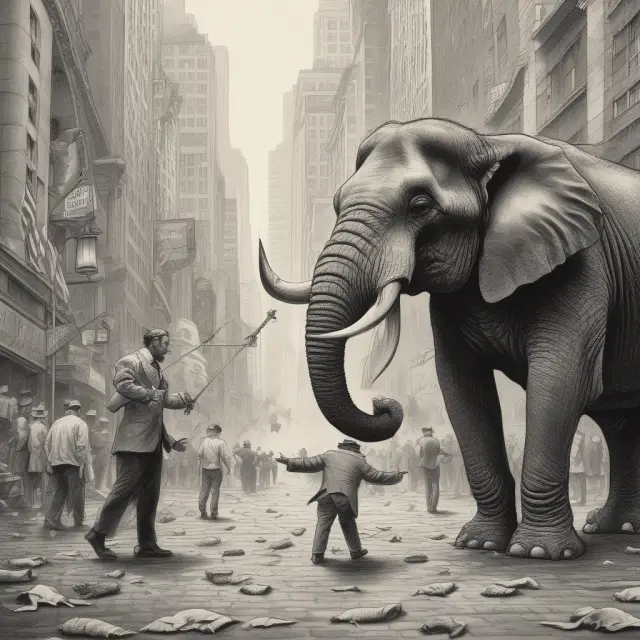
The Importance of Animal Spirits in Understanding Market Volatility
Animal spirits, a term coined by renowned economist John Maynard Keynes, have been instrumental in understanding the intricacies of market volatility and investor behavior. This concept, derived from the Latin spiritus animalis meaning “the breath that awakens the human mind,” is crucial for comprehending how human emotions like fear and greed can significantly impact financial decision-making during volatile economic periods.
Keynes introduced the term in his seminal work, The General Theory of Employment, Interest, and Money , published in 1936. He proposed that animal spirits are essential for understanding consumer confidence and its role in shaping market dynamics. Today, the term is widely used to describe the emotional factors that influence investor behavior and contribute to market volatility and financial bubbles.
Understanding the Historical Significance of Animal Spirits:
Animal spirits have a long and fascinating history, dating back to ancient times when they referred to the vital energy or spirit present in sensory activities and nerve endings in the brain that could result in mass psychological phenomena like manias or hysterias. The term also appears in literature, where it implies states of physical courage, gaiety, and exuberance.
The modern usage of animal spirits in finance and economics is rooted in Keynes’ theories on market psychology. By recognizing the importance of emotion in financial decision-making, Keynes paved the way for the development of behavioral economics, which seeks to understand how psychological and emotional factors influence economic choices.
Keynes’ Perspective on Animal Spirits and Market Psychology:
Keynes believed that during times of economic upheaval, human emotions could significantly impact people as they pursued their financial interests. He posited that the decisions of business leaders were influenced by intuition and the behavior of competitors rather than solid analysis. In uncertain environments, trying to estimate the future yield of industries, companies, or activities based on general knowledge and available insight amounts to little or nothing.
Akerlof and Shiller’s Animal Spirits:
In 2009, economists George Akerlof and Robert J. Shiller published the influential book Animal Spirits: How Human Psychology Drives the Economy, and Why It Matters for Global Capitalism . In this work, they expanded on Keynes’ theories by identifying five cognitive and psychological types of animal spirits that help economists answer complex questions, such as “why do economies fall into depression?” or why are financial prices and corporate investments so volatile? These phenomena include Confidence Corruption Money Illusion Fairness Stories.
Examples of Animal Spirits in Action:
Animal spirits can manifest in various ways and often lead to market psychology characterized by either fear or greed, resulting in irrational exuberance. Two examples demonstrate the power of animal spirits in shaping financial markets:
1. The Dotcom Bubble: During the late 1990s, the dotcom bubble saw asset prices rise far above their fundamental value due to investor enthusiasm and a sense of euphoria. Companies with no earnings could command extraordinary share prices, while the Nasdaq index saw a five-fold increase between 1995 and 2000. However, when this irrational exuberance subsided, the markets crashed, causing the Nasdaq to plummet by over 76% from its peak in March 2000 to its low point in October 2002. Most dot-com stocks went bust, leaving many investors with substantial losses.
2. The Great Recession: In the years leading up to the global financial crisis of 2008–09, a wave of financial innovations fueled by animal spirits saw the use of collateralized debt obligations (CDOs) and other financial instruments proliferate, particularly in the housing market. Initially seen as positive, the trend proved to be deceptive and fraudulent when the true nature of these instruments was revealed. The resulting loss of investor confidence led to a sell-off and a dramatic plunge in markets.
Criticisms of Animal Spirits:
Despite its value in understanding market volatility, the animal spirits theory has faced criticism from some economists who argue that markets are inherently rational and efficient. Others claim that bubbles result not from mass psychology but from government intervention and excessive regulation. However, these criticisms do little to undermine the significance of Keynes’ insights into human behavior and its impact on economic decision-making.
Conclusion:
Animal spirits provide a unique lens through which to view financial markets and investor behavior during periods of uncertainty or volatility. By recognizing the power of human emotions, we can better understand market psychology and the factors that influence financial decisions. Whether examining historical examples like the dotcom bubble or the Great Recession or seeking answers to complex economic questions, the concept of animal spirits remains a powerful tool in the world of finance and economics.

FAQs: Answering Common Questions about Animal Spirits
What exactly are animal spirits?
Animal spirits refer to the emotional forces that influence investors’ financial decisions, particularly during uncertain markets or times of volatility. Coined by British economist John Maynard Keynes in 1936, the term comes from the Latin spiritus animalis, meaning “the breath that awakens the human mind.”
What are some common examples of how animal spirits manifest?
Animal spirits can lead to market bubbles due to excessive optimism or pessimism. They contribute to herd mentality and can cause individuals to base their decisions on emotions rather than rational analysis. Animal spirits may also explain why financial prices and corporate investments can be volatile, despite seemingly strong fundamentals.
What is the difference between animal spirits and efficient markets?
Animal spirits theory challenges the assumption of market efficiency, suggesting that human emotions—not just rational analysis—can influence financial decision-making. Critics argue that inefficiencies introduced by animal spirits ultimately balance out in aggregate market behavior.
How do animal spirits impact economic policymaking?
Economists George Akerlof and Robert J. Shiller argue that, while animal spirits are a natural part of the economy, governments must intervene to control them when necessary. They suggest that if left unchecked, animal spirits could lead to overindulgence and instability in global capitalism.
What are some historical examples of animal spirits in action?
Animal spirits have been observed throughout history in various markets and economies. For instance, during the dotcom bubble in the late 1990s and early 2000s, investors irrationally overvalued tech companies, leading to a significant market downturn when their inflated expectations could no longer be sustained. Similarly, in the lead-up to the 2008 financial crisis, animal spirits contributed to an excessive use of complex financial products and risky investments, ultimately resulting in widespread panic selling.
How does the concept of animal spirits tie into behavioral economics?
Animal spirits are closely related to the principles of behavioral economics, which emphasizes that individuals’ emotional responses and cognitive biases influence economic decision-making. Keynes’ theories on animal spirits influenced the development of behavioral economics and continue to shape our understanding of market psychology today.
Where can I learn more about animal spirits?
To delve deeper into the concept of animal spirits, you may want to explore works by John Maynard Keynes, such as The General Theory of Employment, Interest, and Money (1936), or consult books like Animal Spirits: How Human Psychology Drives the Economy, and Why it Matters for Global Capitalism by George A. Akerlof and Robert J. Shiller. These sources provide valuable insights into the historical context, significance, and implications of animal spirits in finance and economics.
 Next entry · No. 169Annual Returns: Understanding the Geometric Mean of Stock, Bond, and Mutual Fund Investments
See also
-
 No. 3,897
05 May 2025
22 min
The Paradox of Thrift: Savings as a Net Drag on Economic Growth
Economics
No. 3,897
05 May 2025
22 min
The Paradox of Thrift: Savings as a Net Drag on Economic Growth
Economics -
 No. 1,059
22 Jul 2024
24 min
Understanding Disequilibrium in Finance and Investment: Causes, Effects, and Resolutions
Business Finance
No. 1,059
22 Jul 2024
24 min
Understanding Disequilibrium in Finance and Investment: Causes, Effects, and Resolutions
Business Finance -
 No. 753
02 Jun 2024
24 min
Understanding John Maynard Keynes’ Consumption Function: A Macroeconomic Tool for Investors
Economics
No. 753
02 Jun 2024
24 min
Understanding John Maynard Keynes’ Consumption Function: A Macroeconomic Tool for Investors
Economics -
 No. 228
07 Apr 2024
19 min
Understanding the Ask: The Offer Price and Its Role in Financial Markets
Markets
No. 228
07 Apr 2024
19 min
Understanding the Ask: The Offer Price and Its Role in Financial Markets
Markets -
 No. 224
07 Apr 2024
22 min
Understanding the Asian Financial Crisis of 1997: Causes, Impact, and Lessons
Finance History
No. 224
07 Apr 2024
22 min
Understanding the Asian Financial Crisis of 1997: Causes, Impact, and Lessons
Finance History -
 No. 5,922
18 Oct 2025
18 min
Understanding the Zone of Resistance: Technical Analysis for Institutional Investors
Financial Data Analysis
No. 5,922
18 Oct 2025
18 min
Understanding the Zone of Resistance: Technical Analysis for Institutional Investors
Financial Data Analysis