Breaking Down the Silo Mentality: The Hidden Costs of Independent Divisions

Exploring the origins, effects, and solutions for breaking down the silo mentality in organizations to improve communication, collaboration, and overall…
Understanding the Silo Mentality
The term ‘silo mentality’ has gained increasing attention in business circles, representing a major roadblock to effective communication and collaboration between departments within an organization. This section will delve into the origins of this concept and shed light on its far-reaching implications, discussing how silos hinder information sharing and ultimately damage both internal processes and customer experiences.
Origins of a Silo Mentality
The roots of the silo mentality can be traced back to historical organizational structures that originated from agricultural practices. Just as grain was stored in separate compartments, or ‘silos,’ within large storage containers to prevent cross-contamination and maintain purity, business departments began adopting similar independent mindsets when it came to sharing information and resources.
This phenomenon is often attributed to competition among senior managers who view their domains as distinct and separate from those of their colleagues. In an effort to secure their own power and authority, they may hoard valuable information or limit access to it, inadvertently perpetuating a culture where employees view each other as competitors rather than collaborators.
Effects of a Silo Mentality
The consequences of this narrow vision can be detrimental to an organization’s operational efficiency and overall success. When departments are siloed off from one another, miscommunication and misunderstandings can lead to duplication of effort, wasted resources, and missed opportunities for collaboration. Moreover, when information is not shared freely, employees may operate with outdated or inaccurate data, leading to workflow disruptions and operational inefficiencies that negatively impact the customer experience and ultimately erode profitability.
Additionally, the silo mentality can have a profound effect on employee morale, especially when individuals become aware of the damaging effects it has on the organization as a whole. The isolation that comes from working within a silo can create feelings of frustration, disengagement, and resentment among employees, often leading to high turnover rates and decreased productivity.
Overcoming the Silo Mentality: Cooperation, Communication, and Collaboration
Breaking down organizational silos requires a concerted effort from senior management to encourage cooperation, communication, and collaboration between departments. Some strategies for creating a more open and collaborative work environment include:
- Creating and communicating a unified vision that is shared across all departments, enabling employees to see their role in the bigger picture and fostering a sense of collective purpose.
- Implementing company-wide software systems and tools that facilitate seamless information exchange and data tracking, ensuring all departments have access to real-time, accurate information.
- Organizing interdepartmental events and workshops where employees from various departments can build relationships and learn about each other’s roles, enhancing mutual respect and understanding.
- Revisiting the compensation structure to align incentives with company goals, rewarding individuals for their contributions to shared objectives rather than focusing solely on individual departmental achievements.
The Role of Technology in Breaking Down Silos
Technology plays a crucial role in breaking down silos by enabling seamless information exchange and collaboration across departments. Implementing a unified software platform or intranet system can provide a centralized hub for employees to access relevant company data, share insights, and work together on projects, thereby improving communication, boosting efficiency, and enhancing overall organizational performance.
Impact on Employee Morale
A silo mentality not only hinders the flow of information but also significantly impacts employee morale. By fostering a culture of openness and collaboration between departments, employees are more likely to feel valued and engaged in their work, leading to increased motivation, productivity, and job satisfaction.
Case Studies: Success Stories in Breaking Down Silos
Numerous organizations have successfully dismantled silos within their ranks, leading to improved communication, increased collaboration, and enhanced overall performance. One example is IBM’s transformation from a hierarchical organization into a globally integrated enterprise, which resulted in the company generating over $1 billion in annual savings by breaking down internal barriers and fostering cross-functional teams.
Long-Term Consequences of a Silo Mentality
Maintaining a silo mentality over the long term can have serious implications for organizational growth, innovation, and competitiveness. By failing to adapt to the rapidly changing business landscape and embrace collaboration between departments, companies risk falling behind competitors who are better equipped to adapt to market shifts and seize new opportunities.
Cultivating a Culture of Information Sharing
Ultimately, breaking down organizational silos requires more than just implementing technological solutions or restructuring departmental hierarchies. It necessitates a shift in corporate culture that emphasizes open communication, collaboration, and trust between departments. By fostering a culture where information sharing is prioritized and rewarded, organizations can create a more dynamic, agile work environment that empowers employees to innovate, collaborate, and grow together.
FAQs about the Silo Mentality
1. What causes silos within an organization? A silo mentality arises when departments or individuals within an organization operate independently, hoarding information and resources rather than sharing them with others. This is often attributed to competition among senior managers who view their domains as distinct and separate from those of their colleagues.
2. How does the silo mentality impact employee morale? A siloed work environment can lead to feelings of frustration, disengagement, and resentment among employees, resulting in decreased motivation, productivity, and job satisfaction.
3. What strategies can be used to break down organizational silos? Strategies for breaking down silos include creating a unified vision, implementing company-wide software systems, organizing interdepartmental events, and revising the compensation structure to align incentives with company goals.
4. How does technology contribute to breaking down silos within an organization? Technology plays a crucial role in enabling seamless information exchange and collaboration across departments through unified software platforms and intranet systems.
5. What are the consequences of maintaining a silo mentality over the long term? Maintaining a silo mentality can lead to operational inefficiencies, decreased profitability, and decreased competitiveness. It also stifles innovation and hinders an organization’s ability to adapt to changing market conditions.

Origins of the Silo Mentality
The term ‘silo mentality’ emerged from the agricultural industry, with silos used as large storage containers for grain or missiles. However, in a business context, it refers to organizational divisions that function independently and jealously guard their information. The genesis of a silo mentality is rooted in the competitive nature among senior managers.
Silo Mentality: A Historical Perspective
Historically, this mindset stems from an era when businesses were organized into distinct departments to streamline operations. While this structure had its advantages, such as efficiency and clear lines of responsibility, it also bred a sense of competition among departments and individuals. This rivalry led to hoarding information, a lack of collaboration, and limited communication between teams.
Competition at the Top
At the heart of the silo mentality is senior management, who often engage in unintended yet detrimental behavior. Managers may compete for budgets, resources, or recognition within their departments, leading them to hoard information as a source of power and control. This attitude filters down to individual employees, fostering an ‘every man for himself’ mindset that ultimately cripples the organization’s ability to function cohesively.
In some cases, this mentality can even extend beyond departmental lines and manifest between individual employees or competing departments where responsibilities overlap, such as marketing and sales.
Narrow Vision vs. The Bigger Picture
The silo mentality often arises when employees become too engrossed in their day-to-day tasks, preventing them from seeing the broader implications of their roles within the organization. In some instances, this narrow focus can leave employees unaware of the value their information holds to others or even the importance of collaborating with other teams.
Management’s Role in Encouraging Information Sharing
To break the cycle of silos, management must take a proactive role in promoting cooperation, communication, and collaboration across departments. This can include creating and communicating a unified vision that resonates with all employees, installing company-wide software systems to track progress towards organizational goals, holding interdepartmental events that facilitate relationship building, and restructuring employee compensation plans to incentivize teamwork and collaboration.
In conclusion, the silo mentality has its origins in a time when businesses were divided into separate departments to streamline operations. However, the competitive nature of senior management led to an unintended consequence: departments hoarding information, lack of collaboration, and limited communication between teams. To counteract this mindset, managers must actively promote cooperation, communication, and collaboration to foster a culture of transparency and shared success across the organization.

Effects of a Silo Mentality
The silo mentality is a harmful attitude prevalent in organizations, leading to a reluctance to share information or knowledge between employees and departments. The origins of this phenomenon lie with senior managers and can ultimately impact operational efficiency, customer experience, employee morale, and profitability.
Operational Efficiency
The lack of cross-functional communication can lead to significant operational inefficiencies. Departments may be working with incorrect or outdated information, causing potential misalignments and complications in workflow. In a highly interconnected business environment, this can significantly hinder an organization’s ability to adapt and respond to market changes effectively.
Customer Experience
Siloed organizations risk providing fragmented service to their customers due to limited interaction between departments. This can lead to inconsistent communication, duplicated efforts, or even conflicting advice, which might negatively impact the overall customer experience.
Employee Morale
Employees working in siloed environments often suffer from low morale as they may feel disconnected from their colleagues and the company’s broader goals. A study by Mercer found that only 32% of employees globally believe their organization is effective at communicating its strategy to them, emphasizing the need for openness and transparency.
Financial Implications
The operational inefficiencies stemming from a silo mentality can negatively impact profitability. A report by McKinsey & Company estimates that companies could increase their productivity by up to 25% by eliminating functional silos, allowing for improved communication and collaboration between departments.
Breaking down the silos within an organization calls for a shift from a competitive mindset towards one centered on cooperation, communication, and collaboration. By fostering openness and transparency, companies can unlock new levels of innovation, growth, and competitiveness. In the next section, we’ll dive deeper into strategies and case studies that highlight how successful firms have managed to overcome siloed structures and create a more integrated organizational culture.
Stay tuned for the next section: Overcoming the Silo Mentality: Cooperation and Communication.

Overcoming the Silo Mentality: Cooperation and Communication
When silos manifest within an organization, they can hinder operational efficiency, negatively impact morale, and adversely affect customer experience. To break down these barriers and encourage open communication and collaboration, it’s vital for organizations to adopt a cooperative approach.
Cooperation: A Shared Vision
One of the initial steps towards overcoming silos is creating a unified vision. By fostering a shared sense of purpose and strategic goals across departments, companies can facilitate better cross-functional communication and collaboration. This begins with senior management leading by example. Managers should communicate a clear, company-wide vision to all employees, emphasizing the importance of cooperation and information sharing in achieving organizational objectives.
Communication: Bridging Departments
Effective communication is essential for silo-busting efforts. Regularly scheduled meetings between departments can help keep everyone informed about ongoing projects, progress, and potential challenges. Communication tools such as a company-wide project management software or intranet platform can enable the free flow of information between teams. It’s crucial to ensure that all employees have access to these platforms, fostering transparency and accountability.
Collaboration: Breaking Down Barriers
Facilitating collaboration between departments is another powerful way to break down silos. Companies can achieve this by organizing interdepartmental events or workshops, encouraging cross-functional teams, and promoting a culture of openness and trust. These initiatives not only help employees build stronger relationships but also enable them to learn from each other’s expertise and strengths.
Investing in technology is another vital aspect of collaboration. Unified software systems can help streamline workflows, minimize errors, and improve overall efficiency by enabling the seamless exchange of information between teams. It’s essential for organizations to choose a system that caters to their unique needs, supports integration with other applications, and provides adequate security features.
Compensation Structure: Aligning Incentives
Another crucial aspect of overcoming silos is aligning incentives across departments. Organizations can accomplish this by shifting the compensation structure from individual performance-based rewards to one that encourages collaboration and teamwork. This can help ensure that each department’s success contributes positively towards the overall growth and profitability of the company, creating a stronger sense of shared responsibility and accountability.
Morale Booster: Celebrating Successes Together
Lastly, recognizing and celebrating departmental achievements together is essential for improving employee morale. Regularly acknowledging the hard work, contributions, and successes of individual teams can help foster a positive work environment where employees feel valued and appreciated. This open celebration can also serve as an opportunity for departments to learn from one another, strengthening interdepartmental relationships and increasing overall collaboration.

The Role of Technology in Breaking Down Silos
Technology plays a significant role in either reinforcing or dismantling organizational silos. As businesses strive to maximize operational efficiency and create seamless customer experiences, breaking down silos has become increasingly important. By utilizing unified software systems and encouraging interdepartmental collaboration, companies can facilitate the free flow of information across departments and ultimately foster a culture of cooperation.
Historically, each department within an organization may have relied on separate software applications to manage its unique processes. In this fragmented landscape, data and insights remained siloed, hindering potential opportunities for cross-functional innovation and growth. However, as technology continues to evolve, companies are increasingly implementing enterprise resource planning (ERP) systems or other unified platforms that allow employees to access real-time data and collaborate more effectively.
A key driver of this change is the integration of cloud computing, which enables organizations to store and process data offsite, making it accessible from any location and on multiple devices. With cloud technology, employees can easily share information with colleagues in other departments, breaking down the barriers that once existed due to disparate systems. This increased accessibility also allows for a more agile response to market changes or customer demands.
Additionally, companies are harnessing collaboration tools like Microsoft Teams and Slack to enable real-time communication between team members from different departments. These platforms allow employees to work together on projects, share documents, and discuss ideas, leading to more effective cross-functional partnerships that transcend the traditional organizational silos.
Moreover, interdepartmental events, such as training seminars or workshops, provide an opportunity for employees from various backgrounds to meet face-to-face and build relationships. While these interactions cannot be fully replicated through technology alone, they can supplement it by creating a stronger foundation for cross-functional collaboration.
Ultimately, technology’s role in breaking down silos is not limited to merely providing tools but also requires a cultural shift within organizations towards open communication and information sharing. By prioritizing this change at the executive level, businesses can effectively eliminate or minimize the negative consequences of a siloed organization and create a more collaborative work environment that benefits both employees and customers alike.

Impact on Employee Morale
The silo mentality is not just a detrimental factor in business operations; it can also significantly affect employee morale and motivation. When individuals or departments within an organization refuse to share knowledge, they create an environment of mistrust and competition. This can lead to feelings of frustration, disengagement, and dissatisfaction among employees who may feel that their contributions are not being fully recognized or appreciated.
Moreover, the silo mentality can result in a lack of understanding and collaboration between teams. Employees become focused on their individual tasks rather than working towards the bigger picture of the organization’s goals. This can leave them feeling disconnected from their colleagues and unaware of how their roles contribute to the company as a whole.
Breaking down silos and fostering open communication is crucial for maintaining high morale and motivation among employees. When individuals feel that they are working towards a shared vision, they are more likely to be engaged in their work and committed to their team’s success. Furthermore, when employees understand the role of each department within the organization, they become more aware of how their contributions fit into the larger picture.
Management plays a critical role in addressing the silo mentality and its impact on employee morale. Encouraging cross-functional collaboration through company events, joint projects, or team building activities can help bridge the gaps between departments and promote a culture of sharing and learning. Additionally, open communication channels, such as regular meetings and ongoing feedback, provide opportunities for employees to discuss challenges and successes with their colleagues.
Providing clear objectives and incentives that align with the company’s overall vision is another way to motivate employees and reduce feelings of isolation within silos. When individuals see how their work contributes to the organization’s goals, they are more likely to feel valued and engaged in their roles. Creating a culture where knowledge sharing is not only encouraged but expected also helps to maintain morale and motivation.
However, changing entrenched attitudes and behaviors can be challenging. Employees who have grown accustomed to operating in silos may resist change or view it as an unnecessary disruption to their established routines. In this case, management needs to provide consistent messaging about the importance of collaboration and the benefits of breaking down silos. It is also essential to establish clear guidelines for information sharing and ensure that employees understand how this supports their individual and team objectives.
In conclusion, a silo mentality can lead to significant negative consequences, not only for business operations but also for employee morale and motivation. Addressing the root causes of silos and fostering open communication is crucial for creating an environment where all individuals feel valued and engaged. By encouraging cross-functional collaboration and recognizing the importance of information sharing, organizations can break down these internal barriers and foster a culture that drives innovation, efficiency, and growth.
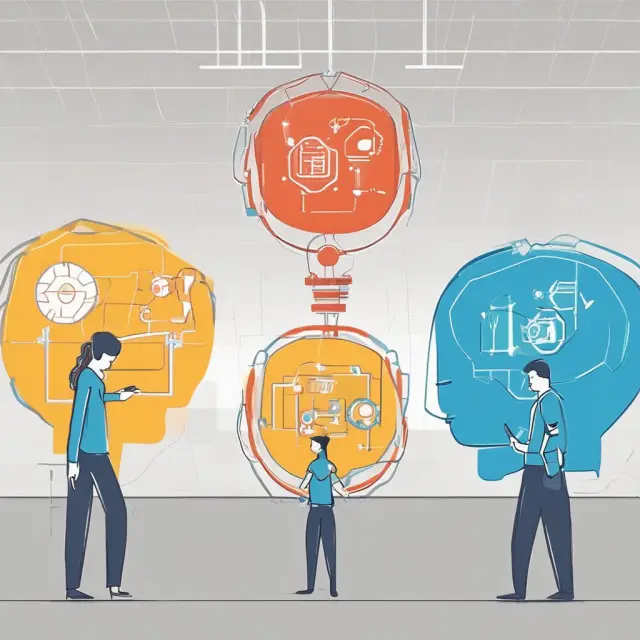
Case Studies: Success Stories in Breaking Down Silos
The silo mentality has been a persistent issue for many organizations, but some have managed to overcome it and reap significant benefits. These success stories highlight the importance of open communication and collaboration between departments.
A prominent example is IBM, which once had 25 different business units with limited contact. In the late 1980s, IBM implemented a strategic shift towards decentralization and interdepartmental cooperation. This change led to the creation of cross-functional teams that worked on integrated projects and shared information freely. The result? A 34% increase in productivity and an estimated $2 billion in annual savings.
Another inspiring example comes from Procter & Gamble (P&G), which was known for its strong divisional structure. In the mid-1980s, the company began to address this issue by introducing a new management strategy called the ‘Project Management Organization (PMO).’ This shift resulted in cross-functional teams collaborating on projects and sharing information to improve operational efficiency and product quality. P&G reported an impressive 6% increase in sales growth following these changes.
More recent examples include Google, which has broken down silos within its organization by using a ‘20% time’ rule. This policy allows employees to dedicate one day per week to work on projects outside their usual responsibilities. Google believes that this encourages innovation, as employees can share their ideas across departments and potentially develop new products or services.
A study published in the Journal of Business and Psychology in 2015 highlighted another approach: cross-functional training. This method involves having employees from different departments participate in each other’s training programs to foster better understanding of one another’s roles and responsibilities. The study concluded that this approach resulted in improved communication, reduced conflict between departments, and increased job satisfaction among employees.
These case studies demonstrate that breaking down silos can lead to increased efficiency, better collaboration, and enhanced productivity. By sharing knowledge and resources, organizations can create a more cohesive environment that fosters innovation and growth. The key takeaway is that it’s essential for businesses to invest in communication and collaboration tools, as well as adopt management practices that encourage the free flow of information between departments.
In conclusion, silos have long been an issue within organizations, hindering communication, collaboration, and information sharing. Understanding their origins, consequences, and potential solutions is crucial for any business looking to foster a more productive and effective work environment. By examining successful case studies and adopting strategies that prioritize open communication and cross-departmental cooperation, companies can overcome the silo mentality and thrive in today’s interconnected business landscape.

The Long-Term Consequences of a Silo Mentality
A silo mentality, an unwillingness to share information or knowledge between employees and across different departments within a company, can lead to significant long-term consequences for the organization. The inability to communicate effectively and collaborate on important initiatives may result in several negative outcomes that impact growth, innovation, and overall competitiveness.
Firstly, silos can hinder organizational efficiency by creating redundant processes and systems. Departments may invest heavily in their own technology solutions without realizing that similar or better options exist elsewhere within the company. This leads to unnecessary duplication of effort, costs, and resources. Furthermore, a lack of cross-functional collaboration can lead to missed opportunities for process improvement and innovation.
Secondly, silos can adversely impact a company’s ability to innovate. In today’s ever-changing business landscape, the capacity to develop and implement new ideas quickly is crucial for survival and success. A siloed approach to innovation means that departments work in isolation, missing out on potential breakthroughs resulting from collaboration and cross-functional learning. Moreover, employees who are unaware of each other’s projects may duplicate efforts or, conversely, miss opportunities to support ongoing initiatives.
Thirdly, a silo mentality negatively affects customer experience. When departments operate independently with no means of effective communication, they can fail to understand the full scope of the customer journey and their role in it. Misaligned priorities and duplicated efforts can result in disjointed interactions, inconsistent messaging, and ultimately, dissatisfied customers.
Long-term, maintaining a silo mentality can lead to stagnation and irrelevance. Companies that fail to adapt and innovate risk falling behind their competition, eventually losing market share and profits. By contrast, organizations that effectively break down silos between departments and foster collaboration can unlock untapped potential for growth, create a more engaging work environment, and ultimately deliver superior value to customers.
To learn more about the causes and solutions of the silo mentality, explore our other sections on this topic.

Cultivating a Culture of Information Sharing
A silo mentality can create major obstacles for an organization’s growth, innovation, and competitiveness. It is essential to understand the importance of breaking down these organizational barriers and fostering a culture that encourages open communication and information sharing among employees. Below are practical steps for organizations to cultivate this culture:
1. Unified Vision: Senior management should create and communicate a clear, unified vision shared across departments. This vision should inspire collaborative efforts towards achieving common goals. Openly discussing objectives, strategies, and expectations can help build trust and understanding among teams.
2. Company-Wide Software: Utilizing an integrated software system that records and tracks progress towards the organization’s goals is crucial for effective communication. Provide all employees with access to this platform, allowing them to view real-time updates on projects and initiatives. This helps ensure everyone has the same information at their disposal.
3. Interdepartmental Events: Organizing interdepartmental events, such as training seminars or workshops, can bring teams together, enabling employees to learn from one another and build stronger relationships. These occasions offer opportunities for employees to expand their networks, develop new skills, and foster a sense of unity across the organization.
4. Altered Compensation Structure: Adjusting the employee compensation structure to reward progress towards company-wide goals can incentivize collaboration and cross-functional communication. This approach fosters a collective mindset in which each department is working towards the betterment of the organization as a whole.
5. Embracing Continuous Feedback: Openly sharing constructive feedback between departments can lead to significant improvements in processes, efficiency, and overall performance. Encourage regular communication and dialogue among teams to discuss challenges, identify solutions, and continuously evolve the organization’s approach to working collaboratively.
By implementing these steps, organizations can shift their focus from individual silos to a collective vision, empowering employees to work together towards common goals and create an inclusive, innovative, and high-performing corporate culture.

FAQs about the Silo Mentality
What is a silo mentality, and why is it an issue for businesses?
A silo mentality refers to a mindset in which employees within a company hoard information instead of sharing it with colleagues across departments. This can lead to operational inefficiencies, poor communication, low morale, and ultimately negatively impact the customer experience. The term comes from the metaphorical use of ‘silo’ as a storage container for grain or missiles, symbolizing separate business entities that stockpile information and prevent its free flow.
What causes the silo mentality?
The silo mentality can originate from competition between senior managers or individual employees who may see withholding information as beneficial to their own interests. It often manifests in departments where duties overlap, such as marketing and sales. Despite its negative impact on a company’s overall efficiency, profitability, and team morale, the silo mentality can be difficult to change due to deeply ingrained attitudes and self-interest.
How does a silo mentality damage business operations?
The consequences of a silo mentality include low morale, inefficient workflows, poor communication, and ultimately, a damaged corporate culture that negatively affects the customer experience. It can lead to employees working with inaccurate or outdated information, contributing to operational inefficiencies and complicating how companies deliver value to their customers.
What strategies can organizations use to combat silos and encourage the free flow of information?
Managers looking to dismantle silos should focus on cooperation, communication, and collaboration between departments. This can be achieved through creating a unified vision shared across departments, installing company-wide software that records and tracks progress towards company goals, holding interdepartmental events, and altering the employee compensation structure to reward progress towards company-wide objectives. These measures encourage information sharing, breaking down silos and improving overall organizational efficiency, morale, and profitability.
In conclusion, a silo mentality is a detrimental mindset that can negatively impact an organization’s productivity, profitability, and team morale by preventing the free flow of valuable information between departments. To combat this issue, management needs to encourage cooperation, communication, and collaboration, creating an environment where information sharing is prioritized, facilitated, and rewarded. By implementing these strategies, companies can break down silos, improve overall performance, and create a healthier, more collaborative corporate culture that ultimately benefits the customer experience.
 Next entry · No. 4,665Understanding Simple Agreements for Future Tokens (SAFT): A Legal Framework for Cryptocurrency Ventures
See also
-
 No. 5,492
13 Sep 2025
20 min
Video Conferencing: A New Era of Business Communication
Business Strategy
No. 5,492
13 Sep 2025
20 min
Video Conferencing: A New Era of Business Communication
Business Strategy -
 No. 5,899
17 Oct 2025
20 min
Zero Layoff Policy: A Commitment to Employee Welfare Amid Economic Uncertainty
Business Strategy
No. 5,899
17 Oct 2025
20 min
Zero Layoff Policy: A Commitment to Employee Welfare Amid Economic Uncertainty
Business Strategy -
 No. 5,406
06 Sep 2025
12 min
Value Added: What It Means, How to Calculate It, and Why It Matters
Business Strategy
No. 5,406
06 Sep 2025
12 min
Value Added: What It Means, How to Calculate It, and Why It Matters
Business Strategy -
 No. 5,402
05 Sep 2025
20 min
Understanding Value Networks: A Comprehensive Guide for Institutional Investors
Business Strategy
No. 5,402
05 Sep 2025
20 min
Understanding Value Networks: A Comprehensive Guide for Institutional Investors
Business Strategy -
 No. 4,693
09 Jul 2025
24 min
Maximizing Shareholder Value and Social Responsibility: A Balancing Act for Businesses
Business Strategy
No. 4,693
09 Jul 2025
24 min
Maximizing Shareholder Value and Social Responsibility: A Balancing Act for Businesses
Business Strategy -
 No. 4,400
15 Jun 2025
18 min
Understanding Research and Development (R&D) Expenses: The Significance of Innovation in Business
Business Strategy
No. 4,400
15 Jun 2025
18 min
Understanding Research and Development (R&D) Expenses: The Significance of Innovation in Business
Business Strategy