Brownfield Investments: Opportunities and Challenges in Revitalizing Existing Production Facilities
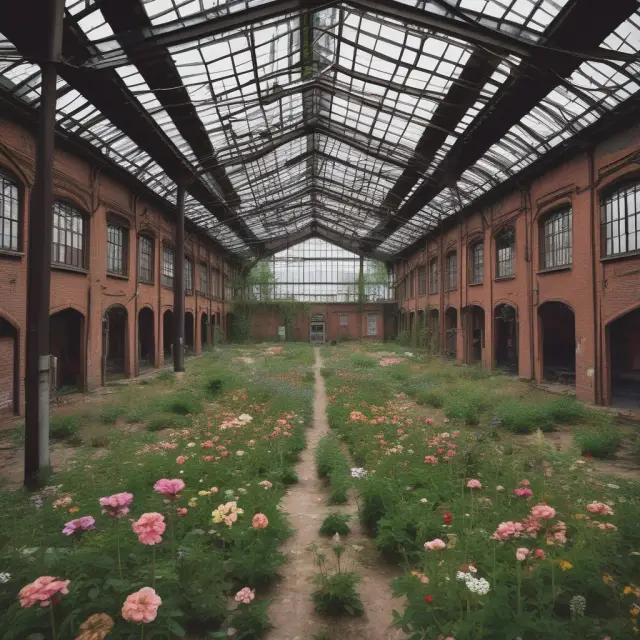
Explore brownfield investments: cost-effective opportunities in revitalizing existing facilities, advantages over greenfields, risks & government…
Introduction to Brownfield Investments
Brownfield investments refer to the strategy adopted when an entity, whether corporate or governmental, acquires existing production facilities for the purpose of launching new production activities. This approach is a form of Foreign Direct Investment (FDI) that involves the utilization of pre-existing structures instead of building new ones from scratch, commonly referred to as greenfield investments. Brownfield projects present several advantages over their greenfield counterparts, including reduced costs and time, pre-existing structures up to code, and quick start-up. However, these opportunities come with challenges such as potential contamination issues or outdated infrastructure.
Advantages of Brownfield Investments
The primary appeal of brownfield investments lies in the substantial savings in both time and resources that can be achieved compared to greenfield projects. By investing in pre-existing structures, companies can avoid lengthy approval processes, permitting procedures, and utility connections required for new builds. Additionally, brownfield sites that are up to code present a more attractive option as they significantly lower the risks associated with potential contamination issues.
Why Choose Brownfield Investments Over Greenfield
In some instances, brownfield investments may be the preferred choice over greenfield projects due to several factors. One significant reason is the reduced environmental impact of revitalizing existing structures compared to constructing new ones from scratch. Furthermore, brownfield investments can create local jobs and stimulate economic growth within a community as they often involve restoring and repurposing unused or underutilized sites.
Brownfield vs. Greenfield: Key Differences
The primary distinction between brownfield and greenfield projects lies in the utilization of pre-existing structures for new activities versus constructing new facilities on vacant land. Brownfield investments involve renovating, rehabilitating, or expanding existing infrastructure, while greenfield investments consist of building new structures from the ground up. Although both approaches have their unique advantages and disadvantages, brownfield investments often prove more cost-effective and time-efficient in comparison to greenfield projects.
The Role of Brownfields in FDI: An Example
One prominent example of successful brownfield investments can be seen in the revitalization of the former General Motors (GM) factory site in Detroit, Michigan, United States. This 105-acre plot was purchased by the City of Detroit and is now home to a new innovation district called “The District Detroit,” featuring a mix of residential, commercial, and entertainment spaces. The project has created thousands of jobs and generated millions in economic impact for the city.
Assessing the Risks: Contamination and Other Concerns
Despite their benefits, brownfield investments carry potential risks such as soil or groundwater contamination from hazardous materials left behind by prior uses. Companies must conduct thorough environmental site assessments before making an investment to ensure that any issues can be addressed effectively.
Government Initiatives to Promote Brownfield Investments
Various government programs and initiatives, like the United States Environmental Protection Agency’s (EPA) Brownfields and Land Revitalization Program, aim to encourage brownfield investments by providing grants and technical assistance for assessing, cleaning up, and redeveloping contaminated sites. These programs can significantly reduce the financial burden on investors and help revitalize communities.
Success Stories: Case Studies of Brownfield Investments
Numerous success stories demonstrate the positive impact brownfield investments can have on local economies and communities. For instance, the transformation of London’s King’s Cross area from a dilapidated post-industrial site to a thriving mixed-use development is an inspiring example of brownfield regeneration.
Preparing for Brownfield Investment: What You Need to Know
Before making a brownfield investment, it is essential to consider several factors such as the existing infrastructure, potential contamination issues, and local regulations. Conducting thorough due diligence on the property’s history, environmental impact, and community context can help minimize risks and ensure a successful investment.
Brownfield vs. Mothballed Brownfield: Understanding the Differences
Although related, it is essential to understand the nuances between brownfields and mothballed brownfields. While brownfields refer to existing structures or land previously used for industrial activities, mothballed brownfields are those that have been intentionally shut down or abandoned but maintain the potential for future use. Careful planning and assessment are necessary when considering investing in a mothballed brownfield due to potential maintenance challenges and the possibility of environmental contamination.
FAQ: Common Questions About Brownfield Investments
What is a brownfield investment?
A: A brownfield investment refers to the acquisition of existing production facilities for new production activities, rather than constructing new ones from scratch.
Why are brownfield investments more cost-effective?
A: Brownfield investments can save both time and money as they often involve the renovation or expansion of pre-existing structures, which eliminates the need to build from scratch.
What challenges come with brownfield investments?
A: Potential risks include environmental contamination, outdated infrastructure, and regulatory requirements that may impact the cost and feasibility of the investment.
How do governments support brownfield investments?
A: Governments provide financial incentives and technical assistance to encourage brownfield investments through programs such as the EPA’s Brownfields and Land Revitalization Program.

Advantages of Brownfield Investments
Brownfield investments offer numerous advantages when it comes to foreign direct investment (FDI). This strategy involves purchasing or leasing existing production facilities rather than constructing new ones. Here’s why brownfield investments are an attractive choice for many companies and governments.
1. Reduced costs and time: Brownfield investments save time and resources as the infrastructure is already in place. There is no need to build from scratch, saving valuable time and reducing overall investment costs. Additionally, buildings that are already up to code minimize risks associated with non-compliance.
2. Pre-existing structures: The availability of pre-existing structures can be crucial for businesses looking to enter a new market or expand their operations quickly. These structures may be customized to the business’s requirements with minimal modifications, making the transition smoother and more efficient.
3. Quick start-up: Brownfield investments enable investors to get up and running much faster than greenfield projects. By avoiding the time-consuming process of obtaining permits, preparing land, and constructing buildings, businesses can begin production or operations sooner.
Despite the advantages, brownfield investments do come with risks, most notably contamination from previous uses. However, for many investors, these advantages outweigh the potential challenges, making brownfields a popular choice in FDI scenarios.
Brownfield vs. Greenfield: Key Differences
Brownfield and greenfield investments differ fundamentally in their approach to property development. With brownfields, existing structures are utilized; with greenfields, new construction takes place on previously undeveloped land. The main difference comes from the pre-existing infrastructure and reduced time-to-market that brownfield investments provide. While both options have their merits, understanding the distinct advantages of each helps investors make informed decisions based on their specific goals and circumstances.
Brownfield vs. Mothballed Brownfield: Understanding the Differences
It’s important to recognize the distinction between brownfields and mothballed brownfields when considering investment opportunities. Brownfields are existing facilities that have been vacant, idled or underused but remain functional with little or no modifications needed for their intended use. In contrast, mothballed brownfields refer to sites where production has ceased due to economic factors and may need extensive renovations before reuse. Properly evaluating the state of a potential investment, including any necessary cleanup efforts, is crucial to minimizing risks and ensuring a successful outcome.
Brownfield Investment vs. Greenfield Investment: A Real-life Example
Consider the case of the Ford Motor Company, which faced a significant challenge when it decided to establish a new production facility in the United States in 2015. After evaluating potential sites across the country, Ford chose an old Michigan manufacturing plant that had been shuttered for over two decades. By investing in this brownfield site, Ford was able to save time and money compared to building a greenfield facility from scratch. Additionally, revitalizing this once-idle plant created jobs and stimulated economic growth in the community.
As we’ve seen, brownfield investments offer numerous advantages for foreign direct investment. By understanding the unique aspects of brownfield investing and making informed decisions based on careful evaluation, investors can achieve significant cost savings, faster start-up times, and improved operational efficiency.
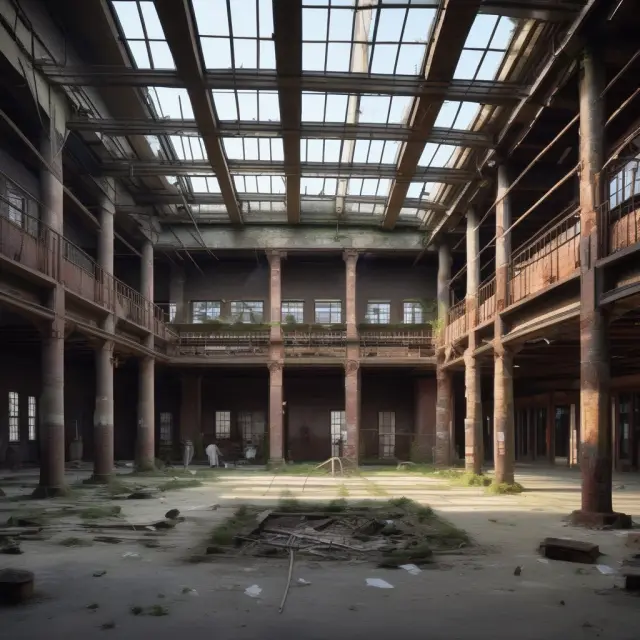
Why Choose Brownfield Investments Over Greenfield
Brownfield investments have become increasingly popular over greenfield investments in recent years due to their numerous advantages. While both strategies involve expanding a business operation in a foreign country, brownfields come with benefits that are worth considering.
Reduced Costs and Time
One significant advantage of brownfield investments is the reduced costs and time associated with setting up operations compared to greenfield projects. Since the infrastructure is already present, there’s no need for extensive site preparation or construction. This means companies can save on resources and get their new venture off the ground faster.
Pre-Existing Structures Up to Code
Another advantage of brownfields is that the existing structures are already up to code. This can be particularly beneficial when dealing with regulatory compliance, which can be a complex process in foreign countries. By investing in an operational facility, businesses can avoid the time and expense of bringing substandard buildings up to code.
Potential for Quick Start-Up
The quick start-up associated with brownfield investments is also worth noting. Unlike greenfield projects, which can take months or even years to complete, brownfield sites can often be operational within a matter of weeks or months. This faster turnaround time can help businesses get their products to market sooner and begin generating revenue more quickly.
Preference Over Greenfields in Certain Circumstances
In some cases, brownfield investments are the preferred choice over greenfield projects due to various circumstances. For example, if a business is expanding into an area with limited available land, investing in an existing facility may be the only viable option. Additionally, in countries where regulatory approval for new construction projects can take a long time or involve significant costs, brownfields can offer a more cost-effective and expedient solution.
Comparing Brownfield vs. Greenfield
While brownfields have their advantages, it’s essential to understand the key differences between these investment strategies when deciding which one is best for your business. In short, brownfields involve purchasing or leasing existing production facilities, while greenfields refer to new construction on vacant land. Brownfield investments can offer reduced costs and time, existing structures up to code, and a quicker start-up compared to greenfield projects. However, brownfields may come with the risk of contamination or outdated infrastructure that needs addressing before operations can begin.
Exploring this topic further by diving into its subtopics, implications, and real-life examples will not only enhance the depth of this section but also offer valuable insights for readers. For instance, discussing specific industries and countries where brownfield investments are prevalent, or examining case studies of successful brownfield projects can provide a deeper understanding of this investment strategy’s potential benefits and challenges. By providing data from credible sources and addressing various perspectives, we can create captivating content that stands out in the finance and investment sector.

Brownfield vs. Greenfield: Key Differences
When it comes to foreign direct investment (FDI), two popular strategies are brownfield and greenfield investments. Though they share some similarities, these two approaches differ significantly in terms of their nature, challenges, and advantages. Understanding the fundamental differences between these investment strategies is crucial for investors looking to make informed decisions about their FDI undertakings.
Brownfield Investment: A Reusable Asset
A brownfield investment refers to purchasing or leasing existing production facilities for a new production activity. The key advantage of this strategy lies in the fact that buildings are already constructed and up-to-code, potentially saving investors both time and money. However, brownfield investments may carry certain risks. For instance, pre-existing structures could be contaminated due to previous use, requiring additional investment for remediation.
Greenfield Investment: New Beginnings
The alternative to brownfield investments is the greenfield strategy, which involves constructing new facilities on previously vacant land. Greenfield projects present a clean slate and offer greater flexibility since investors can tailor the design and layout according to their specific requirements. However, greenfield investments necessitate more time and resources as they involve extensive site preparation, permitting processes, and infrastructure development.
Comparing Costs and Complexity
Both investment strategies have their unique advantages and disadvantages. Brownfield projects offer cost savings due to the absence of land acquisition and construction expenses. Conversely, greenfield investments allow for greater control over the design and layout of facilities, which can be essential for certain industries. However, it’s crucial to consider the potential costs associated with cleaning up contaminated brownfield sites or dealing with obsolete infrastructure in such projects.
Industries that prefer brownfields may include those that require large scale production, where existing structures can provide a solid foundation for expansion. In contrast, industries like pharmaceuticals and biotech might benefit from the flexibility offered by greenfield investments due to their complex and specialized requirements.
Government Initiatives and Success Stories
Various governmental organizations have recognized the importance of brownfield redevelopment and offer programs and incentives to encourage investment in these projects. For example, the US Environmental Protection Agency (EPA) runs the Brownfields and Land Revitalization Program, which provides grants and technical assistance for communities interested in revitalizing contaminated properties.
Success stories of brownfield investments include the redevelopment of the former Dundee Coke site in Pittsburgh, Pennsylvania, now home to several companies and offering over 500 jobs. The transformation demonstrates the potential for economic growth through brownfield investment.
Making Informed Decisions
The choice between a brownfield or greenfield investment depends on various factors, including the industry, location, available infrastructure, and risk tolerance of the investor. Proper due diligence is crucial when evaluating the potential risks and benefits associated with each investment strategy. Investors should weigh their budgets, timelines, and goals to determine which option best suits their needs.
In conclusion, brownfield and greenfield investments have distinct advantages and disadvantages that make them suitable for different scenarios. Brownfields offer cost savings and quicker start-up times, but may present contamination risks. Greenfields, on the other hand, provide flexibility and control over design but demand more resources and time. By understanding these differences, investors can make informed decisions about their FDI initiatives.
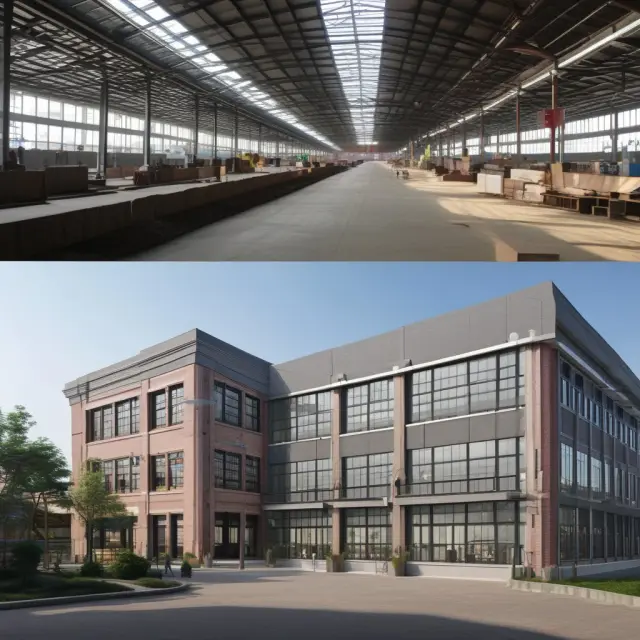
The Role of Brownfields in FDI: An Example
Brownfield investments are increasingly becoming a popular strategy for foreign direct investment (FDI) due to their numerous advantages over greenfield projects. This section offers a real-life example that illustrates the potential benefits and challenges involved when investing in brownfield properties for FDI purposes.
Consider the case of a multinational manufacturing company, XYZ Inc., headquartered in Europe. To expand its production capabilities, XYZ Inc. decided to invest in the United States by acquiring an existing automobile manufacturing facility located in Detroit, Michigan. This brownfield investment provided several advantages for the European firm:
1. Reduced costs and time: The acquisition of the existing automobile plant significantly reduced the overall project cost compared to a greenfield site as most of the necessary infrastructure was already in place. Additionally, the company could start production more quickly since they didn’t have to wait for new construction permits or the lengthy approval process that often comes with building from scratch.
2. Up-to-date structures: The brownfield investment came with a fully operational facility that had modern equipment and buildings up to code. This ensured that XYZ Inc.’s investment was not only cost-effective but also technologically advanced, allowing them to maintain their competitive edge in the automobile manufacturing industry.
3. Immediate access to a skilled workforce: The brownfield site in Detroit had an existing labor pool with experience and skills relevant to the automobile manufacturing industry. This facilitated a smoother transition for XYZ Inc., as they did not need to spend time and resources on extensive recruitment, hiring, or training processes.
However, this brownfield investment also presented several challenges:
1. Contaminated land: The former automobile plant in Detroit was located on a site that had been contaminated due to prior use, which required significant remediation efforts before XYZ Inc. could commence production. This added both time and costs to the project.
2. Outdated infrastructure: Although some parts of the brownfield facility were up-to-date, there were areas that needed substantial updates, including electrical systems, water lines, and HVAC units. These improvements required additional capital investment from XYZ Inc. to meet their desired production standards.
3. Permitting challenges: While the existing infrastructure provided a headstart for XYZ Inc., obtaining necessary permits and approvals proved to be more complex due to the site’s history. This included dealing with environmental regulations, zoning permits, and other requirements specific to brownfield sites.
Despite these challenges, brownfield investments like this one can prove beneficial for companies seeking FDI opportunities by offering reduced costs, quicker start-up times, and access to existing infrastructure and skilled labor pools. Understanding the potential advantages and obstacles of such investments is essential for businesses looking to expand their operations into new markets.
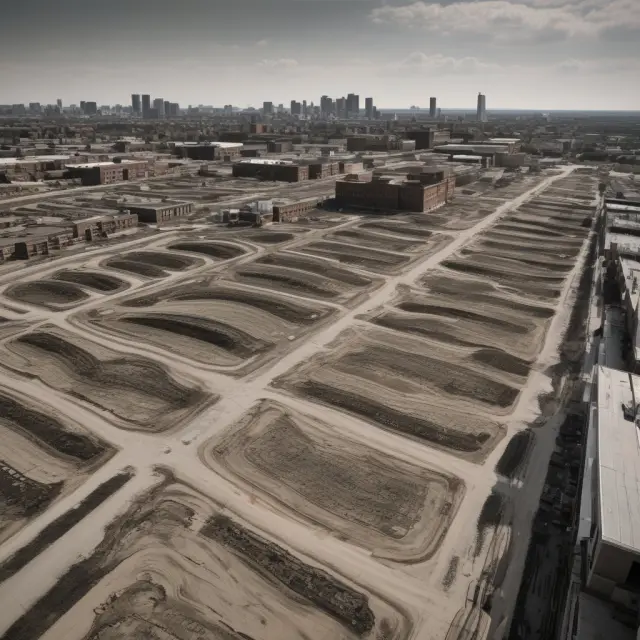
Assessing the Risks: Contamination and Other Concerns
Brownfield investments present unique challenges that need careful consideration before making a commitment. The primary risks associated with brownfields are contaminated land or outdated infrastructure. While these concerns can deter potential investors, they also represent opportunities to remediate environmental hazards and modernize facilities.
Contamination Risks
The presence of pollutants in the soil from former uses may pose health and safety issues for those who use the site. Investors must perform extensive due diligence before purchasing brownfield properties to ensure they are aware of any contaminants that need remediation. This may include environmental assessments, site investigations, and testing of soil and groundwater samples.
The cost of addressing contamination can be substantial. According to a 2015 study by the EPA, the average cost of cleaning up a brownfield site was $43,800 per acre. However, this cost varies widely depending on factors such as the location, extent of contamination, and cleanup technologies used.
A successful remediation project can result in valuable rewards for investors. Once cleaned up, the land may be eligible for tax incentives or grants to offset the costs associated with the cleanup process. The newly redeveloped property could lead to job creation and economic growth within the community.
Outdated Infrastructure
Another major concern when investing in brownfields is outdated infrastructure. Older facilities often lack modern technology and equipment that may be required for current production methods. This can result in increased costs to upgrade or replace outdated machinery.
However, modernization efforts also offer opportunities for investors to improve overall efficiency and productivity of the facility. Upgraded technologies could lead to lower energy consumption, reduced waste, and enhanced safety measures for employees. These improvements not only increase the value of the investment but also make the company more competitive within its industry.
Government Initiatives to Address Risks
Several government initiatives aim to help investors overcome the challenges associated with brownfield investments. The U.S. Environmental Protection Agency’s Brownfields and Land Revitalization Program provides grants, technical assistance, and training for communities and organizations looking to clean up and redevelop contaminated properties. This program focuses on promoting economic development by revitalizing underutilized or abandoned properties.
In addition to the EPA, various state and local governments also offer incentives to investors interested in brownfield projects. These incentives can include tax credits, grants, and other financial assistance aimed at offsetting the costs of remediation and modernization efforts.
Conclusion
Brownfields present a unique set of risks, but they also offer opportunities for economic development and growth. By understanding the potential challenges and taking steps to mitigate them, investors can successfully navigate the brownfield investment landscape and capitalize on the rewards that await.
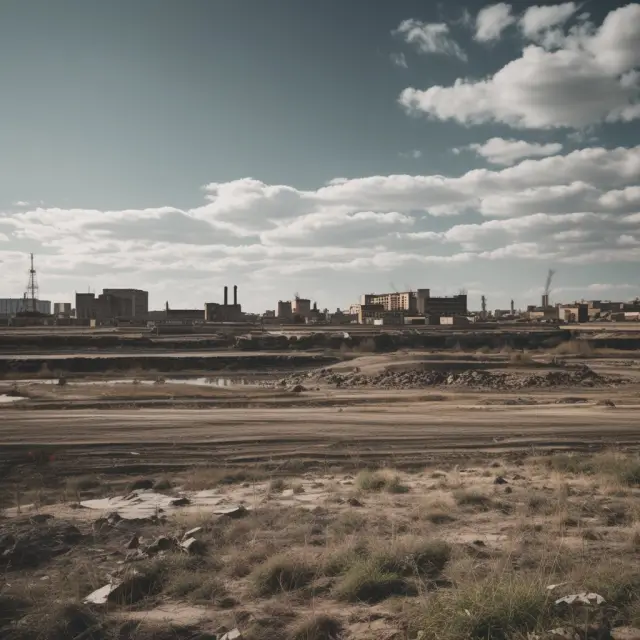
Government Initiatives to Promote Brownfield Investments
The revitalization of brownfield sites has gained significant momentum in recent years due to their potential for economic growth and environmental benefits. The process of brownfield redevelopment involves the remediation and transformation of previously contaminated or abandoned industrial sites into new commercial, residential, or mixed-use properties. In many cases, governments have recognized the potential of brownfields for attracting foreign direct investment (FDI) and have put forth various initiatives to encourage this type of investment.
One such example is the Environmental Protection Agency’s (EPA) Brownfields and Land Revitalization Program in the United States. This program provides grants and technical assistance to communities, states, and tribes for brownfield site assessment, cleanup, and redevelopment. The goal is to reduce perceived risks associated with brownfield sites, making them more appealing to investors.
Similarly, other countries have also implemented similar programs to support brownfield investment. The European Union’s (EU) European Regional Development Fund (ERDF) offers financial assistance to projects that aim to revitalize and transform degraded or contaminated urban areas in member states. The funding can cover up to 50% of the total project costs, making it an attractive incentive for investors.
Additionally, several governments have introduced tax incentives and other financial benefits for brownfield investments. For instance, in the United Kingdom, companies investing in qualifying brownfield sites are eligible for enhanced capital allowances (ECAs), which can significantly reduce their tax burden. These incentives aim to offset the higher costs associated with brownfield investments compared to greenfield projects.
The importance of these government initiatives lies in their ability to address the perceived risks and uncertainties surrounding brownfields, making them more attractive for foreign investors. By providing financial assistance, technical expertise, and risk reduction measures, governments can incentivize companies to invest in brownfields, ultimately leading to economic growth and job creation.
Moreover, these programs align with the broader trend towards sustainable development and urban regeneration. Brownfield investments not only help reduce the environmental impact of new construction projects, but they also minimize the conversion of green spaces for commercial purposes. This is crucial as many countries aim to achieve a more sustainable urban environment while supporting economic growth.
In conclusion, government initiatives play a vital role in promoting brownfield investments by addressing the perceived risks and uncertainties associated with these sites. By providing financial assistance, technical expertise, and incentives, governments can make brownfields more attractive for foreign investors, contributing to economic growth and sustainable urban regeneration.
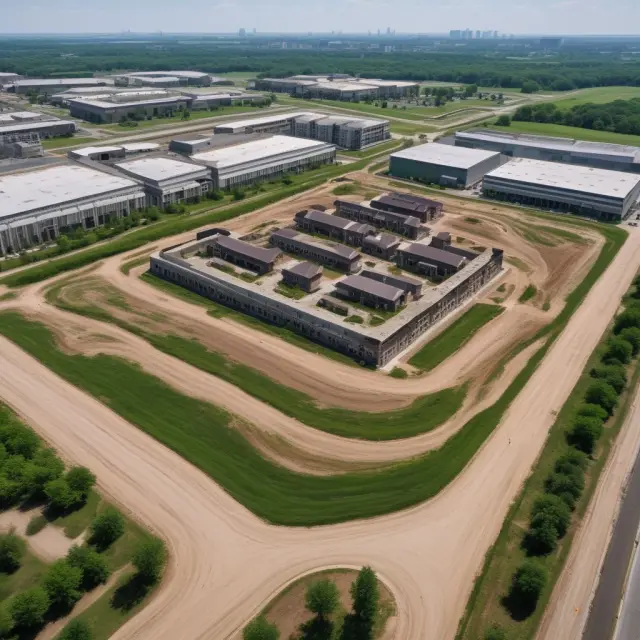
Success Stories: Case Studies of Brownfield Investments
Brownfield investments are an excellent strategy for foreign direct investment (FDI) due to their numerous advantages, including cost savings and reduced startup time. Let’s explore some inspiring success stories of brownfield investments that have led to significant economic growth in various industries and communities.
In the city of Birmingham, England, a derelict 10-acre site, known as the Tyseley Energy Park, was transformed into a thriving business hub after a brownfield investment by Eon Energy. The park now hosts numerous companies including Caterpillar, Jaguar Land Rover, and MIRA (Motor Industry Research Association). This £30 million project created 150 jobs and has led to the generation of additional employment opportunities within the region.
Another success story comes from the United States, where General Motors invested in a former Studebaker manufacturing plant site in South Bend, Indiana. The company spent $468 million on renovations and created 1,200 jobs to establish its new facility, which now manufactures electric vehicles and transmissions. This project not only revitalized an abandoned brownfield but also provided a significant boost to the local economy.
Moreover, in the Netherlands, a former military base in Zeist was transformed into a business park known as ‘Campus Zeist.’ With a €100 million investment from Dutch entrepreneur Wim Pabst, the site now hosts various businesses and startups, including Google’s European headquarters. This ambitious project brought over 6,500 jobs to the region and has become an essential part of the country’s economic development.
The examples above showcase the potential of brownfield investments in revitalizing abandoned properties and transforming them into thriving business hubs. Despite potential risks such as contamination or outdated infrastructure, these projects demonstrate that with proper planning, investment, and community involvement, brownfields can be a valuable asset for both local economies and foreign investors alike.
When evaluating brownfield investments, it’s essential to consider the unique challenges and opportunities presented by each site. A thorough environmental assessment is crucial to determine any potential contamination or hazardous materials that may require additional remediation efforts. Additionally, the existing infrastructure should be evaluated for its compatibility with the intended use of the facility. This could involve modifications, upgrades, or even complete replacements of equipment and technology.
In conclusion, brownfield investments offer significant benefits in terms of cost savings, reduced startup time, and the potential to revitalize abandoned properties. By sharing success stories from various industries and regions, we can illustrate the positive impact these investments have on both local economies and foreign investors. However, it’s essential to understand that careful planning, preparation, and collaboration between stakeholders are vital for a successful brownfield investment project.

Preparing for Brownfield Investment: What You Need to Know
Before committing to a brownfield investment, it’s crucial to undertake thorough preparation and due diligence to ensure the acquisition is a sound decision. Here are essential factors to consider before embarking on a brownfield investment project.
1. Environmental Assessment: Given that brownfield sites could be contaminated, environmental assessments are essential in evaluating the potential costs and risks involved in a brownfield acquisition. Investors need to ensure compliance with environmental regulations and allocate sufficient resources for remediation efforts if necessary.
2. Infrastructure Assessment: Evaluating existing infrastructure such as transportation networks, utilities, and access roads is vital. A brownfield site may require upgrading or additional infrastructure to support the intended production activity effectively.
3. Building Inspection and Upgrades: Before making an offer for a brownfield property, conducting a thorough building inspection is crucial. This will help determine if any substantial renovations or repairs are needed before commencing operations. In some cases, upgrading facilities to meet current industry standards may be required, which can significantly impact the investment’s financials.
4. Permits and Regulatory Compliance: Obtaining all necessary permits and complying with regulatory requirements is essential in ensuring a smooth transition from brownfield acquisition to operation. This may include building permits, environmental permits, and any other relevant licenses or approvals that apply to the specific industry and location.
5. Financial Considerations: Determining the total cost of acquiring and revitalizing a brownfield property is crucial. The overall investment can be divided into two main categories: hard costs (land acquisition, site preparation, building renovation) and soft costs (professional fees, permits, and contingency funds). A thorough financial analysis is necessary to determine the feasibility of the project in terms of return on investment (ROI) and payback period.
6. Stakeholder Engagement: Effective communication with all stakeholders involved in a brownfield investment is crucial for a successful outcome. This includes community members, regulatory agencies, and potential employees. Creating a clear and concise communication plan, addressing concerns, and engaging in open dialogue can help minimize resistance and facilitate a more favorable environment for the investment.
7. Legal Considerations: Ensuring that all legal aspects are covered is essential to avoid potential disputes or litigation. This includes conducting title searches, understanding lease terms, and reviewing any existing contracts with vendors or suppliers on-site.
By considering these factors carefully before making a brownfield investment, investors can mitigate risks, ensure compliance, and increase the chances of a successful project outcome.
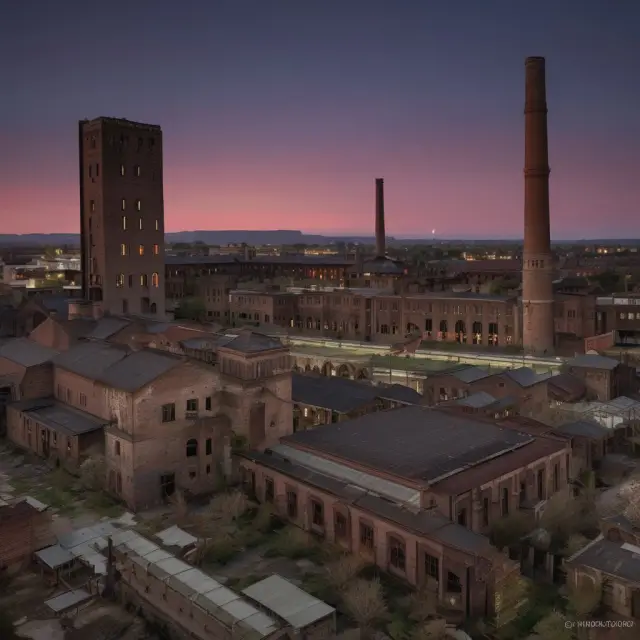
Brownfield vs. Mothballed Brownfield: Understanding the Differences
When diving deeper into brownfield investments, it is essential to clarify the distinction between brownfields and mothballed brownfields. Both types of sites share an existing infrastructure that can be repurposed for new production activities; however, their conditions vary significantly.
Brownfield investments involve purchasing or leasing already-established facilities or properties with pre-existing structures and assets. These sites often have a proven track record in terms of productivity and can save time and resources compared to greenfield investments where new construction is required. However, brownfields may carry the risk of environmental contamination due to prior use.
On the other hand, a mothballed brownfield refers to an abandoned or underutilized property that has been shut down temporarily but possesses the potential for reactivation. These sites might have been idle for several reasons, such as economic downturns, changes in ownership, or regulatory compliance issues.
One key difference between brownfields and mothballed brownfields lies in their state of operation. Brownfield sites are actively in use or undergoing some level of production activity when acquired by investors. In contrast, mothballed brownfields have been intentionally shut down and may need significant renovations before they can resume operations.
Another essential factor to consider is the extent of any contamination present on these sites. Brownfields that have not been extensively contaminated are often targeted for redevelopment under government programs like the EPA’s Brownfields and Land Revitalization Program. Conversely, mothballed brownfields may face more comprehensive cleanup efforts due to a higher risk of contamination from extended periods of idleness.
The decision to invest in either brownfield or mothballed brownfields ultimately depends on several factors, including the level of required investment for renovation and the potential profitability of the new project. In some cases, investors might prefer brownfields due to shorter time frames for acquiring, preparing, and starting production. However, if extensive cleanup is needed, investing in a mothballed brownfield could potentially provide significant long-term rewards.
In conclusion, understanding the differences between brownfields and mothballed brownfields is crucial for investors considering foreign direct investment opportunities in existing infrastructure. By weighing the advantages and disadvantages of each option, potential investors can make informed decisions based on their specific needs and objectives.
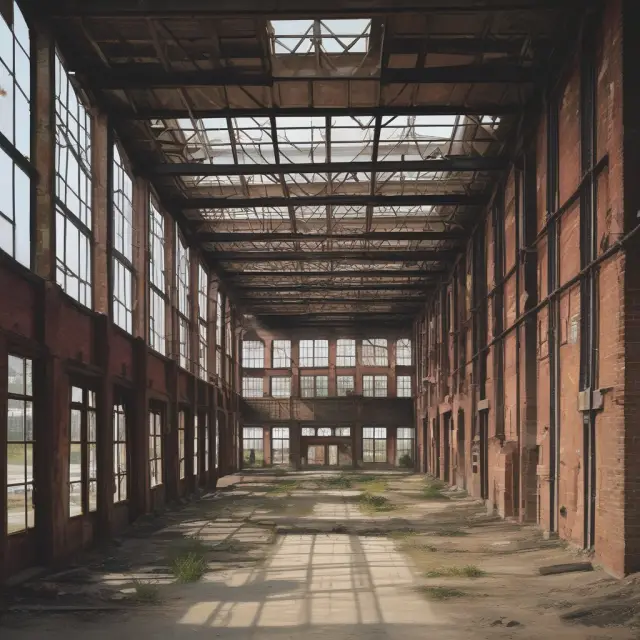
FAQ: Common Questions About Brownfield Investments
Brownfield investments, like greenfield investments, are vital strategies for foreign direct investment (FDI), but they come with their unique advantages and challenges. Here we answer some frequently asked questions about brownfield investments to help clarify any doubts.
What is a brownfield investment?
A brownfield investment refers to the purchase or lease of existing production facilities to launch a new production activity. This strategy can offer significant savings in time, costs, and resources since the infrastructure is already built and up to code. However, brownfields may have environmental concerns from prior usage, such as soil contamination or pollution.
What are the advantages of brownfield investments?
Brownfield investments provide several advantages over greenfield investments:
a. Lower costs due to existing infrastructure
b. Shorter start-up times since buildings and facilities are already in place
c. Reduced environmental impact as the need for new construction is minimized
d. Potential tax incentives from government programs
Why choose brownfield investments over greenfield?
Brownfields may be the preferred choice when:
a. The existing infrastructure aligns with the intended production activity
b. Cost savings are essential
c. Rapid start-up is required
d. Existing zoning regulations favor brownfield investments
What risks come with brownfield investments?
Brownfields could pose potential risks due to environmental concerns, such as:
a. Soil and groundwater contamination from previous use
b. Presence of hazardous materials or chemicals
c. Potential for structural issues with the existing buildings
What government initiatives support brownfield investments?
Many governments offer programs and incentives to encourage brownfield investments, including:
a. Tax credits and grants for environmental remediation
b. Technical assistance and training opportunities
c. Streamlined permit processes
How can I assess the risks of a brownfield investment?
Prior to investing in a brownfield property, it’s crucial to conduct thorough site assessments and due diligence to determine potential risks and liabilities. This includes:
a. Environmental site assessments for contamination and hazardous materials
b. Structural inspections of existing buildings
c. Legal reviews of land use agreements and permits
d. Economic analysis of costs, potential revenue, and ROI.
What is the difference between brownfield and mothballed brownfield?
A brownfield refers to an existing production site that requires some degree of remediation or redevelopment, while a mothballed brownfield is a brownfield that has been intentionally left vacant for a significant period. The primary concern with mothballed brownfields lies in maintaining the integrity of the infrastructure during the extended downtime.
 Next entry · No. 530Understanding Business-to-Business (B2B): Transactions, E-Commerce, and Special Considerations
See also
-
 No. 5,757
05 Oct 2025
25 min
Understanding Wisdom of Crowds: The Collective Intelligence of Diverse Groups
Business Strategy
No. 5,757
05 Oct 2025
25 min
Understanding Wisdom of Crowds: The Collective Intelligence of Diverse Groups
Business Strategy -
 No. 5,968
02 Oct 2026
18 min
T-Bills vs CDs vs High-Yield Savings: Where 3-12 Month Cash Goes
Investments
No. 5,968
02 Oct 2026
18 min
T-Bills vs CDs vs High-Yield Savings: Where 3-12 Month Cash Goes
Investments -
 No. 716
26 May 2024
18 min
Understanding Commingled Funds: A Type of Institutional Investment
Investments
No. 716
26 May 2024
18 min
Understanding Commingled Funds: A Type of Institutional Investment
Investments -
 No. 658
16 May 2024
22 min
Understanding Certificates of Deposit (CDs) and Their Benefits
Investments
No. 658
16 May 2024
22 min
Understanding Certificates of Deposit (CDs) and Their Benefits
Investments -
 No. 5,990
24 Oct 2026
19 min
CD Ladder: Is It Worth It, and How Do You Build One?
Banking
No. 5,990
24 Oct 2026
19 min
CD Ladder: Is It Worth It, and How Do You Build One?
Banking -
 No. 5,985
19 Oct 2026
20 min
Money Market vs Savings: Account, Fund or High-Yield Savings?
Banking
No. 5,985
19 Oct 2026
20 min
Money Market vs Savings: Account, Fund or High-Yield Savings?
Banking