Bull Traps: Understanding This Deceptive Market Reversal Pattern

Learn the ins and outs of bull traps - understand their formation, identify signs, and minimize losses with expert strategies.
Introduction to Bull Traps
A bull trap is a deceptive market reversal pattern that leaves traders and investors with losses when they least expect it. This elusive phenomenon occurs in the financial markets, where prices show signs of an uptrend followed by a seemingly convincing rally. However, this rally proves to be nothing more than a false breakout as the trend quickly reverses direction once the prior resistance level is breached. Understanding bull traps can help investors and traders protect their portfolios from potential losses and make informed decisions regarding market entries or exits.
Bull Traps: An Overview
A bull trap represents a significant challenge for traders and investors, as it can result in substantial losses when the market experiences a sudden reversal. Bull traps typically occur during an uptrend, where prices show signs of strengthening before ultimately failing to break through resistance levels. The false rally that follows the breakdown is often caused by profit-taking and weak hands exiting their positions.
Identifying the Key Elements of a Bull Trap
To recognize a bull trap, traders and investors should look for these key characteristics:
- False Breakout: A significant price move higher that leads to false optimism among market participants, resulting in widespread buying activity.
- Reversal: The security or asset’s price reverses direction quickly after the breakout.
- Resistance Levels: Prices initially breach a prior resistance level before turning lower, leaving traders and investors with losses once they entered positions based on this false signal.
Understanding Bull Traps: A Deeper Dive
The intricacies of bull traps lie in their ability to deceive market participants and generate significant losses. In the following sections, we will examine bull traps from various angles, including the importance of identifying key levels, understanding confirmation signals, and implementing risk management techniques.
Stay tuned for the continuation of this article as we delve deeper into the world of bull traps!
By understanding the fundamentals of bull traps, investors and traders can become better prepared to identify and deal with this market reversal pattern, minimizing losses and maintaining a strong position in the ever-changing financial markets.

Identifying the Basics of a Bull Trap
Bull traps represent a deceptive trend reversal in financial markets that can catch even the most seasoned traders off-guard. A bull trap is characterized by a false signal, which occurs when a security rallies significantly and lures investors to buy, only for prices to reverse course and fall below previous support levels. The result: losses for those who jumped on the rally train too soon.
Understanding Bull Traps in Depth
Bull traps serve as an essential concept in technical analysis—a branch of investment research that relies on historical price data, chart patterns, and trends to forecast market movements. In a bull trap scenario, buyers fail to support the security’s rally above a resistance level, causing it to reverse direction. This false breakout generates significant losses for traders and investors who bought in at the high point.
Key Characteristics of Bull Traps
Three primary traits define a bull trap:
- False Signal: A bull trap begins with a convincing rally, which often lures market participants to buy based on hopes for continued upward momentum. However, prices ultimately reverse and fall below previous support levels, indicating the false signal that mislead traders and investors.
- Reversal: The reversal in a bull trap occurs when the security’s price direction shifts from an uptrend to a downtrend. This change can be sudden, causing significant losses for those who purchased at the high point.
- Support Level Failure: In a bull trap, buyers fail to support prices above the resistance level, which is typically a significant psychological or technical barrier. When this level fails to hold as support, bulls are left exposed and vulnerable to losses.
Bull Traps vs. Bear Traps
While bull traps denote false signals for long positions, their counterparts—bear traps—represent false signals for short positions. Both bull and bear traps occur due to price reversals in the opposite direction of anticipated trends, causing significant losses for those who entered positions based on incorrect assumptions.
Avoiding Bull Traps: Key Strategies
To mitigate the risk of falling prey to a bull trap, traders and investors can implement several strategies:
- Look for confirmation signals following a breakout, such as higher volume and bullish candlesticks, before buying. Confirmation signals increase the probability that prices will move higher.
- Consider using stop-loss orders or risk management techniques to limit potential losses when entering a new position. In volatile markets, these tools can help prevent significant drawdowns and protect profits.
- Educate yourself on common bull trap patterns, such as false breakouts, and the psychological factors that influence them (e.g., fear and greed). Staying informed helps traders make more informed decisions and avoid potential pitfalls.

Bull Traps in Action: How They Occur
A bull trap is an intriguing market phenomenon that may catch traders and investors off-guard. This deceptive pattern takes place when a security exhibits a bullish breakout above a significant resistance level, only to reverse course shortly after and move lower, causing losses for those who bought in during the false rally. In this section, we’ll discuss what causes bull traps and provide real-life examples to help you better understand how they manifest in the financial markets.
Bull Traps: A False Signal
The bull trap is a reversal pattern that catches traders and investors off-guard with its deceptive rally. The term “bull trap” comes from the fact that it appears to be a bullish signal when, in reality, it’s a bearish one. This occurs when buyers fail to support the price above a resistance level after an apparent breakout, causing a false signal and trapping those who acted on the buy signal.
How Bull Traps Occur
Bull traps typically form during periods of uncertainty in the market or as a result of conflicting signals. A bull trap may occur when:
- The underlying security experiences a strong downtrend, and investors become convinced that the trend has reversed due to technical indicators or other factors, such as news or earnings announcements.
- There is a large gap between the resistance level (previously thought to be insurmountable) and the current price level. This gap may cause traders and investors to jump in at the perceived entry point, believing that the price will continue to move upwards.
- Traders or investors become overly optimistic about future price movements due to favorable market conditions or a strong fundamental outlook for the security.
- The bull trap is an attempt by bearish traders to manipulate the market by creating a false breakout, enticing buyers to enter positions at unfavorable levels and causing losses when prices reverse.
Real-life Examples of Bull Traps
Let’s examine a few historical examples of bull traps in action:
- Apple Inc. (AAPL) 2013: In late January 2013, Apple’s stock price dropped from around $50 to $40 due to concerns about slowing sales growth and the company’s lackluster earnings report. However, a strong technical signal appeared when AAPL formed a double bottom pattern at $46. This pattern was often seen as a bullish sign among traders, indicating that a reversal had occurred. As a result, many investors bought in on the perceived recovery only to be caught off-guard when AAPL resumed its downtrend and dropped below the key support level.
- Microsoft Corporation (MSFT) 2015: In mid-January 2015, Microsoft’s stock price saw a significant drop from $48 to $37 due to weak earnings reports and poor investor sentiment. A bullish reversal appeared when MSFT formed a hammer candlestick pattern, which suggested that the downtrend was coming to an end. Once again, many investors bought in on this perceived recovery only to be met with further declines as Microsoft continued its descent.
- Amazon.com, Inc. (AMZN) 2018: In early February 2018, Amazon’s stock price fell from around $1,450 to $1,350 due to concerns about increasing competition and regulatory scrutiny. However, a bullish reversal occurred when AMZN formed a bullish engulfing pattern, which suggested that the downtrend had reversed. Although some investors bought in on this signal, Amazon’s stock continued to decline, leaving those who jumped into the trade with losses.
In conclusion, bull traps are deceptive market occurrences that can cause significant damage to a trader or investor’s portfolio if they are not prepared. By understanding the characteristics of bull traps and recognizing their potential signs, you can make informed decisions about entering and exiting positions to minimize your risk and protect your investments. In the next section, we’ll explore some technical indicators that can help you identify bull traps and confirm genuine breakouts.

Technical Indicators for Bull Trap Detection
Bull traps can be challenging to spot in real-time due to their deceptive nature, but traders and investors can employ various technical indicators to improve the odds of identifying potential bull traps. Understanding these tools is crucial for navigating false breakouts and minimizing losses. In this section, we’ll delve into some popular technical indicators commonly used to help distinguish bull traps from genuine trends:
1. Moving Averages
Moving averages are among the most widely used technical indicators to identify bull traps. The concept behind moving averages is straightforward: They calculate the average price over a specified period. For example, a 50-day moving average (MA) is calculated by adding up the closing prices for the previous 50 days and dividing that total by 50. A bull trap can be suspected if the security’s price breaks above its moving average but subsequently drops below it, generating losses for traders who entered based on this breakout.
2. Relative Strength Index (RSI)
The RSI is a momentum indicator that oscillates between zero and 100, with levels above 70 considered overbought and below 30 oversold. A bull trap may be indicated if the security’s price breaks through resistance while its RSI remains below 70, only to reverse direction and trigger losses for those who bought based on this false signal.
3. Moving Average Convergence Divergence (MACD)
The MACD indicator measures the difference between two moving averages: a short-term and a long-term average. A bull trap can be suspected if the security’s price breaks above its short-term moving average while its long-term moving average remains below it, only for prices to reverse direction shortly thereafter.
4. On Balance Volume (OBV)
The OBV indicator measures buying and selling pressure by calculating the total volume of trades that contribute to a price increase or decrease. A bull trap may be suggested if a security’s price breaks above resistance while its OBV does not confirm the move, indicating a lack of buyer interest and potentially leading to losses for traders who enter based on this false signal.
5. Fibonacci Retracement Levels
Fibonacci retracement levels are horizontal support and resistance levels derived from key price movements. A bull trap may be indicated if the security’s price advances above a significant resistance level but subsequently reverses direction and fails to hold those gains, causing losses for traders who entered based on this bullish signal.
Incorporating these technical indicators into your trading strategy can help you distinguish potential bull traps from genuine trends, thus reducing the risk of entering losing positions and optimizing your investment decisions. Remember that no indicator is foolproof, and it’s crucial to consider multiple confirmations before making a trade or investment decision.
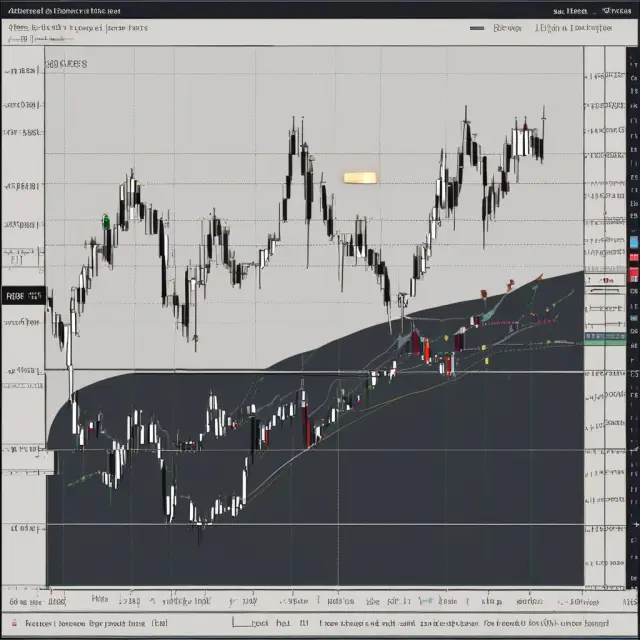
Confirmation Signals: Bull Trap vs. Breakout
Bull traps and breakouts are closely related phenomena in trading and investment, but they differ significantly in their outcomes for traders. Both bull traps and breakouts denote a trend reversal or continuance; however, the key difference lies in the confirmation signals following these events.
A bull trap occurs when a security experiences a short-term rally that attracts buyers and generates losses on long positions as prices reverse direction following a false signal. A bull trap can be especially detrimental for traders and investors who follow trendline analysis, support/resistance levels or other technical indicators to determine their entry and exit points.
A breakout, on the other hand, is an authentic price move beyond a crucial resistance level, often leading to new highs or a resumption of the underlying trend. A bullish breakout above a resistance level offers strong confirmation that the prevailing uptrend will continue, encouraging traders and investors to enter long positions.
The following discussion provides insights into the significance of confirmation signals in distinguishing a bull trap from a genuine bullish breakout.
Volume: Bull Trap vs. Breakout
One critical piece of information that can help differentiate between a bull trap and a breakout is volume. In a bull trap scenario, prices may surge higher on low trading volumes, often resulting in a lack of follow-through to sustain the rally. On the other hand, when a security experiences a genuine bullish breakout, it typically comes with increased trading activity, which signifies strong buying pressure and a high probability that the trend will persist.
Candlestick Patterns: Bull Trap vs. Breakout
A bull trap may exhibit various bearish candlestick patterns like doji or hammer formations, while a true breakout displays bullish reversal patterns such as piercing, inverted hammers, and bullish engulfing patterns that confirm the continuation of the uptrend. These technical indicators provide essential insights into price directionality, enabling traders to make informed decisions based on market conditions.
Pattern Divergence: Bull Trap vs. Breakout
Another valuable confirmation signal that can aid in distinguishing a bull trap from a bullish breakout is pattern divergence. When prices make new highs but technical indicators like RSI or Stochastic oscillator fail to follow suit, it may indicate the presence of a bull trap. On the contrary, when price and an oscillator create a bullish divergence—where prices are making lower lows while the indicator creates higher lows—it provides strong evidence of a potential bullish breakout.
Understanding confirmation signals is essential for traders and investors to recognize bull traps and distinguish them from genuine bullish breakouts. Proper preparation, patience, and knowledge can help mitigate losses and improve overall performance in the financial markets.

Minimizing Losses from Bull Traps
A bull trap can be a frustrating experience for any trader or investor, causing unexpected losses on positions that looked promising just moments earlier. While it’s impossible to avoid every bull trap, there are strategies to minimize the damage when dealing with these market reversals. In this section, we will discuss stop-loss orders and risk management techniques that can help traders and investors mitigate potential losses.
Stop-Loss Orders: A Critical Risk Management Tool
A stop-loss order is a crucial risk management tool that automatically sells or buys an asset when it reaches a specified price level. This feature can be particularly helpful in volatile markets where sudden reversals like bull traps can occur. Setting a stop-loss order below the breakout level, for example, can help protect against potential losses from a bearish reversal. However, traders and investors should remember that there is always a risk of slippage when using stop-loss orders due to rapidly moving markets.
Risk Management Techniques: Strategies for Successful Trading
While stop-loss orders are essential tools for risk management, they’re not the only strategy available for minimizing losses from bull traps and other market reversals. Some additional risk management techniques include position sizing, diversification, and setting realistic targets.
- Position Sizing: Properly managing the size of positions is critical to limiting potential losses. For instance, investors can allocate a portion of their portfolio to lower-risk assets while investing the remaining funds in higher-risk securities. By doing so, they spread out risk and reduce the overall impact if one investment underperforms or experiences significant volatility.
- Diversification: This strategy involves spreading investments across various sectors, asset classes, and geographies to minimize concentration risk. A well-diversified portfolio can help mitigate losses from bull traps in specific securities by offsetting those losses with gains in other positions.
- Setting Realistic Targets: Establishing clear targets for potential profits and losses helps traders and investors stay disciplined during market fluctuations. By setting realistic targets, traders and investors can minimize their exposure to sudden price movements that could trigger stop-loss orders or lead to emotional decision making.
Conclusion
Bull traps are a common occurrence in the financial markets, but there are ways for traders and investors to protect themselves from potential losses. By using stop-loss orders and implementing effective risk management techniques, market participants can minimize their exposure to bull traps and other market reversals. However, it’s essential to remember that no strategy is foolproof. Proper understanding of the underlying security, market conditions, and investor emotions remains vital when navigating these complex financial instruments.

Common Mistakes When Trading Bull Traps
The allure of a bull trap can be hard for traders and investors to resist, especially when the market is showing clear signs of reversal. However, jumping in too quickly without proper confirmation could result in losses. Here are some common mistakes that traders and investors make when dealing with bull traps:
1. Overreliance on Price Action
Price action can be a powerful tool, but it should not be the only factor in your decision-making process. Bull traps may initially appear as a promising reversal, but the subsequent price movement could quickly invalidate that initial signal. Traders and investors may find themselves trapped in long positions when they have relied solely on price action without proper confirmation from other technical indicators or pattern divergences.
2. Ignoring Volume
Volume is another crucial factor that should not be overlooked in bull trap situations. High volume during a breakout can increase the likelihood of continuation, as it signifies strong investor interest and conviction. Conversely, low trading volumes could indicate weak buying support, increasing the risk of a bull trap. Traders and investors should consider combining technical indicators with volume analysis to confirm a potential bull trap setup.
3. Lack of Risk Management
Bull traps can materialize quickly, leaving traders and investors in unfavorable positions if they do not manage their risks appropriately. Having a well-defined stop-loss order is essential when trading bull traps. It allows traders to exit a position once the market starts moving against them while limiting potential losses. Aggressive risk management techniques, such as setting wider stop-loss orders or using trailing stop-losses, can help prevent significant drawdowns.
4. Emotionally Driven Decisions
Emotions play an integral role in bull trap situations, with traders and investors being swayed by fear and greed. The initial excitement of a potential bull trap setup can lead to impulsive buying decisions without proper confirmation or risk management, leading to losses when the market turns against them. It’s essential for traders and investors to remain calm and disciplined when faced with a bull trap and not let their emotions dictate their trading decisions.
5. Overtrading
Bull traps can occur frequently in volatile markets, making it challenging for traders and investors to differentiate between genuine breakouts and false signals. This constant monitoring and overtrading can lead to increased transaction costs and potential losses. It’s essential to stick to a well-defined trading strategy and not let the fear of missing out (FOMO) influence your decisions when dealing with bull traps.
In conclusion, understanding the common mistakes when trading bull traps is crucial for minimizing losses and maximizing profits in financial markets. By focusing on proper confirmation signals, considering volume analysis, implementing risk management strategies, remaining emotionally disciplined, and avoiding overtrading, traders and investors can navigate bull trap situations more effectively and make informed decisions that protect their investments.

Emotional Factors: Impact on Bull Traps
Bull traps can be particularly challenging for traders and investors, as they are not only a threat to profits but also an emotional roller coaster. Emotions such as fear, greed, and panic selling/buying often play a significant role in bull traps. Let’s dive deeper into how these emotions affect the dynamics of a bull trap.
Fear: Fear is a powerful emotion that can trigger sell-offs or cause investors to exit positions prematurely. When traders notice a stock or index breaking above resistance levels, they may fear missing out on potential gains and rush in to buy, driving up prices. However, this sudden influx of buying pressure may not be sustained if the underlying fundamentals are weak or if profit-taking occurs, leading to a bull trap. Fear can also manifest when investors suspect a bull trap and panic sell, exacerbating price declines.
Greed: Conversely, greed can fuel the opposite reaction – excessive buying based on false hopes of substantial profits from a breakout. This mentality often leads traders to overlook essential technical and fundamental indicators, making them susceptible to entering trades at inopportune moments. The anticipation of easy gains in a bull market can cloud judgment, resulting in overlooking critical signals that would suggest a bull trap.
Panic Selling: In the case of a false breakout above resistance levels, panic selling can lead to significant losses for traders and investors alike. As fear sets in, they may sell their positions in a hasty attempt to cut their losses or protect profits, further amplifying the downward price movement. A bull trap can cause traders and investors to question their convictions, potentially leading them to exit positions that could have been profitable if held longer.
In conclusion, emotions play a significant role in bull traps. Understanding these emotional drivers and staying attuned to market dynamics can help traders and investors navigate the complexities of identifying and managing bull traps effectively. Staying patient and maintaining a disciplined approach, with the help of sound risk management techniques, is crucial to minimizing potential losses from such deceptive market reversals.

Bull Traps vs. Other Reversal Patterns
Understanding the Differences
When it comes to understanding market reversals and trends, bull traps are just one of the many patterns traders and investors must be aware of. A bull trap is a false signal, but there are other patterns that can mislead both new and experienced traders. In this section, we will explore how bull traps differ from other common reversal patterns, specifically head-and-shoulders and double tops/bottoms.
Head-and-Shoulders:
A head-and-shoulders pattern consists of three peaks in the form of a “head,” two “left” and “right shoulders.” The left shoulder forms as the market declines before reversing, while the right shoulder forms after a brief recovery, only to reverse again. The neckline is drawn at the resistance level connecting the left and right shoulders. When the price breaks below this neckline, it is considered bearish, indicating a potential reversal or continuation of the downtrend.
Bull Trap vs Head-and-Shoulders
A bull trap can appear similar to a head-and-shoulders pattern, particularly when the right shoulder forms but fails to push through resistance levels. In a bull trap, the market may experience a false breakout above resistance before reversing and declining rapidly. This false signal is misleading for traders who have bought in anticipation of further upside price action based on the breakout above resistance.
Double Tops
A double top pattern occurs when an asset’s price forms two consecutive peaks at approximately the same level, followed by a decline. A valid double top requires confirmation through other technical indicators such as trendlines or moving averages. While bull traps and double tops both involve potential reversals in price action, they differ significantly. Double tops indicate a strong resistance level that has been tested twice and rejected, while bull traps can occur at any point during an uptrend.
Bull Trap vs Double Tops
Although bull traps and double tops can be mistaken for one another due to their potential reversals in price action, they have distinct differences. In the case of a double top pattern, both peaks represent a clear resistance level that has been rejected twice by sellers. In contrast, bull traps occur when buyers fail to support a rally above a breakout level, resulting in a false signal and potential losses for traders who acted on this information.
In Conclusion
While there are similarities between bull traps and other reversal patterns such as head-and-shoulders and double tops, understanding the key differences can help traders make informed decisions in the market. A bull trap is a false signal that occurs when buyers fail to support a rally above a breakout level. Head-and-shoulders and double tops both involve potential reversals but have distinct characteristics as well. By recognizing these patterns and their nuances, traders and investors can better prepare themselves for the complexities of market trends and price action.

Conclusion: Bull Trap Prevention and Proper Positioning
A bull trap is an intriguing but potentially costly market reversal pattern, as it can lead investors to make hasty decisions, incurring losses on long positions. A bull trap occurs when the market generates a false rally, luring traders and investors into believing that a trend reversal has occurred. In reality, the upturn is short-lived and soon gives way to downward pressure.
To avoid falling victim to a bull trap, it’s crucial for traders and investors to maintain awareness of market conditions and take deliberate actions. This entails adopting a proactive mindset that focuses on three primary areas: preparation, knowledge, and risk management.
Preparation starts with understanding the dynamics of bull traps, including their characteristics and causes. Knowledge, meanwhile, encompasses staying informed about technical indicators, chart patterns, and market sentiment. Lastly, effective risk management ensures that losses are minimized or avoided entirely. Let’s dive deeper into each of these areas:
Preparation: Understanding Bull Traps
Bull traps are a deceptive market phenomenon, as they appear to signal a trend reversal but ultimately prove to be false. By recognizing the signs that define bull traps, traders and investors can prepare themselves for potential opportunities and risks. These include a significant decline in the security’s value, followed by a sharp rebound with an increase in volume. This rally may even surpass prior resistance levels, creating the illusion of a trend reversal. However, if the price action fails to hold above the breakout level, it is considered a bull trap, as the market subsequently reverses and trends lower.
Knowledge: Technical Indicators for Bull Trap Detection
Technical indicators can be valuable tools in identifying potential bull traps. For instance, Moving Averages (MA), Relative Strength Index (RSI), and Moving Average Convergence Divergence (MACD) are commonly used indicators that may provide signals when a bull trap is present or imminent.
For example, if the security’s price crosses above its 50-day moving average but then fails to maintain momentum above it, this could be an indication of a bull trap. Similarly, divergences between the price action and certain technical indicators can help pinpoint bull traps. For instance, when a trendline or resistance level is breached in the security’s price chart but the RSI does not confirm the breakout, it may indicate a false rally.
Risk Management: Minimizing Losses from Bull Traps
Effective risk management strategies are essential for mitigating losses when dealing with bull traps. One such strategy is setting stop-loss orders at appropriate levels to limit potential losses and protect profits. For example, if a trader anticipates the occurrence of a bull trap in a particular security, they can place a stop-loss order below the breakout level or at least at a minimal profit target to minimize losses.
Common Mistakes When Trading Bull Traps
Despite the potential for significant losses, some common mistakes may increase the likelihood of falling prey to bull traps. For instance, overtrading, lack of patience, and disregarding confirmation signals can lead traders and investors into making hasty decisions that may result in losses. Instead, it’s crucial to remain patient, wait for confirmation signals, and consider risk management strategies like stop-loss orders.
Emotions and Bull Traps
Emotions play a significant role in bull traps. Traders and investors often base their decisions on fear or greed, which can cloud judgment and lead them into buying at the wrong time. This is especially true during sharp reversals, when emotions are heightened and decision-making abilities may be compromised. To counteract emotional responses, it’s essential to maintain a calm and objective perspective. This includes being well-informed about market conditions, staying up-to-date with technical indicators, and following a disciplined trading strategy.
Bull Traps vs. Other Reversal Patterns
Although bull traps are an intriguing reversal pattern, they differ from other common chart patterns such as head-and-shoulders or double tops/bottoms. While those patterns are typically characterized by distinct shapes and price action, bull traps rely on the occurrence of a false rally following a significant decline. Understanding the differences between these patterns can help traders and investors make informed decisions about entering and exiting positions.
In conclusion, bull traps represent an intriguing yet potentially costly market phenomenon. To minimize their impact, traders and investors must maintain awareness of market conditions, adopt effective risk management strategies, and stay informed about technical indicators and chart patterns. By focusing on preparation, knowledge, and risk management, they can lower the frequency of falling victim to bull traps and secure their long-term investment success.

FAQs on Bull Traps
A) What causes a bull trap?
Bull traps occur when a security experiences a false rally or a rebound that draws in buyers, only for prices to reverse direction and fall below the breakout level. This misleads traders and investors into believing a trend reversal has occurred, causing them to buy at an unfavorable price, leading to losses. The bull trap phenomenon may result from a combination of technical factors (such as chart patterns) and emotional factors (fear or greed).
B) How can I avoid bull traps?
To minimize the risk of falling into a bull trap, traders should look for confirming signals following a breakout, such as higher than average volume, bullish candlestick patterns, and trendline support. They may also consider placing stop-loss orders below the breakout level to limit potential losses. Incorporating multiple timeframes, overlays, and indicators can provide additional insights and help filter false signals.
C) Is there a difference between bull traps and whipsaw patterns?
Bull traps and whipsaws share similarities as they both involve reversals in market trends, but there is a critical distinction: Bull traps cause losses for buyers, while whipsaws do not necessarily result in losses if positions are managed effectively. Whipsaws refer to sharp price swings within a limited range that may cause short-term confusion and stress but typically offer trading opportunities in both directions.
D) What is the emotional aspect of bull traps?
Emotions can significantly impact the occurrence and outcome of bull traps. Fear, greed, and panic selling/buying can lead traders and investors to enter a position based on false signals, making them susceptible to losses when the market reverses. Bull traps highlight the importance of maintaining a disciplined approach and avoiding emotional reactions in trading decisions.
E) How long does it take for a bull trap to occur?
There is no definitive answer as to how long it takes for a bull trap to form since it depends on various factors, including market conditions, trend strength, and investor sentiment. While some bull traps may materialize quickly following a breakout, others can take days or even weeks before showing their true nature. Traders should remain vigilant and prepared for potential bull traps by keeping an eye on confirming signals and managing risk effectively.
 Next entry · No. 547Understanding the Concept of Bundle of Rights in Real Estate: A Comprehensive Guide for Investors
See also
-
 No. 213
07 Apr 2024
20 min
Understanding the Aroon Oscillator: A Robust Trend-Following Indicator
Financial Tools
No. 213
07 Apr 2024
20 min
Understanding the Aroon Oscillator: A Robust Trend-Following Indicator
Financial Tools -
 No. 212
07 Apr 2024
20 min
Understanding the Aroon Indicator: Identifying Trend Changes in Finance and Investment
Financial Tools
No. 212
07 Apr 2024
20 min
Understanding the Aroon Indicator: Identifying Trend Changes in Finance and Investment
Financial Tools -
 No. 892
26 Jun 2024
17 min
Decoding the Death Cross: Understanding This Market Indicator’s Significance and Limitations
Markets
No. 892
26 Jun 2024
17 min
Decoding the Death Cross: Understanding This Market Indicator’s Significance and Limitations
Markets -
 No. 312
09 Apr 2024
20 min
Understanding Backwardation: Profiting from the Difference Between Spot Prices and Futures Contracts
Markets
No. 312
09 Apr 2024
20 min
Understanding Backwardation: Profiting from the Difference Between Spot Prices and Futures Contracts
Markets -
 No. 783
08 Jun 2024
20 min
Understanding and Preparing for Market Corrections: A Guide for Institutional Investors
Markets
No. 783
08 Jun 2024
20 min
Understanding and Preparing for Market Corrections: A Guide for Institutional Investors
Markets -
 No. 582
01 May 2024
19 min
Understanding Buy Stop Orders: Profiting and Protecting with This Powerful Trading Strategy
Markets
No. 582
01 May 2024
19 min
Understanding Buy Stop Orders: Profiting and Protecting with This Powerful Trading Strategy
Markets