Data Mining: Extracting Meaningful Insights from Big Data

Learn Data Mining from scratch. Explore techniques, benefits, limitations, & popular software in this comprehensive guide.
Introduction to Data Mining
Data mining is a powerful tool in the modern business world. It involves the automated discovery of meaningful patterns and insights from large datasets. With data mining, companies can uncover hidden trends, identify customer behavior, predict future outcomes, and make informed decisions that lead to increased revenue and reduced costs. By converting raw data into actionable intelligence, data mining has become an essential component of business strategy in various industries such as marketing, retail, finance, healthcare, and technology.
Data mining encompasses a wide range of techniques and tools designed to analyze large volumes of data from different perspectives. These methods include association rules, clustering, classification, decision trees, K-Nearest Neighbor (KNN), neural networks, and predictive analysis. Each technique serves a unique purpose in deriving valuable insights from complex datasets.
The process of data mining starts with understanding the business problem and defining clear objectives for the analysis. The next step is to collect, prepare, and warehouse the data, ensuring it is clean, accurate, and easily accessible. Afterward, data mining tools and algorithms are applied to uncover patterns, trends, and relationships that can inform business decisions. Lastly, the results of the analysis are evaluated, communicated, and acted upon to drive positive outcomes for the organization.
Data Mining Techniques:
1. Association Rules: This technique discovers hidden relationships or correlations between data items by identifying frequently occurring itemsets within a dataset. For example, association rule mining can be used in market basket analysis to determine which products are commonly purchased together, helping retailers optimize their inventory and marketing strategies.
2. Clustering: Clustering is used to group similar data points based on predefined criteria or distance measures. This technique uncovers hidden structures within the data by discovering homogeneous subgroups or segments. For example, clustering can be applied to customer data to create targeted marketing campaigns and identify untapped market opportunities.
3. Classification: Classification involves assigning a label or category to new data based on patterns learned from existing data. This technique is commonly used for predictive modeling, where the goal is to determine which class a new instance belongs to based on past examples. For instance, in credit risk analysis, classification models can be built to assess the likelihood of loan approval based on historical data.
4. Decision Trees: Decision trees are tree-like models that represent decisions and their possible consequences. These models allow users to navigate a series of questions to determine outcomes for given scenarios. Decision trees are widely used in various applications, including healthcare diagnosis and customer segmentation.
5. K-Nearest Neighbor (KNN): KNN is a supervised learning algorithm that determines the class or label for new data based on the closest instances in the training dataset. This technique is effective in solving problems with small datasets and can be used to make predictions based on similarities between instances. For instance, KNN can be applied to image recognition tasks to identify objects based on their visual features.
6. Neural Networks: Neural networks are a type of machine learning model inspired by the human brain’s structure and function. These models consist of interconnected nodes that process information through multiple layers to learn patterns from data. Neural networks can be used for various tasks, such as speech recognition, image classification, and language translation.
7. Predictive Analysis: Predictive analysis involves using historical data to forecast future trends or outcomes. This technique is based on the assumption that past behaviors are indicative of future events. Predictive analysis can be applied to various fields, including finance, marketing, and healthcare, to make informed decisions based on data-driven insights.
Benefits and Limitations:
Data mining offers numerous benefits for businesses, such as increased revenue, reduced costs, improved customer satisfaction, and enhanced decision-making capabilities. However, it also comes with certain limitations, including privacy concerns, ethical dilemmas, and the potential for incorrect or biased results. To maximize the value of data mining, organizations must address these challenges while maintaining transparency and respecting user privacy.
The Future:
Data mining continues to evolve as new technologies and techniques emerge, enabling more sophisticated insights and applications. Real-time analysis, machine learning, and deep learning are some of the latest trends in data mining that businesses can leverage to gain a competitive edge. As these technologies advance, it is essential for organizations to adapt and integrate them into their business strategies to remain agile and responsive to market demands.
In conclusion, data mining is a powerful tool that unlocks valuable insights from large datasets to inform business decisions, optimize operations, and drive growth. By understanding the various techniques, benefits, limitations, and future trends of data mining, businesses can stay competitive in today’s fast-paced digital landscape.

Data Collection and Warehousing
Data mining is an essential process for businesses seeking valuable insights hidden within their large datasets. However, before data mining techniques can be applied, it is crucial to gather relevant data from various sources and store it effectively in a data warehouse. The first step in the data mining process involves collecting and warehousing data. In this section, we will explore the importance of effective data collection and storage methods to ensure a successful data mining venture.
Data Collection
The process of acquiring raw data from various sources is known as data collection. Data can be obtained from multiple sources including databases, social media platforms, online surveys, and transactional records. Effective data collection requires a solid understanding of the intended use case and identifying relevant data to ensure high-quality insights are derived. Companies can employ different strategies for data collection such as purchasing data from external providers or collecting it through user interactions. Regardless of the strategy used, it is important that collected data is accurate, complete, and timely to maximize the potential value.
Data Warehousing
After collecting data, it must be efficiently stored in a central repository known as a data warehouse. Data warehouses allow businesses to manage large volumes of structured and unstructured data for analysis. The main objective of a data warehouse is to provide quick access to relevant data by organizing, cleaning, and transforming data from its original state into a more usable format. A well-designed data warehouse can significantly reduce the time required for data mining and ensure accurate, consistent insights.
Advantages of Data Warehousing
- Improved data accessibility and availability – Data warehouses enable faster access to large datasets by providing a centralized repository for data storage. This allows businesses to analyze trends, patterns, and insights more effectively and efficiently.
- Better data consistency and quality – A well-structured data warehouse ensures that all data is clean, consistent, and free from errors, reducing the impact of inaccurate or irrelevant data during analysis.
- Enhanced data security – Data warehouses implement advanced security measures to protect sensitive information and maintain privacy for end-users.
- Scalability and flexibility – Data warehouses are designed to accommodate large volumes of data and can be scaled up as the business grows or its data requirements evolve.
- Improved decision making – By providing easy access to relevant, accurate, and timely information, data warehouses help businesses make informed decisions based on valuable insights derived from their data.
Challenges of Data Warehousing
- Data integration and transformation – Combining data from multiple sources can be challenging due to differences in formats, structures, and semantics. Effective data integration requires careful planning, preparation, and coordination between different systems to ensure a seamless flow of information.
- Data security and privacy – Protecting sensitive data is crucial for maintaining user trust and regulatory compliance. Implementing robust security measures to protect data from unauthorized access or loss is essential to mitigate potential risks.
- Cost and resources – Building and managing a data warehouse can be expensive as it requires significant investment in hardware, software, and personnel resources. Careful planning and ongoing maintenance are necessary to ensure the long-term sustainability and cost-effectiveness of a data warehouse.
- Data freshness and latency – Ensuring data is up-to-date and readily available for analysis can be challenging, especially when dealing with large datasets or high-frequency updates. Implementing effective strategies for real-time data ingestion and processing can help minimize latency and maintain data freshness.
- Adapting to changing business requirements – The rapidly evolving business landscape necessitates the need for agility and adaptability in data warehousing solutions. Keeping up with emerging trends, technologies, and user requirements demands ongoing investment in research, development, and innovation to stay competitive in the market.

Data Mining Techniques
Data mining is a powerful tool for businesses seeking insights hidden within their vast pools of information. By using various data mining techniques, companies can uncover valuable patterns, associations, trends, and anomalies in their data, enabling them to make data-driven decisions that optimize operations, improve customer experience, and enhance overall business performance. In this section, we’ll discuss the most common types of data mining techniques, including association rules, clustering, classification, decision trees, KNN, neural networks, and predictive analysis.
1. Association Rules: Also known as market basket analysis, association rule mining searches for relationships between variables in large databases, such as supermarkets’ sales records. The goal is to identify frequently purchased items or events that co-occur together. For instance, a rule might state, “If a customer buys bread and milk, they are likely to purchase butter as well.” By understanding these patterns, businesses can tailor marketing strategies, optimize inventory levels, and improve cross-selling opportunities.
2. Clustering: This technique groups similar objects or data points together based on their characteristics. Clustering helps organizations identify distinct segments within their customer base, enabling them to deliver targeted marketing campaigns and personalized recommendations. For example, a company might cluster its customers into different categories like ‘tech-savvy,’ ‘value seekers,’ or ‘lifestyle conscious’ based on their purchasing behavior and demographics.
3. Classification: Classification is the process of assigning an object or data point to one of several predefined classes or labels. This technique allows businesses to segment customers, identify potential fraud or errors, and predict customer behavior. For instance, a bank might use classification algorithms to categorize loan applications into “accept,” “decline,” or “needs more information” based on various features like income, employment status, and credit history.
4. Decision Trees: A decision tree is a flowchart-like model that uses a series of conditional statements to predict the outcome of an event. By breaking down complex data into smaller pieces and making decisions at each stage, businesses can gain deeper insights and make more accurate predictions. For example, a telecom company might use a decision tree to determine which mobile plan best fits a customer based on their usage patterns and preferences.
5. K-Nearest Neighbors (KNN): This algorithm classifies data based on the proximity of similar data points. In simple terms, KNN identifies the ‘k’ most similar data points to a new data point and makes predictions based on their labels. This technique is especially effective in cases where there are no explicit relationships between the features. For instance, a recommendation engine might use KNN to suggest movies or songs based on users with similar preferences.
6. Neural Networks: Neural networks model the structure and function of the human brain by connecting interconnected processing nodes. These networks can learn and adapt to new data, making them highly effective in solving complex problems like image recognition, speech recognition, and natural language processing. For example, a self-driving car might use a neural network to recognize and classify road signs.
7. Predictive Analysis: Predictive analysis uses historical data to forecast future trends, identify risks, and optimize business operations. By analyzing patterns, trends, and anomalies within the data, businesses can make informed decisions, automate processes, and improve customer experiences. For example, a retailer might use predictive analysis to anticipate demand for specific products during seasonal periods or identify potential inventory shortages.
Each of these techniques plays an essential role in the data mining process, allowing organizations to extract valuable insights from their data and gain a competitive edge. In the following sections, we’ll dive deeper into various aspects of data mining, including its importance, benefits, limitations, process, security, ethics, and future trends.

Benefits and Limitations
The practice of data mining has revolutionized various industries, providing valuable insights that help businesses thrive in a highly competitive market. By discovering hidden patterns from large datasets, companies can create effective marketing strategies, optimize operations, and reduce costs. In this section, we will discuss the advantages and limitations of data mining.
Advantages:
- Enhances Decision Making: Data mining allows businesses to make informed decisions based on facts rather than assumptions. It offers a clearer understanding of customer behavior and market trends, enabling organizations to tailor their strategies accordingly.
- Increases Customer Satisfaction: By personalizing interactions and offering customized recommendations, data mining can significantly improve customer experiences. This results in increased loyalty and repeat business.
- Enhances Fraud Detection: In industries such as banking and insurance, data mining plays a crucial role in identifying fraudulent activities. Machine learning algorithms can analyze transactions to detect unusual patterns and anomalies that may indicate fraud.
- Optimizes Marketing Efforts: Data mining helps marketers understand consumer preferences and trends, enabling them to target their campaigns more effectively. This results in higher ROI and a more engaged customer base.
- Streamlines Operations: By analyzing internal data, businesses can identify inefficiencies and optimize workflows, leading to cost savings and improved productivity.
Limitations:
- Costly Infrastructure: Data mining requires significant resources, including powerful computing systems, storage capacity, and skilled personnel. These costs can be a barrier for smaller organizations or startups.
- Privacy Concerns: The collection and analysis of sensitive data raises ethical concerns about privacy and security. Organizations must ensure that they are transparent with their customers about how their data is being used and take measures to protect it from unauthorized access.
- Complexity: Data mining involves complex algorithms and statistical techniques that can be difficult for non-experts to understand. Businesses may need to invest in training or hire external consultants to extract valuable insights from their data.
- Data Quality: The accuracy and relevance of the data being analyzed is crucial to the success of the analysis. Inaccurate, biased, or inconsistent data can lead to incorrect conclusions and decisions.
- Ethical Considerations: There are concerns about the potential impact on consumer privacy, autonomy, and freedom when data mining is used for targeted advertising or influence campaigns. Organizations must consider these ethical implications and take steps to mitigate any negative effects.
In conclusion, data mining offers numerous benefits to businesses in various industries, but it also comes with its challenges. By understanding both the advantages and limitations of this powerful technology, organizations can make informed decisions about how best to harness its potential while addressing any concerns related to privacy, cost, and complexity.
FAQ:
What is data mining?
A: Data mining is a process used by businesses to turn raw data into useful information by analyzing patterns and trends.
How can data mining help businesses?
Data mining allows businesses to make informed decisions based on facts rather than assumptions, optimize marketing efforts, enhance customer satisfaction, streamline operations, and increase revenue.
What are the limitations of data mining?
Limitations include costly infrastructure, privacy concerns, complexity, data quality issues, and ethical considerations.
How does data mining work?
Data mining involves using algorithms to search for patterns and trends in large datasets, enabling organizations to gain valuable insights and make informed decisions.
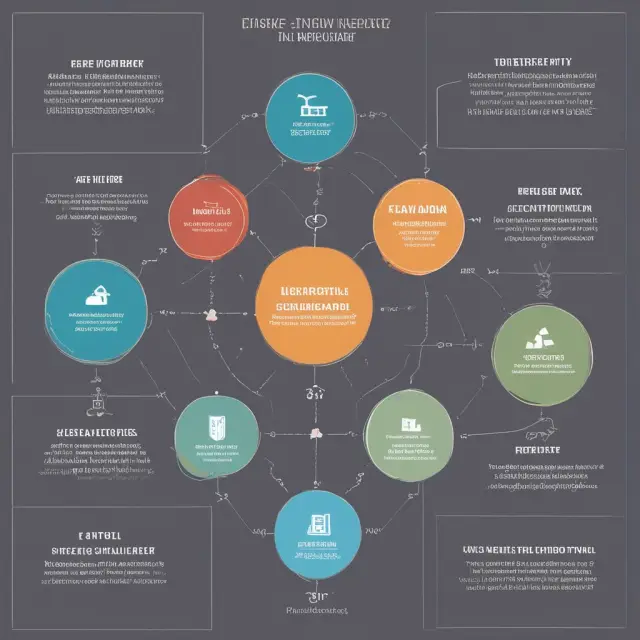
Data Mining Process
Understanding Data Mining’s Critical Steps
Data mining is an essential tool for businesses seeking to transform raw data into actionable insights that can drive growth and improve operations. The process involves analyzing large data sets to uncover hidden patterns, trends, correlations, anomalies, and associations that can inform informed decision-making. The following sections discuss the six steps of the data mining process:
1. Business Understanding
Before launching into data analysis, it’s essential to have a clear understanding of your business goals, objectives, and desired outcomes. This step involves defining the problem you aim to solve and identifying the key performance indicators (KPIs) that will be used to measure success. By defining your business problem, you can focus on mining the right data for meaningful insights.
2. Data Collection and Preprocessing
Data collection is a critical component of the data mining process. Effective data collection involves obtaining relevant data from various sources, including databases, social media platforms, customer interactions, and external sources. Once collected, data must be preprocessed to ensure it’s clean, consistent, and ready for analysis. This step may involve tasks like data cleaning, transformation, integration, and aggregation.
3. Data Exploration and Visualization
The third step of the data mining process involves exploring your data to discover insights and patterns. Data exploration can be achieved through various techniques, including descriptive statistics, visualization tools, and data mining algorithms. The goal is to understand the distribution, trends, and relationships in your data, which will help guide subsequent analysis.
4. Modeling and Evaluation
In this stage of the process, you apply various data mining techniques to uncover hidden patterns and relationships within your data. These techniques include regression analysis, clustering, association rules, decision trees, and neural networks, among others. After modeling, it’s essential to evaluate the results to ensure that they are meaningful and actionable.
5. Interpretation and Communication
Once you have identified insights from your data mining process, the next step is to interpret and communicate these findings effectively to stakeholders. Effective communication involves translating complex data into clear, concise language and using visualizations, graphs, charts, or other tools to help stakeholders understand the implications of the data.
6. Implementation and Monitoring
The final stage of the data mining process is implementation and monitoring. This step involves taking action based on the insights gained from your analysis and monitoring their impact on business outcomes. It may also involve refining your analysis and revisiting earlier stages of the process to gain a deeper understanding of your data and its implications.
Effective Data Mining: Best Practices and Techniques
1. Define Your Business Objectives
To ensure that your data mining efforts are focused, it’s important to define clear business objectives before diving into analysis. This will help you stay focused on the most critical insights that can drive growth and improve operations.
2. Use Appropriate Data Mining Techniques
Choosing the right data mining technique for your analysis depends on the nature of your data, the problem you’re trying to solve, and the desired outcome. Familiarize yourself with various techniques, such as regression analysis, clustering, association rules, decision trees, and neural networks, to find the best fit for your needs.
3. Preprocess Your Data Carefully
Data preprocessing is a crucial step in the data mining process that involves cleaning, transforming, integrating, and aggregating data to ensure it’s clean, consistent, and ready for analysis. This step can significantly impact the accuracy of your results, so it’s important to invest time and resources into getting it right.
4. Visualize Your Data Effectively
Visualizing your data through charts, graphs, and other tools can help you gain valuable insights by revealing trends, patterns, and correlations that might be difficult to discern otherwise. Choose the most appropriate visualization techniques for your data and use them effectively to communicate insights to stakeholders.
5. Evaluate Model Performance
Evaluating model performance is essential for ensuring that the insights you derive from your analysis are accurate and reliable. Use metrics such as accuracy, precision, recall, and F1 score to assess the performance of your models and identify opportunities for improvement.
6. Communicate Insights Effectively
Effective communication is critical for ensuring that stakeholders understand the implications of the data mining process and can act on the insights gained. Use clear, concise language, visualizations, and other tools to help stakeholders grasp the significance of your findings and make informed decisions based on them.

Data Security in Data Mining
As data mining becomes an increasingly integral part of business strategy, it is essential to address concerns surrounding data security during this process. Data mining involves large-scale processing and analysis of sensitive customer information. Therefore, it is crucial that companies implement robust data protection methods to ensure privacy and confidentiality. In this section, we will discuss various techniques for safeguarding sensitive data in the context of data mining.
First and foremost, businesses must establish a clear and comprehensive data security policy. This policy should outline guidelines for data collection, storage, access, usage, and sharing. Furthermore, it is essential to classify data based on its sensitivity level, ensuring that appropriate security measures are applied accordingly. For instance, high-risk data, such as financial or health records, should be encrypted and stored in secure locations.
Another critical aspect of data mining security is anonymization and de-identification techniques. These methods help protect individual privacy by removing personal identifiers from data sets while maintaining data integrity. For example, replacing names with random identification numbers can effectively prevent re-identification. Additionally, employing techniques such as k-anonymity or l-diversity can ensure that data is not linked to specific individuals.
To further enhance security, companies should invest in advanced data encryption technologies and access controls. Encryption protects sensitive data by scrambling it into unreadable formats, ensuring that only authorized personnel have access to the decrypted version. Access controls restrict user permissions based on their roles or job functions, limiting potential risks associated with internal breaches.
Moreover, data mining should be subjected to regular security audits and vulnerability assessments. These evaluations help identify vulnerabilities and potential threats, allowing organizations to implement countermeasures accordingly. Additionally, it is crucial to train employees on data handling best practices and the importance of data security in the data mining process.
Lastly, businesses should consider the role of regulatory compliance in data mining security. Regulations such as GDPR (General Data Protection Regulation), HIPAA (Health Insurance Portability and Accountability Act), and CCPA (California Consumer Privacy Act) impose strict guidelines on data collection, storage, and usage. Adhering to these regulations is essential for avoiding costly penalties and maintaining customer trust.
In conclusion, data mining offers valuable insights that can significantly benefit organizations across industries. However, it also comes with unique challenges, particularly in ensuring data security and protecting individual privacy. By implementing robust security policies, anonymization techniques, encryption technologies, access controls, regular audits, and employee training, businesses can mitigate risks and safeguard sensitive information during the data mining process.

Ethical Issues in Data Mining
The rise of big data analytics has brought numerous benefits for businesses, particularly in understanding consumer behavior, predicting trends, and improving operational efficiency. However, the widespread collection and use of personal information have raised ethical concerns related to privacy invasion, data security, and bias. In this section, we’ll delve deeper into these issues and discuss the potential implications for individuals, companies, and society as a whole.
Data Privacy: The Collection and Use of Personal Information
One of the most contentious aspects of data mining is the collection and use of personal information without explicit consent. Social media companies have been under scrutiny for their practices in this regard, using user-generated content and metadata to infer sensitive information about users’ interests, behaviors, and relationships (Zuckerberg, 2018). Moreover, third parties may purchase data from various sources, such as credit card companies, public records, or even social media platforms, to create detailed profiles without individuals’ knowledge or consent.
Data Security: Protecting Sensitive Information
As data mining involves the processing and storage of vast amounts of information, securing it is essential to prevent unauthorized access or data breaches. In recent years, high-profile cases have highlighted the vulnerability of sensitive personal information, leading to identity theft, financial losses, and reputational damage (Equifax, 2017). Companies must invest in robust security systems and adopt best practices, such as encryption, multi-factor authentication, and access controls. Moreover, regulators are increasing their focus on data protection, with the introduction of regulations like GDPR and CCPA.
Bias and Discrimination: Ensuring Fairness and Equity
Data mining algorithms may unintentionally introduce bias based on factors such as race, gender, or age (Angwin et al., 2016). This can lead to unfair treatment or discrimination against certain groups, perpetuating existing societal inequalities. It is essential for organizations to consider the ethical implications of their data mining activities and take steps to mitigate any unintended consequences. This may include diverse representation in the data collection process, regular audits of algorithmic bias, and transparency in how data is used and shared.
As technology continues to evolve, it’s crucial that businesses, policymakers, and individuals remain vigilant about the ethical implications of data mining. By addressing concerns related to privacy, security, and fairness, we can ensure that this powerful tool benefits everyone.
In conclusion, data mining plays a significant role in unlocking valuable insights from large datasets, enabling companies to make informed decisions and improve their operations. However, it also raises ethical issues related to privacy invasion, data security, and bias. By addressing these challenges and fostering transparency, we can ensure that data mining is used responsibly and for the greater good.
References:
– Angwin, J., Larson, J., Mattu, S., & Kirchner, L. (2016). Machine Bias. ProPublica.
– Equifax. (2017). Equifax Announces Cybersecurity Incident potentially impacting approximately 43.1 million consumers. Press Release.
– Zuckerberg, M. (2018). The Future of Privacy. Facebook Newsroom.

Data Mining Tools and Software
In order to extract meaningful insights from vast datasets, companies employ specialized software and tools for data mining. These programs analyze relationships and patterns in data based on user-defined queries or machine learning algorithms. In this section, we will introduce you to popular data mining tools such as R, SAS, SPSS, and Oracle Data Miner.
R: R is a programming language primarily used for statistical computing and graphics. It offers a wide range of packages for data mining tasks like clustering, regression analysis, time series forecasting, association rules, and predictive modeling. R’s open-source nature makes it an attractive choice for smaller organizations or projects with tight budgets.
SAS: SAS (Statistical Analysis System) is a commercial data mining software that offers various modules catering to different needs such as data access, data management, advanced analytics, and reporting. It provides comprehensive capabilities in machine learning, text analytics, forecasting, and statistical analysis. SAS’s user-friendly interface and robust support for large datasets make it a preferred option for many corporations.
SPSS: IBM SPSS is another commercial software designed for data mining, predictive analytics, statistics, and machine learning. It features an easy-to-use graphical interface, making it accessible to less technical users. SPSS supports various techniques like association rules, clustering, decision trees, neural networks, and predictive analysis, making it a versatile solution for both data exploration and predictive modeling projects.
Oracle Data Miner: Oracle Data Mining is an integrated component of the Oracle Database, allowing users to analyze large datasets for trends and patterns using machine learning algorithms like association rules, decision trees, and neural networks. This software offers real-time mining capabilities along with an intuitive interface for data preparation, modeling, and results visualization. Additionally, it integrates well with other Oracle products such as Exadata, R, and Python to provide a holistic analytics solution.
As businesses continue to collect and store massive amounts of data, the need for advanced analytics tools becomes increasingly essential. These data mining tools enable organizations to extract actionable insights from their data, leading to improved operational efficiency, enhanced customer experiences, and increased revenue potential.

Future of Data Mining
Data mining has come a long way since its inception, and it continues to evolve rapidly. Emerging trends and advancements offer new opportunities for businesses, data analysts, and researchers alike. In this section, we’ll explore some of the most promising developments in the field, including real-time analysis, machine learning, and deep learning.
Real-Time Analysis
Real-time data mining refers to the ability to process and extract insights from data as soon as it is generated. This capability has become increasingly important for businesses that operate in high-volume, time-sensitive environments. For instance, social media platforms, financial institutions, and healthcare providers rely on real-time analysis to understand customer behavior, detect anomalies, and make informed decisions. Real-time data mining tools can process vast amounts of streaming data in near real-time, providing actionable insights that could otherwise be lost.
Machine Learning
Machine learning is another area where data mining has seen significant advancements. Machine learning algorithms enable computers to learn from data, identify patterns, and make decisions based on that knowledge without explicit programming. This approach is particularly effective in situations where it’s difficult or impractical to write specific rules for every situation. Machine learning models can learn from historical data to make predictions or classify new data points. Applications of machine learning in data mining include image recognition, natural language processing, and fraud detection.
Deep Learning
Deep learning is a subcategory of machine learning that uses artificial neural networks with multiple layers to model complex patterns in data. These models can learn from vast amounts of data and improve their accuracy over time as they are exposed to more examples. Deep learning has achieved remarkable success in fields such as computer vision, speech recognition, and natural language processing. For example, deep learning models have been used to analyze large volumes of text data to understand customer sentiment and predict trends.
In conclusion, the future of data mining is bright, with new developments in real-time analysis, machine learning, and deep learning offering exciting opportunities for businesses and researchers. As data continues to grow in volume and complexity, these advancements will become essential tools for making sense of it all. By staying informed about these trends and investing in the right tools and skills, organizations can unlock valuable insights that will help them stay competitive in today’s data-driven economy.
FAQs
What is data mining?
Data mining is a process used by companies to turn raw data into useful information by using software to look for patterns and trends. It involves collecting, warehousing, and analyzing large batches of data to gain insights about customers or other areas of interest.
How does data mining work?
The data mining process consists of five main steps: (1) collecting and loading data into a data warehouse, (2) preparing the data, (3) sorting the data based on user requests or provided criteria, (4) presenting the results in an easy-to-understand format, such as graphs or tables, and (5) applying the results to marketing strategies, fraud detection, spam filtering, or other areas.
What are some common data mining techniques?
Common data mining techniques include association rules, classification, clustering, decision trees, KNN, neural networks, and predictive analysis. Each technique serves a specific purpose in extracting meaningful insights from the data.
What are the benefits of data mining?
Data mining offers numerous benefits, such as: (1) improving marketing strategies by understanding customer behavior and preferences, (2) increasing sales through targeted promotions, (3) reducing costs by detecting fraud or optimizing operations, (4) enhancing security through spam filtering or anomaly detection, and (5) gaining a competitive edge in the market.
What are some limitations of data mining?
Some limitations of data mining include: (1) privacy concerns due to the use of personal information, (2) the need for large amounts of high-quality data, (3) the potential for false positives or incorrect results if the algorithms used aren’t accurate, and (4) the cost and complexity of implementing a data mining system.
What are some emerging trends in data mining?
Emerging trends in data mining include real-time analysis, machine learning, and deep learning, which offer new opportunities for businesses to gain insights from their data more effectively and efficiently than ever before.

Conclusion
Data mining represents a transformative force in the corporate world, enabling businesses to gain valuable insights from their vast troves of data. By harnessing this power, organizations can improve customer experience, optimize operations, reduce costs, increase revenue, and stay ahead of the competition. However, with great power comes great responsibility. As data mining tools grow more sophisticated, it’s crucial for businesses to address concerns such as data security, privacy, and ethical implications. In the future, we will continue to see advances in areas like real-time analysis, machine learning, and deep learning.
Data Mining Techniques: An In-Depth Look
Data mining is an essential tool for companies looking to make sense of their data and derive insights that can inform strategic decisions and drive growth. This technique involves the application of algorithms and methods designed to discover patterns and relationships in large datasets. In this section, we delve deeper into the various techniques used in data mining and explore their unique applications and benefits.
Association Rule Mining: Uncovering Hidden Patterns
Association rule mining is a popular technique for discovering relationships between variables within a dataset. It’s often referred to as market basket analysis because it can help identify items that are frequently purchased together (e.g., bread and milk). This approach can be used in various applications, such as recommendation engines, targeted marketing, and inventory management.
Classification: Sorting Data into Meaningful Categories
Another critical technique in data mining is classification, which assigns predefined classes to objects based on their characteristics. This process involves identifying patterns and creating rules that can be used to classify new data points. Classification algorithms are commonly used in applications like credit risk assessment, fraud detection, and spam filtering.
Clustering: Grouping Similar Items Together
Clustering is a technique that groups similar items based on their shared features or characteristics. This method can be used to segment customers, products, or services and identify trends or patterns within the data. Clustering algorithms are valuable for businesses looking to target specific customer segments or personalize offerings.
Decision Trees: Making Informed Decisions from Data
Decision trees are a powerful data mining technique that helps classify or predict an outcome based on a set of rules or decisions. This method allows users to navigate through the data in a tree-like structure, making it easier to understand complex relationships and interactions within the dataset. Decision trees are commonly used for tasks like risk assessment, diagnosis, and customer segmentation.
Neural Networks: Mimicking the Human Brain
Neural networks are a type of machine learning algorithm inspired by the human brain’s structure and function. These models use interconnected nodes to process data, learn patterns, and make predictions. Neural networks are particularly effective for tasks like image recognition, speech recognition, and natural language processing.
K-Nearest Neighbors (KNN): Proximity-Based Classification
The K-nearest neighbors algorithm is a simple yet powerful technique used for classification and prediction tasks based on the proximity of data points to each other. It works by identifying the ‘k’ most similar data points and using their labels to make predictions about new, unlabeled data. The KNN method is widely used in applications like recommendation systems, image recognition, and handwriting recognition.
Predictive Analysis: Forecasting Future Outcomes
Predictive analysis uses historical information to build graphical or mathematical models that can forecast future outcomes based on current data. This technique is useful for businesses looking to anticipate trends, mitigate risks, and optimize operations. Predictive analysis algorithms, such as regression analysis, time series analysis, and machine learning models, are widely used in areas like sales forecasting, inventory management, and customer churn prediction.
In conclusion, data mining offers valuable insights for businesses looking to make informed decisions and drive growth. By employing various techniques like association rule mining, classification, clustering, decision trees, neural networks, K-nearest neighbors, and predictive analysis, companies can uncover hidden patterns, improve customer experience, optimize operations, reduce costs, and stay ahead of the competition. However, as we delve deeper into the world of data mining, it’s essential to address concerns such as data security, privacy, and ethical implications to ensure that businesses are utilizing this powerful tool responsibly.
FAQs
What is data mining?
Data mining is a process used by companies to analyze large datasets to discover valuable patterns, trends, and relationships that can inform strategic decisions and drive growth.
How does data mining differ from data analytics?
Data mining is a subset of data analytics, focusing specifically on discovering hidden patterns and relationships within large datasets using advanced techniques like machine learning, statistical modeling, and database systems. Data analytics, on the other hand, encompasses broader data analysis activities, such as reporting, querying, and statistical analysis.
What are some common applications of data mining?
Data mining is used in various industries and applications to extract valuable insights from large datasets, including marketing, finance, healthcare, retail, telecommunications, and manufacturing. Some common applications include customer segmentation, fraud detection, recommendation systems, inventory optimization, and sales forecasting.
What are the benefits of data mining?
Data mining offers numerous benefits for businesses, including improved decision-making, increased efficiency, reduced costs, enhanced customer experience, and competitive advantage through better understanding of market trends and customer behavior.
How does data mining impact privacy concerns?
Data mining can raise privacy concerns as it involves analyzing large amounts of personal data to extract insights. To address these concerns, businesses must ensure they are transparent about their data collection practices, implement strong security measures, and adhere to relevant regulations like GDPR and HIPAA. Additionally, consumers must be informed and have control over their personal data, including the ability to opt-out or delete it if desired.

FAQs
1. What Is Data Mining? Data mining is a process used by companies to turn raw data into valuable insights. It involves analyzing large batches of information to discern trends, patterns, and correlations that can lead to improved business decisions, increased sales, decreased costs, or other benefits. By using software to uncover hidden connections within the data, businesses can learn more about their customers, identify new opportunities, optimize operations, and predict future outcomes.
2. How Does Data Mining Work? The data mining process involves several steps: collecting and warehousing data, selecting appropriate mining techniques, processing the data, generating patterns and insights, evaluating results, implementing changes based on the findings, and monitoring the ongoing impact of these changes. During each step, it’s crucial to maintain the security, accuracy, and privacy of the data.
3. What Are Some Common Data Mining Techniques? There are various techniques used in data mining, including association rules, classification, clustering, decision trees, KNN, neural networks, and predictive analysis. Each method uncovers specific types of patterns within data: for example, associations between items, classes or categories, groups with similar characteristics, relationships between variables, logical structures, or future trends.
4. How Does Data Mining Differ from Traditional Reporting? While reporting is focused on summarizing and presenting historical data, data mining goes beyond the surface-level information to discover hidden patterns and insights. Additionally, data mining can handle large, complex datasets and deal with real-time data, providing valuable predictions and recommendations based on current conditions.
5. What Industries Use Data Mining? Data mining is used across various industries like retail, finance, healthcare, marketing, telecommunications, government, manufacturing, insurance, and education to gain a competitive edge, optimize processes, improve customer relationships, mitigate risk, and enhance overall performance. The insights derived from data mining can lead to innovative products, personalized services, operational efficiencies, and enhanced regulatory compliance.
6. What Are the Benefits of Data Mining? Some benefits of data mining include gaining a better understanding of customers’ preferences, detecting fraudulent activities, identifying cross-selling opportunities, improving customer targeting, optimizing pricing strategies, predicting future trends, reducing costs, and enhancing business performance overall.
7. What Are the Limitations of Data Mining? The limitations of data mining include high costs for hardware, software, and skilled labor; data quality issues, such as inaccuracies or missing data; privacy concerns related to handling sensitive customer information; potential biases within the data; and the need for extensive data preprocessing before analysis.
8. How Can Data Mining Be Used Ethically? Organizations can use data mining ethically by obtaining informed consent from data subjects, ensuring that personal information is anonymized, respecting privacy laws and regulations, and providing transparency to customers about how their data is being used. Ethical considerations should be built into the data mining process from the very beginning, with clear policies, guidelines, and checks in place.
9. What Are Some Tools and Software for Data Mining? Popular data mining tools include R, SAS, SPSS, Oracle Data Miner, KNIME, Weka, Microsoft SQL Server, and Python libraries like scikit-learn and TensorFlow. These solutions offer a range of features, from preprocessing and data cleaning to advanced analytics and machine learning capabilities.
10. What’s the Future of Data Mining? The future of data mining lies in real-time analysis, machine learning, deep learning, and other emerging technologies that can handle vast amounts of data, learn from new information, and adapt to changing conditions. As more data becomes available and businesses focus on using it to gain a competitive edge, data mining is expected to become increasingly important for driving innovation, improving decision making, and transforming industries.
 Next entry · No. 874David Ricardo: The Pioneering Economist Behind Labor Theory of Value and Comparative Advantage
See also
-
 No. 919
01 Jul 2024
18 min
Decision Support Systems (DSS): Unlocking Informed Decisions in Finance and Investment
Business Strategy
No. 919
01 Jul 2024
18 min
Decision Support Systems (DSS): Unlocking Informed Decisions in Finance and Investment
Business Strategy -
 No. 559
30 Apr 2024
21 min
Understanding Business Intelligence (BI): Types, Tools, and Benefits for Institutional Investors
Business Strategy
No. 559
30 Apr 2024
21 min
Understanding Business Intelligence (BI): Types, Tools, and Benefits for Institutional Investors
Business Strategy -
 No. 4,983
02 Aug 2025
22 min
Time Series Analysis for Institutional Investors: Understanding, Forecasting and Utilizing Sequential Data in Finance and Investment
Financial Data Analysis
No. 4,983
02 Aug 2025
22 min
Time Series Analysis for Institutional Investors: Understanding, Forecasting and Utilizing Sequential Data in Finance and Investment
Financial Data Analysis -
 No. 3,853
02 May 2025
21 min
Understanding Overfitting in Finance and Investment: Preventing Model Errors
Financial Data Analysis
No. 3,853
02 May 2025
21 min
Understanding Overfitting in Finance and Investment: Preventing Model Errors
Financial Data Analysis -
 No. 3,511
03 Apr 2025
19 min
Understanding Non-Sampling Errors: Identifying and Minimizing Discrepancies in Data Collection
Financial Data Analysis
No. 3,511
03 Apr 2025
19 min
Understanding Non-Sampling Errors: Identifying and Minimizing Discrepancies in Data Collection
Financial Data Analysis -
 No. 5,782
07 Oct 2025
18 min
Workflow Management: Optimizing Business Processes with Six Sigma, TQM, Big Data, and Workflow Technologies
Business Strategy
No. 5,782
07 Oct 2025
18 min
Workflow Management: Optimizing Business Processes with Six Sigma, TQM, Big Data, and Workflow Technologies
Business Strategy