Dematerialization (DEMAT): The Electronic Transformation of Financial Assets

Learn how Dematerialization (DEMAT) transformed financial assets from paper certificates to electronic records. Discover the benefits, requirements, and…
Introduction to Dematerialization
Dematerialization, commonly referred to as DEMAT, represents a significant transformation in the world of finance and investments. This process replaced traditional paper certificates with electronic records. DEMAT (Electronic Dematerialisation) is a system that converts physical securities into dematerialized forms. With dematerialization, stock transactions are no longer reliant on paper receipts or certificates. Instead, they’re recorded electronically in DEMAT accounts, enabling swifter and more secure financial dealings.
The Era Before Dematerialization
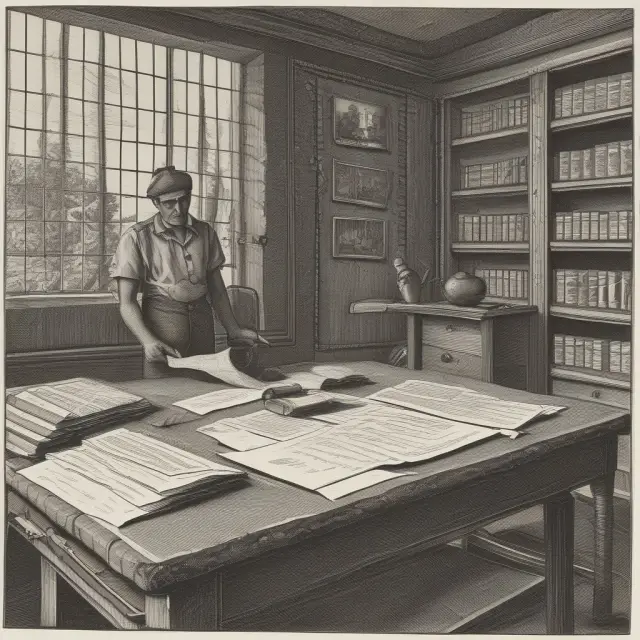
Before computers became mainstream, financial transactions were documented using paper receipts. Trading at stock exchanges occurred through traders shouting buy and sell prices. After the markets closed, a laborious process ensued to register all transactions. Paper records would need to be updated and reconciled manually, adding delays and potential for errors.
The Evolution: Dematerialization and Electronic Bookkeeping
With dematerialization, physical stock certificates were replaced with electronic records. Financial institutions can now maintain up-to-date accounts automatically, significantly increasing transaction speed and security while reducing manual effort and the potential for error.
Impact on Various Securities
Dematerialization isn’t limited to stocks alone; it also applies to bonds, mutual funds, and government securities. By dematerializing these securities, transactions become more efficient, eliminating the need for paperwork while ensuring accurate record keeping.
The Role of DEMAT Accounts
DEMAT accounts serve as digital counterparts to traditional bank accounts, where investors hold their electronic records. These accounts are crucial for engaging in transactions with securities that require dematerialization. By maintaining a DEMAT account, individuals can perform trades and manage their assets seamlessly within an electronic infrastructure. The benefits of dematerialization include increased security, quicker processing times, reduced errors, and potential cost savings by eliminating paperwork and processing fees associated with traditional transactions.
Transitioning to Dematerialization
To initiate the dematerialization process, one typically surrenders their physical securities certificate with an intermediary. The certificate is then retired from circulation, and electronic records take its place. In order to participate in transactions involving securities that require DEMAT accounts, individuals must open and activate these digital accounts.
Embracing the Future of Financial Transactions
With dematerialization becoming the standard for financial record keeping, it’s essential for investors to familiarize themselves with this electronic system. By understanding how dematerialization works and its advantages, investors can take advantage of faster transactions, increased security, and a more efficient investment process overall.

The Historical Context of Dematerialization
Dematerialization (DEMAT) marks a significant milestone in financial transactions, representing the move from tangible paper certificates to electronic record-keeping. In the pre-computer era, stock transactions were conducted on paper and required extensive manual processes post-market hours for registration. The laborious paperwork and time-consuming procedures led to the need for a more efficient solution – dematerialization.
Before the advent of computers and electronic bookkeeping, trading at stock exchanges was handled by traders shouting out buy and sell prices. These deals were documented on paper receipts that served as proof of ownership. However, this method was inefficient and error-prone due to the tedious process of manually recording transactions after markets closed.
Dematerialization transformed the industry by enabling electronic registration and transfer of securities – stocks, bonds, mutual funds, and government securities alike. By removing actual paper certificates from circulation and replacing them with digital records, dematerialization streamlined the trading experience for investors while offering increased security and speed.
The shift towards electronic bookkeeping saw a reduction in manual efforts, minimizing errors associated with handling physical records, and eliminating potential processing fees. This change proved to be crucial as financial markets began to transition away from paper-based transactions.
As the world embraced digital advancements, dematerialization became an essential component of modern trading infrastructure. DEMAT accounts serve as electronic vaults for storing securities, allowing for seamless buy and sell transactions without the need for physical certificates. As a result, markets can operate more efficiently and effectively.
To dematerialize assets, holders typically surrender their paper certificates to intermediaries, receiving an electronic notification confirming the dematerialization process. As markets increasingly move towards digital transactions, many require DEMAT accounts as a prerequisite for engaging in trades and managing investments electronically. By offering benefits like heightened security, increased transaction speed, and error reduction, dematerialization has become indispensable to modern financial systems.

Benefits of Dematerialization for Financial Transactions
Dematerialization, or DEMAT, is a crucial shift from the era of paper certificates to electronic bookkeeping and registration. With dematerialization, physical stock certificates are replaced by electronic records, enhancing the security, speed, and accuracy of financial transactions in significant ways (1).
In earlier times, stock exchanges were bustling with traders who shouted out buy and sell prices, and transactions were recorded on paper receipts. After markets closed, laborious manual efforts went into updating these records for proper registration. However, the advent of dematerialization transformed this process by enabling electronic transactions through DEMAT accounts (2).
What exactly is a DEMAT account? A DEMAT account is an electronic ledger where stocks and other securities are held in digital format for seamless trading. The introduction of dematerialization eliminated the need for paper records, allowing for near real-time updates and swift transactions (3). Dematerialization has broadened its reach beyond stocks to include various investment types like bonds, mutual funds, and government securities. In essence, DEMAT accounts serve as an investor’s electronic vault for managing financial assets (4).
Security is a primary advantage of dematerialization, as electronic records offer superior protection against theft, loss, or damage compared to their physical counterparts. For example, if you lose a paper bond certificate, recovering it might be difficult, but if your electronic record gets deleted due to technical difficulties, you can easily restore it from backups (5).
Dematerialization also significantly improves transaction speed and efficiency. Once an investor’s securities are dematerialized, they can trade them without the need for physical certificates. This direct transfer between DEMAT accounts bypasses intermediaries, reducing processing times and eliminating potential errors in the clearing process (6).
The removal of paper records also leads to fewer manual processes, which translates to cost savings. Furthermore, electronic transactions enable real-time updates and instant confirmation, making the entire process more transparent for both buyers and sellers (7).
To dematerialize your securities, you typically surrender the physical certificates to an intermediary such as a bank or broker. In return, you receive an electronic confirmation that your records have been updated, allowing you to engage in transactions using your DEMAT account (8). Some assets, like publicly traded shares and mutual funds, require a DEMAT account for trades due to the predominant shift towards electronic record keeping and transactions (9).
The benefits of dematerialization extend beyond immediate transactional improvements. They include minimizing errors that might occur during the handling of physical records, reducing steps that could slow down the clearing process, and offering increased security through the elimination of paper documents’ risks (10).
In conclusion, dematerialization is a pivotal innovation in financial markets that has led to a significant reduction in manual processes, enhanced security, increased speed, and improved accuracy. By embracing electronic record keeping for securities, investors can streamline their trading operations and manage assets more efficiently while ensuring greater protection against loss or theft.
References: 1) Depository Trust Company (DTC); 2) Sebi Circular SEBI/HO/IMD/CIRC/P/2016/9; 3) NSDL Demat Account Services Limited; 4) Central Securities Depository Limited; 5) Dematerialization FAQ – Investor Education and Protection Fund Authority; 6) Kotak Securities Limited; 7) Dematerialization: A Brief Overview – IIFL Wealth Blog; 8) Demat Account: What Is It And How Does It Work? – Tata Capital; 9) Dematerialisation of Shares and Mutual Funds – Scripbox; 10) Benefits Of Dematerialization – ICICI Securities.

Dematerializing Shares, Bonds, Mutual Funds, and Other Securities
When it comes to managing financial assets in today’s digital age, dematerialization has emerged as a game-changer. The transformation from physical certificates to electronic records revolutionizes the way we handle securities, such as shares, bonds, mutual funds, and government securities. In this section, let us delve into how dematerialization affects various investment types and streamlines their management.
Dematerialization of Shares
Historically, stock transactions involved physical certificates. However, with dematerialization, these certificates are exchanged for electronic records. This process is often facilitated by intermediaries such as brokers or banks. By converting shares into dematerialized form, investors can conduct seamless trades without the need for paper documentation. DEMAT accounts, which are digital wallets for securities, have become essential to manage these dematerialized shares.
Dematerialization of Bonds
Bonds, like stocks, can also undergo dematerialization. This process allows investors to keep their bond holdings in an electronic format, making it more convenient and efficient to buy, sell, or transfer bonds. DEMAT accounts play a crucial role in managing these investments as well. By converting bonds to dematerialized form, investors can eliminate the need for handling paper certificates and simplify their investment process.
Dematerialization of Mutual Funds
Investing in mutual funds also benefits significantly from dematerialization. The dematerialization of mutual funds helps reduce the time and effort required for processing transactions, making it easier to manage investments and monitor performance. Through electronic records, investors can access real-time information about their mutual fund holdings and conduct transactions with just a few clicks.
Dematerialization of Government Securities
Government securities, including treasury bills, bonds, and other fixed income instruments, are also subject to dematerialization. Dematerialized government securities offer several advantages over physical certificates. For example, they can be traded more easily and quickly, allowing investors to execute transactions without the need for lengthy paperwork and physical exchanges. DEMAT accounts enable seamless management of these investments, making it simpler for investors to keep track of their holdings and conduct transactions as needed.
The Benefits of Dematerialization
Dematerialization offers a multitude of benefits for financial asset management. By eliminating the need for paper certificates, dematerialized securities can be traded more quickly and securely. Additionally, errors can be reduced by avoiding the handling of physical records. Moreover, DEMAT accounts provide investors with enhanced security and convenience, making it easier to manage their investments. With electronic record-keeping, transactions are processed faster, enabling investors to act on market opportunities in a timely manner. Overall, dematerialization streamlines financial transactions and simplifies asset management for various investment types.
In conclusion, the dematerialization of shares, bonds, mutual funds, and other securities has transformed the way we manage our investments. By exchanging physical certificates for electronic records, investors can enjoy faster, more secure transactions while eliminating paperwork and reducing errors. DEMAT accounts have become an essential component in managing these dematerialized assets, enabling seamless transactions and real-time information access. As we continue to move towards a more digital future, dematerialization will undoubtedly play an increasingly important role in financial markets and trading.

How Dematerialization Works: From Paper to Electronic Records
Dematerialization (DEMAT) is the process by which actual stock certificates are replaced with electronic records in a DEMAT account. In the past, financial transactions were recorded on paper, necessitating time-consuming manual updates after markets closed. With dematerialization, stock and other securities like bonds, mutual funds, or government securities can be registered and transferred electronically. This transformation eliminates the need for physical certificates, streamlining trades and providing numerous benefits.
Let’s take a closer look at how this process works:
- Surrendering Physical Certificates: To dematerialize a security certificate, an individual must surrender it to their broker or intermediary. This may require filling out specific forms and paying any associated fees.
- Electronic Transfer of Ownership: Upon acceptance, the intermediary will electronically transfer the ownership of the security from the certificated form into the DEMAT account. The process is typically completed within a few days but can sometimes take longer depending on the intermediary and the type of security.
- Notification and Confirmation: Once the dematerialization process is complete, the investor will receive an electronic notification or confirmation that their securities have been successfully transferred into their DEMAT account. This confirmation serves as evidence of ownership.
- Accessing Securities: With the securities now in digital form within a DEMAT account, investors can easily access them for trading or other transactions. They can also check their holdings and view transaction history at any time through their online account or through their broker.
- Trading Electronically: Dematerialized securities enable seamless electronic trades. When selling shares, the investor will receive the proceeds directly into their bank account, eliminating the need for physical checks. Similarly, purchasing stocks can be done electronically through a broker or trading platform.
- Record Keeping and Reporting: The dematerialized securities’ records are maintained by brokers or other intermediaries. These entities also generate periodic reports detailing transactions, holdings, and other relevant information for tax purposes.
- Continuous Monitoring and Updating: The electronic record-keeping allows for real-time updates and monitoring of investments. This continuous access provides investors with valuable insights into the performance of their portfolio, enabling them to make informed decisions.
By understanding how dematerialization works, investors can take advantage of its many benefits, including increased security, faster transactions, reduced errors, and greater convenience. Through electronic record-keeping, the financial industry has transitioned from an era dominated by paperwork to a streamlined, automated process that saves time and resources while minimizing risks for all parties involved.

Dematerialization and DEMAT Accounts
Once the era of computers took over, securities no longer had to be in certificate form. They could be registered and transferred electronically, giving rise to dematerialization. This shift from paper certificates to electronic bookkeeping brought about significant changes in how securities are traded and managed. Dematerialization is most notable for its impact on the creation of DEMAT accounts, which offer electronic transactions and a secure way to hold investors’ assets.
DEMAT, an acronym for ‘Delivery versus Payment Electronic Settlement through an Automated Clearing House,’ is a critical aspect of dematerialized trading. These accounts have become mandatory for certain types of financial transactions, such as trading stocks, bonds, mutual funds, and other securities.
How DEMAT Accounts Work
A DEMAT account functions similarly to a bank account but specifically for securities. Once you open a DEMAT account with an authorized intermediary or a depository, your physical securities certificates are surrendered in exchange for electronic credits. This process is often referred to as dematerialization. The records of these transactions remain with the broker or other intermediaries involved in the trade.
With electronic bookkeeping, DEMAT accounts allow for seamless trades to occur without physical certificates. This eliminates the need for paperwork and manual processes, enabling quicker transactions and reduced errors. Furthermore, the digital nature of these records ensures increased security compared to paper certificates, which could be lost or damaged.
The Advantages of DEMAT Accounts
DEMAT accounts offer several advantages over traditional paper-based record keeping for securities. These include:
- Increased Security: DEMAT transactions eliminate the risk associated with handling physical certificates, which can be lost, stolen, or damaged. Once your securities are dematerialized and transferred to a DEMAT account, they are held in secure digital form.
- Faster Transactions: Dematerialization allows for instantaneous electronic transfers of securities from one investor’s account to another, without the need for manual processing or paperwork.
- Elimination of Errors: Electronic transactions reduce the risk of errors associated with manually recording and transferring information on physical certificates. DEMAT accounts automatically update records during each transaction, ensuring accuracy.
- Cost Savings: By eliminating the need for paperwork and intermediaries in handling securities, DEMAT offers cost savings that can benefit both investors and financial institutions alike.
Dematerialization’s Impact on Financial Markets and Trading
The widespread adoption of dematerialization has significantly changed how financial markets operate. It has enabled faster transactions, reduced errors, increased security, and eliminated paper records. The shift to electronic trades has also led to the requirement for DEMAT accounts in certain instances, ensuring a secure and efficient way to manage securities investments.
In conclusion, dematerialization is an essential part of modern financial markets that offers numerous advantages for investors, including improved security, faster transactions, increased accuracy, and cost savings. By converting physical certificates into electronic records and holding them in DEMAT accounts, investors can enjoy the benefits of a more streamlined and secure way to manage their investments.
Requirements for Dematerializing Securities
If you’re an investor holding physical securities, such as stocks, bonds, mutual funds, or government securities, and wish to transition them into electronic form through dematerialization (DEMAT), there are specific steps involved in the process. The following outlines the requirements for dematerializing securities:
1. Choose a Depository Participant (DP): A DP is an intermediary that assists you in converting your paper certificates into electronic records. You’ll need to select a reliable and trustworthy DP to ensure seamless conversion of your securities.
2. Open a Dematerialization Account: To dematerialize your physical securities, you must open a DEMAT account with the chosen Depository Participant (DP). A DEMAT account is a non-interest bearing electronic account that holds dematerialized securities.
3. Surrender Physical Certificates: Once your DEMAT account is active, surrender your paper certificates to the DP for dematerialization. After verification of the authenticity of these certificates, they are cancelled and the corresponding electronic entries made in your DEMAT account.
4. Receive an Electronic Credit: As soon as the dematerialization process is completed successfully, you will receive a confirmation or credit in the form of units of the dematerialized securities into your DEMAT account.
5. Understand the Timeframe: The entire dematerialization process can take anywhere between 7 to 10 working days, depending on various factors including the volume of requests and processing times at both your DP and the concerned stock exchange.
In conclusion, dematerialization (DEMAT) is an essential component of modern financial transactions and bookkeeping. The process requires you to work with a Depository Participant (DP) and open a DEMAT account for electronic storage of dematerialized securities. Once physical certificates are surrendered to the DP for verification, they are cancelled, and electronic entries are made in your DEMAT account, making it an integral part of any investor’s journey towards efficient and secure investment management.

The Impact of Dematerialization on Financial Markets and Trading
Dematerialization (DEMAT) has brought a significant transformation to financial markets and trading, streamlining the process and increasing efficiency. With the rise of computers and digital record-keeping, physical certificates for stocks and other securities are no longer needed. Instead, these investments can be registered and transferred electronically through DEMAT accounts. The implementation of dematerialization has resulted in several benefits for investors and financial markets as a whole.
Dematerialized transactions allow for faster processing times and increased security compared to the paper-oriented process of old. The elimination of paper records not only saves time but also reduces the risk of errors, making it an attractive alternative for many investors. DEMAT accounts enable electronic transactions for various types of investments like stocks, bonds, mutual funds, and government securities, providing a more convenient and seamless way to manage assets.
In today’s world, markets operate predominantly through electronic transactions, requiring DEMAT accounts for trading and other related activities. As a result, investors are no longer required to physically exchange paper documents when conducting transactions. Instead, brokers or intermediaries handle the electronic records of trades. For those wishing to dematerialize their physical securities, they typically surrender the certificate with an intermediary in exchange for an electronic notification confirming the dematerialization process. This updated method of record-keeping has proven advantageous in reducing errors and saving time while ensuring the security of investors’ assets.
Moreover, DEMAT accounts offer several benefits such as increased surety, improved accuracy, and elimination of intermediaries, resulting in savings from processing fees. By dematerializing records, financial institutions can reduce the risk of fraud, and minimize errors due to manual data entry or document handling. The overall impact of dematerialization on trading has led to increased security, reduced transaction times, and improved accuracy. As technology continues to evolve, we can expect further advancements in electronic record-keeping and trading processes that will continue to revolutionize the financial markets.

Security Concerns and Risks Associated with Dematerialization
Incorporating Dematerialization into modern financial transactions has brought numerous benefits, including increased speed and accuracy, automatic updates, and reduced reliance on physical paperwork. However, as with any technological transformation, there are concerns regarding the security of electronic records and potential risks associated with dematerialization. Let’s examine these apprehensions in detail.
Firstly, one significant concern revolves around cybersecurity. With financial records being stored electronically, it is essential to ensure their protection against unauthorized access or theft. Fortunately, many financial institutions employ advanced security measures such as firewalls, encryption, and multi-factor authentication to mitigate these risks. Furthermore, regulatory bodies oversee the implementation of these security protocols, providing additional assurance for investors.
Another common worry is that electronic records can be prone to technical errors, system failures or human mistakes leading to potential losses. However, dematerialized transactions are subjected to rigorous checks and balances. Transactions must be confirmed by multiple parties involved in the exchange before they are considered complete. This redundancy reduces the likelihood of errors and ensures a high degree of accuracy.
A potential issue that could arise from dematerialization is its dependency on technology. In the event of a power outage, technological malfunctions, or connectivity problems, trading might be temporarily halted. While it is an infrequent occurrence, exchanges have backup systems in place to minimize disruptions and limit the impact.
There are also concerns about the possibility of data manipulation by market participants, potentially leading to fraudulent activities. To address these fears, regulatory bodies employ strict guidelines regarding data privacy and security measures for dematerialized transactions. Regular audits and monitoring are crucial in maintaining a fair and transparent trading environment.
Lastly, there is a concern that electronic record-keeping may lead to a loss of transparency, making it harder for investors to verify the authenticity of their holdings. To allay these fears, financial institutions provide digital statements, allowing investors to access their complete transaction history at any time. Furthermore, investors have the option to request physical copies of their records if they wish.
In conclusion, while there are concerns regarding the security and risks associated with dematerialization, it is important to acknowledge that these issues are not unique to electronic transactions. Moreover, financial institutions and regulatory bodies implement various measures to mitigate such risks and provide a secure environment for investors to transact electronically.

FAQ: Frequently Asked Questions About Dematerialization
Dematerialization, or DEMAT, is a transformative process where financial assets like stocks, bonds, and mutual funds shift from physical certificates to electronic records. This change has led to increased security, speed, and accuracy in financial transactions. Below, we answer common questions about dematerialization and its associated DEMAT accounts.
What exactly is dematerialization?
Dematerialization refers to the replacement of paper certificates with electronic bookkeeping for various types of financial assets like stocks, bonds, mutual funds, and other securities.
Why was dematerialization introduced?
The primary reason for dematerialization was to improve security, speed up transactions, and reduce errors associated with managing physical records. In the era before computers, stock exchanges relied on traders shouting buy and sell prices and recording transactions on paper receipts. The dematerialization process allowed for automatic updates and swifter account management.
Which securities can be dematerialized?
A wide array of financial instruments can undergo dematerialization. These include stocks, bonds, mutual funds, government securities, and other investment vehicles. By converting these assets into electronic records, the process streamlines trading and reduces manual intervention.
How does dematerialization work?
Dematerialization involves surrendering physical certificates to intermediaries in exchange for electronic records. DEMAT accounts are used to hold these digital assets, enabling seamless transactions between buyers and sellers without requiring paper currency or certificates. Brokers typically maintain electronic records of the transactions associated with each asset.
Is a DEMAT account mandatory?
Yes, some trading institutions require investors to open DEMAT accounts for certain types of securities to engage in trades and other transactions. This is due to the fact that financial markets now primarily operate through electronic transactions. The benefits of dematerialization include increased security, faster transactions, and reduced errors, making it an essential tool for efficient asset management.
What are the advantages of dematerialization?
The primary advantages of dematerialization include improved security through digital record keeping, speedier transactions due to automated processes, and a reduction in errors typically associated with managing physical records. By eliminating manual intervention and paperwork, savings can be achieved on processing fees as well.
Is dematerialization safe?
Despite its numerous benefits, some concerns remain regarding the security of electronic record keeping. However, these fears are largely unfounded due to advanced encryption techniques used to secure digital assets in DEMAT accounts. Additionally, intermediaries and financial institutions maintain backups and redundancies to ensure data integrity.
What happens if a certificate is lost during dematerialization?
In the rare event that a certificate is lost during the dematerialization process, investors can still access their records through their DEMAT account. The intermediary or broker can help recover the digital assets associated with the lost certificate by working with other financial institutions and authorities to trace its origin. While a replacement certificate may need to be issued in some cases, electronic records offer a more robust and reliable solution for managing assets compared to physical certificates.
 Next entry · No. 990Understanding the De Minimis Tax Rule for Institutional Investors: Capital Gains vs. Ordinary Income
See also
-
 No. 1,049
20 Jul 2024
20 min
Understanding Discount Margin in Floating-Rate Securities: Calculations and Key Concepts
Business Finance
No. 1,049
20 Jul 2024
20 min
Understanding Discount Margin in Floating-Rate Securities: Calculations and Key Concepts
Business Finance -
 No. 993
13 Jul 2024
25 min
Understanding Demonetization: Implications for Currency, Economy and Society
Finance Policy
No. 993
13 Jul 2024
25 min
Understanding Demonetization: Implications for Currency, Economy and Society
Finance Policy -
 No. 5,878
15 Oct 2025
20 min
Understanding the Z Designation in Nasdaq Stocks: A Comprehensive Guide for Institutional Investors
Business Finance
No. 5,878
15 Oct 2025
20 min
Understanding the Z Designation in Nasdaq Stocks: A Comprehensive Guide for Institutional Investors
Business Finance -
 No. 5,841
12 Oct 2025
17 min
Understanding Yankee Bonds: Advantages, Disadvantages, and Everything In Between
Business Finance
No. 5,841
12 Oct 2025
17 min
Understanding Yankee Bonds: Advantages, Disadvantages, and Everything In Between
Business Finance -
 No. 5,835
11 Oct 2025
18 min
Understanding Xetra: Germany’s Dominant Electronic Trading Platform
Business Finance
No. 5,835
11 Oct 2025
18 min
Understanding Xetra: Germany’s Dominant Electronic Trading Platform
Business Finance -
 No. 5,346
01 Sep 2025
19 min
Understanding Upticks in Finance: Meaning, Types, Importance, and Rules
Business Finance
No. 5,346
01 Sep 2025
19 min
Understanding Upticks in Finance: Meaning, Types, Importance, and Rules
Business Finance