Understanding Share Certificates: A Proof of Ownership in the Stock Market
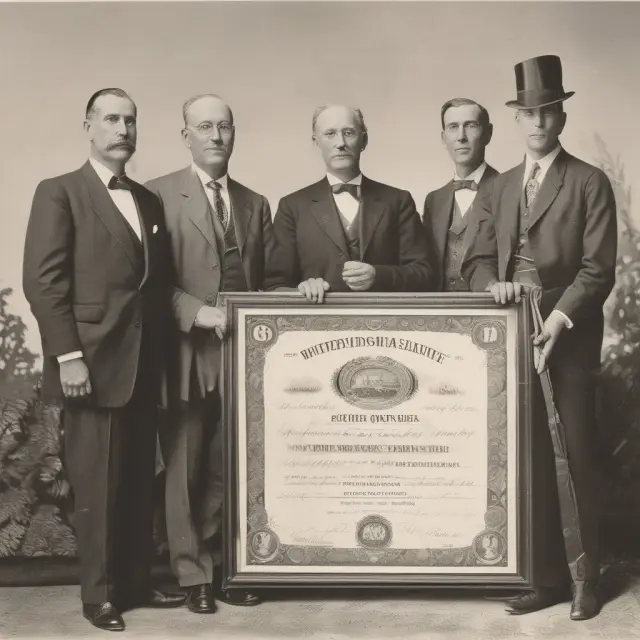
A share certificate, or stock certificate, is a printed document showing that a named investor owns a stated number of a company's shares, registered on the company's books. Investors can avoid paper by holding shares in book-entry form, in street name at a brokerage or through direct registration; replacing a lost certificate costs money.
Correction: This entry says companies must issue a share certificate within two months and that buyers receive one. That deadline is a UK Companies Act rule; US investors can hold shares in book-entry form, in street name or direct registration, without a certificate.
Introduction to Share Certificates
Share certificates serve as legal documents that confirm a shareholder’s ownership of the specified number of shares in a company. In essence, they act as evidence that proves an investor’s entitlement to dividends and voting rights. Although still issued physically in some instances, digital records have largely replaced traditional paper stock certificates in today’s modern financial landscape.
Historic Origin and Evolution
The origins of share certificates trace back to the Dutch East India Company, which issued its first share certificate in 1606. Over centuries, these documents evolved significantly in terms of their design and functionality. While many collectors appreciate old share certificates for their historical value and intricate designs, their importance diminished with the emergence of digital alternatives.
Understanding Share Certificate Components
A typical share certificate includes essential information such as certificate number, company name and registration number, shareholder name and address, number of shares owned, class of shares, issue date of shares, amount paid on the shares, and the signature of the company’s authorized signatory.
Acquiring a Share Certificate
When purchasing stocks, investors receive a share certificate as proof of their ownership. Companies are legally bound to issue a share certificate within two months of an allotment or transfer of shares. If a shareholder requests separate certificates, they will be provided accordingly.
Reissuing and Replacing Lost Share Certificates
Should a share certificate get damaged, lost, or stolen, it can be reissued with a replacement certificate in respect to the same number of shares. The shareholder must first return the damaged document before receiving the new one. At this point, they may also opt for separate certificates if desired.
Company Perspective and Challenges
Issuing paper stock certificates brings significant challenges and costs to companies. Managing and verifying the transfer of ownership through physical documents requires a dedicated team and can be labor-intensive and time-consuming. In many cases, electronic registration has replaced the need for share certificates altogether.
Valuing Old Share Certificates
Rare and collectible share certificates hold historical significance and can be worth substantial sums based on their condition and age. Determining their value involves contacting a stockbroker, transfer agent, or using specialized services to research the stock’s history.
Tax Implications and Dematerialization
When someone transfers shares through a certificate or electronically, tax implications remain consistent. Older share certificates hold no tax liability for the inheritor but could be subject to taxes upon sale. The trend towards dematerialization and electronic registration is expected to further reduce reliance on physical stock certificates.
History and Evolution of Share Certificates
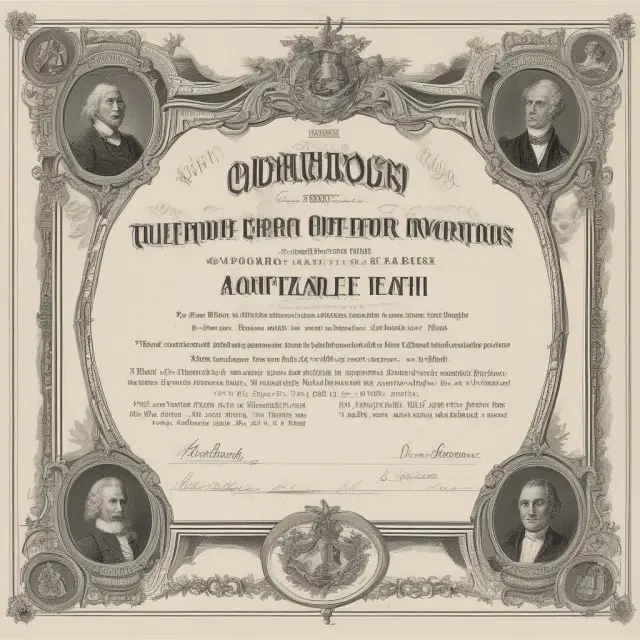
Share certificates trace their origins to the Dutch East India Company, which issued the first stock certificate in 1606 (Figure 1). This historic document served as proof of ownership for shares worth 150 Dutch Guilder. Share certificates have evolved significantly over the centuries, with their design and purpose changing alongside advancements in financial systems and technology.
Figure 1: The first stock certificate was issued by the Dutch East India Company in 1606.
Early share certificates were designed as intricate works of art (Figures 2 and 3). Their elaborate details served multiple purposes, including protecting against forgery and showcasing a company’s prestige. Shareholders treasured these collectible items for their historical significance, making scripophily the hobby of collecting and studying share certificates and similar financial documents.
Figure 2: A sample of an early American share certificate from the Erie Railroad Company (1854).
Figure 3: Detailed design elements on a share certificate issued by the New York, Susquehanna & Western Railway Co. (1906).
As the financial industry grew and evolved, so did share certificates. By the late 19th century, companies began to streamline the process of issuing physical certificates with standardized designs featuring key information such as certificate number, company name, number of shares owned, issue date, and amount paid (Figure 4).
Figure 4: A modern share certificate issued by Apple Inc. in 2017 showcases a more simplified design.
The shift from paper to digital records began in earnest during the mid-20th century as companies embraced book entry systems and automated recordkeeping. Central Securities Depositories (CSDs) emerged as central repositories for holding shares either in certificated or dematerialized form, making it easier to transfer ownership through a book entry rather than the transfer of physical certificates.
Figure 5: In modern financial markets, electronic registration is replacing paper stock certificates.
Today, shareholders rarely take possession of their share certificates. Instead, they rely on electronic proof of ownership. While this digital shift offers numerous advantages for companies and investors alike, the historical significance of share certificates as tangible symbols of ownership continues to captivate collectors and historians alike.

Understanding Share Certificate Components
A share certificate is a legal document issued to investors as proof of ownership in their investment. It contains crucial information about both the issuing company and the stockholder, serving as an important record of financial transactions. In this section, we will delve into the various components contained within a typical share certificate.
Historic Origins
Share certificates can be traced back to the Dutch East India Company, which issued the first one in 1606. At that time, share certificates were paper documents that served as proof of ownership and represented an investment in the company. Today, while many investors no longer possess their physical share certificates, understanding the historical significance and components is still valuable.
Share certificate components include:
- Company name and registration number
- Shareholder name and address
- Number of shares owned
- Class of shares
- Issue date of shares
- Amount paid (or treated as paid) on the shares
Company Name and Registration Number
The issuing company’s name and registration number are essential details included in share certificates, as they clearly establish the entity responsible for issuing the securities. These details enable stockholders to easily recognize their investment and can help differentiate between various companies within the market.
Shareholder Name and Address
The shareholder’s name and address are critical components of a share certificate because they denote the individual or organization that legally owns the shares. This information is crucial for maintaining accurate records of ownership, tracking dividends, and contacting shareholders regarding important updates.
Number of Shares Owned
The number of shares a stockholder holds is indicated in their certificate, allowing them to monitor their investment holdings and evaluate their potential return on investment. Understanding the value of each share and the total number owned provides clarity about their stake in the issuing company.
Class of Shares
Share classes represent different ownership rights within a single company. For example, common shares typically come with voting privileges while preferred shares may offer dividend priority but no voting rights. Understanding the class of shares one holds is important for exercising shareholder rights and maximizing potential returns on investment.
Issue Date of Shares
The issue date of shares indicates when the securities were first issued to the stockholder. This information can be crucial in calculating cost basis, determining holding period, and assessing tax liabilities.
Amount Paid (or Treated as Paid) on the Shares
Lastly, the amount paid for the shares or their treated value is essential when evaluating investment costs, tracking capital gains, and estimating potential tax obligations. Understanding the acquisition price of a share can also help investors gauge the return on their initial investment and assess its overall performance over time.
How to Obtain a Share Certificate
Acquiring a share certificate is an essential step for investors after purchasing stocks, as it signifies ownership of the specified number of shares in a company. In this section, we’ll discuss the process of obtaining a share certificate and any potential challenges that might arise.
Upon completing a stock purchase through a broker or directly from a company, shareholders usually receive a notification confirming their transaction. This document may serve as a temporary proof of ownership until the official share certificate arrives. Share certificates are typically issued only when requested by the investor. The timeframes for receiving a certificate can vary between companies and brokers, but it is common to expect them within a month or two after the purchase.
It’s important to note that physical share certificates are becoming increasingly uncommon in today’s digital era. Many investors opt for electronic recordkeeping instead. Digital records offer several advantages over paper certificates: they are more accessible, easier to manage, and cheaper for companies to produce. However, the process of acquiring a digital certificate may differ from that of a physical one. Consult your broker or the company’s investor relations department for specific instructions on how to receive your electronic share certificate.
If you find yourself in possession of an old or lost share certificate, it might be necessary to obtain a replacement. To do so, contact the transfer agent responsible for handling transactions related to shares in the company. The transfer agent will typically require some form of identification, such as a government-issued ID, and proof of ownership, like a copy of the original certificate or your brokerage statement. By providing this information, you can initiate the process of receiving a replacement share certificate.
It’s essential to keep in mind that the issuance of new certificates might involve fees, which could include administrative charges or reissue costs. Always check with the transfer agent for any potential fees before proceeding with your request. In some cases, investors might choose to consolidate their shares into a single certificate rather than requesting multiple ones. This can save both time and money if you own numerous certificates from the same company.
As previously mentioned, share certificates serve as evidence of ownership in the stock market. If your certificate is lost, damaged, or stolen, it’s crucial to act promptly by contacting the transfer agent and requesting a replacement. Failure to do so can potentially result in misappropriation of your shares or other complications.
In conclusion, obtaining a share certificate is an essential aspect of purchasing stocks. Whether you choose to go with a physical certificate or opt for digital recordkeeping, understanding this process and any potential challenges is crucial for maintaining a healthy investment portfolio. By following the guidelines outlined above, you can successfully navigate the path to acquiring your share certificate.

Reissuing or Replacing a Lost Share Certificate
If your share certificate is lost, accidentally destroyed, or stolen, there are steps to take to obtain a replacement. The process can vary depending on whether the shares were purchased recently or a long time ago, but the basic procedure remains the same.
First things first: contact the transfer agent designated by your company immediately. A transfer agent is responsible for managing and updating a company’s shareholder records and facilitating stock transactions. They will help you navigate the replacement certificate process. If you’re unsure who your transfer agent is, check the information printed on the back of your original certificate or consult your broker.
Once you’ve notified the transfer agent about your lost certificate, they may request certain documents to verify your identity and ownership of the shares:
- Affidavit of Loss: An affidavit is a sworn statement confirming that you are the rightful owner of the shares and explaining how the original certificate was lost, destroyed, or stolen.
- Proof of Identity: To prevent fraudulent claims, transfer agents usually ask for proof of identity, such as a driver’s license, passport, or other official document.
- Indemnity Bond (Optional): In some cases, the transfer agent might request an indemnity bond to protect against potential future claims on the lost certificate. This is not always required but can be requested depending on the circumstances surrounding the loss of the original certificate.
Once you’ve provided these documents, your transfer agent will process and issue a replacement certificate for the same number of shares as indicated on the lost certificate. You may also need to pay a fee for issuing the new certificate.
If your shares were purchased through a brokerage firm or a financial institution, they might handle the replacement certificate process on your behalf. In this case, follow their instructions closely to ensure a smooth experience.
In summary, losing a share certificate can be stressful, but with prompt action and the right documentation, you can obtain a replacement without significant delay. To protect yourself from future complications, always keep your certificates in a safe place or consider transferring your shares to electronic form if that’s an option.

The Significance of Share Certificates to Companies
Share certificates play a crucial role in documenting share ownership and have been an essential component of the stock market since its inception. However, their significance to companies is not just limited to serving as legal proof of stock ownership. Instead, issuing and managing these paper documents bring about several challenges and costs for businesses.
Historically, companies issued physical share certificates to document ownership when shares were bought or transferred. This practice has continued in some capacity even with the shift towards digital records. While digitization has streamlined processes such as dividend payments and electronic registration, managing paper stocks still entails a considerable administrative burden for companies.
One primary challenge lies in tracking and verifying transactions involving these certificates. The labor-intensive process requires companies to maintain teams dedicated to managing share certificate systems. Moreover, compliance becomes more complicated since transactions can only proceed upon signing and mailing the physical certificates to the company. This adds a significant amount of work to ensure identities are properly verified before ownership is transferred.
Another issue arises when shareholders lose or misplace their certificates. The process for handling these situations involves finding the old shares, verifying ownership, stopping the old certificates from being used, and issuing new ones. This procedure can be time-consuming and costly, particularly if many certificates are involved. In addition, there is a risk of fraud or double-selling of shares, which adds another layer of complexity to managing paper stocks.
Furthermore, share certificates require significant resources for secure storage and handling. Companies must ensure that these documents are kept in a safe environment, limiting access only to authorized personnel. Any negligence can result in loss or theft, leading to the need for costly replacement certificates and potential legal disputes.
The advantages of digitizing share ownership and retiring paper certificates cannot be overstated. Companies have turned to electronic registration and dematerialization to eliminate the challenges and costs associated with managing physical stock certificates. With digital records, transactions can be processed quickly and accurately, while ownership is easily transferable through book entries rather than the exchange of paper documents.
However, for those dealing with older or rare share certificates, their historical value and unique designs may still warrant preserving the physical artifacts. In such cases, proper storage and handling techniques are essential to maintain their condition and prevent any potential damages or losses.

Valuing Old Share Certificates
Collecting old share certificates can be a fascinating and potentially lucrative hobby, particularly for those with an interest in history or finance. Old share certificates serve as tangible links to the past, representing the initial investment that fueled the growth of companies that have become industry titans and household names. Understanding how to evaluate these collectibles can help investors determine their worth and secure a potentially valuable addition to their portfolio.
Historically, shareholders were issued paper certificates as proof of ownership when buying shares in a company. These documents served multiple purposes, including entitlement to dividends and voting rights. However, with the rise of digital recordkeeping and electronic stock transfer systems, physical share certificates have largely been replaced by dematerialized forms.
Determining the Value of Old Share Certificates
To assess the value of a collectible share certificate, potential buyers should consider several factors:
1. Historical Significance – The historical significance of a company or industry can influence the perceived value of an old share certificate. For example, certificates issued by early telegraph companies, railroads, or tech firms might attract high demand due to their role in shaping modern communication and transportation networks.
2. Design Aesthetics – The visual appeal and rarity of a certificate’s design can contribute to its value. Some collectors are drawn to intricate, artistic designs and beautiful typography, which can increase the collector interest and ultimately the price paid for these certificates.
3. Condition – The condition of the certificate plays a significant role in determining its worth. Factors such as creases, folds, stains, missing pieces, or other damage can impact the value, potentially reducing it significantly.
4. Age and Rarity – Older certificates are often more valuable due to their historical significance and scarcity. For instance, an early certificate from a company that has since gone defunct or merged with another organization may fetch a higher price than a newer one issued by a well-established firm.
5. Reissuance History – The number of times a certificate has been reissued can affect its value. A certificate with fewer reissues is more desirable, as it is less likely to have sustained damage and preserves the authenticity of the initial investment.
6. Demand for Specific Companies or Industries – Collectors may focus on specific industries or companies, creating demand for certain certificates. For instance, a collector specializing in transportation may be interested in certificates issued by railroads, ships, or early automobile manufacturers.
7. Market Trends and Collector Interest – Market trends and current collector interest can influence the value of an old share certificate. When demand for certain collectibles is high, prices may increase accordingly. Similarly, a renewed focus on particular industries or companies may cause a surge in interest and value for related certificates.
Assessing the Worth of Old Share Certificates – Steps to Take
To determine the worth of an old share certificate, potential buyers should follow these steps:
- Verify the legitimacy and authenticity of the certificate by checking the issuing company’s records or contacting its transfer agent.
- Research the history of the issuing company, including its role in the industry and any significant milestones it has achieved.
- Evaluate the condition of the certificate based on factors such as creases, folds, stains, missing pieces, and overall wear.
- Compare the certificate’s features and design to other similar certificates sold at auction or through collectible marketplaces.
- Consider the rarity of the certificate in relation to its issue date and number of reissues.
- Consult resources such as specialized collectors, experts, and online databases to gain a clear understanding of the value and demand for the specific share certificate.
By following these steps, buyers can make an informed decision on whether to pursue the acquisition of an old share certificate and negotiate a fair price based on its historical significance, rarity, design aesthetics, condition, and overall market value.
Tax Implications for Share Certificates
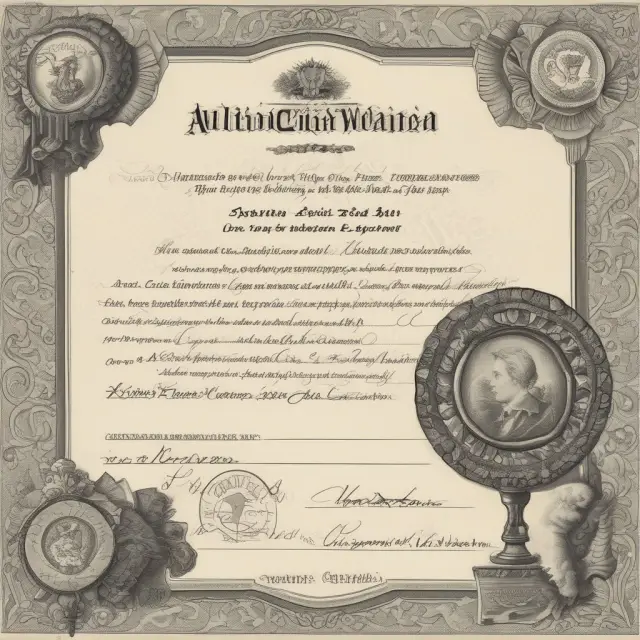
Share certificates hold significant value to their owners beyond just serving as proof of stock ownership. Understanding tax implications related to transferring or inheriting shares through share certificates is crucial for investors. While it’s important to note that tax laws vary, some fundamental principles apply to the taxation of shares and share certificates across different jurisdictions.
Tax Liability When Selling Shares
When an individual sells their shares, they may be subject to capital gains tax (CGT) or income tax depending on the nature of the transaction and their residency status. CGT applies when an investor disposes of a capital asset that has increased in value since its acquisition. Income tax is levied when the disposal results in the realization of income, such as in the case of selling shares to realize dividends or interest.
Tax Liability When Inheriting Shares
Upon inheriting shares, beneficiaries typically do not pay any taxes on the value of the inherited stocks themselves. However, they may be subject to tax liabilities when they subsequently sell the inherited shares. The tax rate and base cost for calculating capital gains tax will depend on the deceased person’s tax status at death and the country-specific inheritance tax rules.
Additionally, the cost basis of inherited shares can differ from that of the original share certificate owner. This could potentially impact the overall capital gain or loss for the beneficiary when they sell the inherited shares. In some cases, an executor may have the option to use the deceased person’s taxable income in the year of death as a basis for determining the cost of the inherited shares.
Transferring Shares to Another Person
When transferring shares to another person, there might be various tax implications depending on the jurisdiction and the nature of the transaction. For example, if an individual gifts their stocks to someone else or transfers them as part of a domestic transaction, they may not be subject to capital gains tax. However, if the transaction involves selling shares to an unrelated third party, capital gains tax might apply based on the difference between the sale price and the cost basis of the shares.
In some cases, companies may offer tax-efficient share plans like employee stock options or employee stock purchase plans to incentivize their employees. When exercising these options or purchasing shares under such a plan, there could be specific tax implications related to the timing and nature of the transaction that investors should consider.
Navigating the complexities of taxes in relation to share certificates can be challenging for individuals. It’s always wise to consult with a qualified tax professional to fully understand any potential tax liabilities before making significant investment decisions or transferring shares.

The Future of Share Certificates: Dematerialization and Electronic Registration
In today’s rapidly evolving financial world, physical share certificates are increasingly becoming a relic of the past as companies shift towards digital share ownership. The shift from paper certificates to dematerialized shares, also known as book entry shares, represents a significant change in how stocks are bought, sold, and transferred. In this section, we delve deeper into the concept of dematerialization and electronic registration systems, discussing their advantages, challenges, and implications for investors and corporations alike.
Dematerialization: An Overview
Dematerialization refers to the process of converting paper shares or stocks into digital format. It enables shareholders to hold their securities electronically rather than maintaining physical certificates. This transition is driven by several factors, including increased convenience, lower costs, and improved efficiency for both issuers and investors. With dematerialization, a company can manage its shareholder database more efficiently, while investors no longer need to deal with the hassles of managing and safeguarding their physical certificates.
Advantages of Dematerialization
The adoption of dematerialized shares offers numerous benefits for all stakeholders involved in the financial market ecosystem. Some of these advantages include:
- Convenience: Electronic registration eliminates the need to deal with paper certificates, making it easier and more convenient for shareholders to manage their investments.
- Lower costs: Dematerialization significantly reduces the operational costs associated with issuing, transferring, and maintaining physical stock certificates. For companies, it means fewer resources spent on printing, mailing, and managing physical certificates. For investors, it eliminates the need for secure storage, safekeeping, or replacement of lost or damaged certificates.
- Faster processing: Dematerialization streamlines the process of transferring shares between parties, making transactions more efficient and allowing for quicker settlements and real-time updates to shareholder records.
- Enhanced security: With electronic registration, investors can securely manage their investments online, reducing the risk of certificate loss or theft. Additionally, centralized databases offer improved protection against fraudulent activities compared to paper certificates that can be easily forged or counterfeited.
- Improved corporate actions processing: Dematerialization simplifies the process of handling various corporate actions such as stock splits, dividends, and mergers, making it easier for investors to manage their investments through electronic means rather than having to deal with physical certificates.
Challenges of Dematerialization
Despite the numerous advantages, dematerialization also presents some challenges that need to be addressed:
- Regulatory compliance: Companies and regulatory bodies must ensure that dematerialized share systems meet relevant security standards and regulations to prevent potential risks associated with electronic data storage and transfer.
- Technology infrastructure: A robust technological infrastructure is required to support the transition from paper certificates to digital shares, which may involve significant investment in hardware, software, and network infrastructure for both issuers and investors.
- Adoption rates and education: Ensuring widespread adoption of dematerialized shares requires extensive education and awareness campaigns for investors to understand the benefits, risks, and process involved in managing their investments electronically.
- Security concerns: As with any digital system, there is a risk of data breaches or cyberattacks that can compromise sensitive investor information. Implementing adequate security measures and safeguards is essential to mitigate these risks and maintain trust in the system.
Conclusion: Embracing the Digital Future
As companies continue to embrace dematerialization and electronic registration systems, we are witnessing a significant shift from physical stock certificates towards digital forms of ownership. This transition offers numerous advantages for both investors and issuers, including enhanced convenience, lower costs, improved security, and increased efficiency. However, challenges such as regulatory compliance, technology infrastructure investments, and adoption rates will need to be addressed to ensure a smooth and successful transition to the future of share ownership.

FAQs on Share Certificates
Understanding the significance of share certificates as legal documents that denote stock ownership is crucial in today’s financial world, where both paper and digital records are essential. This FAQ section aims to address common queries regarding share certificates, focusing on their worth, replacement procedures, and tax implications.
**What Is the Worth of My Old Share Certificate?**
The value of old share certificates depends on several factors, including condition, age, rarity, and historical context. If you suspect that your old share certificate could be valuable, consider the following steps:
- Contact your stockbroker to look up the CUSIP number (a unique identifier for a specific security) of your certificate.
- Determine if the company issuing the certificate is still publicly traded.
- Connect with the transfer agent listed on the share certificate, as they might provide information about its potential worth or collectors’ interest.
- Utilize paid services that research stock history to gain insights into the historical context of your certificate and evaluate its rarity.
**How Do I Obtain a Replacement Share Certificate?**
If you have lost, damaged, or destroyed your original share certificate, follow these steps:
- Contact the transfer agent immediately to request a “stop transfer.” This step ensures that no one else can claim ownership of your shares before you receive the replacement certificate.
- If required by the issuing company, file an affidavit stating the facts surrounding the loss or destruction.
- Depending on the company’s policy, purchase an indemnity bond to protect them against potential claims on the lost certificate.
- Request a new share certificate from the transfer agent.
**What Are the Tax Implications of Inheriting Shares through Share Certificates?**
When someone transfers shares via a certificate or electronically upon death, tax implications remain consistent:
- Heirs are not liable for taxes on inherited shares when the owner passes away.
- However, heirs may be subject to capital gains taxes if they sell the inherited shares, depending on their holding period and the difference between the sale price and the original cost basis.
- Consult a tax professional for further guidance on specific situations.
 Next entry · No. 4,630Maximizing Revenue Through Share of Wallet: Strategies for Companies to Expand Customer Spending
See also
-
 No. 5,369
03 Sep 2025
19 min
Understanding the U.S. Treasury: Functions, History, and Key Players
Business Finance
No. 5,369
03 Sep 2025
19 min
Understanding the U.S. Treasury: Functions, History, and Key Players
Business Finance -
 No. 4,763
14 Jul 2025
22 min
Understanding the Stock Market: Functions, Regulation, Significance, and Trading
Business Finance
No. 4,763
14 Jul 2025
22 min
Understanding the Stock Market: Functions, Regulation, Significance, and Trading
Business Finance -
 No. 4,317
09 Jun 2025
19 min
Understanding Receipts: Definition, Types, Importance, and More
Business Finance
No. 4,317
09 Jun 2025
19 min
Understanding Receipts: Definition, Types, Importance, and More
Business Finance -
 No. 3,601
11 Apr 2025
19 min
The New York Stock Exchange (NYSE): History, Operation, and Significance
Business Finance
No. 3,601
11 Apr 2025
19 min
The New York Stock Exchange (NYSE): History, Operation, and Significance
Business Finance -
 No. 3,333
19 Mar 2025
16 min
Navigating the Role of NASBA in Accountancy Profession: More Than Just the CPA Exam
Business Finance
No. 3,333
19 Mar 2025
16 min
Navigating the Role of NASBA in Accountancy Profession: More Than Just the CPA Exam
Business Finance -
 No. 3,313
18 Mar 2025
19 min
Understanding Mutual Companies: A Comprehensive Guide for Institutional Investors
Business Finance
No. 3,313
18 Mar 2025
19 min
Understanding Mutual Companies: A Comprehensive Guide for Institutional Investors
Business Finance