Direct Public Offerings (DPO): Raising Capital Directly from Investors Without Intermediaries

Understand the ins and outs of Direct Public Offerings (DPOs). Learn how they work, advantages over IPOs, prominent examples, and more.
Understanding DPOs: An Overview
Direct Public Offerings, or DPOs, represent a unique fundraising method for companies seeking to raise capital directly from investors without involving intermediaries like investment banks, broker-dealers, and underwriters. This section offers an in-depth exploration of the basics of DPOs, including their advantages, key differences compared to Initial Public Offerings (IPOs), and how they work.
What Is a Direct Public Offering?
A direct public offering (DPO) is a fundraising strategy where a company issues its securities directly to the public without intermediaries. The process of a DPO allows companies to avoid the costs and restrictions typically associated with underwriters, banks, and venture capital financing. With a DPO, firms can establish their own terms, set offering prices, and tailor the process to their best interests. In recent years, advances in technology and regulatory frameworks have made direct offerings increasingly popular among companies seeking independence and flexibility in raising capital.
Advantages of Direct Public Offerings
- Cost savings: With no intermediaries involved, companies save on fees and transaction costs associated with underwriters and investment banks.
- Independence: Companies can establish their own terms and set offering prices without external influence or intervention.
- Flexibility: The absence of third-party underwriting commitments enables firms to raise capital at their own pace.
- Regulatory compliance: Direct offerings may require less stringent security measures and regulatory filings compared to an IPO.
Key Differences Between DPOs and IPOs
- Intermediaries: In a DPO, companies eliminate the need for intermediaries like underwriters, investment banks, and broker-dealers.
- Funding mechanism: Companies self-underwrite their securities in a DPO, while third parties facilitate the funding process in an IPO.
- Costs and fees: The absence of intermediaries reduces transaction costs and fees for companies in a DPO compared to an IPO.
- Timeline: A DPO may take less time to complete due to fewer regulatory requirements and streamlined processes compared to an IPO.
- Marketing and distribution: Companies using a DPO have more control over marketing and distribution channels, as they don’t rely on underwriters to sell securities in the primary market.
- Trading platform: A DPO does not result in an immediate trading platform for the issuer’s securities like an IPO, which can lead to potential liquidity concerns if shares are not registered or conform to Sarbanes-Oxley Act requirements.
In the following sections, we will discuss how a direct public offering works, its timeline, advantages, and prominent examples. Stay tuned!

How a Direct Public Offering Works
A direct public offering (DPO) is an intriguing alternative to traditional initial public offerings (IPOs) for companies looking to raise capital directly from investors without intermediaries. In a DPO, the issuing company goes straight to the public and sells its securities directly—bypassing investment banks and underwriters. This setup can save issuers significant costs while offering them more control over their fundraising process.
To execute a DPO, the issuer sets the terms of the offering, such as the minimum investment amount per investor, offering price, and period for purchasing securities. These decisions are crucial because they can impact an investor’s interest and potential returns. For example, a low offering price might attract more investors but dilute existing shareholder value, while longer offering periods increase the risk of market volatility.
The process begins with careful preparation. The company must comply with state securities regulations and create an offering memorandum that outlines its business plans, financials, and other relevant information to potential investors. This document plays a crucial role in attracting investors and setting the terms for the offering.
Once these preparations are complete, the issuer can formally announce the DPO through various marketing channels like social media, newspaper ads, or telemarketing campaigns. These efforts help reach potential investors and create excitement around the offering.
One significant difference between a DPO and an IPO lies in regulatory compliance. While IPOs involve registering with the SEC, DPOs only need to comply with state securities regulations, as most qualify for federal exemptions. The process of obtaining these approvals can vary in length depending on the number and complexity of states involved.
After securing regulatory approval, the issuer can officially begin selling its securities to investors. This phase is often referred to as the offering period, during which interested parties can purchase shares based on the terms set by the company. Once all securities are sold or the offering period ends, the DPO comes to a close.
The advantages of a direct public offering include cost savings, independence, and flexibility for the issuing company. By cutting out intermediaries, companies can save money on fees associated with IPOs and other financing methods. Additionally, the absence of external parties allows for more control over pricing, terms, and timing.
Direct public offerings have become increasingly popular as companies seek to bypass the strictures and costs of traditional financing avenues. The success stories of Spotify, Slack, and Coinbase highlight the potential benefits of a DPO and demonstrate its value in today’s dynamic investment landscape.
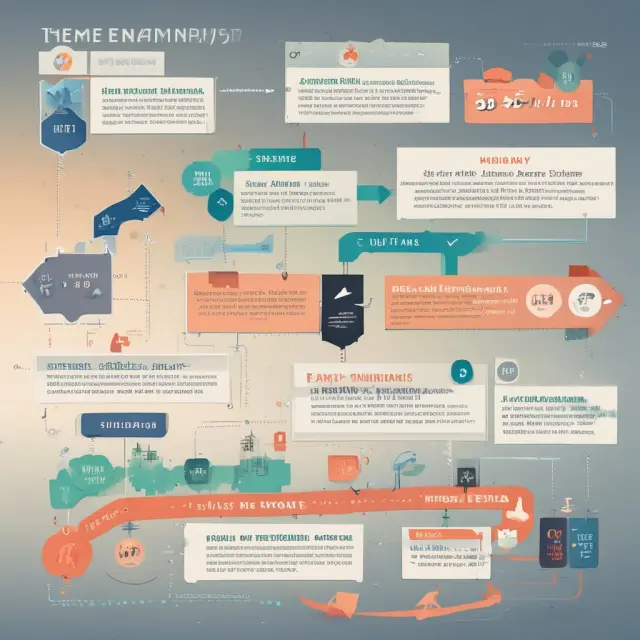
Timeline of a Direct Public Offering
The timeline for a direct public offering (DPO) varies greatly depending on factors such as the complexity of the issuer’s business, securities being offered, and regulatory requirements. To give you a comprehensive understanding of what to expect when conducting a DPO, we will outline the typical process below.
1. Preparation: Before launching the offering, the issuing company must prepare various documents, including an offering memorandum and compliance filings with securities regulators under Blue Sky Laws in each state where it intends to sell securities. This phase can take anywhere from a few days to several months. The goal is to ensure that investors are well-informed about the issuer’s business, financials, and offering details.
2. Filing and Regulatory Approval: Once all documents have been prepared and reviewed by legal counsel, the issuer submits its filing package to state securities regulators for approval. This process can take anywhere from three weeks to several months, depending on the regulatory review timeline for each state. Most DPOs do not require SEC registration if the company qualifies for federal securities exemptions.
3. Announcement: After receiving regulatory approval, the issuing company officially announces its DPO through a tombstone advertisement in various media channels. The offering becomes open to both accredited and non-accredited investors. Potential investors can submit their orders within a defined period, typically 10 to 30 days.
4. Sales Process: Once the sales period closes, the issuing company collects funds from investors and distributes securities accordingly. If the number of orders exceeds the maximum offering amount, investors may be served on a first-come basis or have their shares prorated based on the total investment pool.
5. Trading: While a trading exchange platform for DPO securities is not immediately available, the issuer can opt to trade in the over-the-counter (OTC) markets if its securities meet certain requirements. However, illiquidity and risk are common concerns for OTC securities that are not registered or do not conform to the Sarbanes-Oxley Act.
6. Post-Trading: Following a successful DPO, the issuing company may choose to engage in ongoing investor relations efforts to keep shareholders informed about its financial performance and strategic direction. This step is essential for maintaining positive relationships with investors and fostering long-term growth.
In conclusion, a direct public offering (DPO) allows companies to raise capital directly from the public without intermediaries, providing significant cost savings and flexibility. By understanding the timeline and process of a DPO, issuers can effectively plan for this funding alternative and make informed decisions that benefit their business in the long term.

Advantages of Direct Public Offerings
A direct public offering (DPO), also known as a direct placement, is an increasingly popular alternative to traditional initial public offerings (IPOs) for companies seeking capital from investors. With a DPO, issuers bypass intermediaries such as investment banks and underwriters, giving them more control over the process and lower costs.
One primary advantage of a direct public offering is cost savings. Issuing companies can save significant fees that would otherwise be paid to intermediaries involved in an IPO or private placement. This is especially beneficial for smaller firms without extensive resources or established client bases. In fact, a study by the National Bureau of Economic Research found that underwriting fees accounted for over 7% of the total proceeds raised from an average IPO between 1992 and 2008. By cutting out intermediaries and self-underwriting their securities, issuers can keep more capital for their business operations.
Another advantage is independence. A DPO enables a company to raise funds on its own terms without the influence of external parties or restrictions imposed by venture capitalists or banks. This freedom allows firms to maintain control over their ownership structure and equity dilution, ensuring that they retain their unique vision for the company. Additionally, the absence of intermediaries means a faster time-to-market compared to an IPO or private placement.
Flexibility is another significant advantage of a DPO. Companies can choose how they wish to market their securities and offerings, as well as the timing, pricing, and distribution of their shares. This enables issuers to cater to their target investor base effectively and efficiently without being bound by strict regulations or requirements imposed by intermediaries.
In recent years, technological advancements have made direct public offerings more accessible than ever before. Digital platforms allow issuers to reach a wider audience of potential investors through various channels, such as social media, targeted advertisements, and email campaigns. This accessibility has opened doors for smaller companies or startups that may not have been able to explore IPOs due to high costs or limited resources.
The growing popularity of direct listings is another variation of the DPO, where a company floats its shares on an exchange without underwriters or intermediaries. This approach is especially attractive for mature companies looking to go public with already established market capitalization and strong liquidity. Notable examples of successful direct listings include Spotify, Slack, and Coinbase, which raised millions in capital by offering their securities directly to the public.
In conclusion, a direct public offering is an attractive alternative for issuing companies seeking to raise capital independently, save on costs, maintain control over their business, and enjoy the flexibility of setting their own terms and conditions. With the increasing democratization of investment opportunities through digital platforms, DPOs are expected to remain a popular choice among growing businesses in various industries.

Comparing DPOs vs. IPOs: Key Differences
Direct Public Offerings (DPOs) and Initial Public Offerings (IPOs) are both ways for companies to raise capital from the public, but they differ significantly in their execution and implications for issuers. Understanding these key distinctions will help you determine which approach is best suited for your business.
Direct Public Offerings: Eliminating Intermediaries and Cutting Costs
In a Direct Public Offering (DPO), a company offers its securities directly to the public, bypassing investment banks, broker-dealers, and underwriters. This approach enables issuers to avoid the fees typically associated with intermediaries while maintaining control over their offering terms. DPOs are particularly attractive for smaller companies or those with a strong connection to their customer base.
Initial Public Offerings: Underwriter Involvement and Strict Regulations
An Initial Public Offering (IPO), on the other hand, involves working closely with investment banks and underwriters to sell securities to the public. While this traditional route does involve additional costs in exchange for expert guidance through the complex process of going public, it also comes with more stringent regulations to protect investors. IPOs are typically more suitable for larger companies with significant financial backing or those seeking a high-profile market debut.
Advantages and Suitability: Comparing DPOs vs. IPOs
DPOs offer several advantages that make them more appealing for certain companies. These benefits include lower costs, greater control over the offering process, and direct access to investors without intermediaries. Additionally, smaller companies or those with a well-established customer base can benefit from the independence and flexibility that a DPO provides.
However, not every company is well-suited for a DPO. Issuers must consider their financial situation, market conditions, and growth prospects carefully when deciding between the two offerings. Generally, larger companies with complex financials or ambitious growth plans may find the expertise and support provided by underwriters in an IPO more valuable.
Direct Listings: An Alternative Type of DPO
A direct listing is a variation of a DPO where securities are offered without intermediaries’ assistance. Instead, companies sell their shares directly to investors on a stock exchange, often using a commission broker or market maker to help facilitate the sale. Direct listings provide an attractive alternative to both traditional IPOs and DPOs by eliminating underwriting fees while offering instant liquidity for shareholders.
Examples of Successful DPOs: Real-Life Case Studies
Historically, some notable companies have successfully raised capital through DPOs, showcasing the viability of this approach for various industries and business sizes. For example, Ben & Jerry’s Ice Cream raised funds by advertising their ownership stakes in local newspapers for $10.50 per share, raising approximately $750,000 from their loyal fan base in Vermont within a few months. More recently, Spotify opted for a unique approach by underwriting its own shares through a direct listing on the New York Stock Exchange while maintaining its existing popularity and cash flow positivity prior to the public offering.
In conclusion, Direct Public Offerings (DPOs) and Initial Public Offerings (IPOs) both serve as valuable tools for companies looking to raise capital, but they differ in their execution and implications for issuers. Understanding these key distinctions can help you determine which approach is most suitable for your business based on factors like size, financial situation, market conditions, and growth prospects.

Direct Listings: A Special Type of DPO
When discussing Direct Public Offerings (DPOs), it’s essential to touch upon a special variation called direct listings. In contrast to traditional IPOs, where intermediaries like underwriters play a significant role in selling securities, a direct listing allows companies to float their shares on an exchange without hiring underwriters.
In the case of a direct listing, the issuing company sells its securities directly to investors. The process is more streamlined as it eliminates the need for underwriting agreements and pricing discussions between the company and intermediaries. This not only saves costs but also allows companies to maintain complete control over their share price and ownership structure.
Direct listings became an increasingly popular choice for issuers, especially in recent years, with notable examples like Spotify and Coinbase choosing this route to go public. These companies’ successful direct listings showcased the benefits of bypassing traditional IPO methods and raised the profile of this alternative way of raising capital.
To further understand how a direct listing differs from an initial public offering, it’s essential to explore their similarities and differences in detail.
Similarities:
- Both DPOs and IPOs are ways for companies to raise capital by selling securities to the public for the first time.
- Companies must still comply with regulatory requirements such as filing necessary paperwork and disclosing financial information to potential investors.
- The shares are sold to the public, creating a secondary market where the stock can be bought and sold after listing.
Differences:
- In a DPO, companies sell their securities directly to investors without underwriters; in contrast, underwriters act as intermediaries in an IPO, purchasing shares from the issuer at a fixed price and then reselling them to investors.
- Companies can opt for a direct listing if they have a significant existing investor base or are looking to save on fees; however, companies with smaller investor bases may find it challenging to launch a successful DPO.
- The pricing of securities is determined through the market in a direct listing instead of being set by underwriters as in an IPO. This could lead to volatility in share price as investors react to market conditions and news releases, making it essential for companies to be prepared for potential fluctuations.
- Direct listings may appeal to issuers looking for more control over the process, quicker time-to-market, and lower costs compared to IPOs. However, they come with risks, such as the uncertainty of pricing and investor reaction, which should be carefully considered before deciding on a direct listing.
- Companies that opt for a direct listing may still choose to work with a financial advisor or placement agent to help navigate the complex regulatory landscape and provide guidance on pricing and market conditions.
In summary, a DPO, specifically a direct listing, provides an alternative way for companies to raise capital by selling securities directly to investors without the involvement of underwriters. By understanding the similarities and differences between DPOs and IPOs, as well as the unique aspects of direct listings, issuers can make informed decisions about which option best suits their needs.
In the next sections, we’ll dive deeper into the process and advantages of a Direct Public Offering (DPO), exploring how it works, its timeline, advantages, key differences from IPOs, and prominent examples.

Prominent Examples and Case Studies of DPOs
Direct Public Offerings (DPOs) have gained traction as a viable alternative to the traditional Initial Public Offering (IPO), with several companies successfully raising capital by going directly to the public without intermediaries. Understanding the process behind these offerings can provide valuable insights for both issuers and investors. In this section, we’ll look at some real-life examples of companies that have conducted DPOs and discuss their key characteristics.
1. Ben & Jerry’s Ice Cream (1984): One of the earliest prominent examples of a successful DPO was initiated by Ben Cohen and Jerry Greenfield, the founders of Ben & Jerry’s Ice Cream, who needed approximately $750,000 to grow their business in 1984. Instead of turning to venture capital or bank financing, they opted for a creative approach: they advertised their ownership stakes in local newspapers at $10.50 per share. The loyal fan base in Vermont took advantage of the offer, and Ben & Jerry’s raised the necessary funds within a few months.
2. Spotify (April 2018): The music streaming giant, Spotify, made headlines when it launched a direct public offering on April 3, 2018. Unlike a traditional IPO that involves underwriters purchasing and then selling shares to investors, Spotify opted for a direct listing, which means the company underwrote its own shares directly to investors. In this process, there is no supporting bank to backstop share prices, making it an interesting case among DPOs. Additionally, Spotify’s DPO was unique as it also listed on the New York Stock Exchange (NYSE).
3. Slack Technologies (June 2019): Enterprise software company Slack made its public debut on June 20, 2019, through a direct listing on the NYSE. Unlike other DPOs where companies have listed on exchanges, Slack did not face any special conditions such as bankruptcy filings or shifts from one exchange to another. With its massive popularity and positive cash flow before the offering, Slack was able to bypass the usual publicity and fundraising efforts required in an IPO.
These examples illustrate how DPOs can provide cost savings, independence, and flexibility for issuing companies while enabling them to tap into their existing fan base or investor network to raise capital directly. While each case is unique, these examples demonstrate the potential benefits of choosing this unconventional route for raising funds.
As you explore further, don’t forget to delve deeper into other sections such as “How a Direct Public Offering Works,” “Comparing DPOs vs. IPOs: Key Differences,” and “Regulatory Requirements for Direct Public Offerings” to gain a well-rounded understanding of this intriguing topic.

Considering the Risks of Direct Public Offerings
A direct public offering (DPO) can be a highly attractive alternative to traditional financing methods like bank or venture capital funding. However, it is essential for issuing companies to understand and weigh the risks associated with this type of fundraising approach. In this section, we will discuss some of the primary risks involved in a DPO and how they can impact the issuer.
1. Limited Market Reach
When a company decides to go through a direct public offering instead of a traditional IPO, it eliminates the involvement of investment banks and their vast networks. With no underwriters or broker-dealers involved in a DPO, the issuer is solely responsible for marketing and distributing its securities to potential investors. While this independence can result in cost savings and more control over the offering terms, it also means that the issuer may have limited reach within the investment community. This can be particularly challenging for smaller companies or those with less established investor bases.
2. Lack of Underwriter Support
In an IPO, underwriters perform due diligence on the issuing company and help to price the securities appropriately based on market conditions. When a company opts for a direct public offering, it loses this valuable support from investment professionals. Instead, the issuer must rely on its own expertise and resources to accurately assess the value of the securities being offered. This can be risky, especially if the company lacks the necessary experience or knowledge to effectively price and distribute its securities.
3. Compliance and Regulatory Challenges
Unlike IPOs that require registration with the Securities and Exchange Commission (SEC), DPOs may not need SEC registration, depending on the issuer’s specific circumstances. However, this does not mean that DPOs are exempt from all regulatory requirements. Each state where a company plans to offer securities through a direct public offering must be complied with individually. This can add complexity and cost to the offering process.
4. No Guaranteed Offering Price or Underwriter Backstop
In an IPO, underwriters act as a backstop for the issuer by purchasing unsold shares if necessary to meet the minimum offering size. In a DPO, there is no such guarantee. If the issuer fails to sell the entire offering amount, it may be forced to cancel the remainder of the offering or accept lower prices. This lack of certainty can create significant financial risks for the company.
5. Liquidity and Trading Considerations
In a traditional IPO, shares typically become readily available on major stock exchanges after the offering is complete, allowing investors to buy and sell securities easily. In contrast, DPOs may not offer the same level of liquidity or trading convenience. Depending on the terms of the offering and the regulatory environment, DPO securities may trade over-the-counter (OTC) rather than on a major exchange. This can result in lower volumes, wider spreads, and higher transaction costs for investors.
6. Limited Pre-IPO Marketing and Roadshow Opportunities
In an IPO, companies are afforded ample opportunities to market themselves and meet with potential investors through roadshows and investor presentations. These events help build buzz and create demand for the securities being offered. In a DPO, issuers do not have access to these formal marketing channels. Instead, they must rely on their own networks and resources to generate interest in the offering. This can make it more challenging to attract sufficient investor attention and secure adequate funding.
In conclusion, while a direct public offering presents numerous advantages for issuing companies, it is essential to carefully consider the associated risks and challenges. By understanding these potential pitfalls, issuers can better prepare themselves for a successful DPO and mitigate any potential negative impacts on their business.

Regulatory Requirements for Direct Public Offerings
Understanding the Legal Framework of DPOs
Direct public offerings (DPOs) are a popular alternative to initial public offerings (IPOs). In both cases, companies raise capital by selling securities directly to investors; however, the process and regulatory requirements differ significantly between the two. This section will dive into the legal framework surrounding direct public offerings and clarify the key differences from IPOs.
Regulatory Agencies and State-Level Compliance
When conducting a DPO, issuers must comply with both federal securities laws as well as state-level regulations. The Securities Act of 1933 and Regulation A provide the primary legal framework for offering securities at the federal level. However, issuers must also file compliance documents in each state where they plan on selling securities to investors.
Securities Act of 1933 and Regulation A
The Securities Act of 1933 requires companies to register their offerings with the U.S. Securities and Exchange Commission (SEC) if they sell securities to a large enough number of investors or in an amount that exceeds certain thresholds. However, these requirements are not applicable to DPOs due to their smaller scale and direct investor interaction. Instead, issuers may take advantage of the exemptions offered by Regulation A, which can facilitate DPOs without SEC registration for eligible companies.
Regulation A, enacted in 1933 and amended in 2015, provides a flexible framework for smaller offerings to raise capital from the public. With this regulation, issuers can sell up to $75 million of securities per year through Tier 1 and Tier 2 offerings. Regulation A offers various advantages over traditional IPOs:
- Reduced filing fees and disclosure requirements compared to SEC registration.
- The ability for issuers to raise capital more quickly than with an IPO.
- Increased investor access, as Regulation A allows sales in unregistered offerings to non-accredited investors.
Blue Sky Laws: State-Level Compliance
Although federal regulations provide a framework for DPOs, issuers must comply with securities laws in each state where they intend to sell securities. These state securities laws are collectively referred to as Blue Sky Laws. Issuers must file compliance documents and obtain approval from the relevant regulatory authorities (known as securities commissions) in each state before selling their securities there.
The process for filing with state securities regulators typically involves submitting Form U-10 or UC-1, depending on the specific regulation being used. The forms contain detailed information about the issuer, the securities being offered, and the terms of the offering.
Although individual states have their own specific requirements, they generally fall under two categories: qualification exemptions and notice filings.
Qualification Exemptions
Under a qualification exemption, issuers must demonstrate that their offering complies with specific state securities regulations before being approved to sell securities in the state. Some popular exemptions include Regulation D Rule 506(b) and Regulation A+. Issuers following these exemptions typically need to provide financial statements and disclosures, and may be subject to certain investor qualifications.
Notice Filings
Under a notice filing (also known as a “short form” registration), issuers inform the state securities commission about their offering but do not need to obtain prior approval before selling securities in the state. This process is typically faster and less expensive than a qualification exemption, making it popular for small offerings.
Summary
Understanding the legal framework of DPOs is essential for issuers looking to raise capital directly from investors without intermediaries. While federal regulations (such as the Securities Act of 1933 and Regulation A) provide a foundation, state-level compliance requirements under Blue Sky Laws add complexity to the process. By familiarizing yourself with these laws and understanding your options for complying with them, you can streamline your DPO and increase its chances of success.
In upcoming sections, we will explore how a direct public offering works, its advantages, comparisons with IPOs, and real-life examples to give you a more comprehensive understanding of this intriguing financial tool.

Preparing for a Direct Public Offering: Best Practices
The decision to undertake a direct public offering (DPO) instead of a traditional initial public offering (IPO) can be an enticing prospect for companies seeking to minimize costs and retain greater control over their capital-raising process. However, issuers must diligently prepare for the DPO process and ensure they meet all regulatory requirements to guarantee success. In this section, we will outline essential best practices for companies considering a direct public offering.
1. Assess Eligibility: To determine whether a DPO is appropriate, issuers need to evaluate their eligibility by considering factors such as the size of their offering, financial statements, and compliance with federal securities exemptions. For instance, small offerings under Regulation A+ may qualify for a direct listing without SEC registration.
2. Build a Strong Offering Team: Building an experienced team is essential for conducting a successful DPO. Key roles include legal counsel, accounting advisors, and investor relations professionals. This team will guide issuers through the complex regulatory process and help navigate investor communications.
3. Craft Compelling Offering Documents: Preparing comprehensive and transparent offering documents is crucial for attracting investors. Clear communication of the company’s history, mission, financial statements, and growth strategy can inspire confidence in potential investors.
4. Set Appropriate Pricing and Terms: Determining the right pricing and terms for a DPO requires careful consideration. Issuers must strike a balance between attracting investors with reasonable pricing and minimizing dilution to existing shareholders. This can involve analyzing historical industry valuations, market trends, and competitive landscape.
5. Develop an Effective Marketing Strategy: In a DPO, companies assume the marketing responsibilities for their offering. Creating a robust marketing strategy is essential for reaching potential investors efficiently. Utilizing various channels like social media, targeted ads, and direct outreach can help maximize reach and engagement.
6. Ensure Regulatory Compliance: Ensuring regulatory compliance is paramount for conducting a successful DPO. Issuers must prepare and file offering documents with state securities regulators in every jurisdiction where they intend to sell securities. This process involves careful attention to detail and thorough understanding of applicable regulations.
7. Monitor and Manage Investor Relations: Building a strong investor relations function is vital for maintaining an open line of communication with investors. Issuers must be responsive and transparent, providing updates on company developments and answering queries effectively.
In conclusion, a direct public offering can offer numerous advantages to companies seeking to raise capital while retaining control over their process. By following these best practices, issuers can significantly increase their chances of success in the DPO market.

FAQ: Frequently Asked Questions about Direct Public Offerings
What is a direct public offering (DPO), and how does it differ from an initial public offering (IPO)?
A DPO, also known as direct placement, is a way for a company to raise capital by selling securities directly to the public without the involvement of intermediaries such as investment banks or underwriters. This process results in lower costs for the issuing company. On the other hand, an IPO involves working with these intermediaries to sell securities to investors at a predetermined price.
How does a DPO work?
A company initiates the offering by creating an attractive memorandum that outlines the business, financials, and terms of the security being sold. The issuer then markets the offering using various mediums such as newspaper ads, social media, or personal networks. Regulatory approval is required from state securities regulators before the offering can commence. Once approved, investors, including existing clients, employees, and acquaintances, can purchase the securities directly from the company, subject to any state-specific limitations.
What are direct listings?
Direct listings allow a company to float its shares on an exchange without underwriters or intermediaries. In some cases, a commission broker may assist in selling a portion of the shares to their clients. Companies that opt for a direct listing can avoid SEC registration as they often qualify for federal securities exemptions, such as the intrastate exemption.
What is the timeline for a DPO?
The preparation and filing process for a DPO may take anywhere from a few days to several months depending on factors like the size of the offering and regulatory approval timeframes. Once approved, the securities are offered to the public and sold directly by the company. The offering closes when all securities have been sold or when the closing date is reached.
What are some advantages of a DPO?
A DPO eliminates the need for investment banks and underwriters, resulting in substantial cost savings. It also allows issuers to maintain greater control over their offerings’ terms, such as pricing and investor base. Additionally, companies can bypass certain SEC registration requirements if they qualify for federal securities exemptions.
What are some risks associated with a DPO?
One risk is the potential for illiquidity in the market for the newly issued shares, especially when compared to the more established stocks traded on major exchanges. Additionally, companies may face challenges in attracting investor interest and ensuring regulatory compliance without the assistance of investment banks or underwriters.
What are some examples of successful DPOs?
Some notable examples include Ben & Jerry’s ice cream company raising funds through a DPO in 1984 by advertising its shares in local newspapers, and music streaming service Spotify’s direct listing on the New York Stock Exchange in 2018. These companies were able to raise capital without the involvement of intermediaries and successfully navigate the regulatory process.
 Next entry · No. 1,035Understanding Direct Quotes in Forex: An In-Depth Analysis
See also
-
 No. 4,040
17 May 2025
18 min
Understanding Preferred Stock: Features, Types, and Differences with Common Stock and Bonds
Business Finance
No. 4,040
17 May 2025
18 min
Understanding Preferred Stock: Features, Types, and Differences with Common Stock and Bonds
Business Finance -
 No. 1,157
05 Aug 2024
22 min
Dutch Auctions in Finance: Understanding the Process and Benefits for Initial Public Offerings
Business Finance
No. 1,157
05 Aug 2024
22 min
Dutch Auctions in Finance: Understanding the Process and Benefits for Initial Public Offerings
Business Finance -
 No. 5,120
13 Aug 2025
18 min
Understanding tZero (t0): A Regulated Distributed Ledger Platform for Tokenized Assets
Fintech
No. 5,120
13 Aug 2025
18 min
Understanding tZero (t0): A Regulated Distributed Ledger Platform for Tokenized Assets
Fintech -
 No. 724
27 May 2024
20 min
Understanding Common Stock: Key Insights for Professional and Institutional Investors
Investments
No. 724
27 May 2024
20 min
Understanding Common Stock: Key Insights for Professional and Institutional Investors
Investments -
 No. 5,878
15 Oct 2025
20 min
Understanding the Z Designation in Nasdaq Stocks: A Comprehensive Guide for Institutional Investors
Business Finance
No. 5,878
15 Oct 2025
20 min
Understanding the Z Designation in Nasdaq Stocks: A Comprehensive Guide for Institutional Investors
Business Finance -
 No. 5,841
12 Oct 2025
17 min
Understanding Yankee Bonds: Advantages, Disadvantages, and Everything In Between
Business Finance
No. 5,841
12 Oct 2025
17 min
Understanding Yankee Bonds: Advantages, Disadvantages, and Everything In Between
Business Finance