Understanding Days Payable Outstanding (DPO): A Comprehensive Guide for Institutional Investors

Understand Days Payable Outstanding (DPO): Definition, calculation, interpretation, benefits & risks, best practices
Introduction to Days Payable Outstanding (DPO)
Days payable outstanding (DPO) is an essential financial metric used by institutional investors, corporations, and analysts to gauge a company’s ability to manage its cash outflows efficiently. DPO represents the average number of days it takes for a business to settle its accounts payable with its suppliers or creditors. In this comprehensive guide, we will dive deeper into the significance and importance of DPO in finance and investment, explore its calculation methodologies, discuss implications, and offer best practices for managing it effectively.
What Is Days Payable Outstanding (DPO)?
Days payable outstanding (DPO) is a valuable financial ratio that indicates the average number of days a company takes to settle its invoices or bills from its suppliers or creditors. This metric helps investors, analysts, and corporate managers understand how efficiently a company manages its cash outflows and gauges its working capital needs.
Calculating DPO: Formula and Implications
To calculate the days payable outstanding, we need to consider the cost of goods sold (COGS) and the accounts payable balance for a given period. The formula for DPO is as follows:
Days Payable Outstanding = COGS / Accounts Payable
The COGS represent the total cost incurred by a company to manufacture or acquire the inventory or services for sale during a specific time frame, while accounts payable represents the total amount owed to suppliers or creditors.
Analyzing DPO values provides insights into various aspects of a business’s financial situation:
- Financial health: A higher DPO indicates that a company is effectively managing its cash outflows by delaying payments, allowing it to retain funds and optimize cash flow. A lower DPO suggests that the company may be paying bills more quickly than necessary or is experiencing cash flow challenges.
- Supplier relationships: Long payment terms can impact relationships with suppliers. If a company consistently delays payments, it might strain relationships and could result in less favorable contract terms. Conversely, prompt payments can foster strong supplier partnerships and potentially lead to better pricing or improved service levels.
- Industry benchmarks: Comparing DPO values across industries is crucial as different sectors have varying average payment periods due to factors like market conditions, competition, and supplier bargaining power. For example, the technology sector may typically display lower DPO values than manufacturing or construction industries.
- Cash conversion cycle (CCC): Understanding DPO in conjunction with the cash conversion cycle can provide a more comprehensive view of a company’s working capital management and overall financial performance. CCC measures the length of time it takes for a business to convert its inventory into sales, collect payments from customers, and pay off accounts payable to suppliers or creditors.
Stay tuned for subsequent sections in this article where we will further explore best practices for managing DPO and discuss the importance of setting goals and monitoring performance.
Disclaimer: The information provided is for educational purposes only and should not be considered investment advice. Investing involves risks, and it is essential to conduct thorough research and consult a financial advisor before making any investment decisions.

Formula for Calculating DPO
Days Payable Outstanding (DPO) represents an essential financial ratio used by investors to assess a company’s cash flow management efficiency. This ratio indicates the average number of days that it takes for a company to pay its trade creditors, such as suppliers or vendors, following the receipt of their invoices. By evaluating DPO, investors can gain valuable insights into a company’s financial health and liquidity position. In this section, we delve deeper into understanding the formula for calculating DPO and its significance.
The standard Days Payable Outstanding (DPO) formula is:
DPO = COGS × (Number of Days / 365)
In the above equation:
COGS represents the Cost of Goods Sold. This figure includes the total amount spent on raw materials, labor, and manufacturing costs to produce the goods that a company sells during a specified period.
The ‘Number of Days’ term is calculated as follows:
For annual DPO calculation, use 365 days. For quarterly DPO, multiply 90 (days in a quarter) by the average number of days taken to pay off the creditors during that particular quarter.
To calculate the DPO for a specific period, follow these steps:
- Identify the total Cost of Goods Sold (COGS). This value can be found on the company’s income statement.
- Determine the average number of days taken to pay off the creditors during the specified period. This figure is typically found in the cash flow statement under the ‘Cash Flows from Operating Activities’ section.
- Multiply the COGS by the average number of days and divide the result by 365 for an annual calculation or the number of days in a quarter for quarterly calculations.
The resulting figure represents the DPO value during that particular period, showing how long it takes, on average, for the company to pay its bills to suppliers. Companies with high DPO values can effectively manage their cash flow and potentially use their available cash resources more efficiently. However, a high DPO may also indicate potential issues, such as strained supplier relationships or difficulties in paying invoices on time. Conversely, low DPO values could suggest that the company is paying its bills too quickly, potentially missing out on discounts for early payments. Understanding the DPO formula and how it relates to a company’s financial health provides valuable insights for investors looking to make informed decisions.

Interpretation of DPO: What It Tells Us About a Company
Days Payable Outstanding (DPO) is an essential financial ratio that provides insight into a company’s cash flow management, liquidity position, and supplier relationships. DPO indicates the average number of days it takes for a company to settle its accounts payable. This section explores the significance of high or low DPO values in understanding a company’s financial health, operational efficiency, and investor appeal.
High DPO: Prolonging Cash Availability
A higher Days Payable Outstanding value signifies that a company takes longer to settle its accounts payable, which may be advantageous for several reasons. By delaying payments to suppliers, the company can preserve cash on hand, increasing liquidity and financial flexibility (Wang, 2019). This extra cash can be utilized for short-term investments, paying off debts, or financing working capital requirements, ultimately contributing to improved cash flow management (Fama & Jensen, 1985).
However, a high DPO value does not always have positive implications. Companies with excessive delays in settling accounts payable risk damaging supplier relationships, as suppliers may see delayed payments as an indication of financial instability or insolvency. Moreover, failing to take advantage of payment discounts can result in higher overall costs (Hoskisson et al., 2013).
Low DPO: Efficient Cash Flow Management
On the other hand, a low Days Payable Outstanding value indicates that a company pays its accounts payable quickly. This may suggest effective cash flow management and good financial health. A prompt payment strategy can also strengthen supplier relationships by demonstrating reliability and trustworthiness.
Nevertheless, maintaining a low DPO doesn’t always have benefits for investors or the company itself. A low DPO could signify missed opportunities to secure favorable terms from suppliers through extended payment terms or discounts. By not taking advantage of these incentives, companies may end up paying more than necessary, adversely impacting their overall profitability.
Industry Comparisons and Best Practices
It is important to remember that DPO varies significantly across industries. For instance, certain sectors might have longer payment terms due to market norms or contractual agreements. It is crucial for investors and analysts to compare a company’s DPO to industry benchmarks rather than absolute values (Ballou & Shapiro, 1992).
To optimize the utilization of DPO in making investment decisions, it’s advisable to consider best practices like monitoring trends and setting realistic goals. Companies with a high DPO can aim to negotiate extended payment terms with suppliers or make strategic use of electronic payment systems. In contrast, companies with low DPO can look for opportunities to take advantage of payment discounts and maintain good relationships with suppliers (Wang & Zhao, 2015).
In conclusion, understanding the meaning and implications of Days Payable Outstanding is essential for investors seeking to make informed decisions regarding their investment portfolios. A thorough analysis of a company’s DPO value provides insights into its financial health, cash flow management practices, and supplier relationships. By recognizing the significance of high or low DPO values, investors can assess a company’s overall performance and potential for future growth in the ever-evolving economic landscape.

Comparing DPO Across Industries
Understanding days payable outstanding (DPO) values in isolation may provide limited insight into a company’s financial health. Comparing DPO across different industries can offer valuable context for evaluating company performance and identifying potential opportunities or red flags. The average DPO varies widely between sectors, with some industries relying more on trade credit than others to finance their operations. Let’s explore how industry-specific factors influence DPO values and what they reveal about a company’s financial position.
The Retail Industry: Retailers typically have shorter DPO periods since they operate in a fast-moving market with high inventory turnover rates and short product life cycles. They often benefit from extended payment terms, allowing them to manage cash flow more effectively by delaying payments to their suppliers while accelerating collections from customers.
The Manufacturing Industry: In contrast, manufacturing companies often have longer DPO periods due to the large amount of raw materials and components required to produce their goods. They may negotiate longer payment terms with their suppliers to extend their cash conversion cycles and optimize working capital. Moreover, they may face seasonal fluctuations in their inventory levels and production schedules, which can impact their average DPO values significantly.
The Service Industry: Companies providing services, such as consulting or IT firms, generally have shorter DPO periods due to the intangible nature of their assets and the less tangible cash conversion cycle. Their primary focus is on managing labor costs, ensuring timely billing, and collecting payments from customers.
The Technology Industry: Tech companies can exhibit varying DPO values depending on their business models. Those primarily focused on hardware manufacturing may have longer DPO periods due to significant material costs and extended payment terms with component suppliers. Software firms or SaaS providers, however, typically have shorter DPO values as their primary focus is on intellectual property that has a negligible cost of carrying and can be monetized quickly through licensing fees or recurring subscriptions.
In conclusion, analyzing DPO in isolation does not paint a complete picture of a company’s financial health. Comparing DPO across industries offers valuable context when assessing a company’s performance relative to its peers. Understanding the underlying factors driving industry differences can help investors make more informed decisions and identify potential investment opportunities or risks.
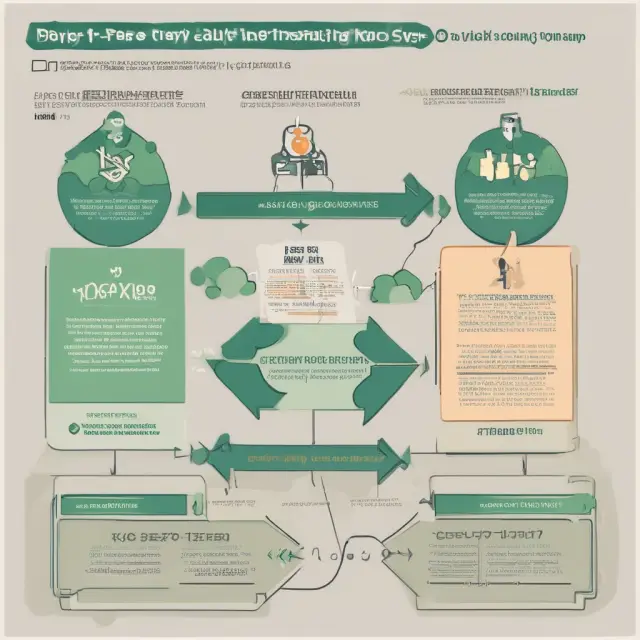
Days Payable Outstanding in the Context of Cash Conversion Cycle (CCC)
Understanding the relationship between Days Payable Outstanding (DPO) and Cash Conversion Cycle (CCC) provides valuable insights into a company’s operational efficiency and financial health. Both DPO and CCC are essential components of cash flow analysis, offering different perspectives on how efficiently a business converts its investments in raw materials, inventory, and services into sales revenue.
DPO measures the average number of days it takes for a company to settle its payables after receiving invoices, indicating its ability to manage cash outflows effectively. By delaying payments to suppliers as long as possible without damaging business relationships or missing discounts, a company can free up more working capital and improve its liquidity position. A higher DPO means that the company takes longer to pay its bills, thereby retaining cash for a more extended period.
On the other hand, CCC represents the time taken by a firm to convert its inventory into sales revenue through the production process and the collection of accounts receivables from customers. The shorter the cycle, the quicker the company can turn over its investment in raw materials and work-in-progress inventory, generating cash inflows more rapidly.
By comparing the DPO and CCC values of a company, investors can assess its overall efficiency in managing the cash conversion process. A lower CCC indicates a faster turnover of inventories and better control over operating activities, while a longer DPO signifies an extended period for paying outstanding liabilities. Ideally, a company wants to optimize both metrics to maximize profits and maintain a strong financial position.
Investors should consider DPO in the context of industry benchmarks when evaluating a company’s performance against its competitors. For example, some industries may have longer payment terms or offer more generous discounts for early payments, making it more common to observe higher DPO values. As such, it’s essential to analyze each company within its respective sector to understand typical payment patterns and identify any anomalous trends.
Managing DPO effectively can provide both benefits and risks for a company. While a longer DPO may allow for greater cash retention and improved financial flexibility, it could also potentially harm relationships with suppliers or signal an inability to pay bills promptly. Conversely, a lower DPO indicates a faster turnover of accounts payable but may mean that the firm is missing out on potential savings from early payment discounts offered by its trading partners.
As part of a comprehensive investment analysis, evaluating both DPO and CCC can provide valuable insights into a company’s operational efficiency, financial health, and overall cash flow management. By understanding these metrics, investors can make more informed decisions based on the unique context of each business situation.

Benefits and Risks of Managing DPO
Days Payable Outstanding (DPO) is an essential financial ratio that represents the average number of days it takes a company to pay its suppliers after receiving their invoices. A higher DPO value suggests that a company can effectively delay payments, thereby retaining cash for longer periods and enhancing working capital. However, high DPO values could also indicate that a company is facing challenges in making timely payments, leading to strained relationships with vendors and missed discounts. Understanding both the benefits and risks associated with managing DPO is vital for institutional investors evaluating investment opportunities.
Benefits of Managing DPO
- Improved Cash Flow Management: A higher DPO value enables companies to optimize their cash flow by retaining funds for longer durations, enabling them to invest in short-term assets or pay off debts with greater ease.
- Negotiating Payment Terms: Companies can use a high DPO as leverage when negotiating payment terms with suppliers, potentially securing extended credit periods and better deals.
- Accessing Discounts: In some cases, companies may qualify for discounts by paying their bills within a specified timeframe. By extending the payment period, they could be missing out on potential savings.
- Maintaining Supplier Relationships: A healthy relationship with suppliers is crucial in maintaining a stable supply chain and ensuring business continuity. Paying invoices promptly can help foster positive vendor relationships.
Risks of Managing DPO
- Strained Vendor Relations: Delayed payments may negatively impact the company’s standing with its suppliers, potentially leading to a loss of trade credit or less favorable terms in the future.
- Missing Out on Discounts: By not paying bills promptly, companies could be forgoing discounts that can help reduce costs and improve profitability.
- Cash Constraints: In some cases, a high DPO could indicate that a company is struggling to meet its financial obligations, leading to cash flow issues and potential liquidity risks.
- Negative Impact on Credit Rating: Frequently delayed payments may negatively impact a company’s credit rating, making it more difficult for the organization to secure financing or attract investors.
- Increased Administrative Burden: Managing a high DPO requires significant resources and administrative effort, potentially distracting companies from focusing on their core business activities.
By carefully weighing these benefits and risks, institutional investors can make informed decisions when evaluating investment opportunities based on a company’s Days Payable Outstanding performance.

Improving Days Payable Outstanding
Companies that seek to optimize their cash flow management often target days payable outstanding (DPO) as a key performance indicator. DPO refers to the average number of days it takes for a company to settle its payables, providing valuable insights into its financial health and operational efficiency. While a higher DPO may indicate better cash management, it could also suggest cash flow issues or strained relationships with suppliers. Conversely, a lower DPO might be an indicator of effective cash flow management or missed opportunities for cash savings. In this section, we explore strategies that companies can employ to improve their DPO and effectively manage cash outflows.
Negotiating Payment Terms
One of the most common methods for optimizing DPO is negotiating payment terms with suppliers. Companies can request extended payment schedules or ask for discounts in return for early payments, allowing them to extend the average period it takes to pay off their bills. While this approach may seem counterintuitive, a longer payment schedule can provide companies with more time to utilize their cash resources, maximize investments, and improve overall working capital management.
Declining Early Payment Discounts
Another strategy for increasing DPO is declining early payment discounts offered by suppliers. While these incentives can help reduce the cost of goods sold (COGS) in the short term, they may not always offer long-term benefits. By forgoing these discounts and instead focusing on extending payment periods, companies can retain cash for a longer period before making payments to their creditors.
Implementing Electronic Payment Systems
Streamlining payment processes is crucial when seeking to optimize DPO. Adopting electronic payment systems, such as Automated Clearing House (ACH) transfers or online bill payments, can help companies make timely payments more efficiently and effectively. This eliminates the need for manual checks, mailing, processing times, and other delays commonly associated with traditional paper-based payment methods.
Monitoring Accounts Payable
Regularly monitoring accounts payable is an essential part of managing cash outflows and improving DPO. By proactively addressing any issues that may cause payment delays or disputes, companies can ensure timely payments to their suppliers while minimizing the risk of late fees or damaged supplier relationships.
In conclusion, optimizing days payable outstanding (DPO) is an essential strategy for managing cash flow and enhancing a company’s financial health. By negotiating payment terms, declining early payment discounts, implementing electronic payment systems, and closely monitoring accounts payable, companies can effectively manage their outgoing cash flows while maintaining strong relationships with suppliers.

DPO as a Performance Indicator: Setting Goals and Monitoring Progress
Days Payable Outstanding (DPO) is not only an essential metric for evaluating a company’s cash flow management but also plays a crucial role in understanding its financial health. By setting goals and monitoring DPO trends, investors can gain valuable insights into the company’s efficiency, ability to manage relationships with suppliers, and overall financial performance.
Setting Benchmarks
First and foremost, it’s essential for investors to set industry-specific benchmarks when evaluating a company’s DPO. This helps provide context for interpreting DPO values relative to the average within the sector or industry. A company with a lower DPO than its peers may be seen as less efficient in managing cash outflows, while a higher DPO might be more desirable if it signifies effective cash management.
Monitoring Trends and Performance
DPO values are not static; they change over time due to various factors like seasonality, industry trends, and company performance. Therefore, investors should monitor the trend of a company’s DPO over multiple periods, allowing for a more accurate assessment of its financial health. A consistent decrease in DPO could indicate improved payment processes or negotiating power with suppliers, while an increasing DPO might suggest cash flow issues or deteriorating supplier relationships.
Using DPO as a Tool for Evaluating Financial Performance
A high DPO can offer several benefits to companies, such as extended cash reserves and optimized working capital. However, it may also signal potential risks like strained supplier relationships or missed discounts on timely payments. A low DPO, conversely, indicates effective payment management but could limit the company’s access to additional cash resources or negotiation power with suppliers.
Best Practices for Managing DPO
To make informed investment decisions based on DPO data, investors should consider best practices like:
– Setting realistic goals and benchmarks.
– Monitoring trends and analyzing changes over time.
– Understanding industry norms and variations.
– Evaluating a company’s payment policies and procedures.
In conclusion, Days Payable Outstanding (DPO) is an essential indicator for assessing a company’s cash flow management and overall financial health. By setting goals, monitoring trends, and using DPO in context with industry benchmarks, investors can effectively evaluate companies and make more informed investment decisions.

Best Practices in Managing Days Payable Outstanding
As institutional investors, it is crucial to understand how Days Payable Outstanding (DPO) contributes to a company’s cash flow management and financial health. This section outlines best practices for evaluating and managing DPO performance when making investment decisions.
Firstly, consider the industry average and benchmarks when assessing a company’s DPO value. While a high DPO may suggest effective use of available cash, it can also indicate an inability to pay bills on time or strained supplier relationships. Comparing the company’s DPO against its industry peers offers valuable context for evaluating performance.
Secondly, analyze trends and fluctuations in a company’s DPO over time. Regular monitoring of DPO helps investors assess the impact of external factors like changes in economic conditions or seasonality on a company’s cash flow management. This information can be used to adjust investment strategies accordingly.
Thirdly, evaluate companies that consistently exhibit high DPO values for their ability to negotiate favorable payment terms with suppliers and maintain strong relationships. Such companies may also demonstrate efficient resource allocation, as extended payment periods allow them to use cash more effectively in short-term investments or working capital improvement.
Fourthly, consider a company’s willingness to forgo early payment discounts when determining its DPO strategy. While sacrificing these discounts may result in additional interest earnings on available funds, it could negatively impact supplier relationships and potentially limit future access to favorable trade credit terms.
Lastly, companies that aim to improve their DPO can focus on implementing electronic payment systems for streamlined transactions and improved payment processing times. Additionally, efforts towards maintaining accurate accounts payable records and addressing any issues delaying payments can help expedite the payment process.
By applying these best practices in managing Days Payable Outstanding, institutional investors can make informed investment decisions based on a comprehensive understanding of a company’s cash flow management capabilities and financial health.

Frequently Asked Questions about Days Payable Outstanding
What exactly does Days Payable Outstanding (DPO) represent in financial reporting?
Answer: DPO is a financial ratio that measures the average number of days a company takes to pay its bills and settle invoices to creditors, such as suppliers or vendors. It helps assess a company’s cash outflow management efficiency and working capital utilization.
How is Days Payable Outstanding calculated?
Answer: DPO is derived from the cost of goods sold (COGS) and the average accounts payable balance over a specified period, usually quarterly or annually. The formula for DPO is COGS / Accounts Payable × Number of Days in the Period.
What are the advantages of having a high DPO?
Answer: A higher DPO indicates that a company can hold onto its cash for longer periods, thus allowing it to invest more effectively or maintain adequate working capital and free cash flow. However, excessively long DPO may signal payment delays and strained relationships with suppliers.
What are the implications of low DPO?
Answer: A low DPO suggests that a company is paying its bills promptly, which can lead to favorable relationships with suppliers, but it might also mean missed opportunities for taking advantage of early payment discounts or earning interest on cash held before making payments.
Can industries have different typical DPO values?
Answer: Yes, the average DPO can vary significantly across industries due to factors like supply chain structures, business models, and industry norms. Thus, it’s essential to compare a company’s DPO within its industry rather than against companies in other sectors.
Does Days Payable Outstanding figure into the Cash Conversion Cycle calculation?
Answer: Yes, DPO is an element of the cash conversion cycle (CCC), which measures the entire time it takes for a company to convert resources (raw materials, labor, and overhead) into sales revenues and then back into cash. Along with Days Sales Outstanding (DSO) and Days Inventory Outstanding (DIO), DPO contributes to understanding how efficiently a business converts its inputs into cash outputs.
 Next entry · No. 1,132Understanding Direct Participation Programs (DPPs): A Comprehensive Guide for Institutional Investors
See also
-
 No. 1,125
31 Jul 2024
20 min
Understanding Down Rounds: Implications for Institutional Investors
Business Finance
No. 1,125
31 Jul 2024
20 min
Understanding Down Rounds: Implications for Institutional Investors
Business Finance -
 No. 3,542
06 Apr 2025
21 min
Understanding Nonparametric Methods: A Powerful Alternative to Parametric Statistical Analysis
Financial Data Analysis
No. 3,542
06 Apr 2025
21 min
Understanding Nonparametric Methods: A Powerful Alternative to Parametric Statistical Analysis
Financial Data Analysis -
 No. 196
07 Apr 2024
17 min
Understanding Appropriation Accounts: A Comprehensive Guide for Institutional Investors
Business Strategy
No. 196
07 Apr 2024
17 min
Understanding Appropriation Accounts: A Comprehensive Guide for Institutional Investors
Business Strategy -
 No. 147
07 Apr 2024
20 min
Understanding the Altman Z-Score: A Comprehensive Guide for Institutional Investors
Corporate Finance
No. 147
07 Apr 2024
20 min
Understanding the Altman Z-Score: A Comprehensive Guide for Institutional Investors
Corporate Finance -
 No. 5,872
15 Oct 2025
20 min
Understanding Year to Date (YTD): Analyzing Business Trends and Investment Performance
Business Finance
No. 5,872
15 Oct 2025
20 min
Understanding Year to Date (YTD): Analyzing Business Trends and Investment Performance
Business Finance -
 No. 5,740
03 Oct 2025
19 min
The Comprehensive Guide to Understanding the FT Wilshire 5000 Index (FTW5000)
Business Finance
No. 5,740
03 Oct 2025
19 min
The Comprehensive Guide to Understanding the FT Wilshire 5000 Index (FTW5000)
Business Finance