Understanding the Dow Theory: An Essential Technical Analysis Framework for Institutional Investors

Explore the origins, principles, and applications of the Dow Theory, a classic investing framework by Charles H. Dow.
Origins of the Dow Theory and Its Creator, Charles H. Dow
The Dow Theory is a time-tested investing framework that originated from the mind of Charles Henry Dow (1851-1902), who is also the founder of Dow Jones & Company, Inc., and The Wall Street Journal. Although he didn’t publish his complete theory on markets, Dow’s approach formed the core of modern technical analysis as we know it today.
Born in San Francsisco, Dow developed a passion for business and finance at an early age. After moving to New York City, he began working at various financial publications, including the American Credit Agency, which eventually went bankrupt, leaving him stranded without employment. However, Dow’s persistence paid off when he partnered with Edward Jones and Charles Bergstresser in 1882 to form Dow, Jones & Company. They published a small newspaper called “Customer’s Afternoon Letter,” which provided financial information on the stock market and railroad stocks specifically.
In 1896, Dow introduced The Wall Street Journal and, later that same year, developed the Dow Jones Industrial Average (DJIA), the first index that measured the performance of 12 industrial companies. To better understand the economy as a whole, Dow believed in analyzing the overall market rather than individual stocks. This approach led him to develop the Dow Theory to identify significant market trends and predict their direction.
The theory gained popularity during the 1920s and 1930s due to its effectiveness in identifying major market shifts. Notable contributors such as William P. Hamilton, Robert Rhea, E. George Schaefer, Richard Russell, and others expanded upon Dow’s editorials, adding depth and clarity to this technical framework.
The Dow Theory is based on the efficient market hypothesis (EMH), which assumes that all available information about a stock or the market as a whole is already reflected in its price. The theory operates under this assumption that different market indices must confirm each other regarding trends and volume patterns to validate the market’s direction and prevent investors from making hasty decisions based on false signals.
The Dow Theory is still relevant today, providing valuable insights for institutional investors looking to understand long-term market trends and implement a disciplined investment strategy.

The Efficient Market Hypothesis: The Underlying Assumption of the Dow Theory
When it comes to understanding the Dow Theory, it is essential to first recognize its underlying foundation—the efficient market hypothesis (EMH). This financial theory posits that all publicly available information about a company or asset is immediately reflected in its price. As such, investors can’t consistently gain an edge by possessing superior knowledge. Instead, they must rely on their analysis of historical and current data to make informed decisions.
The Dow Theory builds upon this fundamental assumption. Its creators believed that different market indices must confirm each other in terms of price action and volume patterns until trends reverse. This is a cornerstone principle of the theory. If one index shows signs of an uptrend, but another remains bearish, traders should not assume that a new trend has begun.
The Dow Theory’s emphasis on the efficient market hypothesis also implies that the stock market as a whole provides valuable insight into overall economic conditions. By analyzing the market as a whole, investors can accurately gauge significant trends and potential directions for individual stocks. Although some aspects of the theory may seem outdated, such as its historical focus on railroads and transportation sectors, Dow’s approach forms the foundation of modern technical analysis.
Moreover, it is important to note that there are various interpretations of the efficient market hypothesis. Some proponents argue that even future events are discounted in stock prices, making it a challenge for investors to achieve above-average returns. However, other interpretations allow for the possibility of mispricings and opportunities for active traders. The Dow Theory’s perspective on EMH falls closer to the stricter interpretation, which assumes that all available information is reflected in stock prices and that different market indices must confirm each other before a trend shift can be confirmed.
In summary, the Dow Theory’s adherence to the efficient market hypothesis underpins its approach to investing. It suggests that markets discount everything, making it crucial for investors to rely on price action and volume patterns in multiple indices to identify trends and confirm potential opportunities.

Primary Trends and Their Phases in the Context of the Dow Theory
The Dow Theory is a time-tested technical analysis framework that focuses on identifying market trends by examining price movements within the context of two primary averages—the Dow Jones Industrial Average (DJIA) and the Dow Jones Transportation Average (DJTA). This theory, founded in the late 1800s by Wall Street Journal co-founder Charles H. Dow, holds that trends last until a clear reversal is identified through confirmation from both averages. In this section, we will dive deeper into the concept of primary trends and their phases within the context of the Dow Theory.
The Market’s Three Primary Trends
According to the Dow Theory, markets exhibit three kinds of trends: primary, secondary, and minor trends. Primary trends can last for a year or more, such as a bull or bear market, and are the longest-lasting trend type. Secondary trends make smaller movements and last for a few weeks to months. Lastly, minor trends represent short-term fluctuations that may only last for days or even hours (considered market noise).
Primary Trend Phases
Each primary bull and bear trend consists of three distinct phases, as defined by the Dow Theory: accumulation, public participation, and excess. During the accumulation phase, prices rise alongside increasing volume as insiders and informed investors buy shares, usually at lower prices before the trend becomes more widely known. In the public participation phase, retail and average investors join in on the upward trend. The market experiences the longest trend duration during this phase due to widespread optimism and enthusiasm. Lastly, during the excess phase, experienced investors and traders sell their positions while the broader investing population continues to accumulate shares. This phase represents the market’s peak as the bull market reaches its saturation point.
Confirmation of Primary Trends: Indices and Volume
The Dow Theory’s adherents believe that for a trend to be established, indices or market averages must confirm each other. In other words, signals from one index should correspond with those on another. For instance, if the DJIA exhibits a new primary uptrend, but the DJTA remains in a downtrend, traders should not assume a reversal has taken place.
Moreover, trading volume plays a crucial role in confirming trends. When prices move in line with the primary trend, buying volume typically increases, while selling volume decreases. Conversely, during secondary pullbacks within a bull market, selling volume may rise due to profit-taking, but this is not necessarily an indication of a bearish reversal. Instead, it might suggest that experienced traders are taking profits while the broader market remains optimistic and continues to accumulate shares.
Understanding the Primary Trend’s Persistence
In the Dow Theory, trends persist until a clear reversal occurs. It is essential to distinguish between short-term fluctuations and primary trend reversals when implementing this theory. Reversals in a primary trend are signaled by a failure for indices to create successive peaks and troughs in the direction of the existing primary trend. When this condition occurs, the Dow Theory advocates caution, as it may take time for a new trend to emerge and confirm itself.
In conclusion, the Dow Theory’s focus on understanding primary trends and their phases is essential for any institutional investor looking to profit from long-term market movements. By analyzing the confirmation signals provided by key indices and volume patterns, traders can better navigate the market landscape and capitalize on emerging trends while minimizing potential losses during bear markets.
The Role of Indices and Market Averages in the Dow Theory
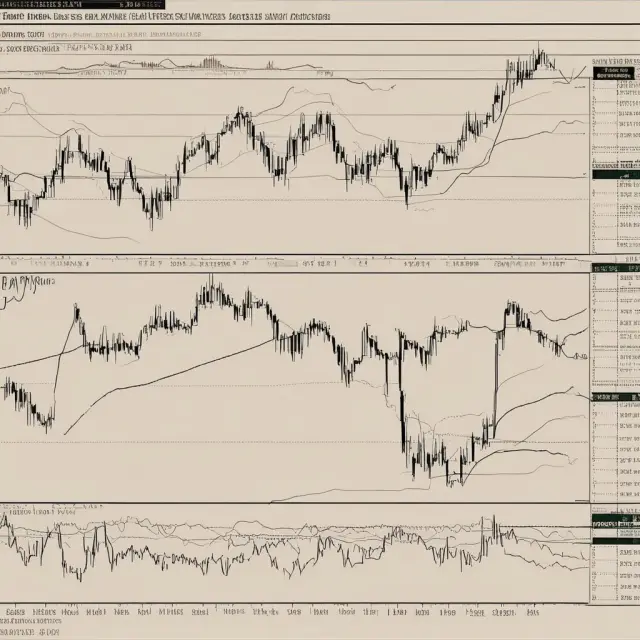
The Dow Theory is based on the notion that different market indices must confirm one another before trends are considered to be established. Two primary stock market indices serve as the foundation for this theory—the Dow Jones Industrial Average (DJIA) and the Dow Jones Transportation Average (DJTA).
Understanding their significance, let’s first examine the origins of these indices. Charles H. Dow founded Dow Jones & Company in 1882 with Edward Jones and Charles Bergstresser to provide news and financial information for investors. In 1896, they introduced the DJIA as a measure of stock prices based on a price-weighted average of twelve large publicly-traded companies. The DJTA, on the other hand, debuted in 1884 as a price index of twenty railroad and transportation stocks.
The Dow Theory posits that both indices should exhibit similar trends for market conditions to be considered healthy. As railroads were crucial components of American commerce during Dow’s time, he believed that a strong economy would lead to increased business activity requiring more freight movement through the transportation sector. The DJIA and DJTA were thus used interchangeably as indicators of overall economic health and market direction.
For instance, an upward trend in the DJIA would signal a healthy economy because businesses were prospering. In turn, the DJTA, which benefited from this business activity, should also be experiencing an uptrend. Conversely, if the DJIA showed signs of a downturn, it could indicate economic weakness or distress, as evidenced by the DJTA following suit.
Today’s financial markets have evolved significantly since Dow’s time; however, the principles of the Dow Theory remain relevant in helping investors understand market trends and make informed decisions regarding their investments. By analyzing trends within various indices, traders can gain insights into the overall direction of the market and adjust their strategies accordingly.
The significance of confirming trends between multiple indices is rooted in the efficient market hypothesis (EMH), a foundational assumption of the Dow Theory. According to EMH, all publicly available information about stocks is already reflected in their prices. The idea here is that no single stock or index can consistently outperform the broader market because every piece of information is priced into the markets.
As such, indices like the DJIA and S&P 500 provide a more comprehensive perspective on overall market trends than individual stocks alone. By examining the trend directions of multiple indices, investors can achieve a clearer understanding of the broader market conditions.
In summary, the Dow Theory emphasizes the importance of confirming trends across multiple indices to ensure that they are accurately reflective of the underlying economic conditions and market direction. The historical significance of the DJIA and DJTA as the primary indicators in the theory further highlights their role as valuable tools for investors seeking to better understand the financial markets.
Volume Confirmation: A Critical Element of the Dow Theory
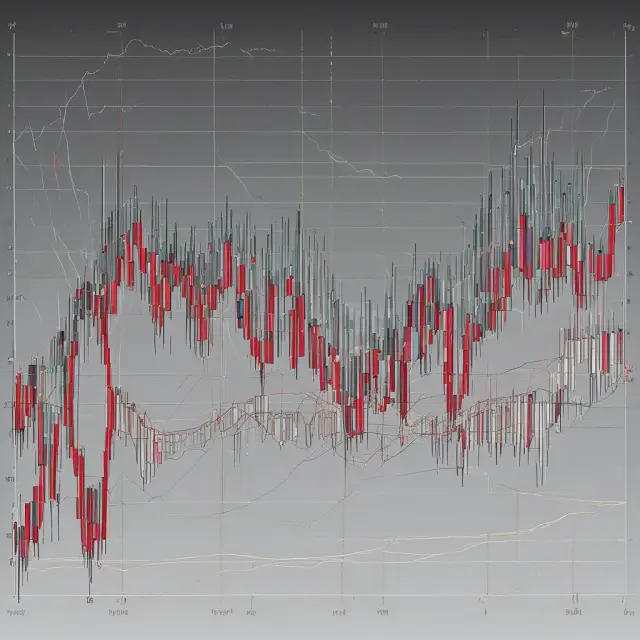
Understanding volume is crucial to making informed decisions in the stock market. The Dow Theory, developed by Charles H. Dow at the turn of the 20th century, emphasizes the importance of both price movements and trading volumes when determining trends and making investment decisions. In this section, we’ll delve into the significance of volume confirmation within the context of the Dow Theory.
Volume plays a critical role in assessing market trends. According to the theory, trends persist only until there is clear evidence of a reversal. This is where volume comes into play. By analyzing trading volumes during price movements, traders can gain insights about market sentiment and identify potential trend shifts.
The Dow Theory assumes that markets move in trends, which can be characterized as either bullish (upward) or bearish (downward). To confirm a trend, the indices or averages need to show consistent patterns of highs (peaks) and lows (troughs). Volume confirmation is essential during these price movements.
The Dow Theory suggests that volume should increase when the price moves in the direction of the primary trend and decrease when it moves against it. For instance, during a bull market, buying volume should rise alongside increasing prices as more investors join the uptrend. Conversely, selling volume should surge during bear markets as investors seek to exit their positions.
Volume confirmation helps investors make informed decisions by providing insights into the strength and sustainability of trends. For example, strong volume during a bullish price movement may indicate that the trend is gaining momentum and could continue for an extended period. On the other hand, weak volume during a bearish trend might signal that the selling pressure is waning, potentially indicating a potential reversal.
Moreover, volume confirmation is essential when identifying trend reversals. The Dow Theory advocates caution, insisting that a possible reversal be confirmed by comparing index volumes. A significant increase in trading volume during a downtrend could indicate that the bearish sentiment is intensifying and that the market may continue its descent. Conversely, decreasing volume during an uptrend might signal that bullish investors are losing interest, potentially paving the way for a potential reversal.
To sum up, volume confirmation is an essential component of the Dow Theory, as it provides insights into the strength and sustainability of trends and can help identify potential trend reversals. By analyzing trading volumes alongside price movements, investors can make informed decisions and adapt their investment strategies accordingly.

The Six Major Components of the Dow Theory
The Dow Theory, developed by Charles H. Dow, is a time-tested framework that has been adopted by numerous investors and financial market professionals to predict stock market trends. The theory, which is based on technical analysis and efficient market principles, revolves around six core components.
1. Market Discounts Everything: The Dow Theory follows the Efficient Market Hypothesis (EMH), which assumes that all available information about a security or asset is reflected in its price. Consequently, different market indices must validate each other by displaying similar trends and patterns before a trend can be considered reliable.
2. Primary Trends and Their Phases: According to the Dow Theory, primary trends can last for years and can be further divided into three phases – accumulation, public participation, and excess. Understanding these stages can help investors determine entry and exit points in the market based on price trends and trading volume.
3. The Role of Indices and Market Averages: The Dow Theory focuses on major indices like the Dow Jones Industrial Average (DJIA) and the Dow Jones Transportation Average (DJTA) to identify primary trends, as their movements are considered indicative of the overall health of the economy and market conditions.
4. Volume Confirmation: Trading volume plays a crucial role in confirming trends under the Dow Theory. An increase or decrease in trading volume can signal a shift in investor sentiment, which can help investors make informed decisions regarding their investments.
5. Trend Identification Processes: The Dow Theory employs trend identification processes such as peak-and-trough analysis, which allows for the identification of short-term and long-term trends by examining market highs (peaks) and lows (troughs).
6. Market Reversals: Recognizing market reversals is an essential component of the Dow Theory. By understanding the various stages of market trends, investors can make informed decisions when it comes to entering or exiting positions based on trend indicators and other technical analysis tools.
The Dow Theory offers a unique perspective on financial markets by focusing on underlying market conditions and long-term trends. By following these six principles, investors can develop a comprehensive understanding of the market landscape and position themselves for potential opportunities in various market environments.

How to Implement the Dow Theory in Your Trading Strategy
The Dow Theory, a financial theory that originated from Charles H. Dow’s Wall Street Journal editorials, offers valuable insights for understanding market trends and predicting future price movements. As an institutional investor or trader, you might be wondering how to effectively apply this technical framework to your investment strategy. In this section, we will explore practical steps for implementing the Dow Theory in your trading practices.
1. Familiarize Yourself with Key Concepts: To successfully use the Dow Theory, it is essential to have a solid understanding of its core principles. This includes being well-versed in concepts such as the efficient market hypothesis, primary trends, phases, and volume confirmation.
2. Monitor Market Indices: Keep track of various market indices, particularly the Dow Jones Industrial Average (DJIA) and Dow Jones Transportation Average (DJTA), which are crucial components of the Dow Theory. These averages should be examined for their respective trend direction and confirmations.
3. Identify Market Trends: Understand the trends in the market by recognizing the phases: primary, secondary, and minor. Primary trends can last over a year or more, while secondary trends can last from weeks to months. The Dow Theory emphasizes that identifying these trends is crucial for making informed investment decisions.
4. Look for Confirmations between Indices: As per the theory, for a trend to be confirmed, the corresponding indices (DJIA and DJTA) must follow similar price movements and exhibit volume confirmation. This confirmation process helps ensure the authenticity of the identified market trends.
5. Utilize Volume Analysis: Trading volume plays an essential role in the Dow Theory as it provides insight into the strength of the trend. Analyzing volume patterns can help you determine if a particular trend is being driven by strong investor sentiment or weak market participation.
6. Adapt and Refine Your Strategy: The markets are constantly evolving, and so should your trading strategy. Be prepared to adapt and refine your application of the Dow Theory as new information becomes available and market conditions change. Remember that no single theory can guarantee 100% accuracy in predicting market trends; however, a well-thought-out and informed strategy based on solid fundamentals and technical analysis principles, like the Dow Theory, can provide valuable insights for investors.
7. Monitor Trend Reversals: The Dow Theory assumes that the market doesn’t move in a straight line but from highs to lows. Understanding trend reversals is essential, as they indicate a change in direction of the primary trend. When analyzing indices for potential reversals, look for distinct changes in price patterns and volume confirmation to help confirm a trend reversal.
By following these steps, institutional investors can apply the Dow Theory effectively to their trading strategies, allowing them to make informed decisions based on market trends and conditions. The key takeaway is that understanding the core principles of this theory, combined with diligent analysis of indices and volume patterns, can result in a valuable addition to your investment approach.

Advantages and Criticisms of the Dow Theory
The Dow Theory, developed by Wall Street Journal founder Charles H. Dow, has been a cornerstone for stock market analysis since its inception over a century ago. This time-tested framework offers unique insights into identifying market trends, providing institutional investors with valuable tools to navigate the complex and ever-evolving world of stocks. However, like all investing methodologies, it comes with both advantages and criticisms.
Advantages
- Confirmation Bias: One significant advantage is that the Dow Theory advocates for confirmation bias between related indices or market averages before taking action. This helps investors minimize the risk of making hasty decisions based on misleading information or false signals. By waiting for price confirmation from multiple indicators, investors can be more confident in their trading decisions and potentially mitigate losses.
- Long-Term Perspective: The Dow Theory focuses on long-term trends, enabling investors to maintain a strategic perspective and avoid getting caught up in short-term market noise. This approach can help investors stay focused on the bigger picture and prevent emotional responses driven by day-to-day fluctuations.
- Market Efficiency: The theory relies on the efficient market hypothesis (EMH), which assumes that asset prices incorporate all available information. By analyzing historical data, investors can leverage this knowledge to identify trends and make more informed decisions.
Criticisms
- Limited Scope: Critics argue that the Dow Theory’s limited scope in focusing on only two indices may not accurately reflect overall market conditions. With the vast array of financial instruments available today, some argue that relying solely on the DJIA and DJTA may not provide a comprehensive understanding of the entire market.
- Subjectivity: The interpretation and application of Dow Theory principles can be subjective, making it prone to misinterpretation and inconsistent results. While the theory’s core concepts are relatively straightforward, some aspects like determining trend reversals can be challenging and open to interpretation.
- Lack of Adaptability: Some critics argue that the Dow Theory may not be adaptable to changing market conditions. With markets becoming increasingly complex and dynamic, some investors believe that traditional approaches such as the Dow Theory may no longer provide a complete picture. However, proponents argue that the theory’s principles can still be applied with modifications in modern financial environments.
In conclusion, the Dow Theory offers a time-tested framework for understanding market trends, but it is essential to consider both its advantages and criticisms when implementing this strategy. By being aware of these perspectives, investors can make more informed decisions about incorporating the Dow Theory into their investment strategies.

Understanding Dow Theory’s Trend Identification Processes
The Dow Theory, developed by Charles H. Dow at the turn of the 20th century, offers investors and traders valuable insights into market trends. One of its core tenets is trend identification—an essential skill for any investor looking to navigate market volatility. In this section, we delve deeper into the Dow Theory’s methods for recognizing market trends based on peaks, troughs, and line ranges.
Peaks and Troughs: The Foundation of Dow Theory
The foundation of Dow Theory lies in identifying primary trends, which are long-term movements that can last for months or even years. These trends consist of a series of successively higher peaks (bull markets) or lower peaks (bear markets). By focusing on the highest and lowest points of these trends, we can understand the overall direction of the market and make informed investment decisions.
Line Ranges: Consolidation Periods in Dow Theory
Dow Theory also considers periods of sideways price movements, known as line ranges or trading ranges, which provide crucial context for trend identification. During these consolidation periods, investors should wait for the price movement to break the trend line before making a decision on the market’s direction. For example, if the price were to move above a trend line, it would be likely that the market would trend upwards.
Recognizing Trend Reversals: The Importance of Understanding Dow Theory
To fully understand the power of Dow Theory, it is vital to recognize how to identify trend reversals—a key component of this approach. A reversal in a primary trend occurs when the market cannot create successive peaks and troughs in the direction of the primary trend. In an uptrend, a reversal is signaled by consecutive lower peaks and troughs. Conversely, in a downtrend, a reversal is indicated by higher peaks and troughs.
As investors and traders, we rely on Dow Theory to help us make informed decisions about the market based on trends rather than relying on speculation or hunches. By following these guidelines, we can better understand the long-term direction of various asset classes and adjust our investment strategies accordingly.

FAQ: Frequently Asked Questions About the Dow Theory
What exactly is the Dow Theory, and who developed it?
The Dow Theory is a financial theory founded by Charles H. Dow, co-founder of Dow Jones & Company and creator of the Dow Jones Industrial Average (DJIA) in 1896. He developed this approach based on his belief that the stock market as a whole provided insights into the economy’s overall business conditions.
What principles underpin the Dow Theory?
The Dow Theory is built upon the Efficient Market Hypothesis, which states that asset prices include all available information. It also emphasizes the importance of trend identification through price and volume analysis.
Can you explain the three primary trends in the Dow Theory?
Yes! The Dow Theory recognizes primary trends, such as bull or bear markets, which can last for an extended period (years). Within these broader trends, secondary trends may occur, lasting weeks to months, while minor trends represent shorter-term price fluctuations.
What are the three phases of a primary trend in the Dow Theory?
Primary trends pass through three distinct phases: accumulation, public participation, and excess. During the accumulation phase, insiders and informed investors buy stocks at low prices, leading to rising volumes. In the public participation phase, retail and average investors join in, causing an increase in price and even greater volume. Lastly, in the excess phase, experienced traders sell their positions while larger investors continue adding to them.
What is the significance of Dow Theory’s confirmation process?
The Dow Theory advocates that trends can only be established when indices confirm one another. This means that signals on one index must correspond with those on another for a trend to be considered valid.
Why does volume play a role in the Dow Theory?
Volume analysis is essential because it helps determine whether the market’s direction is supported by investor interest. Generally, higher volumes accompany rising prices during uptrends and decreasing volumes during downtrends.
How long do trends persist according to the Dow Theory?
Trends remain in effect until a clear reversal occurs, which can be challenging to identify due to potential false signals or short-term movements. The Dow Theory advocates caution, emphasizing the importance of comparing indexes and identifying successive peaks and troughs to confirm trend directions.
 Next entry · No. 1,131Understanding Days Payable Outstanding (DPO): A Comprehensive Guide for Institutional Investors
See also
-
 No. 3,288
16 Mar 2025
21 min
Understanding Moving Averages in Finance: Simple vs Exponential
Business Finance
No. 3,288
16 Mar 2025
21 min
Understanding Moving Averages in Finance: Simple vs Exponential
Business Finance -
 No. 1,021
16 Jul 2024
24 min
Understanding the Diamonds ETF: A Comprehensive Guide for Institutional Investors
Business Finance
No. 1,021
16 Jul 2024
24 min
Understanding the Diamonds ETF: A Comprehensive Guide for Institutional Investors
Business Finance -
 No. 4,845
21 Jul 2025
18 min
Maximizing Profits with Take-Profit Orders in Investing
Finance Policy
No. 4,845
21 Jul 2025
18 min
Maximizing Profits with Take-Profit Orders in Investing
Finance Policy -
 No. 4,752
14 Jul 2025
16 min
Understanding the Stochastic Oscillator: A Momentum Indicator for Overbought and Oversold Conditions
Financial Tools
No. 4,752
14 Jul 2025
16 min
Understanding the Stochastic Oscillator: A Momentum Indicator for Overbought and Oversold Conditions
Financial Tools -
 No. 3,834
30 Apr 2025
19 min
Understanding Outside Reversals: A Detailed Analysis of Bullish and Bearish Engulfing Patterns
Markets
No. 3,834
30 Apr 2025
19 min
Understanding Outside Reversals: A Detailed Analysis of Bullish and Bearish Engulfing Patterns
Markets -
 No. 3,232
11 Mar 2025
19 min
Understanding Momentum Investing: Chasing Performance with Technical Analysis
Investments
No. 3,232
11 Mar 2025
19 min
Understanding Momentum Investing: Chasing Performance with Technical Analysis
Investments