Embargos: International Trade Restrictions as Economic Sanctions
Learn about embargos as economic sanctions, including what they are, their effectiveness, and controversies in U.S. foreign policy.
What Is an Embargo?
An embargo is a trade restriction, often employed as an economic sanction by governments, multilateral organizations or coalitions of countries to penalize a target nation for specific actions. At its core, an embargo aims to punish the targeted country and deny it access to crucial resources and markets, with the ultimate goal of changing its behavior or policy.
Embargoes can range from restrictions on certain goods or commodities to complete bans on trade and investments. One of their primary advantages is that they allow countries to enforce their will without resorting to military intervention, often in response to human rights violations or armed conflicts. However, the effectiveness of embargoes as a tool for inducing policy change remains debated.
In this section, we’ll delve deeper into what an embargo is, how it works, and provide real-life examples, including the historical significance of U.S. embargos on countries such as Cuba, North Korea, Iran, Syria, and Russia, as well as the Arab oil embargo in 1973-74.
Definition and Key Takeaways
An embargo is a trade restriction or economic sanction implemented to penalize a target nation for objectionable behavior or policies. While they have been used to address various issues such as human rights violations, armed conflicts, and nuclear programs, their success in bringing about policy change has been limited. Key examples include the U.S.’s long-running embargoes on Cuba, North Korea, Iran, and Syria, which have had minimal impact on those countries’ policies. However, embargoes have proven effective in punishing the targeted nation and denying it crucial resources, as demonstrated by the 1973-74 Arab oil embargo and limited trade restrictions imposed on South Africa during apartheid.
Understanding How Embargos Work
Embargoes operate under the premise that economic pressure can change a country’s behavior or policy direction. By restricting a nation’s access to essential goods, services, or markets, an embargo aims to weaken its economy and isolate it from the international community. A successful embargo can put significant pressure on a targeted government, potentially prompting policy changes or concessions.
However, determined authoritarian regimes have shown resilience in the face of embargoes, often at great cost to their populations. For example, Cuba’s communist regime has survived the U.S. embargo since 1962, and the Arab oil embargo in 1973-74 failed to alter the targeted countries’ policies or end U.S. support for Israel.
U.S. Trade Embargoes: A Historical Overview
The United States has employed long-standing trade embargoes against a number of nations, including Cuba, North Korea, Iran, and Syria, which have had minimal impact on their respective governments. The U.S.’s authority to impose embargoes stems from various legislative acts and presidential orders. The Trading With the Enemy Act grants the president the power to regulate or prohibit all trade during times of war, while the International Emergency Economic Powers Act provides the president with the authority to regulate international commerce during a national emergency.
The U.S. government’s Office of Foreign Assets Control (OFAC) plays a central role in administering embargoes and enforcing trade restrictions. Established under the Treasury Department, OFAC is responsible for tracking down and freezing sources of funding for terrorist organizations and drug-trafficking networks. It also serves as the primary agency responsible for implementing U.S. economic sanctions against targeted nations.
In conclusion, embargoes represent a powerful tool for countries seeking to punish or put pressure on target nations. While they can be effective in denying crucial resources and isolating the targeted country, their success in bringing about policy changes is often limited. In the following sections, we’ll explore specific examples of embargos, such as the 1973-74 Arab oil embargo and U.S. embargoes on various countries, as well as discuss the potential impact of embargoes on international trade and geopolitics.
How Do Embargos Work?
An embargo is a trade restriction used as an economic sanction, adopted by governments, international organizations, or groups of countries to punish or deter objectionable policies. By limiting trade with the targeted country, embargoes aim to isolate it and reduce its economic capabilities, potentially weakening its political power. This section explores how embargoes operate as a tool for diplomacy and economic statecraft.
The Rationale Behind Embargos
Embargoes serve as a non-violent alternative to military action or more direct forms of intervention in international affairs. They can be employed in response to human rights violations, armed conflicts, or other objectionable policies. The idea is that the economic pain inflicted by an embargo will pressure the targeted country to change course, either by modifying its behavior or engaging diplomatically with other nations to reach a mutually beneficial resolution.
Effectiveness of Embargoes
Embargoes have had mixed success in achieving their objectives. While some embargoes have managed to effectively punish and deter objectionable policies, others have failed to bring about policy changes. This inconsistent record can be attributed to several factors, including the determination of targeted governments to resist international pressure, the ability of countries to find alternative trading partners or sources of funding, and the potential for unintended consequences on innocent populations.
Impact on Targeted Populations
One criticism of embargoes is their tendency to harm the innocent populations of targeted countries, rather than those responsible for objectionable policies. Embargoes have been criticized for causing economic hardship, food shortages, and human suffering. For example, the international economic embargo imposed on Iraq following its invasion of Kuwait drew criticism for disproportionately affecting Iraqi civilians. Similarly, the U.S. embargo on Iran over its alleged violations of the Nuclear Non-Proliferation Treaty has been criticized for harming ordinary Iranians while doing little to alter the country’s policies.
The Role of Diplomacy and Economic Statecraft
While embargoes can be an effective tool in punishing objectionable policies, they are not without alternatives. Diplomacy, such as negotiations and peaceful dialogue, offers a less confrontational approach to resolving international disputes. Other forms of economic statecraft, including targeted sanctions on specific industries or individuals, may prove more effective at achieving policy changes while minimizing unintended consequences. In many cases, embargoes are part of a broader package of diplomatic and economic measures aimed at addressing the underlying issue.
Examples of Embargoes
The U.S. has employed long-running trade embargoes against Cuba, North Korea, Iran, and Syria, targeting these countries for their objectionable policies. The effectiveness of these embargoes remains debated. For example, the embargo on Cuba, in effect since 1962, has failed to bring about regime change or significant policy shifts. However, it has succeeded in isolating the country from much of the global community and causing economic hardship. Similarly, limited trade restrictions imposed on South Africa during the apartheid era helped hasten the end of apartheid, demonstrating the potential for embargoes as an effective tool for promoting positive change.
In conclusion, embargoes serve as a powerful diplomatic and economic weapon that can be employed to punish and deter objectionable policies. However, their effectiveness is inconsistent, with some embargoes achieving their goals while others failing to bring about policy changes or causing unintended harm to innocent populations. As governments continue to explore ways to address international disputes, the role of embargos in diplomacy and economic statecraft will remain an important consideration.

U.S. Trade Embargoes: History and Overview
An embargo is a trade restriction imposed by governments, international organizations or groups as an economic sanction to penalize specific countries over objectionable policies. The U.S. has employed trade embargoes extensively against Cuba, North Korea, Iran, and Syria. Understanding this aspect of American foreign policy involves exploring its legislative underpinnings and the role of key agencies such as the Office of Foreign Assets Control (OFAC).
Long-Running Embargos
The U.S. has maintained embargoes on several countries for decades. Cuba, North Korea, Iran, and Syria have all experienced extensive trade restrictions, with the longest continuous embargo being the one against Cuba, initiated in 1962. These embargoes are usually comprehensive and restrict all types of trade.
Legislation and Executive Powers
The U.S. president has significant authority to impose embargoes through legislative acts. The Trading With the Enemy Act (TWEA) from World War I authorizes the president to regulate or prohibit international commerce during national emergencies, while the International Emergency Economic Powers Act (IEEPA) allows such measures in response to extraordinary threats to national security or foreign policy objectives.
The Office of Foreign Assets Control (OFAC)
The OFAC, a division within the U.S. Department of Treasury, is responsible for administering embargoes and enforcing trade sanctions. It also manages lists of entities and individuals subject to specific restrictions. The agency plays a critical role in implementing embargoes by freezing assets and monitoring transactions involving targeted countries or entities.
Effective Tools of Economic Statecraft
Embargoes can be potent economic tools used to exert pressure on governments and change their behavior. They can punish and isolate nations for actions deemed detrimental to international norms, security or human rights. The impact of embargoes often depends on the targeted country’s dependence on international trade and its ability to adapt.
In the following sections, we delve deeper into the effectiveness, criticism, and alternatives to embargoes as well as profiles of countries subjected to U.S. embargoes.
Effectiveness of Embargos: A Mixed Record
Embargoes, as economic sanctions, are widely used to punish countries with objectionable policies or actions. However, their effectiveness in achieving their intended goals remains a topic of debate.
Embargoes work by limiting international trade with the targeted country. This isolation aims to pressure the government into changing its behavior, but it can also cause significant hardship for innocent populations.
One of the most critical arguments against embargos is that they often fail to bring about policy changes in the targeted countries. For instance, Cuba’s communist regime has maintained power since 1962 despite a continuous U.S. embargo on trade with the island nation. Similarly, the Arab oil embargo of 1973-1974, which saw OPEC member countries restrict exports to the United States as a response to U.S. support for Israel during the Yom Kippur War, did not lead to an immediate change in U.S. foreign policy.
However, embargoes can be successful in punishing targeted countries and making their populations feel the economic pain. The embargo on Iraq following its invasion of Kuwait drew criticism as it harmed innocent Iraqis more than the regime. Similarly, international sanctions imposed on South Africa during apartheid played a role in hastening the end of that oppressive system.
Despite this mixed record, embargoes continue to be used as a tool for economic statecraft. The U.S. maintains comprehensive trade embargoes against Cuba, North Korea, Iran, and Syria, with varying degrees of success. Other countries have also used embargos, such as the European Union’s embargo on arms sales to China in 1989, which followed the Tiananmen Square protests.
In conclusion, embargoes can be an effective tool for punishing targeted governments, but their impact on policy change remains limited. The use of embargos must be weighed carefully against their potential consequences for innocent populations. Ultimately, a more diplomatic and cooperative approach to international conflicts is often preferred over the economic isolation imposed by embargoes.
FAQ: Frequently Asked Questions about Embargos
- What is an embargo? An embargo is an international trade restriction, typically adopted by a government or a group of countries as an economic sanction against another country.
- Why do countries impose embargoes? Countries use embargoes to punish targeted governments for objectionable policies, such as human rights violations and armed conflict.
- What is the difference between embargoes and sanctions? While both are used as economic tools to influence foreign policy, embargoes specifically target international trade. Sanctions can include a broader set of measures like asset freezes and travel bans.
- Are embargoes effective in achieving their goals? Embargoes have been successful in punishing targeted countries but less so in changing their policies. However, their impact on innocent populations is a significant concern.
- What are some examples of embargoes? The U.S. maintains comprehensive trade embargoes against Cuba, North Korea, Iran, and Syria. The European Union imposed an embargo on arms sales to China following the 1989 Tiananmen Square protests.

Criticism of Embargos: Harming the Innocent
Embargoes, while an effective tool to punish countries for their objectionable policies and deter future misbehavior, have been criticized for inflicting harm on populations not directly responsible for those policies. In this section, we delve into the controversy surrounding embargoes by examining examples of their unintended consequences in Iraq, Iran, and South Africa.
Iraq Embargo (1990-2010): International Economic Sanctions Against Iraq led to severe human suffering, especially among the most vulnerable segments of the population. The embargo was imposed following Iraq’s invasion of Kuwait in August 1990, with the United Nations Security Council passing resolution 661 on August 6, 1990, imposing a comprehensive trade embargo on Iraq to pressure it into withdrawing its forces from Kuwait and comply with other demands. The sanctions prohibited all imports except for essential humanitarian goods, severely restricting access to food, medicines, and basic necessities.
According to estimates by the United Nations Children’s Fund (UNICEF), the embargo led to the deaths of half a million Iraqi children under five years old, while around 5,000 more died each month as a result of malnutrition and lack of access to clean water and basic medical care. The World Food Programme estimated that at least 1 in 2 children in Iraq were chronically malnourished, with the majority of the population suffering from nutritional deficiencies.
The International Committee of the Red Cross (ICRC) reported that the embargo led to a sharp rise in morbidity and mortality rates among Iraqi civilians. The ICRC described conditions as “catastrophic,” warning that millions faced severe deprivation and that even those with access to food, water, and medical care were at risk of malnutrition. The sanctions also had a profound impact on the country’s infrastructure and economy, leading to widespread poverty, unemployment, and brain drain as educated professionals left the country in search of better opportunities abroad.
Iran Sanctions: Similar criticisms have been leveled against economic sanctions against Iran over its nuclear program, which have been imposed by both the United States and European Union. According to a 2013 report by the International Crisis Group, these measures have had devastating consequences on the population, particularly for those suffering from chronic diseases such as cancer, heart disease, and diabetes. The sanctions made it difficult for Iranians to access essential medical supplies, forcing many to seek treatments abroad at great expense or go without care altogether.
The situation was compounded by an international price spike in essential commodities due to the sanctions, which pushed up food prices and reduced purchasing power among the population. The report also noted that Iranian children were particularly affected, with malnutrition rates rising and childhood mortality increasing as a result of the sanctions.
South Africa Sanctions: In contrast, embargos have been credited for their role in ending apartheid in South Africa. However, this success came at a cost to the South African people. The United Nations-led economic sanctions against South Africa from 1963 to 1994 targeted its economy by limiting access to international trade, capital markets, and technology. The restrictions hit the country’s manufacturing sector particularly hard, leading to job losses, declining living standards for many workers, and widespread poverty.
Despite these unintended consequences, sanctions played a crucial role in isolating the apartheid regime and exerting pressure on it to change its policies. The economic costs were a significant factor in negotiations leading to the transition to democracy under Nelson Mandela, who took office in 1994. Nevertheless, the impact of sanctions on the South African population remains a contentious issue. Some argue that the economic costs would have been far greater had apartheid persisted, while others maintain that the suffering caused by the embargoes could have been avoided with more targeted measures.
In conclusion, embargoes are an effective tool for punishing countries and deterring objectionable behavior, but they also carry unintended consequences that can harm innocent populations. The examples from Iraq, Iran, and South Africa illustrate both the positive and negative aspects of this economic sanction. It is crucial to carefully consider these impacts when imposing embargoes and to explore alternative measures whenever possible to minimize the harm to civilians.
Countries Subject to U.S. Embargo
Embargoes, as economic sanctions imposed by governments or international organizations, serve as a powerful tool to restrict international trade in response to objectionable policies. The United States has implemented comprehensive embargoes against several countries including Cuba, North Korea, Iran, and Syria. Additionally, the U.S. enforces restrictions on trading with Russia and Ukrainian territories under Russian occupation, although some consider these measures as embargoes.
The economic isolation imposed by embargoes can inflict significant damage to targeted countries, often leading to hardships for their citizens and strained international relationships. Understanding the implications of U.S. embargos on various nations is crucial in evaluating global trade dynamics and geopolitical contexts.
Cuba: The longest-running embargo in U.S. history commenced with the Cuban Revolution in 1959, leading to an embargo that prohibits all trade between the two countries. The U.S. embargo against Cuba is one of the most contentious and enduring embargoes due to its impact on the island nation’s economy and U.S.-Cuban relations.
North Korea: The United States imposed a comprehensive embargo on North Korea in 1950, which includes restrictions on trade, financial transactions, and foreign aid. This embargo stems from North Korea’s nuclear weapons program and human rights violations.
Iran: The U.S.-led international sanctions against Iran began following the Islamic Revolution of 1979, which led to a significant reduction in Iranian oil exports. These embargos have targeted Iran’s energy, financial, and shipping sectors and have been implemented through various legislations such as the Comprehensive Iran Sanctions, Accountability, and Divestment Act of 2010 (CISADA) and the National Defense Authorization Act for Fiscal Year 2013.
Syria: The United States imposed a comprehensive embargo on Syria in 1979 following the assassination attempt against President Reagan. This embargo has included restrictions on trade, financial transactions, and diplomatic relations due to Syrian involvement in regional conflicts and alleged human rights violations.
Russia and Ukrainian Territories: The U.S.-led Western response to Russia’s annexation of Crimea in 2014 includes targeted economic sanctions against individuals and entities linked to the Russian government as well as broader restrictions on trade, investment, and energy cooperation with Russia. Similar measures have been imposed on entities operating within occupied Ukrainian territories.
The U.S. embargoes on these countries can lead to a range of consequences for international trade and geopolitics. The economic isolation inflicted by the sanctions may push targeted nations towards further cooperation with other countries, potentially altering global power dynamics. Additionally, embargoes may serve as diplomatic pressure points in international negotiations.
In conclusion, understanding the implications of U.S. embargos on various countries is essential for evaluating their impact on international trade and geopolitical relationships. Embargos can act as powerful economic tools to address objectionable policies but also pose challenges for targeted nations and global cooperation.

Legal Basis of U.S. Trade Embargoes
The legal underpinnings of U.S. trade embargoes come from two primary sources: acts of Congress and executive orders signed by U.S. presidents. These measures grant the president substantial powers to impose economic sanctions, including embargoes, during times of war or national emergency. Two major legislations serve as the backbone for U.S. trade restrictions – The Trading With the Enemy Act and the International Emergency Economic Powers Act.
The Trading With the Enemy Act (TWEA), enacted in 1917, empowers the president to regulate or prohibit foreign trade during times of war. This act provides the U.S. president with broad authorities to control or prevent trade between the United States and its enemies. The TWEA has been used to impose embargoes on various countries, including Cuba, North Korea, Iran, and Syria.
The International Emergency Economic Powers Act (IEEPA), passed in 1977, authorizes the president to regulate or prohibit any transactions involving foreign exchange, securities, and other property if such action is necessary to deal with any unusual and extraordinary threat to the national security, foreign policy, or economy of the United States. This act has been used to enforce embargoes and other sanctions on countries like Cuba, Iran, and Libya.
The Office of Foreign Assets Control (OFAC), a division of the U.S. Department of the Treasury, plays a significant role in administering embargoes. The agency oversees the implementation, modification, and enforcement of economic sanctions, including trade restrictions, imposed by the U.S. government. OFAC’s primary objectives are to target specific entities, individuals, and countries involved in illicit activities or in violation of U.S. laws and policies. It also manages the Specially Designated Nationals (SDN) List, which identifies individuals and organizations subjected to economic sanctions administered by OFAC. The agency maintains a list of frequently asked questions (FAQs) regarding embargoes on its website to help answer common queries related to trade restrictions and compliance with U.S. sanctions.

Case Study: The Arab Oil Embargo (1973-1974)
Background
The Arab oil embargo, also known as the 1973 Arab-Israeli War embargo, was a turning point in international trade relations and global energy policy. In October 1973, Syria and Egypt, two of OPEC’s most influential members, launched a surprise attack on Israel. Several other Arab countries joined them, marking the beginning of the Yom Kippur War. The conflict lasted for only 18 days but had long-lasting consequences for global politics, energy markets, and international trade relations.
Effects
In response to the U.S. support for Israel during the war, Arab members of OPEC imposed an embargo on oil exports to countries that supported Israel or provided it with military aid. The embargo significantly reduced global oil supplies, causing prices to surge. The shockwave reverberated through the world economy, leading to long lines at gas stations and rising fuel costs.
Lessons
The Arab oil embargo highlighted the importance of energy security for industrialized economies, prompting a shift from reliance on Middle Eastern oil to diversification towards alternative sources like natural gas and renewable energy. The crisis also demonstrated the role of embargoes as a tool in international relations, illustrating both their potential as an effective punitive measure and their limitations in bringing about lasting policy changes.
Implications for International Trade
The Arab oil embargo’s impact on international trade extended beyond energy markets. The embargo forced governments to explore alternative sources of energy and trade partners, prompting the emergence of new trade relationships. It also underscored the importance of economic diplomacy as a means to manage conflicts and promote stability in global markets.
The Arab oil embargo serves as an important reminder that embargoes can have far-reaching consequences on international trade relations and global energy policy. While their effectiveness in changing targeted countries’ policies is limited, they can be powerful tools for punishing offending governments and sending a clear message to the international community.
Alternatives to Embargos: Diplomacy and Economic Statecraft
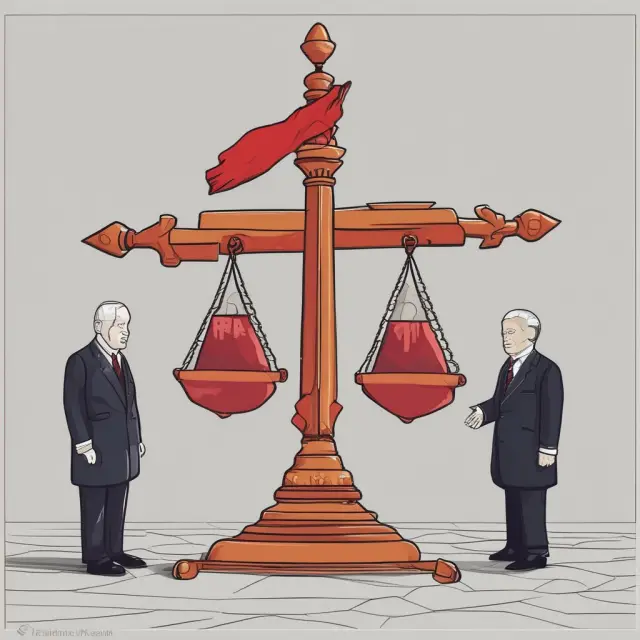
Embargoes, while effective in punishing targeted countries, have their limitations and can inflict collateral damage on innocent populations. Sanctions and diplomacy are some alternative measures that can address objectionable policies without the need for trade restrictions.
Sanctions refer to various forms of economic pressure used against a target country or entity, such as denying access to international markets, freezing assets, or restricting financial transactions. The goal is to influence behavior and bring about political change. Sanctions can take the form of comprehensive measures, as with embargoes, or targeted ones that aim to minimize collateral damage.
Diplomacy plays a crucial role in managing international conflicts, addressing grievances, and promoting cooperation between nations. Diplomatic initiatives can range from high-level negotiations between governments to civil society campaigns and people-to-people exchanges.
Sanctions and diplomacy have been employed with varying degrees of success in response to human rights violations, armed conflict, and other objectionable policies. For example, comprehensive sanctions on South Africa helped hasten the end of apartheid, while diplomatic efforts led by Nelson Mandela and Desmond Tutu played a vital role in securing democratic reforms.
Comparative effectiveness between embargoes and alternatives is subject to debate. Embargoes can be effective in isolating and punishing targeted countries, but they may fail to bring about policy change if the regime remains determined or can adapt to the restrictions. Sanctions and diplomacy offer a more nuanced approach, allowing for engagement while putting pressure on the target country to address objectionable policies.
It is essential to recognize that no single measure can entirely resolve complex international conflicts. A comprehensive strategy combining economic incentives, diplomatic efforts, and military interventions may be required for long-lasting peace and stability. The choice between embargoes and alternatives depends on the nature of the conflict and its political context.
In conclusion, embargoes serve as a powerful tool to punish targeted countries and deter objectionable policies. However, their limitations and collateral damage necessitate a nuanced approach that balances punishment with engagement through diplomacy and economic statecraft. Understanding this complexity is crucial for investors and policymakers alike when navigating the global political landscape.
FAQ: Frequently Asked Questions about Embargos
Embargoes, a form of economic sanction, are trade restrictions implemented by governments or international organizations to punish targeted countries for specific policies. This section will explore the fundamentals of embargoes, their history in U.S. foreign policy, and implications for professional investors and global markets.
**What is an embargo?**
An embargo is a restriction on trade imposed as a response to objectionable policies or actions. It may prohibit all trade or apply only to certain goods, like arms imports, aiming to isolate the targeted country and deny it the benefits of international commerce.
**How do embargoes work?**
Embargoes function by exerting economic pressure on a targeted regime, often in response to human rights violations, armed conflicts, or other objectionable policies. The widespread use of an embargo can significantly impact international trade and the economy of the target country, making it a powerful tool for change. However, authoritarian governments have successfully resisted embargoes for decades despite their costs to living standards.
**Which countries are subject to U.S. embargoes?**
The United States imposes comprehensive trade embargoes on Cuba, North Korea, Iran, and Syria. There are also restrictions on trade with Russia and Russian-occupied Ukrainian territories, which may be considered embargoes.
**What is the effectiveness of embargoes as economic sanctions?**
Embargoes have limited success in bringing about policy changes in targeted countries. The U.S. embargo on Cuba, for instance, has failed to dislodge the communist regime since 1962. However, embargoes can be effective at punishing targeted regimes and inflicting economic pain, like during the Arab oil embargo of 1973-1974.
**Can embargoes harm innocent populations?**
Yes, embargoes can unintentionally harm populations with no role in setting or carrying out objectionable policies. For example, sanctions on Iraq following its invasion of Kuwait drew criticism for the negative impact on innocent civilians. Similar concerns have been raised regarding U.S. sanctions against Iran and other countries.
**What are the legal underpinnings of U.S. trade embargoes?**
The United States has used various legislative acts and executive orders to implement embargoes, such as the Trading With the Enemy Act and the International Emergency Economic Powers Act. The Office of Foreign Assets Control (OFAC), a division of the Department of the Treasury, oversees these restrictions and evaluates exemption requests.
**Examples of U.S. trade embargoes:**
- Cuba: An embargo that began in 1962 has prevented U.S. citizens from doing business with Cuban entities or traveling there without a special license.
- North Korea: The United States and its allies imposed embargoes on North Korea following nuclear weapons tests and human rights violations.
- Iran: The U.S. embargo on Iran began in 1979, targeting various sectors like oil exports and financial transactions.
- Syria: Since 2011, the United States has imposed sanctions against Syria for its use of chemical weapons against civilians and human rights violations.
- Russia and Ukraine: The United States implemented trade restrictions in response to Russia’s annexation of Crimea and subsequent military actions in eastern Ukraine.
**Implications for professional investors:**
Embargoes can impact global markets by disrupting international trade and creating uncertainty, especially when imposed on significant economies. For instance, the U.S.-China trade war led to increased tensions and market volatility in 2018-2019. Professional investors need to stay informed about geopolitical developments that may lead to new embargoes or changes in existing ones.
 Next entry · No. 1,260Understanding Embezzlement: Prevention, Detection, and Consequences
See also
-
 No. 3,552
07 Apr 2025
22 min
Understanding Nontariff Barriers in International Trade: Quotas, Embargoes, Sanctions, and More
International Trade
No. 3,552
07 Apr 2025
22 min
Understanding Nontariff Barriers in International Trade: Quotas, Embargoes, Sanctions, and More
International Trade -
 No. 3,630
14 Apr 2025
20 min
Understanding the Role and Impact of OFAC: Enforcing U.S. Trade and Economic Sanctions
Business Finance
No. 3,630
14 Apr 2025
20 min
Understanding the Role and Impact of OFAC: Enforcing U.S. Trade and Economic Sanctions
Business Finance -
 No. 5,542
17 Sep 2025
19 min
Understanding Voluntary Export Restraints (VERs): What They Are, How They Work, Advantages, Disadvantages and Notable Examples
International Trade
No. 5,542
17 Sep 2025
19 min
Understanding Voluntary Export Restraints (VERs): What They Are, How They Work, Advantages, Disadvantages and Notable Examples
International Trade -
 No. 5,358
02 Sep 2025
17 min
Understanding the Concept of Usance in International Trade and Finance
International Trade
No. 5,358
02 Sep 2025
17 min
Understanding the Concept of Usance in International Trade and Finance
International Trade -
 No. 5,242
23 Aug 2025
22 min
Understanding the Uniform Bill of Lading: A Comprehensive Guide for Institutional Investors
International Trade
No. 5,242
23 Aug 2025
22 min
Understanding the Uniform Bill of Lading: A Comprehensive Guide for Institutional Investors
International Trade -
 No. 5,030
06 Aug 2025
22 min
Understanding the Role of Trading Houses: Intermediaries Facilitating International Trade
International Trade
No. 5,030
06 Aug 2025
22 min
Understanding the Role of Trading Houses: Intermediaries Facilitating International Trade
International Trade