Eminent Domain: A Powerful Tool for Public Use – But At What Cost?

Explore Eminent Domain, its uses, abuses, legal precedents, and the process - Understanding property rights vs. public interest.
Understanding Eminent Domain
Eminent domain refers to the power held by governments, at both federal and state levels, to take private property for public use following fair compensation. This concept is also known as “condemnation” or “compulsory acquisition.” It enables governments to claim land, airspace, water, minerals, intellectual property, and other assets for projects that serve the greater good of society. While the process can be controversial when it comes to property owners feeling undervalued or unfairly compensated, eminent domain is a fundamental aspect of public infrastructure development and urban planning.
The constitutional foundation of eminent domain lies in the United States’ Fifth Amendment: “nor shall private property be taken for public use, without just compensation.” In countries with common law traditions, such as Canada, Australia, New Zealand, Ireland, and the UK, this power is called ‘expropriation,’ ‘compulsory acquisition,’ or simply ’eminent domain.’
When it comes to the seizure of property, eminent domain can take various forms. The primary types are complete taking, partial taking, temporary taking, regulatory taking, and inverse condemnation. In this section, we will delve into each type and discuss their implications for property owners.
In the United States, eminent domain is typically initiated when the government files a complaint in court stating its intent to take ownership of the property in question. Once filed, the property owner has an opportunity to challenge the action. The process also involves appraisals, negotiations, and a hearing before a judge or jury if necessary. In some cases, landowners may choose to sell their property directly to the government rather than have it taken through condemnation proceedings.
The most straightforward examples of eminent domain involve land and buildings seized to make way for public projects like roads, schools, airports, and utilities. However, as we will explore later in this article, the scope of eminent domain has expanded beyond physical property to include intellectual property, contract rights, and even patents.
The concept of eminent domain can be traced back centuries. In medieval Europe, monarchs could take land from their subjects for their own use or the public benefit, often with little or no compensation. In colonial America, the power was used extensively to build roads, fortifications, and other infrastructure projects. With the adoption of the United States Constitution, eminent domain became a fundamental part of American law.
The history of eminent domain has not been without controversy. From the taking of land from Native Americans to more recent examples such as the seizure of homes for private development in New London, Connecticut, there have been instances where the power was used unfairly or abusively. In the following sections, we will explore these types of takings and the legal precedents that have shaped modern eminent domain law.
To ensure fair compensation, various state and local laws regulate how the government exercises its power of eminent domain. These statutes aim to protect property rights while ensuring public projects can move forward in a timely manner. The next sections will discuss each type of taking in more detail, along with historical context, legal precedents, and their implications for property owners.
Section Title: Types of Taking
Description: Delving deeper into the six types of taking: complete taking, partial taking, temporary taking, regulatory taking, inverse condemnation, and condemnation proceedings.
Stay tuned as we discuss each type in detail, exploring their unique characteristics, implications for property owners, and historical context.

Types of Taking
Eminent domain refers to the power held by governments to take private property for public use following fair compensation. While it might initially seem unjust, this legal right is deeply rooted in the United States Constitution and similar laws in various countries. When discussing eminent domain, it’s crucial to understand the different types of takings: complete taking, partial taking, temporary taking, regulatory taking, and inverse condemnation.
Complete Taking: Complete taking, also known as total taking, occurs when an entire piece of property is seized by the government for public use. Compensation provided for complete taking tends to be the highest market value. However, many property owners are not entirely satisfied with the compensation they receive due to the emotional attachment and sentimental value associated with their land. Complete taking can occur in various scenarios, such as when a large construction project or utility requires the entire parcel to function effectively.
Partial Taking: Partial taking, also called partial seizure or partial condemnation, is when only a portion of the property is seized by the government for public use. This type of taking complicates valuation since it involves determining both the value of the property that was acquired and the loss of value to the remainder. The government considers two components: the value of the property taken and the decrease in value to the property remaining, called the “remainder.”
Temporary Taking: Temporary taking occurs when a property is seized by the government for a set period. This type of eminent domain can be considered a form of leasing, and some property owners might even welcome it since they receive compensation for their property during the seizure. An example includes situations where an easement or construction project requires access to the property temporarily. The just compensation provided would reflect the rental value of the land and potentially offer the owner a steady stream of income.
Regulatory Taking: Regulatory taking refers to instances when regulations affect private property so significantly that it cannot be used for its intended purpose, thus decreasing its overall value. There are two categories within regulatory takings: total regulatory taking and partial regulatory taking. A total regulatory taking occurs when a regulation renders the entire property useless, while a partial regulatory taking leaves a substantial portion of the property still usable but significantly affected in value.
Inverse Condemnation: In inverse condemnation cases, private property owners take legal action against the government or a private business when their property has been taken or impacted without fair compensation. This can result in claims for damages related to pollution, environmental issues, and other impacts on the property. For instance, electrical utilities might be held liable for economic damages caused by wildfires they started. In another example, homeowners whose properties were deliberately flooded by the Army Corps of Engineers during Hurricane Harvey filed inverse condemnation claims seeking compensation for damages.
In conclusion, eminent domain is a powerful tool used by governments to acquire private property for public use following fair compensation. Understanding the different types of takings – complete taking, partial taking, temporary taking, regulatory taking, and inverse condemnation – can help property owners navigate the complexities of this legal process and ensure they receive just compensation when their property is seized.
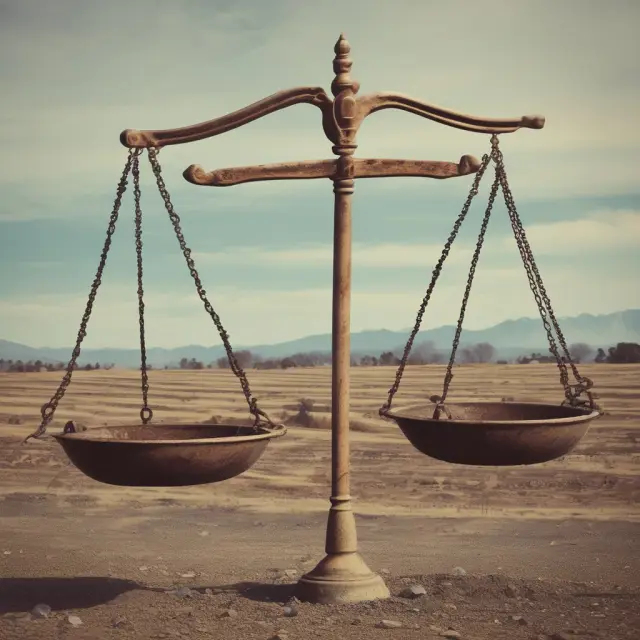
The Right to Fair Compensation
Understanding the Concept of Just Compensation
The United States Constitution’s Fifth Amendment grants the power of eminent domain to governments, enabling them to seize private property for public use following fair compensation. The term “just compensation” refers to the monetary amount offered to property owners when their land is taken for public projects or utilities. This concept applies not only to land and buildings but also to airspace, water, minerals, intellectual property, contracts, stocks, and other assets.
Calculating Just Compensation
In cases of complete taking (also known as total taking), the entire piece of land is seized, with fair market value being the highest compensation offered to the owner. However, some property owners argue that they are not adequately compensated for their loss. The calculation of just compensation becomes more complicated in cases of partial taking, where only a portion of the property is seized, leaving the remaining property with decreased value. In these instances, two components are considered: the value of the acquired property and the loss of value to the remainder or “remainder value.”
Factors Impacting Just Compensation
The fair market value used in determining just compensation assumes that a seller is not forced to sell and a buyer is not being forced to purchase. Critics argue this method may be unfair, especially when the government or private entity holding the power of eminent domain has a greater need for the property than the owner. Inverse condemnation refers to instances where property owners seek compensation from the government or private party responsible for taking their property without due process.
Historical Abuses of Eminent Domain
Throughout history, governments and private entities have misused the power of eminent domain to seize land for public use with little regard for fair compensation. For example, when a city decides to revitalize an area or make it more visually attractive, some view this as an abuse of eminent domain for private interests. In 2005, the Supreme Court upheld the right of the government and private entities to seize property for economic development. However, several states have passed laws to protect their citizens from abusive eminent domain takings.
The Role of Fair Market Value in Eminent Domain Cases
Just compensation is determined based on fair market value, which assumes no duress or compulsion on the part of either the buyer or seller. However, this method has been criticized as potentially unfair when the government or private entity wielding eminent domain has a greater need for the property in question. In inverse condemnation cases, property owners may seek compensation from the party responsible for taking their land without proper process.
In summary, understanding the concept of just compensation and its calculation is crucial for property owners facing the potential loss of their property due to eminent domain. While this compensation is intended to provide fair value, historical abuses have led to scrutiny and calls for reform.

Historical Context and Abuses of Eminent Domain
Eminent domain, the power granted to governments to take private property for public use after paying just compensation, has been a topic of heated debates, especially when it comes to instances where property owners feel unfairly compensated or their property seized for seemingly private interests. This section delves into historical abuses and misconceptions surrounding eminent domain.
The power of eminent domain dates back to the Magna Carta in 1215, which established the principle that no one could be deprived of their life, liberty or possessions without lawful judgment. In the United States, this right is enshrined within the Fifth Amendment, granting the government the power of eminent domain for public use and just compensation. Over the centuries, there have been numerous controversial uses of eminent domain, raising questions about fairness, transparency, and abuse.
The most notable instance occurred in 2005 when the Supreme Court, in the landmark case Kelo v. City of New London, ruled that taking private property for economic development and increasing tax revenues could be considered a public use under the Fifth Amendment. This decision allowed cities to seize homes and businesses for redevelopment projects, often to benefit private corporations rather than public entities. The ruling sparked outrage across the country, leading several states to amend their eminent domain laws to protect property owners from such abuses.
Another example of misuse involves Pfizer’s seizure of land in New London, Connecticut, for a new research facility that was later abandoned, leaving families and business owners displaced with no recourse or compensation. Such instances have fueled the ongoing debate on the ethical implications of eminent domain and the need for clearer guidelines to prevent abuse.
The misconception persists that eminent domain is solely a government tool to take property for their own use, while overlooking the fact that private parties can also invoke it in certain circumstances. Inverse condemnation, where property owners sue the government or private entities responsible for damaging or taking their property without just compensation, is another side of this complex issue.
To strike a balance between the public interest and private property rights, it’s essential to understand the various types of taking, the process, and the legal frameworks governing eminent domain. In subsequent sections, we will explore the different types of takings (complete, partial, temporary, regulatory, and inverse), the fair compensation process, and the historical context that led to misconceptions and abuses surrounding this powerful but complex tool for public use.

Eminent Domain vs. Inverse Condemnation
When it comes to eminent domain, the common image that often surfaces is the government taking private land for a public project with fair compensation. However, this scenario can be reversed as well. The concept of inverse condemnation refers to cases where property owners or entities seek damages from the government due to the taking, damaging, or regulation of their property. Inverse condemnation comes into play when the government fails to follow through on its obligation to fairly compensate property owners for their losses incurred as a result of eminent domain proceedings.
The main difference between eminent domain and inverse condemnation lies in who initiates the legal action. In eminent domain, it’s the government that seizes the property and offers just compensation; with inverse condemnation, the property owner takes the initiative to sue for damages. This section will discuss various aspects of inverse condemnation and shed light on how it differs from traditional eminent domain cases.
Inverse Condemnation vs. Eminent Domain: A Closer Look
The primary objective of eminent domain is the acquisition of private property for a public use, whereas inverse condemnation centers around the government’s responsibility to pay compensation when it fails to do so in an eminent domain case. Inverse condemnation allows property owners to seek damages when their rights have been violated by the government through the taking or regulation of their land.
Comparing the two concepts also reveals differences in the burden of proof and who initiates legal proceedings. In eminent domain cases, it’s the government’s responsibility to prove that its taking meets constitutional requirements. On the other hand, inverse condemnation places the burden on property owners to demonstrate that their property has been taken or damaged and that they are entitled to compensation.
Inverse Condemnation: Types of Government Interference
There are various ways in which the government can interfere with private property through inverse condemnation. Some common examples include:
- Physical Taking: When the government physically takes possession of a property, it’s considered a physical taking, and the property owner may seek compensation under inverse condemnation.
- Regulatory Taking: Inverse condemnation can also apply when the government imposes regulations that reduce the value or usability of a property, effectively taking it without compensation. An example includes zoning laws that prevent landowners from utilizing their properties in profitable ways.
- Regulatory Damages: Sometimes inverse condemnation applies even if the government doesn’t take the actual property but imposes regulations that cause significant damage to its value or use. In such cases, the property owner can seek compensation for the resulting losses.
- Regulatory Conditions: When the government requires a property owner to meet certain conditions as a prerequisite for maintaining their property rights, inverse condemnation may apply if the conditions are too burdensome or unreasonable. For instance, requiring excessive maintenance costs or demanding land use changes can lead to compensation claims under inverse condemnation.
- Regulatory Necessity: In some instances, government regulations can create a necessity for property owners to take specific actions, which may involve the inverse condemnation process if they incur costs as a result. For example, when regulations force property owners to install expensive pollution control systems or make other changes to meet new standards, inverse condemnation may be applicable.
Inverse Condemnation: Implications for Property Owners and Governments
Understanding the implications of inverse condemnation can help property owners and governments navigate complex legal proceedings related to public use of private land. Some key points include:
- Fair Compensation: Inverse condemnation ensures that property owners receive just compensation when their lands are taken, damaged, or regulated by the government without proper payment. This process is an essential safeguard against abuses of eminent domain and protects the rights of landowners.
- Timely Payment: When the government fails to offer fair compensation for a taking or damage to property in a timely manner, inverse condemnation can be employed as a means for property owners to seek relief and recover any losses they have incurred.
- Encouraging Compliance: The potential for inverse condemnation lawsuits may encourage the government to act responsibly when acquiring or regulating private property, ensuring that fair compensation is provided as required by law.
- Financial Burden on Taxpayers: Inverse condemnation can result in substantial financial burdens on taxpayers, as governments may be forced to pay significant damages and compensation for past failures to adequately compensate property owners.
- Legal Complexity: The inverse condemnation process can be complex and lengthy, involving extensive legal proceedings and potential disputes over the value of property losses or damage.
In conclusion, inverse condemnation plays a crucial role in ensuring fairness and balance between public use of private land and the rights of property owners. By understanding the differences between eminent domain and inverse condemnation, as well as the various implications for both property owners and governments, we can gain a deeper appreciation of the complexities involved in these legal concepts.

Legal Precedents and Cases
Eminent domain is a powerful tool in the hands of governments and public entities for acquiring land or other property for public use, but its application and fairness have long been subjects of legal debates. This section will explore significant cases that have shaped the interpretation of eminent domain laws, from Kelo v. City of New London to Penn Central Transportation Co. v. New York City.
The landmark case of Kelo v. City of New London (2005) was a turning point in the history of eminent domain. The Supreme Court ruled that the city could take private property from Susan and Peter Kelo and other homeowners to make way for economic development and job creation, even though no concrete plans were yet in place. This decision expanded the scope of what could be considered a public use and drew criticism from those arguing it granted too much power to the government to take property for private interests.
Before Kelo, the Penn Central Transportation Co. v. New York City (1978) case set an important precedent. The Supreme Court ruled that the condemnation of a train station and surrounding land in New York City for redevelopment purposes constituted a taking under the Fifth Amendment if it significantly impaired the remaining property’s economic use or value, even without physical destruction or possession of the entire parcel.
Understanding these cases and their implications is crucial for property owners, investors, and those involved in real estate development to navigate potential eminent domain situations. By examining key legal precedents and court rulings, we can gain valuable insights into the application and limits of eminent domain and its impact on private property rights.
As we delve deeper into these cases, it is essential to consider their contexts and implications for the future of eminent domain and the role of government in property ownership. Stay tuned for further exploration of this complex and evolving area of law.

The Eminent Domain Process
Eminent domain is the power granted to governments and public entities to take private property for public use following fair compensation. This process can be complex, with various steps and procedures involved (Wikipedia, 2023).
1. Condemnation Complaint
The first step in the eminent domain process is a condemnation complaint filed by the government or public entity. The complaint outlines their intent to take the property, describes the property, and provides notice to the property owner (Dodd, 2023).
2. Appraisal and Negotiation
Following the filing of the condemnation complaint, an appraisal process is initiated to determine the value of the property being taken. The government hires a professional appraiser, while the property owner can hire their own appraiser for representation. Negotiations may ensue between the parties during this phase (Dodd, 2023).
3. Hearing and Trial
If negotiations fail, the case proceeds to a hearing or trial before a judge or jury to determine the compensation amount for the seized property. Both parties present evidence, including expert appraisals, to support their positions (Dodd, 2023).
4. Award of Compensation
Upon conclusion of the trial or hearing, the judge or jury issues an award detailing the compensation amount for the property taken. The government has the option to pay the awarded amount immediately or appeal the decision (Dodd, 2023).
5. Payment and Possession
If no appeal is filed, the government pays the awarded compensation and takes possession of the property. If an appeal is filed, the process remains in limbo until a final resolution is reached (Dodd, 2023).
6. Post-Condemnation Proceedings
Following the taking of property, the condemning authority is responsible for paying any additional compensation that may become due as a result of unforeseen damages or improvements made by the property owner prior to seizure (Dodd, 2023).
7. Possible Appeals
If either party is unsatisfied with the trial’s outcome, they can file an appeal with a higher court (Dodd, 2023).
Understanding the eminent domain process and its various steps can help property owners better navigate this complex legal landscape when faced with potential seizure of their land or assets.

State and Local Laws on Eminent Domain
Eminent domain is a powerful tool in the hands of the government, allowing it to take private property for public use after paying just compensation. However, this process can vary significantly depending on state and local laws. While federal eminent domain law sets the basic framework, each state may have unique regulations regarding procedures, valuation methods, and appeals processes.
In some states, such as Texas, property owners are entitled to a jury trial in the event of eminent domain proceedings. Other states, like Mississippi, allow for binding arbitration instead. The specific rules governing how just compensation is calculated also differ from one state to another. For instance, while most states base their assessment on fair market value, some may use other methods such as the income approach or cost approach.
Moreover, state laws can influence the types of projects that justify eminent domain and the extent to which private property rights are protected. A good example is the infamous Kelo v. City of New London case, where the Supreme Court ruled in favor of the city’s right to seize private homes for economic development purposes. While this decision was ultimately upheld, several states, such as South Carolina and California, have since enacted legislation limiting eminent domain for redevelopment projects.
On a local level, cities or counties may have zoning laws that restrict the use of property in specific areas, which can impact the application and valuation of eminent domain. For example, if a city has a moratorium on new construction or development in a given area, this could affect the value of property being seized for public projects.
Given these complexities, it is essential for property owners facing eminent domain proceedings to understand their state and local laws thoroughly. Seeking the advice of an experienced attorney can help ensure they receive fair compensation and navigate the process effectively. Additionally, staying informed about proposed legislation and local zoning changes can empower property owners to protect their rights and interests.
In conclusion, while federal law sets the foundation for eminent domain, state and local regulations play a crucial role in determining how this power is exercised and how property owners are compensated. By understanding these nuances, property owners can better navigate the process, protect their rights, and ensure fair treatment when faced with eminent domain proceedings.

Eminent Domain in Modern Times
In today’s world, eminent domain is not only a topic of interest for legal scholars and practitioners but also a significant issue for property owners, developers, and governments alike. As our society continues to evolve, so do the uses of this powerful tool. In this section, we will discuss modern-day applications of eminent domain, its implications for various stakeholders, and future trends.
One notable contemporary application is when governments use eminent domain to assemble large tracts of land for urban renewal projects or public-private partnerships. For instance, a city might condemn properties to build a new sports stadium or expand a convention center. These developments can create jobs, generate tax revenue, and stimulate economic growth, but they may also displace longtime residents and small businesses.
Property owners and developers, on the other hand, have found innovative ways to leverage eminent domain for their benefit. For instance, a developer might use the threat of eminent domain to negotiate favorable deals with reluctant property owners or force holdout tenants to sell at lower prices than they would otherwise demand. This controversial tactic is often referred to as “reverse eminent domain” and has raised ethical concerns.
Moreover, advances in technology have expanded the scope of what can be subjected to eminent domain. For example, a municipality might use eminent domain to seize air rights or underground mineral rights. In these cases, just compensation would need to reflect the potential value of those resources.
Looking ahead, there are several trends shaping the future of eminent domain:
- Increased transparency and public involvement in the condemnation process can help mitigate the perceived abuses of eminent domain and foster trust between government entities and property owners.
- The use of alternative dispute resolution methods, such as mediation or arbitration, may become more common to resolve disputes related to just compensation and avoid lengthy litigation.
- There is a growing consensus among some states to reform their eminent domain laws to address concerns about abuse and provide greater protections for property owners.
- The rise of smart cities and urban planning initiatives will likely lead to more applications of eminent domain in the realm of infrastructure development, particularly when it comes to implementing innovative technologies like autonomous vehicles or advanced transportation systems.
As we navigate this changing landscape, it is crucial that policymakers, developers, and property owners remain informed about the latest developments in eminent domain and work together to find solutions that balance the needs of public projects with the rights of individual property owners. By doing so, we can ensure that eminent domain continues to serve its intended purpose while minimizing potential abuses and ensuring fairness for all involved.

Frequently Asked Questions (FAQ)
What is Eminent Domain?
Answer: Eminent domain refers to the power granted to governments at all levels, from the federal government down to local municipalities, to take private property for public use following fair compensation. It’s a constitutional right under the United States government and can also be found in other common law jurisdictions around the world.
What types of property can be subjected to eminent domain?
Answer: Eminent domain applies not just to land, buildings, or physical structures, but can also cover contract rights, patents, copyrights, intellectual property, and other intangible assets. In theory, the government could theoretically take a tech company like Meta (formerly Facebook) and turn it into a public utility for privacy protection or data security.
What are the different types of takings under eminent domain?
Answer: Eminent domain can involve complete taking, partial taking, temporary taking, regulatory taking, or inverse condemnation. Each type has its specific implications for property owners.
What happens during a complete taking?
Answer: In a complete taking, the entire piece of land is seized by the government. The owner receives the highest market value compensation. However, many do not feel that this compensation is fair and may challenge it in court.
How does partial taking work under eminent domain?
Answer: Partial taking occurs when only a portion of the property is taken by the government for public use. In such cases, just compensation covers both the value of the part seized and any damage to the remaining property.
What about temporary takings under eminent domain?
Answer: Temporary takings involve the seizure of property for a set period, usually for construction projects or easements. For some owners, it can be an opportunity to earn income from their property during this time.
What is inverse condemnation?
Answer: Inverse condemnation refers to situations where private property owners sue the government for compensation due to the seizure or damage of their property by a public entity without prior consent or just compensation. It can arise when environmental contamination, flooding, or other unintended consequences occur as a result of eminent domain actions.
What are some historical abuses and controversies surrounding eminent domain?
Answer: There have been instances where governments have misused eminent domain to benefit private interests at the expense of property owners. One notable example is Pfizer’s seizure of homes in New London, Connecticut, for a new research facility that was later abandoned. The outrage over such cases has led to changes in laws to protect property owners from abuses.
What are some key legal precedents and landmark cases related to eminent domain?
Answer: Several landmark cases have shaped the interpretation of eminent domain, including Kelo v. City of New London (2005), which expanded the definition of public use, and Penn Central Transportation Co. v. New York City (1978), which set the standard for inverse condemnation. These rulings have influenced how eminent domain is practiced today.
How does the eminent domain process unfold?
Answer: The eminent domain process includes several steps, such as notification of the taking, negotiations for compensation, and possible court proceedings to challenge or determine just compensation. Understanding these steps can help property owners better navigate this complex issue when it arises.
 Next entry · No. 1,269Understanding E-minis: The Small but Mighty Electronically Traded Futures Contracts
See also
-
 No. 1,430
14 Sep 2024
19 min
Understanding Expropriation: The Power of Government to Take Private Property for Public Use
Business Finance
No. 1,430
14 Sep 2024
19 min
Understanding Expropriation: The Power of Government to Take Private Property for Public Use
Business Finance -
 No. 5,039
06 Aug 2025
20 min
The Tragedy of the Commons: An Economic Problem of Over-Consumption and Depletion
Economics
No. 5,039
06 Aug 2025
20 min
The Tragedy of the Commons: An Economic Problem of Over-Consumption and Depletion
Economics -
 No. 4,201
30 May 2025
21 min
Understanding Qualified Personal Residence Trusts (QPRT): A Tax-Efficient Estate Planning Tool for Property Owners
Business Finance
No. 4,201
30 May 2025
21 min
Understanding Qualified Personal Residence Trusts (QPRT): A Tax-Efficient Estate Planning Tool for Property Owners
Business Finance -
 No. 4,131
24 May 2025
18 min
Understanding Property Rights: Legal Framework for Private Ownership and Exchange
Business Strategy
No. 4,131
24 May 2025
18 min
Understanding Property Rights: Legal Framework for Private Ownership and Exchange
Business Strategy -
 No. 3,795
27 Apr 2025
20 min
Understanding Organizational Economics: Application to Real-World Business Scenarios
Business Strategy
No. 3,795
27 Apr 2025
20 min
Understanding Organizational Economics: Application to Real-World Business Scenarios
Business Strategy -
 No. 2,972
18 Feb 2025
18 min
Locking in Profits: Realizing Gains to Minimize Risk
Investments
No. 2,972
18 Feb 2025
18 min
Locking in Profits: Realizing Gains to Minimize Risk
Investments