Expiration Dates: Understanding the Meaning and Importance for Food and Medicine

Discover the meaning and importance behind expiration dates for food and medicine. Learn about federal regulations, labeling practices, and common…
What Are Expiration Dates?
Expiration dates are crucial indicators for both consumers and manufacturers. An expiration date is a label indicating the last day that a consumable product, such as food or medicine, will be at its best quality according to the manufacturer. There are significant differences between expiration dates on food and those on medicine. This article explores what expiration dates mean, their implications for food and medicine, and their importance in our daily lives.
Expiration Dates for Food
Federal law does not necessitate expiration dates on most foods except infant formula. When present, the dates signify that the food should maintain its optimal taste, texture, and quality until that specified day. However, these dates do not necessarily mean the food is no longer safe or edible past the given date (Key Takeaways).
Expiration Dates for Medicine
Federal regulations mandate that prescription and over-the-counter (OTC) medications must carry expiration dates. Expired medicines can lead to ineffectiveness, decreased potency, or even harm (Why Using Expired Medications Can Be Risky). Proper disposal of expired medications is essential due to potential risks posed by improper disposal methods.
Understanding Different Labels
Expiration dates may appear as “sell by,” “use by,” “best by,” or “do not use after” labels. Each label has a different meaning, but only “do not use after” dates indicate the point when a product should be discarded due to potential safety risks (Understanding the Different Labels for Food Expiration Dates).
Manufacturing Practices and Setting Quality Dates
Factors affecting food quality include processing methods, storage conditions, and consumer handling. These factors contribute to how long a food item remains safe and suitable for consumption beyond its stated expiration date (Manufacturing Practices and Setting Quality Dates).
Differences in Expiration Dates Worldwide
Expiration dates may differ between countries depending on regulations, consumer preferences, and local standards. Understanding these differences is crucial to avoid confusion and ensure the highest quality and safety for consumers (Differences in Expiration Dates in Other Countries).
Regulations and Enforcement
Federal agencies like the USDA and FDA are responsible for enforcing food and medication regulations, ensuring that manufacturers adhere to labeling requirements and maintain product safety and quality (Regulations and Enforcement).
Commonly Asked Questions About Food Expiration Dates
This section addresses frequently asked questions about food expiration dates and offers practical advice on interpreting and making the most of them (FAQs).
By understanding the meaning, importance, and differences between expiration dates for food and medicine, we can make informed decisions regarding our consumption and disposal practices.
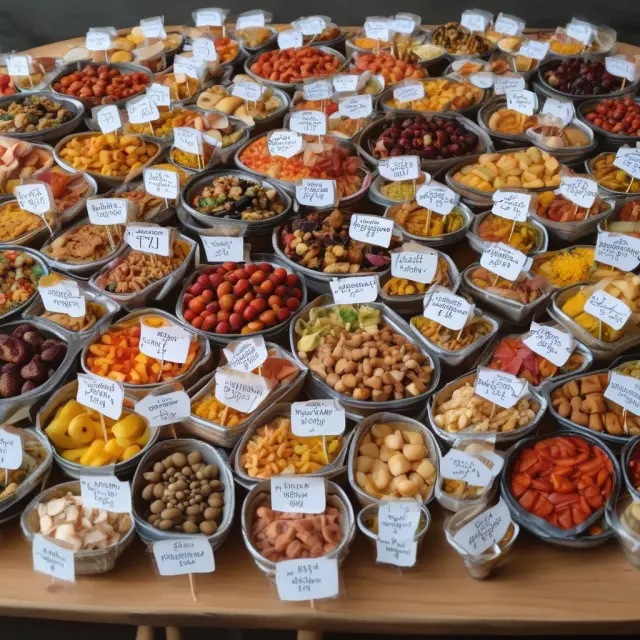
Expiration Dates for Food
The concept of expiration dates on food products can be both intriguing and confusing. While these stamps are mandatory for medication, they are not required for food items except for infant formula in the United States. This section will clarify what expiration dates mean for food, differentiate the various date labels, and discuss the controversy surrounding their use.
Expiration Dates: What They Signify and Their Absence in Food Laws
The term “expiration date” is widely understood as a deadline beyond which a consumable product may lose its effectiveness or safety. However, when it comes to food products, these dates are not always required by federal law, with the exception of infant formula. Expiration dates on food primarily serve as an indicator of when the product will retain its best taste and texture. Since there’s no legal requirement for food expiration dates, they don’t necessarily guarantee safety; instead, they represent a commitment to quality.
Different Types of Food Expiration Dates
Food manufacturers or retailers may mark their products with various date labels such as “sell by,” “use by,” “best by,” or “do not use after.” While these phrases seem interchangeable, each one carries a distinct meaning:
– Sell by: This label indicates when the product should be removed from store shelves. It doesn’t signify that the food is unsafe to consume past this date; it simply means that retailers may start reducing the price or removing the item after this point.
– Use by: The “use by” date suggests the last day on which a product will offer its best taste, texture, and quality. It doesn’t necessarily imply that the food is no longer safe for consumption after this date but rather encourages consumers to consume it beforehand to enjoy optimal freshness.
– Best by: This term signifies that the product’s taste or texture may deteriorate beyond the given date. However, consuming the item beyond this point doesn’t necessarily mean it is unsafe or inedible.
Controversy Over Food Expiration Dates
Although expiration dates offer a sense of security and convenience, there have been debates about their accuracy and necessity. Some critics argue that they contribute to food waste by encouraging consumers to discard items prematurely, while others claim that food manufacturers intentionally mislead customers by setting artificially short expiration dates. The USDA acknowledges that about 30% of the American food supply is wasted, partially due to misunderstanding or misinterpretation of these date labels. Instead, they recommend using a sniff test or taste test as more reliable indicators of a food’s freshness.
In conclusion, understanding expiration dates and their meanings for both food and medication is crucial. While these stamps may not guarantee safety but rather indicate quality, it’s essential to be aware that federal laws do not require them on most food items. By familiarizing yourself with the different types of expiration date labels and their significance, you can make informed decisions when consuming or discarding products, thereby reducing waste and saving money.
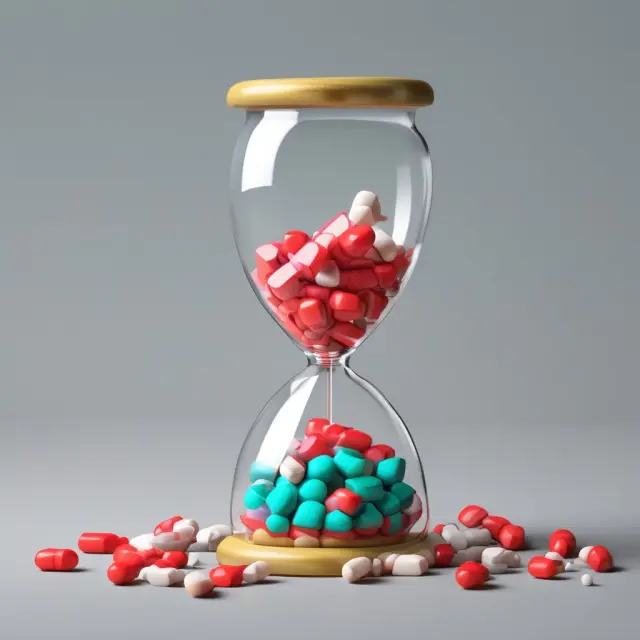
Expiration Dates for Medicine
Federal regulations mandate that prescription medications carry an expiration date. The same requirement applies to over-the-counter (OTC) drugs, although they are not as strictly regulated as their prescription counterparts. Understanding the significance of these dates is crucial because using expired medicines can pose risks to your health and safety.
The expiration date on a medication indicates the period during which it is guaranteed to be safe and effective based on the manufacturer’s internal testing. It’s essential to note that the manufacturer no longer accepts liability for the product beyond that date. Although the drug may still be safe and effective past its expiration date, the risk of potential potency loss or other issues increases as time passes.
Prescription drugs are required to have an expiration date due to their chemical composition, which can change over time. These changes might affect their stability, making them less potent, ineffective, or even harmful. In some instances, the Food and Drug Administration (FDA) may extend the expiration date of a drug during shortages, but it’s crucial to consult with your healthcare provider before using an extended-date medication.
Expired medications should not be disposed of by simply throwing them in the trash due to potential risks associated with contaminating water sources or endangering children and pets. Instead, consider following these disposal guidelines:
- Contact your pharmacist for proper disposal instructions.
- Check local drug take-back programs.
- Mix the medication with unpalatable substances like coffee grounds or kitty litter before disposing of it in the trash.
- Flush certain medications as per FDA guidelines.
In contrast to medicine, expiration dates on food are not required by federal law except for infant formula. Food expiration dates serve only to indicate when the product might no longer be at its best quality or taste. These dates can be misleading and often cause consumers to throw out edible items prematurely, contributing to food waste. While there is no definitive expiration date for most foods, certain exceptions include infant formula, which must carry a true expiration date, and baby food, which must display production codes to help parents monitor the age of their child when the food was prepared.
It’s vital to understand that even though a food item might appear or smell spoiled beyond its stated expiration date doesn’t necessarily mean it’s unsafe for consumption. Use your senses (smell, taste, and appearance) as guides and consider other factors like storage conditions, temperature, and handling before discarding any perishable items. Remember that food safety guidelines recommend storing foods in appropriate temperatures to prevent bacterial growth and maintain their quality.
In conclusion, understanding expiration dates plays a significant role in ensuring the efficacy and safety of both food and medications. Although they serve different purposes, it’s essential to be aware of the differences between them to make informed decisions regarding consumption and disposal. Always consult healthcare professionals or reputable resources for any questions concerning medications, while utilizing common sense and storage practices when dealing with food items.
Understanding the Different Labels for Food Expiration Dates
Expiration dates on food products are crucial as they indicate how long food will retain its best taste, texture, and quality. While federal law does not require expiration dates on food, with the exception of infant formula, it is a common labeling practice that helps consumers make informed decisions about the food they buy and consume. However, understanding different types of expiration date labels can be confusing.
Open dating versus closed dating:
Two primary methods for labeling expiration dates are open dating and closed dating. Open dating refers to calendar dates displayed as month, day, and year or a phrase such as “best by,” “sell by,” or “use by” that indicates the date beyond which the food may not be at its best quality. Closed dating, also known as coded dating, involves using symbols or codes rather than words to convey expiration dates. Manufacturers apply these codes based on the date and time when the product was processed.
Meaning of various date-labeling phrases:
- Best if used by/before: This phrase indicates that the product will start to lose its best flavor, texture, or quality after this date but is still safe to consume.
- Sell by: This date represents the last day on which a retailer should sell the product, as it may no longer be at its best quality, but it can still be used for some time beyond that date.
- Use by: The use-by date denotes the last day on which a food is recommended for its intended use, such as baking or cooking. It is not a safety standard except for infant formula.
- Freeze-by: This label indicates the last day on which a product should be frozen to maintain its best quality.
- Expires on/Do not use after: These phrases indicate the absolute expiration date, beyond which the product may no longer be safe or effective for consumption. Baby formula and some baked goods are common examples of products that carry such labels.
While these labels do not always represent safety standards for food, they can significantly impact consumer behavior, leading to unnecessary food waste. Proper interpretation and understanding of different expiration date labels can help consumers maximize their food’s shelf life and reduce waste.
In conclusion, the world of expiration dates can be confusing due to the various types of labels and their meanings. By understanding open dating versus closed dating and deciphering the significance behind common phrases, consumers can make more informed decisions about food purchases and minimize wastage.
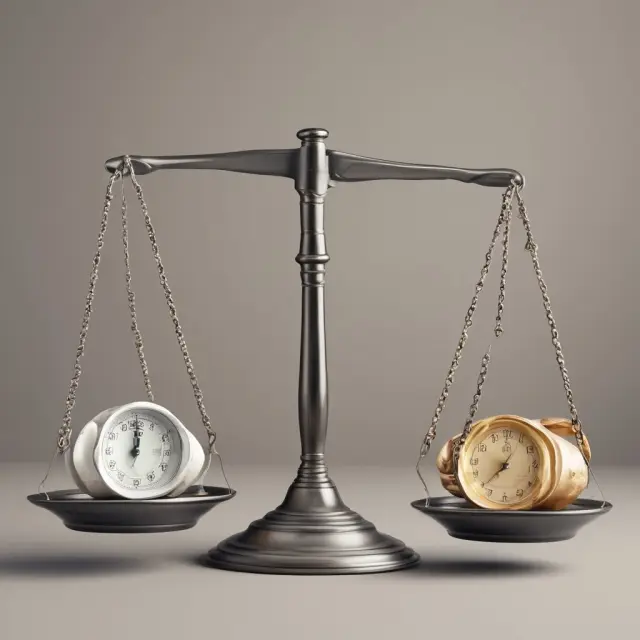
Manufacturing Practices and Setting Quality Dates
Expiration dates are important indicators for both consumers and manufacturers when it comes to the longevity and quality of various products, particularly perishable foods and medicines. But the practices behind setting these expiration dates can vary significantly between industries and even different countries. Let’s delve deeper into how these quality dates are determined for food and medication, shedding light on factors that influence their length.
Food Expiration Dates: Influencing Factors
- Storage conditions: Temperature, humidity, and other environmental factors play a crucial role in the shelf life of food products. Perishable items like dairy, meats, and produce require specific storage conditions to maintain their freshness and extend their longevity.
- Packaging: The materials used in packaging can also influence a food’s shelf life. For example, vacuum-sealed bags or airtight containers can help preserve the quality of perishable foods for a longer period.
- Preservation methods: Technologies like high pressure processing (HPP) and pasteurization extend the shelf life of various foods by eliminating harmful bacteria while retaining their natural taste, texture, and nutritional value.
- Consumer behavior: Understanding consumer preferences and usage patterns can help manufacturers set expiration dates more accurately. For instance, if a product tends to be consumed within a few days of purchase, its expiration date may be shorter than for products with longer storage lives.
Medication Expiration Dates: Regulations and Testing
Unlike food, regulations mandate stricter adherence to expiration dates for prescription and over-the-counter medications. Manufacturers must test their drugs to ensure they remain effective and safe beyond a specified date. Expiration dates on medications serve as a guarantee that the active ingredients maintain their intended potency and functionality. Federal agencies, such as the FDA in the US, closely regulate these processes, setting standards for manufacturing practices, testing requirements, and labeling guidelines.
Setting Quality Dates: Balancing Freshness and Waste
Manufacturers face a delicate balance when it comes to setting quality dates. On one hand, they want to provide consumers with high-quality products that are at their best when consumed. On the other hand, they also aim to minimize food waste and reduce expenses associated with overproduction and excessive disposal of products past their expiration dates. Understanding consumer behavior, storage conditions, and technological advancements is crucial for manufacturers to strike this balance effectively.
In conclusion, expiration dates serve a vital role in both the food and pharmaceutical industries by ensuring product quality, safety, and effectiveness. However, the practices behind setting these expiration dates can vary widely based on factors such as manufacturing processes, regulations, and consumer preferences. By exploring these aspects, we gain a deeper appreciation for the complexities and considerations that go into creating an accurate and reliable expiration date for various products.
Remember, understanding these concepts not only benefits consumers but also helps businesses optimize their inventory management, reduce waste, and maintain customer satisfaction. Stay tuned as we dive deeper into other aspects of expiration dates, including the differences between food expiration dates in various countries and best practices for interpreting and making the most of them.
Differences in Expiration Dates in Other Countries
While the concept of expiration dates is universally applied to ensure product safety and effectiveness, their application can differ significantly from country to country. In this section, we will explore how various nations handle expiration dates for both food and medicine.
Food Expiration Dates: A Global Perspective
In the United States, the absence of federal requirements for expiration dating on most foods has led to inconsistent labeling practices across different products. This is a stark contrast to European countries, where expiration dates are mandatory for numerous food items. The European Union’s (EU) regulation EC 178/2002 stipulates that certain perishable foodstuffs, such as meat, milk, and eggs, must carry date marks indicating the last day of their shelf life. However, non-perishable foods like cereals, canned goods, and pasta do not require expiration dates.
When it comes to the United Kingdom (UK), regulations are more stringent with regard to specific food categories. For instance, baked products such as bread and cakes must bear “best before” dates indicating when they will be of optimal quality. The UK Food Standards Agency advises that after this date, the product may not be at its best but is still safe for consumption.
In Asia, regulations are more nuanced. For instance, Japan has a long history of food expiration labeling, with strict rules governing the production and distribution of various categories. In Thailand, the Food and Drug Administration (FDA) issues regulations on expiration dating for specific items, like dairy products and infant formula.
Medication Expiration Dates: International Standards
While the importance of medication expiration dates is universally acknowledged, how they are enforced can differ considerably between countries. In the United States, the FDA requires prescription and over-the-counter (OTC) medicines to carry an expiration date. However, other nations may have different requirements. For example:
- European Union (EU): EU regulations dictate that all medicinal products must be labeled with a period of validity, which represents the time during which the product is guaranteed to maintain its quality and potency.
- Canada: Canadian regulations mandate expiration dating for prescription drugs but not OTC medications unless specifically required by the manufacturer or the drug’s nature.
- Japan: In Japan, all medicines, including OTC ones, must be labeled with an expiration date based on their expected shelf life. The Japanese Ministry of Health, Labor and Welfare sets guidelines for expiration dating of various pharmaceutical categories.
In conclusion, while the concept of expiration dates is a global concern in food and medication industries, the specific application of these regulations can vary widely from country to country. Understanding these differences can help consumers make informed decisions regarding their consumption of food and use of medications.

Regulations and Enforcement
Understanding the Role of Federal Agencies in Expiration Dates
Expiration dates have become an essential aspect of our daily lives, from the foods we consume to the medications we take. But who is responsible for ensuring that these expiration dates are accurate and enforced? Two major federal agencies play critical roles in this regard: the U.S. Food and Drug Administration (FDA) and the U.S. Department of Agriculture (USDA).
The FDA, an agency under the U.S. Department of Health and Human Services, has jurisdiction over food labeling regulations, including expiration dates for infant formula. The FDA is committed to ensuring that all products under its jurisdiction are safe, sanitary, and honestly labeled. Accordingly, it establishes rules and guidelines regarding food labels to help consumers make informed decisions about the products they purchase (FDA, 2019).
Regarding medications, the FDA plays a significant role in ensuring that prescription drugs and over-the-counter medicines are safe, effective, and properly labeled. Federal regulations mandate that all prescription and OTC medical products carry an expiration date. The FDA sets strict guidelines on how these dates should be displayed and communicated to consumers (FDA, 2021).
The USDA, which falls under the U.S. Department of Agriculture, focuses primarily on regulating and inspecting the production, processing, and marketing of meat, poultry, and eggs. Although expiration dates are not required for most food products, the USDA sets guidelines for labeling requirements to ensure that consumers have accurate information about food quality (USDA, 2019).
Making Sure Expiration Dates Are Honest
Federal regulations require manufacturers to provide truthful and non-misleading expiration dates on their products. For instance, a calendar date must indicate both the month and day of the month, while shelf-stable and frozen products should display the year. Producers must also use clear language that accurately conveys the meaning of the expiration date (FDA, 2019).
The FDA has taken steps to ensure the honesty of expiration dates on food products by implementing various enforcement mechanisms. It conducts regular inspections and audits of food manufacturing facilities to verify compliance with labeling requirements, including expiration dating. The agency also collaborates with state and local regulatory bodies to help maintain a uniform enforcement approach (FDA, 2019).
For medications, the FDA closely monitors manufacturers’ adherence to expiration date labeling guidelines to ensure consumer safety. If a manufacturer is found to be falsely representing the expiration dates on its products, the FDA can take enforcement action, such as issuing warning letters or even seizing and destroying the mislabeled inventory (FDA, 2021).
In summary, the FDA and USDA play essential roles in enforcing regulations related to expiration dating for both food and medications. These agencies work diligently to ensure that manufacturers provide truthful and non-misleading information about their products’ quality and safety. By following these guidelines, consumers can have confidence in the accuracy of expiration dates and make informed decisions when purchasing essential items like food and medication.
Commonly Asked Questions About Food Expiration Dates
Expiration dates on food can be confusing for consumers. In this section, we will discuss some frequently asked questions (FAQs) about food expiration dates to help clarify any misconceptions.
Do federal regulations require food producers to provide expiration dates?
Federal law does not mandate that food manufacturers include expiration dates on their products, except for infant formula.
What do various expiration date labels mean?
– “Sell by”: Indicates the last date a product should be sold or displayed at retail stores.
– “Use by”: Suggests the last date that a food will be at its best quality and taste.
– “Best by”: Signals the date when a food’s quality may start to deteriorate, but it can still be safely consumed after this date.
– “Expired”: Denotes the last day that a product is considered safe for consumption. It is rare for federal law to require an expiration date on foods, with the exception of infant formula.
Why do some foods look, smell, or taste fine even after their expiration dates?
While appearance, smell, and taste can be good indicators of food quality, these factors don’t always ensure safety. Microorganisms that cause spoilage may not alter the sensory properties of a food but could still make it unsafe to eat.
What happens if consumers consume expired food products?
Consuming expired food doesn’t always pose an immediate risk. However, consuming certain foods like eggs or baby formula beyond their expiration dates can increase the likelihood of experiencing adverse health effects. Ingestion of spoiled or contaminated foods could lead to foodborne illnesses.
Is it safe to consume baby formula past its expiration date?
The American Academy of Pediatrics advises against consuming expired baby formula due to potential health risks. The nutrient content and quality may decline over time, affecting the growth and development of infants.
What can consumers do if they are unsure whether a food product is safe for consumption?
The USDA recommends a smell test or a taste test to determine the safety and edibility of perishable foods that have passed their expiration dates. If a food smells or tastes spoiled, it’s best not to consume it.
Why do some countries have different regulations regarding food expiration dates?
Expiration date labeling practices may differ from country to country due to variations in regulations and cultural expectations around food safety and quality.
What is the impact of expiration dates on food waste?
Misconceptions surrounding food expiration dates can contribute to significant food waste, with many consumers prematurely discarding edible items that could still be safely consumed.

How to Interpret Expiration Dates and Make the Most of Them
Expiration dates are essential for both food and medication. They provide consumers with valuable information on product quality, safety, and effectiveness. Understanding how to interpret these dates can help you make the most of your purchases.
Food Expiration Dates: Quality, Not Safety
Food expiration dates vary from mandatory for infant formula to voluntary for other food products. These labels indicate that the food will have its best taste, texture, and quality until the specified date. However, it’s important to note that the absence of an expiration date doesn’t mean that the food is unsafe or spoiled. The USDA states that about 30% of American food supply is lost or wasted due to consumers tossing out items that are still edible based on their perception of the label.
Understanding Different Food Labels
Food expiration dates come in various formats, including “best by,” “sell by,” and “use by.” Each has a unique meaning:
- Best By: This indicates the recommended date for best quality. The food is still safe to consume beyond this date but may lose flavor or texture.
- Sell By: Intended for retailers, this label suggests the last day that a product can be sold at its peak condition. Consumers should check the quality of the item before consuming it.
- Use By: This is the last recommended day for use by the consumer to ensure optimal taste and texture. The food may still be safe past this date, but its quality might deteriorate.
Food Storage Tips
Proper storage techniques can help extend the life of your food beyond its labeled expiration date:
- Refrigeration: Keep perishable items below 40°F (5°C) to prevent bacterial growth.
- Freezing: Freeze perishable items as soon as possible and store at 0°F (-18°C).
- Temperature consistency: Maintain a constant temperature throughout the storage area to prevent spoilage.
Medication Expiration Dates: Importance for Safety and Effectiveness
Unlike food, medication expiration dates are mandated by federal law for prescription and over-the-counter (OTC) drugs. These dates ensure that patients use medications safely and effectively during the specified timeframe. After this date, manufacturers no longer guarantee potency or effectiveness. However, many people mistakenly believe that expired medications are still safe to use.
Understanding Medication Labels
Medications come with specific labeling guidelines for expiration dates:
- EXP: This abbreviation stands for “expiration” and indicates the last day the medication is guaranteed to be effective.
- Month/Year: This format shows the month and year of the expiration date.
- Batch Number or Lot Number: Some medications also carry a unique batch or lot number, which can help trace production information in case of recalls.
Disposing of Expired Medications
It is crucial to dispose of expired medications properly due to safety concerns:
- Check your local pharmacy for take-back programs.
- Follow state and municipal disposal instructions.
- Mix the medication with an undesirable substance, such as cat litter or coffee grounds.
Understanding Expiration Dates: A Key to Savings and Safety
Being well-versed in expiration dates can help you save money by maximizing the use of your food and medication while ensuring their safety and effectiveness. Remember, understanding expiration dates is an essential aspect of managing your household budget and maintaining a healthy lifestyle.

Impact on Environment, Economics, and Consumer Education
Expiration dates have significant implications for food waste, economics, and consumer awareness. Understanding these aspects can help individuals make informed decisions regarding the use of expired products and the overall sustainability of their consumption habits.
Environmental Impact
Food waste is a growing concern worldwide. According to the U.S. Department of Agriculture (USDA), about 30% of food in the United States goes uneaten each year, with much of it being discarded due to expiration dates. Expired products that are still safe for consumption can be donated or repurposed for animal feed instead of being thrown away, reducing waste and helping those in need.
Economic Considerations
Expiration dates on food have economic implications as well. Consumers who adhere strictly to expiration dates may overpay for fresh produce and discard perfectly edible items. In contrast, buying products nearing their expiration date at a discounted price can save money while reducing waste. Additionally, understanding that certain foods can be safely consumed beyond their labeled date can lead to more informed purchasing decisions, thus supporting both consumers and food retailers.
Consumer Education
Educating the public about food expiration dates is essential for addressing misconceptions and fostering a more sustainable and economically-conscious society. Consumers should be aware that expiration dates on food do not always indicate safety concerns but rather quality, and that most foods are still safe to consume past their stated date. The European Union has already taken steps in this direction by implementing the “use-by” vs. “best before” labeling system, with the former indicating a safety concern and the latter a quality concern.
In conclusion, understanding the implications of expiration dates goes beyond just food waste, economics, and consumer awareness. By recognizing the nuances of these labels and the motivations behind them, individuals can make more informed decisions regarding their consumption habits and contribute to reducing food waste while saving money and supporting the economy.
FAQs
Expiration dates are crucial for ensuring that both food and medications remain safe and effective up to their guaranteed period. In this FAQ section, we answer some common questions about expiration dates and their significance.
What is the difference between an expiration date on food and medicine?
Food expiration dates do not indicate safety but rather the best quality; they are optional in federal law except for infant formula. Expiration dates on medicines, however, guarantee that the drug will remain both safe and effective based on the manufacturer’s internal testing.
What does a “Sell By,” “Use By,” or “Best If Used By” date mean on food packaging?
These phrases describe the quality of the product; they indicate when it may no longer retain its best flavor, texture, or appearance. They do not denote food safety.
Why is there controversy surrounding expiration dates for food?
Some believe that expiration dates are intentionally inaccurate to persuade consumers to discard and replace products still good for consumption. This perception arises because food manufacturers do not face stringent federal regulations on date labeling like those imposed on pharmaceuticals.
What should I do with expired medication?
Do not use expired medication, as it might be ineffective or even harmful. Consult your local drug take-back programs for proper disposal instructions or dispose of them by following federal guidelines.
What happens if a prescription drug is used after its expiration date?
Using an expired prescription drug can pose risks: the potency and effectiveness may wane, making it less reliable in treating conditions. In some cases, the FDA may extend the expiration date of drugs during shortages.
Is food past its expiration date still safe for consumption?
While many foods remain edible beyond their expiration dates, the absence of a uniform standard makes it essential to rely on other indicators like smell and taste tests to determine its freshness. The U.S. Food and Drug Administration (FDA) suggests that Americans discard only about 10% of their food supply due to spoilage or reaching its expiration date, with the rest still wholesome for consumption.
What are the consequences of using expired medication?
Expired medications might be ineffective, and their chemical composition can change over time, making them potentially harmful. It is crucial to adhere to the expiration dates listed on prescription and over-the-counter medicines.
Why do some states require expiration dates on food while others don’t?
Federal regulations do not mandate that food producers provide expiration dates, with infant formula being the only exception. Some state governments have adopted their own requirements for food expiration dating.
Expiration dates are essential to ensure the safety and effectiveness of both food and medications. While it is crucial to adhere to them, understanding their meaning will help you make informed decisions when consuming or using these products.
 Next entry · No. 1,419Expiration Time in Derivatives Trading: Understanding When Options and Futures Contracts End
See also
-
 No. 5,569
20 Sep 2025
19 min
Understanding Wage Assignments: Voluntary vs Involuntary Debt Repayment through Paycheck Deductions
Business Finance
No. 5,569
20 Sep 2025
19 min
Understanding Wage Assignments: Voluntary vs Involuntary Debt Repayment through Paycheck Deductions
Business Finance -
 No. 5,272
25 Aug 2025
21 min
Unraveling the Complex History of U.S. v. The South-Eastern Underwriters Association: The Landmark Court Case that Changed Insurance Regulation
Business Finance
No. 5,272
25 Aug 2025
21 min
Unraveling the Complex History of U.S. v. The South-Eastern Underwriters Association: The Landmark Court Case that Changed Insurance Regulation
Business Finance -
 No. 3,423
27 Mar 2025
22 min
Understanding Net Neutrality: A Comprehensive Guide to the Open Internet
Business Strategy
No. 3,423
27 Mar 2025
22 min
Understanding Net Neutrality: A Comprehensive Guide to the Open Internet
Business Strategy -
 No. 2,811
06 Feb 2025
21 min
Understanding the Legal Rate of Interest: A Comprehensive Guide for Institutional Investors
Business Finance
No. 2,811
06 Feb 2025
21 min
Understanding the Legal Rate of Interest: A Comprehensive Guide for Institutional Investors
Business Finance -
 No. 2,348
29 Dec 2024
22 min
Understanding Incontestability Clauses in Life Insurance: Protecting Consumers from Misrepresentations
Insurance
No. 2,348
29 Dec 2024
22 min
Understanding Incontestability Clauses in Life Insurance: Protecting Consumers from Misrepresentations
Insurance -
 No. 1,866
17 Nov 2024
19 min
Understanding the Role, Functions and History of the Government Accountability Office (GAO)
Government
No. 1,866
17 Nov 2024
19 min
Understanding the Role, Functions and History of the Government Accountability Office (GAO)
Government