Generic Brands: Understanding the World of Substitute Consumer Products

Explore the world of substitute consumer products - Generic Brands. Understand characteristics, misconceptions & industries where they thrive.
Introduction to Generic Brands
Generic brands represent an essential segment of the consumer market, particularly noticeable when it comes to food and pharmaceuticals. These unadvertised products offer lower prices due to their lack of advertising expenses, making them popular alternatives for cost-conscious consumers. When we think about generic brands, images of plain packaging and labels may come to mind; however, the definition and misconceptions surrounding this term warrant closer examination.
Definition and Misconceptions
A generic brand is a consumer product that does not carry a widely recognized name or logo because it isn’t advertised extensively. This lack of advertising allows for significantly lower costs compared to their more well-known counterparts, creating an attractive option for many consumers. It may be common belief that generic brands offer inferior quality; however, this assumption is often unfounded. In truth, the quality difference between generic and name brand products is minimal, if existent, especially when considering food and pharmaceutical items.
Characteristics and Packaging
Generic brands are identified by their plain packaging and labels instead of a distinctive logo or brand name. This cost-saving approach allows for lower prices while maintaining the essential product quality. It’s crucial to remember that a generic drug or pharmaceutical can possess the same composition as a branded counterpart, often leading to interchangeable usage between the two without compromising efficacy.
Quality Comparison
When examining the quality difference between generic and name-brand products, consumers might focus on ingredient lists. The notion that generics are of lesser quality than their branded alternatives is a common misconception. Research has shown that the quality of generic brands in various industries, including food and pharmaceuticals, can be just as good, if not better, compared to their more expensive counterparts.
Industries with Common Generic Brands
The presence of generic brands is most prominent in two major sectors – food and pharmaceuticals. In grocery stores, you may find generic alternatives for various dairy products, snacks, canned goods, dry goods, and more. The pharmaceutical industry also relies heavily on generic drugs to make essential medicines accessible to a larger population.
Creation and Competition
The creation of generic brands usually occurs when the patent protecting a name brand drug expires. In the United States, which is home to many drug patents, the patent term length is 20 years with an exclusivity period varying based on drug type and usage. Once the patent ends and exclusivity has been satisfied, another manufacturer may produce a generic version of that drug. The competition in this market ultimately leads to lower prices for consumers as manufacturers strive to outdo each other in providing the most cost-effective alternatives to branded drugs.
Private Label Brands vs. Generics
Although similar in some aspects, private label brands and generic brands have key differences. Private label brands carry a store’s own brand name or logo, while generics lack one altogether. Some stores offer both value and premium versions of their private label products, catering to various customer preferences.
Examples of Generic Brands
Familiar examples of generic brands in the food industry include store-brand dairy products, snacks like cookies and potato chips, canned goods such as soup, fruit, and vegetables, and dry goods including pasta and rice. In the pharmaceutical sector, you might find generics for pain relievers, cough medicines, baby products, personal hygiene items, and medical products like cleansers, bandages, etc.
Trademarks and Brand Names Becoming Generics
Interestingly, some well-known brand names have transitioned into the generic realm over time. Examples include Aspirin, Dumpster, Zipper, and Escalator. These terms are now commonly used to describe any product offering a similar function or service, regardless of the brand name behind it.
Characteristics and Packaging
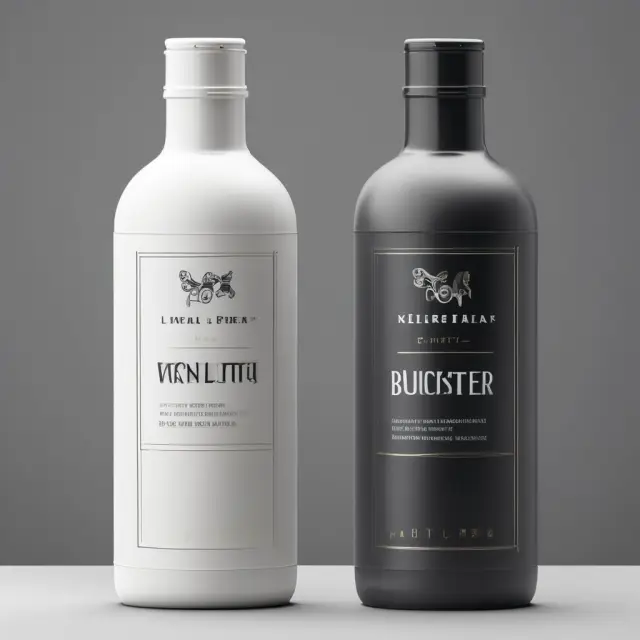
Generic brands are characterized by their minimalistic packaging and plain labels as opposed to the branded ones that dominate store shelves. While some consumers might initially view this as a sign of inferior quality, the reality is quite different. Generic products’ lack of promotional expenses significantly reduces their cost structure compared to name-brand alternatives. This difference in cost is passed on directly to consumers, resulting in more affordable options.
In fact, when examining generic and branded goods side by side, it becomes evident that their ingredients are often identical. Consumers frequently focus on the lists of individual components to compare the two products and determine which one is the better value for their money. The quality of generic brands is generally commensurate with name-brand equivalents. A common misconception is that there’s a significant taste or nutritional disparity between these alternatives. However, this is seldom the case.
While the cost difference may be the deciding factor for some consumers, others might prefer generics regardless of price. The food and pharmaceutical industries are prime examples of where generic brands excel in meeting consumer demand. Supermarkets strategically position generic products alongside their branded counterparts to cater to budget-conscious shoppers, offering a cost-effective alternative in dairy, snacks, canned goods, dry staples, and more. Similarly, pharmacies offer generic alternatives for popular medications such as pain relievers, cough medicines, baby products, personal hygiene items, and medical supplies.
The manufacturing process behind many generic brands is quite similar to that of their branded counterparts. In the case of prescription drugs, they are produced in the same facilities as branded ones once their patent expires. This arrangement helps to keep prices competitive and ensures that consumers have access to affordable alternatives.
In summary, understanding the characteristics and packaging of generic brands reveals a cost-effective solution for price-conscious consumers while maintaining comparable quality to name brands in various industries.

Quality Comparison
It’s a common misconception that generic brands are inferior to their name brand counterparts when it comes to quality. The truth is, the similarities between these two types of products often outweigh the differences. This section explores the myths and realities surrounding the comparison of generic and name brand product qualities.
Myth: Generics lack quality compared to name brands
Reality: Generic brands typically undergo the same production processes as their name brand counterparts, which ensures similar or identical results. The primary difference lies in marketing efforts and pricing strategies. Once a patent expires on a name brand product, generic manufacturers can produce a chemically equivalent substitute that meets regulatory requirements for quality and safety. In many instances, such as pharmaceuticals, the U.S. Food and Drug Administration (FDA) ensures that both name brand and generic medications have the same active ingredients, dosage form, strength, route of administration, and intended use.
Myth: The taste or nutritional value differs between generic and name brands
Reality: Most consumers cannot discern a significant difference in the taste or nutritional value when comparing generic and name brand products. This is true for both food and pharmaceutical items. For instance, a 2014 study published in the Journal of Medical Toxicology found no differences between store-brand and national-brand antacids. In the case of food products, taste tests have been conducted to prove that consumers’ preferences were indistinguishable between name brand and generic brands for a range of foods, such as cookies, orange juice, and cereals.
Myth: Name brands provide superior customer service or additional benefits
Reality: While some customers might associate better customer service with name brands, these services often come at an added cost that is reflected in the higher price tag. Generic brands may still offer decent levels of customer support, especially when it comes to resolving product issues or processing returns or refunds. In pharmaceuticals, for example, consumers can contact a generic drug manufacturer with questions about their medication, including dosage instructions and side effects.
In conclusion, the notion that generic brands are of lower quality than their name brand counterparts is largely unfounded. The similarities between these two product types often surpass the differences, as both undergo rigorous production processes to ensure safety and efficacy. Understanding this can help consumers make well-informed decisions when choosing between generic and name brand products.

Industries with Common Generic Brands
Generic brands have become increasingly popular across various industries due to their affordability and accessibility. Among the sectors where you’ll most frequently find these alternative brand options are food and pharmaceuticals. This section aims to shed light on why these industries are prime candidates for generic brands, as well as provide some real-life examples of how they impact both consumers and businesses.
Food Industry
In grocery stores, the presence of generic brands is commonplace, offering a wide range of choices for price-conscious shoppers. From dairy products like milk and sour cream to canned items such as soup, fruit, vegetables, and dry goods including pasta and rice – you’ll find them all in the market under their generic labels. These budget-friendly alternatives help create competition among brands and provide a viable option for consumers who seek to minimize expenses without compromising on quality or taste.
Pharmaceutical Industry
Moving on to pharmacies, generic brands play an essential role in providing affordable medication alternatives for patients. When patents of name brand drugs expire, manufacturers are permitted to produce and sell chemically identical versions known as generics. Examples of common generic medications include pain relievers like ibuprofen (a substitute for Advil), cough medicines, baby products, personal hygiene items such as shampoo, conditioner, soap, toothpaste, and medical supplies like cleansers and bandages. The availability of these alternatives can significantly impact the healthcare system, leading to cost savings and increased accessibility for patients.
In conclusion, generic brands have become a staple in numerous industries, offering consumers affordable alternatives to more expensive branded products without compromising on quality. In the food industry, grocery stores capitalize on this trend to attract price-conscious shoppers, while in the pharmaceutical sector, generics contribute significantly to cost savings and accessibility for patients. As consumer demand for affordability continues to grow, we can expect the market share of generic brands to expand further.

Creation and Competition among Generic Brands
When a patent for a name-brand drug expires, generic versions can be produced. In the United States, which is home to most drug patents, patent terms last 20 years. Once exclusivity is satisfied after patent expiration, one manufacturer may produce a chemically identical version of the brand-name drug. This results in significant price reductions, as generics are typically sold at an 80% to 85% discount compared to their name-brand counterparts.
Competition in the market plays a significant role in the pricing and availability of generic drugs. Once exclusivity has been met, multiple manufacturers may enter the market. This can result in thin profit margins for manufacturers. In fact, it is estimated that generics saved the healthcare system approximately $2.2 trillion over the last decade.
Although name-brand drugs often have higher profit margins, they also carry a larger marketing and advertising budget compared to their generic counterparts. This additional expense contributes to the price difference between the two. However, the quality of both generic and brand-name drugs is generally comparable. In many cases, consumers cannot discern any taste or nutritional differences.
Manufacturers may create a generic version of their own name-brand drug after patent expiration for various reasons. Some do this to capitalize on the demand for lower-priced alternatives or to increase sales volume. Others may contract production out to other manufacturers to produce and sell under their brand name. This strategy makes sense as insurance companies often dictate that a generic version must be prescribed when available.
In industries beyond pharmaceuticals, such as grocery stores, private labels are an alternative form of generic brands. These store-branded products often carry the store’s name and can include items like dairy, snacks, and household goods. Private label brands may offer both value and premium versions to cater to a broader customer base.
The competition among generic brands is fierce. This not only drives down prices but also encourages innovation in product development. In the pharmaceutical industry, for instance, generic manufacturers are constantly looking for ways to differentiate their products from competitors, such as improving drug delivery methods or creating combination therapies.
Overall, generic brands play a crucial role in offering cost-effective alternatives to consumers and saving significant costs within healthcare systems. Competition among these brands continues to drive down prices while maintaining comparable quality to brand-name counterparts.

Private Label Brands vs. Generics
When discussing consumer goods, understanding the difference between private label brands and generics is crucial. While both offer alternatives to name brand products at more affordable prices, they differ significantly in their origin, production, and marketing.
Private label brands are also known as store brands, own brands, or exclusive brands, representing items created specifically for a retailer. These products carry the store’s branding, making them easily recognizable to consumers. Private labels can offer value-priced alternatives or premium versions depending on their intended market segment. A popular example would be a supermarket offering both private label budget and gourmet lines of food products.
Generic brands, on the other hand, are not affiliated with a specific retailer or manufacturer but are instead manufactured by various companies to meet the demand for less expensive alternatives to name brand goods. The term “generic” stems from these products’ plain packaging, lacking any recognizable branding beyond their names and descriptions.
The primary difference between private label brands and generics lies in their production and marketing. Private labels are made specifically for a retailer with whom the manufacturer has an exclusive agreement, ensuring consistent product quality and maintaining control over pricing. In contrast, generic manufacturers produce goods without any such agreements to meet the demand for less costly alternatives.
This lack of branding often leads to the misconception that generics possess lower quality compared to name brands. However, the truth is that regulations governing pharmaceuticals and food industries ensure the same standards are met regardless of whether a product is marketed as a generic or private label.
Industries with significant competition, such as grocery and pharmaceuticals, commonly utilize both private labels and generics to cater to consumers’ diverse preferences and budgets. Private label brands allow retailers to differentiate themselves from competitors while maintaining control over the supply chain and pricing. In contrast, generics offer a cost-effective alternative for price-conscious consumers.
In summary, understanding the distinctions between private labels and generics can help consumers make informed decisions when selecting products based on their budget, preferences, and understanding of product quality. Both options cater to different market segments and offer value in their unique ways.
Examples of Generic Brands
A generic brand is known for its plain packaging and simple labeling, making it an economical alternative to its name-brand counterpart. While the concept of a generic brand might evoke images of sparsely labeled items or unappetizing food products, several industries—specifically grocery stores and pharmacies—have mastered the art of creating high-quality, cost-effective alternatives for consumers. Let us explore some real-life examples that showcase the impact of these brands on various markets and consumer preferences.
Grocery Store Examples
When shopping for everyday essentials such as dairy products, canned goods, or pantry staples like rice and pasta, it’s common to encounter a wide selection of generic store brands. For example, Kroger’s “Private Selection” line offers a diverse range of high-quality products, from gourmet cheeses to organic snacks, at prices often significantly lower than their branded counterparts. Similarly, Walmart’s “Great Value” and “Sam’s Choice” brands have gained popularity for their affordability without compromising taste or nutritional value.
Pharmacy Examples
The impact of generic pharmaceutical brands can be seen in the healthcare sector as well. After a patent on a name-brand drug expires, a single manufacturer is allowed to produce a chemically identical version of that drug under the generic label. One common example is Ibuprofen, which was initially marketed as Advil by Pfizer until the patent expired in 1985. Today, consumers can find several brands offering ibuprofen at competitive prices. In fact, according to a report by Rx Savings Solutions, generics made up around 90% of prescriptions filled during 2020. The widespread adoption and affordability of generic pharmaceuticals have significantly reduced overall healthcare costs in the U.S., saving approximately $2.2 trillion over the last decade.
Impact on Consumers and Competition
The emergence and increasing popularity of generic brands have led to significant changes in consumer behavior and market dynamics. In an era where cost-consciousness is a driving factor, many consumers are turning to these affordable alternatives without sacrificing quality or health benefits. Additionally, the presence of numerous competitors in the generic brand space has led to intense price competition, forcing manufacturers to continuously innovate and improve their offerings to retain customers.
In conclusion, generic brands have become essential players in various industries by providing high-quality alternatives at significantly lower prices compared to name brands. Through real-life examples from grocery stores and pharmacies, we’ve seen how these brands impact consumer preferences and drive competition in the market. By continuously focusing on quality and affordability, generic brands have carved out a unique niche for themselves, making them an indispensable choice for budget-conscious consumers.

Trademarks and Brand Names becoming Generics
One fascinating aspect of generic brands is how name brands can eventually become generics themselves. A trademark refers to a word, phrase, symbol or design used in trade to distinguish goods from those of others. However, over time, some trademarks may lose their exclusivity and evolve into common descriptive terms for entire product categories. This transformation is often observed when a name brand’s patent expires or a trademarked term enters the public lexicon as a synonym for the generic product type.
An early example of this phenomenon can be found in aspirin, which was originally a Bayer trademark for acetylsalicylic acid. This pain reliever became so successful that it eventually lost its trademark status and became a descriptive term for all acetylsalicylic acid products in the U.S. Similarly, “dumpster” was initially a registered trademark for a mobile garbage bin owned by the Dempster Brothers Company. However, as other companies began producing similar bins, the term “dumpster” gradually came to denote any large, open-topped waste container.
The process of a name brand evolving into a generic is not always straightforward or linear. In some cases, multiple brands can contribute to the transformation of a term. For instance, escalator was initially a trademark for an automatic moving staircase created by Otis Elevator Company. However, other companies started manufacturing similar products and using the term “escalator” interchangeably. Ultimately, as competition grew, the term became synonymous with any automated moving walkway.
The conversion of a brand name to a generic term has significant implications for both consumers and businesses alike. On one hand, it can broaden consumer choice and increase price competition in the market. Additionally, it can potentially lead to lower costs for consumers due to increased competition among manufacturers. However, it may also result in confusion for consumers, as they may not be aware that multiple brands offer the same product under different names.
Moreover, the shift from a brand name to a generic term can impact a company’s intellectual property rights and reputation. Once a trademarked term becomes widely used as a synonym for a product category, it can be more difficult for a brand owner to enforce its intellectual property rights. On the other hand, some companies may deliberately allow their trademarks to become generics if it benefits them financially or strategically in the long run.
In conclusion, understanding how trademarks and brand names evolve into generic terms can provide valuable insights for investors and consumers alike. It highlights the dynamic nature of markets and intellectual property rights and emphasizes the importance of staying informed about market trends and competition. This knowledge can help both investors and consumers make more informed decisions when it comes to their investments, as well as the products they choose to purchase in their daily lives.

Market Trends and Future of Generic Brands
Understanding the trends in the market, generic brands are becoming increasingly popular, especially due to their affordability. Cost-conscious consumers, particularly during economic downturns, gravitate towards these alternatives to pricier branded products. As a result, industries such as food and pharmaceuticals have seen a surge in the demand for and availability of generic brands.
Furthermore, recent advancements in technology have enabled manufacturers to produce high-quality generic brands that are almost indistinguishable from their name brand counterparts. For instance, the process of reverse engineering—identifying the ingredients, manufacturing process, and specifications required to replicate a name brand product—has become more streamlined and cost-effective, making it easier for manufacturers to create superior generic versions.
Additionally, there’s an ongoing trend towards private label brands, which are essentially house labels owned by retailers or wholesalers. These labels often offer consumers quality alternatives at lower prices, blurring the lines between generics and branded products. In some cases, a well-known name brand may become genericized, as it becomes synonymous with the product category, such as Aspirin or Ziploc.
The future of generic brands is promising due to their increasing popularity among consumers and their potential to save significant costs within industries. As competition grows, prices continue to decrease, making them an attractive option for budget-conscious individuals. However, it’s important to note that the production of generic brands must adhere to regulatory guidelines to ensure consumer safety and product efficacy.
Despite the numerous benefits of generic brands, misconceptions surrounding their quality persist. Many consumers assume that generics are inferior because they cost less, but studies have shown that there’s little nutritional or taste difference between generic and branded products in various industries such as food, beverage, and pharmaceuticals.
In the pharmaceutical industry, for instance, the Food and Drug Administration (FDA) requires that generic drugs meet rigorous standards for quality, safety, and effectiveness before being approved for sale. This guarantees that consumers receive the same therapeutic benefits from both branded and generic medications, regardless of their price difference.
In conclusion, as the market continues to evolve with changing consumer preferences and technological advancements, generic brands are becoming a more prominent aspect of industries like food and pharmaceuticals. Their affordability, accessibility, and comparable quality make them a valuable alternative for cost-conscious consumers. The future is bright for these budget-friendly options, as they offer significant savings without sacrificing on product quality.
FAQs about Generic Brands
Given the increasing popularity and relevance of generic brands in today’s market, it is common for investors or consumers to have questions and concerns regarding these products. In this section, we will address some of the most frequently asked queries about generic brands, their manufacturing, and impact on various industries, especially finance and investment.
Question 1: What is a Generic Brand?
Answer: A generic brand is a type of consumer product that doesn’t have a widely recognized name or logo since they typically aren’t advertised. They are commonly less expensive than their brand-name counterparts because they lack promotion, which can inflate costs. Generics are often compared to name brands based on ingredient lists and are popular in industries like food and pharmaceuticals.
Question 2: How Do Generic Brands Compare to Name Brands in Terms of Quality?
Answer: Consumers often perceive generic brands to be lower quality than their name brand counterparts. However, the quality difference is minimal or non-existent. Generics and name brands contain identical ingredients and meet the same regulatory standards. In fact, some consumers may actually prefer generics due to their lower prices.
Question 3: How Are Generic Brands Manufactured?
Answer: Just like name brand products, generic brands are manufactured in facilities that meet specific industry regulations. Once a patent on a name brand drug expires and exclusivity is satisfied, other manufacturers can produce a chemically identical version of the brand-name drug. This competition keeps prices low and increases market accessibility.
Question 4: What Industries Commonly Feature Generic Brands?
Answer: Generic brands are most commonly found in industries like food and pharmaceuticals due to their high potential for cost savings and large consumer base. Consumers can find generic alternatives to popular name brand products across various grocery stores and pharmacies, making it a crucial aspect of the market landscape.
Question 5: What Impact Do Generic Brands Have on the Market?
Answer: The presence of generic brands significantly influences the financial markets by introducing price competition and driving down the cost of goods. This is especially true in industries like healthcare where patents have expired or are about to expire, resulting in substantial savings for consumers and investors alike. For instance, during a recession, consumers turn towards cheaper alternatives, making generic brands more attractive and popular.
By addressing these frequently asked questions, we hope to provide a clearer understanding of the role and importance of generic brands in various industries, including finance and investment.
 Next entry · No. 1,782Understanding the Genesis Block: The Foundation of Bitcoin’s History and Security
See also
-
 No. 1,754
01 Nov 2024
19 min
Understanding Gross Domestic Product: Components, Types, and Importance
Finance Policy
No. 1,754
01 Nov 2024
19 min
Understanding Gross Domestic Product: Components, Types, and Importance
Finance Policy -
 No. 1,670
20 Oct 2024
18 min
Understanding the Role and Functioning of the Federal Reserve Board (FRB)
Finance Policy
No. 1,670
20 Oct 2024
18 min
Understanding the Role and Functioning of the Federal Reserve Board (FRB)
Finance Policy -
 No. 2,010
02 Dec 2024
19 min
Hands-Off Investing: A Guide for Passive Investors
Personal Finance
No. 2,010
02 Dec 2024
19 min
Hands-Off Investing: A Guide for Passive Investors
Personal Finance -
 No. 1,993
01 Dec 2024
20 min
Understanding Gwei: The Smallest Denomination of Ether and Its Role in Ethereum Gas Prices
Fintech
No. 1,993
01 Dec 2024
20 min
Understanding Gwei: The Smallest Denomination of Ether and Its Role in Ethereum Gas Prices
Fintech -
 No. 1,750
01 Nov 2024
20 min
Understanding Gazelle Companies: Definition, Characteristics, Examples, and Significance for Investors
Entrepreneurship
No. 1,750
01 Nov 2024
20 min
Understanding Gazelle Companies: Definition, Characteristics, Examples, and Significance for Investors
Entrepreneurship -
 No. 1,740
30 Oct 2024
20 min
Understanding Gapping: Types, Causes and Trading Strategies in Finance
Business Finance
No. 1,740
30 Oct 2024
20 min
Understanding Gapping: Types, Causes and Trading Strategies in Finance
Business Finance