Understanding the Genesis Block: The Foundation of Bitcoin’s History and Security
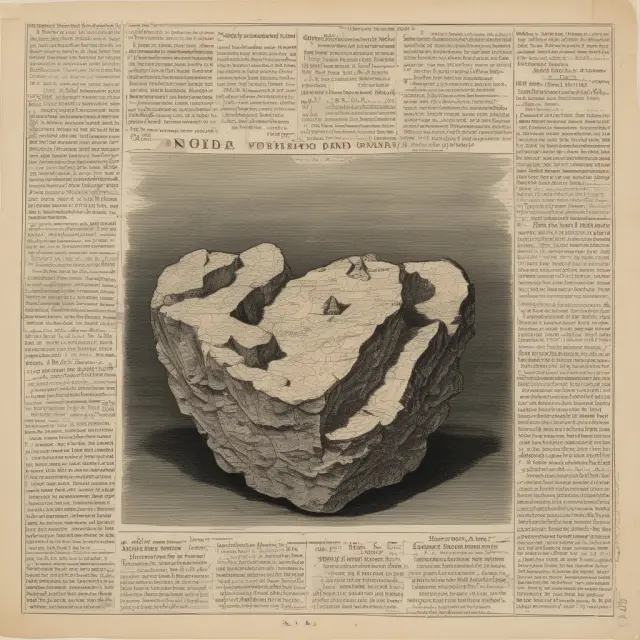
Discover the intriguing story behind the creation of Bitcoin’s Genesis Block and explore its role as the foundation of the world's first digital currency.
What is a Genesis Block?
In the world of cryptocurrencies, the term “Genesis Block” refers to the first block in the blockchain of a specific digital currency, such as Bitcoin. The Genesis Block sets the foundation for all subsequent blocks and transactions on the network. Created in 2009 by an anonymous developer known as Satoshi Nakamoto, the Genesis Block marked the beginning of the Bitcoin era.
This section delves into the origin, role, and significance of the first block in the Bitcoin blockchain: the Genesis Block.
Creation of Bitcoin’s Genesis Block
Satoshi Nakamoto, the pseudonymous developer behind Bitcoin, launched the digital currency by mining its very first block, referred to as the Genesis Block, on January 3, 2009. It is believed that Nakamoto spent six days creating and testing the Bitcoin system before releasing it to the public with this foundational block. Six days later, on January 9, 2009, the first real transaction occurred in the Bitcoin network.
Role and Structure of a Block in Bitcoin
Blocks are digital containers where transactions on the Bitcoin network are permanently recorded. Each block is filled with some or all of the most recent unconfirmed transactions and serves as a permanent store of records that cannot be altered or removed. The Genesis Block, also known as Block 0, is the very first block in the Bitcoin blockchain. It is the ancestor of every other block, as each subsequent block references the one preceding it.
Limitation and Scarcity of Bitcoin
Bitcoin was designed with a finite supply—only 21 million bitcoins can be mined in total. The Genesis Block sets the tone for this scarcity by introducing new bitcoins into circulation, marking the beginning of their limited existence. This limitation gives Bitcoin value and is one of the reasons why it has garnered significant attention from investors.
Mysteries Surrounding the Genesis Block
Despite the Genesis Block’s significance, many mysteries still surround its creation, including the untradeable first 50 BTC and the hidden message within the block’s raw data.
The First Untradeable Bitcoin
Nakamoto encoded the Genesis Block with a fine detail that raises intrigue: the first bitcoin transaction in the network was not a ‘real transaction.’ The Genesis Block’s transaction could not be spent, leaving it as an enigma that remains untraded. This was likely intentional, and theories suggest that Nakamoto may have intended to create scarcity from the very beginning or ensure the security of Bitcoin by making its origin unmovable.
The Hidden Message in the Genesis Block
The Genesis Block contains a secret message encoded in its raw data: “The Times 03/Jan/2009 Chancellor on brink of second bailout for banks.” This headline references an article published by The London Times, which covered the British government’s plan to bail out financial institutions during the 2007-2008 financial crisis. Many believe that Nakamoto intended this message as a statement against the traditional banking system and its reliance on government bailouts.
Legacy of Satoshi Nakamoto and the Genesis Block
Satoshi Nakamoto remains an enigmatic figure, having vanished from the scene after launching Bitcoin. The Genesis Block stands as a testament to his groundbreaking creation and serves as a source of fascination for fans who appreciate its historical significance. It has become a cult-like symbol among devotees who hold it in high regard, much like a sacred artifact.
Impact on the Future of Bitcoin
The Genesis Block sets the foundation for future developments in Bitcoin’s blockchain and the cryptocurrency space as a whole. Its influence reaches far beyond its role as the first block in the network, shaping the way we view the potential evolution of digital currencies. By understanding the history and significance of the Genesis Block, investors can gain a deeper appreciation for the value and potential of this innovative technology.
FAQs about the Genesis Block
Common questions surrounding the Genesis Block include its origin, creation, and meaning behind specific details such as the untradeable first 50 BTC and the hidden message in the raw data. Answering these FAQs provides clarity on misconceptions and myths that have emerged regarding the history of Bitcoin and its creator.
In conclusion, the Genesis Block represents the very essence of Bitcoin’s origin story—a fascinating blend of mystery, innovation, and determination from an unknown figure named Satoshi Nakamoto. Understanding the significance of this block is essential for anyone interested in the world of cryptocurrencies, as it lays the groundwork for the technology that has revolutionized the way we transact, invest, and interact with each other on a global scale.

Creation of the Genesis Block
The Genesis Block, also known as Block 0, was created by an anonymous individual or group known only as Satoshi Nakamoto in January 2009, marking the beginning of Bitcoin’s existence. The Genesis Block is a significant milestone as it serves as the foundation for all subsequent transactions and blocks within the Bitcoin blockchain.
Six days after creating the Genesis Block, Nakamoto mined the first real transaction – a transfer of 10 BTC from address CGqhJq18EChQ3yjPcUKFbzgmv1Bx6q1uH to address 1A1zP1eP5QGefi2DMPTfTL5SLmv7DivfNa.
The Genesis Block holds a special place within the Bitcoin ecosystem. It is the only block that doesn’t link back to a previous block, as there are no blocks before it in the chain. This creates an issue with its authenticity and genesis – how do we know it’s not a forgery? The answer lies in its cryptographic properties and the consensus of the network.
The Genesis Block contains a unique header, which is essential to the Bitcoin protocol. Its hash value (6a47…35) is a 256-bit number derived from all the data within the block, including the previous hash, nonce, timestamp, and transaction data. This hash acts as a digital fingerprint, ensuring the integrity of the data and making it nearly impossible to manipulate without being detected.
Additionally, the Genesis Block is linked to Bitcoin’s first coinbase transaction where 50 new bitcoins were created. These coins are currently unspendable due to their transaction history – they were mined by the Genesis Block itself – and are often referred to as the “genesis coins.”
There are several theories surrounding why Satoshi Nakamoto chose a six-day gap between mining the Genesis Block and the first real transaction. Some believe this was an intentional act to test the Bitcoin system, while others consider it an accident or even a homage to the biblical story of God creating the world in six days.
Regardless of the reason, the Genesis Block’s creation laid the foundation for the modern digital currency revolution, and its significance continues to be celebrated by the ever-growing Bitcoin community.
Role and Structure of a Block in Bitcoin
Understanding the Role of a Block in Bitcoin’s Blockchain
When discussing Bitcoin, it is crucial to understand the significance of blocks within its unique decentralized financial system. A blockchain consists of an interconnected chain of blocks that store information related to transactions occurring on the network. Each block contains a collection of these transactions and adds to the ever-growing height of the blockchain. In essence, each block functions as a digital container for recording transactions, with the first block, known as the Genesis Block, serving as its foundation.
The Structure of a Bitcoin Block
A Bitcoin block acts as a permanent record that once written cannot be altered or removed. Each block is connected to the one preceding it, forming a chronological chain. The link between each block creates an immutable history, which is essential for maintaining trust and security in the network. Transactions within a block are grouped together and processed by miners before being added to the blockchain. Once validated, a new block is added on top of the previous one, creating a continuous chain.
The Genesis Block: The First Block in the Chain
The Genesis Block was the first instance of a proof-of-work blockchain system and served as the template for all other blocks within the Bitcoin blockchain when it was created by an anonymous developer known only as Satoshi Nakamoto on January 3, 2009. This foundational block not only established the Bitcoin network but also set the groundwork for the creation of subsequent blocks via mining.
The Importance of the Genesis Block
The Genesis Block is essential to Bitcoin’s existence due to its role as the first and foundational block in the blockchain. It sets the precedent for all future blocks, providing a secure foundation for the network’s transactions and creating a sense of continuity. Understanding the Genesis Block is crucial for grasping both the historical context and the technical underpinnings of Bitcoin.

Mining Bitcoin’s Genesis Block
In the world of cryptocurrency, mining serves as the process by which transactions are confirmed and new coins are released into circulation. Bitcoin, being the first decentralized digital currency, was no exception to this principle. But how exactly did it all begin?
Creating New Bitcoins: A Process Like Gold Mining
The creation of a new bitcoin is achieved through mining, which involves adding transaction data into Bitcoin’s public ledger known as the blockchain. The process is similar to gold mining in that miners are rewarded for their efforts by discovering new blocks and thus unlocking newly minted bitcoins. Once these blocks have been added to the existing blockchain, they become part of an unchangeable and growing chain that supports the Bitcoin network.
The Birth of Bitcoin: Satoshi Nakamoto’s Genesis Block
In 2009, Satoshi Nakamoto, a pseudonymous developer, initiated the first transaction in the Bitcoin blockchain by mining the Genesis Block. This historical event set into motion the creation of a decentralized digital currency that has since captivated the world’s imagination and transformed the financial landscape.
The Genesis Block: A Foundation for Trust and Security
The Genesis Block is not only a significant milestone in Bitcoin’s history, but it also acts as the foundation for trust within the network. Since every block references the one preceding it, each transaction that occurs on the Bitcoin network can be traced back to the Genesis Block. This transparency and immutability help foster confidence among users and ensure that the system remains secure.
A Limited Supply: The 21 Million Bitcoin Limit
Satoshi Nakamoto designed Bitcoin with a finite supply of 21 million coins. This scarcity is an intentional aspect of the cryptocurrency, making each coin more valuable as the total number approaches its limit. As new blocks are added to the blockchain, fewer and fewer bitcoins are awarded for mining efforts. The last bitcoin is predicted to be mined around 2140, further emphasizing Bitcoin’s unique properties among other currencies and assets.
The Genesis Block: A Mysterious and Enduring Piece of Crypto History
Despite the many advancements in Bitcoin and cryptocurrency since the Genesis Block was mined, it remains a source of fascination for fans and experts alike. The mysteries surrounding its creation, the enigmatic Satoshi Nakamoto, and the finite nature of the currency continue to captivate those who believe that Bitcoin represents the future of digital currencies. As such, the Genesis Block will likely remain an essential part of Bitcoin’s lore for generations to come.

Limitation and Scarcity of Bitcoin
Bitcoin’s finite nature sets it apart from traditional fiat currencies, which are subject to inflation, devaluation, or manipulation by central banks and governments. One of the most unique aspects of Bitcoin is its 21 million bitcoin limit, established by Satoshi Nakamoto when he mined the Genesis Block in 2009. This hard cap ensures that there will never be more than 21 million Bitcoins in existence.
Understanding the significance of this limitation starts with recognizing how Bitcoin is created—through mining. Mining involves using powerful computers to solve complex mathematical problems, called hash functions, to validate transactions and add them to the blockchain. As a reward for their efforts, miners are granted newly minted Bitcoins. This process not only adds new coins into circulation but also secures the network by ensuring that all transactions are confirmed and verified.
Comparing this to gold mining can help illustrate the concept of Bitcoin’s scarcity. Just as there is a finite amount of gold on Earth, there is a fixed number of Bitcoins that can ever be mined. Gold cannot be produced arbitrarily, just like how Bitcoin cannot be created beyond its 21 million limit. Mining gold requires physical resources, labor, and time; likewise, mining Bitcoin demands computational power, energy consumption, and patience.
The limited supply of Bitcoin has important implications for investors, as it contributes to the cryptocurrency’s inherent value. Bitcoin is designed to be a decentralized currency that operates independently from central banks or governments. Its scarcity helps maintain its value and provides users with a reliable store of wealth, as its value is not subject to inflationary pressures or political instability.
Moreover, the Genesis Block serves as a reminder of Bitcoin’s origins and Satoshi Nakamoto’s vision. As the first block in the blockchain, it holds significant historical importance and has become a symbol of trust and security within the community. The fact that it cannot be altered or tampered with adds another layer of credibility to the Bitcoin network as a whole.
As the demand for Bitcoin continues to grow, the limited supply will only make the cryptocurrency more valuable. This scarcity also makes each individual Bitcoin more precious and desirable, further emphasizing its role as a digital alternative to traditional currencies. In conclusion, the 21 million bitcoin limit ensures that Bitcoin maintains its value as a scarce, decentralized currency while offering investors a secure store of wealth in an increasingly volatile global economy.

Mysteries Surrounding the Genesis Block
The Genesis Block of Bitcoin, the world’s first block in the decentralized digital currency network, is an intriguing piece of history that still captivates enthusiasts and experts alike. This section delves into the fascinating mysteries surrounding its creation and the hidden elements it contains.
First 50 BTC: Untradeable or a Mistake?
One of the most discussed enigmas related to the Genesis Block is the fact that the first 50 bitcoins could not be spent. This unspent transaction, valued at around $2 million today, remains a mystery. Some speculate that Satoshi Nakamoto intentionally made these coins untradeable as an homage to their origin or to showcase the decentralized nature of Bitcoin. Others believe it could have been an oversight during development. The current versions of the Bitcoin system handle the block/transaction databases differently, and this unspendable transaction is now considered a special case in the code.
Hidden Message: A Statement Against Bailouts
A secret message hidden within the Genesis Block adds another layer to the mystery surrounding its creation. The message reads “The Times 03/Jan/2009 Chancellor on brink of second bailout for banks,” which refers to an article in The London Times about Britain’s financial crisis and government bailouts. This hidden message is believed to be Satoshi Nakamoto’s mission statement, emphasizing his rejection of centralized institutions and the need for a decentralized digital currency like Bitcoin.
Genesis Block and Satoshi Nakamoto’s Legacy
The Genesis Block represents the foundational principles and vision of Bitcoin’s creator, Satoshi Nakamoto. The mystery surrounding the block and its hidden messages continues to fuel curiosity about the man behind the pseudonym. Fans, enthusiasts, and researchers are still trying to unravel the complexities of this digital creation, with the Genesis Block serving as a testament to the ingenuity and innovation that brought cryptocurrency into existence. The continuous exploration of the Genesis Block’s mysteries is an integral part of understanding the legacy of Satoshi Nakamoto and his groundbreaking creation.

Genesis Block and the Legacy of Satoshi Nakamoto
The Genesis Block, as the foundation of Bitcoin’s history, carries significant importance not only as the first block in the longest chain of the Bitcoin network but also as a testament to its creator, Satoshi Nakamoto. Despite his disappearance, the Genesis Block remains a nod to his vision and a subject of fascination for Bitcoin enthusiasts.
The creation of Bitcoin’s Genesis Block by Satoshi Nakamoto in 2009 marked the beginning of the cryptocurrency era. Coincidentally, just six days after its formation, the first real transaction took place. This six-day gap between the creation of the Genesis Block and the first transaction is an intriguing mystery that has sparked various theories among Bitcoin enthusiasts. Some believe Satoshi mined the first block for testing purposes before backdating its timestamp to maintain consistency with other blocks, while others believe it was simply a coincidence.
The Genesis Block serves as the root of all subsequent blocks in the Bitcoin network. As a digital container, each block holds information about transactions that occur on the network. It represents the first instance of a proof-of-work blockchain system, which paved the way for all other blocks in the Bitcoin blockchain.
Understanding the Genesis Block is crucial to understanding Bitcoin’s origins and its underlying technology. The limited nature of the block, with only 50 bitcoins generated from it, adds to its significance as a historical artifact within the world of cryptocurrency.
Moreover, the Genesis Block bears a hidden message and an unspendable transaction that continues to fuel curiosity among enthusiasts. The message is a reference to an article in The Times about the UK government’s plans for a second bailout for banks in 2009, which could be seen as a statement of intent from Satoshi to create a decentralized and trustless financial system. The unspendable transaction, which contains 50 BTC, has been a subject of debate among the Bitcoin community regarding its intended meaning.
Satoshi Nakamoto’s enigmatic disappearance after creating Bitcoin added to the allure surrounding the Genesis Block. While many theories have emerged about his identity, the mysterious creator left an indelible mark on the world through this groundbreaking innovation. The continued fascination with the Genesis Block is a testament to the captivating nature of Bitcoin’s origins and its potential to revolutionize the financial industry.
The impact of the Genesis Block on the future of Bitcoin is immense, as it sets the foundation for the decentralized digital currency system that we know today. Its significance extends beyond being just a historical artifact; it represents the embodiment of the vision that Satoshi Nakamoto had for a trustless, secure, and decentralized financial network.
As Bitcoin continues to evolve, the Genesis Block remains an integral part of its history and identity. It serves as a reminder of Bitcoin’s roots and acts as a symbol of the ingenuity, curiosity, and determination that led to the creation of this revolutionary technology.

Impact of the Genesis Block on the Future of Bitcoin
The Genesis Block serves not only as the foundation for Bitcoin’s trading system but also as the blueprint for its future developments. This first instance of proof-of-work blockchain system has paved the way for the entirety of the Bitcoin network, setting the standard for all subsequent blocks in the chain. By exploring the potential implications on the future evolution of Bitcoin’s blockchain, we can gain a deeper understanding of the significance of this groundbreaking creation.
First and foremost, the Genesis Block represents an unchangeable record of Bitcoin’s origin story. It sets the stage for the unique properties that make Bitcoin an innovative digital currency. As the ancestor from which all blocks trace their lineage, it validates transactions and introduces new bitcoins into circulation. This historical importance underscores the security and transparency inherent in the blockchain system.
Moreover, the Genesis Block’s finite nature reinforces the scarcity that has driven Bitcoin’s value proposition since its inception. As previously discussed, only 21 million bitcoins can be mined in total. The creation of new blocks is a vital aspect of this limited supply, with each block rewarding successful miners with newly minted bitcoins. With the Genesis Block being the foundation for this process, it plays an essential role in determining the distribution and availability of Bitcoin over time.
As the world’s first decentralized digital currency, Bitcoin has experienced rapid growth and adoption since its creation. This evolution has brought about numerous advancements and challenges, ranging from improvements to the underlying technology to the emergence of new applications and use cases. The Genesis Block’s influence is felt in these developments as well. For example, innovations like the Lightning Network have been introduced to address scalability issues, allowing for faster transactions and reduced fees. These advancements not only improve upon Bitcoin’s original design but also serve to strengthen its future growth and sustainability.
Additionally, the Genesis Block lends itself to further exploration of Satoshi Nakamoto’s vision for a decentralized financial system. As Bitcoin continues to mature as an asset class, it is poised to challenge traditional financial institutions in various ways. The decentralized nature of the blockchain technology enables financial services such as lending, borrowing, and payment processing without the need for intermediaries. The Genesis Block’s impact on the future of Bitcoin can be seen through this potential disruption of traditional financial structures and systems.
The mysteries surrounding the Genesis Block, such as the untradeable first 50 BTC and the hidden message, continue to captivate fans and enthusiasts alike. These enigmatic aspects serve not only to fuel curiosity but also to reaffirm the importance of understanding Bitcoin’s origins. The intricacies of the Genesis Block contribute to the overall allure and appeal of this revolutionary digital currency.
In conclusion, the Genesis Block represents an indispensable part of Bitcoin’s history, innovation, and potential future developments. It is a testament to Satoshi Nakamoto’s vision for a decentralized digital currency that has since inspired countless imitators but remains unparalleled in its impact on the financial landscape. The Genesis Block sets the foundation upon which all other blocks are built and introduces key elements such as the finite nature of Bitcoin and the process of mining new coins. It also serves as a reminder of the importance of understanding the origins of this groundbreaking technology, offering insights into both its historical significance and future potential applications.
Understanding Bitcoin’s Origins: A Timeline
Bitcoin’s fascinating story began on January 3, 2009, when the mysterious figure known as Satoshi Nakamoto mined and created the Genesis Block—the very first block in the Bitcoin blockchain. This event marked the beginning of the digital currency revolution that has since captured the world’s attention. In this section, we explore a timeline detailing significant milestones and events throughout the history of Bitcoin, starting with its inception.
**January 3, 2009: Birth of the Genesis Block**
The genesis block is not only the first block mined for Bitcoin but also the foundation upon which all subsequent blocks are built. Mining this initial block created the Bitcoin network and introduced the concept of a decentralized, peer-to-peer digital currency system.
**January 9, 2009: First Transactions on the Blockchain**
Six days after creating the Genesis Block, the first real transactions took place on the Bitcoin network. This is an essential milestone as it demonstrated the practicality of using Bitcoin for actual transactions.
**October 31, 2008: Whitepaper Release**
Before creating the Genesis Block, Satoshi published a whitepaper titled “Bitcoin: A Peer-to-Peer Electronic Cash System.” This document outlined the principles and technical details of the new cryptocurrency. It remains an influential piece in the world of decentralized finance.
**April 5, 2013: Bitcoin’s Price Surges Past $100 for the First Time**
A major turning point came when the value of a single bitcoin surpassed $100—a significant milestone that showcased its potential as a legitimate alternative to traditional currencies.
**August 15, 2017: Bitcoin’s Hard Fork Leads to the Birth of Bitcoin Cash**
In response to debates surrounding scalability issues, Bitcoin underwent a hard fork, resulting in the creation of Bitcoin Cash (BCH). This event highlighted the decentralized nature of the cryptocurrency and the ability for its community to make decisions on its future direction.
**December 17, 2017: All-time High Price**
Bitcoin’s price reached an all-time high of nearly $20,000—a testament to its growing popularity and acceptance among various industries and individuals.
The history of Bitcoin is filled with intriguing milestones and developments that continue to shape the digital currency landscape. Understanding this timeline can help investors and enthusiasts appreciate the significance of Bitcoin’s origins and its continuous evolution towards a decentralized financial system.

Security and Transparency in the Genesis Block
The foundation of Bitcoin’s security lies in its decentralized nature and transparency. The Genesis Block, as the initial block in the Bitcoin blockchain, plays a crucial role in this regard.
Understanding the Basics of Security and Transparency
In a centralized financial system like traditional banking, transactions are recorded on servers controlled by a third party. This third-party entity can potentially manipulate or delete records if needed, compromising the security and integrity of the transaction history. On the other hand, Bitcoin’s decentralized blockchain uses cryptographic techniques to securely record every transaction in a transparent and immutable manner.
The Role of the Genesis Block
The first 50 bitcoins minted within the Genesis Block were not intended for immediate use. Instead, they represent an essential part of Bitcoin’s security mechanism. These coins are often referred to as “genesis coins” or the “Satoshi coins.” The Bitcoin protocol designates these coins to a “reward pool” for the miner who creates the first block in the chain (also called the Genesis Block), ensuring that the creator of this crucial foundation block is incentivized. Once mined, these genesis coins cannot be moved or spent due to specific coding within the Bitcoin protocol.
The Purpose Behind Unspendable Genesis Coins
There are debates among cryptocurrency enthusiasts regarding why Satoshi Nakamoto decided to create unspendable genesis coins. Some believe it was a deliberate move aimed at deterring potential attackers from tampering with the blockchain, while others argue that it was an oversight during development. Regardless of the reason, these unmovable coins provide additional security to the network as they create a permanent record of the Genesis Block’s creation and serve as proof of the system’s authenticity.
Transparency in the Genesis Block
The Genesis Block contains a unique header that includes a reference to an article published by The Times on January 3, 2009. This header, along with its timestamp, is essential for maintaining the blockchain’s integrity. By including this reference and timestamp in every subsequent block within the Bitcoin network, each new block confirms the existence of its predecessor, ensuring the entire chain remains valid.
The Importance of Transparency to Bitcoin Users
Transparency is a fundamental aspect of Bitcoin that enables users to trust the network. With the ability to view the entire transaction history on the blockchain, users can verify their transactions and maintain confidence in the system. This transparency also deters potential fraudulent activities and creates an environment where all participants have equal access to information, leading to a more secure and trustworthy financial ecosystem.
The Genesis Block’s Legacy and Impact
The Genesis Block, with its unspendable coins and unique header reference, represents the foundation of Bitcoin’s security and transparency. This initial block set the standard for all subsequent blocks in the network, ensuring that every transaction is verified, validated, and permanently recorded. As more users join the Bitcoin network and engage in transactions, the importance of this foundational block grows stronger, further securing the future of decentralized digital currency.
In conclusion, understanding the Genesis Block’s role in creating a secure and transparent blockchain is crucial for investors and enthusiasts alike. Its unique characteristics, such as unspendable coins and a header reference to an influential article, serve as essential elements that contribute to Bitcoin’s trustworthiness and authenticity. With its decentralized nature and emphasis on transparency, the Genesis Block sets a new standard for digital currencies and continues to inspire innovation within the cryptocurrency space.

FAQs about the Genesis Block
The Genesis Block, also known as Block 0, is undeniably one of the most intriguing aspects of Bitcoin’s history and development. Here, we answer some frequently asked questions surrounding this significant part of Bitcoin’s origins.
What is a Genesis Block?
A Genesis Block refers to the first block in a cryptocurrency network, including Bitcoin, which serves as the foundation for all subsequent blocks in the chain.
When was Bitcoin’s Genesis Block mined?
The exact date of Bitcoin’s Genesis Block mining remains debated among enthusiasts and experts. However, it is believed to have occurred on January 3, 2009, with the first real transaction taking place six days later.
What makes the Genesis Block special?
The Genesis Block is significant because it serves as the foundation of Bitcoin’s blockchain and sets the precedent for all subsequent blocks. It contains essential information such as the first coinbase transaction that awards Satoshi Nakamoto (the pseudonymous creator of Bitcoin) with 50 newly minted bitcoins.
Why can’t the first transaction in the Genesis Block be spent?
A debate exists over whether this was an intentional design choice by Satoshi or a mistake. The original Bitcoin client did not recognize the first 50-BTC transaction, and it remains unspent to this day due to differences in how later versions of the system handle transactions.
What’s the significance of the secret message in the Genesis Block?
The hidden message “The Times 03/Jan/2009 Chancellor on brink of second bailout for banks” is believed to be a commentary on Satoshi Nakamoto’s opposition to bailouts for large financial institutions. The message is thought to represent Bitcoin as an alternative, decentralized system that doesn’t require external intervention.
How many bitcoins were created in the Genesis Block?
The first block of the Bitcoin network awarded 50 newly minted bitcoins to Satoshi Nakamoto.
Why is there a gap between the Genesis Block and the next block (Block 1)?
There are several theories regarding the delay between the Genesis Block and the first real transaction. Some believe it was an intentional test to ensure the Bitcoin system’s stability, while others attribute it to Nakamoto spending six days mining the original block before backdating its timestamp.
 Next entry · No. 1,783Understanding the Controversial Landscape of Genetically Modified Foods (GMF)
See also
-
 No. 5,381
04 Sep 2025
18 min
Understanding the UTXO Model: Unspent Transaction Outputs in Cryptocurrencies
Crypto
No. 5,381
04 Sep 2025
18 min
Understanding the UTXO Model: Unspent Transaction Outputs in Cryptocurrencies
Crypto -
 No. 4,191
29 May 2025
18 min
Understanding Qtum: Combining Bitcoin’s Security with Ethereum’s Flexibility for Businesses
Crypto
No. 4,191
29 May 2025
18 min
Understanding Qtum: Combining Bitcoin’s Security with Ethereum’s Flexibility for Businesses
Crypto -
 No. 4,125
24 May 2025
21 min
Understanding Proof-of-Stake: A New Era in Consensus Mechanisms
Crypto
No. 4,125
24 May 2025
21 min
Understanding Proof-of-Stake: A New Era in Consensus Mechanisms
Crypto -
 No. 3,803
28 Apr 2025
18 min
Understanding Orphan Blocks in Blockchain: Definition, Differences from Stale Blocks, and Impact on Bitcoin Mining
Crypto
No. 3,803
28 Apr 2025
18 min
Understanding Orphan Blocks in Blockchain: Definition, Differences from Stale Blocks, and Impact on Bitcoin Mining
Crypto -
 No. 3,633
14 Apr 2025
22 min
Off-Chain Transactions in Cryptocurrency: Advantages, Methods, and Importance
Crypto
No. 3,633
14 Apr 2025
22 min
Off-Chain Transactions in Cryptocurrency: Advantages, Methods, and Importance
Crypto -
 No. 3,522
05 Apr 2025
20 min
Understanding the Importance of Nonce in Cryptocurrency Mining
Crypto
No. 3,522
05 Apr 2025
20 min
Understanding the Importance of Nonce in Cryptocurrency Mining
Crypto