Understanding the Controversial Landscape of Genetically Modified Foods (GMF)

Explore the benefits, controversies, and regulations of Genetically Modified Foods (GMF). Understand their potential impacts on health, environment, and…
Introduction to Genetically Modified Foods
Genetically Modified Foods (GMF) have been a controversial yet transformative force within the agricultural industry, with genetically engineered fruits and vegetables becoming commercially available since 1994. GMF are produced from organisms with altered genes to introduce desirable traits not found in nature. This section introduces the concept of genetically modified foods, discusses their history, and delves into the context that surrounds this divisive topic.
Understanding Genetically Modified Foods
Genetically modified foods are the result of genetic engineering, a process by which organisms have their genes manipulated to create new traits not present in their natural state. The genetic code can be altered through various techniques like gene splicing and gene editing. This allows scientists to introduce desirable traits such as pesticide resistance or herbicide tolerance.
Background of Genetically Modified Foods
The use of genetically modified foods dates back to the 20th century, particularly in agriculture. The green revolution played a significant role in introducing crops with increased yields and resistance to harsh environmental conditions. For instance, Norman Borlaug’s development of high-yielding wheat strains earned him the Nobel Peace Prize in 1970.
Genetically Modified Foods: Proponents and Critics
Proponents argue that genetically modified foods offer numerous benefits such as increased yields, resistance to diseases and pests, and improved nutritional content. However, critics express concerns over long-term health effects on consumers, potential environmental impacts, and the possibility of unintended consequences like cross-contamination with conventional crops. This section further explores these arguments, regulatory approaches, and perspectives from both sides of the debate.
Genetically Modified Foods: Regulation and Labeling
Governments worldwide regulate genetically modified foods to ensure their safety for human consumption. The United States Food and Drug Administration (FDA), Environmental Protection Agency (EPA), and Department of Agriculture (USDA) oversee genetically modified foods in the U.S. In Europe, the European Food Safety Authority evaluates potential risks while the European Commission sets guidelines for labeling and imports. This section examines regulatory approaches, debates surrounding mandatory labeling requirements, and their impact on consumers and producers.
Genetically Modified Foods: Labeling
The debate around genetically modified foods reaches a pinnacle when it comes to labeling. Critics argue that clear labeling is essential to inform consumers about the origin of their food. However, others contend that mandatory labeling could increase production costs and create a stigma around these foods. This section discusses current labeling regulations in various countries, debates surrounding potential health risks, and their implications for producers and consumers alike.
Genetically Modified Foods: Proponents
Supporters of genetically modified foods cite numerous benefits including increased yields, resistance to diseases and pests, improved nutritional content, and the potential to address food insecurity in developing countries. This section examines the arguments put forth by proponents, exploring how these benefits can contribute to a more sustainable agricultural future.
Genetically Modified Foods: Critics
Opponents of genetically modified foods raise concerns over long-term health effects, environmental impacts, and potential unintended consequences such as cross-contamination with conventional crops. They argue that labeling is essential to inform consumers about the origin and contents of their food. This section delves into these arguments, examining evidence for potential risks, and debating whether or not genetically modified foods are truly safe for human consumption and the environment.
Genetically Modified Foods: Future Outlook and Conclusion
This section offers a forward-looking perspective on the future of genetically modified foods. It discusses potential applications, research advancements, and their implications for agriculture, food security, and consumer health. A comprehensive understanding of the benefits, concerns, and implications surrounding genetically modified foods will enable readers to make informed decisions regarding their consumption.
By exploring the concept of genetically modified foods in a clear, engaging, and professional manner while adhering to SEO optimization techniques, this section provides valuable insights for a wide audience interested in finance, agriculture, health, and sustainability.
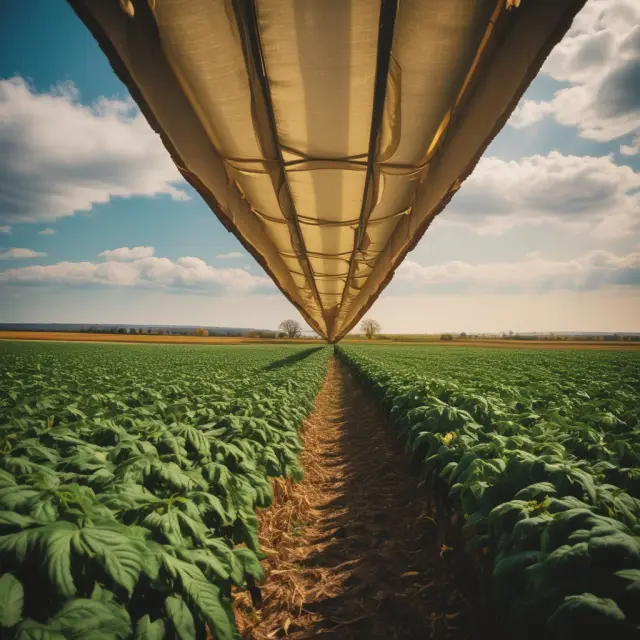
Benefits of Genetically Modified Foods
Genetically Modified Foods (GMF), which are derived from organisms with altered genetic codes, have been in the market since 1994. GMF can be traced back to the green revolution during the 20th century when scientists engineered crops to produce higher yields in harsh conditions. Genetic modification allows for the introduction of desirable traits such as pest and disease resistance, extended shelf life, nutritional enhancement, and increased yield.
One significant benefit of genetically modified foods is their resistance to pests and herbicides. Farmers can save on costs associated with applying chemical pesticides by growing crops that are resistant to certain pests. Genetic modifications also provide farmers with the ability to grow crops in environments that previously proved unfavorable, increasing overall yields.
For instance, Bt cotton is genetically modified to produce a protein called Bacillus thuringiensis (Bt) which acts as a natural insecticide against bollworms and other major pests threatening the crop. As a result, farmers can significantly reduce their pesticide usage while still maintaining high yields. In turn, the adoption of Bt cotton has contributed to the increase in cotton production in India, accounting for nearly 10% of its total production.
Genetic engineering also provides an opportunity to enhance the nutritional value of crops. An example is Golden Rice, which contains added beta-carotene, a provitamin A carotenoid that the human body converts into vitamin A. Vitamin A deficiency affects approximately 19 million children worldwide, often leading to vision impairments and an increased risk of death from infections such as measles and diarrhea. Golden Rice has the potential to reduce the number of cases related to vitamin A deficiency by providing this essential nutrient in a more accessible and cost-effective manner.
Moreover, genetically modified foods can offer extended shelf life, reducing food waste and enhancing accessibility for consumers. For example, Arctic Apple is a non-browning apple developed through genetic modification to suppress the enzyme that turns apples brown when cut or bruised, making it a more consumer-friendly option by eliminating the need to add preservatives.
In conclusion, genetically modified foods offer significant benefits for farmers, consumers, and the environment by increasing yields, providing resistance to pests, promoting cost savings, and enhancing nutritional value. These advancements have revolutionized agriculture, leading to increased food security and improved accessibility to essential nutrients. Despite ongoing controversy and debate surrounding genetically modified foods, their potential benefits demonstrate their importance in shaping the future of global agriculture.

The Process of Creating Genetically Modified Organisms (GMO)
Genetically modified organisms (GMOs), including fruits and vegetables, are created through gene editing techniques that alter the genetic code to introduce desired traits. Gene editing can occur in several ways, such as:
- Transgenic methods: This technique involves transferring a whole gene or multiple genes from one organism to another using DNA extracted from bacteria or viruses. For example, scientists may introduce a bacterial gene into a plant species to give it resistance to pests.
- Gene silencing: Scientists can block the expression of specific genes within an organism. This technique can be used to prevent harmful proteins from being produced in plants or animals.
- Genome editing: The most recent technique, genome editing uses CRISPR-Cas9 technology to make precise changes to an organism’s DNA. This method has revolutionized the field of genetic engineering, making it easier and more accurate than ever before.
Once scientists have identified the desired gene or genes to edit, they use various methods to introduce them into the target organism. For instance, bacteria or viruses may be used as vectors—carriers for the new genes. In other cases, direct injection of the genes is necessary. After the transfer, scientists must ensure that the modified organisms have integrated the new genes properly and are producing the desired traits.
The process of creating genetically modified organisms can involve years of research and development. Scientists must first identify the specific gene or genes responsible for a trait they wish to introduce. They then must develop techniques for introducing those genes into the target species and carefully monitor the results to ensure the new organisms exhibit the intended traits.
The process of creating genetically modified organisms is not without controversy, however. Critics argue that these organisms may have unintended consequences for human health and the environment. For example, they might transfer genes into unintended species or cause unexpected changes in the organisms’ behavior or physiology. In response to these concerns, governments and regulatory bodies closely monitor genetically modified organisms to ensure their safety before releasing them into the market.
Despite controversy and debate, genetically modified foods have provided numerous benefits for farmers, yielding higher crop yields and pesticide resistance. As scientific research continues to advance, it is likely that new applications and techniques for creating genetically modified organisms will emerge, further changing the landscape of agriculture.

Regulation of Genetically Modified Foods
Genetically Modified Food (GMF) is a topic that sparks intense debate and controversy, with various stakeholders weighing in on its implications for human health, the environment, and corporate control. This section will focus on how governments regulate genetically modified foods, specifically within the United States and Europe – two regions that have been at the forefront of this issue.
In the United States, the U.S. Food and Drug Administration (FDA), Environmental Protection Agency (EPA), and U.S. Department of Agriculture (USDA) work together to ensure the safety of genetically modified foods for human consumption. The FDA Center for Veterinary Medicine regulates the introduction of GM animals into the food supply, while the USDA’s Animal and Plant Health Inspection Service assesses the potential environmental impact of these organisms. The EPA evaluates pesticides and their application methods used in GMF production under the Toxic Substances Control Act (TSCA) and the Federal Insecticide, Fungicide, and Rodenticide Act (FIFRA).
The US regulatory approach is based on a “substantial equivalence” framework. This means that if a genetically modified food is determined to be equivalent to its conventional counterpart in terms of composition, nutritional value, safety, and other relevant factors, it can be marketed without undergoing extensive testing or labeling requirements.
European countries have adopted a more cautious stance on genetically modified foods. The European Commission’s Scientific Committee on Consumer Safety is responsible for assessing the potential health risks of GMF. Additionally, the European Food Safety Authority (EFSA) evaluates the environmental impact and safety of GM crops grown in Europe. In 1997, the European Union (EU) adopted the Novel Food Regulation, which requires that any food derived from genetically modified organisms undergo a rigorous authorization process before it can be placed on the EU market.
The debate over GMF regulation is far from settled. Critics argue that there are uncertainties regarding potential long-term health impacts and environmental consequences. The potential for gene flow from GM crops to conventional counterparts and other organisms in the ecosystem also raises concerns. As of 2016, more than half of the 28 EU countries have banned or limited the cultivation of genetically modified crops. Some countries, such as Germany and France, have even called for a complete ban on GMF imports.
This regulatory landscape is constantly evolving, with new research findings, technological advancements, and political developments shaping the debate. Stay tuned for further insights into the economic implications of genetically modified foods in our upcoming sections.
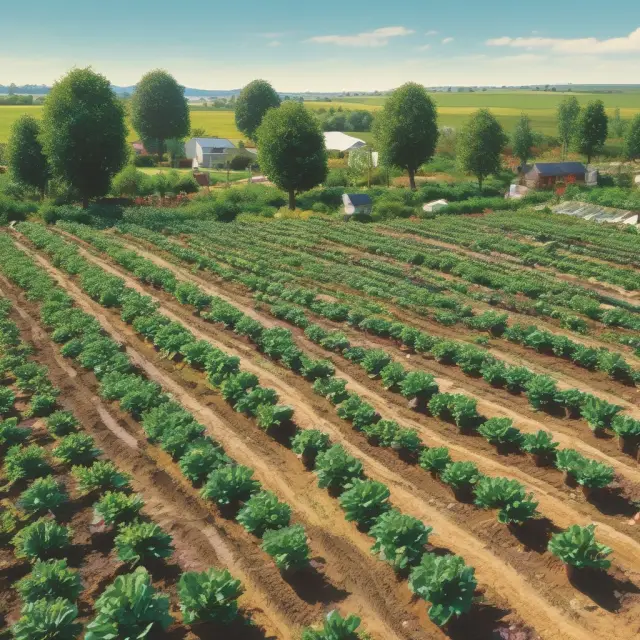
Proponents of Genetically Modified Foods
Genetically modified foods (GMF) have gained significant traction in the agricultural sector for their potential to introduce beneficial traits, increase yields and improve crop resilience against adverse conditions. The development and consumption of these foods are a subject of intense debate with strong opinions on both sides. In this section, we explore the arguments put forward by those in favor of genetically modified fruits, vegetables, and crops.
Leading organizations advocating for genetically modified foods include:
– International Service for the Acquisition of Agrobiotech Applications (ISAAA): ISAAA is a nonprofit organization that promotes agricultural biotechnology by sharing knowledge and information about its benefits. Founded in 1994, ISAAA provides assistance to developing countries interested in adopting genetically modified crops.
– American Farm Bureau Federation: The American Farm Bureau Federation (AFBF) is a powerful lobbying organization representing farmers and ranchers in the United States. The AFBF supports the development of genetically modified foods, arguing that they provide numerous benefits for agriculture and food production.
– European Biotech: European Biotech is an umbrella association that represents biotechnology companies operating in Europe. They promote the use of genetic modification to improve crop yields, enhance food quality, and increase sustainability in agriculture.
Proponents of genetically modified foods point to several advantages for farmers, such as increased productivity and disease resistance. The introduction of genetically engineered crops like “Roundup Ready” soybeans has revolutionized farming practices by allowing the use of herbicides that kill weeds but not the crops themselves. This has led to significant improvements in yields, with some studies indicating a 20-30% increase in productivity. Moreover, genetically engineered plants can be modified to produce more nutritious food. For example, Golden Rice, which is rich in Vitamin A, could help prevent blindness and vision loss for millions of people who suffer from vitamin A deficiency.
In conclusion, the proponents of genetically modified foods argue that these innovations bring significant benefits to agriculture, consumers, and the environment. Genetic modification enables farmers to produce higher yields, create more nutritious food, and improve resilience against adverse conditions, pests, and diseases. However, critics argue that there are long-term health implications for consumers and potential risks associated with unintended consequences in the environment. These concerns will be discussed further in subsequent sections of this article.
Genetically Modified Foods: Benefits and Controversy (512 words)

Criticism and Controversy Surrounding GMF
Genetically Modified Foods (GMF) have been a subject of controversy and debate for decades. While proponents argue the benefits, critics point to potential long-term health effects on consumers and environmental concerns. The debate around genetically modified foods centers on several key issues.
One major concern is the potential for unintended consequences in humans. Critics argue that there may be hidden risks to our health because gene editing techniques are relatively new, and their long-term effects remain largely unknown. For example, it’s unclear how consuming altered genes could impact human physiology over an extended period or whether they could interact with other genes in ways that lead to adverse health outcomes.
Another concern is the environmental impact of genetically modified organisms (GMOs). There is a fear that these organisms may transfer their genes into non-modified crops, leading to unintended consequences. This “gene flow” could potentially threaten biodiversity by squeezing out natural varieties, reducing genetic diversity, and altering ecosystems. Moreover, there are concerns about the potential for crossbreeding between genetically modified organisms and their wild relatives. For instance, if a GM crop pollinates with its wild counterpart, it could create “superweeds” that may be resistant to herbicides, making weed control more challenging.
Several countries have taken action to address these concerns by either banning or tightly regulating the use of genetically modified organisms in their food supply. For instance, more than half of the European Union (EU) nations, including Germany and France, have banned farmers from growing GM crops. However, imports of GM animal feed are still allowed in the EU. Several regions within the UK, such as Northern Ireland, Scotland, and Wales, have also joined the anti-GMF movement.
One of the most contentious issues is labeling genetically modified foods. Critics argue that consumers should be made aware of whether they are buying and consuming GM products. The European Union mandates labeling for food containing more than 0.9% genetically modified organisms. In contrast, the United States does not require mandatory labeling for GMOs, although some voluntary labeling programs exist. This lack of transparency can make it difficult for consumers to make informed decisions about their food choices.
Furthermore, critics argue that the concentration of power within a few large agrochemical corporations could lead to a monopoly on genetic resources and limit small farmers’ ability to sell their produce. For example, in India, there have been numerous instances of small farmers committing suicide due to debt caused by purchasing genetically modified seeds at high prices from these corporations. This highlights the need for more transparency and fairness in the distribution of genetically modified crops and their related technologies.

Genetically Modified Foods in Developing Countries
Genetically modified foods (GMF) have shown tremendous potential for improving food security and nutrition in developing countries. The advantages of genetically modified crops include increased yields, resistance to diseases and pests, as well as the ability to withstand harsh environmental conditions. In the context of developing countries, these benefits can be crucial for addressing significant challenges related to food security and malnutrition.
For instance, Golden Rice, engineered to produce high levels of beta-carotene—a precursor to vitamin A—has shown promise in combating Vitamin A deficiency. This is a major health issue affecting more than 250 million children worldwide and contributes to approximately 1.1 million premature deaths annually. By improving the nutritional value of rice, genetically modified crops can play a vital role in addressing malnutrition in developing countries.
In Asia, genetically modified cotton has proven particularly beneficial for farmers, who previously relied on traditional methods to deal with bollworms—a common pest that decimated their crops. Bt cotton, engineered to produce a protein toxic to certain insects, has significantly reduced the need for harmful pesticides and increased yields, enabling farmers to generate higher incomes.
The introduction of genetically modified crops can also lead to economic benefits by improving overall crop productivity, reducing reliance on imports, and increasing food security. In 2015, smallholder farmers in Africa grew around 430,000 hectares of biotech cotton, leading to a yield increase of up to 30% compared to non-GM cotton crops.
However, the implementation and adoption of genetically modified foods in developing countries come with challenges and concerns. One key issue is access to technology, as seed patents and intellectual property rights can limit the availability and affordability of genetically modified seeds for small farmers. In addition, the potential risks associated with genetically modified organisms (GMOs), such as unintended consequences and cross-fertilization, need further investigation and regulation to address concerns regarding long-term health impacts on consumers and the environment.
Despite these challenges, organizations like the Consultative Group on International Agricultural Research (CGIAR) are working on developing genetically modified crops that cater specifically to the needs of smallholder farmers in developing countries. By creating accessible, affordable solutions that provide increased yields and improved nutritional value, genetically modified foods can play a crucial role in addressing food security issues, improving nutrition, and enhancing livelihoods for those most in need.
In conclusion, understanding the complex landscape of genetically modified foods requires an exploration of their benefits, processes, regulations, proponents, criticisms, and impacts on developing countries. As this technology continues to evolve, it is crucial that we approach it with a critical yet open mind, recognizing its potential for addressing global food security challenges while remaining vigilant about its risks and ethical implications.

Impact on Small Farmers and Corporate Control
The advent of genetically modified foods (GMF) has led to significant debates regarding the implications for small farmers, corporate control, and even farmer suicides in developing countries like India. While proponents of GMF argue that it provides farmers with the potential for higher yields, better pest resistance, and economic benefits, critics express concerns over the potential displacement of small farms by large agro-businesses.
The process of creating genetically modified organisms (GMO) often involves costly research and development expenses, which can be challenging for small farmers to afford. Instead, multinational corporations have emerged as key players in this field, providing the technology, seeds, and support required to produce these crops. As a result, some argue that GMF exacerbates an already existing power imbalance between large corporations and small farmers.
Farmers in developing countries like India, where more than 50% of the population is involved in agriculture, have been particularly impacted by this trend. In 1998, India permitted the planting of Bt cotton—the first genetically modified food crop to be approved for cultivation in the country. Since then, the number of farmers growing Bt cotton has grown significantly. However, a study published in the journal ‘Agricultural Economics’ found that small and marginal farmers experienced no significant benefits from planting Bt cotton compared to conventional cotton. Instead, these farmers faced higher expenses due to the need for additional water and fertilizers.
Despite these challenges, some argue that GMF can play a role in improving food security and nutrition in developing countries. By increasing yields, reducing the need for pesticides, and adapting crops to harsher environmental conditions, genetically modified foods could potentially help address the problem of world hunger. However, it is crucial to ensure that small farmers are not left behind in this process and that they have access to affordable technology and resources.
The impact of GMF on corporate control raises important ethical questions regarding the power dynamics between large corporations and farmers. As more and more genetically modified foods enter the market, it becomes essential to address these concerns and strive for a fairer distribution of benefits. This can be achieved through policy interventions, public-private partnerships, and supportive initiatives designed to empower small farmers and ensure they are not at a disadvantage in this new agricultural landscape.

Labeling of Genetically Modified Foods
Genetically Modified Organisms (GMOs) have been a topic of controversy since their introduction to the market. One ongoing debate concerns labeling genetically modified foods (GMF) differently from conventionally produced food. Proponents argue that this is necessary for consumers to make informed purchasing decisions. Critics, however, believe it will increase consumer skepticism and potentially decrease demand for GMF. Let’s examine the implications of mandatory labeling on both sides.
First, proponents of labeling argue that consumers have a right to know what they are eating. The European Union (EU), Australia, Russia, China, Japan, South Korea, Brazil, India and some U.S states all require labeling for genetically modified foods. This is a significant difference compared to other countries such as Canada and the United States. In the U.S., the Food and Drug Administration (FDA) does not mandate labeling of GMF due to their stance that there are no significant differences between GM and non-GM products.
However, this perspective may change in the near future. Public opinion regarding genetically modified foods is shifting, as awareness about potential risks and unintended consequences grows. In a 2015 survey, 73% of respondents believed that it was important for companies to label GM ingredients, up from 67% in 2013. Additionally, some retailers and food manufacturers have already begun voluntarily labeling their products as non-GMO or GMO-free due to consumer demand. This could influence larger companies to follow suit.
On the other hand, critics argue that mandatory labeling would increase production costs, potentially resulting in higher prices for consumers. The National Academies of Sciences, Engineering and Medicine estimated that implementing mandatory GMF labeling across all food products could add between 0.2% and 5.5% to food prices. This may disproportionately impact low-income households, who spend a larger share of their income on food.
Furthermore, opponents argue that consumers are already consuming genetically modified foods without realizing it due to the ubiquitous nature of GMF in our food supply. As mentioned earlier, over 90% of all soybean, cotton and corn crops in the U.S are GM. These crops are used extensively as ingredients in a wide range of processed foods, including cookies, cereals, soft drinks, and even baby formula. Additionally, animals that eat GM feed can pass their modified genes into their meat, milk or eggs.
Labeling advocates counter that consumers have a right to know if they are consuming genetically modified food. They argue that mandatory labeling would increase consumer trust, as well as spur innovation in the development of alternative non-GM ingredients. In the long term, this could lead to reduced reliance on genetically modified organisms, and a greater focus on sustainable agricultural practices.
In conclusion, while proponents argue that consumers have a right to know what they are consuming, critics emphasize the potential financial implications and consumer skepticism. Ultimately, the debate around mandatory labeling of genetically modified foods is a complex one. It speaks to broader concerns about transparency in our food supply chain, as well as the role governments and corporations play in addressing consumer demand for sustainable and healthful food options. As public awareness continues to grow regarding the potential risks and benefits of genetically modified organisms, it’s crucial that all stakeholders come together to find a solution that supports both innovation and consumer trust.

GMF FAQ
Genetically Modified Foods (GMF) have been a topic of intense debate for several decades, with proponents arguing for their numerous benefits and critics expressing concerns over long-term health effects and environmental implications. In this section, we’ll explore some frequently asked questions related to genetically modified foods.
**What is Genetically Modified Food (GMF)?**
Genetically Modified Foods are created from organisms that have had their genes altered to introduce desired traits not found in nature. The genetic modification process involves introducing a gene from another organism into the target food source, leading to new characteristics such as resistance to diseases or pests and increased yield under adverse conditions.
**Who regulates genetically modified foods?**
Governments around the world oversee the production and sale of genetically modified foods to ensure they are safe for human consumption. In the United States, three main regulatory bodies – the U.S Food and Drug Administration (FDA), Environmental Protection Agency (EPA), and Department of Agriculture (USDA) – work together to regulate GM foods. The European Union has a more restrictive approach, with each European country implementing its own regulations concerning GMF.
**What are the benefits of genetically modified foods?**
Proponents argue that genetically modified foods offer numerous advantages including higher crop yields, resistance to diseases and pests, as well as increased food security – particularly in developing countries where agricultural challenges are more pronounced. The first commercially available GM food was introduced in the United States in 1994: a tomato variety engineered to delay ripening and improve shelf life.
**What is the process of creating genetically modified organisms (GMOs)?**
Creating GMOs involves introducing specific genes from another organism, often using techniques such as gene editing or genetic engineering. These processes can be broken down into several steps: 1) isolating the target gene, 2) transferring the gene to the host organism, and 3) allowing the new genetic material to become integrated into the host’s DNA.
**What are the criticisms of genetically modified foods?**
Opponents argue that the long-term health effects of consuming genetically modified foods have not been fully researched and question their impact on the environment. Concerns include potential unintended consequences, such as cross-fertilization between GM crops and wild relatives, and the transfer of genes from food to consumers. Critics also argue that genetically modified foods could disrupt ecosystems by replacing conventional crops, potentially threatening the survival of other organisms.
**Is labeling of genetically modified foods mandatory?**
Labeling regulations for genetically modified foods vary greatly around the world. While some countries like the United States do not require labeling, others, such as many European countries, mandate it due to concerns over health effects and environmental implications. In 2013, Vermont became the first U.S. state to pass legislation requiring labels on GM foods, which went into effect in July 2016. The law was later amended in response to a legal challenge brought by several food industry groups.
**What are some examples of genetically modified crops?**
Examples of genetically modified crops include:
- Roundup Ready Soybeans – resistant to the herbicide glyphosate (Roundup)
- Bt Corn – producing a bacterial protein that kills corn borers
- Golden Rice – engineered to contain increased levels of beta-carotene, which helps prevent vitamin A deficiency
- Herbicide Tolerant Wheat – resistant to herbicides such as glyphosate and glufosinate.
 Next entry · No. 1,784Gentlemen’s Agreements: An Informal Pact Between Parties
See also
-
 No. 4,467
21 Jun 2025
18 min
Revolving Door: Understanding the Phenomenon and Its Implications
Government
No. 4,467
21 Jun 2025
18 min
Revolving Door: Understanding the Phenomenon and Its Implications
Government -
 No. 2,854
09 Feb 2025
20 min
Liar Loans: A Dangerous Game of Hiding Income and Assets in Real Estate Lending
Mortgage
No. 2,854
09 Feb 2025
20 min
Liar Loans: A Dangerous Game of Hiding Income and Assets in Real Estate Lending
Mortgage -
 No. 2,762
02 Feb 2025
19 min
Understanding Land Value: Everything You Need to Know for Institutional Investors
Real Estate
No. 2,762
02 Feb 2025
19 min
Understanding Land Value: Everything You Need to Know for Institutional Investors
Real Estate -
 No. 2,336
29 Dec 2024
21 min
Income Smoothing: Techniques, Reasons, and Ethical Implications for Institutional Investors
Business Finance
No. 2,336
29 Dec 2024
21 min
Income Smoothing: Techniques, Reasons, and Ethical Implications for Institutional Investors
Business Finance -
 No. 1,907
23 Nov 2024
22 min
Exploring Green Investing: Understanding Types, Benefits, and Best Practices
Green Investing
No. 1,907
23 Nov 2024
22 min
Exploring Green Investing: Understanding Types, Benefits, and Best Practices
Green Investing -
 No. 1,802
08 Nov 2024
25 min
Maximizing Your Wealth Through Gift Splitting: A Comprehensive Guide for Institutional Investors
Business Strategy
No. 1,802
08 Nov 2024
25 min
Maximizing Your Wealth Through Gift Splitting: A Comprehensive Guide for Institutional Investors
Business Strategy