Exploring EdTech: Understanding the Role of Education Technology in Modern Classrooms

Exploring the role of Education Technology (EdTech) in modern classrooms. Understand benefits, challenges, & success stories.
Understanding EdTech: Definition and Overview
EdTech, also known as education technology, encompasses a variety of hardware and software applications designed to revolutionize the classroom experience by improving access to knowledge and enhancing individualized instruction. From interactive whiteboards to learning management systems (LMS), EdTech tools have become increasingly integrated into modern classrooms, enabling more efficient curricula delivery, data-driven insights, and personalized learning experiences for students.
Definition of EdTech
EdTech refers to any digital tool, application, or resource used by educators to improve student learning outcomes. It includes hardware like interactive whiteboards and tablets as well as software like learning management systems, virtual learning platforms, and educational applications. The overarching goal is to provide a more engaging, inclusive, and effective learning environment that caters to various students’ abilities and learning styles.
Relevance of EdTech in Modern Classrooms
EdTech has become essential for modern classrooms as it offers several advantages over traditional teaching methods. These benefits include:
- Customized instruction: Adaptive learning technologies can create personalized curricula tailored to each student’s abilities and learning style, ensuring they receive appropriate content at the right pace.
- Increased accessibility: Digital resources enable students to learn from anywhere, reducing the need for physical classroom attendance and providing opportunities for those who may have limited access to educational materials otherwise.
- Real-time feedback and data analysis: Advanced analytics capabilities in EdTech tools allow educators to monitor student progress and identify areas where improvement is needed, enabling timely interventions and more effective teaching strategies.
- Reduced burden on teachers: Automated grading and assessment processes can help relieve some of the administrative tasks traditionally handled by teachers, giving them more time to focus on instruction and engagement with students.
- Collaborative learning: EdTech tools facilitate group work and interactive class activities that encourage collaboration and peer-to-peer learning, fostering a more engaging classroom environment.
However, some concerns regarding privacy, data security, and impersonal learning experiences have been raised with the widespread adoption of EdTech in education. As this technology continues to evolve and adapt, it is essential for educators, policymakers, and institutions to strike a balance between the benefits and potential challenges.
In conclusion, understanding EdTech’s definition, relevance to modern classrooms, and its associated advantages and concerns is crucial in today’s rapidly changing educational landscape. By embracing these technological advancements and addressing the challenges they present, educators can create more effective, engaging, and inclusive learning environments for students.

Waves of EdTech Implementation in Classrooms
EdTech is a dynamic concept that continues to evolve with each passing year. To better understand its role in modern classrooms, it’s essential to explore the evolution of its implementation and how coordination between hardware and software plays a crucial part.
First came the arrival of classroom technology in the form of hardware. Interactive whiteboards, projectors, and laptops were initially introduced as standalone tools, enhancing teaching methods and making lessons more interactive for students. However, their true potential was yet to be unlocked. Enter EdTech software: cloud-based applications designed to maximize the use of these technologies in a classroom setting.
EdTech software solutions work hand-in-hand with hardware to create customized learning environments. These solutions can assess students’ abilities and learning progress, providing educators with valuable insights. This data helps teachers to address individual student needs, creating personalized curricula, and adapting teaching methods accordingly.
A significant wave of EdTech implementation came in the form of Massive Open Online Courses (MOOCs). MOOCs aim to reach a vast audience by offering education online for free or at a relatively low cost. They have been hailed for their potential to democratize education, providing access to individuals who may not have had it otherwise. However, they also present challenges, such as maintaining student engagement and ensuring completion rates.
The integration of EdTech into modern classrooms has sparked controversy, with concerns regarding data collection, privacy, and the impersonal nature of technology-driven learning environments. It is essential for educators to strike a balance between embracing innovation while addressing these concerns and maintaining the importance of social learning experiences that foster a healthy classroom environment.
EdTech software can significantly enhance individualized education by providing students with personalized curricula and adaptive learning pathways, catering to their unique learning styles. By creating tailored learning experiences, EdTech can address the varying needs and abilities of students, resulting in improved educational outcomes for both the student and the class as a whole.
One notable publicly traded company leading the charge in EdTech is K12 Inc. (LRN), offering full-time virtual classrooms, single courses, and tools designed to supplement learning for kindergarten through grade 12 students.
The future of EdTech is an exciting prospect with continued developments in AI, VR, and AR technologies promising to revolutionize the way we learn. As EdTech continues to evolve, it’s crucial for educators to remain adaptable and embrace this transformative technology while addressing social challenges and maintaining a balance between personalized learning and the importance of group dynamics.

The Role of EdTech in Enhancing Individualized Education
EdTech’s potential lies in its ability to create a more personalized learning experience for students by catering to individual learning styles and abilities. With the help of adaptive learning systems, edtech platforms can analyze a student’s performance, assess their strengths and weaknesses, and customize learning paths accordingly. This approach has proven particularly beneficial for addressing varying learning styles and providing a more comprehensive educational experience.
One of the most significant advantages of EdTech in education is its capacity to adapt to individual learning styles. Students can learn at their own pace without feeling pressured by the needs or abilities of others in the classroom. Adaptive learning systems make use of analytics, machine learning algorithms, and real-time feedback to create personalized study plans for each learner. This tailored approach can be especially important for students who struggle with traditional learning methods, allowing them to progress at their own pace and receive targeted support when needed.
Moreover, the customization potential of EdTech extends beyond just the pacing of content delivery. Platforms like Coursera, edX, and Udemy offer a vast array of courses that cater to various subjects, interests, and learning styles. These massive open online courses (MOOCs) provide access to high-quality educational material for students from all over the world who may not have had such opportunities otherwise. The flexibility and affordability of these platforms contribute significantly to making education more accessible and inclusive.
However, it is important to recognize that EdTech does not come without its challenges. One major concern is data privacy and collection, as these personalized learning experiences rely heavily on collecting student data. Educational institutions must ensure transparency in their data handling practices and provide clear policies to reassure parents, students, and educators about how this information will be used. Additionally, striking a balance between individualization and maintaining a social learning environment is crucial for creating an engaging classroom atmosphere.
Success stories of publicly traded EdTech companies like K12 Inc. (LRN) demonstrate the significant impact of these technological advancements on the education sector. K12, primarily focusing on providing individualized learning through curriculum, software, and services, has been instrumental in shaping the future of education. These platforms, along with others, have shown that technology can be a powerful tool for enhancing personalized educational experiences while addressing the needs of various learners, making it a worthwhile investment.
As we move forward, continued advancements in EdTech are expected to further revolutionize the way students learn and interact with their educators. The integration of AI, virtual reality (VR), and augmented reality (AR) technologies is poised to create even more immersive learning experiences that cater to diverse learning styles and abilities. By addressing the challenges and capitalizing on these opportunities, EdTech will undoubtedly continue to play an increasingly vital role in shaping modern classrooms and transforming the educational landscape for generations to come.

Massive Open Online Courses (MOOCs) as a Form of EdTech
EdTech’s reach extends beyond the confines of traditional classrooms, with massive open online courses (MOOCs) providing unparalleled accessibility and flexibility. These digital learning platforms cater to a global audience by delivering high-quality educational content at no or minimal cost. MOOCs offer several advantages that are revolutionizing modern education:
- Accessibility: With the internet as their only requirement, learners can participate in courses from any location, breaking down geographical barriers and making education accessible to individuals who might not have had the opportunity otherwise.
- Flexibility: MOOCs often come with self-paced schedules, allowing learners to progress through the material at their own speed and convenience. This is particularly beneficial for students juggling work, family, or other commitments.
- Variety: MOOCs cover a vast range of subjects and disciplines, often attracting renowned experts as instructors. As a result, learners can expand their knowledge base and explore new topics that might not be offered in their local educational institutions.
Despite these advantages, MOOCs are not without challenges. Critics argue that the lack of face-to-face interaction and social learning opportunities can hinder the student experience and limit engagement. Moreover, high dropout rates have been a concern for some platforms. Nevertheless, efforts to address these issues through innovations like peer-assisted learning, interactive quizzes, and gamification are ongoing.
To illustrate MOOCs’ impact on education, let us examine Coursera – one of the most popular and successful EdTech companies in this space. Founded in 2012 by Stanford University professors Andrew Ng and Daphne Koller, Coursera partners with top universities and organizations to deliver courses in various disciplines. With millions of learners worldwide, Coursera aims to democratize education and provide accessible, high-quality learning experiences to all.
As the EdTech landscape evolves, MOOCs’ role will continue to shape modern classrooms, offering opportunities for expansion and innovation. The challenge lies in striking a balance between maintaining traditional educational benefits like social interaction and fostering the unique advantages of these digital platforms.

EdTech Concerns: Data Collection, Privacy, and Impersonal Learning
One of the most frequently voiced concerns regarding EdTech is its potential impact on students’ privacy and data security. As EdTech solutions increasingly rely on AI and machine learning algorithms to personalize education, there are growing debates about data collection practices, data ownership, and how this information may be used or shared in the future.
Additionally, some individuals question whether technology-driven approaches to teaching might negatively impact students’ social development, creating a more impersonal learning environment. In response, it’s crucial that we address these concerns while continuing to explore the benefits of EdTech.
Balancing Innovation and Privacy Concerns:
Privacy is paramount in any educational setting, particularly when it comes to technology implementations. Educational institutions must ensure that their EdTech solutions comply with federal privacy regulations such as FERPA (Family Educational Rights and Privacy Act) and COPPA (Children’s Online Privacy Protection Act). Moreover, they should have a clear data usage policy in place that outlines how student data is being collected, stored, and used.
Transparency around data collection practices is also important to foster trust between educators, parents, students, and EdTech companies. Collaborative efforts among all stakeholders can help create a secure environment where privacy concerns are addressed without hindering the potential benefits of EdTech in classrooms.
Maintaining Social Learning in a Tech-driven Classroom:
Another concern with EdTech is that it might lead to a less socially engaging learning environment, which could negatively affect students’ social development. While there’s truth to the fact that technology can sometimes replace face-to-face interactions, many educators believe it’s essential not to overlook the potential for technology to enhance collaboration and communication between students.
The key is to strike a balance between leveraging technology as a tool for learning while preserving opportunities for social interaction and skill development. For instance, incorporating discussion boards or interactive whiteboards into EdTech solutions can facilitate collaborative problem-solving and group work. Likewise, blending physical and virtual classroom activities can create richer learning experiences that combine the benefits of both environments.
In conclusion, while EdTech holds significant promise for enhancing individualized education and improving student outcomes, it’s crucial to address concerns related to data privacy and creating a socially engaging learning experience. By fostering transparency in data collection practices and balancing technology usage with social learning opportunities, we can ensure that students reap the full benefits of EdTech while minimizing potential pitfalls.
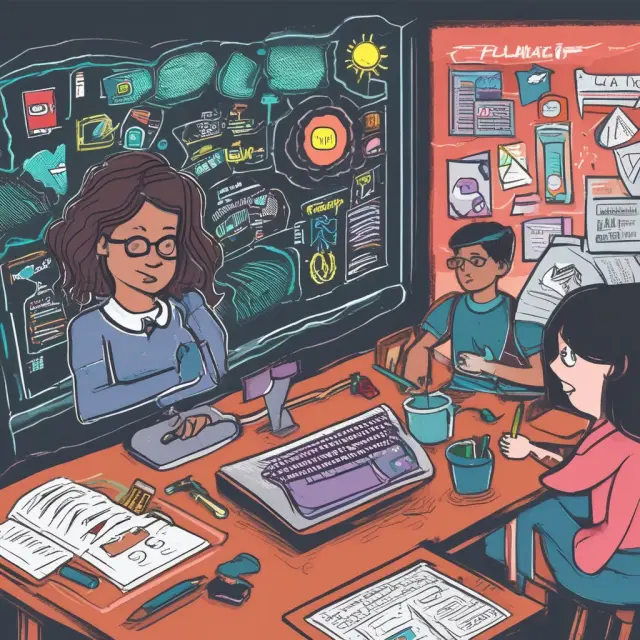
The Impact of EdTech on Teaching Roles and Responsibilities
With the increasing prevalence of technology in education, the roles and responsibilities of teachers are undergoing significant shifts in this era of EdTech. The integration of technology into classrooms has the potential to transform teaching from a solely didactic role to a facilitator position that tailors instruction for each student’s unique learning needs.
The evolution of EdTech in teaching can be divided into two primary waves: hardware and software. In its initial stage, the introduction of hardware like interactive whiteboards, computers, and tablets altered the classroom landscape. The subsequent wave focused on maximizing the potential of these tools through the adoption of advanced educational software designed to streamline instruction, provide personalized learning paths, and automate administrative tasks.
One significant impact of EdTech is the enhancement of individualized education through adaptive learning technologies. These solutions can customize curricula based on a student’s unique strengths and weaknesses, making learning more engaging and effective for each learner. Moreover, they provide instructors with valuable data to track progress and adjust their instruction accordingly, ensuring that no student is left behind or overlooked.
Another way that EdTech alters the teaching landscape is through Massive Open Online Courses (MOOCs), which offer flexible and accessible educational opportunities for students from diverse backgrounds and geographic locations. Although they present some challenges—such as low completion rates and concerns about data privacy—they also represent a powerful tool for expanding educational access and addressing social disparities in education.
However, the integration of EdTech into classrooms raises several concerns. One major issue is data collection and privacy, which must be carefully balanced against the benefits of personalized learning and adaptive curricula. Additionally, some argue that overreliance on technology could lead to impersonal or dehumanizing educational experiences, potentially undermining the social learning environment and important teacher-student relationships.
As EdTech continues to evolve, it is crucial for educators and policymakers to work together to design inclusive, effective, and socially engaging edtech solutions that cater to a wide range of learning styles and accommodate students with diverse needs. This will require ongoing collaboration between educational researchers, technology developers, and classroom teachers to ensure that the potential benefits of EdTech are fully realized while minimizing its drawbacks.
One publicly traded company leading the way in this field is K12 Inc. (LRN), which offers individualized learning solutions through curriculum, software, and services tailored for students from kindergarten to grade 12. With a focus on customizing instruction and fostering teacher-student engagement, K12 Inc.’s offerings demonstrate the potential of EdTech to revolutionize education while maintaining a strong foundation in personalized, effective learning experiences.

Success Stories: Publicly Traded EdTech Companies and their Solutions
EdTech’s potential for revolutionizing the educational landscape is further emphasized by the success stories of publicly traded companies that have entered this innovative sector. Among these leading companies, K12 Inc., which currently ranks as one of the industry’s major players, showcases how technology can effectively transform learning experiences for students from kindergarten to grade 12.
Founded in 1999, K12 Inc. (NYSE: LRN) is a leading EdTech company dedicated to providing individualized learning through curriculum, software, and services for students from diverse backgrounds. The company’s offerings range from full-time virtual classrooms to single courses and supplementary tools designed to cater to various educational needs.
One of K12 Inc.’s most notable contributions to EdTech is its innovative approach to personalized learning. By delivering instruction in a flexible format, students can progress at their own pace, allowing them to focus on their strengths while addressing any weaknesses in a supportive and engaging environment. This adaptability is crucial for creating inclusive learning experiences that cater to the unique needs of every student.
Another successful publicly traded EdTech company, BYJU’S (BYJU’s Classes Ltd.), has captured the attention of investors with its interactive learning platform designed for students aged 4 to 12. The platform uses a personalized approach to teaching mathematics and science through engaging video lessons, which are supplemented by interactive activities and real-time feedback from teachers. BYJU’S impressive growth can be attributed to its commitment to addressing the specific needs of each learner while providing a comprehensive educational solution.
These success stories demonstrate that publicly traded EdTech companies like K12 Inc. and BYJU’s not only have the potential to significantly impact the future of education but are already making strides in transforming learning experiences for students worldwide. Through their innovative offerings, these companies are bridging the gap between traditional classroom instruction and technology-enhanced education, ultimately providing learners with a more accessible, inclusive, and effective educational journey.

Designing Effective EdTech: Addressing Learning Styles and Challenges
EdTech has the potential to revolutionize education by offering adaptive and individualized learning experiences. However, one of its primary challenges is effectively catering to diverse learning styles, including auditory, kinesthetic, and visual learners. Let’s explore how designers can create inclusive EdTech solutions for all students.
EdTech, with its focus on technology-enhanced education, brings a plethora of opportunities for individualized learning experiences. Yet, catering to the diverse learning styles of every student—auditory, kinesthetic, and visual learners—can be a significant challenge. According to Dunn & Dunn (1993), approximately 65% of students are considered “visual-spatial” learners, while around 30% fall under the “verbal-linguistic” category, and only about 5% can be classified as kinesthetic learners.
EdTech designers must ensure their solutions cater to each learning style effectively for optimal engagement and educational outcomes. This is crucial because students who do not connect with their education may become disengaged, which could negatively impact their performance.
Auditory Learners
Auditory learners prefer to process information through listening rather than reading. In a classroom setting, teachers often incorporate lectures, storytelling, and discussions for these students. However, implementing EdTech solutions can help auditory learners engage more actively with the content. For instance, providing audio recordings of lessons or allowing text-to-speech functionality in software can benefit those who struggle to process written material effectively.
Kinesthetic Learners
Kinesthetic learners learn best by doing and experiencing things firsthand. In a traditional classroom setting, they might engage in lab activities, group projects, or hands-on experiments. EdTech solutions like interactive simulations, virtual labs, and gamification can foster engagement for kinesthetic learners, allowing them to experiment with concepts in a safe and interactive environment.
Visual Learners
Visual learners process information through visual aids, such as diagrams, charts, maps, and illustrations. EdTech tools like interactive whiteboards, educational videos, and digital textbooks can cater specifically to these students’ learning styles. Additionally, the use of multimedia elements like animations, graphics, and infographics within digital content can enhance their comprehension and retention of concepts.
In conclusion, creating effective EdTech solutions that address various learning styles is essential to ensuring inclusive education for all students. By designing technology-enhanced tools and resources that cater to diverse learning preferences—auditory, kinesthetic, and visual—educators can bridge the gap between traditional classroom methods and technology-driven educational experiences. This approach ensures that no student is left behind in their learning journey and maximizes the potential of EdTech to improve education outcomes for every learner.
As EdTech continues to evolve, it’s essential that designers prioritize creating solutions that accommodate various learning styles. The future of education lies at the intersection of technology and inclusive teaching methods, where students can learn effectively based on their individual strengths and preferences. By addressing these challenges and ensuring educational tools cater to all learners, EdTech can revolutionize classrooms, making them more accessible, engaging, and effective for every student.

Future of EdTech: Trends, Developments, and Opportunities
EdTech is a continually evolving field, with advancements in technology leading to new trends and developments that can significantly impact the way education is delivered and experienced. In this section, we explore some of the most significant trends shaping the future of EdTech, along with their implications for teaching, learning, and society as a whole.
Artificial Intelligence (AI) in Education: AI is becoming increasingly prevalent in EdTech, with applications ranging from personalized learning to intelligent tutoring systems. These technologies can analyze a student’s performance data to identify strengths and weaknesses, providing customized recommendations and adaptive learning paths based on individual needs. By continuously monitoring students’ progress, AI-powered tools can help teachers address learning gaps more effectively and ensure that each student is receiving the best possible education experience.
Virtual Reality (VR) and Augmented Reality (AR): VR and AR technologies offer immersive environments for students to explore complex concepts, making learning more engaging and interactive. For example, a history class could use VR to simulate travel back in time, while mathematics students might use AR to visualize three-dimensional shapes. By creating realistic, interactive experiences, these technologies can enhance understanding and retention of new concepts.
Massive Open Online Courses (MOOCs): MOOCs have gained significant popularity in recent years due to their accessibility and affordability. With millions of students worldwide enrolled in these courses, they represent a powerful tool for expanding educational opportunities. However, challenges remain, including completion rates, student engagement, and ensuring that the learning experience remains interactive and socially engaging.
Privacy and Security: As EdTech continues to evolve, concerns about data privacy and security are becoming more pressing. Developers must ensure that their platforms protect students’ personal information while providing a seamless user experience. By addressing these challenges head-on, the EdTech industry can build trust with educators, parents, and students, ensuring that technology remains an enabler of high-quality education rather than a source of concern.
The Future of Teaching: As EdTech continues to evolve, the role of teachers is also changing. While automation and AI will take on more routine tasks, such as assessments and data analysis, teachers will increasingly focus on providing personalized guidance and support. This shift toward a more collaborative, facilitator role can lead to better student outcomes and increased engagement, making the teacher-student relationship even more essential in the era of EdTech.
Staying Informed: To stay updated on these trends and developments, it’s important for educators, administrators, and parents to stay informed about the latest technologies, research, and best practices in EdTech. By engaging with experts, participating in professional development opportunities, and staying connected to the wider education community, we can ensure that technology is used effectively and ethically to support students’ learning journey.
In conclusion, the future of EdTech holds tremendous promise for transforming the way we teach and learn. With advancements in AI, VR/AR, privacy, and other areas, education will become more personalized, engaging, and accessible than ever before. By staying informed and embracing these developments, we can create a future where technology is used to enhance, rather than replace, the essential human connection between teachers and students.

FAQs: Common Questions and Misconceptions about EdTech
EdTech, also known as education technology, is a rapidly evolving sector that encompasses hardware and software designed to support, enhance, and customize classroom education. With the proliferation of technology in modern classrooms, many questions and misconceptions have arisen surrounding its implementation and impact on teaching and learning. In this section, we will debunk common myths, clarify misunderstandings, and address frequently asked questions related to EdTech.
Question: What exactly is EdTech, and how does it differ from traditional classroom methods?
Answer: EdTech refers to the integration of technology tools into educational settings, allowing for more personalized and adaptive learning experiences. It can include various devices such as interactive whiteboards, tablets, laptops, or software applications designed to facilitate instruction and assess student progress in real-time. The main difference between traditional classroom methods and EdTech lies in the level of customization and interaction it offers for both instructors and students.
Question: Why is EdTech important for modern classrooms?
Answer: EdTech plays a crucial role in enhancing individualized education, improving student outcomes, and reducing the teaching burden on educators. By utilizing technology to assess ability levels, adapt to learning styles, and provide real-time feedback, EdTech empowers teachers to focus more on facilitating the learning process rather than solely delivering content.
Question: Isn’t EdTech just an attempt to replace teachers in classrooms?
Answer: Contrary to popular belief, EdTech is not an attempt to replace teachers but rather aims to augment their role by providing them with tools to create more engaging and effective learning experiences for students. Teachers remain essential figures in the classroom as facilitators of learning, problem solvers, and mentors for their students.
Question: What are some common concerns regarding EdTech implementation in classrooms?
Answer: Some critics argue that EdTech may lead to privacy concerns due to data collection and tracking of both students and educators. There is also a fear that technology might replace the social learning environment, which plays an important role in fostering collaboration, creativity, and communication skills among students. However, proponents emphasize the potential for EdTech to provide customized learning experiences that cater to individual needs while maintaining the importance of social interaction within the classroom setting.
In summary, EdTech offers numerous benefits for modern classrooms by enhancing personalized education, improving student outcomes, and reducing teaching burden. While it comes with its challenges, such as privacy concerns and maintaining a social learning environment, proper implementation can yield significant improvements in educational experiences and prepare students for the increasingly technology-driven world.
 Next entry · No. 1,235Understanding Education Loans: Federal vs Private Student Loans and Debt Management Strategies
See also
-
 No. 4,585
30 Jun 2025
21 min
Understanding IRS Section 1245: Recapturing Depreciation on Gains from Section 1231 Property
Taxation
No. 4,585
30 Jun 2025
21 min
Understanding IRS Section 1245: Recapturing Depreciation on Gains from Section 1231 Property
Taxation -
 No. 2,726
30 Jan 2025
24 min
Exploring Knowledge Engineering: Replicating Human Expertise in Artificial Intelligence
Business Strategy
No. 2,726
30 Jan 2025
24 min
Exploring Knowledge Engineering: Replicating Human Expertise in Artificial Intelligence
Business Strategy -
 No. 2,100
10 Dec 2024
23 min
Understanding Heuristics: Practical Rules of Thumb for Quick Decision Making in Finance
Business Finance
No. 2,100
10 Dec 2024
23 min
Understanding Heuristics: Practical Rules of Thumb for Quick Decision Making in Finance
Business Finance -
 No. 1,494
23 Sep 2024
20 min
Understanding Fiduciaries: Duties, Types and Consequences
Business Finance
No. 1,494
23 Sep 2024
20 min
Understanding Fiduciaries: Duties, Types and Consequences
Business Finance -
 No. 1,067
23 Jul 2024
22 min
Understanding Disruptive Innovation: Technologies that Transform Markets
Business Strategy
No. 1,067
23 Jul 2024
22 min
Understanding Disruptive Innovation: Technologies that Transform Markets
Business Strategy -
 No. 860
21 Jun 2024
19 min
Understanding Contingent Value Rights (CVRs): Benefits, Risks, Types and Real-World Examples
Corporate Finance
No. 860
21 Jun 2024
19 min
Understanding Contingent Value Rights (CVRs): Benefits, Risks, Types and Real-World Examples
Corporate Finance