Express Warranty: An In-depth Look at Seller’s Guarantees to Buyers in Finance and Investment

Exploring the ins and outs of express warranties, from definitions and legal framework to breaches and enforcement. Understand seller guarantees in finance…
Understanding Express Warranties: Definition and Basics
An express warranty is a crucial agreement between the seller and buyer whereby the former promises to rectify any defects or issues related to a product, component, or service during a specified timeframe post-purchase. This promise can come in written form in contracts, manuals, or advertisements, providing buyers with peace of mind that potential problems will be addressed.
Express warranties are significant because they establish clear lines of responsibility for both parties involved in the transaction. The Magnuson-Moss Warranty Act (MMWA) of 1975 is a federal law that governs express warranties in the United States, ensuring that companies adhere to their contractual obligations when providing written express warranties (Federal Trade Commission).
An express warranty can manifest through various statements or promises. For instance, a seller might include an express warranty as part of their sales agreement, stating: “We guarantee all furniture against defects in construction for one year. When a structural defect is brought to our attention, we will repair or replace it.” Alternatively, an express warranty may be created through advertising claims. If a company advertises a product’s durability, functionality, or performance and fails to meet these promises, they might be obligated to provide remedies under an express warranty.
Understanding the distinction between express warranties and implied warranties is crucial. Express warranties are explicit agreements between the buyer and seller, whereas implied warranties are unwritten guarantees that a product or service will perform as expected based on the circumstances of the transaction (Uniform Commercial Code). Implied warranties come into force when no express warranty exists.
In conclusion, express warranties play a vital role in consumer protection by ensuring sellers live up to their promises and rectify any issues with the products or services they offer during the stipulated timeframe. The Magnuson-Moss Warranty Act is crucial legislation that regulates express warranties in the US, providing guidelines for companies to follow when offering such guarantees.
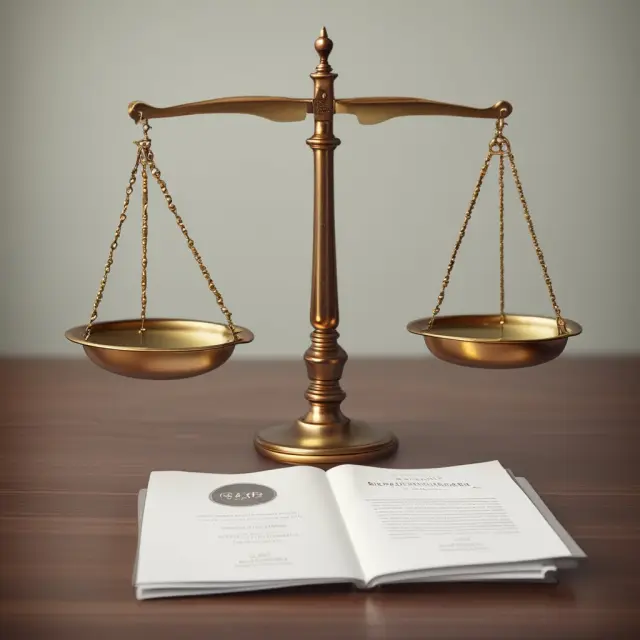
Legal Framework for Express Warranties: The Magnuson-Moss Warranty Act
An express warranty is a seller’s commitment to repair or replace a product, component, or service if it fails within a specified period after purchase. Buyers often trust such guarantees and may even base their purchasing decisions on them. Under the Magnuson-Moss Warranty Act (MMWA), a company providing a written express warranty must comply with federal regulations. This law was passed in 1975 to protect consumers when sellers breach their express warranties, ensuring they are not left without recourse.
The MMWA’s primary focus is on regulating the content and format of express warranties. Companies must provide clear, concise, and easily accessible information about the scope of coverage and repair responsibilities. The Act also requires that the terms of written express warranties be provided to buyers in a language they can understand before purchase.
Companies offering express warranties are not obligated to do so under the MMWA but must follow specific guidelines if they choose to provide them. They cannot, however, limit their liability for breach of implied warranties. It is crucial for consumers to be aware that while express warranties offer additional benefits over implied warranties, they do come with some limitations and exceptions.
An express warranty can result from written or verbal agreements, advertisements, or signs in a store. For example, if a seller makes statements about the performance, quality, durability, or other aspects of their product or service in an advertisement, these statements might create an express warranty. Claims made in advertising are essential considerations for consumers as they can influence purchasing decisions and expectations.
A breach of an express warranty occurs when a product or service fails to meet the explicit promises made by the seller within the specified time frame. The MMWA outlines remedies for such situations, providing buyers with legal recourse against sellers who fail to fulfill their obligations. This includes repair, replacement, or monetary compensation depending on the circumstances and specific terms of the express warranty.
In conclusion, an express warranty is a valuable tool in today’s consumer-driven marketplace. However, it is essential for both buyers and sellers to understand its legal framework and implications. The Magnuson-Moss Warranty Act plays a crucial role in regulating express warranties and providing consumers with protection when they are breached by sellers. By being informed about the basics of express warranties, consumers can make more confident purchasing decisions while ensuring their rights are safeguarded.
Express Warranties in Advertising: Promises, Claims, and Precedents
Advertisements and marketing materials can create express warranties, providing buyers with additional assurance about the quality or performance of a product or service. Understanding how these promises translate into legal obligations is vital for sellers to avoid potential litigation.
An Express Warranty: What’s the Connection?
Express warranties arise when sellers make specific promises related to their products or services. These guarantees can be communicated through various mediums, including written contracts or spoken words, but they often emerge from advertisements and marketing materials.
For instance, a company that advertises a new vacuum cleaner as having “unmatched suction power” sets expectations for the product’s performance level. If the vacuum fails to meet this standard or breaks down soon after purchase, customers may argue that the manufacturer breached an express warranty.
The Magnuson-Moss Warranty Act: Legal Framework
Understanding the Magnuson-Moss Warranty Act is essential for sellers when it comes to express warranties in advertising. Enacted in 1975, this federal law governs how companies handle and communicate warranty information. It sets standards for express warranties, giving consumers more control over repairs and replacement options.
The law does not require sellers to issue warranties but instead enforces transparency about their existence and terms. Sellers must clearly disclose any express warranties in writing or make this information easily accessible to potential customers.
Marketing Materials: Setting the Precedent
Advertisements and marketing materials can create an implied contract for express warranties if they contain explicit promises. A simple statement, such as “100% satisfaction guaranteed,” might not be legally binding but can set customer expectations. If the product or service fails to meet these expectations, a buyer could potentially have grounds for a claim based on the seller’s advertising.
The Bottom Line: Exercise Caution in Advertising
Sellers must carefully consider their marketing materials and advertisements when it comes to express warranties. Any statements made about a product or service may lead to legal obligations if they are not fulfilled. To mitigate this risk, sellers should be truthful, clear, and specific with their advertising claims.
In the next section, we will explore the conditions necessary for creating a valid express warranty agreement. Stay tuned!

Creating Express Warranties: Conditions and Requirements
An express warranty is a formal commitment by a seller to ensure that the goods or services being sold meet specific performance standards or have particular features. These promises, either written or oral, are typically included in contracts or advertisements. By understanding what it takes for an express warranty to be legally binding, consumers can protect themselves and hold sellers accountable for their statements.
The Magnuson-Moss Warranty Act is a key piece of federal legislation that governs express warranties within the United States. This law sets guidelines and consumer protection standards, ensuring that companies issuing written express warranties must adhere to the Act’s requirements. An express warranty can come in various forms:
- Written Warranty: This is a formal agreement document that outlines the terms of the guarantee, such as product coverage, duration, and conditions for repairs or replacements. A written warranty may be included in the sales contract or provided separately.
- Implied Warranties from Advertisements: Statements about a product’s features, performance, or benefits made in advertisements can create an express warranty. The Magnuson-Moss Act states that any implied warranties based on advertisements must be “conspicuously and specifically identified.” This means that these types of warranties should be easily recognizable to consumers.
- Oral Express Warranty: Sometimes, sellers make promises to buyers verbally during the sales process. These verbal commitments can create express warranties if they are specific and unambiguous.
It is essential for both buyers and sellers to understand that express warranties come with conditions and requirements that must be met in order to be valid. Here are some common ones:
- Specificity: Express warranties need to be clear, unequivocal, and specific, with no ambiguity regarding the nature of the commitment or the scope of the coverage. Vague statements like “the product is good” do not create a legally enforceable express warranty.
- Consideration: The buyer must pay something of value for the goods or services that are subject to the express warranty. This could include money, labor, or other forms of consideration.
- Written Warranty Requirement: In some cases, federal and state laws require sellers to provide a written copy of an express warranty, either at the time of sale or upon request. The Magnuson-Moss Act sets this requirement for consumer goods and is enforceable in all states except Virginia.
- Transferability: Sellers may or may not allow their express warranties to be transferred. If transferability is a condition, the buyer should be informed of this during the sales process.
- Duration: Express warranties have a specific time frame, and this duration must be clearly stated in writing. The Magnuson-Moss Act requires written warranties for consumer goods to include the duration of coverage and any limitations on that warranty.
- Performance Standards: An express warranty may specify performance standards or features that the product must meet to qualify for coverage. These requirements should be clear, unambiguous, and reasonable.
- Conditions Precedent: Some warranties have specific conditions that must be met before they become effective. For example, a car warranty might require the vehicle to undergo regular maintenance to remain valid.
- Limitation of Liability: Express warranties may limit the seller’s liability for damages to the repair or replacement of the goods covered by the warranty. This limitation is often found in standard form contracts and should be explicitly stated.
By understanding the conditions necessary for a valid express warranty, consumers can make informed decisions when purchasing goods and services. Being aware of these requirements also helps protect against potential misunderstandings and disputes regarding the scope and extent of the seller’s commitment.

Express Warranty Examples: e-Commerce and Automobiles
An express warranty is a crucial aspect of many transactions in the financial world. In today’s consumer-driven marketplace, sellers often provide assurances to buyers through written or spoken promises that their products or services will meet specifications or function properly for a given period. This section explores real-life examples where express warranties have played a significant role, focusing on the e-commerce and automobile industries.
E-Commerce
The convenience of shopping online has led to an increased emphasis on express warranties in this sector. Given that customers cannot physically examine merchandise before purchasing it, express warranties serve as a safeguard for buyers against potential issues with their purchases. E-commerce companies often include such warranties in their sales agreements to assure customers that they will rectify any discrepancies or defects.
For instance, if a consumer buys a business jacket online but receives an item of the wrong size, color, or missing buttons, the express warranty might entitle them to a refund or replacement. In these cases, it’s typically the online seller’s responsibility to cover any additional shipping charges incurred during the exchange process.
Automobiles
In the automobile industry, express warranties are an essential component of sales agreements. Dealerships often provide warranty terms for repairs covering specified mileage and lengths of ownership. Once a vehicle has been owned for a certain period or driven beyond the set mileage limit, the express warranty usually becomes invalid.
These warranty periods vary from one dealership to another. For instance, Toyota’s New Vehicle Limited Warranty covers its vehicles for three years or 36,000 miles, whichever comes first. Similarly, Honda’s New-Car Limited Warranty covers its vehicles for three years or 36,000 miles.
In conclusion, express warranties play a critical role in consumer protection by providing buyers with the peace of mind that issues with their purchases will be addressed. In e-commerce and automotive sales, express warranties serve as guarantees that sellers make to ensure the satisfaction of their customers.

Implied Warranties: A Comparison to Express Warranties
An implied warranty is an unspoken commitment between the buyer and seller that a product or service is of satisfactory quality. It’s essential to understand how implied warranties differ from express warranties to avoid confusion when dealing with disputes or making purchasing decisions.
While express warranties are explicit promises made by sellers about their products, implied warranties are unwritten guarantees. An express warranty can be verbal, written in a contract, or stated in advertising. Implied warranties come into effect because of the general expectations that buyers and sellers have when entering into a transaction.
The Uniform Commercial Code (UCC) states that any good sold must meet the implied warranty of merchantability, meaning it should be fit for its ordinary purposes. For instance, if you buy an umbrella, you expect it to protect you from rain effectively. Similarly, when purchasing a computer, you anticipate that it will function efficiently and free from significant defects.
Implied warranties can also include the “warranty of fitness for a particular purpose,” which means that if a seller has reason to know about a buyer’s specific needs or requirements, they have an obligation to ensure their product meets those needs. For example, if you tell a car salesperson you need a vehicle with good fuel efficiency because you travel long distances frequently, the salesperson may create an implied warranty by assuring you that their recommended car model will meet your needs.
An important distinction between express and implied warranties is that buyers cannot waive implied warranties. Once established, an implied warranty remains in force even if the buyer is aware of it at the time of sale. In contrast, a buyer can reject an express warranty or negotiate its terms before signing a contract.
The presence of an express warranty may also affect implied warranties. If a seller makes specific promises about the quality, functionality, or lifespan of a product in their advertising or sales agreement, it could potentially supersede any implied warranties related to those aspects. However, this does not mean that all implied warranties are eliminated when a buyer accepts an express warranty—the implied warranty of merchantability generally remains intact even with the presence of an express warranty.
Implied warranties can provide additional protection for buyers and consumers. In situations where there is no written or spoken agreement about the quality of a product, implied warranties can fill in the gaps and ensure that buyers receive goods that are satisfactory and meet their expectations.

Express Warranty Limitations and Exceptions
An express warranty sets the terms between a buyer and seller regarding the condition or performance of goods or services being sold or transferred. While an express warranty can offer significant peace of mind to consumers, it is essential to understand its limitations and exceptions.
The Magnuson-Moss Warranty Act sets forth federal guidelines for sellers who provide written express warranties. However, this law does not mandate that companies offer warranties; instead, it regulates the content of such agreements. The Act aims to protect consumers by ensuring transparency and truthfulness in warranty information.
One important limitation of an express warranty is the duration it covers. Depending on the agreement, a warranty may only apply for a specified time or number of uses. For instance, if you buy a new laptop with a one-year express warranty, the seller is obligated to repair or replace any defective parts during that period. However, once the warranty expires, the buyer is responsible for any repairs or replacement costs.
Additionally, sellers may include exceptions in an express warranty that limit their liability. Some common exclusions are damage due to misuse or unauthorized modifications, natural disasters, and normal wear and tear. These limitations can be crucial to understanding the scope of coverage provided by the express warranty.
Another essential aspect of express warranties is the distinction between express and implied warranties. An express warranty is a written or spoken promise made by the seller regarding the condition, quality, or performance of goods or services. Implied warranties, on the other hand, are unwritten promises based on consumer expectations or state laws.
For instance, the Uniform Commercial Code (UCC) states that any good sold must be merchantable—meaning it is fit for ordinary use and meets the buyer’s reasonable expectations. This “implied warranty of merchantability” may come into play when no express warranty exists.
In advertising, claims about a product or service can create an express warranty. For example, if a car manufacturer advertises that its new model has zero emissions, customers might believe they are buying a vehicle with a warranty that covers emission issues. If the car fails to meet this standard, buyers may seek recourse under the Magnuson-Moss Warranty Act.
In summary, understanding the limitations and exceptions of express warranties is essential when making purchasing decisions. Familiarizing yourself with federal regulations like the Magnuson-Moss Warranty Act can help you make informed choices and protect your interests as a consumer.

Breach of Express Warranty: Legal Consequences for Sellers
When a seller fails to meet their express warranty obligations, legal consequences may ensue. Under the Magnuson-Moss Warranty Act (MMWA), buyers are granted several remedies when a breach occurs. These remedies include repair, replacement, or a refund of the purchase price.
The MMWA imposes strict requirements for companies that provide written express warranties. In the event a breach is detected, customers can seek recourse from various sources. These may include filing a lawsuit against the seller, contacting their consumer protection agency, or filing a complaint with the Federal Trade Commission (FTC).
A breach of an express warranty occurs when a product or service does not conform to the specific promises made by the seller. For example, if a seller guarantees that a new laptop will come without defects for one year and it turns out to have a faulty battery, then the seller has breached their express warranty.
Remedies for Breach of Express Warranty
Buyers are entitled to various remedies when a seller breaches an express warranty. These options depend on the specific circumstances and may include:
- Repair: The most common remedy for a breach of an express warranty is repair. In this scenario, the seller or manufacturer is responsible for fixing any issues related to the product or service. The buyer must provide reasonable access to the item for inspection and repair. If the issue cannot be resolved through normal repair methods, the other available options may be considered.
- Replacement: In some instances, a replacement may be the best option. This could involve swapping out a defective component for a functioning one or replacing an entire product with a new one. The buyer is typically entitled to a replacement if the original item cannot be repaired and the warranty still covers the issue.
- Refund: If a repair or replacement is not feasible, the buyer may request a refund of their purchase price. This is often the case when the item has become obsolete or severely damaged, making it unfit for use or repair. The refund includes any related taxes and delivery charges if they were originally included in the original sale price.
Legal Recourse for Buyers
The MMWA empowers buyers with several options to seek legal recourse when a breach of an express warranty occurs. These include:
- Filing a lawsuit: The buyer can file a lawsuit against the seller for breaching their express warranty. If the seller is found guilty, they may be ordered to pay damages. These damages could consist of actual damages (the cost of repair or replacement), incidental damages (consequential losses), and any other quantifiable losses suffered by the buyer due to the breach.
- Contacting a consumer protection agency: The buyer can also contact their consumer protection agency for assistance. Consumer protection agencies help resolve disputes between buyers and sellers, ensuring that companies comply with applicable laws, including the MMWA.
- Filing a complaint with the Federal Trade Commission (FTC): In some cases, the FTC may be able to intervene on behalf of the buyer if they have reason to believe that the seller has engaged in fraudulent or deceptive practices. The FTC enforces various consumer protection laws and can bring lawsuits against sellers who violate these regulations.
Buyer’s Responsibilities and Duties
While buyers hold significant power under the MMWA, they also have responsibilities to fulfill:
- Provide Notice: When a breach of an express warranty is detected, the buyer must provide written notice to the seller within a reasonable timeframe. This allows the seller an opportunity to remedy the issue before legal action is taken.
- Cooperate in Repairs: Buyers are expected to cooperate with the seller during the repair or replacement process. This includes making the product available for inspection, providing any necessary documentation, and following the seller’s instructions.
- Promptly Return a Replacement: If a replacement is provided, the buyer must return the defective item to the seller within a reasonable timeframe. This ensures that the seller can analyze the issue and potentially prevent similar occurrences in the future.
Conclusion
Express warranties provide buyers with peace of mind when purchasing goods or services. They create a legal framework for recourse when these items fail to meet the promises made by sellers. The Magnuson-Moss Warranty Act ensures that consumers are protected from deceptive practices and breaches of express warranties. When a seller fails to uphold their obligations, buyers can seek remedies through various means including repair, replacement, or refunds. However, it is essential for buyers to adhere to their responsibilities under the MMWA, such as providing proper notice and cooperating with the seller during the repair process. Understanding express warranties and the legal consequences of a breach can help both parties navigate the complex world of sales agreements and consumer protection regulations.

Enforcing Express Warranties: Options for Buyers and Consumers
A buyer may need to take action if the seller fails to honor an express warranty. While every situation can differ, below are several common methods for enforcing an express warranty:
1. Contacting the Seller: The first course of action is usually contacting the seller directly. This could be through email, phone, or in person. During this conversation, provide the seller with the details regarding the issue at hand and request that they uphold their end of the agreement. Be prepared to offer any evidence, such as proof of purchase and the warranty itself.
2. Filing a Complaint: If contacting the seller fails to resolve the problem, a consumer can file a formal complaint with their state’s Attorney General’s Office or the Federal Trade Commission (FTC). The FTC is particularly concerned with express warranties on goods and services that are covered under the Magnuson-Moss Warranty Act.
3. Small Claims Court: If negotiations with the seller fall through, and a small claim exists, filing a lawsuit in small claims court might be the next best step for the consumer. The exact process varies from state to state. In most cases, it’s relatively easy and affordable to file a case.
4. Mediation or Arbitration: As an alternative to going to court, a buyer can opt for mediation or arbitration. This is an informal dispute resolution process where both parties work with a neutral third party to reach a mutually acceptable solution.
5. Contacting Regulatory Agencies: For specific industries, regulatory agencies may help enforce express warranties on behalf of consumers. These include organizations such as the FCC for telecommunications equipment and the EPA for products that fall under its jurisdiction.
It is crucial to remember that every situation can be unique, so it’s essential to consult with a legal professional or consumer protection agency for personalized advice regarding your express warranty issue.

FAQs About Express Warranties
An express warranty is an agreement between the seller and buyer that specifies the length of coverage and the nature of repair or replacement for a faulty product or service. Below, we’ve compiled some common questions about express warranties and their importance in finance and investment.
What is an Express Warranty?
An express warranty is a formal guarantee provided by a seller to a buyer, stating that they will fix or replace any issues with the purchased item within a specified timeframe. Express warranties may be explicit promises made during sales transactions or implied through advertising statements.
Is the Magnuson-Moss Warranty Act mandatory for express warranties?
No. The Magnuson-Moss Warranty Act doesn’t mandate that sellers provide express warranties but sets federal guidelines to be followed if a written warranty is offered. This Act provides consumer protections when companies fail to honor their express warranties as promised.
How long does an Express Warranty last?
The duration of an express warranty varies and depends on the agreement reached between the seller and buyer. Some may only cover a few months, while others can span several years.
What creates an Express Warranty?
An express warranty is formed when a seller explicitly promises to repair or replace faulty products or services. Statements in advertisements can also establish an express warranty if they set expectations regarding the product’s quality or functionality.
Can advertising statements create Express Warranties?
Yes, a promise or claim made in an advertisement could create an express warranty if it sets customer expectations about a product’s performance and the seller fails to fulfill those expectations. However, not every advertising statement is an express warranty. The distinction depends on the specific circumstances.
How does an Express Warranty differ from an Implied Warranty?
An express warranty is a formal guarantee made by the seller in writing or verbally, while an implied warranty is an unwritten assumption that the product or service will function as intended. The main difference lies in their creation – express warranties are explicitly stated, while implied warranties arise from consumer expectations based on common business practices and industry standards.
What happens when a seller breaches an Express Warranty?
When a seller fails to honor the terms of an express warranty, the buyer may be entitled to damages. This might include reimbursement for the cost of repairing or replacing the faulty product, as well as any additional expenses incurred because of the breach (such as shipping fees). The specific remedies available depend on the jurisdiction and the terms of the express warranty agreement.
Who enforces an Express Warranty?
The buyer is typically responsible for enforcing an express warranty, although they might seek assistance from legal authorities if necessary. In some cases, a consumer advocacy group or industry regulatory body may also help enforce the warranty on behalf of buyers.
What is the Magnuson-Moss Warranty Act’s role in Express Warranties?
The Magnuson-Moss Warranty Act sets federal guidelines that sellers must adhere to when offering express warranties. It provides consumers with remedies if the seller breaches their warranty obligations, ensuring a fair resolution for both parties involved.
 Next entry · No. 1,430Understanding Expropriation: The Power of Government to Take Private Property for Public Use
See also
-
 No. 5,621
24 Sep 2025
18 min
Understanding Warranties: Protecting Your Investment in Products
Consumer Rights
No. 5,621
24 Sep 2025
18 min
Understanding Warranties: Protecting Your Investment in Products
Consumer Rights -
 No. 5,916
18 Oct 2025
18 min
Understanding Zombie Debt: A Guide for Professional Investors
Business Finance
No. 5,916
18 Oct 2025
18 min
Understanding Zombie Debt: A Guide for Professional Investors
Business Finance -
 No. 4,665
07 Jul 2025
22 min
Understanding Simple Agreements for Future Tokens (SAFT): A Legal Framework for Cryptocurrency Ventures
Business Finance
No. 4,665
07 Jul 2025
22 min
Understanding Simple Agreements for Future Tokens (SAFT): A Legal Framework for Cryptocurrency Ventures
Business Finance -
 No. 4,593
01 Jul 2025
23 min
Understanding Securities: An In-depth Analysis of Equity, Debt, and Hybrid Securities
Business Finance
No. 4,593
01 Jul 2025
23 min
Understanding Securities: An In-depth Analysis of Equity, Debt, and Hybrid Securities
Business Finance -
 No. 4,326
09 Jun 2025
20 min
Understanding Recourse Debt: A Comprehensive Guide for Institutional Investors
Business Finance
No. 4,326
09 Jun 2025
20 min
Understanding Recourse Debt: A Comprehensive Guide for Institutional Investors
Business Finance -
 No. 4,149
26 May 2025
20 min
Public-Private Partnerships: An Effective Solution for Financing Large-Scale Government Projects
Business Finance
No. 4,149
26 May 2025
20 min
Public-Private Partnerships: An Effective Solution for Financing Large-Scale Government Projects
Business Finance