Grexit: A Possible Solution to Greece’s Debt Crisis or a Dangerous Path Forward?

Delve into the debate around Grexit as an answer to Greece's debt crisis or a dangerous path forward, exploring arguments, concerns, and historical context.
Understanding Grexit and Its Origins
Grexit, short for “Greek exit,” is the term used to describe Greece’s potential withdrawal from the Eurozone and return to its own currency—the Drachma. This concept gained widespread attention during the height of Greece’s debt crisis, with some advocating it as a possible solution to Greece’s economic woes. In this section, we delve into the meaning of Grexit, its historical origins, and why it became a topic of significant interest during Greece’s financial turmoil.
Grexit emerged as a popular concept in early 2012 when the idea of Greece leaving the Eurozone gained traction. Proponents believed that leaving the euro and returning to the Drachma would allow Greece to devalue its currency, stimulate economic growth, and encourage foreign investment. This notion was based on the assumption that a lower Drachma would make Greek exports more competitive and attract tourists, who could pay in Euros for a cheaper vacation experience. The potential benefits of Grexit were not limited to the economy alone, as it was also believed that Greece might align with foreign powers whose interests did not necessarily conflict with those of the European Union (EU) or the eurozone.
However, opponents argued that a Grexit would lead to currency devaluation, economic instability, and potentially even more social unrest. Some feared that abandoning the Euro and returning to the Drachma could create significant economic challenges, such as increased living costs due to inflation and potential shortages of goods and services due to supply chain disruptions. Additionally, concerns were raised about the potential loss of political stability and possible geopolitical implications of a Grexit.
Despite these concerns, Greece’s debt crisis and potential for a Grexit can be traced back to decades-old problems within the country’s government, including high levels of debt, rampant tax evasion, and widespread corruption. These issues came to light during the global financial crisis of 2008 when Greece’s economy contracted, and its deficit soared. As a result, the Greek government was forced to reveal that it had falsified economic data to gain entry into the Eurozone back in 2001. The revelation led to a wave of credit downgrades and skyrocketing bond yields, signaling the severe financial instability within Greece’s economy.
To avoid bankruptcy, Greece turned to bailout loans from the European Union and the International Monetary Fund (IMF), which came with stringent austerity measures. These measures included public-sector wage cuts, increased taxes, and reduced pensions—measures that led to high levels of unemployment and social unrest within Greece.
Despite these challenges, Greece has made significant progress in its recovery since the worst days of the crisis. In August 2018, it successfully exited all bailout programs, and by 2019, it was able to sell 10-year bonds for the first time in nearly a decade. This milestone marked a critical step in Greece’s economic recovery as it allowed the country to raise capital and regain some degree of fiscal independence. However, the COVID-19 pandemic dealt a significant blow to Greece’s economy, causing an increase in public debt that will likely complicate its path to full recovery beyond 2021.
In conclusion, Grexit represents a complex issue with significant economic, financial, and political implications for Greece, the European Union, and the global community at large. Understanding the origins of this concept is crucial to appreciating its potential impact on both Greece’s economy and the broader EU. As we explore the various facets of Grexit in the subsequent sections of this article, we will delve deeper into its potential benefits and challenges, as well as the implications for Greece and the European Union.
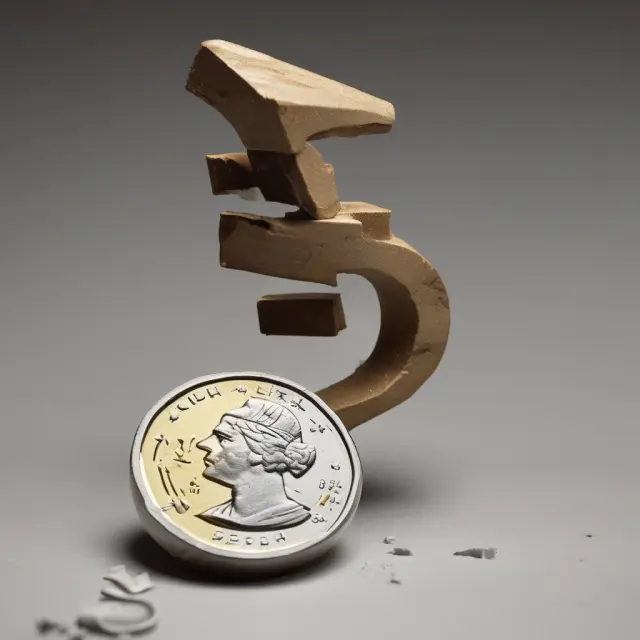
Proponents of Grexit: A Quicker Recovery?
The term Grexit, an abbreviation for “Greek exit,” gained significant attention in early 2012 when Greece was facing a deepening debt crisis. Proponents believed that exiting the Eurozone and returning to the Drachma could potentially provide Greece with a quicker recovery from its economic turmoil. This argument rested on several key points, including the potential for currency devaluation and a boost in tourism.
Firstly, the devalued Drachma would make Greek exports more competitive, making them cheaper for foreign buyers and increasing their demand. Additionally, tourists visiting Greece could pay for their vacations using a stronger Euro, thereby injecting more money into the struggling country’s economy.
Secondly, Grexit supporters argued that Greece could regain economic sovereignty by implementing its own monetary policy. This would allow it to devalue its currency and reduce interest rates to stimulate growth – a luxury not afforded to countries using a common currency like the Euro.
Furthermore, the end of bailouts and an increase in foreign investment could potentially lead to Greece’s recovery without relying heavily on the European Union (EU) or the International Monetary Fund (IMF). This was a significant consideration for many Greeks, who were frustrated with the stringent austerity measures imposed as conditions for receiving financial aid.
However, despite these arguments, opponents of Grexit maintained that it would lead to dire consequences. The loss of the Euro could result in economic instability, potentially causing rampant inflation and currency devaluation, which would worsen the living standards of Greek citizens. Additionally, a return to the Drachma could destabilize the European Union, raising fears of contagion that might lead other countries to consider exiting the monetary union as well.
It is important to note that Grexit is no longer a popular topic among policymakers and economists. Greece has remained in the Eurozone since the height of the crisis, receiving multiple bailout packages to prevent bankruptcy and implementing stringent austerity measures. The Greek economy, although not yet fully recovered, continues to improve, with the country officially exiting its last bailout program in August 2018 and returning to selling 10-year bonds for the first time since the crisis began in 2009. Nonetheless, the term Grexit remains relevant as a historical reference to Greece’s debt crisis and the potential consequences of leaving the Eurozone.

Opponents of Grexit: Devaluation and Unrest?
A significant concern for opponents of Grexit is the potential for currency devaluation, economic instability, and social unrest if Greece were to return to the Drachma. The primary worry lies in the fact that a weaker currency would result in higher inflation rates as imports become more expensive for Greek citizens. This could lead to a rise in the cost of living and potentially trigger widespread public dissatisfaction and civil unrest, which could ultimately destabilize Greece’s political landscape.
Moreover, proponents of Grexit argue that devaluation would help restore competitiveness by making exports cheaper for international buyers, but opponents counter that this could result in a loss of purchasing power for Greek citizens. This could potentially hinder the country’s economic recovery if its population cannot afford essential goods and services.
The European Union also fears that Grexit could have far-reaching geopolitical implications. A Greek exit from the eurozone may lead to the country seeking foreign allies and potentially realigning with non-European powers, which could weaken Europe’s influence in the region. This concern is heightened by memories of Greece’s historical alliances with other great empires, such as the Ottoman Empire and the Roman Empire.
Another argument against Grexit is that it would place significant financial burdens on Greek pensioners and other vulnerable populations. Since the Drachma was last in circulation, its value has significantly decreased. As a result, pensions denominated in drachmas would be worth considerably less if Greece were to reintroduce the currency. This could potentially lead to widespread dissatisfaction and even social unrest among Greek citizens who depend on their pensions for their livelihoods.
Furthermore, the European Central Bank (ECB) holds significant Greek government debt denominated in euros. In the event of a Grexit, this debt would not be automatically converted into drachmas, leaving Greece facing a considerable challenge in servicing its debts. This could potentially lead to Greece defaulting on its obligations and having to renegotiate them with its creditors under less favorable terms.
In conclusion, opponents of Grexit argue that the potential risks and uncertainties associated with returning to the Drachma outweigh the potential benefits, especially given the significant progress made by Greece in implementing austerity measures and receiving financial aid from the EU and IMF. However, some critics argue that these concerns may be overblown and that Grexit could offer Greece a chance to regain control of its economic destiny and potentially recover more quickly from the debt crisis. Ultimately, only time will tell if Greece decides to exit the eurozone or remain committed to its European partners.
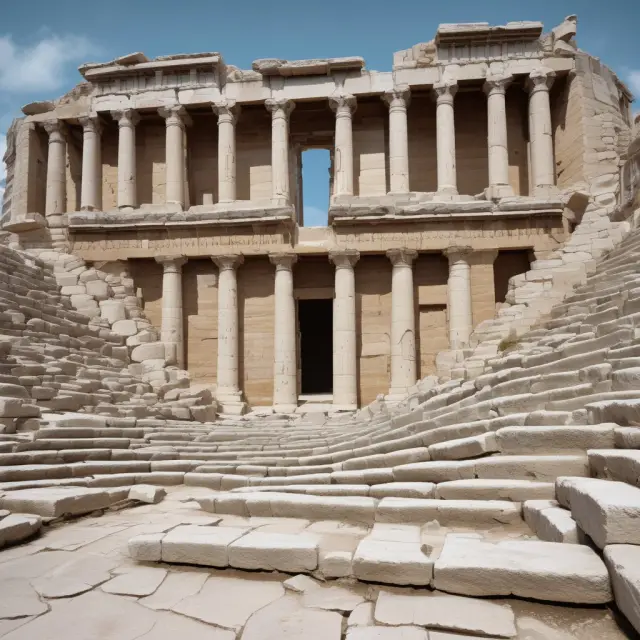
Origins of Greece’s Debt Crisis: Decades of Structural Problems
The term Grexit, which refers to Greece’s potential withdrawal from the Euro-zone and return to its own currency, has been a subject of significant debate since 2012. Proponents argue that returning to the Drachma would facilitate faster economic recovery due to devaluation and increased foreign investment. However, opponents caution against the risks of currency volatility, political instability, and potential realignment with foreign powers. Despite these concerns, it’s essential to understand Greece’s underlying structural issues contributing to its prolonged financial crisis.
Greece joined the Euro-zone in 2001, but undisclosed economic data falsification soon came to light, causing suspicion and apprehension among fellow eurozone members. The global financial crisis of 2008 exposed Greece’s structural weaknesses – high government debt, tax evasion, and rampant corruption. By the end of 2009, Greece’s Gross Domestic Product (GDP) had contracted by 4.7%, while its deficit surpassed 12% of its GDP. Subsequent credit rating downgrades led to a surge in bond yields, reflecting the country’s severe financial instability and prompting fears of a Greek default.
To prevent bankruptcy, Greece requested bailout loans from both the eurozone and the International Monetary Fund (IMF). The financial assistance came with strict conditions, including austerity measures that slashed public sector wages, raised the minimum retirement age, and increased fuel prices. Austerity measures also reduced public-sector pay, cut pensions, and gutted defense spending, causing an unemployment rate of nearly 28% – far higher than the eurozone average.
A critique of these bailouts is that the funds primarily served to repay Greece’s debt holders rather than directly benefiting the Greek population. Germany, one of the largest contributors to Greece’s rescue packages, and its banks were the largest investors in Greek bonds. The country remained mired in economic turmoil and uncertainty for years despite the bailout programs.
It wasn’t until August 2018 that Greece officially exited the last of its bailout programs, enabling it to sell 10-year bonds for the first time since 2010. This significant milestone marked a crucial step forward in Greece’s long journey toward economic recovery and sovereignty. However, external challenges persisted – most notably, the global COVID-19 pandemic caused an increase in Greece’s already high public debt, jeopardizing its fragile progress.
The origins of Greece’s prolonged debt crisis can be traced back to decades of structural problems – high government debt, tax evasion, and corruption. These issues came to a head during the global financial crisis and have hindered the country’s ability to recover effectively. Understanding these underlying factors is essential in evaluating Grexit’s potential implications for Greece and the eurozone as a whole.

Austerity Measures and Bailouts: The Price for Financial Aid?
The European financial crisis in the late 2000s put Greece at the precipice of bankruptcy, prompting heated debates about the country’s potential exit from the Eurozone, known as Grexit. During this tumultuous time, both sides presented compelling arguments regarding the feasibility and benefits of such a move. While some believed that leaving the eurozone and returning to the drachma could expedite Greece’s recovery with an influx of foreign investment and cheaper travel, others feared devaluation, economic instability, and social unrest. In the end, Greece rejected Grexit and opted for multiple rounds of bailout loans from the Eurozone and the International Monetary Fund (IMF), accompanied by austerity measures to help stabilize its economy.
Proponents of Grexit argued that devaluation could stimulate economic growth through lower production costs, making Greek exports more competitive on the global market, and encouraging foreign investment. Furthermore, tourists from other European countries could still visit Greece without feeling the full impact of the devalued drachma because they would pay in euros. This potential benefit became even more appealing when considering that Greece’s economy had been shrinking since 2008, with a Gross Domestic Product (GDP) decrease of 4.7% in the first quarter of 2009 alone. The country’s deficit ballooned to over 15% of its GDP during this period, and credit ratings plummeted as Standard & Poor’s downgraded Greek debt from investment-grade to junk status, sending bond yields soaring and highlighting Greece’s dire financial situation.
However, opponents warned against the potentially chaotic transition away from the eurozone. A return to the drachma would lead to a steep drop in purchasing power, leading to potential civil unrest. Aside from the economic concerns, there were geopolitical implications: fears of Greece aligning with foreign powers that may not share the interests of the European Union. The European Central Bank (ECB) has been a crucial player in the Eurozone’s financial landscape, and a Grexit would disrupt the euro’s integrity and potentially destabilize other countries within the union.
In an effort to avoid bankruptcy, Greece accepted bailout loans from various EU institutions and the IMF between 2010 and 2015. In exchange for this financial aid, the country adopted austere measures such as public-sector wage reductions, pension cuts, increased taxes, and reduced government spending to reduce its debt burden. The public sector saw significant changes, including decreased wages, increased retirement ages, and reduced payrolls. While some argued that these measures were necessary for Greece’s long-term economic stability, critics noted that they disproportionately affected the most vulnerable in society – pensioners and the unemployed.
As of 2021, Greece remains a part of the Eurozone, and its economy is showing signs of recovery. However, the lingering effects of the crisis are evident, with high unemployment rates, a large public debt burden, and the COVID-19 pandemic further complicating matters. Despite these challenges, the Greek government has made progress in stabilizing its economy by selling 10-year bonds in 2019 after exiting the last of its bailout programs in August 2018. Nevertheless, experts estimate that a full recovery will only be feasible beyond 2021, making it essential for Greece to continue implementing sound economic policies and addressing structural issues to secure long-term growth.
This section explores the pros and cons of Grexit as a potential solution to Greece’s debt crisis while examining the arguments from both sides – those favoring Greece’s exit from the eurozone and those advocating for continued membership in the union. By understanding these perspectives, readers can gain insight into Greece’s past economic turmoil and its future possibilities.

Greek Recovery: Milestones in Exiting Bailout Programs
Since the height of Greece’s debt crisis, the country has made significant progress towards exiting bailout programs and reclaiming its economic sovereignty. In this section, we will examine the milestones Greece has achieved during its recovery process, including the successful exit from its last bailout program in 2018 and its first 10-year bond sale in 2019.
Achieving Economic Independence: Exiting Bailout Programs
The exit from bailout programs marks a crucial turning point for Greece in regaining control of its financial destiny. After years of receiving financial assistance from other eurozone countries and the International Monetary Fund (IMF), Greece’s economy seemed to be stabilizing, allowing it to stand on its own two feet once again. The first step towards independence came with the exit from the European Financial Stability Facility (EFSF) program in December 2014. This was followed by the final exit from the European Stability Mechanism (ESM) program in August 2018.
The successful completion of these bailout programs not only boosted Greece’s morale but also helped to restore investor confidence and trust in its economy. As a result, foreign investors began showing renewed interest in Greek securities, paving the way for the sale of 10-year bonds.
Securing International Support: Selling 10-Year Bonds
The ability to sell 10-year bonds is an important financial milestone as it allows a country to tap into the international bond market and access long-term financing to fund its debt obligations and finance development projects. In May 2019, Greece returned to the 10-year bond market for the first time in nine years. The €3 billion issue was an oversubscribed success, with investors bidding for more than €7 billion worth of bonds. This achievement demonstrated to the world that Greece had made significant progress towards economic recovery and stability.
While these milestones are positive signs, it’s important to remember that the journey towards a fully recovered Greek economy is still ongoing. The country must continue implementing structural reforms and fiscal discipline to maintain investor confidence and ensure long-term sustainability. Additionally, external factors such as the COVID-19 pandemic have introduced new challenges that could impact Greece’s progress. However, the successful exit from bailout programs and return to the 10-year bond market represent essential steps forward in Greece’s economic recovery process.

The Global Financial Crisis: A Catalyst for Change
The global financial crisis of 2008 served as a significant turning point in the Greek debt crisis. While Greece had been experiencing economic instability long before the crisis, it was not until the worldwide financial downturn that its underlying issues came to light. The crisis exposed decades of structural problems within Greece’s economy, including high government debt, rampant tax evasion, and widespread corruption.
Before joining the Eurozone in 2001, Greek officials manipulated economic data, providing false information to gain entry into the monetary union. Once a member, Greece enjoyed access to cheap credit, which fueled excessive borrowing and spending. However, when the global financial crisis struck, investors grew wary of Greece’s precarious economic situation. The country’s GDP shrank by 4.7% in the first quarter of 2009, revealing its true financial state. In response to the crisis, the European Union and the International Monetary Fund (IMF) stepped in with a bailout package in 2010 to prevent bankruptcy.
The bailout came with strings attached: Greece was required to implement austerity measures that cut public-sector wages, raised taxes, reduced pension payouts, and eliminated defense spending. These measures, while unpopular among Greek citizens, aimed to restore fiscal balance and regain the confidence of international investors. Unfortunately, these measures led to widespread unemployment, rising to nearly 28% in the fall of 2013. The bailout packages also primarily served to repay Greece’s debt-holders rather than directly assisting its people. This led to a perception among some Greeks that they were paying for the mistakes of others.
The global financial crisis not only revealed Greece’s structural problems but also brought forth the discussion of Grexit, or Greece’s potential withdrawal from the Eurozone and return to the Drachma as its official currency. Proponents believed a devalued drachma could encourage overseas investment and stimulate economic growth while reducing the burden of debt repayments. However, opponents warned that this path would lead to significant economic instability and potentially even more civil unrest. Ultimately, Greece remained in the Eurozone, receiving multiple bailout loans and implementing austerity measures.
As of 2021, Greece has exited its bailout programs and is once again issuing bonds. However, recovery remains slow due to the economic impact of the COVID-19 pandemic. Despite this, the country continues its journey towards regaining economic sovereignty while addressing the underlying issues exposed during both the global financial crisis and the subsequent Greek debt crisis.

Impact on the Eurozone: Fear of Contagion
Since Grexit, or Greece’s potential withdrawal from the Euro-zone, entered the financial debate in early 2012, it has sparked both intrigue and concern among economists, policymakers, and investors. Proponents argued that a return to the Drachma would allow Greece to recover more quickly from its economic turmoil by encouraging overseas investment and reducing the cost of visiting Greece for Europeans. However, opponents warned of dire consequences, such as currency devaluation, economic instability, and potential social unrest. As Greece’s debt crisis dragged on, it raised significant concerns about the stability of the Euro-zone.
The fear of contagion loomed large over the eurozone. Economists argued that if Greece were to leave the monetary union, there could be a ripple effect throughout Europe. The departure of one country from the eurozone could potentially trigger doubt among investors in other struggling European economies, causing further financial instability and potential defaults.
Greece’s debt crisis was not an isolated incident. Spain, Portugal, Ireland, and Italy all experienced their own economic challenges during this period. The possibility of a domino effect, where one country’s departure from the eurozone led to another, kept policymakers in Brussels up at night. They knew that they needed to act fast to prevent contagion.
The European Union (EU) responded with various measures aimed at preventing the contagion effect. The most significant was the creation of the European Stability Mechanism (ESM), a permanent crisis resolution mechanism designed to provide financial assistance to EU countries in trouble without the need for external involvement. This would give Greece, and other potentially struggling eurozone members, access to funds and prevent them from having to consider Grexit as their only option.
However, these measures came at a cost. In exchange for financial aid, Greece and other bailout recipients were required to implement harsh austerity measures. These measures included wage cuts, pension reforms, and tax hikes that led to significant protests across Europe. The EU’s insistence on stringent austerity conditions caused much frustration among the public, particularly in countries like Greece and Portugal, where the pain was felt most acutely.
Furthermore, critics argued that the bailout packages primarily benefited European banks rather than the Greek people. Many of the loans were used to repay Greek debt held by European banks, which meant that the funds did not directly reach the citizens most in need. This fueled resentment and further eroded trust in the EU’s ability to address the crisis effectively.
As of 2021, Greece remains a part of the eurozone. While some argue that Grexit is still a possibility, the focus has shifted towards economic recovery. Greece’s economy has shown signs of improvement since the worst days of the crisis. However, challenges remain. The COVID-19 pandemic caused significant economic hardships in 2020, and the country’s public debt remains high. The road to recovery is long, and the fear of contagion still lingers over Europe.
In conclusion, Grexit, as a potential solution for Greece’s debt crisis, brought both hope and concerns to the table. While some argued that it could lead to quicker economic recovery, others feared the consequences on the Euro-zone and Greece itself. The EU responded with various measures to prevent contagion, but at the cost of harsh austerity conditions and potential resentment among European citizens. Today, Greece remains in the eurozone, and the focus is on economic recovery while keeping an eye on the ongoing challenges faced by both Greece and Europe as a whole.
Understanding Grexit’s impact on the Euro-zone requires examining its origins, arguments for and against it, as well as its implications for the global financial system. By exploring these aspects, we gain valuable insights into the complexities of European monetary union and the challenges that lie ahead.

Geopolitical Implications: Potential Alignment with Foreign Powers?
Grexit, as a solution to Greece’s debt crisis, has significant geopolitical implications for the European Union (EU) and Greece itself. The potential withdrawal from the eurozone could impact relations between Greece, other EU countries, and foreign powers. Proponents of Grexit argue that leaving the euro would allow Greece greater economic independence, potentially leading to closer relationships with non-EU nations. This notion is based on several factors.
Firstly, a devalued Drachma could attract foreign investment due to its lower value compared to the Euro. Economically distressed countries, such as Argentina and Venezuela, have historically experienced increased foreign investments following currency devaluations. A devalued Drachma might provide Greece with an edge in the global market, making it more attractive to investors seeking high returns on their investment.
Secondly, some argue that Grexit could lead to a potential realignment of Greece’s political and economic ties. For instance, Greece has historical ties to Russia, which dates back to ancient times. The relationship between these two nations rekindled in the late 19th and early 20th centuries when Greece was part of the Russian Empire. Since then, there have been ongoing cultural, religious, and political connections. A Grexit could potentially lead to a strengthening of relations between Greece and Russia due to economic necessity and shared historical ties.
Thirdly, exiting the eurozone might also result in closer cooperation with other non-EU countries such as China and the United States. Both countries have significant trade relationships with Greece, making them natural partners for economic growth. Moreover, these nations have shown interest in investing in Greek infrastructure projects, including ports and energy resources, which could boost Greece’s economy in the long term.
However, opponents of Grexit argue that leaving the eurozone would lead to a host of problems, including potential economic instability, currency devaluation, and social unrest. One significant concern is that a return to the Drachma would result in inflation, as the value of the new currency could be uncertain. This could lead to rising prices for goods and services, making it difficult for citizens to afford essentials. Additionally, leaving the eurozone might result in capital flight as foreign investors become hesitant to invest in a potentially unstable economy.
Another concern is that Greece’s exit from the Euro would negatively impact its relations with other EU nations. Greece’s departure could create a dangerous precedent, potentially leading to further instability and fragmentation within the eurozone. Moreover, the Greek government might need to rely on foreign powers like Russia for economic assistance, which could result in political tensions between Greece and European countries.
Lastly, there is the question of whether the EU would allow Greece to leave the Eurozone voluntarily without facing significant economic repercussions. It’s unclear what the exact consequences would be if Greece were to exit the eurozone. Some experts argue that a Grexit could result in Greece being excluded from European financial institutions, such as the European Central Bank and the European Investment Bank. This could have far-reaching consequences for the country’s economic development and its ability to attract foreign investment.
Despite these concerns, some analysts believe that a Greek exit from the Eurozone is not an immediate concern. Greece has made significant progress in implementing austerity measures and reforming its economy, leading to improved relations with European financial institutions and other EU members. However, it’s important for policymakers and investors alike to remain aware of the potential geopolitical implications of Grexit, as the situation could change rapidly depending on Greece’s economic performance and the evolving political landscape within Europe and beyond.
In conclusion, a Greek exit from the eurozone, or Grexit, carries significant geopolitical implications for Greece and European Union nations alike. The potential return to the Drachma as its official currency could lead to closer relationships with foreign powers, potentially including Russia, China, and the United States. However, it also poses risks such as economic instability, capital flight, and political tensions with EU nations. As Greece continues to navigate its economic challenges, it’s crucial for investors and policymakers to understand both the opportunities and potential pitfalls of a Grexit.

FAQs About Grexit and Its Impact on Greek Economy
Grexit, or “Greek exit,” has been an intriguing topic in the financial world since 2012, with some considering it as a possible solution for Greece to regain economic sovereignty more quickly. However, what exactly is Grexit? In simple terms, it refers to Greece’s potential withdrawal from the Eurozone and returning to its national currency, the Drachma. Here are answers to some frequently asked questions about Grexit and its impact on the Greek economy.
What is the significance of a possible Grexit for Greece?
Proponents argue that Grexit could encourage overseas investment and potentially lead to economic recovery, as a devalued drachma would make Greek exports cheaper and more attractive. However, opponents claim that it would result in a harsh economic transition, lower living standards, and potentially even more civil unrest.
How did the idea of Grexit arise?
The term gained prominence during Greece’s debt crisis, which was fueled by decades-old structural problems such as high government debt, tax evasion, and rampant corruption. Grexit became a topic of debate when Greek authorities falsified economic data to enter the eurozone in 2001, and later, when the global financial crisis exposed Greece’s fragile economic situation in 2009.
Why didn’t Greece exit the Eurozone?
Despite the appeal of Grexit among some, the Greek government opted against it. Instead, they sought financial aid from other European countries and the International Monetary Fund (IMF) through bailout loans accompanied by austerity measures. The argument was that while Grexit might bring short-term gains, it could lead to long-term economic instability.
What are the implications of Greece’s exit from the Eurozone for other countries?
Some feared that a Greek exit from the Eurozone would create a dangerous precedent, potentially leading other European nations to follow suit. This fear of contagion added to the pressure on the Greek government to avoid Grexit and instead seek financial assistance from Europe and the IMF.
What were some of the consequences of Greece’s bailout programs?
Greece received multiple rounds of bailout loans that came with austerity measures such as wage cuts, tax increases, and pension reforms. These policies led to high unemployment rates, widespread poverty, and public protests. Critics argue that little of the bailout money went towards helping Greek citizens directly, but instead was used to repay Greece’s debt-holders.
What is the current state of Greece’s economic recovery?
Greece has made progress in its economic recovery since the worst days of the crisis, successfully exiting the last of its bailout programs by August 2018. However, the COVID-19 pandemic dealt a significant blow to the country’s economy, pushing the public debt back up and delaying a full recovery beyond 2021.
In conclusion, while Grexit remains a topic of interest, its implementation carries both risks and benefits for Greece. A return to the Drachma might bring short-term advantages, but it could also result in long-term economic instability and social unrest. Ultimately, the decision lies with Greek authorities, who must weigh the potential consequences carefully before making a move.
 Next entry · No. 1,921Grid Trading: Understanding the Opportunities and Challenges of This Advanced Forex Technique
See also
-
 No. 4,996
03 Aug 2025
20 min
Understanding Too Big To Fail: Bailouts and Reforms in Finance and Investment
Business Finance
No. 4,996
03 Aug 2025
20 min
Understanding Too Big To Fail: Bailouts and Reforms in Finance and Investment
Business Finance -
 No. 5,562
19 Sep 2025
22 min
Understanding W-Shaped Recovery: Double Dip Economy and Investment Implications
Business Finance
No. 5,562
19 Sep 2025
22 min
Understanding W-Shaped Recovery: Double Dip Economy and Investment Implications
Business Finance -
 No. 5,034
06 Aug 2025
20 min
Understanding Trading Books: Essential Tools for Institutional Investors
Business Finance
No. 5,034
06 Aug 2025
20 min
Understanding Trading Books: Essential Tools for Institutional Investors
Business Finance -
 No. 3,980
12 May 2025
25 min
Understanding PIIGS: The Derogatory Acronym That Defined the European Debt Crisis
Business Finance
No. 3,980
12 May 2025
25 min
Understanding PIIGS: The Derogatory Acronym That Defined the European Debt Crisis
Business Finance -
 No. 2,813
06 Feb 2025
18 min
Understanding Legal Tender: Definition, Function and Implications for Investors
Business Finance
No. 2,813
06 Feb 2025
18 min
Understanding Legal Tender: Definition, Function and Implications for Investors
Business Finance -
 No. 2,569
17 Jan 2025
16 min
Understanding the J-Curve: A Pattern of Initial Losses Followed by Significant Gains
Business Finance
No. 2,569
17 Jan 2025
16 min
Understanding the J-Curve: A Pattern of Initial Losses Followed by Significant Gains
Business Finance