Understanding PIIGS: The Derogatory Acronym That Defined the European Debt Crisis
Understand the meaning behind the PIIGS acronym and its impact on the European Debt Crisis. Learn about the causes, effects, and countries involved.
Origin of the PIIGS Acronym
The term PIIGS, an acronym for Portugal, Italy, Ireland, Greece, and Spain, was coined during the European debt crisis when these countries faced significant economic instability due to their high levels of debt and financial vulnerabilities. The moniker ‘PIIGS’ gained traction in the media due to its succinct representation of the weaker economies within the Eurozone, which were criticized for slowing down the eurozone’s recovery from the 2008 financial crisis by contributing to high unemployment and low economic growth rates.
The term ‘PIIGS’ emerged during the late 1970s as a derogatory label aimed at highlighting these countries’ economic challenges within the European Union (EU). The term has been used sparingly in recent years due to its offensive nature, but it gained significant attention during the European debt crisis from 2010 to 2013.
Portugal, Italy, Ireland, Greece, and Spain were all heavily criticized for their fiscal mismanagement during this period, as they contributed to economic instability within the eurozone by running large budget deficits, accumulating excessive debt levels, and experiencing high unemployment rates. These challenges strained the EU’s response mechanisms, prompting a 750 billion-euro bailout in 2010 to support these countries’ economies.
It is essential to understand the historical context of the PIIGS acronym as well as its implications for the European Union and individual countries. In the next sections, we will delve deeper into the causes, effects, and perspectives surrounding the European debt crisis, with a particular focus on these five countries and their economic conditions.
Understanding PIIGS: A Historical Perspective
The European debt crisis began in 2010 when it became clear that Portugal, Italy, Ireland, Greece, and Spain faced significant challenges in repaying their debts amidst a contracting economy. The situation escalated due to the fact that these countries shared the euro as a currency, limiting their ability to implement independent monetary policies to address their economic instability.
The term ‘PIIGS’ was initially coined in the late 1970s when Portugal, Italy, Greece, and Spain were struggling with their economic performance within the EU. This label highlighted the economic challenges these countries faced in terms of underperforming economies, high debt levels, and low growth rates.
By the early 2000s, many European countries, including those referred to as PIIGS, experienced an accommodative monetary policy environment that led to increased borrowing at historically low interest rates. This fueled economic expansion but also left these countries vulnerable when the global financial crisis hit in 2008.
The European debt crisis was marked by a sharp decline in investor confidence, particularly in the PIIGS countries. As a result, these nations faced difficulty accessing external financing, leading to an urgent need for support from international organizations like the International Monetary Fund and the EU.
Causes of the European Debt Crisis: The Role of PIIGS Countries
The European debt crisis was triggered by a perfect storm of events, including the collapse of the U.S. housing market, global financial institutions’ exposure to subprime mortgage-backed securities, and excessive borrowing in several European countries, particularly those labeled as PIIGS.
Inadequate fiscal policies and structural weaknesses within these countries, such as high public debt levels, large current account deficits, and labor market rigidities, exacerbated the crisis by reducing their ability to respond effectively to the global economic downturn.
PIIGS countries were among those hit hardest by this combination of factors. They faced significant challenges in accessing financing markets due to investor uncertainty about their ability to repay their debts amidst ongoing fiscal mismanagement and structural weaknesses. As a result, they became focal points for the European debt crisis.
Implications for the Future: PIIGS Countries’ Recovery and EU Integration
The PIIGS countries have made significant strides in addressing their economic challenges since the height of the European debt crisis. They have implemented austerity measures to reduce their fiscal deficits, reformed their labor markets to improve competitiveness, and sought assistance from international organizations like the IMF and EU for financial support.
Despite these efforts, significant challenges remain for PIIGS countries in terms of achieving long-term economic growth and stability. These challenges include addressing structural weaknesses in their economies, reducing high levels of public debt, and implementing reforms to improve competitiveness and attract investment.
The European Union has taken steps to support its struggling members through various initiatives aimed at increasing economic integration, including closer coordination on fiscal policy, the creation of the European Stability Mechanism (ESM), and the proposed introduction of a common deposit insurance scheme. However, political tensions and potential risks, such as Brexit and ongoing debates over the role of the EU in addressing national needs, could complicate the path to a more integrated European economic Union.
In conclusion, understanding PIIGS and its origins provides insight into the challenges and complexities of the European debt crisis. While progress has been made in addressing the underlying causes of the crisis, ongoing structural weaknesses and political tensions within Europe could present future challenges for the EU and its member states. In the next sections, we will examine each PIIGS country’s economic situation and discuss their recovery efforts.
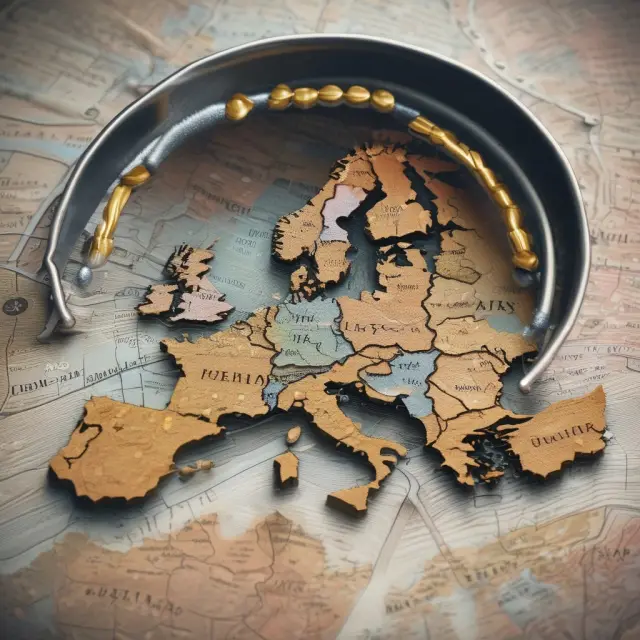
The European Debt Crisis: Causes and Effects
In late 2009, the term “PIIGS” became synonymous with the economic turmoil in Europe as an acronym for Portugal, Italy, Ireland, Greece, and Spain. These countries faced significant challenges during the global financial crisis, which had started two years prior with the collapse of Lehman Brothers. The PIIGS economies were particularly hard-hit due to their weakened economic output and financial instability, which raised concerns about their ability to pay back bondholders and triggered fears of defaults.
The European debt crisis originated from a perfect storm of factors, including unsustainable fiscal deficits, excessive borrowing, and inadequate regulatory oversight. Prior to the crisis, the PIIGS countries had adopted an accommodative monetary policy, which encouraged aggressive borrowing at low interest rates. Unfortunately, this resulted in some weaker economies amassing significant debt levels that they couldn’t reasonably be expected to repay when faced with a financial shock – like the 2008 global financial crisis.
Adding fuel to the fire, access to additional sources of capital also dried up due to their use of the euro as their currency, making it impossible for them to employ independent monetary policies to battle the economic downturn. This situation left the PIIGS countries at the mercy of international credit markets, with many questioning their ability to repay their debts.
To quell speculation that the European Union would abandon these economically challenged nations, leaders approved a €750 billion euro bailout package in 2010 to support the PIIGS economies. However, this acronym is now considered derogatory and its usage has largely been discontinued due to its offensive nature.
The European debt crisis caused significant repercussions for the PIIGS countries, with a range of negative consequences including:
– Sovereign bond spreads widening significantly
– Reduced access to international capital markets
– Increased borrowing costs
– Diminished economic growth and investment
The crisis also had far-reaching implications for the European Union itself, as it highlighted doubts about the viability of a single currency employed among the eurozone nations. Critics argued that the EU could not maintain a single currency while attending to the individual needs of each member state effectively. As a result, ongoing economic disparities may lead to a potential breakup of the eurozone.
In response, the European Union implemented several measures to address the crisis, including:
– Proposing a peer review system for approval of national spending budgets to promote closer economic integration among EU member states.
– Creating a European Stability Mechanism (ESM) to provide financial assistance and prevent contagion between countries.
– Encouraging greater fiscal discipline across the eurozone, with stricter regulations on deficit spending and debt levels.
Despite these efforts, the PIIGS crisis also paved the way for Brexit, as political risks associated with the euro continued to grow. On June 23, 2016, the United Kingdom voted to leave the EU due to concerns about immigration, sovereignty, and the continued support of member economies suffering through prolonged recessions.
Today, while the debt problems of countries at the European periphery have lightened significantly, challenges remain. Political risks associated with the euro, brought to the fore by Brexit, continue to impact these nations. However, reports indicate improved investor sentiment toward the PIIGS economies as evidenced by their return to the bond markets and increased demand for their longest-term debt.
PIIGS Economies: Portugal, Italy, Ireland, Greece, and Spain
The term “PIIGS” originated in the late 1970s as a pejorative label for the European economies of Portugal, Italy, Ireland, Greece, and Spain. It became particularly relevant during the European debt crisis when these countries faced significant challenges due to their weak economic output and financial instability.
Portugal: Prior to the crisis, Portugal’s economy was characterized by high levels of public and private debt, a large current account deficit, and persistent inflation. After joining the eurozone in 1999, Portugal’s debt-to-GDP ratio continued to rise due to excessive borrowing. In response to the European debt crisis, Portugal received a €78 billion bailout package from the EU to prevent default.
Italy: Italy was the third largest economy within the eurozone, but its public debt stood at approximately 120% of GDP in 2011. This high level of debt was largely due to structural issues, such as an aging population and a rigid labor market, which hindered economic growth. Italy’s debt crisis had significant ramifications for the eurozone as a whole, leading many investors to question the sustainability of the European project itself.
Ireland: The Irish economy grew rapidly during the mid-2000s due to a property bubble fueled by easy credit from international financial institutions. However, this growth came at a significant cost – high levels of private and public debt. When the global financial crisis hit in 2008, Ireland’s banking sector collapsed, leading to a severe recession that required an EU bailout worth €67.5 billion.
Greece: Greece was one of the most heavily indebted countries within the eurozone, with a debt-to-GDP ratio exceeding 140% in 2010. This debt crisis resulted from years of fiscal mismanagement, political instability, and corruption. The Greek government’s borrowing requirements became unsustainable as interest rates on its bonds soared due to the perception that Greece would default on its debts.
Spain: Spain’s economy was another major contributor to the European debt crisis. Spanish banks had amassed substantial bad loans during the country’s housing boom, which left them vulnerable when property prices began to decline in 2008. This led to a banking crisis that required €41 billion in government support. Spain also received a €100 billion bailout from the EU to prevent default on its sovereign debt.
The European Union responded to the PIIGS crisis with several measures, including bailouts and financial assistance packages, aimed at preventing defaults and maintaining confidence in the eurozone as a whole. These actions helped stabilize the situation, but the crisis highlighted the need for closer economic integration among EU member states. The EU’s response also involved addressing structural issues, such as labor market reforms and budget discipline, to improve the competitiveness of these economies.
The PIIGS crisis had significant implications for the future of the European Union, raising questions about the long-term viability of the single currency and the ability of EU leaders to effectively address economic disparities among member states. While some argue that the crisis has since been resolved, others warn that continued political and economic challenges could threaten the stability of the eurozone.
The use of the term “PIIGS” is now considered derogatory and offensive, as it reinforces negative stereotypes about these countries and their people. Instead, a more respectful and accurate approach would be to focus on the economic realities that contributed to their crises and the efforts being made to address them.
In conclusion, understanding the PIIGS crisis is crucial for anyone interested in the European Union and its future. By examining the causes of the crisis and the responses from EU leaders, we can gain a deeper appreciation for the challenges facing these countries and the importance of addressing economic disparities within the EU.
This section provides an in-depth analysis of the economic conditions in each PIIGS country prior to the crisis and their current status, focusing on the implications for the European Union as a whole.

The Eurozone’s Role in the PIIGS Crisis
During the European debt crisis that unfolded between 2010 and 2013, the term “PIIGS” (Portugal, Italy, Ireland, Greece, and Spain) was widely used to describe a group of countries grappling with significant economic challenges. While the acronym aimed to encapsulate the difficulties faced by these nations, it also carried negative connotations, which became a source of controversy. To comprehend the origins of this term and its impact on the Eurozone during the debt crisis, let’s delve deeper into the relationship between PIIGS and the European single currency.
The Euro as a Single Currency: Advantages and Disadvantages
Prior to the crisis, the European Union (EU) consisted of 16 countries that had adopted the euro as their common currency. The adoption of this single currency offered several advantages, such as removing exchange rate risks, fostering trade within the EU, and promoting price transparency. However, the lack of a unified fiscal policy, combined with the disparities in economic fundamentals across member states, introduced new vulnerabilities to the Eurozone.
Impact on PIIGS Countries During the Debt Crisis
As mentioned earlier, the weakest economies in the Eurozone – Portugal, Italy, Ireland, Greece, and Spain – came to be known as the PIIGS countries. These nations were criticized for their slow economic recovery following the 2008 financial crisis, which was attributed to a combination of factors like high debt levels, slow GDP growth, and high unemployment rates.
One key issue was the lack of monetary policy flexibility. Since the EU members used the euro as a common currency, they could not employ independent monetary policies in response to their specific economic conditions. This left them vulnerable to external shocks and compounded the difficulties faced by these countries during the crisis.
Furthermore, the euro as a single currency limited access to external financing. With no viable monetary policy tools at their disposal, PIIGS economies were unable to devalue their currencies or lower interest rates to stimulate growth and attract foreign investment. This exacerbated the economic downturn in these countries and raised fears of potential defaults on sovereign bonds.
EU’s Response to the Crisis: Providing Financial Aid to PIIGS Countries
To prevent default by these economically challenged nations, European leaders approved a €750 billion bailout package in 2010. The financial aid was aimed at shoring up the bonds of these countries on the secondary market and restoring confidence within the international credit markets. This move helped stem the crisis’s spread to other EU members and mitigated the risk of a full-blown financial meltdown.
While this intervention prevented an immediate default, it did not address the underlying issues that contributed to the crisis. The PIIGS economies continued to struggle with weak economic fundamentals, high debt levels, and structural issues that hindered their growth prospects. As a result, the European Union had to implement further measures to provide financial support and promote closer economic integration among EU members.
The Future of the Eurozone: Challenges and Opportunities Ahead
The European debt crisis highlighted the need for greater cooperation between EU member states. To address ongoing challenges like continued economic disparities, political risks, and external threats, leaders proposed a peer review system for approval of national spending budgets to ensure closer fiscal alignment among EU members. This approach aimed to promote economic stability while fostering unity within the Eurozone.
However, the crisis also exposed weaknesses in the EU’s institutional framework. The lack of a unified fiscal policy and monetary union created tensions between member states and raised doubts about the long-term viability of the single currency. The UK’s decision to leave the EU (Brexit) added to these challenges, as it introduced political uncertainty that could impact the Eurozone in various ways.
Despite these hurdles, the PIIGS countries have made progress toward economic recovery. Greece returned to the bond markets in 2017, while investor sentiment towards Spain’s longest-term debt has improved significantly. As the European Union continues to navigate political and economic challenges, it is crucial to remain vigilant and explore potential solutions that can promote financial stability and long-term growth for all members.
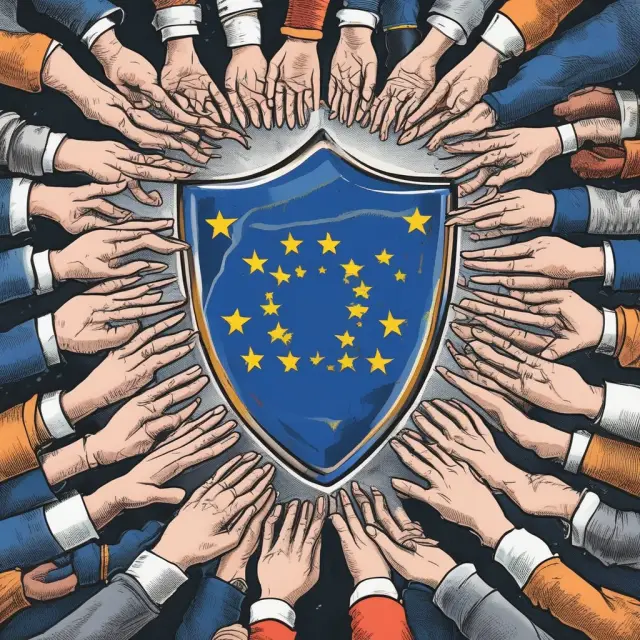
Support for the PIIGS Countries
The European debt crisis brought significant challenges to countries like Portugal, Italy, Ireland, Greece, and Spain, collectively known as the PIIGS countries. These nations faced severe economic instability due to their inability to pay back debts, leading to concerns about potential defaults and the implications on the wider eurozone economy. In response, European Union leaders took several measures to support these struggling economies.
One of the earliest actions was the 750 billion euro stabilization package, approved by EU leaders in 2010. The package aimed to provide financial assistance and reduce speculation regarding the possibility of abandoning the weakest economies within the Eurozone. However, it also imposed strict austerity measures to curb public spending and boost economic recovery, causing widespread protests and social unrest across PIIGS countries.
Greece faced some of the most severe challenges due to its excessive debt levels and fiscal mismanagement. To prevent a default, European leaders offered Greece two bailout packages totaling €240 billion ($315 billion) in exchange for implementing harsh reforms. Despite initial acceptance, Greek voters ultimately rejected these measures, leading to political instability and uncertainty.
Similarly, Ireland’s economy suffered from its involvement in the global banking crisis. The country had an oversized financial sector with significant exposure to risky assets. To address the situation, the European Union granted Ireland a €85 billion bailout package. In return, the Irish government committed to implementing stringent reforms aimed at reducing deficits and revitalizing their economy.
Portugal, another PIIGS country, received a €78 billion bailout from the European Union and the International Monetary Fund in 2011 to stabilize its economy. The aid package included harsh austerity measures, such as significant public sector cuts and tax increases, to restore confidence in Portugal’s financial situation.
Although Italy and Spain initially avoided bailouts, they too faced economic challenges brought on by the European debt crisis. Both countries implemented extensive reforms aimed at addressing their structural issues and regaining market confidence. In Spain’s case, a bank bailout program, known as the “Fund for Orderly Bank Restructuring,” was introduced to recapitalize banks and protect depositors in order to prevent potential systemic risks.
The European Central Bank (ECB) also played a crucial role during the PIIGS crisis by implementing various measures aimed at stabilizing the eurozone economy. One significant action included the Long-Term Refinancing Operations (LTRO), which provided three-year loans to Eurozone banks at low interest rates, easing their liquidity concerns and enabling them to continue lending to consumers and businesses.
Despite these efforts, the PIIGS crisis had long-lasting implications for the European Union. It raised questions regarding the sustainability of the single currency and the ability of EU leaders to effectively address the economic disparities among its member states. Additionally, Brexit’s impact on the eurozone cannot be overlooked, as it heightened political risks and uncertainty in the region.
In conclusion, the European debt crisis brought significant challenges to Portugal, Italy, Ireland, Greece, and Spain, collectively known as the PIIGS countries. European Union leaders responded with various measures aimed at providing financial assistance and restoring market confidence. While these actions helped mitigate the immediate risks, the long-term implications for the European Union remain uncertain. The future of these economies continues to be a topic of debate and concern among investors, policymakers, and the broader public.
Criticism of PIIGS Acronym
The term “PIIGS” gained widespread usage in 2010 to describe five European countries—Portugal, Italy, Ireland, Greece, and Spain–whose economies were facing severe challenges following the global financial crisis. The acronym has since been criticized for its derogatory nature and its potential impact on public perception.
Origins of the PIIGS Acronym
The first recorded usage of the term “PIIGS” was in 1978 when it was used to identify underperforming European countries, including Portugal, Italy, Greece, and Spain. The term gained renewed attention during the 2008 financial crisis when Ireland was added to the group due to its economic woes. Some argue that the term’s origins hint at a return of colonial dynamics within the Eurozone, potentially reinforcing negative stereotypes about these nations and their people.
Negative Connotations of PIIGS Acronym
The acronym “PIIGS” carries several negative connotations, including those related to laziness, unproductiveness, corruption, and wastefulness. Critics argue that the term stems from colonial-era prejudices against the peoples of these countries, perpetuating harmful stereotypes. By reducing entire nations to acronyms, the term oversimplifies their complex economic situations and ignores the unique factors contributing to each country’s challenges.
Impact on Public Perception
The derogatory use of PIIGS can have serious consequences for public perception, reinforcing negative stereotypes and potentially hindering efforts to address the root causes of these countries’ economic struggles. Furthermore, it creates a false narrative that these economies are incapable of overcoming their challenges independently. Instead, a more nuanced understanding of each country’s unique circumstances is necessary for fostering meaningful progress and reducing the need for derogatory labels.
Conclusion:
The PIIGS acronym has been criticized for its derogatory nature and potential impact on public perception, stemming from its origins in colonial-era prejudices and reinforcement of negative stereotypes. By promoting a more nuanced understanding of the unique economic situations faced by these countries, it becomes essential to recognize the value of each nation’s contributions to the European Union and the global economy as a whole.
PIIGS Countries: Current Economic Situation
Since the European debt crisis, the economic conditions of Portugal, Italy, Ireland, Greece, and Spain (collectively known as PIIGS) have undergone significant transformations. While each country faced unique challenges during the crisis, they all shared common themes: high debt levels, slow GDP growth, and high unemployment. Let’s examine the current economic situations of these countries and their progress toward recovery.
Portugal
After implementing a series of strict fiscal measures in 2011, Portugal has managed to regain investor confidence and return to international capital markets. Its debt-to-GDP ratio has decreased from 132% in 2011 to 119% in 2018. While the country still faces challenges such as a high unemployment rate of around 15%, Portugal’s economic growth is expected to reach 1.9% in 2022, according to the European Commission.
Italy
Despite its relatively strong economic fundamentals compared to other PIIGS countries, Italy remains plagued by high public debt and political instability. Its debt-to-GDP ratio stood at 153.5% in 2018, down from a peak of 132.7% in 2013. However, its economic growth is expected to remain stagnant in the short term, with the European Commission forecasting a meager 0.2% growth rate for 2022. Italy’s recent political turmoil and the lingering impact of the coronavirus pandemic further complicate matters.
Ireland
One of the fastest-growing economies in Europe after the crisis, Ireland has recovered significantly from its bailout during the financial crisis. Its debt-to-GDP ratio dropped to 67.5% in 2018, down from a high of 134.5% in 2010. The country’s economic growth is forecasted to reach 5.8% in 2022, making it one of the European Union’s best-performing economies.
Greece
After years of austerity measures and bailouts, Greece has made considerable progress toward exiting its financial assistance program. Its debt-to-GDP ratio improved from 185% in 2014 to 179.7% in 2018. However, the country still faces challenges such as a large public sector, weak tax compliance, and high unemployment. Greece’s economic growth is expected to reach 3.6% in 2022, according to the European Commission.
Spain
Spain’s economy, which was hit hard during the debt crisis, has shown steady improvement over the past decade. Its debt-to-GDP ratio dropped from a high of 101.4% in 2013 to 95.8% in 2018. Spain’s economic growth is forecasted to reach 3.7% in 2022, according to the European Commission. The country has managed to recover its banking sector and regain investor confidence through structural reforms.
In conclusion, while the PIIGS countries have made considerable progress toward recovery, they still face unique challenges that require continued attention from both their domestic governments and international financial institutions. As these economies continue their paths toward growth and stability, it is essential to acknowledge the lessons learned from the European debt crisis and apply them in crafting a more robust and sustainable economic union.
Implications for the Future of European Union
The PIIGS crisis, as it was referred to during its peak, posed significant challenges to the stability and unity of the European Union (EU). The debt crises that plagued Portugal, Ireland, Italy, Greece, and Spain highlighted numerous underlying issues within the Eurozone, ultimately questioning its long-term sustainability. As Europe moves forward, it is essential to understand the implications of the PIIGS crisis for the future of the EU.
Firstly, the PIIGS crisis underscored the need for more comprehensive integration among European countries, particularly with regard to economic policies and fiscal coordination. The lack of a unified approach to managing their economies led some countries to amass unsustainable levels of debt. Consequently, a peer review system was proposed for approval of national spending budgets, aiming for closer economic integration among EU member states.
Secondly, the PIIGS crisis brought forth political risks within the EU. The UK’s decision to leave the EU (Brexit) in 2016 has raised concerns about the future of the euro and its ability to accommodate individual needs while maintaining a single currency. While the debt issues of countries at the European periphery have lightened in recent years, ongoing political risks associated with the euro continue to pose potential threats.
Thirdly, the PIIGS crisis highlighted the importance of transparency and accountability within the EU. The failure of some member states to maintain adequate financial reserves and report accurate data on their debt levels led to a loss of investor confidence in those countries. Implementing measures that promote transparency and accountability in fiscal reporting could help mitigate potential future crises.
Lastly, the PIIGS crisis demonstrated the importance of solidarity and cooperation among European nations. The financial aid provided by wealthier EU countries was instrumental in preventing defaults, averting a possible domino effect. Continued commitment to such collaboration will be critical for addressing both internal and external challenges that may arise within the EU.
In conclusion, the PIIGS crisis represented a turning point for the European Union, exposing weaknesses that required urgent attention and reform. While significant progress has been made in addressing these issues, it is crucial for European leaders to remain vigilant and proactive in fostering economic stability, political unity, and accountability within the EU. Ultimately, a strong and united Europe will be better equipped to navigate the complexities of an ever-changing global economy.
Understanding PIIGS: The Derogatory Acronym That Defined the European Debt Crisis is a comprehensive guide that delves into the historical context, causes, and implications of the PIIGS crisis for the future of the European Union. By exploring each aspect of this topic in detail, readers will gain valuable insights into an era that tested the resolve and resilience of Europe’s economic and political structures.
Brexit’s Role in the PIIGS Crisis
The European Union (EU) debt crisis that plagued the weakest economies in Europe, labeled as the PIIGS countries (Portugal, Italy, Ireland, Greece, and Spain), was exacerbated by the United Kingdom’s decision to leave the EU (Brexit) on June 23, 2016. This controversial move sparked numerous consequences for both the European Union and these financially fragile nations.
Background of Brexit and Its Impact on the Eurozone
The roots of Brexit trace back to growing unpopularity toward the EU in the UK, largely due to issues concerning immigration, sovereignty, and perceived support for struggling member economies. This sentiment intensified during the European debt crisis, as the perception of the EU being a burdensome entity that bailed out underperforming nations further fueled anti-EU feelings among British citizens.
The Impact on PIIGS Countries
Brexit’s departure created several ripples in the financial markets, which affected PIIGS countries in various ways. The UK leaving the EU triggered a depreciation of the euro due to uncertainty surrounding the EU’s political landscape and its potential economic implications. This currency devaluation made it more expensive for PIIGS countries to borrow from international markets, leading some economists to predict that these nations could face renewed financial instability if they couldn’t refinance their debts.
Economic Implications of Brexit on the Eurozone
Furthermore, Brexit raised concerns over the future stability of the European Union, as it marked the first time a member state had left the organization voluntarily. This increased political instability could potentially result in investors reassessing their investments in the eurozone and causing further financial uncertainty for already fragile economies.
However, not all economists agree on the severity of these concerns, as some argue that the EU’s financial situation has significantly improved since the peak of the debt crisis. In fact, Greece, Portugal, Ireland, Italy, and Spain have experienced a reduction in their borrowing costs due to positive economic indicators like improved investor sentiment, lower unemployment rates, and higher consumer confidence.
Despite these promising signs, challenges persist for PIIGS countries as they continue to navigate the complexities of the European Union’s political landscape. The UK’s departure from the EU has highlighted the need for closer economic integration among EU members, with leaders proposing a peer review system for national budgets to ensure fiscal discipline and stability.
The Future Role of PIIGS Countries in the European Union
As Europe moves forward in the post-Brexit era, it remains to be seen how PIIGS countries will adapt to the changing political climate and their evolving role within the EU. While many challenges lie ahead, there are also opportunities for these nations to strengthen their economic foundations and improve their relationships with their European counterparts.
In conclusion, Brexit’s departure from the EU had far-reaching consequences for PIIGS countries, as it introduced uncertainty into the European financial markets and raised questions about the future stability of the eurozone. While some economists argue that these concerns have been overblown, others maintain that closer economic integration is essential to address the lingering challenges faced by PIIGS nations and ensure the long-term success of the European Union.
FAQs:
What is Brexit?
Answer: The United Kingdom’s decision to leave the European Union on June 23, 2016.
How did Brexit impact PIIGS countries?
Answer: Brexit caused uncertainty in the financial markets and raised concerns over the future stability of the European Union, which could potentially make it more expensive for PIIGS countries to borrow from international markets.
What is the current status of PIIGS countries?
Answer: In recent years, PIIGS countries have experienced improvements in investor sentiment, lower unemployment rates, and higher consumer confidence. Despite this progress, challenges remain as they navigate the changing political landscape of the European Union.
Why is Brexit important to PIIGS countries?
Answer: The UK’s departure from the EU introduced uncertainty into the financial markets and highlighted the need for closer economic integration among EU members to address the lingering challenges faced by PIIGS nations.

FAQ: Frequently Asked Questions About PIIGS
What does PIIGS mean?
PIIGS stands for Portugal, Italy, Ireland, Greece, and Spain – a group of countries in the European Union (EU) that faced significant economic challenges during the 2008 global financial crisis. The term “PIIGS” is a derogatory acronym used to denote these economically fragile nations due to their weak economic output, high debt levels, and concerns about their ability to pay back bondholders.
When was the PIIGS acronym first introduced?
The term PIIGS has its origins in the 1970s when it was used to refer to Portugal, Italy, Greece, and Spain for their underperforming economies within the EU. Ireland joined the group during the European debt crisis in 2008.
How did the PIIGS acronym gain popularity?
The term gained widespread usage as the European Union grappled with a significant economic downturn following the 2008 financial crisis. The moniker “PIIGS” was used to describe these countries’ poor economic performance and their inability to pay back loans, fueling fears of potential defaults within the eurozone.
What caused the European debt crisis?
The European debt crisis can be attributed to several factors, including unsustainable fiscal policies, loose lending practices, and a lack of coordinated response from European leaders to address the economic downturn. The use of a single currency (the euro) in the European Union complicated matters by limiting the ability of individual countries to employ independent monetary policies during the crisis.
What was the impact of the PIIGS crisis on the EU?
The European debt crisis led to significant concerns about the viability of the European Union and its single currency, the euro. The crisis highlighted the need for closer economic integration among EU member states, ultimately leading to proposals for a peer review system for national budgets, as well as increased scrutiny regarding the ongoing support for struggling economies within the union.
Why is the PIIGS acronym considered derogatory?
The term “PIIGS” has been criticized for its offensive and demeaning nature towards the people of Portugal, Italy, Ireland, Greece, and Spain. Some argue that it reinforces negative stereotypes about these countries’ cultures and perpetuates a colonialist mentality within the EU.
What is the current status of the PIIGS economies?
In recent years, there has been significant improvement in the economic conditions of Portugal, Italy, Ireland, Greece, and Spain. These countries have seen increased investor sentiment and demand for their debt securities. However, political risks associated with the eurozone, such as Brexit, remain a concern for economists and policymakers.
How has Brexit influenced the PIIGS crisis?
Brexit, the United Kingdom’s decision to leave the European Union in 2016, has led to higher tax burdens and depreciation of the euro. While it has resulted in some improvements in the debt problems of the peripheral economies, Brexit also raises concerns about the future stability of the eurozone and its ability to maintain a single currency while addressing the individual needs of member states.
What can we learn from the PIIGS crisis?
The PIIGS crisis serves as a reminder of the importance of sound fiscal policies, prudent lending practices, and effective coordinated response when facing economic challenges within a monetary union. It also highlights the need for continued cooperation among EU member states to mitigate political risks and maintain stability in the European Union.
 Next entry · No. 3,981Understanding PIMCO: A Giant in the World of Fixed Income Investing
See also
-
 No. 2,929
15 Feb 2025
26 min
The Lisbon Treaty: Understanding Europe’s Game Changer in Finance and Investment
Business Finance
No. 2,929
15 Feb 2025
26 min
The Lisbon Treaty: Understanding Europe’s Game Changer in Finance and Investment
Business Finance -
 No. 2,624
22 Jan 2025
21 min
Joint Bonds: Understanding Shared Guarantees and Their Role in Finance
Business Finance
No. 2,624
22 Jan 2025
21 min
Joint Bonds: Understanding Shared Guarantees and Their Role in Finance
Business Finance -
 No. 1,362
04 Sep 2024
20 min
Understanding the European Union (EU): History, Current State, and Future Changes
Business Finance
No. 1,362
04 Sep 2024
20 min
Understanding the European Union (EU): History, Current State, and Future Changes
Business Finance -
 No. 1,279
22 Aug 2024
24 min
The Evolution and Challenges of the European Economic and Monetary Union (EMU)
Business Finance
No. 1,279
22 Aug 2024
24 min
The Evolution and Challenges of the European Economic and Monetary Union (EMU)
Business Finance -
 No. 3,756
24 Apr 2025
19 min
Understanding Optimum Currency Area (OCA) Theory: Economic Efficiency through a Shared Currency
Economics
No. 3,756
24 Apr 2025
19 min
Understanding Optimum Currency Area (OCA) Theory: Economic Efficiency through a Shared Currency
Economics -
 No. 517
27 Apr 2024
20 min
Brexit: Understanding the Complexities of Britain’s Decision to Leave the European Union
Global Finance
No. 517
27 Apr 2024
20 min
Brexit: Understanding the Complexities of Britain’s Decision to Leave the European Union
Global Finance