The Lisbon Treaty: Understanding Europe’s Game Changer in Finance and Investment

Explore The Lisbon Treaty's impact on Europe's finance, investment, and diplomacy, including its key provisions and supporters/critics.
Background: The European Union Before the Lisbon Treaty
The European Union (EU), a political and economic union of 27 member states located primarily in Europe, was established with the signing of the Treaty of Rome on March 25, 1957. This treaty introduced the European Economic Community (EEC) and aimed to reduce customs regulations between member countries, promote economic cooperation, and facilitate a single market for goods, as well as establishing a set of policies for transporting them.
The EU further expanded with the Maastricht Treaty in 1992. This treaty established the three pillars of the European Union: The European Community (EC), European Political Cooperation (EPC), and the Common Foreign and Security Policy (CFSP). The EC was responsible for economic, social, environmental, and nuclear issues, while EPC focused on foreign policy and defense. The CFSP set up a common foreign and security policy, allowing member states to cooperate in this area but keeping ultimate decision-making power with each government.
While these previous treaties provided the foundation for the European Union, they had limitations. The Treaty of Rome lacked legal personality and did not provide any provisions for the creation of a supranational body to enforce its provisions. Additionally, there was no clear mechanism for amending the Treaty of Rome, requiring lengthy negotiations between member states every time changes needed to be made.
The Maastricht Treaty attempted to address some of these limitations by establishing new institutions like the European Monetary Institute and the European Investment Bank. However, it also created complications. The most notable being the failure of the Constitutional Treaty in 2004 which sought to establish a Union constitution but was rejected due to disagreements between member states on voting procedures.
The Lisbon Treaty, signed on December 13, 2007, in Lisbon, Portugal, updated regulations for the European Union and addressed these challenges by establishing more centralized leadership, a foreign policy, and a clear process for countries that wish to leave the Union. It amended the two previous treaties (Treaty of Rome and Maastricht) while also adopting new rules to enhance cohesion and streamline actions within the EU.

What is the Lisbon Treaty?
The Lisbon Treaty represents a significant update to European Union (EU) regulations, introducing more centralized leadership and foreign policy structures, a process for countries wishing to exit the EU, and streamlined procedures for implementing new policies. The treaty, signed on December 13, 2007, in Lisbon, Portugal, amended two earlier treaties: the Treaty of Rome (also known as the Treaty on the Functioning of the European Union, or TFEU) and the Maastricht Treaty (or Treaty on European Union, or TEU).
Background: The European Union Before the Lisbon Treaty
The EU was established by the Treaty of Rome in 1957. This treaty introduced the European Economic Community (EEC), which reduced customs regulations between member countries and facilitated a single market for goods with uniform policies concerning their transport. The EEC eventually evolved into the European Union, as outlined in the Maastricht Treaty, signed in 1992, which established the three pillars of the EU: Common Foreign and Security Policy (CFSP), Justice and Home Affairs (JHA), and the European Community, which focused on economic integration.
What the Lisbon Treaty Changed
The Lisbon Treaty amended the existing treaties to provide more cohesive leadership within the EU by introducing several key provisions:
Article 18 – This provision established a High Representative for Foreign Affairs and Security Policy, who is elected through a majority vote and responsible for overseeing foreign and security affairs of the Union. The representative plays a crucial role in external diplomacy and negotiations.
Article 21 – The Lisbon Treaty formalized the Union’s global diplomacy policy, which is based on universal human rights, democracy, and development. The EU pledged to forge alliances with like-minded countries and extend support to third-world nations in their development efforts.
Article 50 – Article 50 outlines a clear process for member states wishing to leave the EU. This article was crucial, as it provided a definitive way forward for any country that wanted to withdraw from the Union.
The Lisbon Treaty also resolved issues with the rejected Constitutional Treaty by implementing weighted votes and extending the reach of qualified majority voting. Supporters of the Lisbon Treaty argued that it increased accountability through better checks and balances, while critics claimed that it concentrated power in the center, potentially overlooking the needs of smaller countries.
Key Provisions: Changes Bringing Cohesion to the EU (To Be Continued…)

Key Provisions: Changes Bringing Cohesion to the EU
The Lisbon Treaty, officially known as Treaty of Lisbon, was a significant milestone in the European Union (EU) history. Signed on December 13, 2007, it replaced two major founding treaties – the Treaty of Rome and Maastricht Treaty – with amendments that introduced more centralized leadership, foreign policy, a process for countries wishing to leave the EU, and a streamlined process for enacting new policies. Three key provisions from the Lisbon Treaty include Article 18 (High Representative), Article 21 (Global Diplomacy), and Article 50 (Process for Leaving the EU).
Article 18: The High Representative
With Article 18, the Lisbon Treaty established a more unified approach to foreign affairs and security within the European Union. This provision created the role of the High Representative of the Union for Foreign Affairs and Security Policy, who is elected by the European Council by a qualified majority vote. The High Representative serves as the voice of the EU in international organizations such as NATO and the United Nations, fostering diplomatic cohesion among member states and providing a more unified foreign policy stance.
Article 21: Global Diplomacy
Article 21 emphasizes the importance of global diplomacy and development for the European Union. This provision calls on EU members to respect universal human rights, democracy, and the rule of law as principles for building alliances with other nations, particularly third-world countries, in order to promote stability and economic growth around the world.
Article 50: The Process for Leaving the EU
The Lisbon Treaty also addressed a controversial issue within the EU by introducing Article 50, which outlines the steps a member state must take in order to leave the Union. This provision was added as a response to those countries that disagreed with certain aspects of the European Union and sought to withdraw from its jurisdiction. Since the Brexit vote, this article has gained significant attention due to its potential impact on the United Kingdom’s future relationship with Europe.
In conclusion, the Lisbon Treaty represented a crucial step forward for the European Union in terms of centralizing leadership and foreign policy while offering a clear process for countries wishing to leave the organization. The introduction of provisions such as Article 18 (High Representative), Article 21 (Global Diplomacy), and Article 50 (Process for Leaving the EU) solidified the Union’s position on the global stage, making it an essential element in shaping Europe’s future role within international diplomacy.

Replacing the Constitutional Treaty: New Rules, Same Foundation
The Lisbon Treaty is a major update to regulations within the European Union (EU), amending two previously established treaties – the Treaty of Rome and the Maastricht Treaty. This 2007 treaty, signed in Lisbon, Portugal, came after an earlier attempt at creating a constitution for the EU – the Constitutional Treaty – was rejected by several member states. The primary goals of the Lisbon Treaty were to create more centralized leadership and foreign policy, establish clearer processes for countries leaving the Union, and streamline procedures for implementing new policies.
Background: The European Union Before the Lisbon Treaty
To understand the importance of the Lisbon Treaty, it’s crucial to first explore the EU’s history leading up to its creation. The Treaty of Rome (1957) laid the groundwork for the European Economic Community (EEC), reducing customs regulations between member countries and facilitating a single market for goods. This treaty, also known as the Treaty on the Functioning of the European Union (TFEU), focused mainly on economic cooperation among its members.
The Maastricht Treaty (1992) built upon the Treaty of Rome by establishing the three pillars of the European Union: Common Market, Cooperation, and Justice and Home Affairs. It paved the way for the euro, the common currency, which later became a key part of the Union’s monetary policy. However, these treaties left room for improvement in terms of cohesion and streamlined decision-making processes.
The Constitutional Treaty: The Precursor to the Lisbon Treaty
In 2004, an attempt was made to create a Union constitution called the Constitutional Treaty. This document aimed to outline the fundamental principles, structures, institutions, objectives, and policies of the EU. It would have granted the European Parliament more power in the legislative branch and created a President of the European Council with a two-and-a-half-year term. However, the rejection of this treaty by several member states led to an alternative solution: the Lisbon Treaty.
What is the Lisbon Treaty?
The Lisbon Treaty updated and amended the existing regulations within the EU. It resolved issues with the rejected Constitutional Treaty by creating a more centralized leadership and foreign policy, establishing a proper process for countries that wish to leave the Union, and streamlining procedures for enacting new policies. This treaty, signed on December 13, 2007, in Lisbon, Portugal, took effect in December of 2009.
Key Provisions: Changes Bringing Cohesion to the EU
Some of the key provisions within the Lisbon Treaty include Article 18, which established a protocol for electing a High Representative of the Union for Foreign Affairs and Security Policy; Article 21, which detailed global diplomatic policy for the European Union; and Article 50, which outlined procedures for a member country to leave the European Union. These provisions aimed to bring more cohesion and unity within the EU and address issues that were left unresolved by previous treaties.
Supporters and Critics: Balancing Power within the EU
The Lisbon Treaty was met with mixed opinions. Those who supported it argued that it enhanced accountability, provided better checks and balances, and granted more power to the European Parliament in the legislative branch. Critics claimed that it unevenly distributed power among member states, especially those with smaller populations. Despite these concerns, the Lisbon Treaty has had a lasting impact on the EU and its role within the global community.
Impact on Investment and Finance
The Lisbon Treaty played a significant role in shaping investment and financial regulations within the European Union. The treaty created more centralized leadership and foreign policy, making it easier for the EU to negotiate economic agreements with other countries. Furthermore, it established clearer procedures for enacting new policies, allowing for greater cooperation among member states on issues related to finance and investment.
The European Parliament’s Role in the Lisbon Treaty
Another key impact of the Lisbon Treaty was the increased role and influence of the European Parliament within the Union’s legislative branch. The treaty granted more power to this body, allowing it to have a stronger voice in shaping EU policy on various issues, including finance, investment, and foreign affairs.
Global Perspective: Diplomacy under the Lisbon Treaty
The Lisbon Treaty also had implications beyond the EU’s borders. It detailed global diplomatic policy for the European Union, which was based on the principles of universal human rights, democracy, and development. The Union pledged to forge alliances with countries that supported these beliefs and reach out to third-world nations to help them develop. This commitment to diplomacy has strengthened the EU’s role as a global leader and influencer in international relations.
The Lisbon Treaty and Brexit
One of the most significant impacts of the Lisbon Treaty was its influence on Article 50 – the process for member countries to leave the European Union. When the United Kingdom decided to exit the EU, the procedures outlined in the Lisbon Treaty were put into action. The process required the UK to formally notify other EU members of their intent to leave and negotiate a withdrawal agreement. This event demonstrated the importance of the Lisbon Treaty’s provisions and its ongoing influence on the European Union.
Conclusion: The Lasting Impact of the Lisbon Treaty
The Lisbon Treaty has had a profound impact on the European Union, from establishing more centralized leadership and foreign policy to providing clearer procedures for countries leaving the Union. It resolved issues left unaddressed by previous treaties and set the stage for continued cooperation among EU member states. With its influence on investment, finance, diplomacy, and more, the Lisbon Treaty remains a crucial part of the European Union’s history and ongoing evolution.
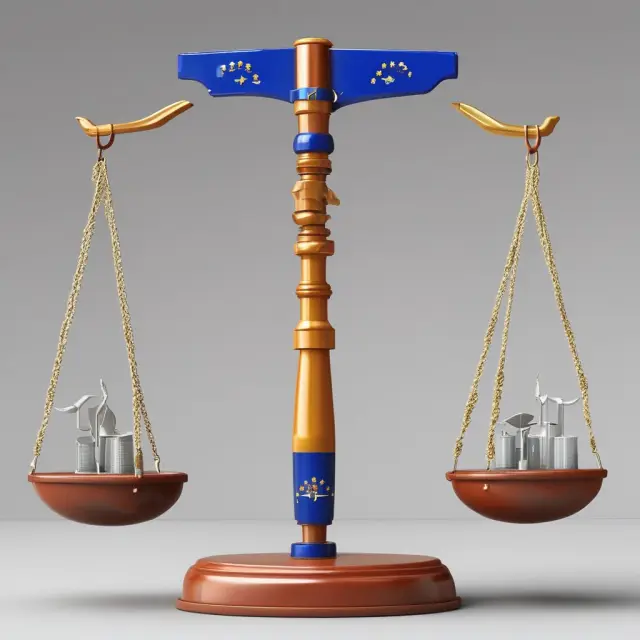
Supporters and Critics: Balancing Power within the EU
The Lisbon Treaty’s introduction of new articles such as Article 18, 21, and 50 led to intense debates between supporters and critics regarding its implications on power distribution within the European Union. Supporters believed that this treaty brought about a more accountable union through enhancing checks and balances while extending the reach of qualified majority voting. Contrarily, opponents argued that it unequally distributed power and sidelined smaller countries.
Article 18: The Game Changer for EU Foreign Policy
One of the most notable changes brought about by the Lisbon Treaty was the introduction of Article 18, which established a High Representative of the Union for Foreign Affairs and Security Policy (HR). This article provided a more streamlined and effective foreign policy mechanism within the European Union. The HR is elected in or out of office through a majority vote in the European Parliament, giving the EU’s legislative branch a larger influence on foreign policy decisions.
Article 18 supporters argue that this provision enhances accountability, as the HR is directly answerable to the European Parliament. Furthermore, the European External Action Service (EEAS) was created under Article 18 to provide the EU with its own diplomatic corps. This centralized agency supports the HR and the Commission in implementing foreign policy actions, making the EU an influential global player on the international stage.
Critics of this article argue that it disproportionately concentrates power within the EU’s institutions and ignores the interests of smaller nations. They also asserted that it could lead to a possible “Brussels Foreign Policy” that may not take into account the nuances and needs of individual member states.
Article 21: A Global Diplomacy Framework for the European Union
The Lisbon Treaty’s Article 21 introduced a comprehensive global diplomacy framework for the EU, emphasizing universal human rights, democracy, and development principles as the core foundation for foreign policy engagement. This article has enabled the EU to create strategic partnerships with countries that share these values while also extending support to third-world nations in their development efforts.
Supporters of Article 21 view this as a positive step towards promoting a more unified and assertive European Union on the world stage. They argue that it strengthens international relations, enhances global cooperation, and reinforces EU values within its member states and beyond.
Critics, however, believe that Article 21 may lead to an overextension of the EU’s resources and potentially conflict with individual national interests. They fear that a “one-size-fits-all” diplomatic strategy may not address the specific needs and challenges faced by each member state, potentially leading to disengagement from smaller nations.
Article 50: The New Procedure for Leaving the EU
The Lisbon Treaty also introduced Article 50, a new procedure allowing member countries to leave the European Union if they choose to do so. This provision was met with mixed reactions from supporters and critics alike.
Those in favor of Article 50 argue that it provides member states with greater sovereignty, allowing them to make decisions that best serve their national interests. They also believe that this article may act as a deterrent against potential secessionist movements within EU countries.
However, opponents argue that the process for leaving the Union under Article 50 could lead to a domino effect of other members potentially following suit, creating instability and uncertainty within the European Union. They also point out that the complexities involved in leaving the EU may make this an unrealistic or undesirable option for most member states.
In conclusion, the Lisbon Treaty brought about significant changes to the power distribution dynamics within the European Union through its introduction of new articles such as Article 18, 21, and 50. The implications and opinions on these changes have been a source of intense debates among supporters and critics alike, highlighting the need for continued dialogue and adaptation in shaping the EU’s future.
FAQ: Frequently Asked Questions about the Lisbon Treaty
Question: What is the Lisbon Treaty?
Answer: The Lisbon Treaty is a treaty signed in 2007 that updated regulations for the European Union, establishing more centralized leadership and foreign policy, a process for countries that want to leave the EU, and a streamlined process for enacting new policies.
Question: How did the Lisbon Treaty differ from previous treaties like the Maastricht and Rome treaties?
Answer: The Lisbon Treaty built upon the foundations established in earlier treaties like the Maastricht and Rome treaties, but it introduced new rules to enhance cohesion within the EU and resolve issues with the previously rejected Constitutional Treaty.
Question: What are some benefits of the Lisbon Treaty for smaller EU countries?
Answer: Smaller EU countries may benefit from the Lisbon Treaty through the increased influence granted to the European Parliament, which represents their interests in Union-wide decisions. Additionally, provisions like Article 18 allow smaller nations to have a more direct say in foreign policy matters.
Question: How did the Lisbon Treaty address issues with the rejected Constitutional Treaty?
Answer: The Lisbon Treaty resolved issues with the rejected Constitutional Treaty by proposing weighted votes and extending the reach of qualified majority voting, ensuring that all member states had a say in Union-wide decisions while maintaining fair representation.

Impact on Investment and Finance
The European Union underwent a significant transformation with the implementation of the Lisbon Treaty, which brought about changes in investment and financial regulations within the EU. This new legal framework allowed for more centralized decision-making, streamlined cooperation between countries, and an enhanced role for the European Parliament in shaping economic policies. Let us explore the specific ways this treaty affected the EU’s investment and finance landscape.
1. The European Central Bank (ECB)
One of the most significant impacts of the Lisbon Treaty on investment and finance was the clarification and enhancement of the role of the European Central Bank. Article 127(1) of the Treaty on the Functioning of the European Union (TFEU) established that “The European System of Central Banks shall be responsible for the formulation and implementation of monetary policy in the Community.” By providing clearer guidelines, the Lisbon Treaty ensured consistent monetary policies across EU member states, fostering a stable economic environment.
2. The European Securities and Markets Authority (ESMA)
Another major change was the establishment of the European Securities and Markets Authority. This regulatory body aimed to improve the supervision of EU financial markets by ensuring consistent regulation across all member states. ESMA operates under the Lisbon Treaty’s framework, enhancing investor protection and market stability within the EU.
3. The European Banking Union
The Lisbon Treaty paved the way for the creation of the European Banking Union, a significant step toward greater financial integration in Europe. This union allowed countries to pool their resources and coordinate regulatory efforts to reduce risk and maintain financial stability. The European Stability Mechanism (ESM), an integral part of the Banking Union, provided emergency financing to banks and countries facing solvency issues during the Eurozone crisis, helping prevent contagion effects across borders.
4. The Economic and Monetary Union (EMU)
The Lisbon Treaty further strengthened the Economic and Monetary Union (EMU), which was established with the Maastricht Treaty in 1992. This union aimed to create a single monetary policy for all EU countries using the euro as their currency. With the Lisbon Treaty, the EMU gained more robust governance and regulatory frameworks, allowing it to function more effectively in times of economic instability.
5. The European Investment Bank (EIB)
The Lisbon Treaty also solidified the role of the European Investment Bank as a key player in financing projects that support sustainable development and economic growth within the EU. With its increased focus on innovation, environmental sustainability, and economic competitiveness, the EIB has become an essential partner for public and private investors looking to invest in EU member states.
In conclusion, the Lisbon Treaty brought about substantial changes to investment and financial regulations in the European Union. By establishing a more centralized decision-making process, enhancing regulatory bodies like ESMA and the ECB, creating new structures like the European Banking Union, and strengthening the Economic and Monetary Union, the Lisbon Treaty has paved the way for a more stable and interconnected European financial landscape.

The European Parliament’s Role in the Lisbon Treaty
With the Lisbon Treaty’s adoption of new rules and provisions within the EU, the European Parliament (EP) saw a significant increase in influence and power. The treaty bolstered the EP’s legislative authority, making it a more central player in shaping the Union’s policies.
One essential change brought about by the Lisbon Treaty was the establishment of Article 18, which created a new position: the High Representative of the Union for Foreign Affairs and Security Policy. The EP had a crucial role in electing this representative. This appointment granted the Parliament more clout in foreign and security affairs, as it could now vote on the individual chosen to oversee these matters for the entire Union.
Another change impacted the EP’s ability to influence EU legislation directly. The Lisbon Treaty expanded the use of qualified majority voting (QMV) – a mechanism that allows the European Council to pass laws without unanimous consent from all member states. With more QMV, the EP could exert greater control over policies as it held considerable sway in shaping proposals and amendments.
The Lisbon Treaty also introduced a co-decision procedure. This mechanism allowed both the European Parliament and the Council of the European Union to approve new regulations. The EP and the Council would negotiate until they reached an agreement, providing more opportunities for the Parliament to assert its influence.
These changes solidified the European Parliament’s position as a strong voice within the EU, capable of driving policy initiatives and ensuring that member states addressed citizens’ concerns. With more power comes increased responsibility; the EP had to represent the diverse interests of its population effectively while maintaining the unity of the Union.
As the importance of the European Parliament grew, its size and scope expanded as well. The number of Members of the European Parliament (MEPs) rose from 626 to 751 following the first elections held under the new treaty in 2009. This increase allowed for more representation and a greater diversity of perspectives within the institution.
With these changes, the Lisbon Treaty provided the European Parliament with the means to become an even more essential player in EU decision-making. The balance of power between national governments and the EU institutions shifted, allowing for a more democratic and effective Union.

Global Perspective: Diplomacy under the Lisbon Treaty
The Lisbon Treaty introduced a significant shift in diplomatic policy for the European Union (EU) by establishing new provisions and roles. Among the most crucial changes were Articles 18, 21, and 50. These articles altered the European Union’s global standing, allowing it to take more active roles on the international stage.
Article 18: The New High Representative for Foreign Affairs and Security Policy
Before the Lisbon Treaty, there was no clear-cut position for a Union foreign policy chief. However, the Lisbon Treaty changed this by introducing Article 18, which established the role of a High Representative of the Union for Foreign Affairs and Security Policy. This representative is elected both into office and out of it through a majority vote in the European Parliament, making them accountable to the EU’s citizens. Their primary responsibility is to oversee and implement the Union’s foreign and security policy.
Article 21: Global Diplomacy for the European Union
The Lisbon Treaty’s Article 21 outlined a new global diplomacy approach for the European Union. It was based on universal human rights, democracy, and development, with the Union promising to engage in diplomatic alliances with like-minded countries and extend its support to third-world nations in their development efforts. This commitment signaled the EU’s increasing involvement as a global player.
Article 50: The Process for Leaving the European Union
While not directly related to diplomacy, Article 50 of the Lisbon Treaty is worth mentioning since it set procedures for a member country to leave the European Union. The article provided clarity on this sensitive topic and helped establish the EU as a stronger entity by demonstrating its commitment to maintaining unity among its members.
These changes brought about by the Lisbon Treaty strengthened the European Union’s diplomatic presence, enabling it to take a more active role in global affairs. By establishing clear channels for foreign policy and setting out guidelines for leaving the EU, the Lisbon Treaty solidified the Union’s position as a significant player on the world stage.

The Lisbon Treaty and Brexit
Brexit, short for “British exit,” refers to the United Kingdom’s decision to leave the European Union. The Lisbon Treaty played a significant role in setting up this process with Article 50, which provides an official pathway for a member country to withdraw from the EU. Before discussing Brexit and its implications, it is essential to understand how Article 50 came into being and what it entails.
Article 50: A New Beginning
When the Lisbon Treaty was signed in 2007, it marked a significant shift in the European Union’s structure, with new provisions aimed at enhancing unity among member states, establishing more centralized leadership, and formalizing a process for countries that wanted to leave. One of these changes included Article 50, which enabled any EU member country to withdraw from the union if it so chose. This provision was put in place to address concerns over potential secessionist movements and provide clarity on the withdrawal process for member states.
The UK’s Decision to Depart
In June of 2016, the United Kingdom held a referendum regarding its EU membership. The vote resulted in a decision to leave the European Union, with 51.9% of voters choosing to approve Brexit. The implications of this move were far-reaching and uncertain for both the UK and the remaining EU member states.
The Article 50 Process: Triggering Article 50 and Negotiations
Once the decision to leave was made, Article 50 came into play, setting off a two-year timeline for negotiations between the exiting country (the United Kingdom) and the remaining EU member states. This process was initiated by then Prime Minister Theresa May on March 29, 2017, when she formally notified the European Council of the UK’s intent to leave the Union. The clock started ticking, with the two-year negotiation window ending on April 12, 2019. During this time, both sides worked to establish a new relationship and agree on various aspects of their post-Brexit partnership.
The Withdrawal Agreement: A New Deal for the UK and the EU
As the deadline approached, the UK and the remaining EU member states reached an agreement on the terms of the United Kingdom’s withdrawal from the European Union. The “Withdrawal Agreement,” as it became known, laid the groundwork for the future relationship between the two parties. Among its main provisions were:
- Citizens’ Rights: Guaranteed the rights of UK citizens living in EU countries and vice versa, ensuring continued access to healthcare, pensions, education, and social security benefits.
- The Financial Settlement: Required the UK to pay €39 billion (£35 billion) as a contribution to the EU budget. This payment was intended to cover outstanding obligations, including pensions for EU staff, farm subsidies, and other financial commitments.
- Transition Period: Implemented a transition period from March 29, 2019, until December 31, 2020. During this time, the UK remained in the EU’s customs union and single market, allowing for a gradual adjustment to life outside of the Union.
- Future Relationship: Established guidelines for future cooperation between the UK and EU on areas such as trade, security, and aviation, among others.
Brexit’s Aftermath: The New Status Quo for the UK and Europe
As of now, the United Kingdom has officially left the European Union but remains in a transition period until the end of 2020. During this time, negotiations on the future relationship between the two parties will continue, with uncertainty still present regarding various aspects such as trade arrangements and immigration policy. The long-term implications of Brexit for the UK and EU are yet to be fully understood, but the Lisbon Treaty’s Article 50 has provided a framework for managing this historic change.
In conclusion, the Lisbon Treaty played a crucial role in setting up the official process for a member country to leave the European Union, as seen with Brexit and Article 50. This provision has provided a means for both sides to work through the complexities of separation while preserving existing relationships and creating new ones. As negotiations continue during the transition period and beyond, the impact of the Lisbon Treaty on Brexit will remain a fascinating topic of study in the realm of European politics and investment.
FAQ: Frequently Asked Questions about Brexit and Article 50
Why did the UK vote to leave the EU?
Answer: The primary reasons for Brexit were concerns over immigration, sovereignty, and economic regulations imposed by the EU.
When did the United Kingdom officially leave the European Union?
Answer: The UK left the EU on January 31, 2020.
What is Article 50 in the Lisbon Treaty?
Answer: Article 50 is a provision that enables any EU member country to withdraw from the union if it chooses to do so.
How long does the process for leaving the EU take, according to Article 50?
Answer: The process involves a two-year negotiation window during which both sides work out the terms of the withdrawal and future relationship.
What was agreed upon in the Withdrawal Agreement between the UK and EU?
Answer: The agreement included provisions on citizens’ rights, the financial settlement, a transition period, and guidelines for future cooperation.

Conclusion: The Lasting Impact of the Lisbon Treaty
The Lisbon Treaty revolutionized the European Union by strengthening its foundation and fostering a more unified and effective Union. This comprehensive amendment to existing EU treaties introduced significant changes, including a streamlined process for policy implementation, enhanced diplomacy, and provisions for countries wishing to leave the Union.
Prior to the Lisbon Treaty, the European Union was built upon two influential treaties: the Treaty of Rome and the Maastricht Treaty. The Treaty of Rome set forth the foundation of a single market with a common external tariff and customs union. Subsequently, the Maastricht Treaty paved the way for the European Monetary Union (EMU) and established the three pillars of the EU: the European Communities, the Common Foreign and Security Policy, and Police and Judicial Cooperation in Criminal Matters.
The Lisbon Treaty, signed on December 13, 2007, in Lisbon, Portugal, amended these existing treaties and introduced new articles that addressed specific needs of the Union. Among the most noteworthy changes were:
- Article 18: This article established the position of a High Representative of the Union for Foreign Affairs and Security Policy, who oversees foreign and security affairs in the Union.
- Article 21: This article defined global diplomacy policy for the EU based on principles of universal human rights, democracy, and development. The Union aimed to form alliances with like-minded countries and help third-world nations develop.
- Article 50: This article outlined procedures for a member country to leave the European Union.
The Lisbon Treaty replaced the previously rejected Constitutional Treaty, which attempted to establish a constitution for the EU but was met with opposition due to concerns about voting power and distribution of influence within the Union.
Upon its enactment in 2009, the Lisbon Treaty brought lasting change to the European Union by addressing these issues and creating a more centralized leadership and foreign policy, along with a process for countries that wanted to leave. The treaty’s provisions fostered cooperation between member states, strengthened the EU’s global position, and set the stage for a unified future.

FAQ: Frequently Asked Questions about the Lisbon Treaty
What is the Lisbon Treaty?
The Lisbon Treaty is an update to existing regulations in the European Union (EU) that established more centralized leadership and foreign policy, a process for countries that wish to leave the EU, and a streamlined process for enacting new policies. It was signed on December 13, 2007, in Lisbon, Portugal, and officially took effect in December 2009.
What treaties did the Lisbon Treaty replace or amend?
The Lisbon Treaty updated the foundational treaties for the European Union, the Treaty of Rome and the Maastricht Treaty. The Treaty of Rome introduced the European Economic Community in 1957 and reduced customs regulations between member countries to create a single market for goods and policies for transporting them. The Maastricht Treaty, signed in 1992, established the three pillars of the European Union and paved the way for the euro as the common currency.
What are some key provisions in the Lisbon Treaty?
Key articles of the Lisbon Treaty include Article 18, which establishes a High Representative for Foreign Affairs and Security Policy; Article 21, which outlines diplomatic policy for the European Union; and Article 50, which lays out procedures for a member country to leave the European Union.
Why was the Lisbon Treaty important?
The Lisbon Treaty was significant because it enhanced cohesion within the EU by centralizing leadership and foreign policy, creating a process for countries that want to leave, and streamlining the implementation of new policies. It also replaced the previously rejected Constitutional Treaty, which attempted to establish a Union constitution but failed due to disagreements over voting procedures between member states.
What were opinions on the Lisbon Treaty?
Those who supported the Lisbon Treaty believed that it increased accountability by providing better checks and balances and strengthened the European Parliament’s role within the Union’s legislative branch. Critics argued that the treaty pulled power towards the center, leading to an unequal distribution of power and disregard for the needs of smaller countries.
What impact did the Lisbon Treaty have on investment and finance?
The Lisbon Treaty had a significant influence on investment and financial regulations within the EU by enhancing cooperation among member states, strengthening economic governance, and creating a more stable environment for financial markets. It also led to increased transparency and accountability through the establishment of new institutions such as the European Supervisory Authority (ESA) and the European Systemic Risk Board (ESRB).
What is the role of the European Parliament in the Lisbon Treaty?
The European Parliament gained more power and influence due to the Lisbon Treaty, which extended the reach of qualified majority voting and allowed for a greater role in legislative procedures. This resulted in increased transparency, accountability, and democratic legitimacy within the EU.
 Next entry · No. 2,930Understanding Listed Property: Tax Rules and Examples
See also
-
 No. 3,980
12 May 2025
25 min
Understanding PIIGS: The Derogatory Acronym That Defined the European Debt Crisis
Business Finance
No. 3,980
12 May 2025
25 min
Understanding PIIGS: The Derogatory Acronym That Defined the European Debt Crisis
Business Finance -
 No. 517
27 Apr 2024
20 min
Brexit: Understanding the Complexities of Britain’s Decision to Leave the European Union
Global Finance
No. 517
27 Apr 2024
20 min
Brexit: Understanding the Complexities of Britain’s Decision to Leave the European Union
Global Finance -
 No. 5,916
18 Oct 2025
18 min
Understanding Zombie Debt: A Guide for Professional Investors
Business Finance
No. 5,916
18 Oct 2025
18 min
Understanding Zombie Debt: A Guide for Professional Investors
Business Finance -
 No. 4,665
07 Jul 2025
22 min
Understanding Simple Agreements for Future Tokens (SAFT): A Legal Framework for Cryptocurrency Ventures
Business Finance
No. 4,665
07 Jul 2025
22 min
Understanding Simple Agreements for Future Tokens (SAFT): A Legal Framework for Cryptocurrency Ventures
Business Finance -
 No. 4,593
01 Jul 2025
23 min
Understanding Securities: An In-depth Analysis of Equity, Debt, and Hybrid Securities
Business Finance
No. 4,593
01 Jul 2025
23 min
Understanding Securities: An In-depth Analysis of Equity, Debt, and Hybrid Securities
Business Finance -
 No. 4,326
09 Jun 2025
20 min
Understanding Recourse Debt: A Comprehensive Guide for Institutional Investors
Business Finance
No. 4,326
09 Jun 2025
20 min
Understanding Recourse Debt: A Comprehensive Guide for Institutional Investors
Business Finance