Understanding the J-Curve: A Pattern of Initial Losses Followed by Significant Gains

Understanding the intricacies of the J-Curve - a pattern that brings initial losses but significant long-term gains for economies, investments, and more.
Introduction to the J-Curve
A J-curve refers to a distinct economic trendline depicting an initial loss followed by significant gains over time. This pattern is often observed when examining a country’s trade balance following currency devaluation or analyzing private equity investments’ performance. The term originates from its characteristic “J” shape, with the first stage representing a decline and the second stage showcasing a rebound to surpass the initial position.
The J-curve effect is especially relevant in understanding economic fluctuations and the consequences of certain policy decisions or market events. In this section, we will discuss the J-curve concept in depth, focusing on its significance in economics—specifically in relation to currency devaluation and the trade balance. Additionally, we will explore examples from other domains such as medicine and political science, illustrating the universality of this fascinating economic phenomenon.
Understanding the J-Curve in Economics: A Currency Devaluation Example
One common application of the J-curve concept is observing its effect on a country’s balance of trade following currency devaluation. When a nation undergoes currency depreciation, imports become more expensive and exports become cheaper for foreign buyers. This initial stage results in a worsening trade deficit or reduced trade surplus. However, as time passes, the competitive edge gained from lower export prices attracts increased demand, leading to a rapid expansion of sales volume. Simultaneously, domestic consumers start buying more locally produced goods due to their relative affordability compared to imports. Eventually, the trade balance recovers and may even exceed its pre-devaluation levels. This recovery period can be short or prolonged depending on various factors, including competitors’ reactions and market dynamics.
The J-curve effect in economics is essential to understand as it demonstrates that immediate consequences of policy decisions or economic events might not always indicate the ultimate outcome. Instead, patience, strategic planning, and a long-term perspective are necessary for recognizing the potential benefits of such changes.
In the following sections, we will delve deeper into various aspects of J-curves, including their occurrence in different domains and the logic behind this intriguing economic concept.

The J-Curve in Economics: A Trade Example
A J-curve is a trendline demonstrating a pattern of initial losses followed by significant gains, represented by the shape of a capital “J” in a chart. In economics, this concept is frequently used to describe the impact of currency devaluation on a country’s balance of trade. The J-curve effect reveals that initially, when a country undergoes a currency depreciation, its imports become more expensive while exports become cheaper, causing a worsening trade deficit (or smaller trade surplus). This deterioration is due to the immediate increase in export competitiveness and import costs. In the short term, a nation’s sales volume of exports starts to rise as their relatively lower prices attract increased demand from foreign buyers. Concurrently, consumers within the country prefer purchasing local goods due to their affordability compared to imports. Eventually, these changes lead to a trade balance that surpasses its pre-devaluation levels.
Understanding the J-curve in this context is crucial as it highlights the temporary negative consequences of currency depreciation on import and export activities. This situation arises because there is an inevitable lag between the increased demand for a country’s products and satisfying that demand efficiently. When a country experiences an appreciation of its currency, the reverse J-curve may come into play, which can lead to abrupt declines in export competitiveness and an increase in local consumer preference for imports.
The J-Curve Effect: Currency Devaluation and Balance of Trade
When a country devalues its currency, the immediate consequence is that imports become more expensive for local consumers as their cost increases in terms of domestic currency. On the other hand, exports become relatively cheaper for foreign buyers due to the lower exchange rate. The result is an initial worsening of the trade balance as the cost of imports rises and the sales volume of exports begins to pick up.
The J-curve effect does not last forever. As demand for a country’s exports grows, domestic producers increase their output to meet this new demand. At the same time, consumers start purchasing more locally produced goods instead of imports as they become comparatively cheaper due to the devaluation. The net result is a reversal of the initial trade deficit and, eventually, a stronger balance of trade than before the currency depreciation.
For instance, let’s consider the example of Japan in 1995, when it devalued its currency to boost its exports and stimulate economic growth. The yen dropped by approximately 20% against the US dollar. As a consequence, Japanese cars became more competitive on the international market, leading to increased export sales and a surge in demand for domestically produced goods as consumers shifted towards affordable options. Ultimately, this trend resulted in a stronger balance of trade for Japan compared to its pre-devaluation position.
In conclusion, understanding the J-curve effect is essential for economists, traders, investors, and policymakers as it showcases the relationship between currency depreciation, import and export trends, and a country’s overall balance of trade. The J-curve demonstrates that although there may be an initial decrease in performance, long-term improvements can and often do arise from economic downturns or structural changes.

Observing the J-Curve Effect in Other Fields
The term “J-curve” is not exclusive to economics; it’s also observed in various domains such as medicine and political science. In these fields, the J-curve denotes a trend that starts with initial losses but eventually leads to significant gains. Let us delve deeper into how the J-curve manifests in these areas.
In Medicine
The J-curve phenomenon is relevant when discussing the effect of certain treatments or interventions on patients’ health. For instance, vaccines may initially cause a spike in adverse reactions due to their immunological response, but eventually result in long-term health benefits that outweigh these initial setbacks (1). Similarly, the introduction of a new medication may first lead to negative side effects as patients acclimate to the treatment, only for their condition to improve significantly over time.
In Political Science
The J-curve effect can be observed in politics when analyzing policy changes and their impact on public opinion (2). The initial reaction to a new policy may yield resistance, protests, or even violence. However, as the population becomes more accustomed to the change and observes its positive effects, support for the policy grows, ultimately leading to a stronger position than before the change was implemented.
These examples demonstrate that the J-curve effect is not confined to economics alone. In various fields, this phenomenon plays a crucial role in understanding how trends develop over time. The key takeaway is that, initially, there might be challenges or losses. Still, with patience and perseverance, the situation can improve significantly—even surpassing its original state.
References:
(1) Taylor, D. H., & LaRock, T. M. (2016). The J-shaped dose-response curve of measles vaccines: a review of the historical evidence. Vaccine, 34(26), 3256–3275.
(2) Mueller, D., & Ströbele, U. (2015). The J-curve hypothesis and political violence in the Middle East: A statistical analysis of a new data set. Journal of Peace Research, 52(4), 647–663.

The Logic Behind the J-Curve
A J-curve represents a trendline depicting an initial loss that is soon replaced with substantial gains, as illustrated by the capital letter “J” on a graph. In economics, this concept is commonly applied to observe the impact of a currency devaluation on a country’s balance of trade. However, it can also be found in other domains like medicine and political science.
Understanding the underlying logic behind J-curves is crucial for grasping their significance in various contexts. In essence, a J-curve demonstrates that progress or improvement may come after a period of decline or setbacks. The trend begins with an initial loss before experiencing a significant surge towards recovery and ultimately surpassing the starting point.
For instance, in economics, a J-curve is often discussed as it relates to currency devaluation and its impact on a country’s trade balance. After a currency devaluation, imports become more expensive, while exports become cheaper. Consequently, the trade deficit worsens due to the temporary mismatch between increasing demand for local products and limited production capabilities.
However, over time, as export prices remain relatively attractive compared to imported goods, sales volumes begin to rise steadily. Simultaneously, domestic consumers increasingly favor locally produced goods due to their affordability. In turn, the trade balance improves and eventually surpasses pre-devaluation levels.
The J-curve effect arises because of a natural delay in meeting the increased demand for the nation’s products following currency depreciation. When a country experiences currency appreciation, economists might observe a reverse J-curve, as previously discussed.
Furthermore, the concept is also relevant to private equity investments. Private equity firms invest in companies that were underperforming before acquisition, and they dedicate significant resources towards restructuring and revitalizing those companies. This process can lead to an initial decline in performance followed by a significant improvement in performance as the company is refined and prepared for sale or spin-off.
In conclusion, the J-curve concept demonstrates that growth or recovery may be preceded by setbacks or losses. It is a valuable tool in understanding economic trends and investment strategies, particularly when considering currency devaluations and private equity investments.

J-Curves in Private Equity
Private equity firms follow the J-curve pattern when investing in underperforming companies and turning them around for profits. The J-curve represents the reality that progress is often made through stages of improvement, even if the initial stage may bring losses. In the context of private equity, this investment strategy involves acquiring controlling stakes in struggling businesses, implementing strategic changes, and ultimately selling or taking the company public once it has been revitalized.
The J-curve’s applicability to private equity investments can be better understood through its three key stages:
1. The Acquisition Stage: Private equity firms acquire underperforming companies and invest in restructuring plans, which may involve operational improvements or organizational changes. This phase often results in short-term losses as the company experiences a period of transition. However, these investments are made with the expectation that long-term gains will outweigh the initial losses.
2. The Transformation Stage: During this stage, private equity firms focus on improving the company’s performance by addressing inefficiencies and optimizing operations. This process typically involves cost cutting, selling non-core assets, and implementing better financial management strategies. The transformation phase can result in temporary negative impacts on revenue or earnings as the company adapts to these changes. However, it sets the groundwork for long-term profitability.
3. The Profit Realization Stage: Once a company has been successfully transformed through private equity investment, it is either sold to another strategic buyer or taken public in an initial public offering (IPO). During this stage, the gains realized from the initial investment can be substantial as the company’s improved financial performance and growth potential attract buyers willing to pay a premium. This phase marks the dramatic upward turn that completes the J-curve shape.
The role of strategic planning and effective communication during the transformation process is crucial for managing negative publicity or shareholder concerns, which may impact a company’s performance during the initial stages of the J-curve. The long-term benefits of successful private equity investments, such as increased efficiency, improved financial performance, and enhanced value creation, far outweigh the short-term challenges that come with implementing change.

The Impact of a Devalued Currency on Imports and Exports
A devaluation of a currency can lead to significant short-term challenges for importing and exporting nations, as depicted by the J-curve effect. The pattern suggests that an initial drop in trade balance is followed by a substantial rebound and eventual improvement beyond the pre-devaluation levels. This section will explore the reasons behind this trend, its economic implications, and the timeframe for recovery.
Immediate Aftermath: A Worsening Trade Imbalance
Upon implementing a currency devaluation, imports become more expensive due to higher prices in the local market while exports become relatively cheaper when priced against foreign currencies. As a result, the trade deficit (or surplus) of an importing country worsens as local demand for cheaper foreign goods increases. The adjustment period can be quite painful, with higher inflation and potentially significant economic uncertainty.
Recovery: The Bounce Back and Beyond
Despite these initial challenges, the J-curve effect predicts that the sales volume of a devalued nation’s exports will begin to increase over time as foreign businesses and consumers are attracted to the more affordable goods and services. This boost in demand fuels growth and jobs, as local businesses expand to meet the rising demand. Additionally, domestic consumers start buying more locally produced goods as they become comparatively cheaper. In turn, this increased consumption leads to a positive feedback loop for the domestic economy.
Timeframe for Recovery
The speed of recovery depends on several factors: the magnitude and sustainability of the currency depreciation, the resilience of domestic industries, and the competitive advantages of locally produced goods. Generally speaking, larger devaluations lead to more substantial long-term benefits, but they may also involve a longer adjustment period with greater economic turmoil in the interim.
The J-curve effect illustrates the importance of considering both short- and long-term perspectives when evaluating economic decisions or trends. By examining the immediate consequences along with the eventual recovery, investors, businesses, and policymakers can make informed decisions and set realistic expectations for future economic performance.
Consumer Behavior During Economic Downturns
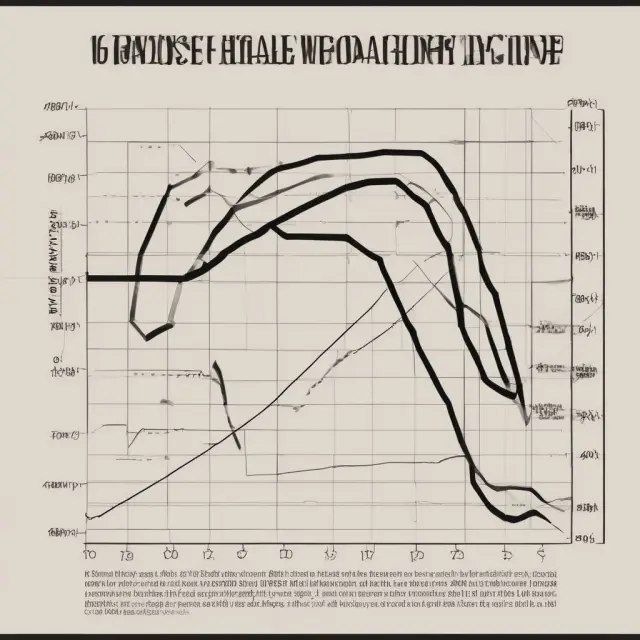
The J-curve effect is not limited to economics but can also be observed in other areas such as consumer behavior during economic downturns. When a nation faces an economic crisis, its currency may depreciate against major trading partners’ currencies. This event initially leads to increased import costs and cheaper exports, leading to a worsening trade balance and, consequently, changes in consumer behaviors.
In the context of a recession, consumers tend to switch their focus from imported goods to domestically produced alternatives as prices shift. This response can lead to a temporary decline in demand for imports, as local producers take advantage of the situation by increasing production and marketing efforts to attract customers. The resulting improvement in domestic industries is critical during economic downturns, as it stimulates local employment, creates new opportunities, and contributes to overall economic recovery.
The initial loss observed in consumer behavior following an economic crisis comes from the reduction in demand for foreign goods, which negatively impacts imports. However, this phase is temporary and short-lived as domestic industries adapt and regain competitiveness through improved production efficiency and pricing strategies. The subsequent gain in local industries’ performance far outweighs the initial loss and often surpasses pre-crisis levels, leading to a J-curve effect.
Moreover, during an economic downturn, consumers may also alter their spending habits by prioritizing essential goods over discretionary purchases, further contributing to the observed trend of shifting demand from imports to domestic industries. This behavioral change drives economic recovery and sets the stage for long-term benefits, including reduced reliance on imported products, improved industrial competitiveness, and overall economic growth.
The J-curve pattern in consumer behavior reflects the importance of adaptability and resilience during challenging times. By acknowledging that things may get worse before they improve, governments, businesses, and consumers can adjust their strategies accordingly to minimize negative effects and maximize opportunities for growth.

Long-Term Benefits of J-Curves
A J-curve is a trendline that illustrates the benefits of enduring short-term losses for long-term gains. This pattern of activity consists of an initial decline followed by a substantial surge, resembling the shape of a capital “J.” In the field of economics, the J-curve effect is often used to describe the recovery of a country’s economy following a currency devaluation. Although there are short-term challenges in terms of increased import costs and decreased competitiveness, these initial losses pave the way for significant long-term advantages.
Immediate Consequences: When a nation undergoes a currency depreciation, imports become more expensive while exports become cheaper, leading to an unfavorable trade balance initially. However, this negative impact is temporary as consumers gradually shift towards domestically produced goods due to their new affordability and the increased competitiveness of exports on the global market.
Long-Term Gains: The short-term pain eventually results in long-term gains for several reasons. Firstly, the depreciation increases the nation’s exports competitiveness, leading to an increase in sales volume as foreign demand for cheaper goods rises. Secondly, local consumers are encouraged to spend more on domestically produced goods, thereby stimulating domestic industries and generating employment opportunities. Ultimately, these factors lead to a rebounding trade balance that surpasses the pre-devaluation level.
Beyond Economics: The J-curve is also observed in other domains such as medicine and political science where an initial setback may ultimately result in substantial progress. For instance, in medical treatments, a patient may need to undergo a painful procedure or treatment before they can fully recover. In politics, a government’s unpopular yet necessary policy decision could lead to long-term benefits for its citizens.
Private Equity: The J-curve concept is relevant in the private equity industry as well. Private equity investments typically involve acquiring underperforming companies and investing substantial resources in their transformation before spinning them off as renewed entities. Although there may be an initial decline in performance, the long-term gains from increased efficiency and profitability outweigh the short-term losses.
In conclusion, J-curves underscore the importance of having faith in the long-term benefits of short-term sacrifices or setbacks. Whether it’s a country recovering from a currency depreciation, an industry overcoming a slump, or a patient on the road to recovery, the J-curve demonstrates that progress may not always be linear but can eventually lead to greater prosperity and growth.

The Role of Strategic Planning in Managing J-Curves
A J-curve is a trendline that illustrates how things can take a turn for the worse before they eventually recover and thrive. The J-shape represents an initial loss followed by significant gains, which is a pattern observed in various fields like economics, medicine, and political science. Understanding this phenomenon is crucial when it comes to managing economic downturns caused by currency devaluation or other adverse circumstances.
In the context of international trade, the J-curve effect can be seen following a nation’s decision to devalue its currency. Initially, imports become more expensive while exports become cheaper, leading to a worsening trade deficit or smaller trade surplus. However, once consumers begin purchasing locally produced goods due to their relatively affordable prices and exports start selling at increased volumes thanks to their reduced cost competitiveness, the balance of trade bounces back and exceeds pre-devaluation levels.
Strategic planning plays a vital role in minimizing the negative effects during this initial period when things are getting worse. Communication is key – both internally with stakeholders such as employees, suppliers, and customers, and externally with media and investors. Providing clear guidance on the reasons for the devaluation, its expected impact on imports/exports, and a roadmap for the recovery phase can help maintain trust and confidence in the country’s economy.
To effectively manage a J-curve situation, policymakers should also consider implementing measures aimed at fostering productivity improvements, streamlining business regulations, and encouraging exports in strategic sectors. By focusing on these areas, the country can ensure a smoother recovery and reduce the potential negative consequences of the devaluation.
Moreover, it’s essential to recognize that a J-curve isn’t exclusive to economic factors; it also applies to various aspects like private equity investments or public health crises. In all cases, strategic planning and communication can help mitigate initial losses and set the foundation for long-term success.

Frequently Asked Questions About J-Curves
The concept of a J-curve—a trendline that shows an initial loss followed by significant gains—has gained popularity in various fields, including economics, medicine, and political science. This section aims to address some common questions surrounding the J-curve effect and its relevance in private equity investments.
What does a J-curve depict?
A J-curve is a visual representation of a trend that experiences a sharp initial drop followed by a dramatic rise, ultimately surpassing the starting point.
Where does the J-curve originate?
The term J-curve gained popularity in economics when describing how a currency devaluation impacts a country’s balance of trade. The J-curve demonstrates how an initially negative effect on imports and exports eventually turns positive.
How does a currency depreciation affect the J-curve?
A weaker currency makes imports more expensive for foreign buyers, making locally produced goods comparatively cheaper. This leads to increased demand for domestic products, ultimately improving the trade balance. The reverse J-curve occurs when a country’s currency appreciates. In this scenario, exports become more expensive, potentially reducing export competitiveness and stimulating demand for imports.
How does the J-curve apply to private equity investments?
Private equity firms follow the J-curve model when acquiring underperforming companies and investing significant resources in their transformation before spinning them off as renewed entities. The initial decline is a necessary step in the process, followed by substantial gains upon the successful restructuring of the company.
Does the J-curve only occur in economic situations?
No, the J-curve effect can be observed in various domains such as medicine and political science where initial negative consequences are followed by significant improvements or recoveries.
Can the J-curve have different shapes?
Yes, although the ‘J’ shape is most commonly used to describe this trendline, variations may include U-shaped or S-shaped curves depending on the specific circumstances and timelines involved.
 Next entry · No. 2,570Understanding J Securities: The Nasdaq Designation for Voting Stocks
See also
-
 No. 5,876
15 Oct 2025
17 min
Understanding Z-Shares: A Valuable Investment Option for Employees
Business Finance
No. 5,876
15 Oct 2025
17 min
Understanding Z-Shares: A Valuable Investment Option for Employees
Business Finance -
 No. 5,642
26 Sep 2025
20 min
Understanding the Weak Dollar: Consequences, Monetary Policy, and Trade
Business Finance
No. 5,642
26 Sep 2025
20 min
Understanding the Weak Dollar: Consequences, Monetary Policy, and Trade
Business Finance -
 No. 5,469
11 Sep 2025
21 min
Venture Capital-Backed IPOs: A Strategic Exit Strategy for Venture Capitalists and Entrepreneurs
Business Finance
No. 5,469
11 Sep 2025
21 min
Venture Capital-Backed IPOs: A Strategic Exit Strategy for Venture Capitalists and Entrepreneurs
Business Finance -
 No. 5,458
10 Sep 2025
24 min
Understanding Veblen Goods: Definition, Differences, Causes and Examples
Business Finance
No. 5,458
10 Sep 2025
24 min
Understanding Veblen Goods: Definition, Differences, Causes and Examples
Business Finance -
 No. 5,456
10 Sep 2025
21 min
Understanding Venture Capital Funds: Investment Strategies, Operations, and Returns for Institutional and Professional Investors
Business Finance
No. 5,456
10 Sep 2025
21 min
Understanding Venture Capital Funds: Investment Strategies, Operations, and Returns for Institutional and Professional Investors
Business Finance -
 No. 4,798
17 Jul 2025
20 min
Understanding the Substitution Effect in Finance and Investment
Business Finance
No. 4,798
17 Jul 2025
20 min
Understanding the Substitution Effect in Finance and Investment
Business Finance