Maquiladoras: Understanding the Economic Benefits and Labor Implications of Mexican Manufacturing Plants for Institutional Investors

Exploring the economic benefits and labor implications of Maquiladoras in Mexico for institutional investors.
Overview of Maquiladoras: Definition and Historical Background
Maquiladoras, also known as Mexican assembly plants or manufacturing sites, have been an integral part of Mexico’s industrial landscape for over six decades. These factories are owned by foreign entities, primarily from the United States, and operate under special programs that offer significant tax incentives and duty-free imports for raw materials and machinery used in production. The maquiladora system was created to attract foreign investment, stimulate economic growth along the Mexico-United States border, and provide employment opportunities for the local workforce.
Originating in 1965 as a part of the Mexican government’s efforts to promote industrialization and create jobs after the termination of the Bracero Program, maquiladoras quickly gained popularity due to their competitive labor costs and tax advantages. Since then, they have grown into an essential component of Mexico’s manufacturing sector, contributing significantly to the country’s economy.
The historical context of maquiladoras can be traced back to the 1960s when U.S. companies sought cheaper labor alternatives in response to increasing wages and production costs in their home country. By establishing maquiladoras in Mexico, they could take advantage of a large, relatively inexpensive labor force, proximity to the U.S. market, and various tax incentives offered by the Mexican government. Over time, this led to a boom in foreign investment and industrial development along the border regions.
The structure of maquiladoras involves a parent company based in the United States or another country, which owns the Mexican subsidiary that operates the assembly plant. The primary objective is to assemble products for export to the parent company’s home market or other international destinations. This arrangement allows multinational corporations to capitalize on lower labor costs and streamlined logistics while maintaining control over their operations and intellectual property.
In the next section, we will explore the intricacies of maquiladoras’ structure and operation in detail, including the export process, parent companies, and tax advantages that have made them a popular choice for institutional investors.
Structure and Operation of Maquiladoras: Parent Companies, Export Processes, and Tax Advantages
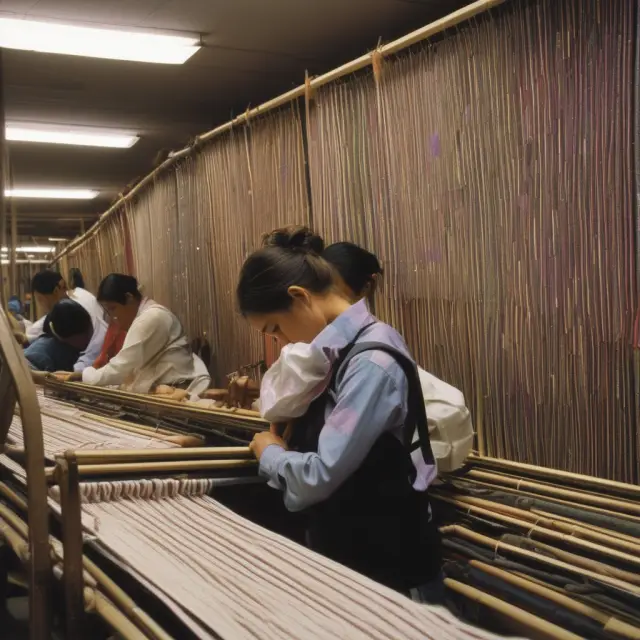
Maquiladoras are foreign-owned factories located in Mexico that produce goods intended for export. Established under a decree in 1989, maquiladoras have evolved as crucial contributors to the Mexican economy by encouraging industrialization, attracting foreign investment, and generating trade. Let’s delve deeper into their structure, operations, and tax advantages.
Parent Companies and Mexican Subsidiaries
The foundation of a maquiladora system lies in the parent company based in the United States or other countries, which owns the Mexican subsidiary. This setup enables the foreign entity to take advantage of Mexico’s lower labor costs while still maintaining control over its manufacturing operations. Maquiladoras may be owned entirely by a single foreign investor or involve multiple investors.
Export Processes
Maquiladoras primarily focus on exporting their finished goods, which is a significant factor in the growth of the program. These factories often operate under just-in-time manufacturing principles to maintain efficient production lines and meet the demands of their global clientele. Maquiladoras are strategically located near international borders, airports, seaports, and major transportation networks for easy access to export markets.
Tax Advantages
Maquiladoras reap substantial tax benefits as a result of their operation under various agreements, such as the North American Free Trade Agreement (NAFTA) and the Mexican Industry Modernization Program (IMMEX). The following tax incentives are among those that make maquiladoras attractive to foreign investors:
- Exemption from import duties on raw materials and machinery for manufacturing purposes
- Zero percent value-added tax (VAT) on imports, as long as the imported goods remain within the maquiladora’s facilities and are used in production or reexported
- Deferral of corporate income tax on profits earned from exporting manufactured goods until they are repatriated to their home country.
These advantages can significantly reduce the overall cost structure for foreign investors, making Mexico a popular destination for manufacturing operations seeking competitive edge.
Location and Labor: Cost Savings and Challenges
Why are maquiladoras typically situated near the US-Mexico border? The primary reason is labor availability and wage differences between Mexico and other countries. Maquiladoras, or assembly plants along the Mexican side of the border, have been a significant part of Mexico’s industrial growth since their inception in the 1960s. Owned by foreign entities, these factories assemble products for export to various international markets, primarily the United States. The strategic placement of maquiladoras near the U.S.-Mexico border stems from several factors including labor availability, wage differences, and logistical advantages.
Labor Availability: A Large, Cheaper Labor Pool
One of the primary reasons for maquiladoras’ location is the availability of a large and relatively cheap labor pool in Mexico. The wage difference between Mexican workers and their counterparts in industrialized countries creates an attractive cost savings opportunity for foreign firms looking to manufacture and export goods. Maquiladoras capitalize on this labor advantage by employing thousands of local workers, who often work long hours for lower wages than they would earn in other industries. This not only benefits the companies but also provides employment opportunities for Mexican residents living near the border.
Wage Differences: The Economic Context
The wage gap between Mexico and countries with high labor costs, such as the United States, is a significant factor influencing maquiladoras’ location. According to data from the International Labour Organization (ILO), Mexico’s manufacturing wages were approximately 34% of those in the United States in 2018. This wage difference makes Mexico an attractive option for companies looking to reduce labor costs while maintaining access to a skilled and adaptable workforce.
Logistical Advantages: Proximity, Infrastructure, and Transportation
Another reason maquiladoras are situated near the US-Mexico border is due to logistical advantages. The proximity of these factories to the United States allows for efficient supply chains and streamlined customs procedures. Moreover, the infrastructure along the border, including roads, airports, and seaports, enables easy transportation of raw materials and finished products. This makes it easier for maquiladoras to import duty-free raw materials and export their finished goods back to the United States and other international markets.
However, it’s essential to note that while maquiladoras offer significant economic benefits by providing employment opportunities and contributing to Mexico’s industrial growth, they have also been criticized for labor exploitation, unsafe working conditions, and poor wages. In the following sections, we will delve deeper into the challenges faced by workers in Mexican maquiladoras and explore potential solutions to address these issues.
Economic Impact of Maquiladoras: Industrialization, Foreign Direct Investment, and Trade
Maquiladoras, established in 1961, were developed to encourage foreign investment and address unemployment in Mexico. These low-cost factories, owned by foreign entities, are primarily located near the U.S.-Mexico border due to the availability of a large labor pool and tax advantages. Maquiladoras contribute significantly to the Mexican economy by boosting industrialization, attracting foreign direct investment (FDI), and promoting trade.
Industrialization: Industrialization in Mexico has been significantly influenced by maquiladoras since their inception. By establishing manufacturing operations along the U.S.-Mexico border, companies take advantage of a skilled labor force and lower costs compared to setting up factories in more congested urban areas or other countries. This leads to the creation of jobs, economic growth, and increased productivity. Additionally, maquiladoras have provided opportunities for local residents to transition from unskilled labor to skilled roles, contributing to a more diversified and self-sufficient economy.
Foreign Direct Investment: The establishment of maquiladoras has attracted substantial foreign direct investment into Mexico. By operating in the country, multinational corporations can benefit from various tax incentives under agreements such as the North American Free Trade Agreement (NAFTA) and the USMCA. Furthermore, duty-free imports of raw materials and machinery contribute to lower production costs, making Mexico a competitive location for manufacturing activities. The influx of FDI has led to economic growth, job creation, and the transfer of technology and knowledge to local companies.
Trade: Maquiladoras have been instrumental in increasing trade between Mexico and its trading partners, particularly the United States. The export-oriented nature of maquiladoras enables them to manufacture goods primarily for foreign markets, generating significant revenue for the Mexican economy. Furthermore, duty-free imports allowed under programs such as the IMMEX Program enable maquiladoras to import raw materials and components required for production without incurring additional tariffs or taxes. As a result, the cost savings are passed on to consumers, making Mexican goods more competitive in international markets.
By focusing on the economic benefits of maquiladoras through industrialization, foreign direct investment, and trade, we can gain a deeper understanding of their positive impact on Mexico’s economy and its position as a key player in global manufacturing and trade.

Maquiladoras’ Tax Benefits: USMCA, IMMEX Program, and Duty-Free Imports
The tax benefits associated with maquiladoras are a significant incentive for foreign companies to establish operations in Mexico. In this section, we will delve deeper into the specific tax advantages granted under the United States-Mexico-Canada Agreement (USMCA) and the IMMEX Program.
USMCA: A New Era of Trade Agreements
The USMCA is a trilateral agreement between the U.S., Mexico, and Canada, replacing the North American Free Trade Agreement (NAFTA). The USMCA came into force on July 1, 2020, after years of negotiations and revisions. One of its primary objectives was to modernize and strengthen the economic relationship between the three countries.
For maquiladoras, this updated agreement ensures duty-free imports and exports for eligible goods manufactured in Mexico or the United States. The duty-free importation of raw materials used in production processes is also extended under USMCA. This tax advantage leads to significant savings for companies that operate within the maquila system.
IMMEX Program: Streamlining Customs Procedures and Tax Benefits
The IMMEX Program, formerly known as the Maquiladora Program, is a key initiative designed to facilitate manufacturing exports from Mexico. The program grants various benefits such as simplified customs procedures for duty-free imports of raw materials and components used in manufacturing processes.
Under the IMMEX Program, companies are granted an import permit (called a “Maquila Importation Program” or MIP) which allows them to import machinery, equipment, and components without paying the Value Added Tax (VAT), as long as these items are intended for manufacturing export purposes. This program enables maquiladoras to save on taxes while streamlining their customs procedures.
The Mexican government also offers other tax incentives such as a 40% reduction in property taxes and a 25% reduction on municipal fees for companies that invest in infrastructure and create jobs within designated industrial parks. Additionally, the IMMEX Program has been instrumental in attracting foreign investment, leading to Mexico’s industrialization and economic growth.
In conclusion, the tax benefits granted under USMCA and the IMMEX Program are crucial factors in the success of maquiladoras. These incentives enable companies to save on taxes while streamlining their customs procedures, making it financially advantageous for them to establish manufacturing operations in Mexico.

Labor Practices in Maquiladoras: Wages, Conditions, and Unions
Maquiladoras have long been a contentious topic due to concerns regarding labor exploitation. Though these factories offer significant economic benefits for Mexico as well as foreign corporations, they have faced criticism for their treatment of workers. In this section, we will explore labor practices within maquiladoras, including wages, conditions, and union representation.
Wages in Maquiladoras
The wage structure in maquiladoras has been a point of contention, with some arguing that they provide relatively low wages despite being a significant source of employment. Wages can vary greatly depending on the industry, location, and skill level required for the job. However, it is essential to note that wages are typically lower compared to those in developed countries, including the United States. This wage discrepancy often stems from the larger labor pool available in Mexico, which allows companies to take advantage of cheaper labor costs.
Many workers employed in maquiladoras earn wages based on daily rather than hourly rates. In addition, they commonly work 48-hour shifts per week. While some argue that these wages are not sufficient to support a family, others see them as an opportunity for employment and the potential for upward mobility.
Conditions in Maquiladoras
Labor conditions within maquiladoras have also been subjected to scrutiny due to reports of poor working conditions and health risks. Some workers are exposed to hazardous substances, long hours, and physically demanding work. Despite the potential risks, many workers choose to continue working in these factories due to limited employment opportunities elsewhere.
One area of concern is housing conditions for migrant workers. Many live in unsanitary or inadequate living quarters, which can negatively impact their overall well-being and health. Additionally, there have been reports of worker exploitation, including forced labor and human trafficking, although these instances are not representative of all maquiladoras.
Union Representation
Labor unions play an essential role in ensuring the rights and needs of workers are addressed. However, union representation within maquiladoras has been a point of contention. While some unions exist on paper, they may lack effectiveness in addressing worker concerns or negotiating better wages and conditions. In other cases, unions have been co-opted by plant management, leaving workers without adequate representation. The lack of strong union presence can lead to significant power imbalances between labor and management within maquiladoras.
In recent years, efforts have been made to address these issues and improve working conditions in maquiladoras. For example, the IMMEX program has introduced measures to increase transparency and improve labor standards. However, more work is needed to ensure fair wages, safe working conditions, and robust union representation within these factories.
In conclusion, maquiladoras represent a significant economic opportunity for Mexico and foreign corporations alike. However, concerns regarding labor exploitation cannot be ignored. As investors and stakeholders, it’s essential to recognize the challenges surrounding labor practices in maquiladoras and work towards finding solutions that benefit both workers and companies. By fostering open dialogue and collaboration between all parties involved, we can create a more equitable and sustainable industrial landscape for future generations.

Case Studies: Successful Companies with Maquiladoras in Mexico
Maquiladoras have become a significant part of the Mexican economy, attracting numerous multinational corporations to set up their manufacturing operations in Mexico. This section will focus on some successful companies that have implemented the maquiladora model and gained substantial benefits from it.
1) Samsung: In 2008, Samsung opened its television manufacturing plant in Juarez, Chihuahua. The company decided to invest $3 billion to build this 1,600-acre facility, which would manufacture flat-screen televisions for both the North American and European markets. This move was a strategic response to rising production costs in China and other Asian countries. With maquiladoras, Samsung benefited from the lower labor cost, tax advantages, and proximity to the United States market.
2) Bosch: The German automotive and technology company Bosch established its first maquiladora in Mexico in 1996. Today, the company operates more than 40 manufacturing sites across the country, specializing in areas like automotive components, consumer goods, and renewable energy. In recent years, Bosch has focused on expanding its operations to Tlaxcala, San Luis Potosi, and Queretaro, citing the competitive labor costs, skilled workforce, and favorable business environment as reasons for their expansion plans.
3) General Electric: With a strong presence in Mexico dating back to 1923, General Electric (GE) is another multinational corporation that has benefited from maquiladoras. In 2012, the company announced plans to invest $500 million in its Aguascalientes factory for the production of wind turbine blades, creating approximately 1,300 jobs in the region. This move was part of GE’s strategy to localize manufacturing and reduce transportation costs.
In conclusion, maquiladoras have provided numerous economic benefits for both Mexican and foreign companies. By taking advantage of lower labor costs, tax incentives, and strategic locations along the U.S.-Mexico border, corporations have been able to set up successful manufacturing operations in Mexico while reducing production expenses and increasing operational efficiencies. Companies like Samsung, Bosch, and General Electric serve as prime examples of multinationals that have thrived with the maquiladora model.
Criticisms and Controversies: Labor Exploitation and Human Rights Issues
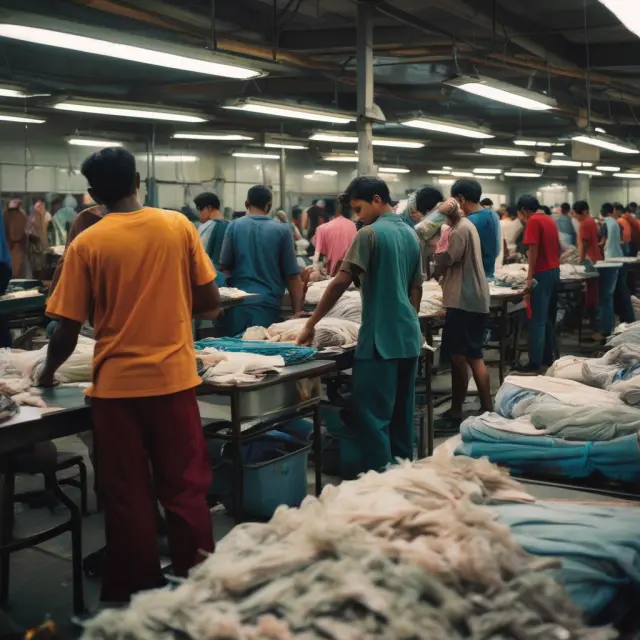
Despite their numerous advantages, maquiladoras have faced significant criticisms concerning labor exploitation and human rights issues. While some argue that the factories provide competitive wages and economic opportunities to Mexican workers, others point out the potential for wage suppression, long hours, inadequate working conditions, lack of union representation, and human rights violations.
Labor Exploitation: Wages and Working Hours
One major criticism against maquiladoras is their potential for labor exploitation. Although they offer competitive wages compared to the local economy, these wages are often below international standards, particularly when considering the purchasing power of Mexican workers. Additionally, many factories operate long hours, with workers sometimes being required to work up to 12 hours per day or more.
Migrant Workers and Unsafe Housing Conditions
Another concern is the working conditions for migrant workers, who are often drawn to maquiladoras due to a lack of opportunities in their home countries. These workers may live in unsanitary housing conditions or face health risks from working in factories with inadequate safety standards. This situation raises questions about the ethical implications of allowing corporations to take advantage of this labor pool, particularly when it comes to wages and conditions that fail to meet international standards.
Union Representation and Human Rights
Labor unions are often weak or non-existent in maquiladoras, leaving workers without adequate representation or protection for their rights. In some cases, the absence of union representation can lead to working conditions that violate fundamental human rights, such as minimum wage standards, reasonable working hours, and safe working environments. Critics argue that corporations have too much influence over labor policies in maquiladoras, ultimately resulting in labor exploitation.
Historical Context: Bracero Program and NAFTA
The creation of maquiladoras can be traced back to the end of the Bracero program in 1964, which provided seasonal agricultural employment for Mexican workers in the United States. As unemployment rates rose following the termination of this program, the Mexican government established the maquiladora system to attract foreign investment and create jobs.
The implementation of the North American Free Trade Agreement (NAFTA) in 1994 further boosted the growth of maquiladoras by eliminating import tariffs for certain products and providing preferential duty rates. Although this led to increased economic growth, critics argue that it also contributed to the continued labor exploitation in these factories.
Implications for Institutional Investors
Institutional investors must consider the potential risks associated with investing in companies operating maquiladoras, particularly those related to labor practices and human rights violations. Companies that fail to address these issues may face reputational damage and negative publicity, which could negatively impact their stock prices and long-term growth prospects. Additionally, regulatory bodies, such as the Securities and Exchange Commission (SEC) in the United States, may take action against companies that violate labor laws or human rights standards. As a result, institutional investors should engage with potential investments thoroughly and assess their social responsibility and commitment to ethical labor practices before making an investment decision.

Future Outlook for Maquiladoras: Trends, Challenges, and Opportunities
As maquiladoras continue to evolve in Mexico’s manufacturing sector, it is crucial for institutional investors to understand the trends, challenges, and opportunities shaping the future of this critical economic model.
Trends:
- Technological Innovation: The Fourth Industrial Revolution will bring automation, robotics, and advanced technologies into maquiladoras. This shift will result in increased productivity, reduced labor costs, and an improved work environment.
- Sustainability: Companies are increasingly focusing on sustainable practices to mitigate risks related to environmental, social, and governance (ESG) factors. Maquiladoras are adopting renewable energy sources, circular production models, and ethical labor standards.
- Skills Development: With the adoption of advanced technology in maquiladoras, there will be a growing demand for skilled workers. Companies are investing in employee training programs to improve workforce capabilities and ensure a competitive edge.
Challenges:
- Labor Shortage: As automation increases, the need for low-skilled labor will decrease. Attracting and retaining skilled workers is becoming more challenging, requiring companies to offer better wages, benefits, and working conditions to stay competitive.
- Regulations: The Mexican government has imposed new regulations on maquiladoras, including stricter environmental standards and labor protections. Complying with these regulations can be costly, forcing some companies to relocate or adjust their operations.
- Trade Policy Changes: With the changing political landscape surrounding international trade, the future of NAFTA and other free trade agreements remains uncertain. This instability could impact maquiladoras’ tax advantages and incentives, potentially leading to operational changes and increased costs.
Opportunities:
- Diversification: Maquiladoras are expanding beyond the traditional industries like electronics and automotive and moving into sectors such as renewable energy, medical devices, and aerospace components. This diversification can help reduce risk and open up new revenue streams.
- Strategic Partnerships: Collaborating with local businesses and research institutions will create opportunities for knowledge sharing, innovation, and cost savings for maquiladoras.
- Investment Opportunities: The continued growth of the maquiladora sector presents a significant investment opportunity for institutional investors seeking stable, long-term returns in the manufacturing industry.
FAQ
What is a Maquiladora, and how does it operate?
A maquiladora is a manufacturing plant owned by a foreign entity located in Mexico. These factories are approved for operation by Mexico’s Secretariat of Commerce and Industrial Development and are typically situated near the U.S.-Mexico border to take advantage of labor availability and wage differences. The products manufactured in these plants are primarily exported back to the United States or other countries, allowing companies to capitalize on a cheaper labor force and various tax advantages under agreements like USMCA and IMMEX.
What is the history behind maquiladoras?
The first maquiladoras were established in Mexico during the 1960s as a way to stimulate domestic markets and attract foreign investment. Over time, they grew in number and significance, with nearly double the number being registered each year during the second half of the 1990s, thanks to the North American Free Trade Agreement (NAFTA). The maquiladora program was further refined through initiatives like the IMMEX Program, which improved costs, operational efficiencies, and registration processes.
What are the economic benefits of maquiladoras?
Maquiladoras provide numerous economic benefits to both Mexico and participating companies. They help industrialize border cities, contribute significantly to local economies, offer tax incentives, and provide access to a larger labor pool with lower wages compared to other countries. Additionally, their strategic locations near transportation hubs reduce costs through efficient supply chain management and transport expenses.
How do maquiladoras affect the Mexican labor force?
Although maquiladoras have contributed to economic growth in Mexico, they have faced criticism for exploiting workers and their labor practices. Workers often earn wages at or below the poverty line, with long work hours, health risks, and inadequate housing conditions being common concerns. Labor unions may exist on paper but offer little protection to workers’ rights.
What are some successful examples of companies with maquiladoras in Mexico?
Companies like Samsung, Intel, IBM, and Siemens have established successful operations through the maquiladora model. These businesses have thrived due to the various benefits offered, including lower labor costs, tax incentives, and efficient logistics near transportation hubs.
What are some criticisms or controversies surrounding maquiladoras?
Critics argue that maquiladoras exploit their labor force by paying low wages and offering inadequate working conditions. These issues have led to protests and calls for labor reform. Furthermore, the presence of maquiladoras along the U.S.-Mexico border has contributed to concerns over immigration policies and border security.
 Next entry · No. 3,064Understanding Margin: Advantages and Disadvantages for Institutional Investors
See also
-
 No. 5,818
10 Oct 2025
20 min
Understanding Business Write-Offs: Expenses, Taxes, and Accounting
Business Finance
No. 5,818
10 Oct 2025
20 min
Understanding Business Write-Offs: Expenses, Taxes, and Accounting
Business Finance -
 No. 5,267
25 Aug 2025
20 min
Understanding Unit Costs: A Key Measure in Financial Analysis for Manufacturing and Service Businesses
Business Finance
No. 5,267
25 Aug 2025
20 min
Understanding Unit Costs: A Key Measure in Financial Analysis for Manufacturing and Service Businesses
Business Finance -
 No. 5,693
30 Sep 2025
24 min
Understanding White Label Products: Benefits, Types, and Real-life Examples
Business Strategy
No. 5,693
30 Sep 2025
24 min
Understanding White Label Products: Benefits, Types, and Real-life Examples
Business Strategy -
 No. 5,506
14 Sep 2025
17 min
Understanding Company Visibility: Estimating Future Performance for Institutional Investors
Business Strategy
No. 5,506
14 Sep 2025
17 min
Understanding Company Visibility: Estimating Future Performance for Institutional Investors
Business Strategy -
 No. 5,492
13 Sep 2025
20 min
Video Conferencing: A New Era of Business Communication
Business Strategy
No. 5,492
13 Sep 2025
20 min
Video Conferencing: A New Era of Business Communication
Business Strategy -
 No. 5,422
07 Sep 2025
21 min
Understanding Vanilla Strategies: Simple, Effective Approaches to Investing and Business
Business Strategy
No. 5,422
07 Sep 2025
21 min
Understanding Vanilla Strategies: Simple, Effective Approaches to Investing and Business
Business Strategy