Market Segmentation: Identifying Targeted Consumer Groups for Increased Profitability and Branding Effectiveness

Learn the concept, benefits, and types of market segmentation for increased profitability and branding effectiveness.
Understanding Market Segmentation
Market segmentation refers to the process of dividing a larger heterogeneous market into smaller groups or segments based on shared characteristics. The primary objective of market segmentation is to allow businesses to tailor their marketing efforts and product offerings to meet the specific needs, interests, and behaviors of these distinct consumer groups. By doing so, companies can increase their overall efficiency and profitability.
Market Segmentation vs. Market Research
Though closely related, it’s essential to understand that market segmentation is an extension of market research. Market research focuses on gathering information about consumers and the market as a whole, whereas market segmentation actively groups potential buyers into homogeneous segments based on various criteria.
Market Segmentation Criteria: Homogeneity, Distinction, and Reaction
To identify unique market segments, companies can use three primary criteria: homogeneity, distinction, and reaction. Homogeneity refers to the degree of similarity within a segment in terms of needs, interests, behaviors, or preferences. Distinction pertains to the uniqueness of each segment from other groups, while reaction refers to the consistent response of consumers within the segment to marketing actions.
Market Segmentation Types: Demographic, Firmographic, Geographic, Behavioral, and Psychographic
There are five primary types of market segmentation: demographic, firmographic, geographic, behavioral, and psychographic. Each segmentation type offers unique benefits, as illustrated below:
Demographic Segmentation: Breaking the market into customer demographics such as age, income, gender, race, education, or occupation. This strategy assumes that individuals with similar demographics have common needs. Example: A clothing retailer may target younger generations based on their fashion preferences.
Firmographic Segmentation: Instead of analyzing individuals, this approach looks at organizations and considers factors like company size, industry, location, or number of employees. This strategy is useful for companies seeking to expand into new branches or locations. Example: A software provider may tailor its sales pitch based on a potential client’s business size.
Geographic Segmentation: Grouping customers by physical location, such as regions or countries, assuming that people within a given geographical area share similar needs. This strategy is more useful for larger companies seeking to expand internationally. Example: A food company may consider cultural differences when launching in new markets.
Behavioral Segmentation: This approach groups consumers based on their behavior, actions, and decision-making patterns. It assumes that individuals’ past spending habits can indicate what they may buy in the future. Example: A coffee shop may offer promotions to customers who frequently purchase the same beverage.
Psychographic Segmentation: Classifying consumers based on their lifestyle, personality, opinions, and interests. This approach is more challenging since it relies on intangible traits and requires extensive research. However, it can yield valuable insights into consumer motivations and behaviors. Example: A car company may target consumers with an affinity for adventure sports by marketing its SUVs as the perfect companion to outdoor adventures.
Determining Your Market Segment
To determine your market segment, consider the following steps:
- Setting Expectations: Clearly define the purpose of performing market segmentation and what you hope to achieve.
- Identify Customer Segments: Research competitors’ target markets and collect data on potential customer segments using various criteria.
- Evaluate Potential Segments: Assess risks, competition, and the long-term implications of each segment to determine which one is most suitable for your business.
- Develop a Segment Strategy: Design marketing campaigns tailored to the specific needs and preferences of your chosen market segment.
- Launch and Monitor: Continuously track your campaign’s performance, gather feedback from stakeholders, and adjust strategies accordingly.
Benefits of Market Segmentation
Market segmentation provides several advantages for businesses, including:
- Resource Efficiency: A focused marketing strategy can save time and resources by targeting specific consumer groups rather than trying to appeal to the entire market.
- Brand Image: Market segmentation forces companies to consider how they want to be perceived by their target audience and tailor messaging accordingly.
- Increased Profitability: By catering to specific market segments, businesses can increase their revenue through targeted product offerings and marketing strategies.
- Competitive Advantage: A deep understanding of consumer needs, preferences, and behaviors enables companies to differentiate themselves from competitors in the marketplace.
- Risk Reduction: Market segmentation allows companies to mitigate risk by identifying which products are most likely to resonate with their target audience and investing accordingly.

Criteria for Market Segmentation
Understanding Market Segmentation Criteria
The process of identifying unique consumer groups within a broader market is known as market segmentation. This strategic marketing approach enables businesses to cater to specific customer needs and preferences more effectively, ultimately increasing profitability. Market segmentation involves the use of three primary criteria: homogeneity, distinction, and reaction. Let’s dive deeper into these concepts and how they form the foundation of market segmentation.
Homogeneity
The first criterion for market segmentation is homogeneity, which refers to common needs or characteristics within a particular group. In other words, individuals within a given market segment share similar requirements or preferences when it comes to a product or service. This homogeneity enables businesses to tailor their marketing and branding strategies to effectively resonate with the target audience.
Distinction
The second criterion for market segmentation is distinction, which refers to being unique from other groups. Market segments are distinct from one another due to differences in needs or preferences, making it essential for businesses to understand these differences and adjust their marketing efforts accordingly. For instance, a footwear company targeting basketball players would employ different marketing strategies than those targeting long-distance runners because of the unique requirements each group has when it comes to athletic shoes.
Reaction
The third criterion for market segmentation is reaction, which refers to a similar response to a marketing action from individuals within a particular group. Understanding how consumers react to various marketing tactics and messages can help businesses create targeted campaigns that resonate with their audience and generate positive outcomes. For example, a clothing retailer might display more raincoats in regions prone to frequent rainfall compared to areas with sunnier climates.
In summary, market segmentation involves identifying groups of consumers based on common needs, unique characteristics, and similar responses to marketing efforts. By using these three criteria—homogeneity, distinction, and reaction—businesses can effectively tailor their marketing strategies to specific audience segments, ultimately leading to increased profitability and branding effectiveness.
Market Segmentation vs. Market Research: A Closer Look
While market segmentation is an extension of market research, it’s essential to understand the differences between these two concepts. Market research refers to the process of collecting and analyzing data about a target market to better understand consumer needs, preferences, and trends. In contrast, market segmentation is the application of that research to identify specific groups within the market based on homogeneity, distinction, and reaction criteria. By applying the insights gained from market research to market segmentation efforts, businesses can create targeted marketing strategies that effectively resonate with their audience and generate better outcomes.
In conclusion, market segmentation plays a crucial role in helping businesses minimize risk, increase demographic reach, and focus resources on profitable opportunities by identifying unique consumer groups based on common needs, distinctive characteristics, and similar responses to marketing efforts. By understanding the concepts of homogeneity, distinction, and reaction, businesses can effectively tailor their marketing strategies to specific market segments, ultimately leading to increased profitability and branding effectiveness.
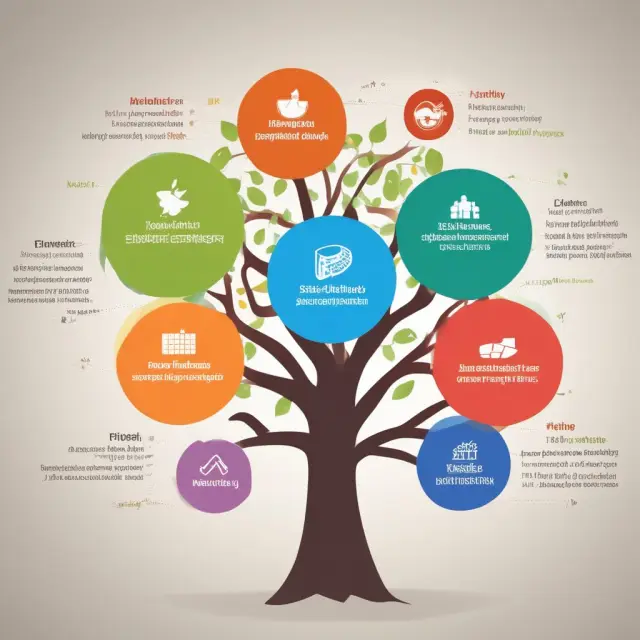
Types of Market Segmentation
Market segmentation is the process of dividing a broad market into subsets or groups that have distinct characteristics and needs. This approach enables companies to tailor their products, services, and marketing strategies effectively towards specific target markets. By understanding various types of market segmentation, organizations can reach new customers, improve customer satisfaction, and increase sales and profits. In this article, we’ll explore the five common types of market segmentation: demographic, firmographic, geographic, behavioral, and psychographic.
Demographic Segmentation
One of the simplest methods to segment markets is demographics. Demographic segmentation involves dividing a market based on customer demographics such as age, income, gender, race, education level, or occupation. The primary assumption behind this type of segmentation is that individuals with similar demographics will have similar needs and wants. For example, a video game console manufacturer may focus its marketing efforts on young males with disposable income.
Firmographic Segmentation
Another way to segment markets is through firmographics – this method focuses on organizational characteristics rather than individual consumers. Firmographic segmentation groups customers based on company size, number of employees, annual revenue, or other factors that define the organization. For instance, a corporate software provider might target multinational corporations with a diverse, customizable suite and smaller companies with a fixed fee, simple solution.
Geographic Segmentation
Geographic segmentation divides markets based on geographical location, assuming that people within specific areas may have similar needs due to shared environmental factors or cultural influences. This approach is particularly useful for larger organizations seeking to expand into new territories or branches. A clothing retailer, for example, might focus its marketing efforts on regions with high precipitation levels by displaying more rain gear in their Pacific Northwest locations compared to their Southwestern stores.
Behavioral Segmentation
Behavioral segmentation is a data-driven approach that groups consumers based on past behaviors and decision-making patterns. This method assumes that customers’ previous actions are the best predictors of their future purchases. For example, millennial consumers might be more likely to purchase craft beer, while older generations may prefer national brands.
Psychographic Segmentation
Psychographic segmentation is a more complex approach that seeks to classify consumers based on their lifestyle, personality, opinions, and interests. By targeting intrinsic motivators instead of external data points, this segmentation strategy can yield the strongest market segment results. A fitness apparel company might target individuals interested in various sports for its marketing efforts.
Determining Your Market Segment
To identify your ideal market segments, consider asking yourself a series of questions: what are your marketing goals and objectives? What customer segments do your competitors currently serve? Which demographic or psychographic data is available and relevant to your market? Based on the five types of market segmentation – demographic, firmographic, geographic, behavioral, and psychographic – which approach aligns best with your business objectives?
Benefits of Market Segmentation
Market segmentation can bring numerous benefits to businesses, including increased resource efficiency, stronger brand image, and improved profitability. By focusing on specific market segments, organizations can tailor their marketing strategies, allocate resources more effectively, and connect with customers in a deeper, more meaningful way. Ultimately, market segmentation helps companies reach new target markets, enhance customer satisfaction, and grow sales and profits.

Determining Your Market Segment
Market segmentation is an essential part of any marketing strategy as it enables companies to effectively target and tailor their offerings to specific consumer groups. This approach allows businesses to maximize efficiency, reduce risk, and increase overall profitability. The process of determining your market segment involves several steps, starting with setting expectations and objectives, identifying customer segments, evaluating potential segments, developing a strategy, launching, and monitoring the results.
First, companies must set their expectations and objectives for market segmentation. This includes understanding the purpose of the exercise, what the company hopes to discover, and any preconceived notions about which market segments may exist. The next step involves identifying potential customer segments by examining competitors’ strategies, utilizing available public data, and considering the type of market segmentation that best aligns with the business goals.
Once potential segments are identified, it is crucial to evaluate them carefully. This assessment includes assessing any risks associated with relying on the data and understanding which customer group is most ideal for the business. Companies must also consider the long-term implications of choosing one market segment over another and how this decision will impact their marketing strategy moving forward.
Once a preferred market segment has been identified, it’s time to develop a strategy tailored to this specific audience. This includes testing assumptions through targeted market research and crafting a compelling message that resonates with the chosen consumer group. Upon launching the marketing campaign, it is essential to monitor its success closely and engage key stakeholders for feedback, ensuring a smooth execution of the campaign and addressing any potential barriers to success.
Market segmentation offers numerous benefits for businesses. By focusing resources on specific target markets, companies can improve resource efficiency and reduce overall risk. Additionally, tailoring offerings to individual customer segments helps strengthen brand image and ensures that marketing messages effectively connect with consumers. Ultimately, these advantages lead to increased profitability for businesses and a more successful marketing strategy.
Understanding the process behind identifying your ideal market segment is essential for companies looking to optimize their resources, minimize risk, and maximize revenue growth. By following the steps outlined above, businesses can effectively navigate the complexities of market segmentation and achieve long-term success in their chosen industry.

Benefits of Market Segmentation
Market segmentation offers numerous advantages for businesses. It not only enables companies to tailor their products and services to meet the unique needs of specific customer groups, but also helps minimize risk, increase efficiency, strengthen brand image, and boost profitability.
Minimizing Risk
By identifying targeted market segments with a clear understanding of their needs and preferences, businesses can minimize the risks associated with introducing new products or entering unfamiliar markets. Market segmentation allows companies to allocate resources efficiently by focusing on marketing strategies that are most likely to resonate with their target customers. This results in a more informed approach to product development and marketing, reducing uncertainty and risk.
Increasing Efficiency
Market segmentation helps businesses optimize resource allocation by allowing them to direct their efforts towards specific customer groups. By understanding the unique characteristics of each market segment, companies can tailor their marketing strategies to meet the needs and preferences of that particular group, resulting in a more effective use of resources. This leads to increased efficiency and cost savings in the long run.
Strengthening Brand Image
Market segmentation enables businesses to develop targeted marketing messages that resonate with their target audience, which can help build a stronger brand image. By tailoring marketing efforts towards specific customer groups, companies can create messaging that speaks directly to the needs and wants of those customers. This can lead to increased brand loyalty and repeat business, as well as a more positive perception in the marketplace.
Boosting Profitability
Market segmentation also has the potential to significantly increase profitability for businesses. By focusing on specific customer segments that are most likely to respond positively to their products or services, companies can optimize pricing strategies, target marketing efforts, and enhance the overall customer experience. This targeted approach leads to higher sales and revenue growth, as well as a more engaged and loyal customer base.
Nike: A Success Story in Market Segmentation
One of the most successful examples of market segmentation is Nike, the multinational corporation that designs, manufactures, and markets athletic footwear, apparel, and equipment. By identifying and targeting various market segments based on consumer behaviors, demographics, and interests, Nike has built a global brand that resonates with consumers across multiple industries and cultures. From basketball players to long-distance runners, Nike’s targeted marketing strategies have enabled the company to create product lines that cater to the unique needs and preferences of each market segment.
Tools and Strategies for Successful Market Segmentation
To effectively implement a market segmentation strategy, businesses can utilize various tools and strategies, including customer surveys, data analysis, competitive analysis, and market research. By gathering insights from these sources, companies can gain a deeper understanding of their target customers, identify trends and patterns in consumer behavior, and refine their marketing efforts to better meet the needs and preferences of each market segment. Additionally, continuous monitoring and adjustment of the strategy is essential for maintaining its effectiveness and staying ahead of competitors.
Challenges and Risks in Market Segmentation
While market segmentation offers numerous benefits, it also comes with certain challenges and risks. One primary challenge is ensuring data accuracy, as businesses must rely on accurate and reliable customer information to effectively target their marketing efforts. Additionally, resource limitations may prevent smaller companies from executing a comprehensive market segmentation strategy, and maintaining customer loyalty can be a challenge once segments have been identified and targeted.
Market Segmentation vs. Competitor Analysis
While related, market segmentation and competitor analysis are two distinct concepts. Market segmentation involves dividing a larger market into smaller groups of consumers based on common characteristics, while competitor analysis focuses on evaluating the strengths and weaknesses of competitors within that market. Both approaches can provide valuable insights for businesses looking to succeed in their industry, but it’s important to understand the differences between the two and how they can be used together to maximize marketing efforts and stay competitive.
Future Trends in Market Segmentation
As technology continues to evolve, new trends are emerging in market segmentation that offer exciting opportunities for businesses looking to better understand their customers and tailor their marketing strategies. These trends include the use of big data, machine learning, and artificial intelligence to gain deeper insights into consumer behavior, as well as the increasing importance of social media and mobile marketing in reaching and engaging with customers. By staying informed about these developments and adapting their market segmentation strategies accordingly, businesses can stay ahead of the curve and maintain a competitive edge.
In conclusion, market segmentation is an essential tool for businesses looking to maximize efficiency, build a strong brand image, minimize risk, and boost profitability. By understanding the unique characteristics and needs of specific customer groups, companies can tailor their marketing efforts to meet those needs and create targeted, effective campaigns that resonate with their target audience. With the continued evolution of technology and data analytics, market segmentation is poised to become an even more powerful force in modern marketing, enabling businesses to gain a deeper understanding of their customers and connect with them on a more personal level than ever before.

Case Study: Nike’s Success with Market Segmentation
Nike, a renowned global sports apparel and footwear company, has effectively utilized market segmentation strategies throughout its existence. By understanding the distinct needs of different consumer groups, Nike has successfully targeted various markets and tailored its branding to resonate with each group. In this case study, we will examine Nike’s success in targeting basketball players and long-distance runners as distinct market segments.
Basketball Market Segmentation
Nike’s marketing segmentation strategy for basketball players began decades ago when the company signed its first professional basketball player, Wilt Chamberlain, in 1960. Since then, Nike has continued to sign and sponsor numerous professional and collegiate basketball players, creating an association between Nike and basketball.
Through this market segmentation approach, Nike has developed a wide range of basketball-specific products catering to various needs. For example, they have released shoes designed for specific positions such as the “Point Guard” or “Power Forward” lines, ensuring that each player’s unique requirements are met. Additionally, Nike’s marketing efforts surrounding the NBA and college basketball seasons generate significant buzz around their brand.
Long-Distance Runner Market Segmentation
Long-distance runners represent another successful market segmentation for Nike. The company has recognized that long-distance runners often have unique needs, such as shoes that provide adequate cushioning and support for extended runs. As a result, Nike’s “Lunar” line of running shoes was designed specifically to cater to the long-distance runner market segment.
Nike’s marketing efforts towards this market segment include partnerships with influential long-distance runners like Mo Farah and Shalane Flanagan. They also sponsor numerous marathons and other running events, ensuring that their brand is consistently associated with distance running. By catering to the unique needs of long-distance runners, Nike has successfully established itself as a market leader in this segment.
The success of Nike’s market segmentation strategies highlights the importance of understanding distinct consumer groups and tailoring products and branding efforts accordingly. By identifying basketball players and long-distance runners as separate market segments, Nike has been able to minimize risk, maximize efficiency, and increase profitability.
In conclusion, Nike’s success in targeting various market segments, such as basketball players and long-distance runners, is a testament to the power of effective market segmentation strategies. By recognizing that different consumer groups have unique needs, Nike has been able to develop targeted products and marketing efforts that resonate with each market segment. This, in turn, has led to increased brand loyalty, customer satisfaction, and long-term profitability for the company.

Market Segmentation Tools and Strategies
Market segmentation is an essential marketing strategy that enables companies to target different customer groups effectively and efficiently. Market segmentation tools help organizations understand their customers and tailor their offerings, branding, and messaging to meet the unique needs of each segment. In this section, we discuss various market segmentation tools and strategies to successfully implement a market segmentation strategy.
Understanding Market Segmentation Tools
Market segmentation tools refer to methodologies and techniques used to identify distinct customer groups within a larger population. These tools are designed to help businesses understand their markets better, allocate resources more effectively, and increase overall profitability. Some popular market segmentation tools include:
- Customer Surveys: Surveys are an effective way to gather information directly from customers about their preferences, needs, and demographics.
- Cluster Analysis: A statistical method used to group similar data points together, cluster analysis can help businesses identify distinct customer segments based on shared characteristics.
- Factor Analysis: This statistical technique identifies underlying relationships between various factors that influence consumer behavior.
- Discriminant Analysis: Used for predicting which market segment a customer belongs to based on their demographic or psychographic data, discriminant analysis can help businesses tailor marketing messages and offers to specific segments.
- Market Segmentation Software: Specialized software designed to perform complex data analysis can help businesses identify market segments, visualize customer profiles, and monitor trends in consumer behavior.
Market Segmentation Strategies
Implementing a successful market segmentation strategy requires careful planning and execution. Some effective strategies for market segmentation include:
- Clear Objectives: Define clear goals for your market segmentation efforts, such as increasing sales revenue or improving customer satisfaction.
- Segment Selection: Carefully choose the segments that align with your business objectives and resources.
- Target Marketing: Develop focused marketing campaigns to reach specific target segments.
- Product Customization: Tailor products, services, and pricing to meet the unique needs of each segment.
- Customer Engagement: Build relationships with customers in your chosen segments through personalized communication and customer service.
- Continuous Monitoring: Regularly review and adapt your market segmentation strategy to keep up with changing consumer behaviors and preferences.
By combining effective market segmentation tools and strategies, businesses can successfully target the right customers, improve overall profitability, and maintain a competitive edge in their industries. In the next section, we’ll explore the benefits of market segmentation and how it has led to success for companies like Nike.

Challenges and Risks in Market Segmentation
Market segmentation, as an extension of market research, has its unique set of challenges and risks. These issues can significantly impact the success or failure of a business’s marketing efforts. Understanding these potential challenges will enable businesses to mitigate risks and optimize their market segmentation strategy.
One primary challenge in market segmentation is data accuracy. Market segmentation relies on accurate data to identify distinct groups that respond similarly to marketing actions. If the data used for market segmentation is incorrect, incomplete, or biased, it can result in misidentified target markets or unnecessary resources being allocated to ineffective strategies. For example, if a company relies on outdated demographic data and fails to account for changing consumer preferences, it may miss out on potential customer segments.
Another challenge is resource limitations. Market segmentation requires significant time, effort, and resources to conduct thorough research and analysis. Small businesses or organizations with limited budgets or manpower might struggle to gather enough data or invest in advanced market research tools needed for accurate segmentation. As a result, they may be forced to rely on assumptions or generic market research that does not cater to their specific needs, potentially leading to missed opportunities or wasted resources.
Maintaining customer loyalty is yet another challenge businesses face when implementing market segmentation strategies. Segmenting customers based on homogeneity assumes common needs within a group. However, as consumers’ preferences and behaviors evolve, maintaining their loyalty may become increasingly challenging. Businesses need to continuously adapt and adjust their offerings to keep up with changing consumer expectations. Failing to do so can result in customer attrition and loss of market share.
Understanding these challenges will help businesses make informed decisions when implementing market segmentation strategies. By addressing potential risks, such as data accuracy, resource limitations, or maintaining customer loyalty, companies can effectively leverage market segmentation to increase their overall efficiency, reach new markets, and optimize resources for maximum return on investment.

Market Segmentation vs. Competitor Analysis
Two essential marketing strategies that businesses use to stay competitive are market segmentation and competitor analysis. While both strategies aim to help businesses better understand their target audience, they focus on different aspects of the marketing process. Understanding the differences between these two strategies can provide valuable insights for making informed business decisions.
Market segmentation is a marketing technique that divides a broad target market into smaller, more defined groups based on common characteristics (homogeneity, distinction, and reaction). The primary goal of market segmentation is to tailor products or services to specific consumer needs, increasing the likelihood of a successful product launch and higher sales. Market segmentation enables companies to minimize risk by identifying the most profitable target markets and focusing their resources on those segments.
Competitor analysis, on the other hand, focuses on assessing competitors’ strengths, weaknesses, strategies, and market positioning to develop effective marketing plans that differentiate a business from its competitors. The main objective of competitor analysis is to understand the competitive landscape and gain a competitive advantage by identifying potential threats, opportunities, and areas for improvement.
While both strategies share some similarities in terms of gaining insights into target audiences, they differ significantly in their scope, goals, and applications. Market segmentation is a proactive approach that involves categorizing consumers based on shared needs or characteristics to create targeted marketing campaigns. In contrast, competitor analysis is a reactive strategy aimed at understanding the competitive landscape and adjusting business strategies accordingly to maintain a competitive edge.
The benefits of market segmentation include:
- Minimizing risk by identifying profitable target markets
- Enhancing resource efficiency by focusing on specific customer segments
- Strengthening brand image and loyalty through tailored marketing efforts
- Increasing overall profitability
- Expanding a company’s reach to untapped markets
Competitor analysis offers advantages such as:
- Gaining insights into competitors’ strengths, weaknesses, and market positioning
- Understanding the competitive landscape and potential threats or opportunities
- Identifying areas for improvement and differentiation
- Adapting strategies to stay competitive in a dynamic market
- Anticipating competitor moves and preparing effective counterstrategies
Both market segmentation and competitor analysis are crucial marketing strategies that businesses can use to gain a competitive edge, increase profitability, and grow their customer base. By understanding the differences between these two approaches and implementing them effectively, businesses can make informed decisions and successfully navigate the ever-changing marketing landscape.

Future Trends in Market Segmentation
Market segmentation continues to evolve with emerging trends and advancements in technology. Here are some future trends that businesses can expect in market segmentation and their potential impact on companies.
Big Data
Big data is revolutionizing the way businesses approach marketing and market segmentation. With an increasing amount of data available, companies can now analyze consumer behavior and preferences at a more granular level. This allows businesses to create more targeted marketing campaigns and better understand customer needs. Moreover, AI-driven insights derived from this data can help organizations make informed decisions about product offerings and marketing strategies.
Machine Learning and Artificial Intelligence
Machine learning (ML) and artificial intelligence (AI) are becoming essential tools in market segmentation. With ML algorithms, businesses can analyze large amounts of data to identify patterns and trends. This information is then used to create customer profiles and segment markets more effectively. AI-powered chatbots can also interact with customers on various platforms like websites, social media, or messaging apps, providing personalized recommendations based on their interactions.
Blockchain Technology
Blockchain technology has the potential to revolutionize market segmentation by enabling secure data sharing between businesses and consumers. By creating a decentralized system, blockchain can ensure that customer data remains private while also allowing businesses to gain insights into consumer behavior. This could lead to more effective market segmentation strategies, as companies can create targeted campaigns based on accurate, unbiased, and transparent data.
Personalization
Personalization is the future of marketing, and market segmentation plays a crucial role in delivering personalized experiences. By using AI and ML algorithms to analyze customer data, businesses can tailor their offerings to individual customers’ preferences. This not only increases customer satisfaction but also drives loyalty and retention. In the age of digital transformation, providing a personalized experience is essential for companies seeking to stand out from competitors.
Mobile and Location-based Marketing
With the increasing use of mobile devices, location-based marketing has gained significant importance in market segmentation. Companies can now target customers based on their real-time geographic location using GPS technology. This approach allows businesses to send personalized offers or advertisements directly to users’ phones when they are nearby. For example, a restaurant could send a discount offer to a user who is currently near its location.
In conclusion, market segmentation continues to evolve as new technologies and trends emerge. By embracing these advancements, businesses can create more effective marketing strategies and better understand their customers’ needs. From big data and AI to blockchain technology and personalization, the future of market segmentation looks promising. Companies that stay ahead of the curve will be well-positioned to capitalize on these trends and remain competitive in their industries.

FAQ
What exactly is Market Segmentation?
Market segmentation refers to the process of dividing a broader market into subsets of consumers with similar needs and characteristics who respond similarly to marketing actions. This strategy enables businesses to tailor their products and branding efforts, increasing profitability and efficiency by focusing resources on targeted consumer groups.
Why is Market Segmentation beneficial for companies?
Market segmentation offers several advantages for businesses:
- Minimizes risk by identifying the most likely prospects for a product or service
- Enhances resource allocation by allowing companies to direct their efforts and marketing dollars toward those most likely to generate revenue
- Fosters stronger brand image through targeted messaging
- Expands reach to untapped markets
- Informs decision-making with valuable insights on customer behavior and preferences
What are the main criteria for market segmentation?
Market segmentation primarily relies on three key criteria: homogeneity (common needs within a group), distinction (unique differences between groups), and reaction (similar responses to marketing actions).
What are the primary types of Market Segmentation?
- Demographic: Based on age, income, gender, race, education, or occupation
- Firmographic: Based on company size, industry, number of employees, or revenue
- Geographic: Based on location (country, region, city)
- Behavioral: Based on customer actions and decision-making patterns
- Psychographic: Based on lifestyle, personality, opinions, and interests
What are the steps to determining your market segment?
- Setting Expectations/Objectives
- Identify Customer Segments
- Evaluate Potential Segments
- Develop a Segment Strategy
- Launch and Monitor
How does Market Segmentation help increase profitability and efficiency?
Market segmentation enables businesses to allocate resources more efficiently by focusing on targeted consumer groups, ultimately increasing profitability. By tailoring products and marketing efforts to these groups, companies can develop stronger brand images and reach untapped markets. Additionally, market segmentation helps minimize risk by identifying the most likely prospects for a product or service and assessing the long-term impact of targeting specific segments.
What are some challenges in Market Segmentation?
- Data Accuracy: Ensuring that data used to identify and target market segments is accurate and up-to-date
- Resource Limitations: Implementing market segmentation strategies requires time, effort, and financial investment
- Customer Loyalty: Balancing the pursuit of new markets with maintaining existing customer loyalty
- Market Dynamics: Adapting to changing market conditions, consumer preferences, and competitive landscapes
- Data Privacy: Ensuring compliance with data protection regulations and privacy concerns when collecting and using consumer data for segmentation purposes.
 Next entry · No. 3,122Understanding Market Sentiment: Measuring Bullish and Bearish Trends
See also
-
 No. 4,856
22 Jul 2025
19 min
Defining Your Target Market: Strategies for Identifying and Attracting Your Ideal Customers
Business Strategy
No. 4,856
22 Jul 2025
19 min
Defining Your Target Market: Strategies for Identifying and Attracting Your Ideal Customers
Business Strategy -
 No. 3,097
28 Feb 2025
16 min
Understanding Market Segmentation Theory: Separating Long and Short-Term Interest Rates
Business Finance
No. 3,097
28 Feb 2025
16 min
Understanding Market Segmentation Theory: Separating Long and Short-Term Interest Rates
Business Finance -
 No. 3,096
28 Feb 2025
21 min
Understanding Market Segments: A Comprehensive Guide for Financial Investors
Business Finance
No. 3,096
28 Feb 2025
21 min
Understanding Market Segments: A Comprehensive Guide for Financial Investors
Business Finance -
 No. 3,168
06 Mar 2025
20 min
Merchandising: Understanding the Art of Promoting and Selling Goods for Retail and Wholesale Sales
Business Strategy
No. 3,168
06 Mar 2025
20 min
Merchandising: Understanding the Art of Promoting and Selling Goods for Retail and Wholesale Sales
Business Strategy -
 No. 3,155
05 Mar 2025
20 min
Understanding the McKinsey 7S Model: A Comprehensive Guide for Institutional Investors
Business Strategy
No. 3,155
05 Mar 2025
20 min
Understanding the McKinsey 7S Model: A Comprehensive Guide for Institutional Investors
Business Strategy -
 No. 3,142
04 Mar 2025
26 min
Understanding the Complexities of Mature Industries
Business Strategy
No. 3,142
04 Mar 2025
26 min
Understanding the Complexities of Mature Industries
Business Strategy