Maximizing Sales through Point of Purchase (POP) Marketing: Innovative Strategies and Technologies

Maximize sales through innovative strategies and technologies in Point of Purchase (POP) Marketing - Explore concepts, POS systems, trends, designs, and…
Understanding the Concept of Point of Purchase (POP)
A point of purchase (POP) is an essential aspect of marketing and retailing, representing the area where consumers encounter products or promotional activities surrounding them. This section will explore the significance of point of purchase, its types, and their differences.
Point of Purchase: Definition and Context
The term “point of purchase” (POP) refers to the location in which marketers and retailers strategically place consumer products for optimal visibility and engagement. In the context of physical stores, this might involve setting up enticing product displays, while for e-commerce retailers, it could mean designing engaging virtual environments.
Real vs. Virtual Point of Purchase: A Comparison
Traditional brick-and-mortar stores have been using the concept of a point of purchase for decades, leveraging attractive displays and promotions to catch consumers’ attention at the store level. However, with the rise of e-commerce, the definition of the point of purchase has evolved. Virtual point of purchases now occur when customers interact with digital product offerings online or through mobile apps, often influenced by targeted advertisements and personalized recommendations.
Point of Sale (POS) vs. Point of Purchase (POP): Differences and Overlap
Although the terms “point of sale” (POS) and “point of purchase” (POP) are related, they serve distinct purposes in marketing and retailing. The point of sale refers to the point at which a customer purchases and pays for products, such as online or at a physical checkout counter. In contrast, the POP is the area surrounding the POS that includes promotional activities aimed at increasing consumer interest and engagement before they reach the actual sales transaction.
Point of Sale Systems: An Essential Part of Point of Purchase and Sales
POS systems are an essential component of both the point of sale and point of purchase processes. These computerized systems help manage transactions, inventory, accounting, and other critical retail functions. As technology advances, cloud-based POS solutions have grown increasingly popular among retailers for their cost savings and flexibility.
Modern POS systems offer more than just transaction processing capabilities. For example, they can integrate with loyalty programs, customize customer experiences, and provide valuable insights through data analytics. These advancements empower retailers to create unique, engaging point of purchase environments that cater to evolving consumer preferences while maximizing sales opportunities.
In conclusion, understanding the concept of point of purchase is crucial for businesses in today’s competitive retail landscape. By utilizing innovative strategies and technologies, marketers and retailers can create compelling point of purchase experiences that resonate with consumers both online and offline.
Point of Sale (POS) Systems and Experiences
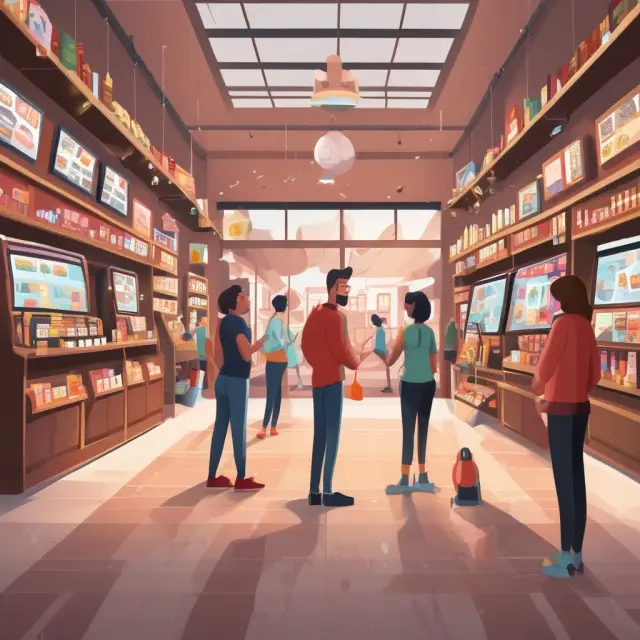
Point of Purchase (POP) marketing is the strategic planning of promotional activities surrounding consumer products. These efforts can occur in both real-world brick and mortar stores and virtual electronic retail environments. While the point of sale (POS) refers to the location where a customer completes a purchase, it also plays a significant role in the overall POP process.
A Point of Sale (POS) system is designed to facilitate transactions between a merchant and their customers. These systems can range from traditional cash registers to advanced digital platforms with various peripherals such as printers, barcode scanners, touchscreens, and payment processing hardware.
Traditional POS systems often relied on manual processes for generating invoices, creating sales orders, and issuing receipts. However, modern POS systems have evolved to offer increased efficiency, accuracy, and customization through computer-based digital interfaces. With cloud-based POS systems, retailers can manage transactions and inventory across multiple locations in real-time, reducing upfront costs for many businesses.
POS software has also expanded beyond basic transaction processing capabilities. In addition to inventory management and revenue tracking, modern POS platforms enable customization for membership programs that reward frequent customers with points or discounts. They can process transactions at customer locations through location-based technology and integrate with accounting systems for seamless financial reporting.
The role of POS systems in the point of purchase process is continually evolving to meet the needs of consumers and merchants alike. In the retail industry, customization offered in terms of aesthetics, capacity, and mobility can greatly impact a company’s brand identification. As a result, POP display manufacturers focus on creating innovative product designs that attract customers and engage them with interactive displays.
The global point of purchase displays market is expected to grow at a compound annual growth rate (CAGR) of 5.9% from 2018 to 2026, according to the Global Point of Purchase (POP) Displays Markets Report. This expansion reflects the enduring appeal of in-store shopping experiences for many consumers and the competition among retailers to provide compelling POP displays that entice customers to purchase their products.
The combination of advanced technology and personalized design elements continues to drive innovation within the POS system industry, enhancing the point of purchase experience for both merchants and consumers.
Importance of POP Marketing for Retailers
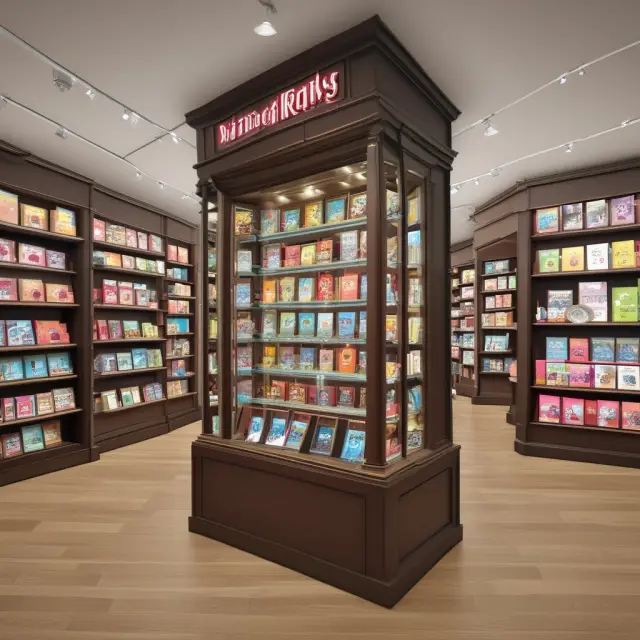
Retailers are continuously seeking new ways to attract and retain customers while maximizing sales. In today’s fiercely competitive retail landscape, implementing effective point of purchase (POP) marketing strategies is crucial for businesses aiming to stand out from their competitors. By investing in visually appealing POP displays, retailers can engage shoppers at the moment when they are most likely to make a purchase decision – the point of sale (POS).
A POP display refers to the area surrounding the POS where promotional activities and product presentations occur. These displays can include various elements like eye-catching graphics, interactive touchscreens, or even free samples. While POS systems manage transactions at checkout counters, POP marketing strategies aim to influence consumers’ decisions during their shopping journey.
The importance of POP marketing for retailers is multifold:
1. Increased Sales: By strategically placing POP displays, retailers can drive sales and revenue by showcasing complementary products or promoting special deals and discounts. In fact, a study conducted by the Point-of-Purchase Advertising Institute revealed that 73% of consumers have made an unplanned purchase due to in-store POP promotions.
2. Enhanced Customer Experience: Effective POP displays can significantly improve the shopping experience for customers. By offering free samples, interactive touchscreens or educational content, retailers can create a memorable and engaging shopping journey that keeps customers coming back for more.
3. Competitive Advantage: With so many retailers vying for consumers’ attention, an effective POP marketing strategy can help businesses gain a competitive edge in their industry. By investing in visually appealing displays and offering unique promotions, retailers can differentiate themselves from their competitors and attract customers who are looking for a more engaging shopping experience.
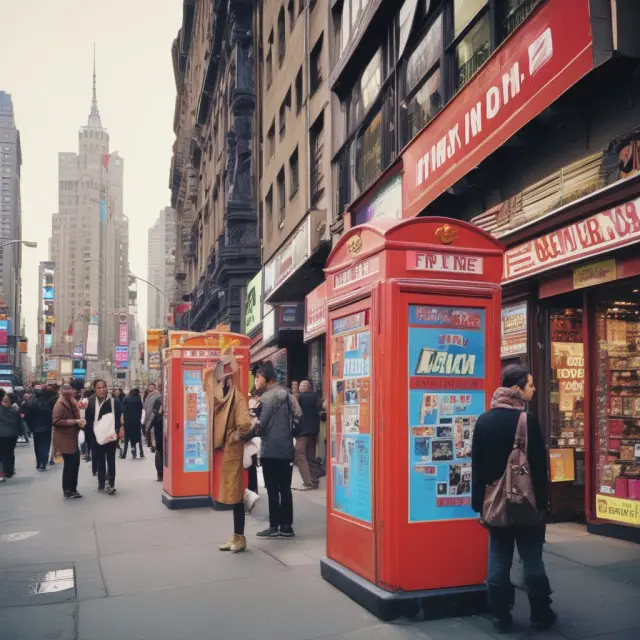
The history of POP marketing dates back to the late 19th century when grocery stores started using endcap displays to showcase larger, more attractive items that could draw shoppers’ attention. Since then, POP displays have evolved significantly, incorporating various design elements and technologies to create engaging shopping experiences for consumers.
In recent years, advancements in technology have revolutionized the way retailers approach POP marketing. Interactive touchscreens, digital signage, and augmented reality are just a few examples of how technology can be used to enhance POP displays and create more immersive shopping experiences.
Moreover, customization is becoming increasingly important for retailers looking to differentiate themselves from their competitors. With the help of advanced design tools and 3D printing technologies, retailers can create unique, customized POP displays that cater to their specific brand identity and target audience.
In conclusion, POP marketing plays a crucial role in the success of retail businesses by increasing sales, enhancing customer experience, and providing a competitive advantage. By incorporating innovative design elements and technologies, retailers can create engaging and memorable shopping experiences that keep customers coming back for more. With a global market size expected to reach $46.9 billion by 2026, investing in effective POP marketing strategies is an investment that retailers simply cannot afford to overlook.
History of POP Marketing and Display
The term “point of purchase” (POP) refers to the strategic placement of consumer products and promotional activities surrounding them. This concept applies both to physical retail stores and online platforms, where marketers aim to create engaging displays or offers that can attract customers’ attention at the moment of decision-making.
In retail environments, POP displays are a longstanding marketing strategy aimed at increasing sales by showcasing products in an enticing way. These displays come in various forms such as free-standing units, floor decals, wall graphics, and shelf-strips. Over time, POP designs have evolved significantly, from simple product placements to sophisticated digital signage and interactive installations that captivate consumers.
As technology progressed, the concept of point of sale (POS) became increasingly important for both physical and virtual stores. POS systems enable merchants to process sales transactions efficiently and accurately while providing valuable customer information for targeted marketing efforts. With the rise of cloud-based POS solutions, managing inventory, tracking sales, and analyzing trends have become more accessible and cost-effective for businesses of all sizes.
The importance of POP marketing lies in its ability to influence consumers at the crucial moment when they are deciding which product to purchase. This impact is significant since studies show that up to 80% of purchasing decisions are made at the point of purchase (Nielsen). Furthermore, the global POP displays market is expected to reach a value of $34.6 billion by 2027, expanding at a compound annual growth rate (CAGR) of 5.9% from 2018 to 2026 (Market Research Future).
The history of POP marketing can be traced back to the early days of retail when merchants relied on simple signs and product displays to attract customers. Over time, these displays became more sophisticated as businesses sought innovative ways to differentiate their brands and capture consumers’ attention. Some milestones in this evolution include:
- The introduction of free-standing POP displays in the 1950s, which enabled retailers to place products away from fixed shelves, drawing shoppers closer and creating a more personalized shopping experience.
- In the 1980s, digital POP displays made their debut, offering a new level of customization and interactivity for customers. These displays could showcase dynamic content, such as images, video, and text, in real-time.
- The late 1990s and early 2000s saw the integration of RFID (Radio Frequency Identification) technology into POP displays. This allowed for automated inventory management and enabled retailers to track sales data more accurately and efficiently.
- In the mid-2000s, interactive digital displays became prevalent in retail environments, allowing consumers to engage with products through touchscreens and other forms of input.
- The 2010s saw a significant shift toward mobile POP displays designed for use at events and trade shows to promote brand awareness and generate leads. These portable displays are compact, easy to transport, and can be customized to fit different marketing campaigns.
- In recent years, augmented reality (AR) technology has begun to play a role in enhancing POP marketing efforts, offering consumers immersive experiences that allow them to visualize products in real-world environments before making a purchase.
In conclusion, understanding the history and evolution of point of purchase (POP) marketing and displays is essential for retailers and marketers seeking to optimize their sales strategies. From simple product placements to sophisticated interactive installations, POP marketing continues to adapt to technological advancements and changing consumer preferences, ensuring it remains an effective tool for driving sales and engaging customers.
Global Market Trends in POP Displays
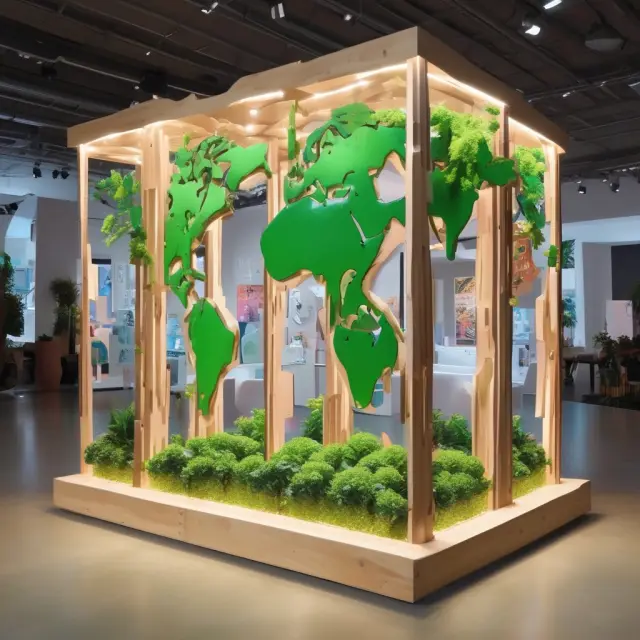
The global point of purchase (POP) displays market is a burgeoning industry that is expected to expand at a compound annual growth rate (CAGR) of 5.9% from 2018 to 2026, as reported in the Global Point of Purchase (POP) Displays Markets Report. Despite the rise of online shopping, customer preference for in-store experiences remains strong. In response to this trend and increasing competition in the retail industry, POP display manufacturers are focusing on improving both aesthetics and innovation to help brands stand out at the point of purchase (POP).
In today’s world, the importance of effectively showcasing products at the POP cannot be overstated. Retailers must create compelling in-store experiences that engage customers and ultimately lead to increased sales. POP displays are an essential tool for achieving this objective. They can captivate shoppers’ attention, provide product information, and create a connection between consumers and brands.
To cater to the varying needs of different retail facilities and industries, customization plays a crucial role in POP displays. Aesthetic appeal is paramount, but functionality and mobility are also essential factors that contribute to the effectiveness of POP displays. Customized designs offer flexibility for retailers to adapt displays according to their specific requirements and create a unique shopping experience tailored to their brand identity.
Cloud-based POS systems have become increasingly popular among large online merchants, as they can significantly reduce upfront costs and enable seamless integration of transactions across various sales channels. However, in-store shopping remains an integral part of the retail landscape, necessitating continued innovation in the design and functionality of POP displays.
In recent years, technology has played a significant role in enhancing the capabilities of POP displays. For instance, interactive digital signage and dynamic pricing systems have become popular solutions for creating engaging in-store experiences that cater to evolving consumer preferences and shopping behaviors. These advanced technologies enable retailers to tailor their messaging, offer targeted promotions, and optimize prices based on demand and competition.
The POP displays market is also witnessing an increase in the adoption of sustainable materials, including biodegradable plastics, recycled cardboard, and other eco-friendly alternatives. As consumers grow more environmentally conscious, retailers are increasingly adopting these sustainable solutions to create attractive and engaging displays that align with their brand values and resonate with their customers.
In conclusion, the global POP displays market is expected to grow significantly over the next few years due to the increasing importance of creating compelling in-store experiences and competition among retailers for consumer attention. By focusing on innovation and customization while also considering sustainability, POP display manufacturers can help retailers effectively showcase their products at the point of purchase and ultimately drive sales growth.
Designing Effective POP Displays
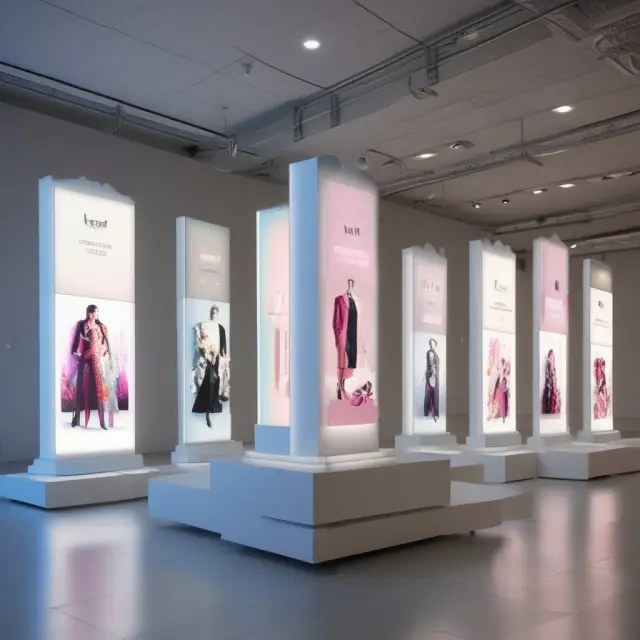
In today’s competitive marketplace, having an appealing and effective point of purchase (POP) display is crucial for retailers to stand out from the competition and increase sales. The design factors of a POP display can significantly impact its success in capturing customers’ attention and making an emotional connection with them. In this section, we will discuss various design elements essential for creating engaging and effective POP displays.
Aesthetics: First impressions matter, especially in retail environments. An attractive and visually appealing POP display can grab a customer’s attention and evoke interest. Consideration should be given to the materials used, colors, shapes, and overall design of the display to ensure it aligns with your brand image and appeals to your target audience.
Size: The size of the POP display is another crucial factor that can influence its effectiveness. Proper sizing can help increase visibility and make the display more noticeable in a crowded retail environment. However, it’s essential not to overwhelm the space or obstruct customers’ view of other products in the store.
Location: Carefully selecting the location of your POP display is vital for maximum impact. Consider placing displays near entrances, high traffic areas, or end caps to increase visibility and encourage impulse purchases. It’s also essential to avoid blocking foot traffic or obstructing customers from reaching other merchandise.
Interactivity: Interactive POP displays are a great way to engage customers and create memorable experiences. Consider incorporating QR codes, touchscreens, or motion sensors to allow consumers to interact with your product and learn more about its features. This can also encourage social sharing on platforms like Instagram and Facebook, helping to expand brand reach.
Lighting: Effective lighting can help draw attention to a POP display and make it stand out in the retail environment. Consider using ambient or accent lighting to highlight specific features of your product and create an inviting atmosphere for customers.
Ease of Use: A POP display should be easy to set up, manage, and dismantle, especially for businesses with multiple locations. Choose displays that are durable, portable, and require minimal assembly to make it convenient for retailers to implement and maintain.
Branding: Ensure your brand image is clearly conveyed through the design of your POP display. Consistent branding across all marketing materials can help build recognition and loyalty among customers.
Customization: Tailoring your POP displays to meet specific customer needs and preferences can lead to increased sales and better overall performance. Consider offering customizable options, such as various sizes, designs, or finishes, to cater to the unique requirements of different retail locations and product categories.
In conclusion, designing effective POP displays requires careful consideration of various design factors like aesthetics, size, location, interactivity, lighting, ease of use, and branding. By incorporating these elements, you can create engaging and memorable displays that capture customers’ attention, encourage impulse purchases, and ultimately help boost sales for your retail business.
Innovative Technologies for Enhancing POP Displays
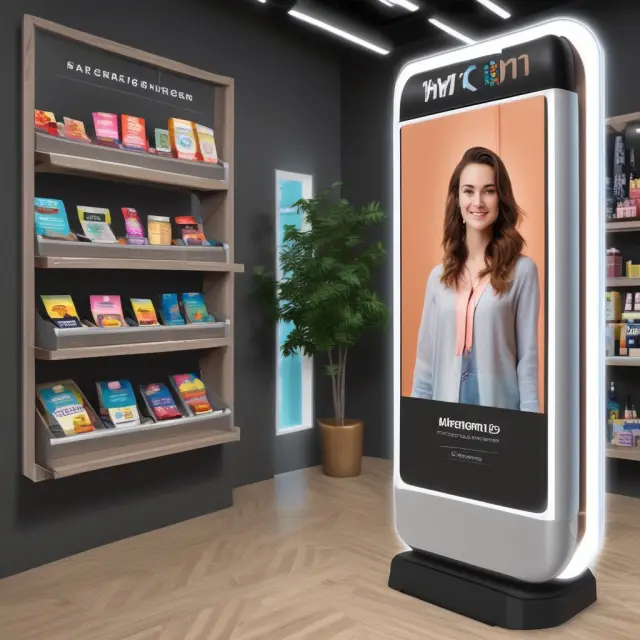
The point of purchase (POP) is a crucial area where marketers and retailers work to promote their products effectively. While the physical point of sale (POS) is where transactions occur, the surrounding POP area is where customers are influenced by promotional activities or other products. With technology constantly evolving, retailers must adapt to remain competitive. In this section, we will explore innovative technologies that enhance the design, functionality, and customer experience of POP displays.
Understanding POS Systems and Technologies
The point of purchase is closely connected to Point of Sale (POS) systems and experiences. Traditional POS systems have evolved into sophisticated digital platforms designed for various industries and businesses. While small retailers may still use off-the-shelf cash registers, most modern POS systems are computerized, offering advanced features such as touchscreens, barcode scanners, and cloud integration. These improvements contribute to streamlined sales transactions and enhanced customer experiences.
Cloud-based POS systems have gained popularity among online merchants due to their lower implementation costs and real-time data synchronization across multiple locations. Furthermore, customizable software solutions cater to specific business requirements, such as loyalty programs and inventory management.
Interactive Technologies for Engaging Customers
Location-based technology is a game-changer for POP displays, allowing customers to interact directly with the displays at their point of purchase. This innovation can be seen in various industries like retail and hospitality:
- Retail: In-store kiosks enable shoppers to browse product offerings, view reviews, or build customized outfits using augmented reality (AR) technology. These engaging experiences create a memorable shopping experience, increasing the likelihood of sales.
- Hospitality: Self-service tablets at restaurants and hotels allow customers to place orders, make payments, and access promotional offers directly from their tableside devices. This not only streamlines the ordering process but also provides a more personalized customer experience.
- Healthcare: Digital signage in waiting rooms or hospital corridors can display patient information, news updates, and advertisements for health-related products or services. Patients appreciate this level of convenience while healthcare providers benefit from improved communication and branding opportunities.
Augmented Reality (AR) and Virtual Reality (VR) in POP Marketing
Augmented reality (AR) and virtual reality (VR) technologies add a new dimension to POP marketing efforts by providing immersive customer experiences. By incorporating these technologies into their displays, retailers can create engaging product demonstrations or even offer virtual product trials, significantly increasing the chances of making a sale.
For instance, IKEA’s Place app lets users virtually place furniture items in their homes before purchasing, offering customers a more accurate representation of how products will fit within their space. Such innovations enable retailers to build trust with their customers and ultimately drive sales.
Smart Displays for Personalized Experiences
Smart displays integrated into POP marketing efforts can offer customized product recommendations based on customer preferences, location data, or previous purchases. These displays can create a personalized shopping experience and help retailers increase sales by suggesting relevant products that meet the customers’ needs.
Moreover, facial recognition technology can be used to recognize customer demographics and tailor promotional content accordingly. This approach not only enhances the customer experience but also attracts more potential buyers, contributing to increased revenue for retailers.
Conclusion
Innovative technologies have transformed point of purchase marketing by providing retailers with the tools to create engaging, personalized, and data-driven POP displays. By incorporating interactive technologies such as AR/VR, cloud-based systems, and smart displays into their marketing strategies, retailers can differentiate themselves from competitors, increase customer engagement, and ultimately drive sales. As technology continues to evolve, it’s essential for retailers to stay informed about the latest trends and invest in solutions that cater to their customers’ expectations and preferences.

Case Studies of Successful POP Marketing Campaigns
Point of purchase (POP) marketing has been an effective strategy for both brick-and-mortar and online retailers to attract, engage, and retain customers. By understanding the significance of POP displays and their role in creating positive customer experiences, businesses can significantly boost sales and brand recognition. Let’s explore some successful case studies that showcase innovative POP marketing campaigns and best practices.
1. Coca-Cola: In 2008, Coca-Cola launched its “Share a Coke” campaign. This marketing initiative featured personalized bottles with customers’ names on them, encouraging consumers to buy a bottle for themselves and one for a friend. The success of this campaign was due in part to the unique and engaging POP displays, which made the product feel more personal and special.
2. Apple: Apple’s Genius Bar is an excellent example of effective POP marketing within retail environments. By creating a dedicated space where customers can receive one-on-one assistance from knowledgeable employees, Apple has turned what could be a mundane experience into a memorable and engaging one. The Genius Bar creates a sense of community around the brand, builds trust with consumers, and increases sales by addressing potential pain points and upselling compatible products.
3. LEGO: The LEGO Minifigures series is an excellent example of successful POP marketing in the toy industry. Each box contains a random minifigure, creating an element of surprise and excitement for customers. This strategy encourages collectors to buy multiple boxes to increase their chances of obtaining rare or desirable figures. LEGO’s engaging POP displays showcase these unique characters, making them irresistible to potential buyers.
4. IKEA: IKEA’s “Experience Rooms” provide a fantastic example of effective POP marketing in the home furnishings industry. These rooms allow customers to see how furniture pieces can be combined and arranged in different spaces, providing inspiration and ideas for their own homes. By creating these engaging environments, IKEA is able to make the purchasing process more enjoyable and increase sales by allowing customers to visualize how products will look and function in their own homes.
5. Starbucks: The popular coffee chain’s “Red Cup Campaign” has become an annual tradition. Each year, Starbucks releases a new red cup design, creating a sense of excitement and urgency among customers. This marketing strategy encourages repeat business as consumers collect the unique cups and share them on social media platforms.
These case studies illustrate that successful POP marketing campaigns involve engaging customer experiences, personalization, and creative use of space and product displays. By investing in innovative POP marketing strategies, businesses can attract and retain customers, build brand loyalty, and ultimately increase sales.

Strategies for Implementing Effective POP Marketing Campaigns
To stand out from competitors and boost sales, retailers must utilize innovative strategies when planning point of purchase (POP) marketing campaigns. Here are some essential tactics to consider when implementing POP marketing efforts:
1. Tactics: Adopt a multi-channel approach, combining traditional methods like in-store displays with digital tactics such as interactive screens and QR codes. Research shows that integrating both approaches can lead to a 15% increase in sales (Source). Moreover, collaborate with other brands for co-branded or cross-promotional campaigns, which can help reach a broader audience and generate new customer bases.
2. Planning: A well thought-out campaign begins with careful planning. Utilize market research and demographic data to understand your target audience and tailor the campaign accordingly. For instance, create displays that cater to specific age groups or preferences. Also, consider the timing of your campaign. Launching sales during peak shopping periods such as holiday seasons can increase footfall and sales significantly.
3. Budgeting: Allocate sufficient resources for your POP marketing efforts. Incorporate both short-term and long-term expenses, including design and production costs for displays, promotional materials, labor, and ongoing maintenance. Remember that investing in high-quality displays can lead to higher ROI in the long run due to increased customer engagement and sales.
4. Execution: Proper implementation is crucial to a successful POP marketing campaign. Ensure timely delivery and installation of displays, as well as regular monitoring for optimal performance. Establish clear communication channels with your POS system vendor or display manufacturer to address any issues promptly. Also, provide adequate training to sales associates on proper placement and use of the displays to maximize their impact.
5. Evaluation: Regularly evaluate the effectiveness of your campaigns by monitoring key performance indicators (KPIs) such as sales growth, customer engagement, and foot traffic. Analyze data gathered from various sources like POS systems, social media, and customer feedback to make data-driven decisions. Based on the evaluation results, adjust campaign strategies accordingly for continuous improvement.
Successful POP marketing campaigns are a combination of innovation, strategic planning, and effective execution. By implementing these tactics and continuously assessing their impact, retailers can drive sales, boost brand awareness, and stay competitive in the ever-evolving retail landscape.

Measuring the Impact of POP Marketing
Understanding the significance of point of purchase (POP) marketing is crucial for retailers as it plays a pivotal role in enhancing sales and customer engagement. Measuring the impact of these marketing strategies is essential to evaluate their performance, optimize campaigns, and justify budget allocations. In this section, we’ll discuss various methods for assessing the success of POP marketing efforts.
First, it’s vital to acknowledge that there are different types of POP marketing, including traditional and digital approaches. Traditional methods involve physical displays, such as in-store fixtures or free-standing units, while digital strategies encompass digital screens and online advertisements. Each approach requires distinct evaluation metrics due to their unique characteristics.
For traditional POP displays, tracking sales lift is an effective method to gauge performance. Sales lift refers to the increase in sales of the promoted product compared to the same period in the previous year or a control group without the display. By comparing the sales data before and after the implementation of a new display, retailers can determine if the investment is worthwhile.
To further analyze the impact of traditional POP marketing, consider conducting surveys to gather customer feedback and preferences. Surveys can be administered at the store or online to gauge opinions on the effectiveness and appeal of the displays. This data not only provides valuable insights into consumer behavior but also helps refine strategies for future campaigns.
As for digital POP marketing, it’s important to focus on metrics such as impressions, clicks, and conversions. Impressions represent the number of times an advertisement is viewed, while clicks denote user engagement with the ad. Conversions reflect the percentage of users who take a desired action, like making a purchase or signing up for a newsletter, after clicking on the ad. By closely examining these metrics and analyzing trends over time, retailers can determine which digital POP marketing strategies are most effective and optimize their campaigns accordingly.
Furthermore, integrating technologies such as beacons and RFID tags into POP displays can provide even more data-driven insights. Beacons, for instance, can emit signals to users’ mobile devices when they enter a store or approach a particular display, allowing retailers to track their in-store behavior and tailor offers accordingly. RFID tags enable real-time inventory tracking and automatic reordering of products when stock levels are low, ensuring that displays remain stocked and optimally engaging for customers.
Lastly, it’s essential to remember that measuring the impact of POP marketing is an ongoing process. By continually assessing performance metrics and adjusting strategies as needed, retailers can maximize the potential of their in-store and online displays and maintain a competitive edge.
FAQs about Point of Purchase (POP) Marketing
What is point of purchase (POP) marketing?
Point of purchase (POP) marketing refers to the planning and execution of promotional activities surrounding consumer products or services, specifically at the point where customers make their purchasing decisions. This can be in a physical retail store setting or in the virtual environment of an online business.
Why is point of purchase marketing important?
Effective point of purchase (POP) marketing can significantly influence customer decision-making and increase sales for businesses. It involves creating strategic product displays, promotions, and other tactics to attract and engage customers at the crucial moment when they are considering a purchase.
What are the differences between point of sale (POS) and point of purchase (POP)?
Although the terms POS and POP are related, they serve distinct functions. The point of sale refers to where a customer completes their transaction and pays for products or services. On the other hand, point of purchase marketing focuses on promoting and influencing customers during the decision-making process leading up to the sale.
How have advances in technology impacted POP marketing?
Advancements in technology have transformed the way businesses implement and optimize POP marketing strategies. For example, cloud-based POS systems allow retailers to track inventory levels and sales data in real-time, while digital displays and location-based technologies can create more engaging customer experiences.
What trends are shaping the future of point of purchase (POP) marketing?
Key trends include the integration of technology and personalization, increased focus on sustainability and eco-friendly solutions, and a shift towards experiential and interactive displays that capture customers’ attention and create memorable brand experiences.
How can businesses measure the success of their POP marketing efforts?
To assess the impact of POP marketing strategies, businesses can track various metrics such as sales figures, customer engagement, foot traffic, and overall return on investment (ROI). Analyzing these data points can help inform future marketing decisions and optimize campaign performance.
 Next entry · No. 4,002Understanding Poison Pills: A Company’s Defense Mechanism Against Unwanted Takeovers
See also
-
 No. 3,109
01 Mar 2025
19 min
Marketing Campaigns 101: Strategies for Building Brand Awareness, Increasing Sales and Rehabilitating Image
Marketing & Digital Marketing
No. 3,109
01 Mar 2025
19 min
Marketing Campaigns 101: Strategies for Building Brand Awareness, Increasing Sales and Rehabilitating Image
Marketing & Digital Marketing -
 No. 3,999
14 May 2025
18 min
Understanding Point of Sale Systems: A Comprehensive Guide for Institutional Investors
Business Strategy
No. 3,999
14 May 2025
18 min
Understanding Point of Sale Systems: A Comprehensive Guide for Institutional Investors
Business Strategy -
 No. 3,588
10 Apr 2025
21 min
Net Realizable Value: A Conservative Valuation Method for Accounting and Investment
Business Finance
No. 3,588
10 Apr 2025
21 min
Net Realizable Value: A Conservative Valuation Method for Accounting and Investment
Business Finance -
 No. 3,503
03 Apr 2025
17 min
Understanding Non-Operating Income: What it is and How it Differentiates from Operating Income
Business Finance
No. 3,503
03 Apr 2025
17 min
Understanding Non-Operating Income: What it is and How it Differentiates from Operating Income
Business Finance -
 No. 3,285
16 Mar 2025
22 min
Understanding Most-Favored-Nation Clause in International Trade and its Implications for Investors
International Trade
No. 3,285
16 Mar 2025
22 min
Understanding Most-Favored-Nation Clause in International Trade and its Implications for Investors
International Trade -
 No. 5,497
14 Sep 2025
20 min
Viral Marketing: Understanding the Power of Word-of-Mouth in the Digital Age
Marketing & Digital Marketing
No. 5,497
14 Sep 2025
20 min
Viral Marketing: Understanding the Power of Word-of-Mouth in the Digital Age
Marketing & Digital Marketing