Understanding Point of Sale Systems: A Comprehensive Guide for Institutional Investors
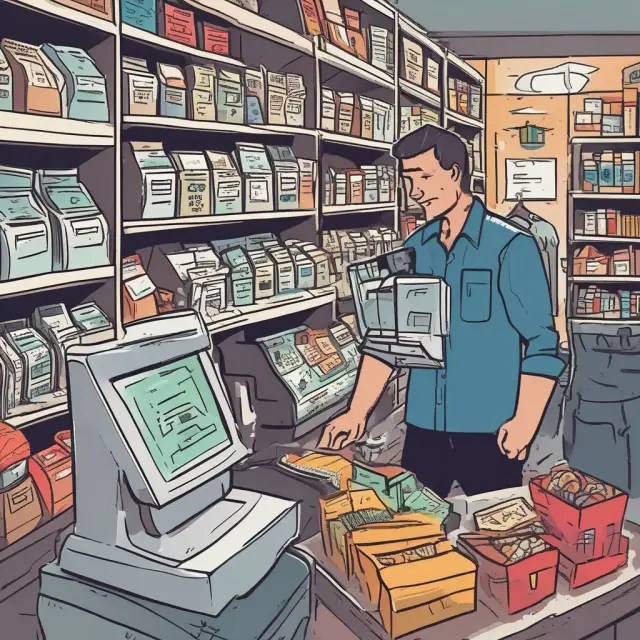
Understanding Point of Sale Systems: A comprehensive guide for institutional investors - Definition, functionality, benefits, trends, security, & case study.
Introduction to POS Systems
Point of Sale (POS) systems have become an integral part of modern business transactions, particularly for retailers and those in the hospitality industry. In essence, a POS is a device or system that facilitates sales transactions between businesses and customers, whether it’s in-person or online. Traditionally, cash registers and paper receipts defined the POS landscape. However, advancements in technology have given rise to sophisticated electronic POS systems capable of processing various payment methods and offering real-time data insights to businesses.
A POS transaction can occur at numerous touchpoints, including store exits, individual product groups, or even online checkouts. Understanding how these strategic locations can impact consumer behavior is essential for marketers aiming to optimize sales processes and customer experiences.
Historically, retailers set up physical POSs near store exits to encourage impulse purchases as consumers left. However, innovative businesses now place POSs at various points in the shopping journey to influence purchasing decisions earlier on. Department stores, for instance, utilize POS systems within individual product groups to engage customers and promote specific offerings through dedicated staff.
POS systems have evolved from simple cash registers into advanced software solutions that process transactions, monitor inventory, track sales trends, and collect marketing data. With the increasing popularity of cloud-based technology, retailers can now access and analyze valuable data from anywhere, enabling them to make informed business decisions. Moreover, POS systems in the hospitality industry have revolutionized customer interactions by allowing for electronic menus, order processing, bill payments, and loyalty programs.
The future of POS systems appears promising as technologies such as artificial intelligence (AI), machine learning (ML), and mobile devices transform the way businesses transact with customers. These innovations are expected to streamline processes, improve customer engagement, and offer new opportunities for marketing insights. In this comprehensive guide, we will dive deeper into the world of POS systems, exploring their functionality, benefits, and recent advancements. Understanding this foundational technology can help institutional investors gain a competitive edge in the ever-evolving retail landscape.
Benefits of Implementing POS Systems
POS systems offer numerous advantages for businesses, including:
- Enhanced operational efficiency: POS software automates transactions and data collection, reducing errors and improving overall productivity.
- Real-time data insights: Electronic POS systems provide valuable data on sales trends, pricing accuracy, inventory levels, and customer preferences, enabling informed decision-making.
- Improved customer experience: Modern POS systems offer flexibility and convenience for customers, such as self-service kiosks, contactless payments, and customizable displays.
- Inventory control: Real-time monitoring of inventory helps businesses optimize stock levels and reduce the risk of stockouts or overstocks.
- Marketing opportunities: POS systems can process data on consumer behavior, enabling targeted promotions and personalized interactions with customers.
In the next sections, we will examine the functionality and benefits of various types of POS systems in detail, including traditional POS systems, cloud-based POS systems, and their role in marketing strategies. Stay tuned!

How Do POS Systems Work?
Understanding the Functionality of Point of Sale (POS) Systems
A point-of-sale (POS) system is an essential tool in facilitating transactions for businesses, enabling them to process sales and manage inventory. The term ‘POS’ signifies where a customer concludes a sale transaction and makes payment, which may occur either online or in-store.
At its core, a POS system functions as an electronic cash register that captures sales data, processes transactions, and manages inventory. Traditional cash registers have largely been replaced by advanced POS terminals capable of processing various forms of payments, including credit cards, debit cards, checks, and digital wallets like Apple Pay or Google Wallet.
Components and Types of Point-of-Sale Systems
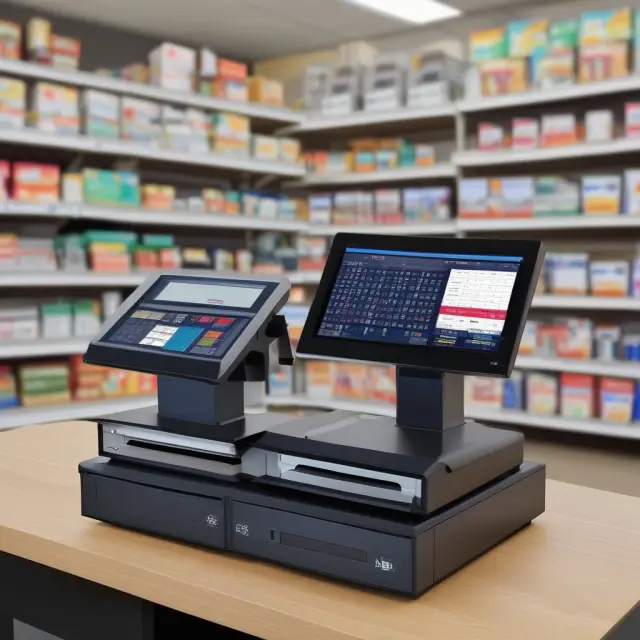
POS systems are primarily categorized into two types: traditional or legacy systems and modern or electronic systems. Traditional POS systems consist of a cash register, manual entry keypad, and barcode scanner. Modern POS systems integrate hardware and software components to provide enhanced functionality, such as inventory management tools, customer relationship management (CRM), sales reporting, and e-commerce integration.
The main components of a modern POS system typically include:
- A touchscreen monitor
- Barcode scanner or QR code reader
- Cash drawer
- Card reader/terminal
- Receipt printer
- Customer display screen
- Keyboard and mouse (for some systems)
- Internet connection
- Server-based software
Traditional POS systems have limited capabilities compared to modern systems. However, they can still cater to the needs of small businesses that do not require extensive inventory management or detailed sales reporting features.
Traditional vs Modern Point-of-Sale Systems: A Comparison
While traditional POS systems rely on manual inputs and basic hardware components like cash drawers and receipt printers, modern POS systems incorporate advanced technology to provide real-time data analytics, improved inventory management, and seamless customer interaction. With the emergence of cloud-based solutions, businesses can access their POS data anytime, anywhere, enhancing operational efficiency and flexibility.
In conclusion, a point-of-sale system plays a crucial role in retail transactions by automating sales processing, managing inventory, and collecting vital sales data. Traditional systems offer simplicity while modern systems cater to complex business needs through advanced software features. By understanding the fundamental components and functionality of POS systems, businesses can make informed decisions when implementing a system that suits their specific requirements.
Benefits of Using POS Systems in Retail
In today’s digital era, retailers are constantly searching for ways to streamline operations, enhance the customer experience, and gain valuable insights into consumer behavior. Point of Sale (POS) systems have emerged as a crucial solution, enabling businesses to automate transactions, monitor sales data, and improve overall efficiency. In this section, we will delve deeper into the benefits POS systems offer retailers, focusing on operational efficiency, real-time data access, customer experience enhancement, and inventory control.
Operational Efficiency
POS systems have revolutionized the transaction process, providing retailers with a more streamlined and efficient method for recording sales. Traditional cash registers have largely been replaced by advanced electronic POS terminals that can process various forms of payments, including credit cards, debit cards, and digital wallets like Apple Pay or Google Wallet. Integrating networked data-capture devices, such as barcode scanners and card readers, allows retailers to track inventory levels and pricing accuracy in real-time, reducing discrepancies and profit loss.
Real-Time Data Access
POS systems offer retailers the ability to collect and analyze sales data in real-time, providing valuable insights into customer behavior, buying trends, and product performance. This information can be leveraged to optimize pricing strategies, inventory levels, and marketing efforts, ultimately driving increased revenue and profitability. Additionally, cloud-based POS systems enable retailers to access this data from anywhere, making it easier to monitor sales performance across multiple locations or remotely.
Enhanced Customer Experience
POS systems are not only beneficial for retailers; they also provide a more convenient and personalized shopping experience for customers. Electronic POS terminals offer faster transaction processing times, reducing wait times and improving overall customer satisfaction. Additionally, in the hospitality industry, interactive menus, order processing, and bill payments have become increasingly popular features that allow customers to place orders and make reservations electronically, saving time and increasing convenience.
Inventory Control
POS systems with integrated inventory management features enable retailers to maintain accurate and up-to-date stock levels, reducing the likelihood of out-of-stock sales and minimizing overstock situations. This not only improves operational efficiency but also ensures that customers have access to the products they want, leading to increased customer satisfaction and loyalty.
In conclusion, POS systems are an essential tool for retailers seeking to streamline operations, improve overall efficiency, and gain valuable insights into consumer behavior. With features such as real-time data access, inventory control, enhanced customer experience, and improved transaction processing times, it’s no wonder that POS systems have become a must-have for businesses looking to stay competitive in today’s retail landscape. In the following sections, we will discuss how these benefits translate to various industries, including hospitality and cloud-based systems.

POS Systems in the Hospitality Industry
In the hospitality industry, POS systems have become an essential tool for managing transactions, improving customer experiences, and streamlining operations. From interactive menus to electronic bill payments and loyalty programs, let’s explore how POS systems enhance the hospitality experience:
Interactive Menus
POS systems enable digital menu boards with dynamic capabilities to display images, prices, and descriptions of various dishes or services, providing customers a visually engaging browsing experience. This technology offers several benefits for restaurant owners:
– Customizable: Menus can be updated in real-time to reflect changes like special promotions or seasonal dishes.
– Cost-effective: Digital menus eliminate the need for frequent menu reprints and updates, saving on printing costs and reducing paper waste.
– Easily modifiable: Managers can quickly adjust prices or modify offerings, ensuring accuracy across all outlets and reducing errors.
Order Processing
A crucial aspect of POS systems in the hospitality industry is order processing. POS terminals integrated with kitchen display screens help staff to process orders efficiently and provide real-time communication between the front and back of the house. This system ensures that orders are transmitted accurately, reducing errors and increasing overall operational speed.
Bill Payments
Electronic bill payments via POS systems have become a standard for many hospitality establishments. Customers can pay their bills using various payment methods like credit cards, debit cards, or mobile wallets at the terminal. This convenience reduces wait times for customers and simplifies the checkout process for staff. Additionally, integrated loyalty programs allow for points accrual upon completion of each transaction.
Loyalty Programs
POS systems enable efficient implementation and management of loyalty programs to reward frequent customers. Points or rewards can be easily tracked and applied to future transactions, generating repeat business and encouraging customer retention. By integrating these features with the POS system, businesses can personalize offers based on individual customers’ preferences, creating a more engaging experience that encourages guest satisfaction and loyalty.
Cloud-based POS Systems
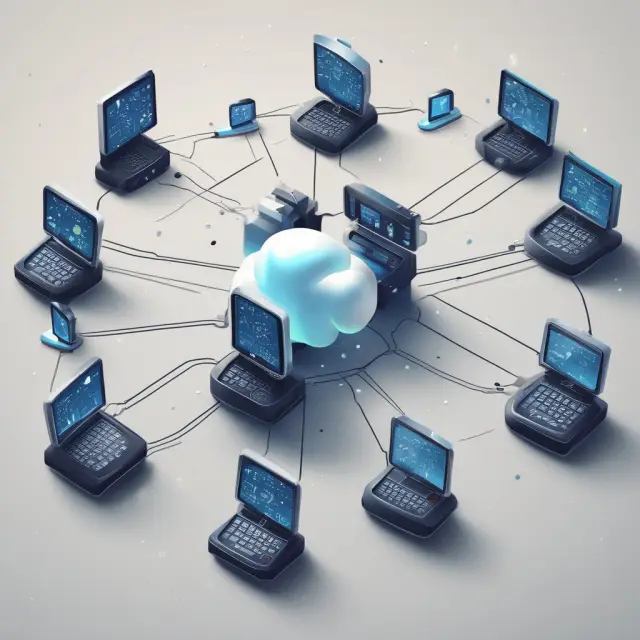
As traditional POS systems began evolving with advanced functionalities, they soon transitioned from local servers to cloud storage. Cloud-based or web-based POS systems store data on remote servers and provide merchants access to real-time analytics through a web browser or mobile app. This shift has been a game-changer for small businesses in retail and the hospitality industry, particularly for those operating multiple locations.
Advantages of Cloud-Based POS Systems
1. Real-Time Reporting: Retailers can access sales data and reports from any location through an internet connection. This feature is invaluable during peak sales periods or when managing inventory across multiple stores.
2. Easy Integration: Cloud-based systems can integrate with various third-party applications, such as marketing tools, social media platforms, and accounting software, allowing businesses to streamline operations.
3. Scalability: As your business grows, cloud-based POS systems make it easy to add new locations or register terminals. This scalability enables businesses to expand without requiring costly on-site hardware installations.
4. Cost-Effective: Cloud solutions reduce upfront costs and the need for extensive IT infrastructure, as the software is subscription-based and managed off-premises.
5. Automatic Updates: With cloud-based systems, updates to software features are automatic, ensuring your business stays current with the latest functionalities and security patches.
Implementation of Cloud-Based POS Systems
To implement a cloud-based POS system, retailers must select a reliable service provider, install necessary hardware (such as terminals, printers, and scanners), and connect devices to the internet. Training employees on the new software is also crucial for successful adoption. Most cloud-POS providers offer ongoing support and technical assistance throughout this process.
Growth in Popularity
Cloud-based POS systems are becoming increasingly popular among merchants due to their flexibility, affordability, and accessibility. In fact, a report from Grand View Research indicates that the global cloud POS market is projected to reach $52.4 billion by 2026. This growth is driven by the convenience of real-time analytics, ease of integration with external applications, and cost savings compared to traditional on-premises systems.
In conclusion, cloud-based POS systems offer numerous advantages for businesses looking to streamline operations, reduce costs, and access valuable data in real-time. With continued innovation and improvements in functionality, these systems will continue to transform the retail landscape for small and large enterprises alike.
POS Innovation: Customization and Design
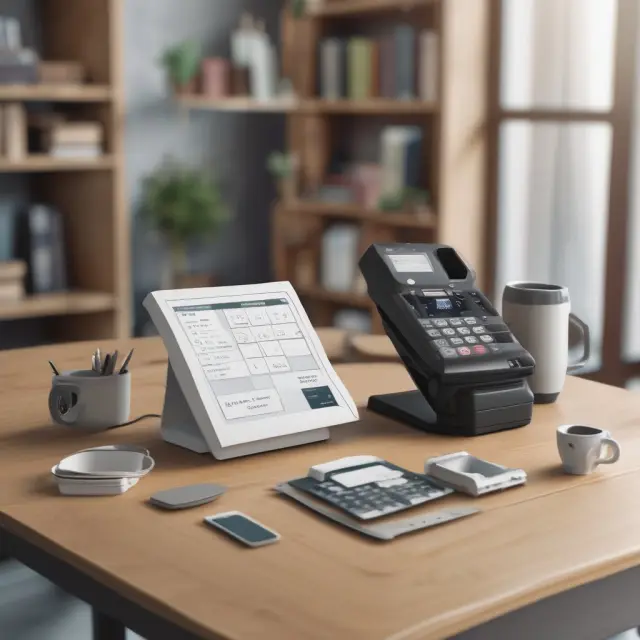
A point of sale (POS) is an essential touchpoint for marketers as consumers often make purchasing decisions at these strategic locations. POS systems have evolved from traditional cash registers to advanced, customizable devices that offer a range of features catering to specific business needs.
Customizability is becoming increasingly important in the world of POS technology. Modern POS systems allow businesses to tailor their display and functionality to match their brand, create a unique customer experience, and enhance operational efficiency.
Custom Displays
The design and look of a POS can significantly influence consumer behavior and purchasing decisions. Customized displays offer various options to accommodate individual business needs and cater to the aesthetic preferences of retailers. These customizations can range from changing the size, shape, or color of the display to include brand logos or unique artwork that aligns with the store’s identity.
Capacity:
The capacity of POS systems plays a crucial role in determining their suitability for different businesses. Customizable POS displays come in various sizes to accommodate multiple payment methods and allow merchants to offer a wide range of products. For example, larger POS displays can be used to showcase multiple product categories, making it easier for customers to find and purchase the items they need.
Mobility:
As consumers increasingly demand convenience, mobility is an essential feature of modern POS systems. Customizable POS devices can be designed with a portable or tablet-style display, allowing retailers to offer flexible payment options and enable transactions anywhere in the store. This mobility not only enhances customer experience but also enables businesses to create strategic touchpoints throughout their retail space, increasing opportunities for impulse purchases.
Cloud-based POS Systems
Customization extends beyond physical displays to cloud-based software solutions that allow retailers to manage multiple stores from a centralized platform. These systems can be tailored to meet specific business requirements by integrating additional features and functionality, such as inventory management and advanced reporting tools. Additionally, customizable cloud-based POS systems enable seamless collaboration between team members across different locations.
POS systems’ evolution is driven by the need for businesses to offer a unique customer experience while maintaining operational efficiency. Customization in terms of design, capacity, mobility, and software functionality has become essential for retailers to stay competitive and cater to evolving consumer demands. As technology continues to advance, POS systems will continue to adapt, offering even more possibilities for innovation and growth.
The Role of POS Systems in Marketing
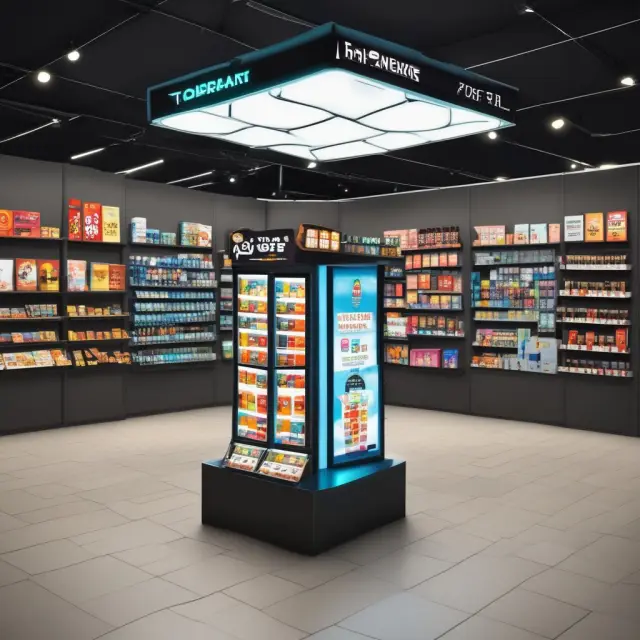
POS systems offer more than just the processing of transactions; they have become a powerful marketing tool for businesses aiming to engage customers and influence buying decisions. Understanding consumer behavior and utilizing targeted promotions can make a significant difference in sales revenue. Traditional brick-and-mortar retailers typically set up POSs near store exits to capture impulse purchases as customers leave the premises, but strategic placement of these systems can offer additional opportunities to engage consumers earlier in the buying process (KEY TAKEAWAYS).
Department stores are an excellent example of this concept. Instead of merely processing transactions at POSs for individual product groups like appliances, electronics, or apparel, designated staff can actively promote products and guide consumers through their purchasing decisions. By focusing on specific product categories, retailers can create a more personalized shopping experience that caters to consumer preferences and interests.
POS systems have evolved significantly in recent years, with cloud-based solutions becoming increasingly popular for large online merchants. These systems offer various advantages, such as cost reduction due to the elimination of upfront expenses and flexibility in managing transactions from multiple locations. Cloud-based POS systems can also process customer data more efficiently, allowing businesses to gain valuable insights into consumer trends and tailor marketing strategies accordingly.
The hospitality industry is another sector that has embraced interactive POS systems for greater efficiency and convenience. For instance, customers at restaurants can view menus and place orders on terminals located at their tables or even order room service in hotels via similar devices. These innovations not only streamline transactions but also create a more engaging and memorable customer experience.
Amazon’s concept store, Amazon Go, is a game-changer in the POS landscape (CASE STUDY). By using technologies that let shoppers come in, grab items, and walk out without checking out at a register, this convenience store offers an entirely new way of shopping. With integrated loyalty programs, payments, and marketing rolled into one customer-centric experience, Amazon Go could potentially revolutionize the POS sector.
Besides providing greater convenience for consumers, these advances in technology enable businesses to collect more extensive data on consumer behavior. Analyzing this information can help retailers develop targeted promotions, improve inventory management, and optimize pricing strategies, ultimately leading to increased revenue and customer loyalty.
In conclusion, POS systems have evolved far beyond their initial function of processing transactions. By understanding consumer behavior and utilizing targeted promotions, businesses can leverage the power of these systems to influence buying decisions and create memorable shopping experiences that keep customers coming back for more.

POS Systems Security and Privacy Concerns
As more businesses adopt POS systems to automate transactions and data collection, concerns about security and privacy are growing. With increased functionality comes the potential for increased vulnerabilities. In this section, we will explore the importance of data encryption, EMV compliance, and cybersecurity threats related to POS systems.
Data Encryption
POS terminals and cloud-based systems often process sensitive customer information such as credit card numbers, names, and contact details. Encryption is a crucial component in securing this data during transmission and storage. Data encryption converts plaintext data into an unreadable format using mathematical algorithms to prevent unauthorized access. POS software developers integrate encryption methods like SSL/TLS or tokenization to protect customer information as it travels between the terminal, payment gateway, and bank.
EMV Compliance
The Europay, Mastercard, and Visa (EMV) chip card standard has become mandatory for merchants in many countries to reduce credit card fraud. EMV-compliant POS systems securely process chip-and-pin or chip-and-signature transactions by verifying the chip’s unique code during each transaction. In addition to added security, this technology reduces liability for chargebacks related to fraudulent purchases.
Cybersecurity Threats
POS systems are attractive targets for cybercriminals due to their access to large amounts of sensitive customer data. Common threats include malware attacks that steal or manipulate information through malicious software or keyloggers, skimming devices that extract card data from magnetic strips, and phishing scams using fake email phishing links or text messages designed to trick users into sharing their login credentials.
To mitigate these risks, businesses should implement strong cybersecurity measures like two-factor authentication, anti-virus software, firewalls, and regular vulnerability assessments. Regular employee training on best practices for security and data protection is also essential to minimize the risk of human error or unintentional breaches.
In conclusion, while POS systems offer numerous benefits in terms of efficiency, data collection, and customer interactions, they also present unique challenges in regards to data encryption, EMV compliance, and cybersecurity threats. By staying informed about these issues and taking proactive measures to secure their POS infrastructure, businesses can safeguard sensitive information, protect their brand reputation, and maintain the trust of their customers.
Case Study: Amazon Go’s Concept Store
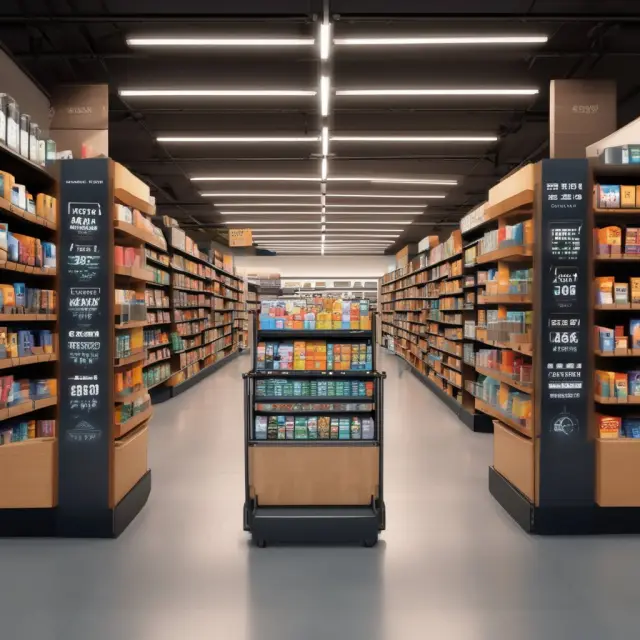
Amazon Go, the world’s first cashier-less convenience store, is a game changer in the retail industry. Launched in January 2018, this Seattle-based store employs technologies such as computer vision, machine learning, and sensor fusion to facilitate an entirely new shopping experience. The goal? To eliminate queues and checkouts by enabling customers to come in, grab items, and walk out with their purchases, while also ensuring accurate billing.
Amazon Go’s impact on the retail landscape can be seen from various perspectives: convenience, potential profitability, and customer behavior. Let’s dive deeper into these aspects.
Convenience is key to Amazon Go’s value proposition. The store eliminates the need for long queues at the checkout counter, which saves customers valuable time. Moreover, it’s open 24 hours a day, seven days a week, making shopping more accessible to those with busy schedules.
Potential profitability is another factor driving interest in this concept store. By automating the payment process, Amazon Go reduces labor costs associated with cashiers and checkout management. Additionally, it can analyze customer behavior through their purchasing history and tailor promotions based on individual preferences, which increases customer loyalty and repeat visits.
Amazon Go’s implementation of POS technology is also fascinating from a consumer behavior perspective. The absence of checkouts allows consumers to make impulse purchases more easily, potentially increasing sales. Furthermore, the convenience factor might encourage customers to shop more frequently for smaller items, even if their overall spending doesn’t significantly change.
The success of Amazon Go could pave the way for further innovations in POS technology. As other retailers explore similar concepts, we may see more seamless shopping experiences that integrate loyalty, payments, and marketing into a single customer-centric platform. This could potentially shift the focus from traditional POS transactions to continuous engagement opportunities throughout the consumer journey.
Amazon Go’s impact on the retail industry is just starting to unfold. Stay tuned for updates as this innovative concept continues to disrupt the landscape.
FAQs About POS Systems for Institutional Investors
What exactly is a Point of Sale (POS) system?
A POS system, also known as a checkout or a cash register system, is a hardware and software solution that enables businesses to process financial transactions between buyers and sellers. The term ‘POS’ refers to the place in a store where customers make purchases, pay for goods, and receive receipts.
How does a POS system work?
A typical POS setup includes a computer or tablet, a barcode scanner, a cash drawer, and a credit card reader. The software is used to process transactions, manage inventory levels, track sales data, and generate reports. Traditional POS systems are stationary, whereas modern cloud-based POS systems allow merchants to access their business operations from anywhere via the internet.
What industries use POS systems?
POS systems have widespread adoption across various industries, including retail, hospitality, healthcare, and food service. Retailers leverage POS software for managing inventory levels, tracking sales trends, and generating reports. The hospitality industry benefits from interactive menus, order processing, and electronic bill payments.
What advantages does a POS system offer for businesses?
POS systems enable retailers to process transactions more efficiently and accurately, ensuring that they can manage their inventory effectively. With real-time data access, businesses can identify sales trends, monitor profitability, and make informed decisions. Additionally, integrated marketing features help create targeted promotions and influence customer behavior.
What is the difference between traditional POS systems and modern cloud-based ones?
Traditional POS systems require local installation on a business’s computers or servers, whereas cloud-based POS solutions are hosted online and can be accessed from any device with an internet connection. This offers flexibility to businesses, enabling them to manage their sales operations remotely and reduce upfront costs.
How secure is my data with a POS system?
POS systems employ various security measures such as encryption, tokenization, and EMV compliance to ensure the safety of sensitive customer information. It’s essential for businesses to work with reputable providers that prioritize cybersecurity and continuously update their software to protect against new threats.
Is it necessary for my business to invest in a POS system?
POS systems provide numerous benefits such as real-time sales data, inventory management, and streamlined transactions. For small businesses looking to expand or enter the digital marketplace, investing in a POS system can offer significant advantages over traditional methods.
What are some of the most popular POS software options available for businesses?
Some well-known POS software options include Square Point of Sale, Shopify POS, Vend, and Toast. Each offers unique features tailored to various industries like retail, hospitality, and services. It’s essential to evaluate your business needs and budget before selecting a provider.
 Next entry · No. 4,000Understanding Point-and-Figure Charts: A Powerful Tool for Technical Analysis
See also
-
 No. 5,026
05 Aug 2025
18 min
Understanding Trademarks: Protecting Brands and Preventing Confusion
Intellectual Property & Business Law
No. 5,026
05 Aug 2025
18 min
Understanding Trademarks: Protecting Brands and Preventing Confusion
Intellectual Property & Business Law -
 No. 5,720
02 Oct 2025
18 min
Understanding Wide Variety in Retail: Impressive Assortments that Compete with Big Box Stores
Business Strategy
No. 5,720
02 Oct 2025
18 min
Understanding Wide Variety in Retail: Impressive Assortments that Compete with Big Box Stores
Business Strategy -
 No. 5,409
06 Sep 2025
28 min
Understanding the Value Chain: Maximizing Efficiency and Competitive Advantage for Institutional Investors
Business Strategy
No. 5,409
06 Sep 2025
28 min
Understanding the Value Chain: Maximizing Efficiency and Competitive Advantage for Institutional Investors
Business Strategy -
 No. 5,406
06 Sep 2025
20 min
Value Added: Understanding the Concept, Importance and Implementation in Businesses and Economy
Business Strategy
No. 5,406
06 Sep 2025
20 min
Value Added: Understanding the Concept, Importance and Implementation in Businesses and Economy
Business Strategy -
 No. 4,697
09 Jul 2025
25 min
Understanding Software as a Service (SaaS) – Advantages, Disadvantages, History and Characteristics
Business Strategy
No. 4,697
09 Jul 2025
25 min
Understanding Software as a Service (SaaS) – Advantages, Disadvantages, History and Characteristics
Business Strategy -
 No. 4,688
08 Jul 2025
21 min
Understanding the Power of Social Media for Institutional Investors
Business Strategy
No. 4,688
08 Jul 2025
21 min
Understanding the Power of Social Media for Institutional Investors
Business Strategy