Maximizing Sales through Product Assortment Strategies: Balancing Depth and Breadth

Explore the importance of product assortment strategies, their impact on retailing, and the balance between depth and breadth. Learn from real-world success…
Understanding the Basics of Product Assortment Strategies
Product assortment strategies represent a critical sales tool for retailers, enabling them to manage inventory and sales effectively by defining the number and type of goods they offer. Essentially, this strategy consists of two main components: depth and width. Depth refers to the range of variations within a single product category, while width signifies the variety of different product categories offered.
In retail, assortment strategies have been a long-standing practice, initially evolving in physical stores due to their inherent connection with space management and consumer interaction. Today, they continue to influence sales in various retail formats, including brick-and-mortar, click-and-mortar, and e-commerce platforms.
Depth within an assortment strategy signifies the extent of product variations offered for sale. For instance, a clothing store carrying five sizes of jeans instead of three or four is practicing depth in its product offerings. By catering to a broader range of customer preferences, retailers can increase their appeal and foster customer loyalty.
Width, on the other hand, refers to the breadth of various product categories offered. A supermarket with a wide assortment would include sections for produce, bakery goods, frozen food, meats, dairy, deli, and household items. Retailers may choose to offer both a deep and wide range of products or focus on one aspect over the other depending on their business goals and resource availability.
The depth vs. width trade-off presents challenges for retailers as they need to strike a balance between carrying numerous variations of a single product and a vast assortment of diverse product categories. While large retailers, like big-box stores, can accommodate extensive product ranges both in terms of depth and breadth, smaller retailers may require more focused strategies due to limited space.
Historically, assortment strategies have originated from the context of brick-and-mortar stores. However, their significance extends beyond physical sales venues to online marketplaces that can provide customers with extensive options and tailored recommendations based on their interests. As retail evolves, so too does the role and importance of product assortment strategies in managing sales and driving customer satisfaction.

Assortment Strategies: A Business Decision Tool
Product Assortment strategies serve as essential tools in the retail industry, enabling businesses to manage inventory, sales, and consumer preferences effectively. These strategies revolve around two key components – depth and width. Depth refers to the number of variations of a particular product that a business offers, such as sizes or flavors. Width denotes the variety or number of different types of products carried by a retailer.
The significance of assortment strategies can be traced back to brick-and-mortar stores but has become increasingly relevant for e-commerce platforms and omnichannel retailers. Retailers employ these strategies to make informed decisions regarding the range and mix of merchandise available to customers, ultimately driving sales growth.
The depth and width components enable a business to tailor its offerings to cater to various market segments or customer preferences. However, not every retailer can implement both extensive depth and broad variety at the same time due to space constraints. This trade-off creates the need for careful planning and customization of assortment strategies based on individual retailers’ goals and resources.
Assortment strategies serve as a foundation for additional sub-strategies, such as specializing in a product category or focusing on seasonal offerings. By adapting to unique business requirements, retailers can optimize their sales performance while remaining competitive in the marketplace.
Small retailers, in particular, face challenges when implementing assortment strategies due to limited resources and space. These businesses may choose to concentrate on a specific niche or product category to offer a deep assortment while maintaining a narrow variety. Conversely, they might opt for a broad range of products but fewer variations per category.
As demographics play a vital role in determining consumer preferences, retailers can fine-tune their strategies by catering to distinct groups. For instance, businesses that target new parents may fill their shelves with age-appropriate clothing and accessories from popular brands. By strategically arranging these items, retailers can stimulate impulse buying and increase sales through upselling and cross-selling.
Assortment strategies also serve as valuable selling tools for retailers by facilitating strategic placement of merchandise throughout the store. Placing complementary or related products together encourages customers to add more items to their carts, driving incremental sales without requiring additional promotional efforts.
Although assortment strategies can provide significant benefits, it’s essential to recognize their potential disadvantages. Misaligning product placement could negatively impact sales by diluting the appeal of popular products or overwhelming customers with too many options, resulting in decreased engagement and higher abandonment rates. Therefore, retailers must strike a balance between depth and width to optimize sales growth while providing an engaging shopping experience for their customers.
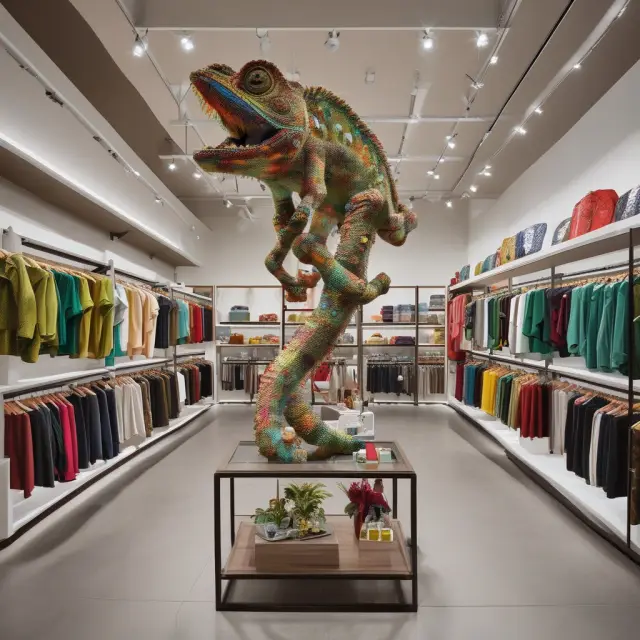
The Role of Assortment Strategies in Retailing’s Past, Present, and Future
An assortment strategy has been a critical sales tool for retailers since the inception of brick-and-mortar stores. This strategic approach to managing inventory focuses on the variety of goods offered for sale and is founded on the principles of depth (the range of variations for a particular product) and breadth (the number of distinct types of products). As retailing has evolved, so too have assortment strategies, adapting to meet the needs of both brick-and-mortar stores and e-commerce platforms.
Initially, product assortment strategies emerged as a response to physical store limitations, with depth and breadth affecting the utilization of valuable display space in traditional retail settings. Retailers seeking to optimize sales would carefully choose which items to feature based on customer demand and demographics, balancing depth and breadth according to their business objectives. For instance, small stores might specialize in a niche product category (e.g., gourmet coffee beans) while carrying an extensive range of offerings within that realm.
As retailing evolved over time, product assortment strategies grew more sophisticated, eventually incorporating data analysis and customer segmentation techniques to tailor offerings for specific demographic groups. This evolution was especially critical in the emergence of e-commerce platforms, where digital space replaced physical space and required a new approach to optimally present product options to online shoppers.
Today, businesses employ various assortment strategies to cater to diverse customer needs, preferences, and behaviors, including:
- Assortments tailored by demographic segments (e.g., age, gender, income, location)
- Seasonal assortments (e.g., summer clothing, holiday decorations)
- Temporarily featured assortments (e.g., clearance items, limited editions)
- Assortments based on consumer preferences and browsing history (personalized recommendations)
- Assortments optimized for sales velocity and market trends
Effective implementation of an assortment strategy involves striking a balance between depth and breadth. While a deep assortment can attract customers by providing them with more choices related to a particular product, too many options can be overwhelming and discourage engagement. Conversely, a narrow variety may deter shoppers who are seeking a diverse range of products. Thus, retailers must carefully consider their target audience, available resources (space, inventory, and labor), and industry trends when designing their assortment strategies.
In conclusion, understanding product assortment strategies is essential for both brick-and-mortar and e-commerce retailers aiming to drive sales growth. By harnessing the power of depth and breadth in their offerings, businesses can effectively cater to diverse customer needs and preferences while maximizing revenue opportunities.
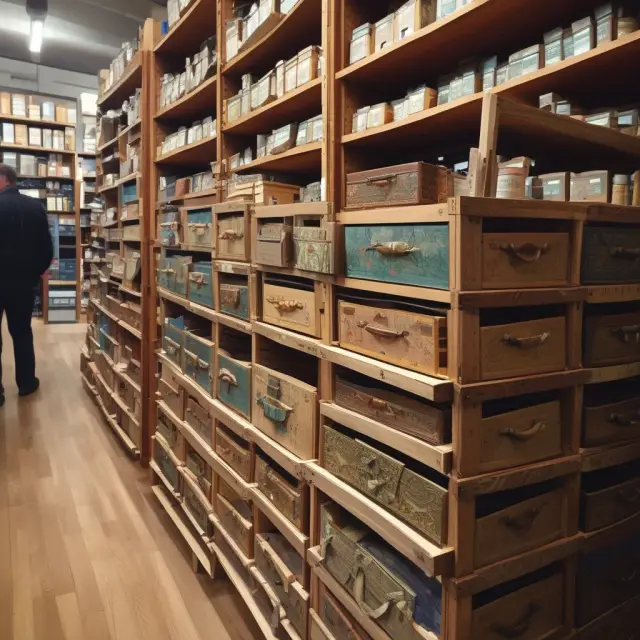
Choosing a Product Assortment Strategy: Depth vs. Breadth
Product assortment strategies are essential for retailers to manage and maximize sales. This strategy is based on the concepts of depth and width, which represent the number and type of products offered by retailers. The choice between carrying a deep or wide assortment comes with its unique advantages and challenges for businesses, particularly for those operating with limited resources or physical space.
Depth of Product Assortment
A deep product assortment refers to a retailer’s decision to carry multiple variations of the same product – such as different colors, sizes, or flavors. This strategy is effective for businesses looking to cater to customers who prefer more specific product options within a given category. For example, a clothing store might offer various sizes and several color choices for a particular style to attract shoppers with unique preferences or those seeking a perfect fit. However, having a deep assortment can be costly and may require significant storage space. This strategy is often adopted by large retailers that have the resources to accommodate extensive product lines.
Width of Product Assortment
The width of a product assortment refers to the variety or number of different types of products offered by a retailer. A wide product assortment can attract customers by providing them with a diverse selection, catering to various preferences and needs. For instance, a grocery store may carry various brands of the same item, such as cereals, to meet consumers’ differing tastes and preferences. While offering a wide assortment can be advantageous in terms of customer satisfaction, it comes with its challenges. Maintaining an extensive product range requires significant inventory management and logistical capabilities. Smaller stores may find it challenging to stock an extensive variety of products while ensuring adequate stock levels for all items.
Balancing Depth vs. Breadth
A retailer’s goal is to optimize its assortment strategy based on available resources, consumer preferences, and competition. Both depth and breadth have their merits, but a business cannot excel at both simultaneously without sufficient resources. Therefore, it is crucial for retailers to strike the right balance between carrying a deep and wide product assortment depending on their target audience and objectives. For instance, a small store with limited space may choose to specialize in a niche market by offering an extensive range of products within that category, while maintaining only a few options for other categories.
In conclusion, the choice between depth and breadth in product assortment strategies is a crucial decision that retailers must make to maximize sales and attract customers. By understanding their unique selling points, resources, and target audience preferences, businesses can effectively tailor their product offerings while balancing the advantages and disadvantages of each strategy.
FAQs: Common Questions about Depth vs. Breadth Product Assortment Strategies
- What is a deep product assortment in retailing? A deep product assortment refers to offering various versions of a single product, such as different colors or sizes.
- What is a wide product assortment? A wide product assortment involves carrying many different types of products within a store.
- Why should retailers choose between depth and breadth in their assortment strategy? Retailers must decide which aspect to prioritize based on resources, customer preferences, and competition.
- What are the advantages of offering a deep product assortment? Deep product offerings cater to specific consumer preferences, driving customer loyalty and repeat business.
- What are the advantages of having a wide product assortment? Wide product offerings attract a diverse customer base and can cater to various needs, creating a competitive edge for retailers.
- How do demographics influence product assortment strategies? Retailers can use demographic data to tailor their assortments and effectively target specific consumer groups.
- Why is strategic product placement crucial in maximizing sales through an assortment strategy? Strategic product placement encourages impulse buying, upselling, and overall sales performance improvement.

Assortment Strategies for Small Retailers: Specializing or Narrowing Down
Small retailers often feel that assortment strategies, a business decision tool used to manage inventory and sales by balancing depth and width, are only suitable for large-scale stores. However, even with limited space and resources, small businesses can effectively employ these strategies to boost sales and attract customers. In the world of product offerings, depth and width serve as the two major components of an assortment strategy.
Depth refers to how many variations of a particular product a store carries, such as offering various sizes or flavors. Width, on the other hand, represents the number of different types of products available in the store. When it comes to small retailers, striking a balance between depth and width is essential for success.
Small businesses may opt to specialize in a particular product category and offer customers a wide range of choices within that niche. For example, a local bakery might carry an extensive variety of breads, pastries, and cakes while focusing on quality ingredients and unique flavors. In doing so, they cater to the needs and preferences of their target demographic and create a loyal customer base.
Alternatively, small retailers can also offer a deep assortment of products within a narrow variety. An example would be a store that specializes in selling various colors, patterns, or sizes of a specific product, such as t-shirts. By focusing on depth rather than width, the store is able to cater to diverse customer tastes and preferences, which ultimately leads to increased sales.
Small retailers often face unique challenges when it comes to implementing an assortment strategy due to limited space and resources. However, by focusing on either depth or width, they can still make strategic decisions that maximize their offerings and attract customers.
Assortment strategies have evolved significantly over the years. Originally designed for brick-and-mortar stores, they now play a crucial role in e-commerce platforms and omnichannel retailing. Regardless of the sales venue—be it brick-and-mortar or online—the primary goal remains: optimizing product offerings to meet consumer demands and maximize revenue potential.
By understanding the basics of assortment strategies, small business owners can make informed decisions about their inventory management and sales strategies. This knowledge allows them to tailor their offerings to their target demographic and effectively compete with larger retailers in their market.

Customizing Assortments to Address Demographic Segments
Understanding how to effectively address diverse demographics in retailing is a crucial aspect of product assortment strategy development. By tailoring your offerings to specific target groups, you can increase sales and create a more engaging shopping experience for customers. Let’s explore how demographic segmentation can be utilized to fine-tune your assortment strategies.
Demographics 101: What Are They?
Demographics are statistical measures used to identify specific population segments based on characteristics such as age, gender, income level, education, and ethnicity. This information is a valuable resource for retailers looking to target their products to specific customer groups effectively. By understanding the needs, interests, and preferences of your demographic segments, you can design product assortments that resonate with them and ultimately boost sales.
Assortment Strategies: A Customized Approach
Retailers may adapt their product offerings to cater to diverse demographic groups in various ways, depending on their business goals and resources. For instance, a retailer might specialize in a specific type of merchandise (such as organic food products) while offering customers various options based on color or style preferences. Alternatively, they could provide a deep assortment within a single product category but maintain a narrow variety to optimize space utilization.
Demographics and Assortment Strategies: A Success Story
Amazon Prime is an excellent example of how understanding demographics can inform effective assortment strategies. By offering Prime memberships that cater to families, students, seniors, and businesses, Amazon creates tailored product offerings for different customer groups. This approach not only leads to increased sales but also fosters long-term customer loyalty and engagement.
Targeting New Parents: A Case Study in Customized Assortments
A retailer targeting new parents might dedicate shelf space to infant apparel, toys, baby gear, and related products. This targeted approach caters specifically to the needs of this demographic segment while providing a convenient shopping experience that addresses their unique requirements. By focusing on items that appeal to new parents, retailers can build strong customer relationships and create repeat business opportunities.
Strategic Product Placement: Maximizing Sales Potential
Product placement is an essential component of an assortment strategy for reaching diverse demographic groups. By positioning related products near one another strategically, you can encourage impulse buying, upsell customers on complementary items, and create a more engaging shopping environment that speaks directly to your target audience. For example, placing baby diapers alongside baby wipes, lotions, and other essentials caters to the needs of new parents and creates a convenient shopping experience.
Balancing Depth and Variety: A Fine Art
It’s crucial for retailers to strike the right balance between depth and variety when catering to demographic segments. Offering too many options could overwhelm customers, while focusing too heavily on one product category or demographic segment might result in missed opportunities. By tailoring your assortment strategies to address specific demographic groups effectively, you can create a more personalized shopping experience that resonates with your target audience and drives sales growth.

Using Strategic Product Placement to Boost Sales
Product placement plays a crucial role in executing effective assortment strategies for retailers, both offline and online. By strategically placing complementary items or creating visually appealing displays, businesses can drive impulse buying, increase upselling opportunities, and ultimately enhance overall sales performance. In this section, we will discuss the significance of product placement within an assortment strategy, its potential benefits, and best practices for retailers to optimize their offerings.
Product Placement in the Context of Assortment Strategies
Product placement is a critical aspect of any assortment strategy. It is the practice of intentionally positioning complementary items or creating visually appealing displays that encourage consumers to purchase products they may not have initially considered. By combining product placement strategies with an effective assortment strategy, retailers can maximize sales and enhance the overall shopping experience for their customers.
Benefits of Strategic Product Placement within Assortment Strategies
Impulse Buying: Product placement is a powerful tool to stimulate impulse buying. By strategically placing related items near each other, retailers can capitalize on customers’ momentary desires or needs. For instance, offering snacks near the checkout counters can entice shoppers to make an additional purchase as they wait in line.
Upselling: Strategic product placement also enables upselling opportunities. By positioning complementary items together, retailers can persuade customers to spend more on higher-priced or related products. For instance, pairing a high-end vacuum cleaner with various attachments and filters can help increase the sales of the primary product.
Optimizing Assortment Strategies for Sales Growth
To successfully employ strategic product placement within an assortment strategy, retailers must consider several best practices:
1. Understanding Customer Needs and Preferences
Retailers must first gain a deep understanding of their target demographics to tailor their assortment strategies effectively. By analyzing customer data, identifying trends, and adapting offerings based on specific segments, businesses can create displays that resonate with each group and cater to their unique needs and desires.
2. Creating Engaging Visual Displays
Investing in visually appealing product displays can catch shoppers’ attention and encourage them to explore further. Retailers can employ various tactics such as color schemes, lighting, and attractive signage to create an engaging shopping environment that draws customers in and motivates them to make a purchase.
3. Enhancing Shopper Experience with Technology
Leveraging technology like QR codes, augmented reality, or interactive touchscreens can help retailers provide shoppers with personalized product recommendations and valuable information, which can lead to increased sales and improved customer satisfaction.
4. Focusing on Category Management
Effective category management is essential for maximizing the potential of strategic product placement within an assortment strategy. By analyzing sales data and optimizing inventory levels, retailers can ensure that their shelves are always stocked with the right products at the right time. This practice not only benefits customers by providing them with a consistent shopping experience but also helps retailers to minimize wastage and reduce markdowns.
5. Adapting to Omnichannel Retailing
As retailing continues its shift towards omnichannel approaches, product placement strategies must evolve as well. By embracing new technologies such as data analytics and personalization algorithms, retailers can optimize their product offerings for various channels (brick-and-mortar, e-commerce, etc.) while maintaining a consistent brand image and customer experience across all touchpoints.
Conclusion:
Product placement plays a vital role in executing successful assortment strategies for retailers, both offline and online. By strategically positioning complementary items or creating visually appealing displays, businesses can drive impulse buying, increase upselling opportunities, and ultimately enhance overall sales performance. To maximize the potential of strategic product placement within an assortment strategy, retailers must focus on understanding their customer needs, adapting to technology, effective category management, and omnichannel approaches. By following these best practices, businesses can create engaging shopping experiences that resonate with customers and ultimately drive sales growth.
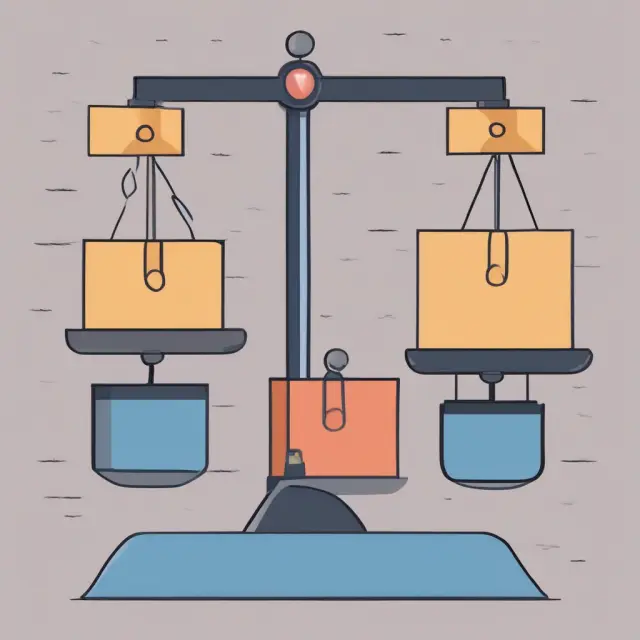
Assortment Strategy Caveats: Balancing Depth vs. Variety for Maximum Impact
An assortment strategy is an essential tool used by retailers to optimize product offerings and increase sales through the strategic selection of depth and breadth in their inventory. While a well-executed assortment strategy can lead to significant benefits, it’s important to be aware of potential challenges associated with overreliance on depth or width.
Depth refers to the number of variations of a particular product offered by a retailer. A deep assortment provides customers with numerous choices within a specific category, which can increase sales and customer satisfaction. However, carrying an excessive number of depth variations may result in several disadvantages. For instance, it may lead to increased inventory holding costs due to stocking multiple versions of the same product. Moreover, it could negatively impact store space utilization, as dedicated shelf space is required for each variation. Lastly, customers might find it challenging to make a decision when faced with too many options.
On the other hand, width refers to the variety or number of different types of products offered by a retailer. A wide assortment caters to diverse customer preferences and needs, potentially attracting a larger customer base. However, overemphasizing width may result in several trade-offs. For instance, stocking numerous product categories can lead to increased inventory carrying costs due to the need for more resources and expertise to manage an expanded range of offerings. Furthermore, a wide assortment might dilute focus on core products, making it difficult for retailers to become experts in each category.
To mitigate these challenges, retailers must carefully balance depth and width based on their business goals and target audience. A balanced assortment strategy enables retailers to offer customers the convenience of a diverse product range while minimizing inventory carrying costs, optimizing space utilization, and maintaining focus on core products. This approach results in an enhanced shopping experience for consumers and increased sales opportunities for retailers.
In conclusion, understanding the potential caveats of assortment strategies is crucial for retailers to maximize their impact. A balanced approach, taking into account both depth and width, helps businesses effectively manage their inventory and cater to diverse customer preferences.

Assortment Strategy Success Stories: Real-World Applications and Best Practices
An assortment strategy is an indispensable sales tool for retailers, enabling them to manage their inventory and boost sales through optimal product selection. Two crucial concepts underpinning this strategy are depth and breadth. A deep assortment signifies multiple variations of a specific product (e.g., different sizes or flavors), whereas a wide variety implies a vast array of distinct types of products.
Amazon, the retail titan, provides an excellent illustration of how a well-executed depth strategy can yield significant results. Amazon’s customer-centric approach is encapsulated by their “1-Click” purchasing system that allows customers to buy any item with just one click, regardless of whether it’s a common or uncommon product variant (e.g., an obsolete computer part). By offering a broad range of depth, Amazon has built customer loyalty and become the go-to destination for countless consumers seeking rare and specialized items.
Meanwhile, Walmart—a trailblazer in implementing a wide variety strategy—has expanded its offerings beyond essential staples to cater to diverse consumer preferences. By providing an extensive assortment of products across various categories, Walmart has solidified its position as a one-stop-shop for millions of households.
Target Corporation is a prime example of retailers that masterfully balance both depth and width in their product offerings. Their tailored approach to consumer demographics, known as Targeted Assortments, ensures that they cater to diverse needs while maintaining a competitive edge. For instance, by carefully curating products that appeal specifically to urban consumers and millennials, Target has successfully captured the attention of these markets.
In the case of smaller retailers, adhering to a narrow focus or specializing in a specific product category is an effective strategy to maximize depth while limiting resource constraints. By offering diverse options within their niche, small retailers can create a loyal customer base and differentiate themselves from competitors.
A strategic assortment strategy also plays a significant role in addressing demographic segments. By catering to distinct consumer groups based on age, income levels, ethnicity, or lifestyle choices, retailers can generate higher sales by aligning their offerings with the needs and preferences of specific customer groups.
In conclusion, product assortment strategies have been instrumental in driving sales for both brick-and-mortar and e-commerce retailers since their inception. By employing depth or width strategies effectively—or a combination of both—retailers like Amazon, Walmart, Target, and smaller businesses can attract customers, optimize inventory, and remain competitive.

FAQs: Common Questions about Assortment Strategies
Assortment strategies play a significant role in retailing, helping businesses optimize their product offerings to maximize sales. In this section, we’ll address some common queries and misconceptions surrounding assortment strategies and their importance.
What is an assortment strategy?
Answer: An assortment strategy refers to the selection and arrangement of products that retailers make available for sale. It focuses on managing both depth (number of product variations) and breadth (variety of different types of products) to meet customer demands and business objectives.
How did assortment strategies originate?
Answer: Product assortment strategies emerged as a critical tool in brick-and-mortar retailing due to the physical space limitations, enabling retailers to display a strategic mix of depth and breadth to attract customers. However, these strategies have since expanded beyond traditional stores to e-commerce platforms and omnichannel retailing.
What is the significance of depth and breadth in assortment strategies?
Answer: Depth in an assortment strategy represents the range of product variations carried (such as colors or sizes). Width, on the other hand, pertains to the variety of different types of products offered. A well-balanced assortment strategy considers both depth and breadth to cater to diverse customer preferences and market demands.
Can small retailers effectively use product assortment strategies?
Answer: Yes, even smaller retailers can apply assortment strategies by choosing a narrow focus (deep assortment of specific products) or carrying a wide variety of product types while maintaining depth in specific categories. Adequate planning and strategic organization are vital to making the most of limited space and resources.
How can demographics influence assortment strategies?
Answer: Retailers may tailor their product offerings according to demographic segments to effectively address consumer needs, preferences, and target specific markets with higher potential demand.
What role does strategic product placement play in boosting sales?
Answer: Strategic product placement can significantly impact sales by stimulating impulse buying, increasing upselling opportunities, and creating an engaging shopping environment. Retailers may group related items together or position them near complementary products to encourage customers to purchase additional items.
Are there disadvantages to relying heavily on assortment strategies?
Answer: Yes, overemphasizing product assortments can result in increased carrying costs and complex inventory management issues if not executed properly. Retailers must balance depth and breadth carefully to avoid overwhelming customers with too many choices or detracting from the appeal of popular products by including less desirable items.
 Next entry · No. 251Assumable Mortgages: Understanding the Advantages and Disadvantages of Taking Over an Existing Home Loan
See also
-
 No. 1,254
19 Aug 2024
17 min
Understanding Electronic Retailing (E-tailing): Business Models, Advantages, Disadvantages, and Real World Examples
Business Strategy
No. 1,254
19 Aug 2024
17 min
Understanding Electronic Retailing (E-tailing): Business Models, Advantages, Disadvantages, and Real World Examples
Business Strategy -
 No. 519
28 Apr 2024
22 min
Brick-and-Mortar Business Model: Advantages, Disadvantages, and Adaptations in the Digital Economy
Business Strategy
No. 519
28 Apr 2024
22 min
Brick-and-Mortar Business Model: Advantages, Disadvantages, and Adaptations in the Digital Economy
Business Strategy -
 No. 3,692
19 Apr 2025
20 min
Maximizing Profits through Online-to-Offline (O2O) Commerce: Bridging the Gap between E-Commerce and Retail
Business Strategy
No. 3,692
19 Apr 2025
20 min
Maximizing Profits through Online-to-Offline (O2O) Commerce: Bridging the Gap between E-Commerce and Retail
Business Strategy -
 No. 3,690
19 Apr 2025
17 min
Online Shoplifting: Theft on the Internet – A Hidden Problem for E-commerce Merchants
Business Strategy
No. 3,690
19 Apr 2025
17 min
Online Shoplifting: Theft on the Internet – A Hidden Problem for E-commerce Merchants
Business Strategy -
 No. 2,381
01 Jan 2025
18 min
Understanding Industrialization: History, Strategies, Effects, and Societal Impact
Business Strategy
No. 2,381
01 Jan 2025
18 min
Understanding Industrialization: History, Strategies, Effects, and Societal Impact
Business Strategy -
 No. 1,165
06 Aug 2024
24 min
Understanding the Role and Impact of Early Adopters in Finance and Investment
Business Strategy
No. 1,165
06 Aug 2024
24 min
Understanding the Role and Impact of Early Adopters in Finance and Investment
Business Strategy