Moral Suasion: Understanding Central Banks’ Persuasive Tactics in Economics

Explore the power of persuasion in central banking: Understanding moral suasion's tactics & effects, from jawboning to Draghi’s 'Whatever it Takes'.
Introduction to Moral Suasion
Moral suasion is a powerful yet subtle tool in the world of finance and economics, often employed by central banks to influence market sentiment and public perception. In essence, moral suasion refers to the artful use of persuasive rhetoric or implicit threats instead of coercion or physical force. This tactic can be particularly effective when it comes to managing economies and financial markets, where confidence and trust play a crucial role in shaping investor behavior and overall economic stability.
The term ‘moral suasion’ has its roots in the 19th century, originating from the Latin words “suasio” (persuasion) and “moralis” (of good moral character). It gained significance in the context of economics with central banks using it as a means to sway public opinion on various economic issues. Moral suasion has been applied through various channels, ranging from public statements to private discussions behind closed doors.
Central banks have increasingly relied upon moral suasion in recent times, as traditional monetary policy tools have become less effective. With interest rates at historic lows and balance sheets expanded significantly, central banks are seeking new ways to exert influence over markets and economies. Moral suasion offers a seemingly gentler approach that can help maintain market confidence and stability while avoiding the need for more forceful measures.
Understanding Moral Suasion and its Relevance to Central Banks:
Moral suasion is an integral part of central banking, as it enables central banks to influence market participants’ attitudes and behaviors in ways that serve their objectives. In essence, moral suasion is a form of persuasive communication designed to influence people into taking particular actions or adopting specific beliefs. Central bankers use this tool strategically to sway sentiment towards their desired economic outcomes, such as maintaining price stability, fostering financial stability, and promoting growth.
This tactic is particularly relevant in the modern era, where central banks have shifted from a focus on inflation targeting towards more comprehensive mandates that encompass financial stability and economic growth. By employing moral suasion effectively, central banks can shape public perception about their intentions, policies, and actions, which in turn influences market participants’ decisions and expectations.
Some of the most common forms of moral suasion used by central banks include:
- Public statements: Central bankers often use press conferences, speeches, or interviews to convey their views on economic conditions and monetary policy. These communications can have a significant impact on market sentiment and expectations, as they provide valuable insights into the central bank’s perspective and intentions.
- Private communication: Central banks also engage in behind-the-scenes discussions with key market participants, such as financial institutions or governments, to address specific issues or concerns that might not be appropriate for public disclosure. These private communications can help build trust and foster cooperation among various stakeholders.
- Market signals: Central banks can send powerful messages through their actions and decisions, which can influence the markets’ perception of economic conditions and future policy moves. For example, a central bank could signal its intentions to raise interest rates by increasing the size or frequency of open market operations, which can help calm inflationary fears or bolster the currency.
In the following sections, we will delve deeper into various aspects of moral suasion as it relates to central banking, examining its principles, tactics, examples, and implications. We will explore how moral suasion has evolved over time and how it fits within the broader context of monetary policy and economic stability. By understanding the power and nuances of moral suasion, we can better appreciate the role that central banks play in shaping our financial world.

Principles of Moral Suasion
Moral suasion, a form of persuasion, is an integral aspect of economic discourse that differs fundamentally from the use of coercion or physical force. In essence, moral suasion represents attempts to influence attitudes and behaviors through rhetorical appeals, persuasive tactics, or implicit threats. Central banks, most notably, are key proponents of moral suasion in economics.
The concept of moral suasion is not confined to central banking circles. However, it primarily refers to the use of persuasive techniques by central bankers as they interact with markets and the public. This utilization of rhetoric and signaling—often termed ‘jawboning’ in the U.S.—can significantly impact market sentiment and help shape perceptions regarding economic conditions and central banks’ intentions.
Jawboning can manifest itself in both private and public contexts. For instance, Alan Greenspan’s assessment of the late 1990s economic climate as “irrational exuberance” exemplifies this approach (Greenspan, 1996). The Fed chair’s criticism aimed to subtly influence market sentiment by expressing concerns about asset price bubbles and potential financial instability. Although critics later argued that the Fed should have employed more aggressive measures to address the bubble, Greenspan’s rhetoric contributed to a broader public discourse regarding the risks associated with exuberant stock prices.
The significance of moral suasion has increased as central banks face fewer traditional monetary policy tools due to years of low-interest rates and expansive monetary policies. In response, central banks have sought to strengthen their persuasive abilities by increasing transparency and communicating more clearly. For instance, Ben Bernanke abandoned the constructively ambiguous approach championed by Greenspan in favor of more explicit communication (Bernanke, 2011). This shift enabled markets to better understand the Fed’s policy stance and intentions, potentially making moral suasion an even more powerful tool in the era of unconventional monetary policies.
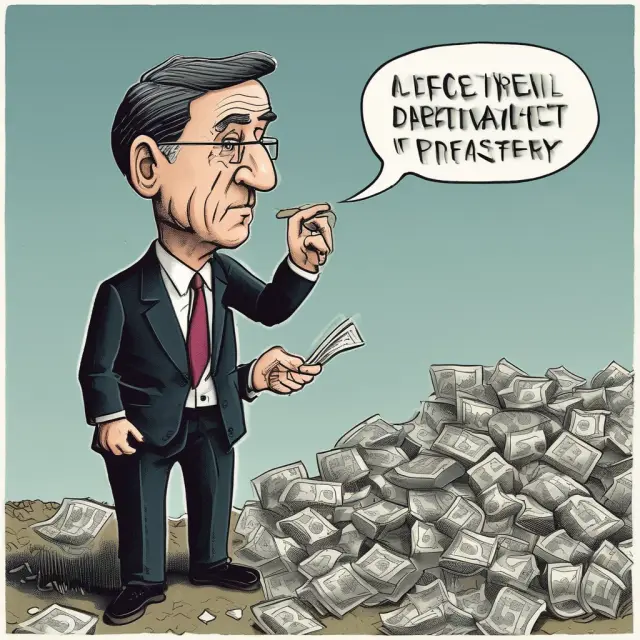
The ECB’s Mario Draghi is another prominent example of a central banker who effectively utilized moral suasion during his tenure. In 2012, Draghi declared that the ECB would “do whatever it takes” to preserve the euro (Draghi, 2012). This statement served to reassure financial markets and underpin the beleaguered currency, leading to its subsequent rebound and demonstrating the power of persuasion in economic contexts.
Understanding Moral Suasion: Differentiating Persuasion from Coercion
Moral suasion contrasts with coercion or the use of force because it relies on persuasive appeals rather than threats or physical compulsion to induce change (Kuttner, 2018). Central bankers employ moral suasion as a means of influencing economic agents’ behavior and shaping their perceptions. This is typically achieved through verbal gestures such as public statements, speeches, and interviews, as well as less obvious forms of communication like body language and tone of voice.
Historical Examples of Effective Moral Suasion
A classic illustration of moral suasion in action is the New York Federal Reserve’s intervention to rescue Long-Term Capital Management (LTCM) in 1998. LTCM, a successful hedge fund, was highly leveraged with $30 of debt for every dollar of capital at that time. The Asian financial crisis destabilized this high-risk investment strategy, sparking concerns about the potential fallout for Wall Street’s major banks as creditors (Rogoff & Reinhart, 2009).
To mitigate these risks, the New York Federal Reserve called a meeting with three banks that had extended loans to LTCM. The central bank played a pivotal role in coordinating a rescue effort, eventually leading to a consortium of fourteen banks bailing out LTCM for $3.6 billion (Greenspan, 2008).
Although this intervention faced criticism due to the perception that LTCM was “too big to fail,” it prevented more aggressive and potentially harmful measures from being implemented. Instead, moral suasion played a crucial role in encouraging cooperation among banks and avoiding broader market disruption.

Understanding Jawboning
Jawboning, a form of moral suasion, is an important tool used by central banks in their efforts to influence economic sentiment and financial markets. The term “jawboning” refers to the persuasive power of verbal communication, which can shape market perceptions without the need for direct coercion or physical force.
Moral suasion, as a concept, seeks to persuade entities to act in a particular manner through rhetorical appeals and implicit threats rather than outright force. In the context of economics, it is often applied when central bankers endeavor to sway market and public sentiment into believing that they are in control of the economy and prepared to intervene if necessary. This persuasion is typically conveyed through speeches, press conferences, or statements made during various monetary policy meetings.
In the United States, moral suasion is commonly referred to as “jawboning.” The Federal Reserve (Fed) and other policymakers employ this tactic when they aim to influence the rate of inflation without resorting to open market operations. As monetary policy tools become less effective—such as the Fed’s limited ability to cut interest rates or significantly increase its balance sheet—central banks increasingly rely on jawboning to convey their intentions and persuade markets of their commitment to specific economic policies.
The power of jawboning lies in the impact it can have on market sentiment and perceptions. Central bankers can influence expectations regarding future monetary policy decisions, interest rates, or inflation targets through their public statements. In some cases, this may be enough to alter investor behavior and influence market trends without having to take more forceful actions.
Jawboning has been an essential tool in the Fed’s arsenal since its early days. During his tenure as chairman, Alan Greenspan famously labeled the prevailing economic mood during the late 1990s as “irrational exuberance.” His remarks were a clear indication that he believed the markets were overheating and set the tone for future monetary policy decisions. When the asset prices eventually collapsed in 2000, critics questioned whether Greenspan had done enough to check the economic exuberance through more proactive measures like interest rate hikes or increased transparency.
More recent central bank heads have made a conscious effort to communicate their policies more clearly and engage more with the public. In an era where traditional monetary policy tools are less effective, jawboning is seen as an essential method for the Fed to convince markets of its commitment to supporting a sustained economic recovery through words rather than deeds when possible.
Jawboning’s impact extends beyond the United States. European Central Bank (ECB) President Mario Draghi’s declaration in 2012 that the bank would “do whatever it takes” to preserve the euro was a powerful example of moral suasion. This statement underpinned the beleaguered currency and helped lead to its subsequent rebound, demonstrating the persuasive power of central bank communication in times of crisis.
A notable historical example of jawboning’s effectiveness is the New York Federal Reserve’s intervention in the bailout of Long-Term Capital Management (LTCM) in 1998. LTCM was a successful hedge fund that amassed significant debt relative to its capital, leaving it vulnerable to the financial crisis caused by the Asian financial crisis. Instead of injecting public funds into the distressed firm, the New York Fed facilitated cooperation among the lenders to bail out LTCM, using persuasion and moral suasion as crucial elements in this process.
While jawboning can be an effective tool for central banks to influence markets, it is not without its criticisms. One concern is that it may create a perception of “too big to fail,” potentially leading to moral hazard issues. Additionally, some argue that the use of moral suasion could be seen as manipulative or even unethical if not communicated transparently and clearly. Despite these concerns, jawboning remains an essential part of central banks’ arsenal in their ongoing efforts to manage and stabilize financial markets and economies.

FedSpeak: Central Bank Transparency and Moral Suasion
Central bank communication, often referred to as “Fedspeak,” is a powerful tool used by central banks like the Federal Reserve (Fed) in persuading markets and influencing economic sentiment. Moral suasion is an integral part of this approach, which involves rhetorical appeals, persuasive gestures, or implicit threats, without resorting to coercion or physical force.
Moral suasion has been a significant aspect of central banking since the 19th century, and its importance has grown as traditional monetary policy tools like interest rates become less effective. By leveraging their power of persuasion, central banks aim to reassure markets about their commitment to maintaining financial stability and economic growth.
Historically, the Fed’s approach to moral suasion has varied. Alan Greenspan, former Federal Reserve Chairman, employed constructive ambiguity, a strategy that avoided clarity on policy intentions. Conversely, his successor, Ben Bernanke, adopted a more transparent communication style by introducing press conferences in 2011, aiming to clarify policy decisions and increase public confidence.
Moral suasion can be utilized both publicly and privately. A well-known example of this tactic is Greenspan’s “irrational exuberance” remark in 1996. Although criticized for not doing enough to quell the financial markets during the subsequent collapse, Greenspeak’s criticism served to remind investors of the potential risks involved and may have played a role in slowing down the asset price inflation.
In recent years, the Fed has emphasized transparency to increase its persuasive powers. With traditional monetary policy tools limited due to near-zero interest rates or a large balance sheet, moral suasion has become an essential tool for maintaining market confidence and shaping economic expectations. This is evident in the ECB’s 2012 statement that “the Eurosystem is ready to do whatever it takes to preserve the euro.” This commitment, made by Mario Draghi, effectively underpinned the euro and facilitated its subsequent rebound.
The power of moral suasion can be seen in historical examples such as the New York Federal Reserve’s intervention during the Long-Term Capital Management (LTCM) crisis in 1998. By pressuring banks to cooperate on a bailout, the Fed demonstrated the importance of collaboration and prevented potential market chaos, without resorting to coercion or direct funding.
While moral suasion has proven successful in influencing markets, it also faces criticisms. Critics argue that it risks creating perceptions of ‘too big to fail,’ potentially undermining market discipline. Furthermore, ethical dilemmas may arise when central banks choose to save certain institutions over others during times of crisis.
In conclusion, moral suasion is an essential tool in the central banker’s arsenal, allowing them to communicate their intentions and influence markets through persuasive gestures and rhetorical appeals. As traditional monetary policy tools become less effective, the power of words becomes increasingly important for maintaining market stability and shaping economic expectations.

Mario Draghi’s ‘Whatever it Takes’ Statement: A Modern Example of Moral Suasion
In modern economic history, Mario Draghi’s 2012 statement, “whatever it takes,” serves as a powerful and pivotal example of moral suasion. Amidst the European debt crisis, where concerns over the potential dissolution of the eurozone were escalating rapidly, Draghi, then-president of the European Central Bank (ECB), made this bold declaration during an annual conference in London on July 26, 2012.
Moral suasion, as previously discussed, refers to central bankers’ use of persuasive tactics in public or private to influence market and public sentiment. The ECB president’s statement served as a crucial turning point in the euro crisis. Draghi did not employ coercion or physical force but instead aimed to persuade markets that the ECB would take decisive action to preserve the euro—and his words carried significant weight.
The escalating European debt crisis, caused by unsustainable sovereign debts and banking sector woes in several countries, threatened the very existence of the euro. With governments reluctant to accept bailout conditions imposed by the European Union (EU), the situation seemed dire.
Draghi stepped up to the plate as a beacon of reassurance when he stated: “Within our mandate, the ECB is ready to do whatever it takes to preserve the euro. And believe me, it will be enough.” These powerful words were not a mere attempt at empty rhetoric but rather an expression of unwavering commitment that resonated with markets and international partners alike.
The statement had a profound impact on financial markets, resulting in the EUR/USD currency pair soaring from 1.23 to 1.40 in a matter of weeks—a substantial shift indicative of newfound confidence in the euro’s future stability. The markets interpreted Draghi’s words as an unequivocal promise that the ECB would take bold measures to protect the euro.
The effectiveness of moral suasion was once again demonstrated through this event. With no explicit policies or actions outlined, Draghi succeeded in convincing markets and governments of his determination to preserve the euro by simply making a powerful public statement. The impact on investor sentiment was palpable as the market rallied around the euro, providing the ECB with the breathing room it needed to implement more targeted measures to address the underlying issues plaguing the European economy.
In essence, Mario Draghi’s ‘whatever it takes’ statement serves as a modern and powerful example of moral suasion—a central banker’s tactic that relies on persuasive language and implicit threats, rather than physical force or coercion, to influence market behavior and public sentiment.

Impact of Moral Suasion on Central Bank Credibility
Moral suasion plays a crucial role in central bank credibility, both positively and negatively. Central banks utilize moral suasion to persuade market participants and the public that they are in control of economic conditions and prepared to act when necessary. The influence of moral suasion on the perception of a central bank’s credibility can be significant; as such, understanding its implications is crucial for investors, economists, and policymakers alike.
One way moral suasion strengthens central bank credibility is by establishing trust in the bank’s commitment to maintaining economic stability. By convincing market participants that the central bank will take decisive action when faced with adverse economic conditions, it bolsters confidence in their ability to mitigate risks and protect against potential crises.
However, there are also risks associated with the use of moral suasion. If a central bank’s persuasive efforts are perceived as insincere or manipulative, its credibility can be negatively affected. In extreme cases, the public may question the central bank’s intentions and begin to lose faith in its ability to effectively manage economic conditions.
An example of moral suasion positively impacting central bank credibility occurred during the European debt crisis when Mario Draghi, then-president of the European Central Bank (ECB), famously declared, “We will do whatever it takes to preserve the euro.” This powerful statement served to underpin the euro and restore confidence in Europe’s single currency.
In contrast, moral suasion can also undermine credibility if it is seen as creating the illusion of ‘too big to fail.’ In 1998, the New York Federal Reserve employed moral suasion during the Long-Term Capital Management (LTCM) crisis by pressuring banks into providing bailout funds, rather than using public money. While the intervention was successful, critics argued that it created a dangerous precedent and eroded confidence in market discipline.
Central bank credibility is essential for maintaining financial stability and ensuring economic growth. Moral suasion is a powerful tool central banks can use to influence markets and public sentiment, but it must be wielded responsibly to maximize its positive impact while minimizing potential risks.
Understanding the nuances of moral suasion and its implications for central bank credibility requires continuous analysis and assessment. As economic conditions change, so too will the role and effectiveness of persuasive tactics employed by central banks in their quest to maintain financial stability and protect against crises.

Moral Suasion vs. Market Intervention: Comparing Central Bank Tools
When it comes to manipulating markets and economies, central banks employ a variety of tools to exert influence. Two such techniques are moral suasion and market intervention. Understanding their differences is crucial for investors and financial enthusiasts interested in economics. Moral suasion and market intervention serve distinct purposes, each playing an integral role in the overall monetary policy framework.
Moral Suasion: The Art of Persuasive Diplomacy
At its core, moral suasion refers to central bankers’ attempts to influence market sentiment and public opinion through persuasive language and communication. It’s essentially a more subtle form of intervention where the central bank uses rhetoric and persuasion to steer markets in a desired direction. This approach can be employed publicly or privately.
Historically, moral suasion has been used in various contexts. One famous instance is Alan Greenspan’s reference to “irrational exuberance” during the late 1990s stock market boom. His comments were intended to cool down investor sentiment and potentially prevent a bubble from forming.
The Fed continues to employ moral suasion today, emphasizing its commitment to maintaining price stability and promoting economic growth through clear communication strategies like press conferences and public statements.
Market Intervention: The Power of Direct Influence
In contrast to moral suasion, market intervention involves direct manipulation of financial markets via the purchase or sale of securities in order to influence prices. Central banks use this tool to manage exchange rates, curb inflation, or stabilize financial markets during times of stress. Market interventions can be carried out in various ways such as open market operations (OMO), foreign currency swaps, and outright purchases.
One well-known example of market intervention is the Plaza Accord Agreement in 1985 when the United States, France, Germany, Japan, and the United Kingdom cooperated to depreciate the US dollar against the Japanese yen and the German Deutsche Mark. This coordinated action aimed to correct the US trade deficit and restore balance between the global economy.
Both moral suasion and market intervention serve as essential tools in a central bank’s monetary policy arsenal. While moral suasion is more subtle and persuasive, market intervention offers a more direct means of exerting control over financial markets. Central banks must carefully weigh the pros and cons of each approach when implementing their policies to ensure they achieve their objectives while maintaining the public’s trust.

Criticisms of Moral Suasion: An Asset or Liability for Central Banks?
Moral suasion has long been a controversial tool employed by central banks, raising both ethical and practical concerns. Critics argue that its use could create a ‘too big to fail’ perception, while others question the morality of influencing market sentiment through persuasive tactics rather than direct intervention. In this section, we explore these criticisms and their implications for central banks.
The ‘Too Big to Fail’ Perception: One of the most significant criticisms aimed at moral suasion is that it could create a dangerous perception of ‘too big to fail.’ When central banks use persuasive tactics to influence markets or individual entities, they can inadvertently send signals that these entities are not allowed to fail. This can lead to moral hazard, as market participants may take on excessive risk, knowing that the central bank is likely to step in if things go awry.
The Ethical Dilemma: Another criticism of moral suasion revolves around its ethical implications. Some argue that it is unfair for central banks to use persuasive tactics to manipulate markets or public sentiment, as it can give an unfair advantage to certain entities while potentially disadvantaging others. Furthermore, it could be seen as a breach of trust between the central bank and the market, raising concerns about transparency and accountability.
Impact on Market Efficiency: Critics also argue that moral suasion can negatively impact market efficiency. By attempting to sway public opinion or influence market sentiment, central banks may create artificial price movements that do not accurately reflect underlying economic fundamentals. This can lead to misallocation of resources and an overall reduction in market efficiency.
Addressing the Criticisms: Despite these criticisms, moral suasion remains a valuable tool for central banks. Central bankers argue that it is essential for maintaining financial stability and supporting economic growth. They also emphasize that their primary goal is to preserve the integrity of the financial system, not to provide an unfair advantage to any particular entity.
Moreover, some argue that moral suasion can be used as a complementary tool alongside more traditional monetary policy instruments. By using persuasive tactics to influence market sentiment and expectations, central banks can potentially reduce the need for more aggressive measures, such as interest rate hikes or large-scale asset purchases.
Conclusion: In conclusion, moral suasion is a powerful tool that has both benefits and drawbacks for central banks. While it can be used to maintain financial stability, preserve market efficiency, and support economic growth, it also raises ethical concerns and potential risks, including the creation of ‘too big to fail’ perceptions and negative impacts on market efficiency. As central banks continue to navigate an increasingly complex economic landscape, they must strike a delicate balance between the benefits and drawbacks of moral suasion and other monetary policy tools.
In future sections, we will explore how central banks have employed moral suasion throughout history and its implications for modern monetary policy. By understanding the origins, uses, and criticisms of moral suasion, we can gain valuable insights into the role and influence of central banks in the global economy.

The Future of Moral Suasion in Economics
As central banks navigate the economic landscape, moral suasion continues to play a significant role in their toolkit. With traditional monetary policy tools, such as interest rate adjustments and quantitative easing, becoming increasingly limited in their efficacy, persuasive tactics have become more essential for influencing market sentiment and expectations.
Moral suasion is an effective method for central banks to signal their intentions and maintain credibility with the financial markets. Central bank communication strategies have evolved over the years, reflecting a growing emphasis on transparency and openness to public engagement. Fed chair Alan Greenspan’s use of “constructive ambiguity” was replaced by Ben Bernanke’s more direct approach in 2011, which included the introduction of press conferences.
Increased jawboning can be seen as a response to the decreased ability of central banks to employ traditional monetary policy tools effectively, such as interest rate cuts or balance sheet expansions. For instance, the Fed has attempted to assure markets that it remains committed to supporting economic recovery through words rather than actions when possible, especially given the low-interest-rate environment and the challenges associated with large balance sheet increases.
Moral suasion is not confined to the United States. The European Central Bank’s (ECB) president Mario Draghi famously declared in 2012 that the bank would do “whatever it takes” to preserve the euro, a statement that underpinned the currency and contributed significantly to its subsequent rebound.
The future of moral suasion lies in its ability to adapt to changing economic conditions and evolving central bank priorities. Central banks will continue to employ persuasive tactics as part of their monetary policy arsenal, ensuring that market expectations align with their intentions and maintaining credibility during periods of uncertainty.
However, the use of moral suasion also presents challenges. Critics argue that it can create perceptions of “too big to fail” entities or create ethical dilemmas when central banks wield significant influence over the financial markets. It is essential for central banks to strike a balance between using moral suasion effectively and maintaining their credibility, while avoiding unintended consequences or potential conflicts of interest.
As we look ahead, moral suasion’s role in shaping monetary policy will continue to be influential. Central banks’ ability to communicate clearly, act decisively, and persuade markets is crucial in a world where traditional monetary policy tools may no longer provide sufficient response to economic challenges. This ability to influence market sentiment and expectations through rhetorical appeals and persuasion will remain an essential aspect of central banking, ensuring that policymakers continue to play a vital role in navigating the complexities of the global economy.
FAQ: Frequently Asked Questions About Moral Suasion
Q1: What is moral suasion?
Moral suasion refers to the use of persuasive tactics by central bankers and other economic influencers, seeking to persuade individuals or entities to act in a certain way through rhetorical appeals, persuasion, or implicit threats. Unlike coercion or physical force, moral suasion relies on the power of words to sway public or market sentiment.
Q2: What is jawboning?
Jawboning is a type of moral suasion that central banks use to influence financial markets and economies through verbal gestures and signalling, rather than relying on more forceful methods like open market operations or interest rate adjustments. The term “jawboning” stems from the idea that these interventions amount to ‘talk’ in contrast to more concrete actions.
Q3: Who uses moral suasion?
Moral suasion is most commonly used by central banks, particularly when they have limited alternatives to boost the economy or influence market sentiment. The Federal Reserve (Fed) and European Central Bank (ECB) are among those known for employing moral suasion in their policy efforts.
Q4: How effective is moral suasion?
Moral suasion can be an effective tool when used strategically, as it allows central banks to influence market and public sentiment without resorting to more forceful measures. However, its success largely depends on the credibility of the issuer and the specific circumstances of the situation.
Q5: What is the history of moral suasion in economics?
The origins of moral suasion can be traced back to the 19th century and the efforts of central banks like the Federal Reserve System (established in 1913) and the Bank of England to influence market sentiment and mitigate financial instability. The technique gained prominence during times of economic turmoil, such as the Asian financial crisis in 1998 and the European debt crisis in 2012.
Q6: What are some examples of moral suasion?
A famous example of moral suasion is the New York Federal Reserve’s intervention to bail out Long-Term Capital Management (LTCM) in 1998, which was done through persuading banks to provide a rescue fund instead of relying on direct public funding. Another example includes Mario Draghi’s statement in 2012 that the European Central Bank would do “whatever it takes” to preserve the euro, which helped underpin the beleaguered currency and prevent its collapse.
Q7: What are the pros and cons of moral suasion?
Pros: Moral suasion is a flexible tool that can be employed without requiring substantial financial resources or economic disruption. It also allows central banks to influence market sentiment in subtle ways, potentially minimizing short-term volatility.
Cons: Moral suasion can create the perception of ‘too big to fail’ and may not always have the intended effect due to varying degrees of market skepticism or uncertainty regarding the issuer’s credibility. In some cases, it may also be seen as an ethical dilemma, particularly if central banks are perceived to favor certain entities over others.
Q8: Does moral suasion have a future in economics?
Given the decreasing effectiveness of traditional monetary policy tools and the increasing importance of market sentiment, moral suasion is expected to remain relevant for central banks seeking to influence economic trends and financial markets. However, its use may be met with increased scrutiny as questions around transparency, credibility, and ethical implications continue to evolve in the economic landscape.
 Next entry · No. 3,266Understanding Moratoriums: What They Are and How They Work in Finance and Bankruptcy
See also
-
 No. 3,997
13 May 2025
21 min
The Plunge Protection Team: Myths and Facts About This Secretive Financial Group
Finance Policy
No. 3,997
13 May 2025
21 min
The Plunge Protection Team: Myths and Facts About This Secretive Financial Group
Finance Policy -
 No. 3,778
26 Apr 2025
20 min
The Order Protection Rule: Ensuring Equitable Execution Prices in Financial Markets
Finance Policy
No. 3,778
26 Apr 2025
20 min
The Order Protection Rule: Ensuring Equitable Execution Prices in Financial Markets
Finance Policy -
 No. 2,327
28 Dec 2024
22 min
Imputed Interest: Understanding Taxable Loans and Securities
Finance Policy
No. 2,327
28 Dec 2024
22 min
Imputed Interest: Understanding Taxable Loans and Securities
Finance Policy -
 No. 1,479
21 Sep 2024
21 min
Understanding the Role and Significance of the Federal Discount Rate in Monetary Policy
Finance Policy
No. 1,479
21 Sep 2024
21 min
Understanding the Role and Significance of the Federal Discount Rate in Monetary Policy
Finance Policy -
 No. 5,699
30 Sep 2025
18 min
Understanding White Papers: Types, Writing Process, and Importance for Investors
Business Finance
No. 5,699
30 Sep 2025
18 min
Understanding White Papers: Types, Writing Process, and Importance for Investors
Business Finance -
 No. 5,315
29 Aug 2025
19 min
Understanding Unstated Interest Paid: Calculating Implicit Interest in Installment Sales
Business Finance
No. 5,315
29 Aug 2025
19 min
Understanding Unstated Interest Paid: Calculating Implicit Interest in Installment Sales
Business Finance