Original Equipment Manufacturer (OEM): Understanding the Role and Significance of OEMs in Finance and Investment

Understanding the role and significance of Original Equipment Manufacturers (OEMs) in various industries, from finance and investment to technology…
Definition and Basics of Original Equipment Manufacturers (OEMs)
An original equipment manufacturer (OEM) is a company that produces components or parts specifically designed for the finished products of another firm. These components are then integrated into the final product by the second company, known as a value-added reseller (VAR), which sells it to end users under its own brand name. The role of an OEM is critical in various industries, including automotive, technology, and electronics.
In today’s business landscape, the relationship between OEMs and VARs has evolved significantly, especially within the tech industry. In some cases, OEMs themselves may sell their products directly to consumers, effectively becoming both an OEM and a VAR simultaneously. This trend is particularly noticeable in sectors such as automotive, where individual buyers can purchase original parts or even complete systems from manufacturers like Nvidia or Intel.
However, the relationship between an original equipment manufacturer and a value-added reseller does not always involve a clear-cut division of responsibilities. In certain industries, OEMs may provide specialized services such as design, engineering, or manufacturing for VARs, who then sell the end product under their own brand name. This partnership can lead to significant advantages for both parties. For instance, OEMs benefit from economies of scale and increased market reach, while VARs leverage the OEM’s expertise in component production and innovation.
A classic example of an OEM is the relationship between an automobile manufacturer and a parts supplier. Automotive OEMs like Ford or General Motors rely on numerous OEMs to produce components such as exhaust systems, brake cylinders, and transmission gears. These parts are then assembled into the final vehicle by the automaker before being sold to dealerships and consumers.
However, it is essential to note that not all OEM-VAR relationships follow this traditional structure. In certain industries like technology, an OEM might refer to a company that provides its products or services for rebranding and resale by another firm under their name. This model is commonly seen in the computer industry, with Microsoft being a well-known example. Microsoft sells its Windows operating system as an OEM license to companies like Dell, HP, and Lenovo, who then bundle it with their own hardware and sell the computers under their respective brand names.
When examining OEMs, it’s essential to distinguish them from other similar terms such as original design manufacturers (ODMs) and aftermarket parts. An ODM is a company that designs and manufactures products based on a client’s specifications but does not own the intellectual property rights for those designs. In contrast, OEMs develop components or parts in-house using their proprietary technology and sell them to other companies for integration into their finished products.
Lastly, it’s crucial to understand that the term ‘OEM’ is not always used consistently within various industries. For instance, in the automotive sector, the term is often interchanged with “original branded equipment” (OBE), emphasizing the unique branding aspect of these parts. In other sectors like technology and consumer goods, OEMs are sometimes referred to as original design manufacturers (ODMs) or even contract manufacturers (CMs). Despite these nuances in terminology, the core concept remains consistent: an OEM is a company that produces components specifically for use by another firm in their finished products.
As our understanding of Original Equipment Manufacturers deepens, it becomes evident that they play a vital role in shaping the business landscape across various industries. In the following sections, we’ll explore how OEMs have evolved within specific sectors such as automotive, computer hardware, and consumer electronics. We’ll also discuss the implications of these trends on finance and investment opportunities.
Traditional vs. Modern OEMs: A Look at Computer Industry Practices
Original Equipment Manufacturers (OEMs) play an essential role in the business world, particularly within the tech industry. The term “original equipment manufacturer” is often used interchangeably with “equipment vendor,” referring to a company that produces parts or components for another firm, which then assembles these parts into a finished product. However, there are different nuances between traditional and modern OEMs in the context of the computer industry, shedding light on their various functions, roles, and implications for investors.
Traditional OEM Definition: A Legacy Business Model
In its conventional sense, an OEM is a company that manufactures components or sub-assemblies for another company, known as a Value-Added Reseller (VAR), to use in the production of their finished product. The VAR adds value by customizing the design and branding, ultimately selling the end product directly to consumers.
For example, consider Intel Corporation that manufactures central processing units (CPUs) for various computer manufacturers, such as Dell, Lenovo, and HP. Intel focuses on producing high-quality CPUs, whereas other firms use these components to create computers under their brand names. The relationship between the OEM and VAR is symbiotic, allowing both companies to benefit from each other’s expertise in their respective areas.
Traditional vs. Modern OEM: A Shift in Perspective
A newer definition of OEMs emerges in the context of the computer industry, where a company can buy products or services and incorporate them into its offerings under its brand name. In this sense, Microsoft Corporation is considered an original equipment manufacturer when it licenses its Windows operating system to companies like Dell Technologies. Microsoft essentially becomes the OEM, while Dell serves as the VAR by incorporating the Windows OS into their computers and selling them as finished products.
Understanding this paradigm shift is crucial for investors in the tech sector, as it can impact valuations and overall market dynamics. For instance, when a well-known brand like Microsoft licensing its software to another company, it can lead to an increase in sales volume and revenue recognition for both parties. On the other hand, an OEM selling its components directly to consumers can potentially capture more value by controlling the entire product value chain and maintaining closer relationships with end users.
Conclusion: Adapting to Market Demands and Shifting Industry Trends
Understanding the evolving roles of traditional and modern OEMs within the computer industry is essential for investors seeking to navigate this complex landscape. As technology continues to advance, these business models may further adapt to meet changing market demands and consumer expectations. The ability to differentiate between OEMs and VARs, as well as recognizing the potential implications of each definition, can be valuable tools in making informed investment decisions within the tech sector.
In conclusion, an original equipment manufacturer (OEM) is a critical component of the business world, particularly in the tech industry. The term encompasses various definitions and roles, with traditional and modern OEMs differing significantly. By understanding these nuances and their implications on the finance and investment landscape, investors can make informed decisions and stay ahead of market trends.
OEMs vs. Aftermarket Parts: Key Differences and Considerations
An Original Equipment Manufacturer (OEM) provides the components for the finished products of another company, typically known as value-added resellers (VARs). However, when it comes to parts in various industries like automotive or computers, there is a need to differentiate OEMs from aftermarket parts. In this section, we will discuss the essential differences between Original Equipment Manufacturers and aftermarket parts based on quality, pricing, and consumer preferences.
Quality:
One significant difference between OEM parts and aftermarket parts lies in their quality. OEM parts are designed and manufactured specifically for a particular make and model of a vehicle or product. They undergo rigorous testing to ensure they meet the highest standards of the original manufacturer. On the other hand, aftermarket parts might not be engineered to fit as perfectly as OEM components. Although some aftermarket parts can mimic the functionality of their OEM counterparts, differences in materials or manufacturing processes may lead to potential performance issues and long-term concerns.
Pricing:
Another distinct aspect is the pricing of these two types of parts. OEM parts typically carry a higher price tag than aftermarket alternatives due to their superior engineering, testing, and brand reputation. However, the extra cost often translates into better quality, durability, and reliability for consumers. Aftermarket parts, on the other hand, may be more affordable since they do not have to bear the same costs associated with engineering, development, and testing.
Consumer Preferences
When it comes to consumer preferences, the choice between OEM and aftermarket parts depends on various factors like budget, vehicle use, and personal preference. For those who prioritize longevity and maintaining their vehicle’s original specifications, investing in OEM parts could be a better option. On the other hand, budget-conscious consumers may choose aftermarket alternatives to save money while still enjoying satisfactory performance for their needs.
Example: In the automotive industry, Hurst Performance is a great example of how an aftermarket producer can become a successful Original Equipment Manufacturer. Originally known as an aftermarket manufacturer producing high-performance shifters for cars, they became so popular that major manufacturers began installing Hurst shifters in their factory designs, effectively turning Hurst into an OEM.
In conclusion, understanding the differences between Original Equipment Manufacturers and aftermarket parts is vital when it comes to making informed decisions about car repairs or investments in various industries. By considering quality, pricing, and consumer preferences, one can make the best choice for their unique situation.

OEMs in the Automotive Industry: Manufacturing for Car Companies
Original Equipment Manufacturers (OEMs) play a vital role in the automotive industry, producing various components for car manufacturers such as Ford, General Motors, and Toyota. These parts range from exhaust systems to brake cylinders, which are then assembled into vehicles by the auto manufacturers. This business relationship is fundamental to the automobile industry’s functioning.
Traditional vs. Modern OEM Definition in the Automotive Industry
The term “Original Equipment Manufacturer” (OEM) has two definitions. In the traditional sense, it refers to a company whose goods are used as components in another firm’s products. In the automotive industry context, OEMs produce and sell parts to car manufacturers, which then integrate these components into their vehicles. A second definition of OEM, more common in the computer industry, describes a company that purchases products from another manufacturer and resells them under its own brand.
The distinction between these two definitions may seem subtle, but understanding this difference can provide valuable insights when analyzing the automotive industry. In our focus on the automobile sector, we’ll delve into the traditional definition of OEM as it pertains to car parts manufacturers and their relationships with automakers.
OEMs vs. Aftermarket Parts
In contrast to OEM parts, aftermarket parts are produced by third-party manufacturers and sold as replacements for original vehicle components. While some aftermarket parts may be interchangeable with the original part, they often differ in quality and price. Consumers typically choose between OEM and aftermarket parts based on their preferences and priorities, such as cost or performance.
The Role of OEMs in Automotive Industry
OEMs are essential to the automotive industry’s functioning, providing critical components that car manufacturers require to build high-quality vehicles. These partnerships help automakers ensure that their vehicles meet the highest standards and maintain strong brand reputations. For instance, a car manufacturer may choose a specific OEM for its brake cylinders due to factors like superior performance or cost savings.
In conclusion, understanding OEMs’ role in the automotive industry provides valuable insights into the manufacturing process behind cars and the relationships between various industry players. By examining these components’ production and usage, we can better appreciate the complex web of partnerships that underpins the automobile sector.
Original Design Manufacturers (ODMs): The Difference between OEM and ODM
An Original Equipment Manufacturer (OEM) is commonly defined as a company that produces components or subassemblies for other companies, which then sell the final product under their own brand. In contrast, an Original Design Manufacturer (ODM) refers to a manufacturer that not only creates products but also designs them specifically for a client company, which then markets and sells the product under its label.
The relationship between OEMs and Original Equipment Manufacturers (OEMs) can be compared to the one between a car manufacturer, like Ford or Toyota, and a parts supplier such as Bosch or Continental AG. The parts supplier manufactures components, such as brakes or airbags, which are then integrated into the final vehicle by the car manufacturer.
However, ODMs go beyond simple component manufacturing. They not only produce the products but also design them according to their client’s requirements, creating a unique and customized solution tailored for each company. In this arrangement, the client takes on the marketing and sales responsibilities while the ODM handles production, research, and development.
An illustrative example of the distinction between OEM and ODM is found in the tech industry, particularly with smartphones. For instance, Apple acts as an ODM when it designs its proprietary chips, such as the A-series processors and custom components like the Taptic Engine or Face ID sensor, which are then integrated into their iPhones. In contrast, Foxconn is considered an OEM in this scenario since they manufacture the final devices based on Apple’s designs and specifications but don’t have a role in product development.
The primary difference between OEM and ODM lies in the level of control and customization each party has over the end product. While an OEM provides raw materials or components for another company to create their own unique products, an ODM goes beyond that by designing, developing, and manufacturing the product from start to finish for its client.
In terms of costs, economies of scale play a significant role in favoring OEMs over ODMs due to lower order quantities and R&D expenses associated with designing new products. Conversely, ODMs provide more flexibility in product customization and can cater to smaller clients who may not be able to afford the high upfront costs of product development.
To summarize, an Original Equipment Manufacturer (OEM) is a company that produces components or subassemblies for other companies, while an Original Design Manufacturer (ODM) designs and manufactures products according to their client’s specifications and requirements. Understanding the differences between these two business models can be crucial when evaluating investment opportunities, particularly in industries where both OEMs and ODMs play essential roles.

OEMs’ Impact on the Stock Market: Investment Analysis
Original Equipment Manufacturers (OEMs) play an influential role in the stock market through their products, partnerships, acquisitions, and strategic collaborations. In this section, we delve into the significant impact OEM companies have on investors by analyzing key factors such as product innovation, financial performance, and market trends.
Product Innovation
Product innovation is a crucial driver for many OEM companies in terms of stock performance. Investors are always on the lookout for companies that can introduce innovative products to the market. For example, Apple Inc., an influential OEM in the technology sector, consistently pushes the envelope with new product releases such as iPhones, MacBooks, and iPads. The anticipation and subsequent demand for these innovative devices can significantly impact Apple’s stock price, making it an attractive investment opportunity for many investors.
Financial Performance
OEM companies are essential to the global supply chain and have a significant influence on the economy. Strong financial performance is another critical factor in OEMs’ impact on the stock market. Factors such as revenue growth, earnings per share (EPS), gross profit margin, and return on equity (ROE) can greatly influence investors’ decisions to buy or sell OEM stocks. For instance, a company like Boeing, an OEM in the aerospace industry, experienced substantial growth following the successful launch of its 787 Dreamliner aircraft model. As a result, investors were eager to purchase Boeing shares due to the positive financial impact this innovation brought to the company.
Strategic Partnerships and Collaborations
OEM partnerships and collaborations can significantly affect stock prices when they involve influential companies. For example, the joint venture between Tesla Motors, an electric vehicle (EV) manufacturer, and Panasonic Corporation in the production of lithium-ion batteries for EVs has had a significant impact on both companies’ stock performance. The strategic collaboration enabled Tesla to secure a stable battery supply while creating new revenue streams for Panasonic through licensing and royalties. Such successful partnerships can lead to increased investor confidence, resulting in higher stock prices for the involved companies.
Acquisitions:
Mergers and acquisitions (M&A) are essential to the growth strategies of various OEMs. Strategically acquiring other companies can help OEMs gain new technologies, expand their product offerings, or enter new markets. For example, Microsoft’s acquisition of GitHub, a popular code hosting platform for developers, significantly boosted Microsoft’s stock price due to its potential to expand Microsoft’s presence in the developer community and its access to GitHub’s user base.
Market Trends
Lastly, market trends can play a significant role in OEM stocks’ performance. For instance, the increasing demand for electric vehicles and renewable energy solutions has led to substantial growth in companies such as Tesla, NVIDIA, and SolarEdge Technologies. Investors seeking exposure to these emerging markets have shown strong interest in purchasing stocks of these OEMs, driving up their share prices as a result.
Conclusion:
In conclusion, Original Equipment Manufacturers (OEMs) significantly impact the stock market through product innovation, financial performance, strategic partnerships, acquisitions, and market trends. By staying informed about these factors, investors can make informed decisions when it comes to investing in OEM stocks. As technology, automotive, and other industries continue to evolve, the role of OEMs will only become more critical in shaping market dynamics and investor sentiment.

Regulations and Standards for OEMs in Various Industries
Original Equipment Manufacturers (OEMs) play an essential role in several industries. From automotive to technology, OEMs provide critical components that are often the foundation of larger products or systems. However, these businesses must adhere to various regulations and standards that ensure product quality and safety while also maintaining competitiveness.
In the automotive industry, regulatory bodies like the National Highway Traffic Safety Administration (NHTSA) and European Union’s type approval agencies regulate vehicle safety and emissions standards. OEMs must comply with these regulations to sell their parts or vehicles domestically and internationally. For instance, vehicle manufacturers must follow specific standards for engine performance, exhaust systems, fuel efficiency, and occupant protection (seat belts, airbags, etc.).
In the technology sector, adherence to standards is essential as well. Organizations like the International Organization for Standardization (ISO) and the Institute of Electrical and Electronics Engineers (IEEE) create technical standards that guide manufacturers in designing and producing electronic components, software, and systems. These industry-defined standards help ensure compatibility and interoperability among various products, making it easier for consumers to make informed purchasing decisions and businesses to develop integrated solutions.
Another significant aspect of OEM regulations is intellectual property protection, particularly patents. Companies invest substantial resources in research and development, and protecting their intellectual assets through patent filings is crucial for maintaining a competitive edge. The World Trade Organization (WTO) supports international cooperation on intellectual property rights to encourage innovation and economic growth.
Quality certifications like ISO 9001:2015 and TS/TQM standards are widely adopted by OEMs across various industries. These quality management systems help ensure that the organization’s processes, services, and products meet or exceed customer expectations. Adherence to such certifications can lead to increased market access and enhanced brand reputation.
One example of regulations impacting OEMs is the European Union’s REACH Regulation (Registration, Evaluation, Authorization, and Restriction of Chemicals). This regulation focuses on controlling the production and use of chemical substances in various industries, including manufacturing. REACH sets requirements for OEMs to assess, register, and manage risks associated with chemical substances used in their products throughout the entire supply chain.
In conclusion, Original Equipment Manufacturers (OEMs) operate in a dynamic business landscape where they must balance regulatory compliance, quality standards, and innovation. Meeting these obligations helps OEMs maintain competitive advantages, protect intellectual property, and ultimately deliver high-quality products to consumers while ensuring market accessibility.
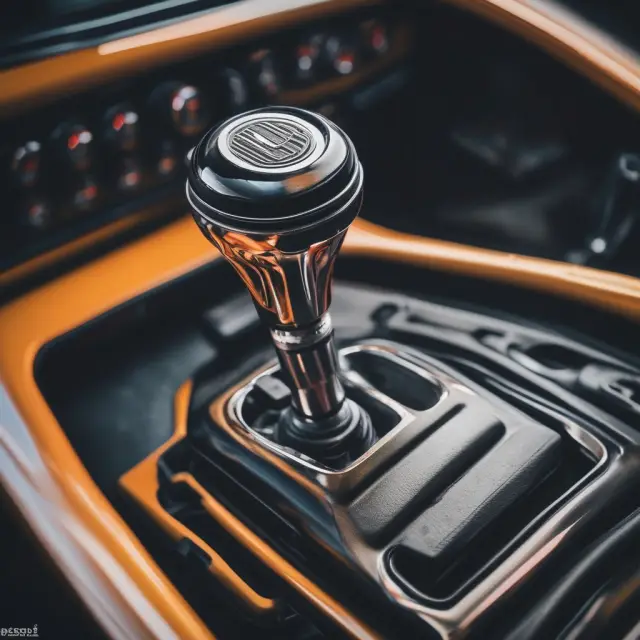
Case Study: Hurst Performance – From Aftermarket to Original Equipment Manufacturer
Hurst Performance is an excellent example of how an aftermarket producer can evolve into a successful original equipment manufacturer (OEM). The company, based in Warminster Township, Pennsylvania, initially gained fame for its superior shifters designed for automobiles.
When Hurst Performance started out, it operated as an aftermarket parts supplier, providing replacement gear shifters to various car enthusiasts and even OEMs that wanted to upgrade their standard shifters. These high-performance shifters were often preferred by consumers because they offered smoother shifts, quicker response times, and a more engaging driving experience.
However, Hurst Performance’s reputation for quality soon caught the attention of major automobile manufacturers. They approached Hurst Performance to provide OEM parts, specifically for their high-end models. This marked a turning point in Hurst Performance’s business strategy – instead of selling aftermarket shifters as replacement parts, they began to manufacture and supply OEM-quality shifters directly to car companies for installation in their vehicles.
The shift from an aftermarket player to an original equipment manufacturer (OEM) brought several advantages for Hurst Performance:
- Brand recognition: As the provider of OEM parts for some of the most well-known automobile brands, Hurst Performance gained a significant boost in brand awareness and reputation.
- Consistent demand: By becoming an OEM supplier to multiple car manufacturers, Hurst Performance ensured consistent demand for their products instead of relying on the sporadic sales of aftermarket parts.
- Long-term relationships: The OEM partnerships allowed Hurst Performance to establish long-term relationships with automobile companies, providing a stable foundation for growth and future collaborations.
- Higher margins: As an OEM supplier, Hurst Performance was able to command higher prices for their products due to the exclusivity and value that OEM parts bring to the final product sold by car manufacturers.
- Continuous improvement: By working directly with automobile manufacturers and gaining insight into their design and manufacturing processes, Hurst Performance was able to continually innovate and improve its shifter technology while staying ahead of the competition.
As a result of this strategic shift, Hurst Performance’s revenue grew substantially, making it one of the most successful aftermarket-to-OEM transitions in automotive history. The company’s story serves as an inspiration for businesses looking to expand their offerings and reach new heights by becoming original equipment manufacturers.

Market Trends and Future Outlook for OEM Industry
The role and influence of Original Equipment Manufacturers (OEMs) have significantly evolved in various industries over the years. In this section, we will examine current market trends and future prospects for several sectors that extensively rely on OEMs, including technology, automotive, and others.
1. Technology:
The technology sector has undergone a tremendous shift from traditional OEM business models to more dynamic open-source platforms, allowing companies like Google (Android), Apple (iOS), and Linux to dominate the market with their operating systems. These companies license their technologies to various hardware manufacturers such as Samsung, Huawei, Lenovo, and Asus. This shift allows for greater customizability, innovation, and competition among OEMs and VARs (Value-Added Resellers).
Moreover, the rise of cloud computing, AI, and IoT (Internet of Things) has paved the way for new business opportunities in the technology industry. In this context, OEMs need to adapt by focusing on developing cutting-edge technologies to provide value-added services and stay competitive. For instance, NVIDIA, a leading GPU manufacturer, has expanded its portfolio beyond graphics processing units (GPUs) by integrating AI capabilities into their products, catering to the growing demand for advanced technology solutions in various industries.
2. Automotive:
The automotive industry is another sector where OEMs play a crucial role in designing and manufacturing components used by vehicle manufacturers such as Ford, General Motors, Toyota, and Volkswagen. While the traditional definition of OEMs as component providers still holds true, there are noticeable shifts towards vertical integration and collaboration between automotive companies and OEMs to shorten development cycles and stay competitive in the rapidly evolving market.
Moreover, emerging technologies such as electric vehicles (EVs) and autonomous driving have given rise to new business models and opportunities for OEMs in the automotive industry. Companies like Tesla, Rivian, and NIO have disrupted the traditional automobile manufacturing landscape by focusing on advanced technology solutions, while established players like BMW and Audi are partnering with tech giants such as Intel and Google to stay competitive.
3. Other Industries:
The aerospace, construction, and industrial equipment industries also rely heavily on OEMs for critical components and systems design. In these sectors, OEMs play an essential role in research and development, manufacturing, and assembly of complex products that require significant expertise, investment, and resources.
In the aerospace industry, companies such as Rolls-Royce, GE Aviation, and Pratt & Whitney provide components for leading aircraft manufacturers like Boeing and Airbus. In construction, OEMs such as Caterpillar, Volvo Construction Equipment, and Komatsu produce heavy machinery used in various applications, while industrial equipment OEMs like Siemens and Schneider Electric provide solutions for power generation, automation, and control systems.
In conclusion, the role of Original Equipment Manufacturers (OEMs) continues to be a significant driving force within various industries. As technology advances and market dynamics shift, it’s crucial for OEMs to stay innovative, adapt to new business models, and collaborate with key players to create value-added products and services that cater to the evolving needs of their customers and end users.

FAQ: Common Questions About Original Equipment Manufacturers
An original equipment manufacturer (OEM) is a company that manufactures components or parts specifically for another business to use in its products. In some cases, OEMs might also sell their goods directly to the public or end users, but traditionally, they focus on business-to-business sales.
Question 1: What sets an original equipment manufacturer apart from other manufacturers?
Answer: An original equipment manufacturer creates parts for another company (value-added reseller or VAR) to use in its finished products. This relationship is essential because the OEM does not sell directly to consumers but focuses on supplying components that a VAR will incorporate into their product, enhancing it with additional features and services.
Question 2: What are some examples of industries where original equipment manufacturers play a significant role?
Answer: The computer industry is one example where the term OEM has evolved in recent times. Traditionally, OEMs were companies that manufactured components or parts for other businesses to use in their finished products. However, with the rise of technology and personal computers, companies like Microsoft have become original equipment manufacturers themselves by supplying operating systems (Windows) to other computer manufacturers.
Question 3: How does the relationship between an original equipment manufacturer and a value-added reseller work?
Answer: An OEM provides components or parts for a VAR, which then assembles these parts into a finished product and sells it to consumers under its own brand name. The VAR adds value to the product by incorporating their design features, customization, or additional services.
Question 4: How do original equipment manufacturers differ from aftermarket parts?
Answer: Original equipment manufacturer (OEM) parts are created specifically for a particular product or vehicle, while aftermarket parts are generic replacement parts produced by a third-party manufacturer. OEM parts offer better quality, reliability, and fit compared to aftermarket alternatives. However, they can be more expensive due to their specific design and manufacturing process.
Question 5: What is the difference between an original equipment manufacturer and an original design manufacturer?
Answer: An original equipment manufacturer (OEM) focuses on creating parts for a VAR’s finished product, whereas an original design manufacturer (ODM) designs and produces products based on a client company’s specifications. ODM companies do not sell the products under their own brand name; instead, they manufacture and customize products based on the client’s requirements before selling them under the client’s brand.
Question 6: Can original equipment manufacturers sell directly to consumers?
Answer: Yes, some original equipment manufacturers (OEMs) now sell their parts or services directly to consumers through various channels like online retailers or authorized dealerships. This trend is becoming increasingly common as OEMs aim to cater to DIY enthusiasts and individuals who prefer to buy authentic components for their devices or vehicles.
Question 7: What is the role of an original equipment manufacturer in the automotive industry?
Answer: In the automotive industry, original equipment manufacturers (OEMs) create parts like exhaust systems or brake cylinders that are used by car manufacturers to build cars. The OEMs sell these parts to the car manufacturer, who then assembles them into a completed vehicle. The final product is then sold through authorized dealerships and branded with the car manufacturer’s logo.
Question 8: What are some advantages of using original equipment manufacturer (OEM) parts over aftermarket alternatives?
Answer: Original equipment manufacturer (OEM) parts offer several advantages over aftermarket parts, including a better fit, improved performance, and increased reliability due to their specific design for the product or vehicle. Additionally, OEM parts are often covered under the manufacturer’s warranty, providing peace of mind for consumers.
Question 9: What is an original equipment manufacturer in the context of cars?
Answer: In the automotive industry, an original equipment manufacturer (OEM) refers to a company that manufactures components or parts specifically for use in vehicles produced by other manufacturers. These parts are designed to meet the exact specifications and quality standards set by the car manufacturer, ensuring optimal performance and reliability.
 Next entry · No. 3,629Understanding the Role and Importance of OEX Options in Financial Markets
See also
-
 No. 1,377
06 Sep 2024
24 min
Understanding Excess Capacity: Causes, Consequences and the Global Impact
Business Strategy
No. 1,377
06 Sep 2024
24 min
Understanding Excess Capacity: Causes, Consequences and the Global Impact
Business Strategy -
 No. 5,513
15 Sep 2025
18 min
VoIP: Understanding the Revolutionary Technology Transforming Communication in Finance and Investment
Business Finance
No. 5,513
15 Sep 2025
18 min
VoIP: Understanding the Revolutionary Technology Transforming Communication in Finance and Investment
Business Finance -
 No. 5,431
08 Sep 2025
37 min
Understanding Variable Cost-Plus Pricing in Finance and Investment: Advantages, Disadvantages, and Applications
Business Finance
No. 5,431
08 Sep 2025
37 min
Understanding Variable Cost-Plus Pricing in Finance and Investment: Advantages, Disadvantages, and Applications
Business Finance -
 No. 5,252
24 Aug 2025
16 min
Unilateral Contracts: Understanding One-Sided Agreements in Finance and Investment
Business Finance
No. 5,252
24 Aug 2025
16 min
Unilateral Contracts: Understanding One-Sided Agreements in Finance and Investment
Business Finance -
 No. 5,174
17 Aug 2025
19 min
Understanding Underapplied Overhead: Definition, Causes, Impact and Differences with Overapplied Overhead
Business Finance
No. 5,174
17 Aug 2025
19 min
Understanding Underapplied Overhead: Definition, Causes, Impact and Differences with Overapplied Overhead
Business Finance -
 No. 4,894
25 Jul 2025
20 min
Understanding the Impact of the Tax Reform Acts of 1986 and 1993 on Finance and Investment
Business Finance
No. 4,894
25 Jul 2025
20 min
Understanding the Impact of the Tax Reform Acts of 1986 and 1993 on Finance and Investment
Business Finance