PEST Analysis: Understanding the External Factors Impacting Your Business

Learn how PEST analysis informs businesses by understanding political, economic, social, and technological factors in strategic planning.
Introduction to PEST Analysis
PEST analysis is a powerful strategic planning tool utilized by businesses to comprehend and respond effectively to the external factors that impact their operations. The acronym PEST stands for Political, Economic, Social, and Technological factors, which collectively represent the significant influences on business environments. PEST analysis’s roots can be traced back to Harvard Business School professor Francis J. Aguilar, who first introduced it in his 1967 publication “Scanning the Business Environment.” Originally called ETPS (Environmental Scanning Techniques and Procedures for Strategic Planning), the framework was later modified to create a more memorable and convenient acronym.
PEST analysis plays a crucial role in helping businesses understand their competitive landscape and adapt to macro-level changes within their industry or market. This method is particularly valuable for larger organizations dealing with significant external factors that can impact profitability, as it enables them to capitalize on opportunities and manage risks more effectively. PEST analysis has become synonymous with strategic planning, providing organizations with the knowledge required to navigate the intricacies of a dynamic business environment.
Understanding PEST Analysis: Key Components and Applications
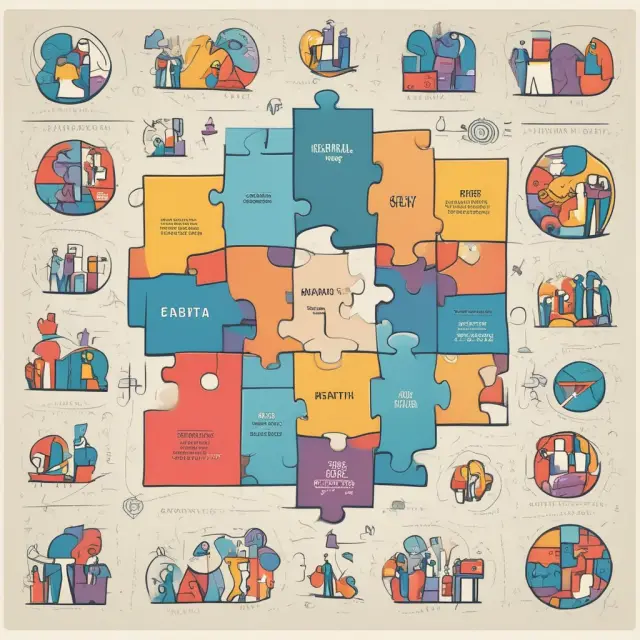
A comprehensive PEST analysis assesses major external factors across four primary areas that influence an organization’s position within its market or sector: political, economic, social, and technological (PEST). Each area offers unique insights into the forces shaping a business and the potential opportunities and risks it faces. In this section, we will delve deeper into each PEST component and explore their respective applications.
Stay tuned for more detailed sections on the importance of PEST analysis for strategic planning, an overview of each factor’s specific components, political factors, economic factors, social factors, technological factors, and the comparison between PEST and SWOT analysis. By examining these aspects in depth, we will provide you with a solid foundation to effectively apply PEST analysis in your own business environment.

The Importance of PEST Analysis for Strategic Planning
PEST analysis serves as a powerful tool for businesses aiming to remain competitive in their respective industries by staying informed of the major external factors affecting their operation. The significance of PEST analysis lies not only in its ability to provide an organization with valuable insights into potential challenges and opportunities but also in facilitating strategic planning that maximizes the company’s strengths, minimizes weaknesses, and optimally capitalizes on external conditions. By performing a PEST analysis, businesses can make informed decisions regarding their marketing strategies, product development, and resource allocation.
PEST analysis is particularly useful for organizations operating in an environment prone to significant change or characterized by numerous regulatory requirements, as well as those facing intense competition. By focusing on the political, economic, social, and technological factors that impact their business, these organizations can be better prepared for external changes and develop strategies designed to capitalize on opportunities while minimizing risks.
One of the most noteworthy aspects of PEST analysis is its applicability across industries and organizational sizes. Whether you are a large multinational corporation or a small local business, understanding the external factors affecting your operation is essential for achieving long-term success. This versatility is one of the primary reasons why PEST analysis has remained a widely adopted strategic planning tool throughout various sectors over several decades.
Additionally, the use of PEST analysis complements other strategic planning methods, such as SWOT analysis (strengths, weaknesses, opportunities, and threats). By combining these two approaches, businesses can gain a comprehensive understanding of both their internal and external environment, enabling them to develop well-rounded strategies for growth and success.
In summary, the importance of PEST analysis lies in its ability to provide organizations with valuable insights into the major external factors affecting their operation and aid in strategic planning designed to capitalize on opportunities and minimize risks. This versatile tool can be applied across industries and organizational sizes, making it a vital component for businesses seeking long-term success.

Overview of PEST Analysis Components
PEST Analysis (Political, Economic, Social, and Technological) is a strategic tool used by organizations to assess external factors influencing their business environment. First introduced under the name ETPS by Harvard professor Francis J. Aguilar in the late 1960s, this method has evolved into an indispensable strategy for staying competitive. Let us take a closer look at each component of PEST analysis:
1. Political Factors: Government policies and legislation can significantly impact businesses, both positively and negatively. These factors include taxation laws, trade regulations, international relations, and political stability. Political instability or change may create risks for businesses, while favorable government policies could create opportunities. For instance, a company operating in a country undergoing democratic reforms might benefit from the implementation of new business-friendly legislation.
2. Economic Factors: Economic conditions play a vital role in shaping the business landscape. Key economic factors include interest rates, inflation, exchange rates, economic growth, supply and demand, and recession. Economic conditions can present challenges or opportunities to businesses, depending on their industry and specific situation. For example, an increase in interest rates might negatively impact borrowing costs for a business, but it could also lead to higher savings rates and increased disposable income for consumers, potentially driving demand for goods and services.
3. Social Factors: Demographic changes, cultural attitudes, and workplace trends are all social factors that can influence businesses. For example, the aging population in many developed countries is leading to a growing demand for health-related products and services. Similarly, changing consumer preferences and values, such as a growing focus on environmental sustainability, can impact businesses across various industries.
4. Technological Factors: Technological innovations can significantly impact industries and organizations, with rapid advancements in technology shaping the competitive landscape. Companies must keep up with the latest technologies to remain competitive or risk being left behind. For example, a shift towards remote work brought about by advances in communication technology has drastically changed how many businesses operate.
By analyzing these external factors, organizations can adapt their strategies to capitalize on opportunities and minimize risks, making PEST analysis an essential tool for strategic planning.

Political Factors in PEST Analysis
The Political aspect of PEST analysis is crucial as it deals with the external factors that significantly influence organizations and industries through government policies, legislation, and international relations. These elements can have a profound impact on an organization’s operations, profitability, and competitiveness. Let us examine some political factors that are often considered in PEST Analysis:
1. Government Policies: Government policies play a significant role in the external environment of businesses. Laws and regulations enacted by the government can create opportunities or present challenges. For instance, a new tax law could reduce corporate taxes for businesses, resulting in increased profitability. Alternatively, it may introduce additional compliance costs that can hinder an organization’s growth.
2. Taxes: The tax environment is an essential consideration when conducting PEST analysis. Changes to tax laws or policies can impact the financial performance of a business substantially. For example, changes to income tax rates, capital gains taxes, property taxes, and payroll taxes can affect the disposable income available to consumers, ultimately influencing demand for goods and services.
3. Trade Policies: International trade policies significantly influence businesses as they affect the import/export industry and international competition. Protectionist trade policies may raise tariffs on imported goods, making them more expensive for domestic consumers. Conversely, free trade agreements can result in reduced barriers to entry and increased opportunities for businesses to expand their reach into foreign markets.
4. Employment Laws: Labor market regulations, such as minimum wage laws or labor protection regulations, can significantly influence a business’s cost structure. Changes to these laws can impact an organization’s hiring decisions, employee compensation, and overall competitiveness within its industry.
5. Political Stability: The political stability of a country is essential for businesses operating internationally. A stable government, predictable political environment, and a fair legal system are crucial for fostering business confidence. On the other hand, unstable political climates, characterized by frequent regime changes or conflicts, can negatively impact investor sentiment and hinder growth opportunities.
6. Regulatory Environment: The regulatory environment can have an immense influence on industries and businesses. Compliance costs associated with various regulations can increase operational expenses. Moreover, inconsistent enforcement of regulations can create uncertainty and unpredictability for organizations.
7. Economic Sanctions: Economic sanctions imposed by governments or international organizations can significantly affect the profitability of certain sectors or companies. For instance, restrictions on trading with specific countries can limit business opportunities or even force closures for those heavily dependent on foreign markets.
8. International Relations: International relations between nations can create both challenges and opportunities for businesses. Diplomatic tensions, wars, trade disputes, and alliances can impact industries and their competitive landscape. For example, a conflict between two major trading partners could disrupt global supply chains and result in shortages or increased prices for certain goods and services.
In conclusion, the political factors influencing an organization’s external environment should not be overlooked when conducting a PEST Analysis. Understanding these factors can help businesses capitalize on opportunities, manage challenges effectively, and adapt to changes that may impact their industry and operations.

Economic Factors in PEST Analysis
The economic component of the PEST analysis is a crucial element in understanding how external economic factors can impact an organization and the industries it operates within. Economic conditions, such as interest rates, inflation, exchange rates, and economic growth, play a significant role in shaping the business environment. Let’s dive deeper into each economic factor.
Interest Rates: Interest rates are a critical element of economic factors that can have an influential impact on businesses. Higher interest rates increase borrowing costs, making it harder for companies to expand or take on new projects. Conversely, lower interest rates make it easier for firms to borrow money and invest in their future growth.
Inflation: Inflation refers to the steady rise in prices of goods and services over time. This economic condition can negatively affect businesses by reducing purchasing power, increasing production costs, and potentially leading to increased labor costs. However, a moderate level of inflation can also encourage consumer spending and investment.
Exchange Rates: Exchange rates represent the value of one currency compared to another and impact businesses that operate internationally or have international trade relations. A strong exchange rate makes imports cheaper for domestic consumers, while making exports more expensive for foreign buyers. Conversely, a weak exchange rate results in higher import costs for domestic companies and cheaper exports for international customers.
Economic Growth: Economic growth is an essential factor that determines the overall health of an economy. When the economy grows, businesses benefit from increased consumer spending, expansion opportunities, and potential tax incentives. On the other hand, a slowing or contracting economy can lead to decreased sales, reduced employment opportunities, and potential cost-cutting measures for businesses.
Supply and Demand: The relationship between supply and demand is a fundamental concept in economics that influences both individual markets and the overall economy. An imbalance between supply and demand can impact prices, production decisions, and the profitability of various industries.
Recession: A recession is a significant decline in economic activity that lasts for several months or more. This economic condition can lead to decreased consumer spending, higher unemployment rates, and reduced business profits. Companies may be forced to reevaluate their strategies and consider cost-cutting measures during a recession.
In conclusion, understanding the economic factors that influence businesses is crucial in developing effective strategic plans. A comprehensive PEST analysis will help organizations recognize opportunities and challenges presented by economic conditions, allowing them to make informed decisions and adapt to a changing business landscape. In the next section, we’ll explore how political factors impact organizations and industries.

Social Factors in PEST Analysis
The social component of the PEST analysis framework is crucial for understanding how demographics, cultural attitudes, and workplace trends impact businesses. Social factors represent changes in society that can significantly influence various aspects of business operations. These factors include demographic shifts, cultural values, and workplace trends, among others. Understanding these influences helps businesses tailor their offerings and adapt to the evolving market landscape.
Demographics – The Changing Population Landscape
Understanding demographics is vital in designing products and services that cater to various age groups and socioeconomic classes. Demographic shifts can lead to new opportunities or challenges for businesses. For example, an aging population might create demand for healthcare services and retirement living facilities. Conversely, a younger demographic could push innovation in technology and consumer goods, as seen with the rise of social media platforms targeting Generation Z consumers.
Cultural Attitudes – The Role of Values and Beliefs
Cultural attitudes can impact businesses through shaping consumer preferences and behaviors. These shifts can manifest in various ways, such as changes in social norms or ethical practices. For example, growing awareness of environmental sustainability has led to a surge in demand for eco-friendly products and services. Additionally, shifting attitudes towards gender roles have influenced companies to reconsider their marketing strategies and workplace policies.
Workplace Trends – Adapting to the Changing Workforce
Finally, understanding workplace trends is essential for businesses aiming to attract and retain talent. This includes factors such as flexible work arrangements, employee benefits, and corporate culture. A business that adapts to these trends can boost its competitiveness in the marketplace. For instance, a company offering remote work options may appeal to a wider pool of candidates, enhancing their recruitment efforts.
Effective PEST Analysis involves examining social factors in depth and understanding how they impact businesses on both a macro and micro level. By staying attuned to these changes, organizations can respond effectively and capitalize on opportunities as they arise. In the next section, we will discuss political factors that influence businesses through government policies and international relations.

Technological Factors in PEST Analysis
Technology has become an essential factor in driving innovation, efficiency, and competitiveness within businesses. In PEST analysis, the technological component considers the role and development of technologies specific to industries and organizations. Understanding this dimension is crucial for identifying potential opportunities and addressing challenges that arise from technological advancements.
1. Technological trends: The ever-evolving nature of technology can significantly impact various industries. Keeping up with emerging technologies and understanding their potential implications can help businesses capitalize on new opportunities or adapt to changing market conditions. For instance, the widespread adoption of e-commerce has transformed retail industries, requiring brick-and-mortar stores to digitize and implement online sales channels.
2. Technological innovation: Advancements in technology can lead to new products and services, disrupting entire markets or creating entirely new ones. Companies should stay informed about technological innovations that could potentially impact their business, enabling them to adapt quickly and remain competitive. For example, the rise of ride-hailing apps like Uber transformed the taxi industry by offering a more convenient, affordable, and personalized customer experience.
3. Technological infrastructure: Businesses need to invest in and maintain robust technological infrastructure to remain competitive. This includes upgrading hardware, software, and systems as necessary. Additionally, organizations must ensure their cybersecurity is strong enough to protect sensitive data from cyber threats.
4. Government regulations and policies: Governments may enact regulations or policies that affect the technology landscape for businesses. Companies should monitor these developments closely and adapt accordingly. For example, privacy laws like GDPR can significantly impact how businesses handle user data and interact with customers online.
5. Technological competition: Rapid technological advancements can create intense competition, forcing businesses to invest heavily in innovation to maintain their market position. Keeping track of competitors’ technological capabilities and responding accordingly is crucial for remaining competitive. For example, a business may need to develop a proprietary technology or differentiate itself through its customer service or user experience to stand out from competitors.
6. Technological collaboration: Partnerships with other organizations or technology providers can offer several benefits, such as accessing new technologies, sharing expertise and resources, and reducing costs. Companies should explore potential collaborations that align with their strategic objectives and help them adapt to the evolving technological landscape.
In conclusion, technological factors play a significant role in shaping businesses’ external environments. By incorporating technology into PEST analysis, organizations can better understand these influences and make informed decisions about their strategies and operations. Adopting a proactive approach to technological trends and advancements allows businesses to capitalize on opportunities, manage challenges, and maintain a competitive edge.
Applications of PEST Analysis
PEST analysis serves as an essential tool for organizations to understand and respond effectively to the external factors that significantly impact their businesses. The knowledge gained from this analysis facilitates better strategic planning and more informed decision-making. In this section, we delve deeper into the practical applications of PEST analysis: identifying opportunities, managing challenges, and enhancing internal organization.
Opportunity Recognition
PEST analysis aids organizations in recognizing potential opportunities presented by existing conditions within their industries or markets. By examining political, economic, social, and technological factors, businesses can stay ahead of competitors by seizing emerging trends and capitalizing on favorable conditions. For instance, the implementation of a new government policy that boosts foreign investment in a specific sector could create opportunities for businesses to expand or enter the market.
Managing Challenges
PEST analysis also plays an integral role in helping organizations prepare for and effectively manage challenges posed by external factors. For example, understanding the economic implications of inflation can enable businesses to adopt pricing strategies that mitigate its impact on their profitability. Similarly, being aware of social shifts in consumer preferences or demographic changes can inform product development and marketing initiatives.
Internal Organization Enhancement
PEST analysis extends beyond assessing external factors, as it can also be applied to evaluating internal structures and processes. By examining the political climate within an organization and identifying strengths and weaknesses, businesses can initiate improvements to their internal operations. For instance, addressing suboptimal economic practices or outdated technology can lead to increased efficiency and cost savings.
PEST Analysis in Combination with SWOT
To achieve a more comprehensive analysis, PEST is often used in conjunction with another strategic planning tool called the SWOT (strengths, weaknesses, opportunities, and threats) model. Comparing the results of these analyses provides a solid foundation for informed decision-making, allowing businesses to effectively capitalize on opportunities while addressing challenges and improving internal operations.
By integrating PEST analysis into your strategic planning process, you position your organization for success in a constantly evolving business landscape. Whether it’s identifying emerging trends or adapting to shifting external factors, this powerful tool equips you with the knowledge needed to navigate the complexities of your industry and maintain a competitive edge.

PEST vs SWOT Analysis
When it comes to strategic planning, two popular methods that business organizations frequently use are PEST and SWOT analysis. Both of these methodologies offer valuable insights into the internal and external factors influencing a business’s success. However, each approach has its unique focus and scope. In this section, we will discuss the differences between PEST and SWOT analyses to help you understand how best to employ them in your organization.
Firstly, let us briefly recap what PEST analysis entails. As previously mentioned, PEST stands for Political, Economic, Social, and Technological factors. This methodology enables organizations to evaluate major external factors that influence their operations within their particular market. By examining these areas, businesses can better understand the environment in which they operate and adjust their strategies accordingly.
Now let’s turn our attention to SWOT analysis. SWOT stands for Strengths, Weaknesses, Opportunities, and Threats. This framework allows organizations to examine their internal strengths and weaknesses as well as external opportunities and threats. Through this evaluation, businesses can identify potential competitive advantages and determine how best to address any shortcomings or vulnerabilities.
The primary difference between these two methodologies lies in their focus. PEST analysis is solely concerned with external factors outside the organization’s control, whereas SWOT analysis takes into account both internal and external factors. While PEST analysis provides a broader understanding of the macroenvironmental conditions, SWOT analysis delves deeper into the organization’s specific strengths and weaknesses that can influence its competitive position within this environment.
To maximize the benefits of both methodologies, it is recommended to use them in combination. By conducting a PEST analysis first, organizations can identify key external factors they need to address when performing their SWOT assessment. In turn, the insights gained from SWOT analysis enable businesses to develop strategies for capitalizing on their strengths and addressing their weaknesses within the context of these external factors.
An effective way to employ this combination is by conducting a PEST analysis as the foundation for your strategic planning process. This analysis will help you understand the external landscape in which your organization operates, allowing you to tailor your SWOT assessment accordingly. In turn, the results from your SWOT analysis can inform your business strategy, ensuring that it addresses both the opportunities and challenges presented by the macroenvironment as well as the specific strengths and weaknesses of your organization.
In conclusion, PEST and SWOT analyses serve distinct yet complementary roles in strategic planning. While PEST analysis provides an understanding of external factors outside the organization’s control, SWOT analysis focuses on internal factors that can influence a business’s competitive position within this environment. By using these methodologies together, organizations can develop comprehensive and effective strategies tailored to their unique circumstances.

Conclusion: Maximizing the Value of PEST Analysis
In today’s rapidly changing business environment, it’s crucial for organizations to stay informed and adaptable in order to remain competitive. PEST analysis offers a valuable tool for assessing external factors that can significantly impact an organization’s success. By examining the political, economic, social, and technological landscapes, businesses can identify opportunities and mitigate risks, ultimately contributing to more effective strategic planning.
Political Factors, such as government policies and legislation, have a profound impact on industries and individual organizations. Economic factors like interest rates, inflation, and exchange rates shape the financial health of businesses and markets. Social factors, which include demographics, cultural attitudes, and workplace trends, influence consumer behavior and workforce dynamics. Technological factors bring about continuous change in the way companies operate and deliver value to their customers.
By conducting a thorough PEST analysis, organizations can better understand the external forces at play and make informed decisions based on this knowledge. The information gained from this analysis can inform strategic planning initiatives that help businesses capitalize on opportunities and manage risks effectively. It can also reveal areas for improvement within the organization itself, enabling businesses to optimize their internal operations in response to the external environment.
PEST analysis is not a one-time process; it should be conducted regularly to stay current with the evolving business landscape. Organizations that consistently use PEST analysis as part of their strategic planning will have an advantage over those who do not, as they’ll be more prepared for changes in their industry and better able to adapt to market shifts.
Moreover, PEST analysis can be employed alongside other tools, such as SWOT analysis, providing a comprehensive understanding of the internal and external factors at play within an organization. A synergistic approach combining these two methodologies offers a more holistic perspective on strategic decision-making.
In conclusion, PEST analysis plays a vital role in helping organizations navigate the complexities of their business environment. By staying informed about the political, economic, social, and technological forces that shape their industry and operations, businesses can make informed decisions that drive growth, improve competitiveness, and mitigate risks.

FAQs about PEST Analysis
What Is the Background of PEST Analysis?
The origins of PEST analysis can be traced back to Francis J. Aguilar, a Harvard professor who introduced the concept under the name ETPS (Environmental Scanning for Managerial Decision Making) in 1967. The acronym was later changed to PEST to create a memorable and engaging term that remains widely used today.
What Is the Goal of PEST Analysis?
The primary aim of PEST analysis is to help businesses understand major external factors that influence their operations, enabling them to become more competitive in their respective markets.
Which Organizations Typically Use PEST Analysis?
PEST analysis is most effectively employed by larger organizations due to the influence that macro events can have on their operations. However, any business seeking to anticipate and respond to market changes can benefit from this strategic planning approach.
How Does PEST Analysis Differ from SWOT Analysis?
While both methods are used for strategic analysis, PEST focuses solely on external factors, whereas SWOT considers internal strengths and weaknesses as well. By combining the results of both analyses, organizations can achieve a more comprehensive understanding of their environment and opportunities.
What Are the Key Components of PEST Analysis?
PEST analysis is comprised of four areas: political, economic, social, and technological factors. These components are used to evaluate the external factors that have the greatest impact on an organization’s operations and its industry as a whole.
Which Factors Are Included in Political PEST Analysis?
The political aspect of PEST analysis considers government policies, legislation, and international relations that could influence a business. Tax and employment laws are just two examples of specific areas of interest within this category. Additionally, the general political climate and international relations can significantly impact an organization.
What Are Economic Factors Assessed in PEST Analysis?
Economic factors covered by PEST analysis include interest rates, inflation, exchange rates, economic growth, supply and demand, and recessions. Understanding these factors can help businesses prepare for changes that could affect their profitability and competitive position.
What Social Factors Are Considered in PEST Analysis?
Social factors analyzed through PEST include demographics and age distribution, cultural attitudes, and workplace and lifestyle trends. These factors can impact a business by influencing consumer preferences and behaviors, as well as internal organizational dynamics.
How Does Technological Factors Affect Businesses in PEST Analysis?
The technological component of PEST analysis looks at the role and development of technologies within an industry or organization, along with wider uses, trends, and changes in technology. Government spending on research and development is also considered in this area. Understanding these factors can help businesses anticipate and adapt to technological advancements that may impact their operations.
How Can PEST Analysis Be Used to Inform Business Strategy?
PEST analysis can be used to identify opportunities that exist within the current business environment, as well as potential challenges that should be addressed through effective planning and management strategies. By understanding these external factors, businesses are better equipped to capitalize on market conditions and remain competitive in their industry.
 Next entry · No. 3,970The Peter Principle: Understanding the Inevitability of Managerial Incompetence
See also
-
 No. 4,012
15 May 2025
21 min
Understanding Porter’s Five Forces: A Comprehensive Analysis
Business Strategy
No. 4,012
15 May 2025
21 min
Understanding Porter’s Five Forces: A Comprehensive Analysis
Business Strategy -
 No. 3,155
05 Mar 2025
20 min
Understanding the McKinsey 7S Model: A Comprehensive Guide for Institutional Investors
Business Strategy
No. 3,155
05 Mar 2025
20 min
Understanding the McKinsey 7S Model: A Comprehensive Guide for Institutional Investors
Business Strategy -
 No. 1,374
06 Sep 2024
21 min
Exploring Ex-Ante Analysis: A Comprehensive Guide for Institutional Investors
Business Strategy
No. 1,374
06 Sep 2024
21 min
Exploring Ex-Ante Analysis: A Comprehensive Guide for Institutional Investors
Business Strategy -
 No. 579
01 May 2024
17 min
Understanding Buy-In Management Buyouts (BIMBO): Streamlining Transitions with External and Internal Expertise
Business Strategy
No. 579
01 May 2024
17 min
Understanding Buy-In Management Buyouts (BIMBO): Streamlining Transitions with External and Internal Expertise
Business Strategy -
 No. 5,039
06 Aug 2025
20 min
The Tragedy of the Commons: An Economic Problem of Over-Consumption and Depletion
Economics
No. 5,039
06 Aug 2025
20 min
The Tragedy of the Commons: An Economic Problem of Over-Consumption and Depletion
Economics -
 No. 4,826
20 Jul 2025
21 min
A Comprehensive Guide to Conducting a SWOT Analysis for Institutional Investors
Business Finance
No. 4,826
20 Jul 2025
21 min
A Comprehensive Guide to Conducting a SWOT Analysis for Institutional Investors
Business Finance